Tag: lang:en

  • Málaga Tackles Drought With 100% Wastewater Reuse Plan

    Málaga Tackles Drought With 100% Wastewater Reuse Plan

    For expats, property buyers, and long-term residents on the Costa del Sol, water security has transitioned from a seasonal talking point to a primary concern. With changing climate patterns across Southern Europe, questions about future water restrictions in Málaga are highly relevant for anyone looking to invest in or relocate to the region, particularly as local infrastructure balances these environmental challenges with a booming tourism sector, highlighted by the record summer cruise influx expected at Malaga Port.

    In response to these challenges, local authorities have unveiled a major infrastructure initiative. As reported by Diario SUR, Málaga is embarking on an ambitious plan to achieve 100% reuse of its treated wastewater, transforming a byproduct of urban life into a vital resource for the Guadalhorce valley.

    The Core of the Plan: 15 Cubic Hectometers for the Guadalhorce

    At the heart of this strategy is the optimization of Málaga’s main wastewater treatment plants (EDARs), specifically the Guadalhorce and Peñón del Cuervo facilities. Rather than discharging treated water into the sea, the city aims to redirect and distribute every drop.

    • Target Output: The plan projects the recovery of 15 cubic hectometers ($hm^3$) of reclaimed water annually.
    • Primary Beneficiary: The agricultural sector in the Bajo Guadalhorce region, which produces much of the province’s citrus and local produce.
    • Secondary Uses: Street cleaning, public park irrigation, and industrial applications.

    By replacing fresh reservoir water with high-quality reclaimed water for agricultural and municipal irrigation, Málaga can preserve its drinking water reservoirs—such as La Viñuela and Conde de Guadalhorce—solely for household consumption.

    What This Means for Residents and Property Buyers

    For those worried about potential water restrictions in Málaga, this project offers significant reassurance. Drought mitigation in Spain has historically relied on emergency measures, but this shift toward a circular water economy represents a structural, long-term solution.

    1. Reduced Pressure on Domestic Supply

    Agriculture accounts for the vast majority of water consumption in Southern Spain. By supplying farmers with reclaimed water, the strain on municipal drinking water networks is drastically reduced. This lowers the risk of low-pressure periods or nighttime supply cuts in residential areas.

    2. Safeguarding Real Estate Value

    Water stability is directly linked to property values and the overall appeal of the region. Alongside other environmental achievements, such as Málaga’s high number of Blue Flag beaches, knowing that the metropolitan area is actively future-proofing its water grid provides peace of mind to international buyers considering villas, apartments, or commercial ventures in the province.

    3. A Greener Urban Environment

    Urban parks, golf courses, and landscaped residential communities require consistent watering to survive the hot Andalusian summers. Utilizing 100% recycled water ensures these green spaces can be maintained without compromising public drinking supplies.

    Connecting Local Action to Global Innovation

    With this initiative, Málaga is positioning itself alongside global leaders in water technology, such as Singapore, California, and Israel. The transition to a circular water loop is no longer just an environmental ideal; it is an economic necessity.

    By modernizing treatment facilities with tertiary filtration systems, the city ensures that the reclaimed water meets strict European safety standards for agricultural use. This not only protects local crops but also guarantees the safety of the surrounding ecosystems.

    Looking Ahead

    Implementing an infrastructure project of this scale requires substantial coordination between municipal, regional, and national bodies. However, the commitment to complete wastewater reuse marks a turning point in how the Costa del Sol coexists with its Mediterranean climate.

    As we navigate these warmer years, seeing concrete, forward-thinking solutions take shape brings a sense of hope. Water is the lifeblood of our vibrant province, and protecting it ensures that Málaga remains a welcoming, sustainable home for generations to come.

  • Málaga to Install Free High-Speed Wi-Fi in Libraries

    Málaga to Install Free High-Speed Wi-Fi in Libraries

    Málaga’s evolution into a premier European technology hub and digital nomad destination is receiving a significant infrastructure boost. The Málaga City Council has initiated a public tender to equip all municipal libraries with high-speed, free public Wi-Fi.

    This €300,000 project represents a targeted effort to bridge the digital divide while providing reliable, free workspaces for students, remote workers, and international professionals distributed across the city’s diverse neighborhoods, aligning with other major urban sustainability initiatives such as Málaga’s strategy to combat drought with wastewater reuse.

    The €300,000 Digital Infrastructure Upgrade

    According to details published by La Opinión de Málaga, the municipal government is investing exactly €300,000 to overhaul the wireless internet infrastructure of its entire public library network.

    The contract aims to address historical connectivity bottlenecks in public study spaces. Key aspects of the tender include:
    * High-Density Access Points: Installation of modern hardware capable of supporting hundreds of simultaneous connections without performance degradation.
    * Fiber Optic Speeds: Upgrading backhaul connections to ensure symmetrical high-speed internet suitable for video conferencing, large file transfers, and research.
    * Unified Authentication: Streamlining the login process so users can seamlessly connect across different municipal facilities.

    This rollout ensures that public libraries transition from traditional book repositories into fully functional, modern co-working and study hubs.

    Strategic Benefits for Digital Nomads and Students

    For the growing community of remote workers and digital nomads in Málaga, finding quiet, cost-effective workspaces outside of commercial co-working spaces has been a challenge. The municipal library network offers an excellent alternative, offering silent environments spread across various districts.

    Key Libraries Set for Upgrades

    The upgrade will cover libraries throughout Málaga’s neighborhoods, ensuring that high-speed connectivity is not concentrated solely in the historic center. Areas set to benefit include:
    * Biblioteca Municipal Manuel Altolaguirre (Cruz de Humilladero)
    * Biblioteca Municipal Emilio Prados (El Palo)
    * Biblioteca Municipal Alberto Jiménez Fraud (La Palma-Palmilla)
    * Biblioteca Municipal Bernabé Fernández-Canivell (Pedregalejo)

    By decentralizing high-speed internet access, the city council aims to relieve pressure on central neighborhoods and encourage professionals to utilize facilities closer to their residential areas.

    Addressing the Digital Divide

    Beyond attracting international talent, the initiative serves a critical social purpose. High-speed internet access remains an economic barrier for many local families. By transforming municipal libraries into robust digital hubs, Málaga ensures that students from all socio-economic backgrounds have equal access to the digital resources required for modern education.

    The project specifications mandate that the new network must comply with strict security standards, protecting user data while maintaining open, democratic access to the web.

    We hope this initiative paves the way for a more integrated city, where public spaces adapt to the modern realities of work and study, ensuring that both lifelong residents and newly arrived professionals can thrive side by side.

  • Malaga TechPark: Summer Jobs for Bilingual Talent

    Malaga TechPark: Summer Jobs for Bilingual Talent

    The Silicon Valley of Southern Europe Accelerates Recruitment

    Malaga’s reputation as a premier European technology hub continues to solidify. As of summer 2026, Malaga TechPark (Parque Tecnológico de Andalucía – PTA) hosts over 600 companies and a workforce exceeding 24,000 professionals. This growth is further highlighted by Malaga TechPark’s expansion to Beijing and Antequera, securing its global and regional footprint. This ecosystem is currently experiencing a significant summer recruitment drive, driven by an influx of international, English-first technology firms establishing operations in the region.

    For expats, bilingual professionals, and remote workers operating under the Spanish Digital Nomad Visa—who can now benefit from remote-friendly infrastructure like Málaga’s new free high-speed Wi-Fi in public libraries—this hiring surge presents a strategic window to transition into local contracts or secure high-value regional roles.

    High-Demand Roles in Summer 2026

    Recruitment data from the park indicates that hiring is concentrated in three primary areas. Companies are prioritizing talent that can bridge the gap between technical execution and international client relations:

    • Bilingual Software Engineers: Full-stack, backend, and DevOps engineers with fluency in English and Spanish are highly prized. Multinational teams require seamless communication across borders.
    • Technical Project Managers: Agencies and enterprise firms need coordinators who can manage agile workflows across distributed global teams.
    • Customer Success and Support Specialists: With European headquarters scaling up, multilingual support specialists are vital for managing EMEA client portfolios.

    According to reports by local outlets like La Opinión de Málaga, the steady arrival of multinational corporations has transformed the local labor market, making professional English proficiency a baseline requirement rather than an optional asset.

    Infrastructure and Connectivity Upgrades

    To accommodate the influx of workers and reduce the environmental footprint of daily commutes, Malaga TechPark and the local municipality have rolled out several infrastructure upgrades for the 2026 season:

    Improved Public Transport

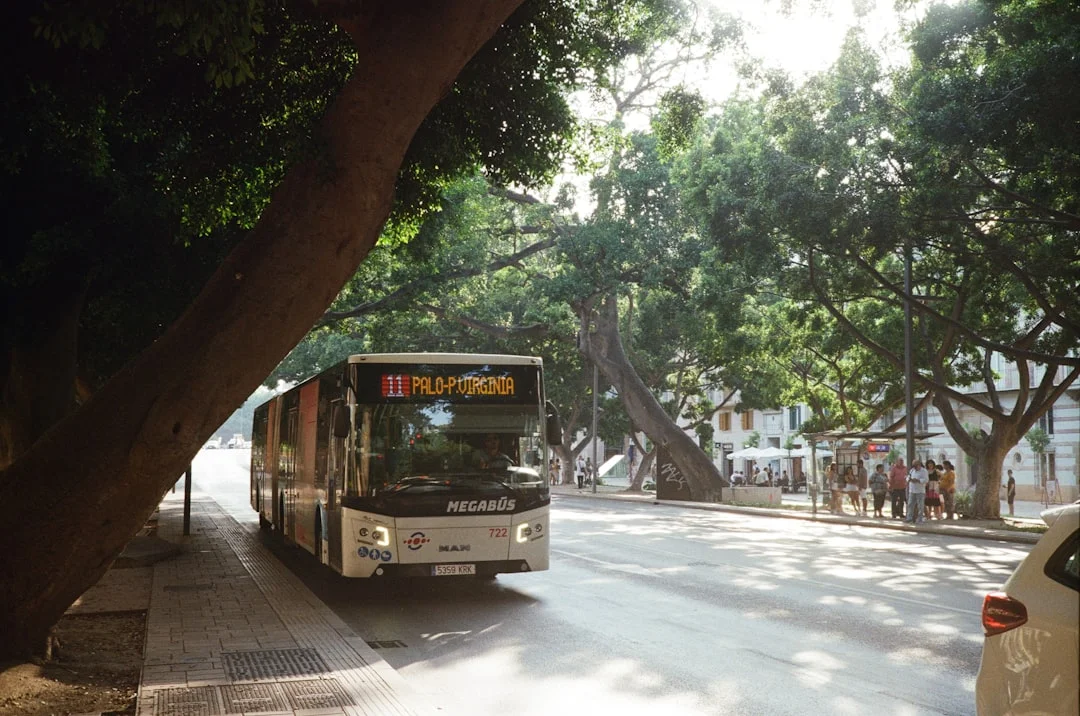
    Bus frequencies connecting Malaga’s city center directly to the TechPark have been increased. Dedicated express lanes during peak hours have significantly reduced commute times for workers living in neighborhoods like Teatinos and Soho.

    Expanded Bicycle and Scooter Lanes

    A newly integrated bicycle corridor now connects the main artery of Malaga city directly to the entrance of the TechPark. This initiative supports the park’s sustainability goals and aligns with the preferences of the younger, eco-conscious tech demographic.

    Transitioning from Digital Nomad to Local Employee

    For professionals currently residing in Andalusia on a Digital Nomad Visa, transitioning to a local contract at Malaga TechPark offers several distinct advantages:

    1. Tax and Residency Stability: Transitioning to a local corporate contract can streamline long-term residency pathways and offer structured social security benefits.
    2. Networking Ecosystems: Working directly within the PTA physical campus opens doors to local tech meetups, investor panels, and collaborative projects.
    3. Career Progression: Local leadership roles within European hubs often require a physical presence or hybrid commitment, which is easier to maintain when based locally. This shift is supported by the rise of modern, hybrid workspaces in the city center, such as the recently unveiled Savills flexible office space on Calle Larios.

    As the summer hiring cycle peaks, candidates are encouraged to update their portfolios, focus on their multilingual capabilities, and engage directly with the recruitment portals of the park’s major multinational tenants.

    We hope this overview helps you navigate the evolving professional landscape of our city. Malaga continues to prove that it is not just a place to vacation, but a dynamic environment where global careers can truly thrive.

  • Malaga CF Bus Attacked in Almeria Delays Promotion Match

    Malaga CF Bus Attacked in Almeria Delays Promotion Match

    A Night of Tension in Almería

    For football fans across the Costa del Sol, the evening of June 20, 2026, was supposed to be a pure celebration of sport. Málaga CF traveled to face UD Almería in the highly anticipated final playoff match for promotion to Spain’s top flight, the Primera División (La Liga). However, the high-stakes encounter took a hostile turn before the ball could even roll.

    Upon arriving at the Power Horse Stadium in Almería, the Málaga CF team bus was targeted by a group of hostile local fans. The vehicle was pelted with rocks and other objects, resulting in several broken windows and significant damage. While this incident has cast a shadow on the sports scene, the region continues to thrive in other sectors, particularly with the rise of summer job opportunities for bilingual talent at Malaga TechPark.

    According to reports from El Español, the attack caused immediate concern for the safety of the players and coaching staff inside. Fortunately, no physical injuries were reported among the squad, though the psychological impact of the hostile reception was undeniable.

    Video Evidence and Police Intervention

    The severity of the incident quickly became apparent as footage surfaced online. A video published by Málaga Hoy captured the moments when Almería supporters crowded the streets, throwing objects and damaging the team’s transport.

    National Police officers had to intervene immediately to restore order, secure the perimeter, and ensure the Málaga CF delegation could safely enter the stadium facilities.

    Kickoff Delayed by 30 Minutes

    As a direct consequence of the security breach and the subsequent cleanup and security reassessments, the Spanish Football Federation (RFEF) and local authorities decided to postpone the kickoff.

    As detailed by El Mundo, the match, which was originally scheduled to start at 21:00, was officially delayed by 30 minutes, finally getting underway at 21:30. The delay allowed the shaken players to regroup and warm up properly after the stressful arrival.

    What This Match Means for Málaga CF

    For international residents and expats living in Málaga, the club’s journey this season has been nothing short of a rollercoaster. Reaching the final playoff for promotion to La Liga represents a monumental achievement for a club that has faced severe financial and sporting struggles in recent years.

    For those looking to follow the aftermath of this dramatic playoff run or catch up on how to watch future matches, Málaga Hoy provided a comprehensive guide on broadcasting and coverage options for this historic derby.

    Football is a game of passion, rivalry, and intense emotion, but events like those in Almería remind us where the line must be drawn. As Málaga CF continues to fight for its place among Spain’s elite, we hope that the spirit of fair play and community always triumphs over violence. No matter the division, the connection between this beautiful city and its team remains unbreakable.

  • Málaga Leads Summer 2026 With 45 Blue Flag Beaches

    Málaga Leads Summer 2026 With 45 Blue Flag Beaches

    Málaga’s Coastline Shines in 2026

    Summer has arrived on the Costa del Sol, bringing with it some spectacular news for beach lovers. For the 2026 season, Málaga province has secured a total of 45 Blue Flag awards, cementing its status as a premier destination for high-quality, safe, and sustainable coastal tourism. Meanwhile, on the sports front, local headlines have been dominated by the shocking incident where the Málaga CF team bus was attacked in Almería, forcing a delay to their crucial promotion match.

    This achievement is part of a wider success story for Andalusia, which has received 143 blue flags in total this year, as reported in the detailed list by Diario SUR. For locals, expats, and holidaymakers alike, these flags serve as a reliable guarantee of excellent water quality, top-tier safety measures, and superb environmental management.

    What Makes a Blue Flag Beach?

    The Blue Flag is an international eco-label awarded by the Foundation for Environmental Education (FEE). To earn this prestigious banner, beaches must meet strict criteria across four main categories—a standard of coastal quality that continues to boost the appeal of regions currently seeing major investments, such as the new €38M residential project in Torrox.

    1. Water Quality: Regular testing ensures the water is completely free of pollutants and safe for swimming.
    2. Environmental Management: Proper waste disposal, recycling facilities, and protection of local coastal ecosystems.
    3. Safety and Services: The presence of professional lifeguards, first aid equipment, and clear safety signaling.
    4. Accessibility: Easy access for people with reduced mobility, including adapted ramps and restrooms.

    When you see that blue flag waving in the sea breeze, you know you are stepping onto a beach that prioritizes both your well-being and the local environment.

    Where to Find Málaga’s Best Beaches in 2026

    With 45 flags scattered across the province, you are never far from a world-class coastal spot. Here is a breakdown of some of the key areas where you can find these award-winning beaches this summer:

    Marbella & Estepona

    These western Costa del Sol giants continue to lead the way in luxury and coastal upkeep. Reflecting this premium status, the Costa del Sol leads Spain’s branded luxury villas market, attracting affluent visitors who seek both high-end living and pristine coastlines. From the family-friendly shores of El Cable and Casablanca in Marbella to the beautifully landscaped promenade of La Rada in Estepona, these beaches offer excellent amenities, beachside chiringuitos, and pristine sands.

    Mijas & Benalmádena

    Perfect for family day trips, Mijas offers beautiful coves and accessible stretches like La Cala. Meanwhile, Benalmádena boasts popular spots like Fuente de la Salud and Torrebermeja-Santa Ana, known for their lively atmosphere, water sports, and proximity to the marina.

    Málaga City

    You don’t have to leave the capital to enjoy award-winning waters. Málaga city retains its flags for urban favorites like La Malagueta and La Misericordia. This urban appeal is a key reason why Málaga has secured a top 10 spot in EasyJet’s global network, drawing international visitors year-round. These spots are perfect for a quick dip after exploring the historic center or enjoying a plate of fresh espetos (sardine skewers) at a local beach bar.

    The Eastern Coast: Nerja & Torrox

    If you prefer dramatic cliffs and crystal-clear waters, the eastern Axarquía region is your go-to. Nerja’s famous Burriana beach and Torrox’s Ferrara beach offer a slightly different vibe, blending rugged natural beauty with excellent tourist services.

    Tips for a Perfect Beach Day on the Costa del Sol

    To make the most of your summer days while keeping these beautiful spaces pristine, keep these simple tips in mind:

    • Arrive Early: The most popular Blue Flag beaches fill up fast, especially during July and August. Arriving before 11:00 AM ensures you get a great spot and easy parking.
    • Respect the Environment: Use the recycling bins provided. Avoid leaving any plastic waste behind, as even small pieces of trash can end up in the sea.
    • Stay Safe under the Sun: The Mediterranean sun can be intense. Bring plenty of water, apply reef-safe sunscreen regularly, and pay close attention to the lifeguard flags (green for safe, yellow for caution, red for no swimming).

    We are incredibly fortunate to call this beautiful stretch of the Mediterranean home. As we dive into the warmth of the 2026 summer season, let’s enjoy these spectacular beaches with gratitude and respect, ensuring they remain clean and beautiful for many years to come. See you by the shore!

  • Málaga Art Exhibitions: 15 Cool Museum Escapes This Weekend

    Málaga Art Exhibitions: 15 Cool Museum Escapes This Weekend

    Beat the Summer Heat in Málaga’s Climatized Museums

    As the June 2026 temperatures climb across the Costa del Sol, finding a cool sanctuary becomes a priority for both locals and visitors looking for stylish Málaga summer plans. Fortunately, Málaga’s transformation into a world-class cultural hub provides the perfect solution. The city’s extensive network of air-conditioned museums offers an ideal “cultural refuge,” allowing you to escape the midday sun while immersing yourself in world-class art.

    This weekend, Málaga features at least 15 active temporary and permanent exhibitions. From avant-garde installations to classic masterpieces, you can embark on a delightful gallery hopping experience across Málaga’s current art exhibitions.

    The Big Three: Picasso, Pompidou, and Carmen Thyssen

    1. Museo Picasso Málaga

    As the birthplace of Pablo Picasso, Málaga honors its most famous son with a spectacular permanent collection and rotating temporary showcases. Beyond its rich cultural scene, the province is also celebrated for its pristine coastline, with Málaga leading Summer 2026 with 45 Blue Flag beaches.

    • What to see: The permanent collection, Dialogues with Picasso, offers a deep dive into eight decades of the artist’s revolutionary work.
    • Why it’s a great escape: Located in the beautifully restored, air-conditioned Palacio de Buenavista in the historic center, it offers a peaceful, cool environment right in the heart of the city.

    2. Centre Pompidou Málaga

    Recognizable by its iconic glass cube at Muelle Uno, the Centre Pompidou Málaga is a must-visit for lovers of modern and contemporary art.

    • What to see: The semi-permanent exhibition features masterpieces from the 20th and 21st centuries, spanning painting, sculpture, and multimedia installations.
    • Why it’s a great escape: Situated underground beneath the harbor, the gallery spaces are naturally insulated and wonderfully cool, making it the perfect stop after a walk along the waterfront.

    3. Museo Carmen Thyssen Málaga

    Housed in the 16th-century Palacio de Villalón, this museum houses an extraordinary collection of 19th-century Spanish and Andalusian painting.

    • What to see: Romantic landscapes, costumbrista scenes, and Spanish modernism. The temporary exhibitions here consistently bring fresh perspectives to classical and early modern art.
    • Why it’s a great escape: The quiet, high-ceilinged galleries and central courtyard offer a serene, cool atmosphere just steps from the busy Calle Larios.

    Contemporary and International Spaces

    4. CAC Málaga (Centro de Arte Contemporáneo)

    Located in the trendy Soho district, the CAC Málaga is the epicenter of cutting-edge contemporary art in the city.

    • What to see: Dynamic temporary exhibitions showcasing international and emerging Spanish artists, alongside a permanent collection of late-20th-century art.
    • Why it’s a great escape: The spacious, industrial-style building is fully air-conditioned and free to enter, making it one of the most accessible cultural stops in town.

    5. Colección del Museo Ruso

    Located in the historic Tabacalera building (a former tobacco factory), this space hosts impressive collections of Russian art and international historical movements.

    • What to see: Historically significant temporary exhibitions ranging from classic icons to Soviet-era realism and avant-garde masterpieces.
    • Why it’s a great escape: The vast, airy exhibition halls are rarely crowded, offering a quiet, cool space to contemplate art at your own pace.

    More Cultural Treasures to Explore This Weekend

    Beyond the major institutions, several other venues contribute to the 15+ active exhibitions available this weekend. According to the local cultural agenda compiled by Hoy Málaga, visitors can also explore:

    • Museo de Málaga (Palacio de la Aduana): A massive space combining fine arts and archaeology, perfect for spending a whole afternoon out of the sun.
    • La Térmica: A contemporary cultural center hosting photography exhibitions and creative workshops.
    • MUPAM (Museo del Patrimonio Municipal): Showcasing historical art and artifacts that trace the history of Málaga from the 15th century to the modern day.

    Practical Tips for Your Museum Weekend

    • Book in advance: To avoid waiting in the sun at ticket offices, book your museum tickets online beforehand.
    • Check opening hours: Many museums offer free entry during the final hours of Sunday afternoon, though these slots can get busy.
    • Combine visits: Many of these spaces are within walking distance of each other, allowing you to hop from one air-conditioned haven to the next.

    We hope this guide helps you navigate Málaga’s incredible cultural landscape while staying cool this weekend. There is a quiet joy in stepping out of the intense Mediterranean heat into the calm, quiet galleries of a museum, letting the art take center stage. Enjoy your weekend of discovery, and stay safe in the sun!

  • Málaga’s Cameranos: The Riojan Merchants Who Built Trade

    Málaga’s Cameranos: The Riojan Merchants Who Built Trade

    Málaga is widely celebrated today as a thriving international hub, but its economic dynamism is nothing new. Long before the tech startups and modern boutiques arrived, the city’s commercial backbone was shaped by waves of ambitious migrants. Among the most influential yet least known of these groups were the Cameranos—enterprising merchants from the rugged Cameros Valley in La Rioja.

    These northern migrants played a fundamental role in transforming Málaga into a commercial powerhouse during the 19th and 20th centuries, laying the foundation for the thriving cultural legacy that today offers incredible Málaga art exhibitions and museum escapes.

    Who Were the Cameranos?

    The Valle de Cameros is a mountainous region in La Rioja, historically known for its harsh winters and sheep farming. Faced with limited agricultural opportunities at home, many young men from the valley chose to migrate.

    Unlike other migration waves driven by sheer desperation, the Cameranos relied on a highly organized network of family and regional solidarity. Established merchants in southern Spain would sponsor young relatives or neighbors from the valley, bringing them in as apprentices. These young men started from the bottom, learning the trade, saving money, and eventually taking over or founding their own businesses.

    Building Málaga’s Commercial Heart

    Upon arriving in Málaga, the Cameranos quickly made their mark on the local retail and wholesale sectors. They specialized in textiles, dry goods, groceries, and traditional haberdasheries (mercerías).

    Their business model was built on trust, long hours, and deep community ties. Over the decades, these Riojan families established some of the most iconic shops in Málaga’s historic center, particularly around Calle Larios and Calle Nueva. Their influence extended beyond simple shopkeeping; they became prominent figures in Málaga’s high society, contributing to the city’s urban development and civic institutions.

    Rediscovering the Legacy on ‘Memoria Sur’

    For those interested in diving deeper into this fascinating chapter of local history, the story has recently been brought back into the spotlight. The local history podcast Memoria Sur, hosted by journalists Ana Pérez-Bryan and Esther Luque, dedicated its latest episode to exploring this Riojan footprint.

    In Episode 263 of Memoria Sur, published in June 2026, the hosts unpack how these northern families integrated into Málaga’s social fabric and left a lasting heritage that still whispers through the architecture and family names of the city today.

    Why This History Matters Today

    Understanding the story of the Cameranos offers a fresh perspective for expats and new residents in Málaga. It serves as a reminder that Málaga’s identity has always been forged by outsiders who arrived with dreams, worked hard, and woven their own cultures into the Andalusian landscape.

    Next time you walk down the marble-paved streets of the historic center, take a moment to look at the old shopfronts. Many of them exist because of the determination of those young mountain-dwellers from La Rioja who decided to make Málaga their home.

    Learning about the people who built the streets we walk today helps us feel truly connected to our shared home. Málaga’s history is a beautiful mosaic of cultures, and the hardworking spirit of the Cameranos remains a vital piece of that puzzle. Let us keep sharing these stories to appreciate the rich, welcoming tapestry of the city we love.

  • Málaga’s Best Pescaíto Frito: 2026 Winners Revealed

    If there is one culinary tradition that defines the Costa del Sol, it is pescaíto frito (fried fish). Golden, crispy, and remarkably light, a perfect fritura malagueña is a masterclass in temperature control and fresh seafood.

    To find out who truly rules the kitchens of the province, a prestigious provincial championship recently brought together 14 of Málaga’s finest seafood establishments. The results of the June 2026 grand finale are in, crowning two local spots as the absolute must-visit destinations for food lovers.

    Here is where you can eat the award-winning best fried fish in Málaga right now.

    The Grand Champion: ‘La Mariscá’ Takes Best Fritura

    The coveted title for the Mejor Fritura Malagueña (Best Málaga-Style Fried Fish) went to La Mariscá.

    According to the official competition coverage by Gurmé Málaga, the judges were blown away by La Mariscá’s flawless execution. Achieving the perfect fritura is incredibly difficult: the flour must coat the fish thinly, the olive oil must be at the exact high temperature to sear the outside instantly without making the fish greasy, and the fish inside must remain juicy and tender.

    La Mariscá managed to strike this balance beautifully, presenting a mixed platter (fritura variada) that set the gold standard for the entire province. If you want to experience the peak of coastal Andalusian cooking, this is your new starting point.

    The Anchovy King: ‘Marina Playa’ Wins Best Boquerones

    In Málaga, the boquerón (anchovy) is more than just a fish—it is a cultural symbol. Locals are proudly nicknamed boquerones, and preparing these small fish is a true test of a chef’s skill.

    The award for the Mejor Fritura de Boquerones (Best Fried Anchovies) was awarded to Marina Playa.

    Frying anchovies requires delicate timing. They must be opened, cleaned, lightly floured (traditionally in pairs joined by the tail), and fried for just a brief moment. Marina Playa mastered this delicate process, serving anchovies that are wonderfully crispy on the outside while retaining their delicate, clean flavor on the inside.

    Inside the Competition

    The grand finale was a high-stakes culinary battle that brought together 14 of the most respected specialized seafood restaurants from across the Málaga province. Each establishment brought their own techniques, family recipes, and carefully sourced local fish to the table, making the judges’ decision incredibly tough.

    The event highlighted the incredible depth of talent in Málaga’s culinary scene, proving that while pescaíto frito is a humble, everyday dish, perfecting it requires world-class culinary precision.

    Practical Tips for Enjoying Pescaíto Frito Like a Local

    If you are planning a weekend food hunt to try these award-winning spots, keep these local tips in mind:

    • Skip the heavy sauces: Authentic pescaíto frito needs nothing more than a tiny squeeze of fresh lemon—and many purists argue you should skip the lemon entirely to appreciate the freshness of the fish.
    • Eat with your hands: Don’t be shy. Small fish like boquerones or salmonetes (red mullet) are meant to be eaten with your fingers.
    • Pair it right: Order a freezing cold local Victoria beer, a crisp glass of Manzanilla sherry, or a dry white wine from the Sierras de Málaga DO.
    • Book ahead: Since these awards were just announced in June 2026, expect both La Mariscá and Marina Playa to be exceptionally busy, especially on weekends. Call ahead to secure a table.

    There is a unique kind of magic in sitting by the Mediterranean, feeling the sea breeze, and sharing a steaming plate of freshly fried fish with friends and family. It is a simple pleasure that connects us to the history of this coast, and we hope these newly crowned champions bring as much joy to your table as they did to the competition judges. Buen provecho!

  • Axarquía Hotelier Named FAHAT Vice President

    Axarquía Hotelier Named FAHAT Vice President

    The eastern coast of Málaga province, known affectionately as the Axarquía, continues to consolidate its position as a major player in the Andalusian tourism landscape. In a significant move for the region’s hospitality sector, local businessman Damián Toboso has been appointed as the new Vice President of the Andalusian Federation of Hotels and Tourist Accommodations (FAHAT).

    This appointment marks a pivotal moment for the eastern Costa del Sol, bringing a fresh perspective from a territory characterized by its blend of coastal charm, historic white villages, and high-quality boutique accommodations.

    A Strategic Voice for Málaga’s Eastern Coast

    Based in Vélez-Málaga, Damián Toboso has long been a key figure in the local hospitality scene. His new role within the regional federation is designed to bridge the gap between local enterprise and regional policy. As reported by AxarquíaPlus, Toboso’s primary mission will be to represent the interests of the Axarquía hotel industry while actively promoting and strengthening the diverse accommodation offerings of the entire Málaga province on the Andalusian stage.

    His leadership comes at a time when the demand for authentic, sustainable, and high-value travel experiences is reshaping how visitors interact with southern Spain.

    “The appointment of Damián Toboso is not just a personal achievement, but a recognition of the growing weight and quality of the Axarquía’s tourism model.”

    The Rising Influence of the Axarquía

    For years, the western stretch of the Costa del Sol—home to Marbella, Torremolinos, and Benalmádena—has dominated the headlines. However, the Axarquía has quietly carved out a highly successful niche.

    Several factors contribute to the region’s rising profile:
    * Diverse Lodging Options: From charming rural cortijos and boutique inland hotels to modern beachfront apartments.
    * Gastronomic Tourism: A focus on local produce, including tropical fruits like Málaga’s renowned avocados and mangoes, olive oil, and the famous sweet Moscatel wines.
    * Sustainable Growth: A slower, more deliberate approach to tourism development that respects the natural environment and local heritage.

    Toboso’s presence on the FAHAT executive board ensures that these unique characteristics are considered during high-level decision-making processes, ensuring the region receives the visibility and support it deserves.

    Looking Ahead

    With the 2026 summer season fully underway, the Andalusian hotel sector faces both opportunities and challenges, from managing water resources sustainably to integrating digital innovations in guest services. Having a dedicated voice from the Axarquía at the regional table will undoubtedly help shape a more balanced and inclusive tourism strategy for all of Andalusia.

    We look forward to seeing how this new leadership fosters deeper collaboration across the province, ensuring that our beautiful corner of the Mediterranean remains a welcoming, vibrant, and sustainable destination for generations to come.

  • Málaga Secures Top 10 Spot in EasyJet’s Global Network

    Málaga Secures Top 10 Spot in EasyJet’s Global Network

    Málaga-Costa del Sol Airport has solidified its position as one of the crown jewels in European aviation, serving as the primary gateway for travelers looking to visit the Caminito del Rey and other Andalusian highlights. In a recent industry update, Javier Gándara, EasyJet’s Director General for Southern Europe, confirmed that the Andalusian hub remains firmly established within the airline’s global top ten destinations.

    This sustained success comes despite a complex macroeconomic landscape marked by post-Brexit operational adjustments and volatile fuel prices. The key to Málaga’s resilience, according to aviation leadership, lies in its rapid transformation from a seasonal holiday hotspot into a multi-faceted, year-round global destination.

    The Power of Diversity: Beyond Sun and Sand

    Historically celebrated for its Mediterranean coastline, Málaga has successfully diversified its appeal. As highlighted by Gándara in an interview with Diario SUR, the province’s greatest asset is now its sheer variety of experiences.

    Today, the region attracts a highly heterogeneous demographic, including:

    • Cultural Seekers: World-class museums, historical landmarks, and a thriving local arts scene.
    • Tech Professionals and Digital Nomads: Málaga’s rise as Southern Europe’s premier technology hub has created a steady stream of business and bleisure (business + leisure) travelers.
    • Active and Rural Tourists: The inland areas, from the Caminito del Rey to the Sierra de de las Nieves, draw hikers and nature enthusiasts year-round.
    • Gastronomy Lovers: A sophisticated culinary landscape ranging from traditional beachside chiringuitos—which are currently preparing for the upcoming EU single-use plastic ban—to Michelin-starred establishments.

    This structural shift has effectively flattened the seasonal curve, ensuring high occupancy rates on flights even during traditional off-peak winter months.

    Navigating Global Aviation Challenges

    The aviation sector in 2026 continues to face headwinds. The UK’s departure from the European Union initially raised concerns about travel friction, given that British travelers constitute a massive segment of Málaga’s international arrivals. Additionally, fluctuating fuel costs have forced airlines to optimize their networks ruthlessly.

    Despite these pressures, EasyJet’s commitment to Málaga has not wavered. The airline’s ability to maintain its Málaga operations in the global top ten underscores the robust, non-negotiable demand for the Costa del Sol. The airport serves as a vital bridge connecting Andalusia to major European capitals, facilitating not just tourism, but essential family, business, and real estate connections for the region’s massive expat community.

    Looking Ahead

    As Málaga continues to expand its cultural and technological footprint, its airport will remain the primary engine of this growth. This rising prominence is also reflected in the city’s efforts to host major regulatory bodies, such as its recent bid for Spain’s National Transport Safety Agency. For locals, expats, and frequent visitors, the reassurance of strong connectivity from major carriers like EasyJet ensures that Málaga remains closer than ever to the rest of the world.

    We look forward to seeing how our city continues to welcome the world, growing responsibly while sharing the unique lifestyle, warmth, and innovation that make Málaga an unforgettable place to land.