Tag: lang:en

  • Málaga CF La Liga Odds Give 60% Survival Chance

    Málaga CF La Liga Odds Give 60% Survival Chance

    Málaga CF Back Among Spain’s Elite

    Football fever in Málaga has reached heights not seen in over a decade. As the 2026/27 Spanish football season gets underway, Málaga CF is officially back in the top flight, bringing Primera División action back to the iconic La Rosaleda stadium. For local fans (Malaguistas) and international supporters visiting the Costa del Sol, the mood is a mixture of raw enthusiasm and realistic anticipation.

    Surviving the notoriously tough La Liga competition as a newly promoted side is never easy, but early statistical models offer reason for genuine confidence.

    What the Data Says: A 60% Survival Chance

    According to a detailed analytical study released by Betfair, Málaga CF enters the season with a 60.23% probability of maintaining its place in La Liga. The analysis, reported by Diario AS, positions the Andalusian club favorably compared to typical newly promoted teams in recent seasons.

    Statistical models grant Málaga CF a solid 60.23% chance of avoiding relegation in their comeback season in Spain’s top division.

    This statistical vote of confidence stems from the team’s strong defensive discipline, squad continuity, and the formidable home atmosphere at La Rosaleda, where the club routinely draws passionate, sold-out crowds.

    Early Setback: Carlos Dotor Ruled Out for Atlético Madrid Match

    While optimism remains high, top-flight football quickly delivers tough physical challenges. The squad faced its first major personnel blow ahead of their demanding fixture against Atlético Madrid at the Metropolitano stadium.

    Midfielder Carlos Dotor suffered a knee injury during recent training sessions, as covered in local sports updates by La Opinión de Málaga. The versatile midfielder, who was expected to play a central role in controlling midfield tempo against elite opposition, will miss the crucial journey to the Spanish capital.

    The injury forces tactical adjustments early in the campaign, testing Málaga’s squad depth right out of the gate against one of Europe’s elite sides.

    A Quick Guide for Fans Visiting Málaga

    If you are traveling to Málaga or living on the Costa del Sol this season, catching a La Liga match at La Rosaleda is an unforgettable local experience. Here is what you need to know:

    • Location: La Rosaleda is situated just north of the city center along the Guadalmedina river, an easy 20-minute walk from the historic district.
    • Matchday Atmosphere: Arrive 90 minutes before kickoff around Calle Paseo de Martiricos to soak in the pre-match tapas, chants, and local color.
    • Tickets: Demand for top-tier fixtures is extremely high. Always purchase directly through official club channels or authorized ticketing agents well in advance.

    As this long season unfolds, Málaga CF faces a demanding road ahead filled with elite competition and tactical tests. Yet after years of fighting to rebuild and return to Primera División, every match day feels like a celebration of resilience. Here is hoping the team can stay healthy, fight for every point, and keep top-flight football right where it belongs in our city.

  • How to Choose a Málaga Beach Based on the Wind

    How to Choose a Málaga Beach Based on the Wind

    Nothing ruins a seaside afternoon quite like settling down on your towel only to be blasted by flying sand and chopped-up waves. If you live in or visit Málaga, you quickly learn that a great beach day depends heavily on understanding local weather dynamics—specifically, which way the wind is blowing.

    On the Costa del Sol, two main coastal winds dictate sea conditions: the Levante (from the east) and the Poniente (from the west). By knowing how these winds interact with local topography, you can easily choose a comfortable beach spot every time—whether you are unwinding by the sea or keeping an eye on Málaga CF’s La Liga survival odds.

    Understanding the Winds: Levante vs. Poniente

    To pick the right stretch of sand, you first need to recognize what each wind brings to the coastline:

    • Levante (Easterly Wind): Blowing in from the Mediterranean to the east, the Levante tends to bring humid air, rougher waves, and occasional jellyfish towards exposed shorelines. It can make eastern-facing beaches choppy, but sheltered bays tucked behind cliffs remain calm.
    • Poniente (Westerly Wind): Originating from the west, the Poniente usually brings clearer weather, drier air, and flatter seas along much of the urban coastline. However, during mid-summer, a land-influenced Poniente (terral) can spike temperatures dramatically, while western currents can sometimes pull in cooler deep-sea water.

    Understanding these patterns, as detailed in local weather analyses like El Sur Medina Sidonia’s wind guide, allows you to pick sheltered spots regardless of the forecast.

    Where to Go During a Levante (Easterly Wind)

    When the easterly wind picks up, open beaches on the eastern side of town suffer from swell and wind-blown spray. To escape it, look for beaches backed by high cliffs or natural rock formations that block winds coming from the east.

    Peñón del Cuervo

    Located just east of the main city center, Peñón del Cuervo is defined by its iconic limestone rock dividing the shoreline into two coves. The giant rock formation provides natural wind protection depending on where you place your towel. Conveniently, it offers free parking right near the beach and connects to the city via a continuous coastal trail, making it easily accessible.

    Playa Burriana and Maro (Nerja)

    Further east near Nerja, the dramatic cliffs of the Acantilados de Maro-Cerro Gordo natural park create deep, protected enclaves. Playa Burriana is an 800-metre stretch of coarse golden sand framed by steep cliffs that shield beachgoers from heavy breezes. Just next door, Maro Beach offers a secluded cove setting where surrounding hills block incoming winds, keeping the turquoise waters remarkably tranquil for kayaking and paddleboarding.

    Where to Go During a Poniente (Westerly Wind)

    When a strong westerly Poniente blows, open western stretches can feel gusty, but urban beaches protected by harbor breakwaters or east-facing bay curves excel.

    Playa de La Malagueta

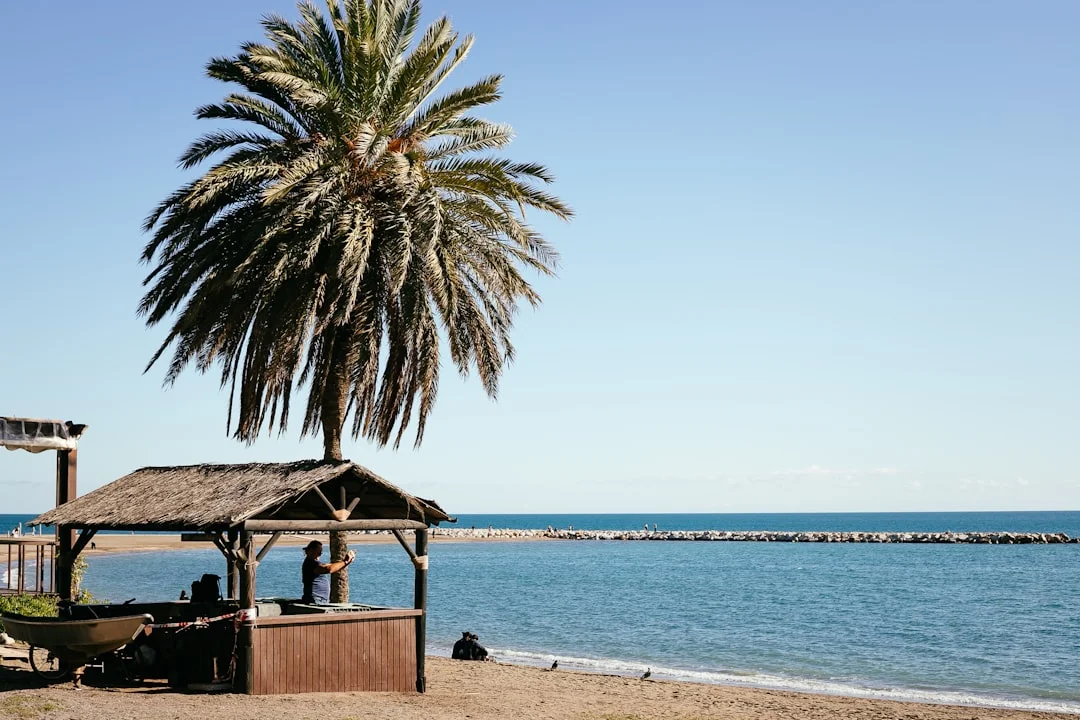
    Stretching 1,200 metres long and 45 metres wide, Playa de La Malagueta is Málaga’s signature city beach. Because it sits directly adjacent to the large outer breakwater of the Port of Málaga, it receives significant shielding from westerly swells and winds. Even when westerly breezes whip up outside the bay, La Malagueta remains relatively calm, making it a reliable default choice within walking distance of the historic center and close to many lively sports bars in La Malagueta.

    Playa de La Caleta & Pedregalejo

    Continuing east from La Malagueta, beaches like Pedregalejo feature man-made stone jetties that break incoming waves and create calm, shallow lagoons. These protective structures make the neighborhood coves comfortable even when open coastal waters feel restless.

    Quick Tips Before Heading Out

    1. Check Real-Time Wind Apps: Use localized marine forecasts like Windfinder or AEMET to confirm wind direction and strength in knots.
    2. Look for Natural Structures: Whenever in doubt, choose coves flanked by high cliffs or artificial harbor walls.
    3. Explore Beyond the City: For a comprehensive overview of coastal options across the province, review local resources such as the MalagaCar Beach Guide or Siesta Campers’ Málaga Overview.

    Living along the Mediterranean means learning to work with nature rather than fighting it. Once you know how to read the sky and wind, every day on the Costa del Sol offers a quiet stretch of warm sand waiting just around the corner.

  • Hotel Ibis Málaga Fire Extinguished with No Injuries

    Hotel Ibis Málaga Fire Extinguished with No Injuries

    Fire Fully Subdued at Hotel Ibis in Málaga

    Local emergency services in Málaga have confirmed the complete extinction of a fire that broke out on the third floor of the Hotel Ibis in the city center. Thanks to the prompt and coordinated response of the municipal fire brigade, the situation was brought entirely under control without any personal injuries reported.

    While the flames briefly flared up on the third level before the final intervention, emergency crews acted swiftly to isolate the outbreak, subdue all active flames, and inspect the surrounding premises to guarantee structural safety. According to local reporting from La Opinión de Málaga, emergency protocols operated smoothly to safeguard both guests and hotel personnel.

    Peace of Mind for Visitors and Travel Plans

    For tourists currently staying near the city center or holding upcoming reservations in the area, the prompt resolution brings full reassurance. The surrounding streets and access routes have returned to normal, and local public transport continues to operate without interruption.

    Key details regarding the incident include:
    No Reported Casualties: Firefighters and emergency medical services verified that all individuals were cleared without injury.
    Complete Extinction: Fire crews completed thorough cooling operations on the affected third floor to prevent any further risk.
    Normal Urban Activity: Nearby establishments, pedestrian thoroughfares, and local transit operate seamlessly.

    Safety in Málaga’s Hospitality Sector

    Málaga maintains stringent safety and fire prevention standards across all commercial and tourist accommodations. The quick neutralization of this incident highlights the efficacy of local emergency infrastructure, offering peace of mind to both international visitors and residents.

    Moments like these remind us of the dedicated personnel working quietly behind the scenes to keep our city secure. It is always a relief when potential mishaps end safely, allowing Málaga to continue welcoming travelers with warmth and confidence.

  • Visit Museo Unicaja Ahead of the 2026 Málaga Feria

    Visit Museo Unicaja Ahead of the 2026 Málaga Feria

    A Cultural Gateway to Málaga’s Traditions

    As the city prepares to celebrate the 2026 Málaga Feria, gaining a deeper understanding of local roots transforms the festival experience—even as the region drives modern growth through initiatives like Andalucía’s €9M investment in innovation clusters. While street parties, live music, and traditional flamenco dresses fill the city, the historical context behind these customs can be discovered in the heart of the historic center at the Museo Fundación Unicaja de Artes y Costumbres Populares.

    Housed in the Mesón de la Victoria, an exquisitely restored 17th-century inn on the banks of the Guadalmedina river, the museum offers visitors a journey through 19th and 20th-century rural and urban life in Málaga province.

    According to a recent report by Cadena SER Málaga, the venue serves as an essential cultural stop during the August fair season, providing locals and international visitors alike with authentic insights into regional heritage.

    What to See Inside the Museum

    The museum’s collection is arranged chronologically and thematic across two floors centered around a traditional Andalusian courtyard. It provides a detailed look into the everyday customs, crafts, and social history of the region:

    • Traditional Crafts & Trades: Dedicated halls display original tools and workshops from historic trades, including blacksmithing, ceramics, olive oil pressing, and winemaking—the backbone of traditional Malagueño agriculture.
    • Regional Attire & Dress: Displays showcase traditional regional costumes, giving context to the trajes de flamenca worn throughout the streets during Feria week.
    • Bourgeois and Popular Domestic Life: Rooms recreate typical 19th-century domestic settings, contrasting wealthy urban residences with modest rural homes.
    • Religious and Popular Folklore: Exhibits feature delicate clay figurines (barros), festive art, and religious iconography connected to local processions and neighborhood festivities.

    Why Visit Before or During Feria Week?

    Experiencing the Feria de Málaga involves enjoying sweet local wine (Cartojal), watching traditional dances, and admiring horse-drawn carriages. Visiting the Museo Unicaja before heading to the historic center’s daytime street celebrations gives every glass of wine, folk melody, and traditional gown a story.

    Practical Information for Visitors

    • Address: Pasillo de Santa Isabel, 10, 29005 Málaga
    • Location: Historic Center, near Mercado Central de Atarazanas
    • Opening Hours: Monday to Friday (10:00 to 14:00 and 16:00 to 19:00), Saturdays (10:00 to 14:00). Closed Sundays.
    • Accessibility: Fully walkable within 45 to 60 minutes.

    Taking an hour to wander through these quiet courtyard galleries provides a memorable, cooling respite from the summer sun and offers a meaningful connection to Málaga’s vibrant cultural scene and living history.

    We hope this cultural visit adds depth and appreciation to your 2026 summer celebrations in Málaga. Sharing and preserving local history keeps the genuine spirit of Andalusia alive for generations to come.

  • Centenary Málaga Chiringuito Named Best in Spain

    Centenary Málaga Chiringuito Named Best in Spain

    A Century of Coastal Culinary Tradition

    Málaga’s coastline is lined with hundreds of seaside dining spots, but few capture the soul of Andalusian culture like a genuine chiringuito. In a recent national culinary showcase highlighted by El Confidencial, a historic, centennial beach restaurant right here in Málaga took top honors as the best beach restaurant in Spain.

    This recognition isn’t just a nod to fancy plating or high-end luxury. Instead, it celebrates a century-old commitment to simple, exceptional seafood, warm local hospitality, and the timeless magic of dining just feet from the Mediterranean tide. For locals and travelers eager to explore the city’s rich heritage—whether dining by the shore or planning a visit to Museo Unicaja ahead of the 2026 Málaga Feria—it confirms what seaside regulars have known for generations: Málaga’s beachside dining culture remains unmatched across the country.

    The Magic Behind the Fire: The Art of the Espeto

    At the heart of any authentic Málaga chiringuito—and central to this historic restaurant’s national acclaim—is the amoraga and the classic espeto de sardinas.

    Long before modern kitchen equipment existed, local fishermen learned to skewer fresh sardines onto sharpened cane reeds (cañas) and roast them over olive-wood embers planted inside sand-filled wooden boats on the beach—a tradition still celebrated today by visitors navigating the Málaga Fair across its day and night venues.

    Whether you’re taking a break from exploring Picasso’s Málaga beyond the main museum or simply indulging in the local beachside gastronomy, here is what makes a master-level espeto so distinct:

    • The Timing: Sardines are skewered with precise orientation relative to the embers so that the fish cooks evenly in its own healthy natural oils without burning.
    • The Season: Local wisdom dictates that sardines are at their prime during months without an “r” (May, June, July, and August), when the fat content is highest and the meat is tender and sweet.
    • The Wood: A proper amorador (grillmaster) uses well-seasoned olive wood, which imparts a subtle, smoky aroma to the fish without overpowering its delicate ocean flavor.

    Essential Dishes to Try on the Beach

    While sardine espetos are non-negotiable, a centennial chiringuito menu offers a deep dive into the best of Southern Spain’s marine bounty. If you are planning a visit, here are the staple dishes you should order:

    1. Pescaíto Frito (Fried Local Fish)

    The secret to authentic Andalusian fried fish lies in high-quality olive oil, clean frying temperatures, and hard durum wheat flour (harina de almortas or specialized frying flour). The result is impossibly light, crispy seafood that is never greasy. Look for boquerones (fresh anchovies), rosada, or a mixed platter (variado).

    2. Conchas Finas and Local Shellfish

    Served raw with just a squeeze of fresh lemon and a pinch of black pepper, conchas finas (smooth clam shells unique to the region) offer a taste of pure sea water. You can also order grilled king prawns (gambas a la plancha) or garlic-sizzling gambas al pil-pil.

    3. Coquinas al Ajillo

    Small, delicate wedge clams sautéed gently with olive oil, minced garlic, dry white wine, and fresh parsley. Pair them with crusty local white bread for dipping into the fragrant oil.

    4. Rice and Fideuá

    For a leisurely weekend lunch, order an arroz a banda, arroz caldoso de marisco (soupy seafood rice), or fideuá (noodle paella). Chiringuitos usually prepare these dishes to order, making them ideal for long, relaxed table conversations.

    Practical Tips for Your Chiringuito Visit

    Navigating beach dining in Málaga like a local ensures a much smoother experience, especially during peak summer months:

    • Timing: Spaniards dine late. Lunch peak at a chiringuito runs from 2:00 PM to 4:00 PM. Arriving around 1:30 PM helps secure a good table if you don’t have reservations.
    • Reservations: For historic spots along popular stretches like Pedregalejo, El Palo, or La Caleta, booking several days in advance is highly recommended during August and weekend periods.
    • Dress Code: Casual is the norm. It is fine to walk up directly from the sand, but standard etiquette requires putting on a shirt or beach cover-up before sitting at a table.
    • Drink Pairings: An ice-cold Victoria draft beer (caña), a chilled glass of dry local white wine, or a summer tinto de verano (red wine with lemon soda) are classic companions to salty beach fare.

    Exploring Málaga’s Iconic Beach Neighborhoods

    If you want to sample this world-class beach culture yourself, head east along Málaga’s coastal promenade:

    • Pedregalejo: Famous for its historic low-slung fishermen’s houses, shallow crescent bays, and lively waterfront terraces.
    • El Palo: The traditional epicenter of Málaga’s fishing heritage, home to long stretches of dark sand, working boats, and some of the most authentic seafood spots in Andalusia.
    • La Caleta & Malagueta: Located closer to the city center, offering a blend of traditional chiringuitos and modern beach spots with views of the port and city skyline.

    There is a quiet wonder in sitting by the water as the sea breeze rolls in, listening to the crackle of olive wood while watching seafood cooked with techniques refined over a hundred years. It reminds us that the best meals rarely require pretense—just fresh fish, hot coals, good company, and the Mediterranean right at your feet.

  • Where to Watch Premier League Football in Málaga

    Where to Watch Premier League Football in Málaga

    The Rhythm of Matchday on the Costa del Sol

    There is an undeniable allure to experiencing live football in Málaga. Beyond the sun-drenched terraces and gentle Mediterranean sea breezes, the city harbours a passionate, cosmopolitan pulse whenever matchday arrives. Whether you are seeking the high-stakes drama of the English Premier League, the tactical art of La Liga, or looking to branch out into other local sporting traditions like Unicaja basketball games, Málaga offers an eclectic array of venues where sports culture thrives.

    From lively Irish taverns tucked into historic alleys—ideal for relaxing after taking time to visit Museo Unicaja ahead of the 2026 Málaga Feria—to stylish sports bars operating official Movistar+ and DAZN broadcasts, finding a seat with a pristine view of the screen is an essential part of the local expat and traveler lifestyle.

    Centro Histórico & Plaza de la Merced: Heart of the Action

    While many visitors spend their day figuring out how to choose a Málaga beach based on the wind, as evening approaches, the historic core of the city is naturally the primary destination for football enthusiasts. Around the iconic Plaza de la Merced and along adjacent pedestrian corridors, several establishments cater specifically to international supporters seeking English commentary and an energetic atmosphere.

    Plaza de la Merced itself hosts prominent gathering spots where supporters assemble hours before kickoff. According to local matchday listings on Watch Party Radar, venue concentrations around Plaza de la Merced and the surrounding historic grid offer multi-screen setups catering to simultaneous kickoff times across the UK and Europe.

    For those who enjoy a distinct rock-and-roll vibe along with their live sports, Boc n Roll Sports Bar delivers an engaging blend of energetic music, generous craft offerings, and crisp high-definition displays streaming live Premier League fixtures. Meanwhile, established favourites highlighted on Yelp’s Málaga sports bar directories—such as O’Learys, Safari Bar, Coco’s Sports Bar, and Guinn’s—remain perennial mainstays for football devotees who crave classic pub fare alongside cold pints of lager and stout.

    Soho and La Malagueta: Coastal Vibrancy and Craft Pints

    Stepping south towards the port, the creative Soho district—a great area to discover when exploring Picasso’s Málaga beyond the main museum—and the seaside neighborhood of La Malagueta offer a slightly different pace for live football viewing. Here, the sea air meets modern gastropubs and refined sports lounges.

    In Soho, venues broadcast official audio and visual feeds through premium licensed providers like Movistar+ and DAZN, ensuring uninterrupted high-definition feeds for essential Premier League clashes. As curated in South Tours’ Málaga sports guide, watching a fixture near the waterfront provides the ideal preamble or follow-up to a sunset promenade along Muelle Uno.

    Across La Malagueta, beachside venues and neighborhood bars often set up outdoor screens or cozy interior viewing lounges, allowing patrons to catch early afternoon kickoffs without leaving the coastal breeze behind.

    Local Neighborhood Haunts: Authenticity Beyond the Tourist Trail

    For fans seeking an authentic Andalusian matchday experience, venturing outside the primary tourist core unveils a completely different side of Málaga’s footballing soul.

    • Bar La Esquina: A true neighborhood staple where local malagueños gather to discuss tactical lineups over cold cañas and local tapas. While Spanish football dominates the airwaves here, major Premier League head-to-headers and European ties draw an enthusiastic crowd.
    • Bailén-Miraflores Venues: For visitors exploring northwestern districts, localized venues tucked away on streets like Calle Ministerio de la Vivienda provide casual neighborhood spots to catch the score while enjoying traditional hospitality.

    To explore comprehensive broadcast schedules and localized broadcast rights across various districts, checking specialized match planners like FutbolBar Málaga ensures you choose a bar with guaranteed audio commentary for your specific club.

    Tips for Enjoying Matchday in Málaga

    1. Arrive Early for Key Fixtures: Popular venues in Centro and Soho fill up quickly, particularly for derby matches or late-afternoon weekend Premier League kickoffs.
    2. Verify Broadcast Rights: While most sports bars carry comprehensive package subscriptions, smaller tapas bars may only carry open-air Spanish television. Confirming the venue uses official commercial streaming guarantees access to your desired match.
    3. Embrace the Mixed Atmosphere: One of Málaga’s finest qualities is its welcoming, multicultural atmosphere. You will often find supporters from across London, Manchester, Madrid, and Málaga sharing adjacent tables in friendly camaraderie.

    As the afternoon sun dips behind the Cathedral and the sounds of matchday cheer echo down the marble streets, watching football in Málaga becomes more than just keeping up with the score—it is a celebration of community, warm evenings, and shared passion. We hope you find your ideal perch, a cold drink, and ninety minutes of unforgettable sport.

  • Málaga Weekend Guide: 90+ Top Cultural Activities

    Málaga Weekend Guide: 90+ Top Cultural Activities

    Exploring Málaga Beyond the Tourist Trail

    Málaga’s cultural landscape has transformed dramatically over recent years, establishing the coastal city as one of Andalusia’s premier hubs for arts, outdoor life, and gastronomy. For local residents, digital nomads, and expats living in the capital, navigating the local agenda can be overwhelming with dozens of concurrent listings every single week—whether you need a simple weekend plan or a complete day and night venue guide for the Málaga Fair.

    This mid-August weekend in 2026 brings an exceptionally rich lineup, following earlier highlights like the Brisa Festival at the port, with nearly 100 scheduled activities across the municipality and neighbouring towns. Whether you are looking to catch an open-air film, sample seasonal tapas, or escape into the mountains, there are plenty of options curated for every preference.

    For an extensive live listing updated weekly, you can check the local agenda detailed on Hoy Málaga.

    Key Highlights for the Weekend

    Visual Arts and Nighttime Museum Visits

    Summer evenings in Málaga offer a unique opportunity to explore major art institutions after dark. Several prominent spaces around the Historic Centre and Soho districts are hosting extended evening hours:
    * Centro de Arte Contemporáneo (CAC Málaga): Features contemporary installations focusing on Spanish and international visual artists.
    * Museo Carmen Thyssen: Open late with thematic guided tours highlighting late 19th-century Andalusian painting.
    * Centre Pompidou Málaga: Perfect for an evening stroll around Muelle Uno before viewing modern masterpieces.

    Live Music and Outdoor Cinema

    As daytime temperatures peak, outdoor cultural programming takes over the evening hours:
    * Open-Air Concerts: Local acoustic acts, flamenco fusion ensembles, and jazz trios are performing in plazas around El Perchel and Teatinos, both easily reached using Málaga’s bus and metro lines.
    * Summer Cinema (Cine de Verano): Free outdoor film screenings take place across municipal parks and selected beaches, including Playa de la Misericordia.

    Gastronomy and Outdoor Activities

    If you prefer nature or local food routes during the daytime:
    * Seasonal Tapas Routes: Neighborhood bars in Pedregalejo and Huelin are highlighting traditional seafood dishes such as fresh espetos and chilled porra antequerana.
    * Hiking Trails near the City: Early morning walks along the Montes de Málaga or the coastal trail near La Araña offer cooling breezes before midday heat sets in.

    Making the Most of Your Local Weekend

    Living in Málaga means having immediate access to a thriving cultural scene without needing to rely on typical tourist packages. Taking advantage of neighborhood events, local street markets, and community concerts is often the best way to plug into the authentic pace of the city.

    We hope this weekend gives you a chance to unwind, discover a new corner of the province, and enjoy everything our city has to offer. Safe travels, enjoy the warm August evenings, and see you out in the plazas.

  • Málaga Approves Initial Steps for Major FYCMA Expansion

    Málaga Approves Initial Steps for Major FYCMA Expansion

    Broadening the Horizon for Business and Tech in Southern Europe

    Málaga’s transition into a prominent European technological and business destination, alongside its growing appeal for weekend cultural activities, has brought unprecedented demand for large-scale event spaces. To keep pace with this trajectory, Málaga City Council has officially initiated procedural steps to expand the Palacio de Ferias y Congresos de Málaga (FYCMA).

    Over the past decade, FYCMA has served as the backbone for the city’s corporate, technological, and scientific gatherings. However, high demand and the increasing scale of international summits have pushed the current facility to its physical limits—placing extra focus on local hospitality infrastructure, where safety was recently highlighted after a fire at the Hotel Ibis Málaga was safely extinguished. The expansion project aims to provide the infrastructure necessary to host larger global congresses and multiple high-profile trade shows simultaneously.

    What the Expansion Process Entails

    According to reporting by Diario SUR, municipal authorities have formally launched the initial administrative mechanisms required to plan and execute the enlargment of the venue.

    Key focus areas of the project include:

    • Increased Exhibition Space: Expanding covered pavilion areas to accommodate additional trade booths and large machinery exhibitions.
    • Modernized Auditorium & Meeting Facilities: Enhancing seating capacity and breakout rooms equipped with state-of-the-art audiovisual technology.
    • Streamlined Logistics: Optimizing visitor access, loading bays, and parking facilities to manage higher attendee volumes efficiently.
    • Sustainability Integration: Aligning new construction with modern energy efficiency standards and green building certifications.

    “Strengthening Málaga’s event infrastructure ensures the city remains competitive alongside major European convention capitals like Barcelona, Madrid, and Munich.”

    Economic and Sectoral Impact

    The expansion comes at a pivotal time for Málaga’s MICE (Meetings, Incentives, Conferences, and Exhibitions) sector. Major events such as the Digital Enterprise Show (DES), Transfiere, and numerous international medical and tech conventions regularly fill the current floor space.

    By expanding FYCMA’s capacity, the city aims to:

    1. Attract Tier-1 Global Events: Secure large-scale international congresses that previously bypassed Málaga due to space constraints.
    2. Boost Off-Season Tourism: Corporate delegates provide steady economic activity during autumn and winter months, benefiting local hotel occupancy, restaurants, and transport services.
    3. Reinforce the Tech Ecosystem: Provide a physical platform for international investors, scale-ups, and corporate research leaders arriving via the nearby Málaga TechPark and local innovation clusters.

    Strategic Integration with City Infrastructure

    FYCMA’s location offers distinct logistical advantages, situated minutes from both Málaga-Costa del Sol Airport and the María Zambrano high-speed rail station. Alongside other major developments transforming the skyline—such as the recently approved El Bulto tower project—future urban planning around the facility will emphasize improved public transport connections and smooth traffic flow to handle increased visitors during peak events.

    As the administrative procedures move forward, detailed architectural tenders and construction timelines will define the precise scope of the project.

    It is inspiring to see Málaga systematically build out the groundwork for its future. As the city continues to welcome professionals and innovators from around the globe, thoughtful developments like the FYCMA expansion ensure that Málaga remains a vibrant, welcoming, and world-class destination for business and community alike.

  • Moldova Adapts Málaga TechPark Innovation Model

    Moldova Adapts Málaga TechPark Innovation Model

    Strategic Alliance for Innovation Transfer

    An official institutional delegation from Moldova recently completed a working visit to Málaga TechPark to establish a strategic framework aimed at replicating the Andalusian hub’s management, incubator, and ecosystem scaling models. As reported by La Razón, the Moldovan representatives met with park directors to analyze the structural and operational methodologies that have propelled Málaga into one of Southern Europe’s primary technological centers.

    The partnership highlights a growing trend: alongside broader infrastructure investments such as the approved major expansion for FYCMA, Málaga TechPark is increasingly operating not only as a physical site for multinational corporations and startups, but also as an exporter of tech park governance expertise to emerging European economies.

    Core Pillars of the Collaboration

    To build a resilient technological infrastructure, especially as AI cybersecurity risks surge across tech hubs in Europe, Eastern European nations like Moldova are seeking field-tested operational benchmarks. The exchange focused on several core pillars:

    • Public-Private Governance: How Málaga TechPark balances public institution support with private enterprise demands.
    • Incubation and Acceleration: Operational frameworks for university spin-offs, specialized incubators (such as those focused on cybersecurity and microelectronics), and scaling international startups.
    • Infrastructure and Services: Soft-landing programs designed to integrate international companies rapidly into the local ecosystem.
    • Talent Attraction and Retention: Shared strategies for aligning university curricula with industry R&D requirements.
    Key Metrics: Málaga TechPark (PTA)
    - Companies Hosted: >650
    - Workforce: >25,000 workers
    - Sector Focus: ICT, Cybersecurity, CleanTech, Microelectronics
    

    Why Málaga’s Model Appeals to Emerging Tech Hubs

    Over the past decade, Málaga has transformed its economic profile from a tourism-dependent economy into a balanced dual-engine model driven by technology and hospitality. The park’s ability to attract global giants—alongside vibrant local startups—serves as a blueprint for nations seeking rapid digital transformation.

    For Eastern European countries with strong technical talent pools, the primary challenge is rarely a shortage of software engineers; rather, it is constructing cohesive ecosystems that connect capital, legal stability, real estate infrastructure, and corporate R&D projects. Málaga TechPark offers a clear blueprint for overcoming these structural bottlenecks.

    As global technology corridors continue to interconnect, seeing our city’s hard-earned lessons in tech park management shared across borders is a encouraging reminder of what sustained vision can build. We look forward to seeing how Moldovan innovators adapt these insights to foster their own flourishing technology ecosystem.

  • A Non-Catholic’s Guide to Semana Santa in Málaga

    A Non-Catholic’s Guide to Semana Santa in Málaga

    What Is Semana Santa in Málaga?

    If you are visiting or living in Málaga during spring, you will quickly notice that Holy Week (Semana Santa) is far more than a strictly religious observance. It is a massive, centuries-old cultural event that transforms the city’s urban grid into a living stage of brass bands, incense smoke, float bearers, and crowds of thousands—though if you need a break from the processions, you can easily find great spots to watch Premier League football in Málaga.

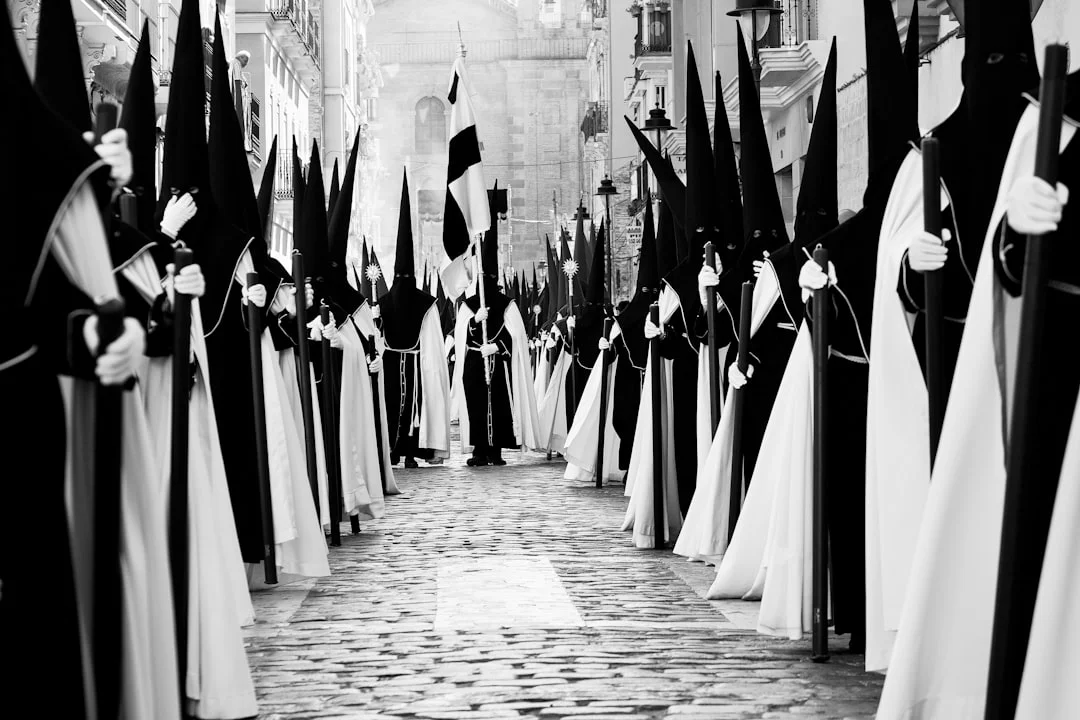
    For non-Catholics, non-believers, or first-time international visitors, the sheer scale of the festival can feel overwhelming. Hooded figures (nazarenos), heavy wooden thrones (tronos), and emotional street singings (saetas) might seem mysterious at first glance. However, you do not need to be religious to appreciate the art, devotion, discipline, and community spirit behind the event.

    As noted by Málaga Turismo, Málaga’s Holy Week is defined by its grand scale, where 45 distinct brotherhoods (cofradías) organize elaborate public processions throughout the city center.

    Decoding the Visuals: Key Terms to Know

    Before stepping into the street crowds, it helps to understand what you are seeing:

    • Cofradía or Hermandad: A lay brotherhood attached to a local parish that cares for sacred images, organizes charitable works throughout the year, and plans its annual procession.
    • Trono: Unlike in Seville where wooden floats are carried on the neck under hidden drapes, Málaga’s massive tronos are carried publicly on extended wooden beams by hundreds of carriers (portadores). Some weigh over four tonnes.
    • Nazarenos: Penitents wearing robes and tall pointed hoods (capirotes). While these pointed hats often surprise visitors from North America due to visual similarity to unrelated historic groups, in Spain they date back centuries to the Inquisition and represent penitence and humility—hiding the face so all penitents remain equal before God.
    • Saeta: A poignant, unamplified flamenco song sung spontaneously from a balcony to a passing holy image. When a saeta begins, the surrounding crowd drops into total silence.

    How the Week Unfolds: Daily Highlights

    Processions run every day from Palm Sunday through Good Friday, pause on Holy Saturday, and conclude with a celebratory final parade on Easter Sunday. As detailed by Free Tour Málaga, each day brings its own unique rhythm and highlights:

    Palm Sunday (Domingo de Ramos)

    The week kicks off with bright colors and palm leaves. A famous favorite is La Pollinica, a lighter morning procession featuring children holding woven palm fronds.

    Holy Monday (Lunes Santo)

    One of the most passionate days in the city. Thousands gather at the San Pablo church in the El Perchel neighborhood for the morning transfer of Jesús Cautivo (Jesus the Captive) and María Santísima de la Trinidad. Cautivo, clad in a plain white robe, is widely considered the most beloved image in Málaga.

    Holy Tuesday & Wednesday (Martes y Miércoles Santo)

    Processions lengthen as major brotherhoods like El Rocío (where the Virgin is traditionally dressed in white, surrounded by flowers) and El Rico take to the streets. El Rico is famous for a historic privilege granting the brotherhood the right to pardon and free a prison inmate during its procession each year.

    Maundy Thursday (Jueves Santo)

    Thursday features one of the festival’s definitive public events: the arrival of the Spanish Legion troops (La Legión) by ship at the Port of Málaga. The legionnaires march at double-time to carry the Cristo de la Buena Muerte (Christ of Mena) to their chapel, singing their anthem El Novio de la Muerte. Later that evening, massive heavyweight thrones like Esperanza navigate the city center until late into the night.

    Good Friday & Easter Sunday (Viernes Santo y Domingo de Resurrección)

    Good Friday turns quiet, solemn, and reflective. The streetlights along Calle Larios are turned off for the midnight procession of Servitas. After a quiet Holy Saturday, Easter Sunday brings a joyful, daytime procession with all brotherhoods participating together.

    Practical Survival Tips for First-Timers

    Navigating the city during Semana Santa requires a bit of strategy, whether you are planning to follow every procession or simply trying to cross town. If you are traveling into the city, familiarizing yourself with Málaga’s public transit routes and planning ahead for parking in central Málaga before hitting major road closures can save you considerable time. As highlighted by regional travel guides at Sabinillas Beach Magazine, preparing for crowds and street closures makes all the difference:

    1. Map Out Your Crossings: Main arterial streets in the historic center (like Calle Larios, Calle Granada, and Alameda Principal) are fenced off for official seating. Use designated pedestrian crossing points (pasos de peatones), which open periodically when there is a break between brotherhoods.
    2. Download the Official Schedule (Itinerario): Local newspapers print small pocket booklets (horarios), and local apps map real-time GPS locations of the brotherhoods. Keep track of start times (salida) and return times (encierro).
    3. Wear Comfortable Shoes: You will spend hours standing on cobblestones or walking long detours around blocked avenues. Leave formal wear for brotherhood members and prioritize practical footwear.
    4. Mind Street Etiquette: When a saeta is sung or a solemn procession passes (especially on Good Friday), keep conversation quiet and silence your phone. Avoid cutting through rows of walking penitents.
    5. Pace Yourself on Food and Drink: Restaurants along procession routes fill up early and often require reservations or long waits. A smart tactic is to eat outside the historic core (such as in Soho, El Perchel, or La Goleta) before plunging into the main street crowds.

    Experiencing Málaga during Holy Week offers a profound window into the soul of southern Spain. Even without a shared religious faith, watching thousands of neighbors work together to carry centuries of art and tradition through their home streets is a moving sight. We hope this practical guide helps you move through the crowds with confidence, ease, and appreciation for the incredible energy of our city.