Tag: lang:en

  • Málaga Hotels See Longer Stays Despite Fewer Guests

    Málaga Hotels See Longer Stays Despite Fewer Guests

    A Shift in Málaga’s Hospitality Landscape

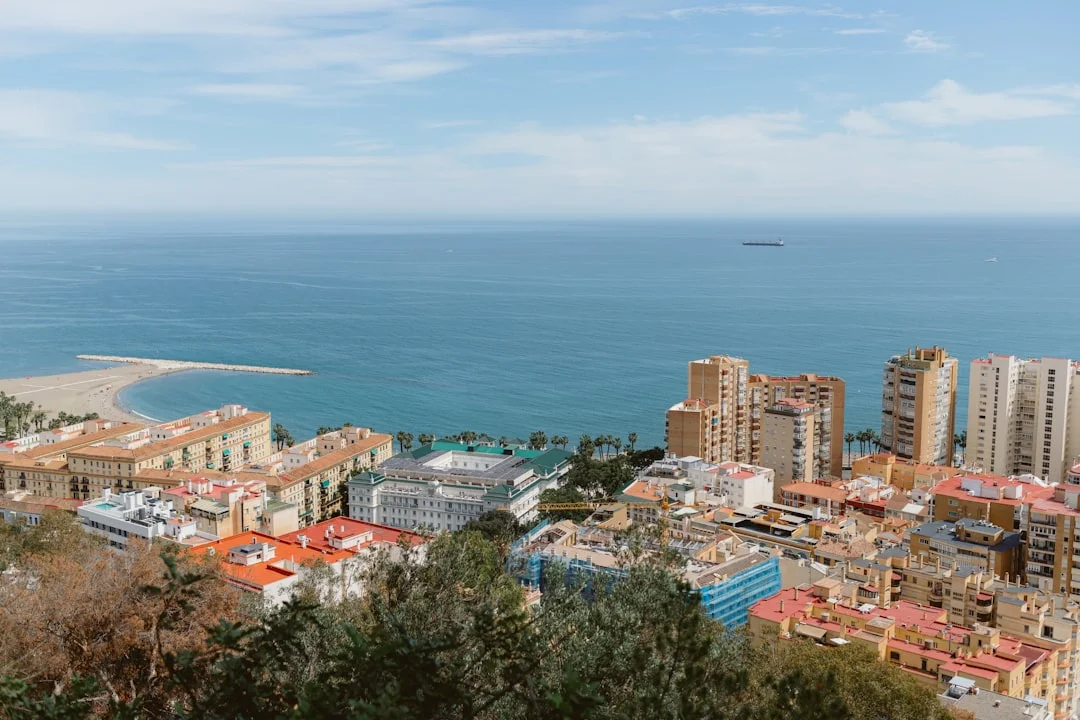
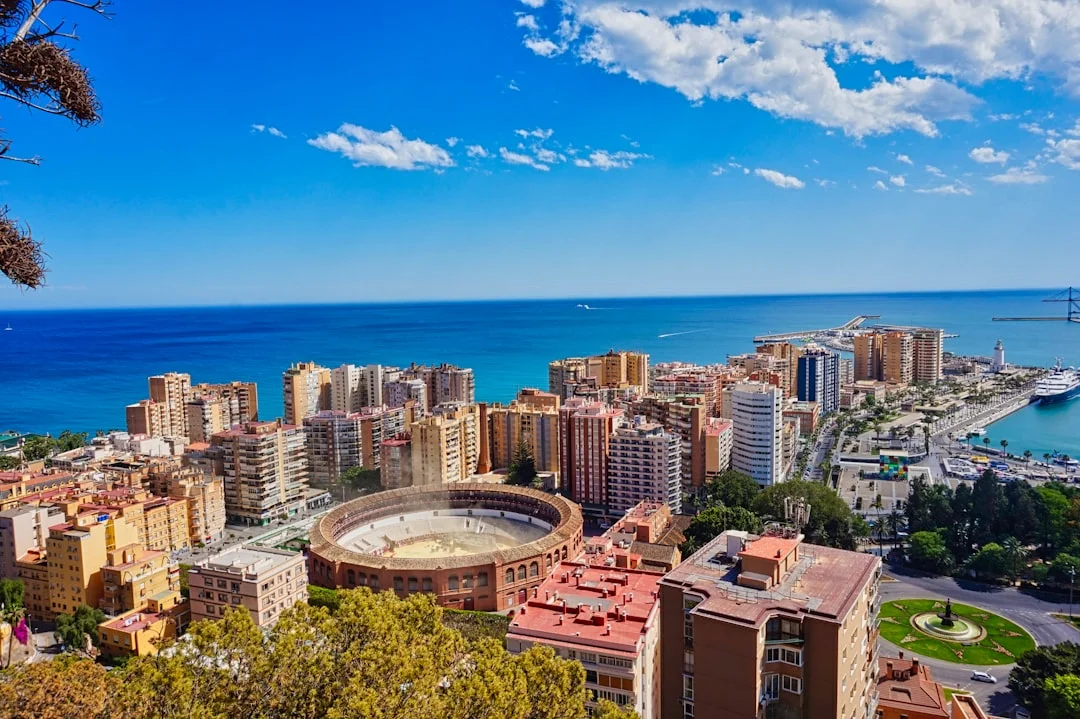
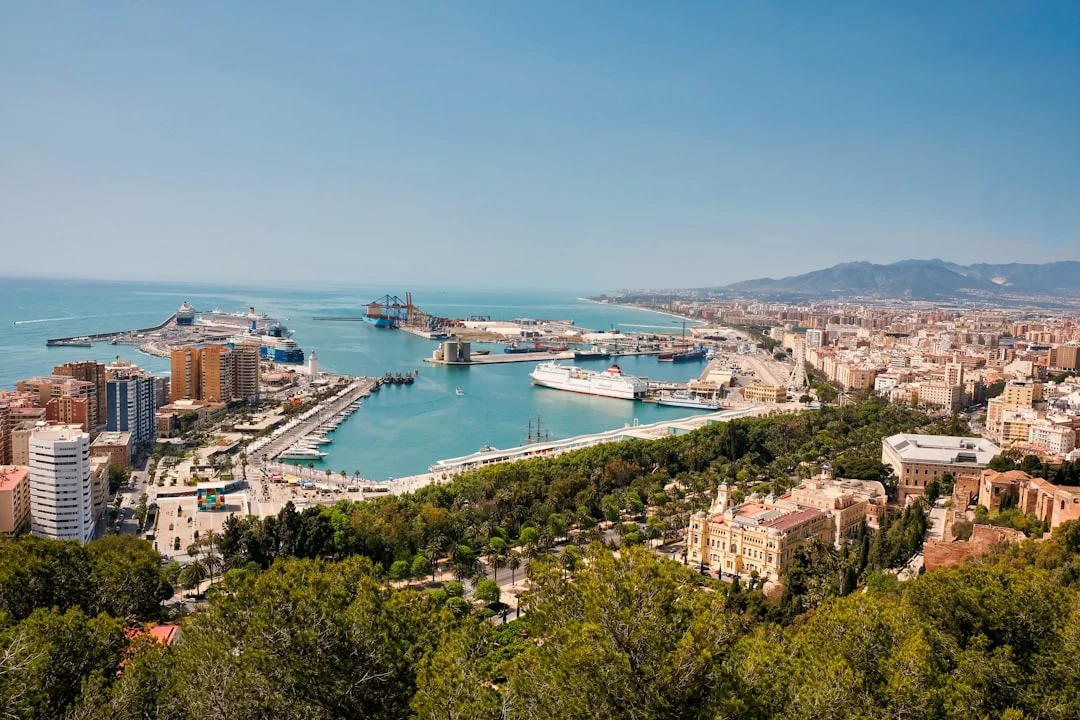
    Málaga’s tourism ecosystem is experiencing a subtle yet meaningful structural shift, maintaining strong momentum even during periods of extreme heat driven by the Terral wind. According to recent data from the Hotel Occupancy Survey by the National Statistics Institute (INE), the city registered 823,065 hotel guests and 1,747,146 overnight stays during the first half of 2026.

    While the absolute headcount of individual hotel visitors has seen a modest dip compared to peak post-pandemic spikes, the total volume of nights spent in the city remains robust. As reported by Diario SUR, visitors are increasingly choosing to prolong their stays in the Andalusian capital rather than dropping in for a quick weekend getaway.

    This evolving pattern highlights a transition toward a quality-over-quantity tourism model—one that local planners, hospitality groups, and investors have long advocated for.

    Driving Factors Behind Extended Stays

    Several macroeconomic and lifestyle trends are converging to reshape how visitors experience Málaga:

    • Rise of the ‘Bleisure’ Traveler: Remote work and hybrid corporate schedules allow international professionals to blend business trips with personal leisure. Instead of a three-day stay, travelers frequently extend their trips to a week or more.
    • Cultural and Gastronomic Depth: Málaga is no longer viewed merely as a transit hub or coastal beach spot. Its rich gallery network, vibrant food scene, and year-round event calendar encourage deeper exploration.
    • Slow Travel Movement: Conscious travelers are reducing short-haul flights in favor of longer, lower-impact visits, staying in one location to immerse themselves in local culture.

    “Fewer individual arrivals paired with longer hotel stays yields a more stable revenue stream for hoteliers while mitigating peak infrastructure stress on urban neighborhoods.”

    Strategic Implications for Investors and Remote Workers

    For remote workers, digital nomads, and property investors, this data provides a clear signal regarding Málaga’s market trajectory.

    1. Hospitality and Accommodation Services

    Hotels and serviced apartments are adapting their offerings to cater to longer stays. Key amenities such as high-speed fiber internet, dedicated co-working lounges, in-room kitchenettes, and flexible long-term rates are becoming essential differentiators.

    2. Local Economy and Urban Sustainability

    Fewer quick turnover turnovers mean less pressure on transit hubs and lower daily visitor congestion in historic areas like the Centro Histórico. Longer-stay visitors tend to distribute their spending more evenly across neighborhood markets, independent shops, and suburban dining establishments.

    3. Residential and Commercial Real Estate

    As short-term hotel stays lengthen, the boundary between hospitality and residential living blurs. Coupled with recent municipal policies like freezes on new hotel permits to curb pressure on local housing, the demand for flexible mid-term housing (one to six months) remains high, offering attractive opportunities for institutional investors and boutique developments across districts like Soho, La Goleta, and Teatinos.

    Looking Ahead

    As Málaga continues to consolidate its status as a premier Southern European tech and cultural hub, the consolidation of longer average hotel stays marks a welcome step toward long-term economic and social sustainability.

    As a local, watching Málaga mature beyond rapid turnarounds into a destination where people genuinely want to slow down and stay awhile brings a sense of quiet optimistic pride. We hope this balanced momentum continues to benefit both visitors and the residents who call this city home.

  • Málaga TechPark Launches Call for Foreign Startups

    Málaga TechPark Launches Call for Foreign Startups

    Málaga TechPark’s Global Scouting Initiative

    In an ongoing effort to cement its position as Southern Europe’s leading technological hub, Málaga TechPark (Parque Tecnológico de Andalucía) has initiated a targeted scouting program aimed at attracting high-growth international startups. The campaign focuses on early-stage and scale-up companies specializing in high-value sectors such as cybersecurity, artificial intelligence, microelectronics, and clean technology—a wave of corporate interest that coincides with broader trends where Málaga hotels are seeing longer stays from visiting business professionals.

    According to business reporting from La Opinión de Málaga, the park continues to expand its incubation infrastructure and corporate partnership frameworks to streamline the soft-landing process for foreign tech founders entering the European single market.

    Ecosystem Infrastructure and Acceleration Benefits

    Selected startups participating in the scouting program receive direct access to Málaga TechPark’s specialized business development resources, positioning them in a thriving city where foreign visitors fuel high hotel occupancy. Key elements of the initiative include:

    • Incubation and Office Space: Tiered access to soft-landing offices, co-working facilities, and specialized laboratory infrastructure within the park’s primary complex in Campanillas.
    • Corporate Partnership Channels: Direct introductions to established multinational firms operating on-site, facilitating pilot projects, strategic joint ventures, and enterprise sales opportunities.
    • Funding and Capital Access: Integration into regional venture capital networks, angel investor groups, and Spanish public funding frameworks (such as ENISA and CDTI programs).
    • Regulatory and Visa Support: Administrative guidance through Spain’s Startup Law framework, which provides streamlined visa processing and tax incentives for innovative international founders.

    Málaga’s Growth Trajectory as a Tech Capital

    Over the past five years, Málaga has experienced a structural shift from a traditional tourism-driven economy to a balanced technology and innovation market. Málaga TechPark now houses over 600 companies and employs more than 25,000 professionals, generating a combined annual turnover exceeding €3 billion.

    The presence of major global tech centers—including Google’s Safety Engineering Center (GSEC), Vodafone’s European R&D Hub, and Bernardo Quintero’s influence via VirusTotal—has established a strong network effect. International founders migrating operations to Andalusia benefit from a dense talent pool sourced directly from the University of Málaga (UMA), combined with significantly lower operational overhead compared to legacy European hubs such as London, Paris, or Berlin.

    Targeted Verticals and Eligibility Requirements

    The current scouting campaign prioritizes companies operating within specific high-impact technology verticals:

    1. Cybersecurity & Cloud Systems: Solutions addressing enterprise data protection, zero-trust architecture, and identity management.
    2. Applied Artificial Intelligence: Machine learning platforms focused on industrial automation, health tech, and smart city applications.
    3. Greentech & Clean Energy: Renewable energy storage solutions, smart grid optimization, and sustainable urban mobility software.
    4. Advanced Hardware & Microelectronics: Embedded systems, IoT devices, and semiconductor design teams looking to leverage local research partnerships.

    Applicants must demonstrate a validated minimum viable product (MVP), initial market traction or venture backing, and a clear strategic rationale for establishing operational presence within the European Union.

    As Málaga continues to balance rapid technological growth with local quality of life, initiatives like Málaga TechPark’s international startup call demonstrate a clear commitment to sustainable, high-value economic development. We look forward to seeing how these newly onboarded ventures enrich the region’s evolving innovation landscape.

  • Málaga Solar Eclipse: How to Watch the August 12 Event

    Málaga Solar Eclipse: How to Watch the August 12 Event

    A Rare Celestial Spectacle Over Málaga

    On the evening of Wednesday, August 12, 2026, residents and visitors across Málaga and the Costa del Sol—including international entrepreneurs drawn to the city by initiatives like the Málaga TechPark call for foreign startups—will have the opportunity to witness an extraordinary astronomical phenomenon. While a narrow strip across northern Spain experiences a total eclipse, Málaga will see the moon obscure roughly 95% of the sun’s surface, turning late-afternoon daylight into a striking dusk-like twilight.

    According to viewing details highlighted by La Opinión de Málaga, the event promises to be one of the most memorable skywatching moments of the decade for southern Spain.

    Event Timeline: What Time Does the Eclipse Start?

    Because the eclipse happens in the late afternoon and early evening, timing and line-of-sight will be crucial:

    • 19:43 CEST (7:43 PM): First contact. The edge of the moon begins to cross the sun’s disk.
    • 20:32 CEST (8:32 PM): Peak eclipse. Málaga reaches maximum coverage at approximately 95% obscuration.
    • Sunset (approx. 21:05 CEST): The sun will set while still partially obscured, providing a unique sunset photo opportunity along the western horizon.

    Since the sun will be low in the sky toward the west-northwest during maximum coverage, you will need a clear, unobstructed line of sight to get the best view.

    Essential Safety Guidelines for Viewing

    Looking directly at the sun—even when 95% covered—can cause permanent eye damage within seconds. Standard sunglasses, polarized lenses, or dark films are not safe for direct observation.

    1. ISO 12312-2 Certified Eclipse Glasses

    Ensure you buy glasses that meet the ISO 12312-2 international safety standard. Always inspect the lenses for scratches or punctures before puting them on.

    2. Camera Lenses and Binoculars

    Never look at the sun through a camera lens, telescope, or binoculars while wearing standard eclipse glasses. The concentrated light rays will easily melt the protective filter. Optical gear requires dedicated front-mounted solar filters.

    3. Indirect Viewing Projection

    If you do not have certified glasses, create a simple pinhole projector using two pieces of cardstock or punch small holes in a colander. Projecting the sun’s shadow onto a flat, light surface allows you to safely track the crescent shape as it changes.

    Best Vantage Points in Málaga

    To maximize your view as the sun descends toward the western horizon, head to elevated locations or open beaches facing west, including areas along popular Málaga coastal hiking trails:

    • Castillo de Gibralfaro & Parador Viewpoint: Offers sweeping panoramas over the city and sea, though expect popular lookout points to fill up early.
    • Playa de la Misericordia & Sacaba Beach: The sprawling western coastline of the city provides open horizon lines across the Mediterranean.
    • Montes de Málaga Natural Park: Elevated mountain passes away from urban buildings give a high-altitude vantage point.
    • Ronda and Inland Málaga: If you plan a short trip inland, the elevated plains offer vast horizon views away from coastal haze.

    Practical Tips for Expats and Visitors

    If you are traveling in Málaga or living locally as an expat, plan your transport ahead of time. Popular spots like Gibralfaro and the beach promenades will see higher foot traffic than usual in the hour leading up to the 19:43 start time.

    It is not every day we get to share a sky like this together. Grab your certified glasses, find a comfortable spot along the coast or up in the hills, and enjoy sharing this quiet, awe-inspiring moment with neighbors and travelers alike.

  • How to Get Málaga CF Tickets and Visit La Rosaleda

    How to Get Málaga CF Tickets and Visit La Rosaleda

    Few experiences in Andalusia match the electric energy of a matchday in Málaga. Whether you are a lifelong football fan, visiting the city to witness historic events like the spectacular August 12 solar eclipse, or simply looking to soak up authentic local culture, watching Málaga CF at Estadio La Rosaleda is an unforgettable outing.

    From securing your seat online to choosing the right stadium stand and getting around Málaga by bus, metro, or train, this practical guide covers everything you need to know about buying tickets and making the most of your visit to La Rosaleda.

    Official Channels for Buying Málaga CF Tickets

    To ensure you pay face value and receive valid digital or physical tickets, always prioritize official club channels.

    1. Online via the Official Club Website

    The simplest and fastest route for international visitors and residents alike is the club’s digital ticketing system. You can purchase tickets for scheduled fixtures directly through the Málaga CF ticket office.

    • Priority Releases: Season ticket holders (abonados) and official club members (socios) usually enjoy an exclusive priority window for high-demand fixtures.
    • General Public Sale: Unredeemed seats or general admission tickets generally go on sale to the public online at 12:00 PM on designated release days.

    2. Estadio La Rosaleda Box Office (Taquillas)

    If you prefer to buy tickets in person, head to the exterior box offices at La Rosaleda Stadium. Opening hours typically expand during match week and on matchday itself, provided seats remain available. However, high-profile league games and knockout matches often sell out online before matchday.

    3. Special Fixtures & Pre-Season Tournaments

    Keep an eye on special matchday schedules throughout the calendar. Summer friendly showcases, such as the traditionally staged Trofeo Costa del Sol announcements (often kicking off in the evening around 21:00), offer great opportunities to catch football in a relaxed atmosphere. For high-stakes games like promotion play-offs, review specific club directives on playoff ticketing procedures to understand member allocation rules.

    4. Ticket Comparison & Secondary Platforms

    If official tickets sell out quickly for a marquee matchup, third-party ticket aggregation tools like Ticketseal’s Málaga CF section aggregate average market prices and availability across secondary marketplaces. Always double-check entry conditions and terms when booking through non-official vendors.

    Choosing the Right Seat at La Rosaleda

    La Rosaleda holds over 30,000 spectators, offering good sightlines across all four main sectors:

    • Tribuna (Main Stand): Located on the west side, this covered stand provides the best overall view of the pitch and benches. It is the most comfortable area, though tickets carry higher prices.
    • Preferencia (East Stand): Facing Tribuna, Preferencia provides a great grandstand view at a slightly lower price point. Note that upper rows are exposed to direct sunlight during daytime kickoffs.
    • Fondo (North) & Gol (South): Located behind the goals, these stands house the most passionate supporters groups. Expect non-stop chanting, banners, and an energetic environment suitable for active fans.

    Getting to La Rosaleda Stadium

    Estadio La Rosaleda is situated north of Málaga’s historic center along the bed of the Guadalmedina River.

    • On Foot: A pleasant 20- to 25-minute walk straight up from Calle Larios or the Old Town along Paseo de Martiricos.
    • By Bus: EMT Málaga urban bus lines 1, 2, 15, 17, and 20 stop right outside or near the stadium perimeter.
    • By Taxi / Rideshare: Taxis easily drop off near Avenida de la Palmilla, though traffic slows significantly within an hour of kickoff.

    Matchday Practical Tips

    1. Arrive Early: Aim to arrive around 60 to 90 minutes before kickoff. This gives you plenty of time to enjoy the pre-game atmosphere in the surrounding neighborhood bars along Calle Jane Bowles and Paseo de Martiricos.
    2. Bring ID: Always carry a digital or physical copy of your passport or NIE alongside your ticket, as security checks occasionally match names at turnstiles.
    3. Snacks & Tradition: Join local supporters in buying a bag of pipas (sunflower seeds) outside the stadium gates to munch on during the match.

    Listening to the stadium sing the club anthem “La Bombonera” as the teams take the pitch is one of the truest tastes of local passion in the city. Win or lose, spending an evening under the floodlights at La Rosaleda connects you directly to the heartbeat of Málaga’s community.

  • Málaga’s Calle Ollerías Closes for 10-Month Revamp

    Málaga’s Calle Ollerías Closes for 10-Month Revamp

    Málaga’s municipal government is preparing for a significant urban transformation along the northern boundary of the historic center. The Municipal Urban Planning Department (GMU) has officially put out to tender a major redevelopment project for Calle Ollerías, representing a total investment of €2,274,234. To execute these comprehensive works, the key thoroughfare will be completely closed to vehicular traffic for an estimated ten months, potentially impacting routes for tourists moving through the area or fans planning to visit La Rosaleda stadium for a Málaga CF match.

    As detailed by La Opinión de Málaga, this project aims to modernize basic utility infrastructure, enhance pedestrian accessibility, and reshape one of the primary entry corridors into the city’s central core.

    A Key Corridor Undergoing Transformation

    Calle Ollerías serves as a critical connector between the northern district of El Molinillo—home to the iconic Mercado de Salamanca—and the historic center around Calle Carretería and Plaza de San Pedro Alcántara. Daily traffic includes private vehicles, public transit routes, and commercial delivery fleets serving nearby retail and gastronomy businesses.

    The upcoming ten-month closure will necessitate major re-routing for drivers who routinely use this passage to access the inner ring of the old town.

    Scope of the Works

    The redevelopment goes beyond surface-level cosmetic upgrades. Key elements of the municipal tender include:

    • Utility modernization: Overhauling subterranean sanitation, water distribution networks, electrical grids, and telecommunications infrastructure.
    • Enhanced accessibility: Widening sidewalks and eliminating physical barriers to improve conditions for pedestrians and residents with reduced mobility.
    • Pavement renewal: Replacing worn surfaces with high-durability materials and decorative paving consistent with neighboring renovated streets.
    • Urban landscape updates: Installing updated energy-efficient street lighting, modern urban furniture, and green elements where spatial constraints permit.

    What Residents and Commuters Need to Know

    For international residents, remote workers, and locals living in or around El Molinillo and the northern historic perimeter, the extended construction period will require advance planning.

    Traffic Diversions and Parking

    1. Alternative Routes: Vehicle flows typically funneled through Calle Ollerías will be re-routed toward Alameda de Capuchinos, Calle Cruz del Molinillo, or outer ring corridors like Avenida de la Rosaleda alongside the Guadalmedina riverbed.
    2. Parking & Loading: On-street loading zones and temporary parking near the construction area will experience disruptions. Nearby underground car parks (such as Tejón y Rodríguez or Mercado de la Merced) remain accessible, though access pathways may change.
    3. Pedestrian Access: The urban planning department intends to maintain safe pedestrian corridors throughout construction to preserve foot access to residential entrances, shops, and dining establishments.

    Balancing Infrastructure with Urban Liveability

    This project fits into a broader movement across European medium-sized cities to rebalance mobility in historic centers. Following earlier works on nearby streets like Calle Carretería and Calle Álamos, as well as recent milestones such as the reopening of Calle Armengual de la Mota after major underground works, the overhaul of Calle Ollerías continues Málaga’s strategic transition toward quieter, safer, and cleaner neighborhoods.

    Navigating prolonged roadworks in a dynamic city center is rarely seamless, but each phase of renewal brings Málaga closer to a more walkable and sustainable urban core. We look forward to seeing the completed street welcome residents and visitors back to a refreshed El Molinillo.

  • Costa del Sol Hotel Occupancy Tops 90% for August

    Costa del Sol Hotel Occupancy Tops 90% for August

    August High Season Reaches Peak Occupancy

    The sun-drenched shores of Southern Spain are experiencing one of their most robust mid-summer surges in recent years. As mid-August approaches, accommodation across the Costa del Sol is nearing full capacity, with overall hotel occupancy comfortably exceeding the 90% mark for the month of August 2026.

    According to figures reported by La Opinión de Málaga, coastal hubs are witnessing unprecedented demand from both domestic vacationers and international travelers seeking the quintessential Mediterranean summer experience.

    Coastal Breakdown: Where Demand is Highest

    While high demand is evident along the entire shoreline, certain municipalities stand out with remarkable figures for August 2026:

    • Benalmádena: Leading the province with a stunning 95.22% projected occupancy rate. Its vibrant marina, family-friendly resorts, and extensive beaches make it the top performer along the coast.
    • Torremolinos: A perennial favorite for sunseekers, following closely behind at 93.64%.
    • Málaga City: The provincial capital continues its reign as a premier cultural and urban beach destination, holding strong at 90.27%.
    • Fuengirola: Renowned for its wide promenades and active coastal lifestyle, rounding out the top tier with 90.25% occupancy.

    These metrics reflect a vibrant summer atmosphere characterized by bustling beach clubs, lively seafood chiringuitos, and vibrant evening promenades along the Mediterranean.

    Insider Tips for Last-Minute Travelers

    For visitors looking to secure accommodation along the Costa del Sol on short notice this month, navigating high occupancy rates requires a strategic approach:

    1. Look Beyond the Front Line: Properties situated slightly inland—such as in Mijas Pueblo, Benalmádena Pueblo, or the hills above Marbella—often offer available suites, quieter settings, and sweeping panoramic views.
    2. Consider City Center Boutique Options: In Málaga city, small boutique hotels and historic casas palacio occasionally experience mid-week turnover that leaves brief openings between longer reservations.
    3. Explore Inland Sanctuaries: If coastal resorts appear fully booked, August is a wonderful time to explore inland destinations like Antequera or Ronda, where country estates (fincas) provide tranquility, private pools, and rich cultural heritage just an hour from the sea.
    4. Be Flexible with Check-in Dates: Opting for mid-week arrivals (Tuesday or Wednesday) yields significantly better availability than Friday or Saturday check-ins.

    Navigating the Summer Heat and Crowd

    With thousands of travelers savoring the Mediterranean lifestyle, enjoying Málaga during intense summer heat demands a relaxed rhythm. Early mornings are best reserved for seaside strolls or visiting iconic sights like the Alcazaba fortress and Picasso Museum, while hot afternoons invite long lunches lingering over chilled salmorejo and grilled espetos.

    As the sun sets, the coast comes alive with cooler sea breezes, making late-night dining and promenade walks the highlight of the summer evening.

    We remain hopeful that every visitor finding their way to our shores this August experiences the genuine warmth, rich culture, and effortless hospitality that make Málaga and the Costa del Sol so unforgettable.

  • Antequera’s Arte de Cozina Named Among Spain’s Best

    Antequera’s Arte de Cozina Named Among Spain’s Best

    While the Costa del Sol, where hotel occupancy topped 90% for August, is world-famous for chiringuitos and fresh seafood, inland Málaga harbors a deeply rooted culinary legacy that goes back centuries. That heritage has received prestigious national recognition: Arte de Cozina, located in the heart of Antequera, has been highlighted among Spain’s best traditional restaurants.

    As reported by La Opinión de Málaga, the award honors the restaurant’s commitment to la antigua manera de guisar—the slow, methodical, traditional way of stewing that defined Andalusian homes long before modern cooking shortcuts took over.

    Preserving the Flavors of Rural Málaga

    At the helm of Arte de Cozina is Chef Charo Carmona, a culinary archivist as much as a cook. For decades, Carmona has researched old cookbooks, countryside recipes, and forgotten regional traditions across the Guadalhorce Valley and Antequera region.

    Instead of chasing modern gastronomic trends or deconstructions, the kitchen focuses on honoring history:

    • Ancestral Stews: Long-simmered dishes featuring wild game, legumes, and heritage vegetables cooked over slow heat.
    • Local Produce: Deep reliance on Málaga olive oil, seasonal field greens, and chivo lechal malagueño (suckling kid goat).
    • Historic Cold Soups: Beyond the well-known porra antequerana, the menu features rare traditional cold soups historically eaten by field workers during summer harvests.

    “Cooking traditional food isn’t about repeating a recipe; it’s about preserving a culture, a territory, and the patience required to let ingredients speak for themselves.”

    What to Order at Arte de Cozina

    If you are planning a day trip from Málaga city or exploring the interior of the province, dining here is a masterclass in local flavor. Essential dishes to look out for include:

    1. Porra Antequerana: Thicker than gazpacho and richer than salmorejo, served traditionally with hard-boiled egg and tuna or cured ham.
    2. Guiso del Día: Ask for whatever seasonal stew is bubbling in the kitchen—whether made with chickpeas, chestnuts, or local mushrooms.
    3. Chivo Lechal: Slow-roasted or stewed with garlic and local wine, showcasing one of Málaga province’s finest native ingredients.
    4. Artisanal Desserts: End with desserts rooted in convent baking traditions, such as bienmesabe (an almond-and-egg sponge cake dessert).

    Planning Your Visit

    Antequera sits approximately 45 minutes north of Málaga city by car or around 20 minutes via high-speed train (AVE/AVANT to Antequera AV station).

    • Location: Calle Calzada, 27, 29200 Antequera, Málaga
    • Reservations: Highly recommended, especially on weekends and during local festivals.
    • Pair it with: A morning hike through the dramatic limestone formations of El Torcal de Antequera or a tour of the UNESCO World Heritage Antequera Dolmens Site, followed by lunch at Arte de Cozina.

    In a fast-paced world of food trends and quick bites, sitting down to a meal that has taken hours to simmer feels like a rare privilege. We hope this recognition helps keep Málaga’s inland recipes alive and inspiring for generations to come.

  • Real Cost of Living in Málaga for Expats

    Real Cost of Living in Málaga for Expats

    The Financial Reality of Moving to Costa del Sol

    Málaga has rapidly transformed into one of Southern Europe’s primary tech hubs and preferred destinations for international remote workers, retirees, and expats. However, as major investments flood in—such as Renta 4 funding a new boutique hotel in Málaga center—this surge in popularity has shifted the local economy, making it essential for newcomers to understand the accurate cost of living before taking the leap.

    While Málaga remains more accessible than major capitals like London, Paris, or New York, housing prices and daily expenses have risen steadily. Here is a realistic, data-backed breakdown of what you can expect to spend when making Málaga your home.

    Housing Costs: Renting vs. Buying

    Housing represents the largest single expense for expats moving to Málaga. Over recent years, demand for both long-term rentals and property purchases has reached historic highs across the municipality.

    • Average Monthly Rent: The average rental price for an apartment in Málaga sits at roughly €1,340 per month. Central areas such as Soho, the Historic Center, and Malagueta command higher rates, whereas neighborhoods like Teatinos, Carretera de Cádiz, or El Palo offer more varied pricing.
    • Property Purchase: For those looking to invest, current real estate market figures show average purchasing prices hovering around €3,180 per square meter, as tracked by regional real estate databases such as Rendata.

    If you prefer living just outside the main city limits—such as in nearby towns like Rincón de la Victoria, Torremolinos, or Alhaurín de la Torre—you may find slightly more space for the same budget, though commuting costs should be factored into your calculations.

    Realistic Monthly Budgets

    Your total monthly expenditures will vary based on personal preferences, household size, and housing choices. According to relocation platforms such as MyNomadWorld, typical baseline numbers line up as follows:

    Single Expats

    A single person living comfortably in Málaga typically needs a monthly budget between €1,700 and €2,100. This estimate covers a decent one-bedroom apartment, regular grocery shopping, public utilities, internet, health insurance, and moderate leisure activities like eating out and weekend excursions.

    Couples

    For a couple sharing accommodation, a combined monthly budget between €2,500 and €3,200 provides a high standard of living. Sharing fixed housing costs substantially lowers individual expenditures while allowing room for frequent dining out, travel, and lifestyle extras.

    Baseline Living Expenses

    If housing is already accounted for or paid upfront, general lifestyle and non-rent expenses for expats generally fall between €1,200 and €1,900 per month, depending on personal spending habits.

    How Málaga Compares Internationally

    Málaga vs. United States

    For expats moving from North America, Spain offers significant cost relief across essential daily items. Based on market comparisons from YouResidency, grocery costs in Spain are between 30% and 40% lower across most staple categories compared to the United States. Furthermore, private healthcare coverage, dining out, and public transportation in Málaga cost a fraction of what equivalent services demand in US metro areas.

    Málaga vs. Lisbon

    Portugal’s capital has long been a primary benchmark for expats evaluating Southern Europe. However, cost comparisons published on Numbeo indicate that living expenses in Lisbon (excluding rent) are around 7% higher than in Málaga. To maintain a standard of living that costs €4,200 per month in Málaga, an expat in Lisbon would require approximately €4,669 per month.

    Daily Expenses: Food, Utilities, and Transportation

    Beyond rent, everyday expenses in Málaga remain reasonable, especially if you adapt to local habits:

    • Groceries: Shopping at local markets (mercados municipales) or national supermarket chains keeps weekly food spending quite manageable. Expect to spend around €250–€350 per person per month on groceries.
    • Utilities & Internet: Monthly electricity, water, and gas for a standard apartment average €120–€180, depending heavily on air conditioning usage during summer peak months. High-speed fiber internet packages cost around €30–€40 per month.
    • Dining Out: Enjoying a traditional menú del día (lunch set menu) costs between €12 and €16. A coffee at a local café typically costs €1.50 to €2.20, while dinner for two at a mid-range restaurant ranges between €45 and €70.
    • Transportation: Málaga features an efficient public transit network consisting of buses and a two-line metro system. A local monthly travel pass costs under €30, thanks to ongoing public transit subsidies.

    Navigating a move to a foreign city requires striking a balance between financial planning and lifestyle expectations. Málaga offers a rare combination of modern infrastructure, incredible climate, and vibrant coastal culture. While budgeting accurately is essential, most who settle here find that the quality of life easily outshines the numbers on paper.

  • Málaga Defends Hotel Permit Freeze Amid Housing Crisis

    Málaga Defends Hotel Permit Freeze Amid Housing Crisis

    A Strategic Shift in Málaga’s Urban Policy

    Málaga City Council has taken a decisive stance on local urban growth by defending a moratorium on new hotel construction permits. Citing a declared local housing emergency, city authorities argue that unrestricted tourism development presents unfair competition for land and properties that should serve residential housing needs, directly influencing the real cost of living in Málaga for expats and local residents alike.

    As reported by Diario SUR, the municipal administration emphasizes that preserving residential availability is essential for maintaining the city’s social fabric. The freeze on new hotel permits marks a major policy shift intended to curb speculative pressure on urban land and stabilize rental supply for permanent residents and families.

    Residential Pressure in a Rapidly Growing City

    Over the last several years, Málaga has experienced unprecedented economic momentum. The influx of international technology firms, remote workers, and cultural visitors has elevated the city’s global profile, spurring developments such as Renta 4’s new boutique hotel in central Málaga. However, this success has also exacerbated housing shortages, driving rental rates and property prices up significantly across central and coastal districts.

    By restricting new commercial hotel developments, the local government aims to achieve two primary objectives:

    • Prevent land distortion: Restricting high-yield commercial developers from purchasing scarce urban land parcels that could otherwise host long-term housing.
    • Protect local purchasing power: Easing housing costs for workers, local families, and long-term expat residents vital to Málaga’s growing economy.

    Impact on Investors and Real Estate Markets

    For prospective real estate buyers and institutional investors, the hotel moratorium signals a maturing market environment with tighter regulatory oversight. While new large-scale hotel projects face immediate hurdles, existing hospitality assets may see increased valuation due to reduced incoming supply.

    Meanwhile, residential real estate developers are encouraged to focus on multi-family residential units and long-term lease properties. Investors seeking exposure in Málaga will need to adapt to clear municipal priorities that favor urban livability alongside economic growth.

    Looking Ahead: Balancing Growth and Community

    As Málaga continues its evolution into a premier Southern European capital, finding harmony between world-class tourism and local quality of life remains a delicate challenge. The current moratorium reflects a deliberate pause to ensure that urban expansion serves both international visitors and the everyday citizens who call the city home.

    Navigating these policy changes requires patience and shared commitment from local authorities, investors, and residents alike. It is our shared hope that these measured steps will foster a stable, welcoming Málaga where sustainable economic opportunity goes hand in hand with accessible, vibrant neighborhoods for everyone.

  • 5 Things You Didn’t Know About Málaga’s Local News

    5 Things You Didn’t Know About Málaga’s Local News

    The Unspoken Influence of Málaga’s News Ecosystem

    When most people think of Málaga, images of sun-drenched beaches, tapas bars, and historic Moorish architecture immediately come to mind. Yet behind the vibrant coastal facade, where local authorities are currently defending a freeze on new hotel permits amid a housing crisis, lies one of Southern Europe’s most dynamic and unique media landscapes.

    From pioneering international journalism decades ahead of its time to serving as a vital node in global technology reporting, Málaga’s news ecosystem holds several surprises. Here are five things you probably didn’t know about how news is created, consumed, and exported from the capital of the Costa del Sol.

    1. Málaga Pioneered Foreign-Language Print Media in Spain

    Long before remote work and international digital publications became commonplace, Málaga recognized the need to inform its growing foreign community. In 1984, the local news group behind Diario Sur launched Sur in English, making Málaga the birthplace of Spain’s first dedicated weekly English-language newspaper aimed at expatriates and international residents.

    What started as a small weekly print endeavor quickly transformed into a crucial community pillar. Today, foreign-language press along the Costa del Sol covers everything from local municipal regulations to cultural highlights, setting a precedent that other European destination cities later followed.

    2. The City’s Tech News Resonates on the Global Stage

    A decade ago, Málaga’s local headlines focused predominantly on tourism statistics, agricultural yields, and municipal infrastructure. Today, the local press regularly breaks news that impacts international stock markets and global cybersecurity standards.

    With the expansion of Málaga TechPark alongside major R&D hubs like Google’s Safety Engineering Center (GSEC) and Vodafone’s European innovation hub, Málaga has become a primary source for European tech journalism. Breakthroughs in digital security, microchip development, and AI research occurring in Málaga routinely make headlines in international outlets like Reuters, Bloomberg, and TechCrunch.

    3. The Málaga Film Festival Acts as a Global Cultural Barometer

    Every spring, the Festival de Málaga turns the city into the epicenter of Spanish-language cinema reporting. Established in 1998, the festival was initially viewed by some as a regional showcase. Today, cultural journalists from around the globe gather at the Teatro Cervantes to report on Spanish and Ibero-American cinema premieres.

    News breaking out of the festival often serves as an early indicator for international awards circuits, including the Goyas, Cannes, and the Oscars. Film reviews, festival awards, and distribution deals announced in Málaga shape what international audiences will watch in art-house cinemas and streaming platforms months later.

    4. Multilingual Local Reporting Reaches Extraordinary Diversity

    Málaga province is home to residents from over 140 nations, creating a news consumption market unlike almost any other regional hub in Europe. Local news outlets don’t just translate Spanish articles into English—there is a thriving ecosystem producing original reporting in German, French, Dutch, Finnish, Swedish, and other languages.

    Publications like Costa del Sol Nachrichten (German) and Sydkusten (Swedish) have provided independent local coverage for decades. This multilingual journalism fosters deeper civic integration, helping international residents participate in municipal affairs, local community initiatives, and regional culture.

    5. Historic Print Archives Tell the Story of Mediterranean Trade

    Málaga’s relationship with news extends deep into history. During the 19th and early 20th centuries, pioneering 19th-century newspapers like La Unión Mercantil were vital trade bulletins for the entire Western Mediterranean. Because Málaga was a major industrial port exporting raisins, sweet wine, and steel, local shipping news was closely monitored by trade houses in London, Hamburg, and New York.

    Today, the Municipal Archives (Archivo Municipal de Málaga) preserve thousands of historic print editions. Researchers worldwide consult these archives to trace historical weather patterns, early maritime logistics, and the origins of Mediterranean tourism during the late 19th century.

    As Málaga continues its journey as both a cultural powerhouse and an international tech destination, its media landscape will undoubtedly keep evolving. The blend of deeply rooted local storytelling and broad international perspective gives this city a unique voice on the European stage. Observing how news is reported here offers a front-row seat to how a traditional coastal city can transform into a connected global hub while preserving its authentic local soul.