Tag: lang:en

  • Celebrating Spanish Mother’s Day in Málaga: Best Local Plans

    Celebrating Spanish Mother’s Day in Málaga: Best Local Plans

    If you have recently moved to Spain, you might have experienced a moment of panic when local shop windows suddenly filled with “Feliz Día de la Madre” signs in late April, perhaps while taking shelter from the sudden drop in temperatures and rain following the recent 31°C heat. While many countries celebrate Mother’s Day on the second Sunday of May, and the UK celebrates in March, Spain honors mothers on the first Sunday of May. This year, Spanish Mother’s Day falls on May 3, 2026.

    Celebrating in Málaga means taking advantage of the fantastic spring weather, the vibrant culinary scene, and the beautiful natural surroundings of the province. Whether you are treating your own mother, the mother of your children, or simply looking for a great family day out, here are some of the best local plans to celebrate Mother’s Day in Málaga.

    1. The Classic Málaga Lunch

    Food is at the heart of any Spanish celebration. For Mother’s Day, families typically gather for a long, leisurely lunch.

    • Seaside at a Chiringuito: Head to the neighborhoods of Pedregalejo or El Palo. Treating your mother to traditional espetos (sardines cooked over an open fire), fresh seafood, and a walk along the promenade is a local staple. Restaurants like Los Baños del Carmen offer beautiful sea views that make the day feel extra special.
    • City Center Elegance: If she prefers the historic center, consider booking a table at an iconic spot like El Pimpi or one of the excellent restaurants around Calle Marqués de Larios. Be warned: reservations for this specific Sunday are essential, as places book up weeks in advance.

    2. Wellness and Relaxation

    If the goal is to help her unwind, Málaga offers excellent options for a pampering session.

    • Hammam Al Ándalus: Located in the historic center, these Arab baths provide a deeply relaxing experience. A circuit through the thermal baths followed by a massage is a highly popular gift.
    • Nature Walks: As highlighted in a recent guide on finding the best Mother’s Day plans for every budget, you do not need to spend a fortune to make the day memorable. A quiet morning stroll through the La Concepción Historical-Botanical Garden, which is blooming beautifully in May, offers a peaceful and budget-friendly alternative to expensive spa days.

    3. A Scenic Day Trip

    May is arguably the best month to explore the Málaga province. The intense summer heat has not yet arrived, making it perfect for a family day trip.

    • Mijas Pueblo: Just a short drive from the coast, this white-washed village offers stunning views, quaint artisan shops, and charming cafes. It is highly accessible and perfect for a relaxed afternoon.
    • Ronda: For a more dramatic backdrop, a trip to Ronda to see the famous Puente Nuevo and enjoy a wine tasting at one of the local bodegas makes for an unforgettable Mother’s Day gift.

    4. Creative and Unique Experiences

    If she prefers doing over simply seeing, consider booking an activity or a cultural plan you can enjoy together.

    • Ceramics Workshops: Several studios in the Soho and Lagunillas neighborhoods offer weekend pottery workshops. It is a fun, hands-on way to spend a few hours, and you both get to take a handmade souvenir home.
    • Wine and Tapas Tours: Even if you live in Málaga, playing tourist for a day can be a delight. Book a guided local wine and tapas tour to discover hidden culinary gems you might normally walk right past.

    Finding the perfect way to celebrate Mother’s Day is really just about carving out time to be together. Whether you find yourselves sharing a plate of fried fish by the Mediterranean, wandering through a quiet botanical garden, or simply enjoying a coffee on a sunny terrace, Málaga provides a naturally beautiful backdrop for showing appreciation. Here is hoping your May 3rd is filled with good food, warm sunshine, and wonderful family memories.

  • Unicaja Basketball Seeks Redemption at El Carpena After 5-Game Skid

    Unicaja Basketball Seeks Redemption at El Carpena After 5-Game Skid

    Unicaja Málaga is facing one of its most challenging stretches of the 2026 season. Riding an unusual five-game losing streak, the team is looking to its legendary home court, the Palacio de Deportes José María Martín Carpena, to turn things around. For locals and the international community alike, attending an Unicaja game is a staple of Málaga life, and the upcoming fixture is shaping up to be a pivotal moment.

    The El Carpena Fortress

    Málaga’s international residents have long embraced Unicaja basketball. The Martín Carpena arena is famous across Europe for its electric, family-friendly atmosphere. Known as a formidable venue for visiting teams, the 10,000-seat stadium provides a massive home-court advantage. Right now, especially after Málaga CF saw their own seven-month home unbeaten run end, the team needs that energy more than ever to break their Unicaja losing streak.

    Contextualizing the Slump

    The current skid has been a major talking point across local sports media. According to recent reports from Andalucía Información, the team is heavily relying on a return to their home arena—a venue that rarely fails them—to rediscover their winning form.

    The pressure is mounting in the Liga Endesa (ACB). As highlighted in recent coverage by COPE Málaga, the coaching staff and players are acutely aware of the stakes. Staying competitive in the upper echelons of the ACB standings requires an immediate course correction.

    Securing Your Seats

    If you want to support the team during this critical juncture, securing Unicaja basketball tickets for El Carpena should be your next move.

    • Where to buy: Tickets are available directly through the official Unicaja Baloncesto website or at the arena’s box office.
    • When to buy: Given the loyal fanbase, games frequently sell out. It is advisable to book as early as possible for the Unicaja Málaga next game.
    • Getting there: The arena is easily accessible via the Málaga Metro (Line 2, Palacio de los Deportes stop) or by local bus lines.

    Looking Ahead

    The upcoming match is not just about adding a win to the standings; it is about restoring confidence. The synergy between the players and the stands at El Carpena is a powerful force, capable of shifting momentum in a single quarter.

    Sports have a unique way of bringing a city together, transcending language and background. Whether you are a lifelong Malagueño or a recent arrival looking to connect with the local culture, joining the chorus of green-clad fans this week offers a chance to be part of something special. Here is hoping the roar of the Carpena is exactly what the team needs to find their rhythm once again.

  • Marbella’s Green Side: Urban Gardens Celebrate a Decade of Community

    Marbella’s Green Side: Urban Gardens Celebrate a Decade of Community

    When you hear the name Marbella, the mind usually wanders to luxury yachts, exclusive beach clubs, and vibrant nightlife. However, just beyond the glamorous facade of its famous Golden Mile lies a quiet, green revolution that has been steadily taking root. For those looking to settle on the Costa del Sol—whether as a remote worker, an expat, or an eco-conscious family—Marbella offers a surprisingly grounded and sustainable community life.

    At the heart of this eco-friendly shift are the city’s urban gardens, which are currently celebrating a significant milestone: over a decade of continuous operation and community building.

    A Decade of Green Growth

    What started as a modest initiative has blossomed into a thriving community hub. Today, these green spaces have consolidated their role as essential social and sustainable venues. According to a recent report by Europa Press, Marbella’s urban gardens now boast nearly a hundred active users.

    This milestone is more than just a number. It represents ten years of shared knowledge, swapped seeds, and muddy hands. The plots have transformed unused urban land into vibrant patches of biodiversity where residents cultivate their own organic vegetables, herbs, and fruits.

    Bridging Communities

    One of the most beautiful aspects of the urban gardens is their power to bring people together. The demographic of Marbella is incredibly diverse, and the gardens reflect this melting pot.

    • Local Residents: Older generations share traditional Andalusian farming techniques and seasonal planting advice.
    • Digital Nomads: Remote workers find the gardens to be the perfect antidote to screen fatigue, offering a physical, grounding activity after hours of coding or video calls.
    • Eco-conscious Families: Parents use the space to teach their children about nature, food cycles, and the importance of environmental stewardship.

    Working side by side, these different groups forge connections that might never happen in a standard café or coworking space. It is a place where the language barrier is often overcome by the universal language of agriculture.

    The Shift Toward Sustainable Living

    Marbella’s commitment to these spaces highlights a broader trend across the Costa del Sol toward sustainable living, offering a refreshing contrast to the rapid urban shifts and touristification experienced in other historic centers across the province. The urban gardens are strictly organic, meaning no synthetic pesticides or fertilizers are used. Instead, users rely on composting, crop rotation, and natural pest control.

    This localized food production significantly reduces the carbon footprint associated with transporting groceries. Furthermore, the gardens act as small “green lungs” within the urban environment, supporting local pollinators like bees and butterflies, and helping to regulate local microclimates.

    Getting Involved

    If you are planning to move to Marbella or are already a resident looking to get your hands dirty, getting involved in the urban gardens is a fantastic way to integrate into the local community. While there is often a waiting list for individual plots due to high demand, the community frequently hosts open days, workshops, and communal planting sessions.

    Connecting with local environmental groups or simply visiting the gardens to chat with the current users is a great first step. Even without your own plot, the knowledge shared and the friendships formed are invaluable resources for anyone looking to live a more sustainable life in southern Spain.

    It is deeply encouraging to see how a small patch of earth can cultivate such a strong sense of belonging. As these gardens step into their next decade, they remind us that beneath the bustling, modern surface of our cities, there is always room to grow something real, sustainable, and shared. Watching this green community flourish gives a quiet hope that the future of urban living can be just as much about nurturing the soil as it is about reaching for the skyline.

  • Malaga’s Hotel Sector Booms with Record Q1 Numbers

    Malaga’s Hotel Sector Booms with Record Q1 Numbers

    The gentle Mediterranean breeze that sweeps through the sun-drenched streets of Málaga brings with it more than just the sweet scent of orange blossoms this spring; it carries the unmistakable energy of a city in its golden age. As we step further into the warmer months of 2026, the province’s popularity remains not just undiminished, but seemingly unstoppable. Our beloved coastal haven is experiencing a renaissance, and the latest figures from the rapidly evolving hospitality sector paint a picture of a destination truly in high demand.

    A Record-Breaking Spring Awakening

    Recent data confirms what many of us have already observed while strolling through the historic center or along the lively maritime promenades. Hotels across the Málaga province have closed the first quarter of the year with remarkable, record-breaking growth. This surge is not a solitary wave but a rising tide driven by a dual engine: domestic wanderlust and international allure.

    According to recent reports detailed by La Opinión de Málaga, March 2026 witnessed a significant increase in both national and international tourists. This influx has resulted in substantially higher traveler numbers and extended overnight stays across the board. The Málaga tourism statistics for 2026 are already setting new benchmarks, proving that the city’s strategic investments in culture, gastronomy, and infrastructure continue to yield magnificent returns.

    The Pulse of a Cosmopolitan City

    For those of us who call this radiant stretch of the Costa del Sol home, these numbers translate into a beautifully vibrant, bustling spring. The terraces of Calle Larios are alive with a symphony of languages, the traditional chiringuitos along the Pedregalejo coastline are brimming with life, and the city’s world-class museums are welcoming art enthusiasts from every corner of the globe.

    This continuous tourism boom injects a vital economic energy into our local businesses. From the boutique artisan shops hidden in the winding alleys of the historic center to the innovative culinary ventures opening their doors in Soho, the influx of visitors provides a robust foundation for local entrepreneurs to thrive.

    Navigating the Boom: Advice for Residents and Visitors

    With such soaring numbers, a common question arises: is Málaga crowded in spring? The short answer is yes, but it is a joyous, dynamic kind of crowded. The city hums with a festive atmosphere that is hard to replicate elsewhere.

    However, this sustained high Málaga hotel occupancy means a shift in how we must plan our social calendars. For foreign residents and locals expecting visits from friends and family, the days of relying on last-minute bookings are gently fading.

    If you are organizing a reunion or hosting loved ones this season, consider the following:

    • Book Well in Advance: Securing accommodations early is no longer just a recommendation; it is a necessity to ensure your guests can experience the magic of the city comfortably.
    • Explore Beyond the Center: Encourage visitors to look at charming neighborhoods just outside the immediate core, such as El Palo, Teatinos, or Huelin, which offer excellent transport links and a more authentic slice of local life.
    • Reserve Dining Experiences: Just as hotels are filling up, so are the reservation books of Málaga’s top-tier restaurants. Plan your culinary outings ahead of time to avoid disappointment.

    Living in a city that the whole world suddenly wants to visit can sometimes feel a bit overwhelming, but mostly, it is a profound privilege. As we watch the streets fill with eager travelers discovering our favorite corners, tasting our beloved espetos, and marveling at the Alcazaba for the first time, we are reminded of the sheer beauty we get to wake up to every single day. Here is to a season of shared sunsets, thriving local businesses, and the quiet, enduring pride of calling Málaga home.

  • Malaga Cements Tech Hub Status with New 6G-5G Network at UMA

    Malaga Cements Tech Hub Status with New 6G-5G Network at UMA

    Malaga’s trajectory as the ‘Silicon Valley of Southern Europe’ continues to accelerate with critical upgrades to its technological infrastructure. For digital nomads, corporate investors, and tech professionals monitoring European innovation ecosystems, the latest development at the University of Malaga (UMA) signals a definitive shift from theoretical research to applied next-generation telecommunications.

    Recent data confirms that Vodafone Spain and UMA have successfully deployed an advanced 6G-5G mobile network across the university campus. This deployment is not merely an academic exercise; it is a strategic infrastructure upgrade designed to significantly boost the scientific and technical capabilities of the region.

    The PANDORA Project: EU-Backed Innovation

    This infrastructure rollout is a core component of the PANDORA project. Financed by the European Union’s NextGenerationEU program and supported by the State Research Agency, the initiative places Malaga at the forefront of continental telecommunications research.

    According to Europa Press, the completion of this advanced mobile network establishes a testing ground for technologies that will define global connectivity over the next decade. By integrating 5G standalone capabilities with early-stage 6G architectures, researchers and partnered corporations can now test high-bandwidth, ultra-low-latency applications in a live, controlled environment.

    Technical Implications for R&D

    The integration of a 6G-ready network provides several quantifiable advantages for the local R&D sector:

    • Ultra-Reliable Low Latency Communications (URLLC): Essential for testing autonomous vehicles, remote surgery protocols, and advanced industrial robotics.
    • Massive Machine Type Communications (mMTC): Enabling the deployment and management of high-density IoT (Internet of Things) networks, crucial for smart city development.
    • Enhanced Mobile Broadband (eMBB): Delivering the exponential data transfer rates required for immersive augmented and virtual reality applications.

    As highlighted by Merca2, the collaboration between a major telecom operator like Vodafone and a public research institution like UMA creates a vital synergy. It bridges the gap between commercial viability and academic exploration, ensuring that research outcomes have direct market applications.

    Strategic Value for the Innovation Ecosystem

    For the broader Malaga tech scene, this deployment serves as a powerful magnet for talent and capital. Technology companies require robust infrastructure to test new products. By offering a state-of-the-art 6G-5G testbed, Malaga positions itself as an optimal location for tech multinationals looking to establish European R&D centers.

    “The deployment of advanced telecommunications infrastructure is a leading indicator of future corporate investment and high-value job creation in the digital sector.”

    Furthermore, this development directly benefits the growing community of digital nomads and remote tech workers. A city that prioritizes cutting-edge connectivity organically fosters a more resilient and dynamic professional environment. Coworking spaces, startup incubators, and tech accelerators in Malaga will inevitably draw on the intellectual and technological capital generated by the UMA-Vodafone partnership.

    As we watch our local landscape transform from a traditional Mediterranean destination into a powerhouse of digital innovation, it is deeply inspiring to see our educational institutions leading the charge. This continuous progress gives us hope that Malaga will not only attract the brightest global talent but also nurture the local minds that will shape tomorrow’s technology, ensuring our community thrives in an increasingly connected world.

  • Delays in Álora Infrastructure Works Impact Local Travel

    Delays in Álora Infrastructure Works Impact Local Travel

    A Vital Artery for Locals and Visitors Alike

    For both seasoned expats residing in the Guadalhorce Valley and international visitors drawn to the breathtaking heights of the Caminito del Rey, Álora serves as an essential gateway. Its winding roads and steep slopes are a familiar sight, connecting the serene inland villages with the bustling coastal hubs of Málaga, a city that is rapidly solidifying its position as a major technological hub.

    However, travelers relying on this crucial route will need to exercise a bit more patience and adjust their upcoming itineraries. Ongoing infrastructure improvements on the local Álora slope—much like other major public works in Málaga—have encountered unexpected operational delays, meaning the road will not reopen on its initially scheduled date of Monday, April 27, 2026.

    The Reasons Behind the Delay

    Infrastructure projects in mountainous terrain are notoriously complex, often requiring a delicate balance between modern engineering and environmental preservation. According to reports from Diario Sur, the extensive works on the slope have required additional time to guarantee complete structural integrity and optimal safety standards for future traffic.

    While the exact revised reopening date has not yet been finalized, local authorities are urging drivers and public transport operators to continue using designated detours until further notice, even as regional travel improves with the resumption of the high-speed AVE connection between Malaga, Seville, and Madrid.

    Impact on Guadalhorce Valley Commuters

    For the significant expatriate community and local workforce living in the Guadalhorce Valley, this delay means an extension of temporary commuting routines ahead of upcoming healthcare strikes this April.

    • Increased Travel Time: Detours around the closed slope typically add an extra 15 to 20 minutes to daily commutes toward Málaga city or neighboring towns.
    • Public Transit Adjustments: Local bus routes that normally navigate the slope will remain on their modified schedules. Commuters should check with local transit operators for the most accurate timetables.
    • Train Connections: While the Cercanías train network (C-2 line) remains operational, travelers relying on road transport to reach the Álora train station should factor in extra time to avoid missing their connections.

    What This Means for Caminito del Rey Tourists

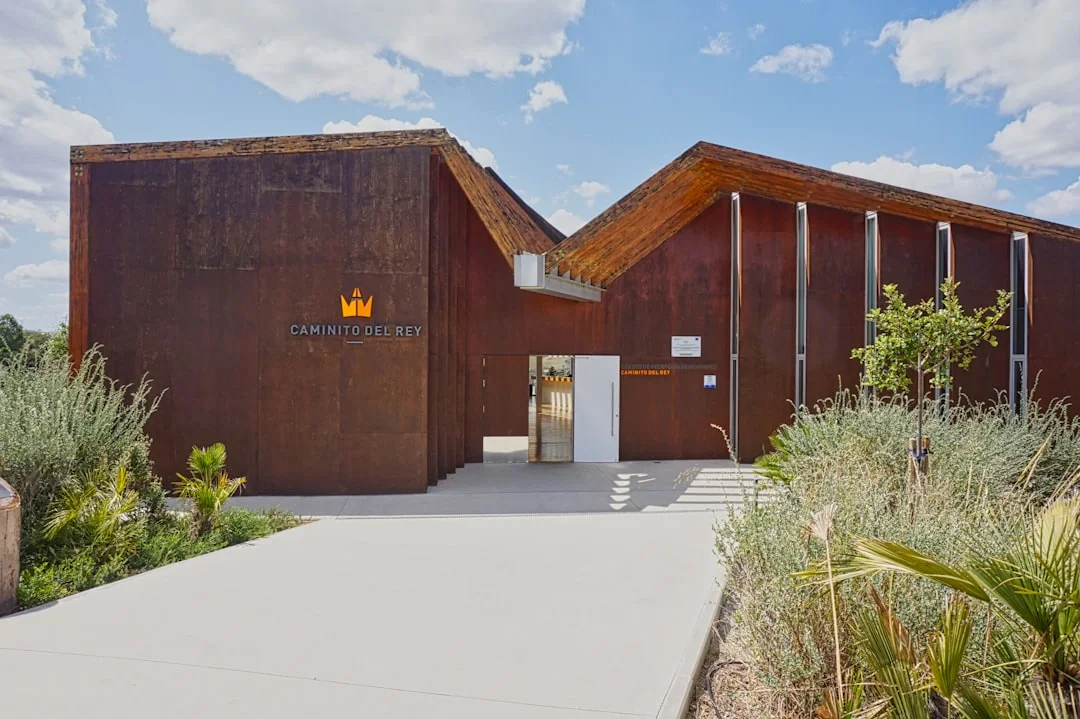
    Álora is globally recognized as a primary staging point for the world-famous Caminito del Rey. Visitors planning to drive to the northern access point or catch shuttle buses from the surrounding area need to be particularly mindful of these ongoing works, just as locals are navigating other regional infrastructure updates, such as the recently stalled San Agustín library project.

    If you are planning a trip to the gorge in late April or early May 2026, it is highly recommended to rely on the train service directly to El Chorro where possible, or use GPS navigation apps that have been updated with the current road closures. Missing a time slot at the Caminito del Rey due to unexpected traffic detours is a frustrating experience that can easily be avoided with a little forward planning.

    Looking Ahead

    Growth and modernization often come with temporary growing pains. As the Guadalhorce Valley continues to attract global attention—both as a prime residential haven and a world-class eco-tourism destination—upgrading its foundational infrastructure is not just necessary, but vital for long-term sustainability. While navigating these detours can be an inconvenience in our busy daily lives, the promise of a safer, more resilient roadway reminds us that good things are worth waiting for. We hope the final stages of the project proceed smoothly, bringing a renewed sense of connection to this beautiful corner of Málaga very soon.

  • International Arrest Warrant Issued for the Al-Thani Family: The Málaga CF Drama Explained

    International Arrest Warrant Issued for the Al-Thani Family: The Málaga CF Drama Explained

    If you have recently moved to the Costa del Sol or are just visiting, you might have taken a stroll past the imposing La Rosaleda stadium and asked yourself a very logical question: How does a city experiencing such an unprecedented tech, cultural, and economic boom have a football team fighting for survival?

    The answer is not found on the grassy pitch, but in the complex, often baffling world of international courtrooms. What began as a footballing fairy tale has morphed into a corporate true-crime thriller, and the latest chapter just dropped this April 2026.

    The Breaking News: An International Arrest Warrant

    In a move that has sent shockwaves through the Spanish sporting world, the Provincial Court of Málaga has escalated the ongoing legal battle against the club’s former Qatari owners. According to recent reports from Mundo Deportivo, a judge has officially ordered an international arrest warrant for Sheikh Abdullah Al-Thani and his children.

    This legal maneuver comes after years of missed court appearances and stalled investigations. For the fans who have watched their beloved club suffer institutional paralysis, this warrant represents a long-awaited step toward accountability. El Periódico confirms that the justice system is finally tightening its grip on the absentee owners, signaling that the years of legal limbo might be coming to an end.

    Luxury Cars and Coastal Villas: The Accusations

    So, what exactly went wrong? The accusations against the Al-Thani family go far beyond poor sports management. They are facing serious charges of misappropriation of funds, corporate mismanagement, and imposing abusive agreements.

    At the heart of the scandal is the allegation that the family treated Málaga CF’s treasury as a personal piggy bank. As detailed by La Razón, club funds were allegedly siphoned off to finance an incredibly lavish lifestyle. We are talking about the acquisition of high-end luxury vehicles, extravagant coastal chalets, and personal expenses that had absolutely nothing to do with running a professional football club. While the team was forced to sell its best players to survive and eventually faced relegation, millions were allegedly being diverted to maintain the owners’ extravagant standard of living.

    From Champions League Dreams to Judicial Administration

    To truly understand the heartbreak of the local fans, you have to look back at the beginning of this saga. When Sheikh Abdullah Al-Thani bought Málaga CF in 2010, he was hailed as a savior. He injected massive capital, bringing in world-class players like Ruud van Nistelrooy, Santi Cazorla, and Isco.

    By the 2012-2013 season, Málaga CF was competing in the UEFA Champions League, coming agonizingly close to reaching the semi-finals in a historic match against Borussia Dortmund. The city was electric; La Rosaleda was a fortress of dreams.

    But the tap suddenly ran dry. Investment stopped, debts mounted, and the Sheikh became increasingly distant, communicating with the club and its fans primarily through cryptic late-night social media posts. The spectacular rise was followed by a devastating, slow-motion fall. By 2020, the club was placed under judicial administration to save it from complete financial ruin—a status it maintains to this day.

    What Happens Next?

    The arrest warrant is a major milestone, but it is not the final whistle. Extraditing high-profile individuals from Qatar is notoriously difficult, and the legal gears grind slowly. However, for the judicial administrator currently managing the club, this court order provides crucial leverage to eventually sever the Al-Thani family’s ties to Málaga CF entirely, potentially opening the door for new, responsible ownership.

    Despite the boardroom chaos, the heart of Málaga CF remains remarkably intact. Every weekend, over 20,000 passionate fans still pack La Rosaleda, singing their hearts out for a team that represents the soul of their city. It is a beautiful, humbling reminder that while owners and money come and go, a football club truly belongs to its people. Walking past the stadium now, you don’t just see a concrete structure; you see the resilience of a community waiting patiently for the dawn of a new, brighter era.

  • Gerard Piqué Leaves His Mark at Iconic ‘El Pimpi’

    Gerard Piqué Leaves His Mark at Iconic ‘El Pimpi’

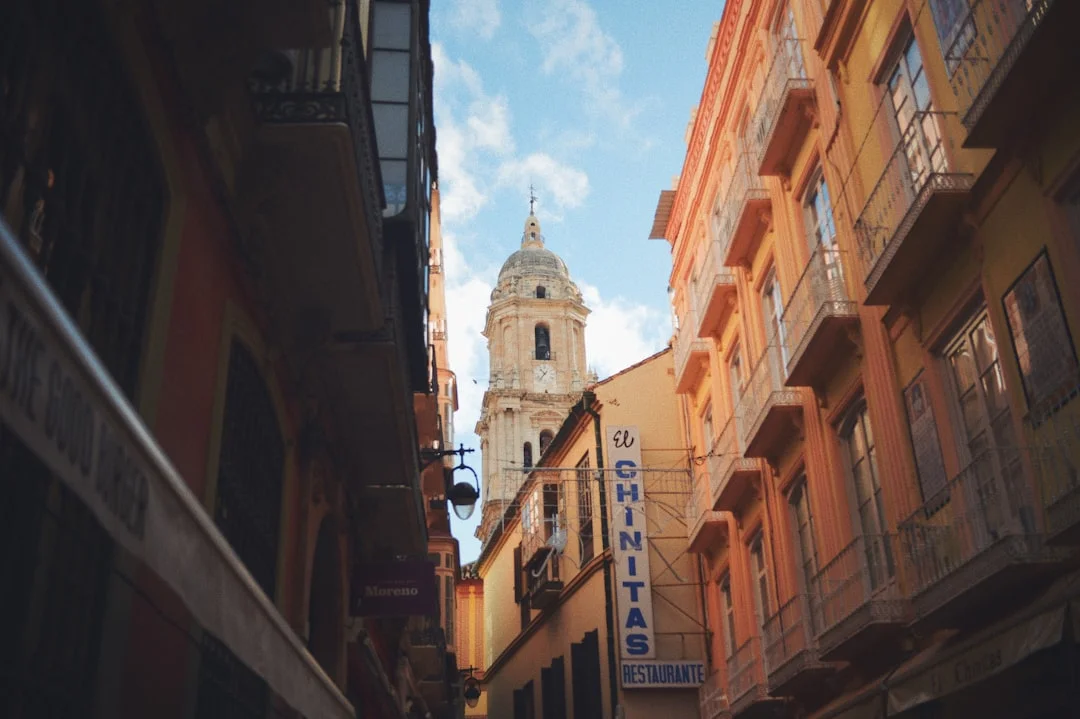
    If you spend enough time wandering the sun-drenched streets of Málaga’s historic center, all roads eventually lead to El Pimpi. Nestled at the foot of the Alcazaba, this iconic bodega is much more than a pit stop for thirsty travelers—it is the beating heart of the city’s social life and an undisputed magnet for celebrities visiting the Costa del Sol.

    The undeniable proof? The famous wooden barrels lining the walls, adorned with the signatures of the world’s most recognizable faces.

    A Guestbook Made of Oak

    For decades, El Pimpi has served as a rite of passage for artists, politicians, and athletes passing through Málaga. The tradition of signing the historic wine barrels has turned the restaurant into a living museum of pop culture and local heritage.

    Adding to this prestigious collection, former FC Barcelona star Gerard Piqué left his literal mark on the bodega. As reported by Málaga Hoy, the football legend took a chalk pen to one of the iconic barrels during a visit to the city, officially joining the ranks of El Pimpi royalty.

    But Piqué isn’t the only modern star to embrace the tradition. During the bustling Easter week (Semana Santa), popular Spanish influencer María Pombo also signed her own barrel, proving that the bodega’s charm bridges the gap between traditional Hollywood royalty and the new wave of digital celebrities.

    Beyond the Signatures: Why It’s Worth the Hype

    It is easy to write off a celebrity hotspot as a tourist trap—a dilemma currently facing other famous Málaga landmarks—but El Pimpi genuinely holds its own as a gastronomic landmark. It strikes a rare balance: it is beloved by out-of-towners snapping photos of the signatures, yet fiercely defended by locals who still drop in for a glass of sweet Málaga wine.

    If you are planning your own visit, here is how to do it right:

    • Order the classics: You cannot go wrong with a plate of acorn-fed Iberian ham (jamón ibérico de bellota) and a chilled glass of local sweet wine.
    • Explore the rooms: The bodega is a labyrinth of patios, hidden nooks, and vintage bullfighting posters. Don’t just sit by the entrance; wander through the Salón de los Barriles to spot signatures from the likes of Antonio Banderas (who is also a part-owner), Paloma Picasso, and the Duchess of Alba.
    • Timing is everything: It gets incredibly busy during peak lunch and dinner hours. Try going in the late afternoon for a quieter, more atmospheric experience.

    A Living Tradition

    Places like El Pimpi remind us of what makes Málaga so special. It doesn’t matter if you are a World Cup-winning footballer, a trending influencer, or just a tired traveler looking for a good plate of food—when you step inside, the hospitality is exactly the same. We hope you get to pull up a stool, order a glass of wine, and soak in the history of a place that continues to welcome the world with open arms.

  • Another Setback for Málaga’s Historic San Agustín State Library Project

    Another Setback for Málaga’s Historic San Agustín State Library Project

    A Historic Renovation on Pause

    Málaga’s historic center is home to countless architectural treasures, but few have a renovation history as complex as the former San Agustín college. The ambitious project to convert this 16th-century building into the new State Library has hit yet another roadblock. For residents and history enthusiasts eagerly awaiting the opening of this cultural hub, the timeline has just been pushed back once more.

    According to recent reports from Diario Sur, the construction works have been officially halted. The primary reason for this sudden pause stems from significant project cost overruns, complicating the financial viability of the current renovation plan.

    Why the San Agustín Project Matters

    Located in the heart of the city, the San Agustín building is a site of immense historical value. Originally established as an Augustinian convent and later serving as a college, its 16th-century walls have witnessed centuries of Málaga’s evolution, remaining a steadfast landmark even amidst modern local controversies like the ongoing legal drama and arrest warrants involving the Al-Thani family and Málaga CF.

    The plan to transform it into the State Library was designed to give the city a modern, expansive literary and cultural space while preserving a vital piece of local heritage. For the international community and locals alike, it promised a sanctuary for studying, researching, and connecting with Andalusian history.

    A Timeline of Delays

    Unfortunately, this is not the first time the project has faced difficulties. The renovation previously experienced a significant halt in early 2024, echoing other regional setbacks like the infrastructure delays impacting travel in Álora. Restoring a 16th-century structure is notoriously unpredictable. Such projects frequently encounter unexpected structural issues, archaeological discoveries, or material degradation that require updated engineering solutions—all of which inevitably drive up the budget.

    The current cost overruns have forced contractors and authorities back to the negotiating table. Until a revised budget is approved and additional funding is secured, the heavy machinery remains silent, and the historic courtyard remains closed off to the public.

    Looking Ahead

    While delays in public works can be frustrating, they are often a necessary part of responsibly restoring heritage sites. Ensuring that a 500-year-old building is safely adapted for modern public use requires meticulous care and, evidently, substantial financial resources.

    It is always disheartening to see the scaffolding sit idle on a building with so much potential. However, the vision for the San Agustín State Library remains a beautiful one. We can only hope that the administrative hurdles are cleared swiftly, allowing the artisans and builders to return to their work, so this magnificent piece of Málaga’s history can finally open its doors to the readers of tomorrow.

  • Another Setback for Málaga’s Historic State Library in San Agustín

    Another Setback for Málaga’s Historic State Library in San Agustín

    Málaga’s historic center is a treasure trove of architectural marvels, but one of its most anticipated cultural renovations has hit another roadblock. The ambitious project to transform the 16th-century San Agustín convent into the new headquarters for the State Library (Biblioteca del Estado) has been paralyzed once again, leaving residents and history enthusiasts waiting for a much-needed cultural hub.

    A Project Plagued by Delays

    The renovation of the San Agustín building has been a long-standing promise to the city. However, the latest developments paint a frustrating picture for the eagerly awaited cultural center. According to recent reports from Diario Sur, the construction work has ground to a halt.

    The primary reason for this sudden stoppage is financial. The project is currently facing significant cost overruns that need to be addressed before any further physical work can continue. This administrative and budgetary hurdle means that the heavy machinery is quiet, and the scaffolding remains idle, which ultimately worsens the ongoing infrastructure delays disrupting local travel in Álora.

    Sadly, this is not the first time the historic walls of San Agustín have seen construction workers pack up their tools. The project previously suffered a major paralysis in early 2024, pushing the anticipated opening date further into the future.

    The Historical Significance of San Agustín

    For those unfamiliar with Málaga’s deep historical layers, the San Agustín building is much more than just an old structure. Originally established in the 16th century, the former convent and school have witnessed centuries of the city’s evolution. Located squarely in the heart of the historic center, its preservation and adaptation into a modern public space is a delicate balance of honoring the past while serving the present.

    Foreign residents and locals alike have been closely watching this specific Málaga historic center building renovation. The promise of a modern State Library housed within classical 16th-century architecture represents a perfect marriage of Málaga’s rich heritage and its modern cultural renaissance.

    What Happens Next?

    Currently, the exact State Library Malaga opening date remains completely up in the air. The relevant authorities must now navigate the bureaucratic process of adjusting the budget to cover the unforeseen cost overruns. Until these financial adjustments are officially approved and contracts are amended, the site will remain dormant.

    For a city that has made massive strides in establishing itself as a premier European cultural capital, the lack of a fully functioning, modernized State Library is a noticeable gap. The existing library facilities have long outgrown their capacity, making the San Agustín project not just a luxury, but a necessity for students, researchers, and avid readers.

    Walking past the silent San Agustín building today, it is hard not to feel a twinge of disappointment at the halted progress. Yet, anyone who has lived in Málaga long enough knows that this city has a remarkable way of eventually bringing its historical dreams to life. We can only hope that the administrative hurdles are cleared swiftly, allowing the sound of progress to return to these ancient walls so that future generations can finally wander through its doors to read, learn, and connect.