Tag: lang:en

  • Audrey Hepburn’s Golden Mile Secret: A House to Save a Marriage

    Audrey Hepburn’s Golden Mile Secret: A House to Save a Marriage

    The Costa del Sol has long been a playground for the rich and famous—a reputation that persists today even as Málaga steadily climbs the national innovation ranks—but behind the sun-drenched glamour often lie deeply human stories. During the golden era of the 1960s, Marbella’s coastline was a magnet for European aristocrats and Hollywood royalty. Now, a newly released authorized biography sheds light on one of the era’s best-kept secrets involving one of cinema’s most beloved icons.

    A Desperate Purchase

    According to historical insights shared by Diario Sur, legendary actress Audrey Hepburn sought refuge in southern Spain during a tumultuous period in her personal life. The biography reveals that the search for an Audrey Hepburn Marbella house was not merely an investment in luxury real estate, but a desperate, final attempt to salvage her failing marriage to actor and director Mel Ferrer.

    Nestled along the prestigious stretch of coastline, the Audrey Hepburn Golden Mile Malaga property was intended to be a private sanctuary. Far removed from the intrusive lenses of Hollywood paparazzi, the couple hoped the tranquil Mediterranean lifestyle would help mend their fractured relationship.

    Unseen Family Archives

    What makes this revelation particularly captivating for local history enthusiasts is the inclusion of previously unseen photographs from Hepburn’s private family album. The book provides an intimate look into her life away from the silver screen:

    • Candid moments: Rare images capture the star enjoying the Andalusian sunshine, offering a stark contrast to the polished, Givenchy-clad image the world knew.
    • A private retreat: The Mel Ferrer Audrey Hepburn Costa del Sol residence is shown as a quiet haven, highlighting a vulnerable woman fighting for her family amidst the blooming bougainvillea of Marbella.

    Ultimately, the marriage ended in divorce in 1968, and the house could not provide the miracle they sought. Yet, this poignant chapter adds a layer of quiet melancholy and profound humanity to the glittering history of the Golden Mile.

    It reminds us that beneath the shimmering surface of celebrity, we are all just people looking for a safe place to anchor our hearts, hoping the warmth of the Mediterranean sun might be enough to heal them.

  • Navigating Malaga’s Tapas Scene: Finding Authentic Eats Over Tourist Traps

    Navigating Malaga’s Tapas Scene: Finding Authentic Eats Over Tourist Traps

    Malaga is booming. With a steady influx of remote workers, expats, and new residents calling the Costa del Sol home, the city’s streets are more vibrant than ever. But this popularity brings a common challenge: navigating a crowded restaurant scene to find truly authentic food. When you are hungry in the historic center, it is easy to fall into the trap of overpriced, underwhelming meals designed for a quick tourist turnover.

    If you want to eat like a true Malagueño, you need to look past the flashy signs and learn how to spot the real culinary gems.

    The Anatomy of a Tourist Trap

    Before you can find the authentic spots, you need to know what to avoid. In Malaga, tourist traps usually share a few unmistakable characteristics:

    • The Menu Outside: If the menu is translated into eight different languages and features large, glossy photos of the food, keep walking.
    • The Promoter: Authentic tapas bars do not need a staff member standing on the street corner trying to hustle you inside. The food speaks for itself.
    • Paella for Dinner: In Andalusia, rice dishes are strictly for lunch. If a restaurant is heavily advertising paella at 9:00 PM, it is catering exclusively to out-of-towners.
    • All-Day Kitchens: Traditional Spanish restaurants close their kitchens between lunch and dinner. If a place is serving full hot meals at 5:30 PM, it is likely a tourist trap.

    Relying on the Right Resources

    When trying to find a good place to eat, most newcomers default to global review platforms like Google or TripAdvisor. The problem? These platforms are heavily skewed by the sheer volume of tourists passing through the city. A mediocre restaurant right next to the Cathedral might have 5,000 five-star reviews simply because of its location and friendly, English-speaking staff.

    To find where the locals actually eat, you need to tap into local knowledge. There is a growing demand for reliable, vetted opinions to help filter out the noise. Local gastronomy portals are invaluable for this. For example, Gurmé Málaga curates highly reliable reviews for the best tapas and bars across the province. By following local food critics and regional portals, you get access to the hidden gems that rarely make it to the top of international travel apps.

    Rules of Thumb for Authentic Tapas

    So, what does an authentic tapas bar look like? Here are a few practical tips to guide your search:

    1. Follow the Noise (and the Trash)

    It sounds counterintuitive, but a loud bar is usually a good sign. Locals are animated, and a bustling, noisy atmosphere means the place is popular with residents. Furthermore, in old-school traditional tapas bars, it is still customary to drop your used paper napkins on the floor beneath the bar. A floor littered with crumpled napkins is a historical badge of honor indicating high turnover and fresh food.

    2. Look at the Clock

    Timing is everything in Spain. If you want to eat where the locals eat, you have to eat when the locals eat. Lunch happens between 2:00 PM and 4:00 PM. Dinner rarely starts before 8:30 PM, and most authentic spots will not fill up until 9:30 PM or later.

    3. Check the Blackboard

    The best tapas bars often rely on seasonal ingredients and daily market catches. Instead of a massive, permanent menu, look for places that feature handwritten chalkboards (pizarras) with the daily specials (sugerencias del día).

    Neighborhoods to Explore

    While there are excellent traditional spots hidden in the historic center (Centro Histórico), you will often find better value and more authentic atmospheres by venturing just a few streets away.

    • El Perchel & Huelin: Located near the port and the main train station, these traditionally working-class neighborhoods are seafood havens. This is where you go for impeccably fresh pescaíto frito (fried fish) at local prices.
    • La Victoria: Just north of the center, the Barrio de la Victoria is packed with old-school bodegas and unpretentious tapas bars serving hearty, traditional stews and local sweet wines.
    • Capuchinos & Trinidad: These areas remain largely untouched by mass tourism. Here, you will find tiny, family-run establishments where the owner is also the chef, and the recipes have not changed in decades.

    Learning to navigate a new city’s food scene can feel daunting at first, especially when every street corner promises the ‘best tapas in town.’ But developing an eye for the authentic spots is a rewarding process. There is a certain quiet joy in walking past the crowded tourist terraces and slipping into a noisy, brightly lit local bar where the waiter knows the regulars by name. Take your time, trust the local resources, and don’t be afraid to order something you can’t perfectly translate. That is usually where the best flavors hide.

  • 22-Year-Old Developer Launches ‘Locals’ App to Map Authentic Malaga

    22-Year-Old Developer Launches ‘Locals’ App to Map Authentic Malaga

    Malaga’s rapid ascent as a prime European destination has delivered undeniable economic benefits, but it has also accelerated the homogenization of its commercial landscape. For residents and conscious visitors alike, finding the best non touristy restaurants malaga or discovering truly authentic places malaga has become increasingly difficult amid a sea of standardized franchises and tourist-optimized venues. In response to this shift, a localized technological solution is emerging.

    The ‘Locals’ Initiative

    A 22-year-old software developer from Malaga has engineered a digital countermeasure to the dilution of the city’s cultural identity. The application, simply titled ‘Locals’, serves as an interactive directory and map dedicated exclusively to traditional and culturally significant businesses.

    According to Málaga Hoy, the primary objective of this platform is to combat the progressive loss of local identity. By deliberately routing user foot traffic toward heritage businesses, the app aims to provide a tangible economic boost to the establishments that have historically defined the city’s character.

    Core Functionality and Architecture

    The architecture of the ‘Locals’ app is built around an interactive, user-friendly map interface. Rather than relying on crowd-sourced reviews that often skew toward mass tourism, the platform curates its database based on authenticity and local relevance.

    Users can filter the map through specific, highly targeted categories:
    * Traditional Shops: Highlighting multi-generational retail spaces, artisans, and local markets.
    * Gastronomy: Pinpointing family-run eateries, neighborhood taperías, and historic bars that maintain original recipes and reasonable price points.
    * Excursions and Experiences: Detailing culturally relevant activities and routes that bypass standard commercial tours.

    Market Context and Deployment

    The current digital ecosystem is dominated by aggregate review platforms where visibility is often dictated by marketing budgets and high-volume tourist reviews. This creates a feedback loop that marginalizes smaller, traditional venues. The ‘Locals’ app disrupts this pattern by leveling the digital playing field for local merchants who may lack the resources for aggressive online marketing.

    The application is currently in its final phase of development and testing. Once deployed, the locals app malaga download will be available across all major mobile operating systems, providing immediate access to a curated map of the city’s authentic core.

    As Malaga continues to balance its status as a global tech hub with its rich Andalusian heritage, digital tools like this are vital. It is deeply encouraging to witness the city’s youth leveraging modern software development not to replace tradition, but to protect and promote it. Hopefully, this application will empower both residents and visitors to make conscious consumer choices, ensuring that the authentic soul of Malaga continues to thrive in the years ahead.

  • Beyond Football: The Rise of Inclusive and Women’s Sports in Malaga

    Beyond Football: The Rise of Inclusive and Women’s Sports in Malaga

    When you think of sports in the Costa del Sol, the roaring crowds at La Rosaleda cheering on Málaga CF or the electric atmosphere of a Unicaja basketball game likely come to mind. However, step just slightly off the mainstream path, and you will discover a thriving, deeply passionate ecosystem of inclusive and women’s sports.

    For expats and newcomers looking to integrate into the local culture, supporting these community-focused teams offers a uniquely welcoming and authentic experience. The province of Malaga is rapidly establishing itself as a powerhouse for athletic diversity, proving that the heart of Andalusian sports extends far beyond traditional men’s football.

    CAB Estepona: Elevating Women’s Basketball

    In recent years, women’s sports in Andalusia have seen a massive surge in both talent and local support. Leading this charge on the western coast is CAB Estepona, a women’s basketball club that has consistently demonstrated grit, skill, and an unwavering commitment to youth development.

    Recently honored at the Andalusian sports awards, CAB Estepona is more than just a team; it is a community pillar. Attending a game at the Pabellón José Antonio Pineda is an electrifying experience. The stands are packed with families, aspiring young athletes, and passionate locals who live and breathe every play.

    Why should you add a CAB Estepona game to your weekend itinerary?
    * High-Level Competition: The team competes against some of the best squads in the country, offering top-tier basketball action.
    * Community Spirit: The atmosphere is incredibly family-friendly and welcoming to international residents.
    * Accessible Entertainment: Tickets are highly affordable, making it a fantastic way to enjoy professional sports without the premium price tag.

    While major outlets like Diario AS heavily cover the men’s Unicaja squad, the rising tide of local journalism and community support is rightfully bringing teams like CAB Estepona into the spotlight they deserve.

    Amivel: Champions on Wheels in Velez-Malaga

    Head east of Malaga city to the historic town of Velez-Malaga, and you will find one of the most inspiring athletic institutions in the country: Amivel. Competing at the absolute highest levels of wheelchair basketball in Spain, Amivel is a testament to resilience, tactical brilliance, and raw athletic prowess.

    Also recognized at the prestigious Andalusian sports awards for their continuous contributions, Amivel represents the pinnacle of inclusive sports. If you have never watched a professional wheelchair basketball match, you are missing out on one of the most fast-paced, physically demanding, and thrilling sports in the world. The sound of metal clashing, the incredible upper-body strength required to maneuver and shoot, and the intense tactical gameplay make it a captivating spectacle.

    By supporting Amivel, you are doing more than just watching a game. You are:
    * Championing athletic inclusivity and visibility for athletes with disabilities.
    * Supporting a local Velez-Malaga institution that puts the Axarquía region on the national sporting map.
    * Experiencing a deeply passionate fan culture that embraces newcomers with open arms.

    A Shifting Landscape in Andalusian Sports

    The success of teams like CAB Estepona and Amivel is not happening in a vacuum. Regional authorities and sports federations in Andalusia are actively promoting and rewarding diversity in sports. Investments in local infrastructure, youth academies, and accessibility are paving the way for a more inclusive sporting future.

    This shift is increasingly reflected in national conversations. As seen in the broader sports coverage by platforms like Marca, Spanish sports culture is evolving to celebrate victories across all disciplines, genders, and abilities. The 2026 sporting calendar in Malaga is packed with opportunities to witness this evolution firsthand, from local tournaments to high-stakes league matches.

    Whether you are a lifelong basketball fanatic or simply someone looking for a fun, community-driven way to spend a Saturday evening, venturing beyond the mainstream stadiums is incredibly rewarding.

    It is profoundly inspiring to see a community rally around athletes who pour their hearts into their sports, often without the multimillion-euro contracts of their footballing peers. Buying a ticket, cheering from the stands, and sharing a post-game drink with local fans is one of the most genuine ways to feel at home in Malaga. Here’s to the athletes who remind us that the true spirit of sports belongs to everyone.

  • Spanish Government Halts 50 Road Improvement Projects in Málaga: What It Means for Drivers

    Spanish Government Halts 50 Road Improvement Projects in Málaga: What It Means for Drivers

    The Current State of Málaga’s Roads in 2026

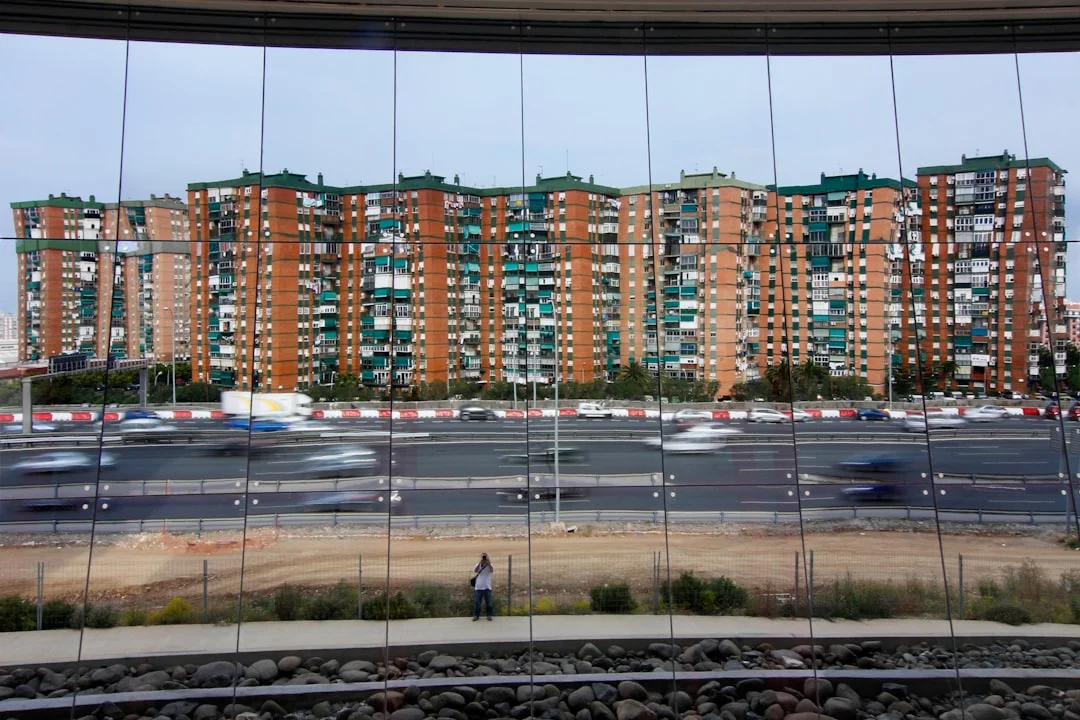
    Anyone who has driven along the Costa del Sol knows the familiar rhythm of the A-7 highway: smooth cruising suddenly interrupted by a sea of red brake lights. For expats, daily commuters, and the millions of tourists who rely on rental cars to explore the coast, traffic bottlenecks are a well-known reality. Unfortunately, recent developments suggest these gridlocks are here to stay a while longer.

    The national government has recently halted approximately 50 road improvement and expansion projects across the Málaga province. According to recent reports from Diario Sur, this freeze affects crucial infrastructure developments that were specifically designed to alleviate the mounting regional traffic.

    What the Freeze Means for the Costa del Sol

    With the suspension of these projects, the anticipated relief for the region’s busiest arteries is officially delayed. While the community finds positive momentum in other local developments, such as the recent rise of inclusive and women’s sports in Malaga, here is what drivers need to know about the current situation:

    1. The A-7 Highway Will Remain a Pinch Point

    The A-7 (Autovía del Mediterráneo) is the lifeblood of the coast, connecting Málaga city to Torremolinos, Benalmádena, Fuengirola, and Marbella. Several of the frozen projects were aimed at adding lanes or improving complex junctions along this route. Without these upgrades, drivers should expect the usual heavy congestion, particularly during the morning rush hour (7:30 AM to 9:30 AM) and evening commutes (5:00 PM to 7:00 PM).

    2. Rental Car Logistics Need Extra Buffer Time

    For visitors planning their 2026 holidays, driving in Málaga will require a bit more patience. If you are renting a car at Málaga-Costa del Sol Airport, factor in extra travel time when heading to your accommodation, especially if arriving on a Friday evening or a weekend morning.

    3. Coastal Access Roads Under Strain

    Beyond the main highways, the delayed improvements also impact secondary roads leading into popular coastal towns. Local roundabouts and access ramps that were slated for modernization will continue to operate at maximum capacity, leading to localized backups.

    Navigating Traffic on the Costa del Sol

    While the delay of Málaga road works in 2026 is frustrating, there are practical ways to adapt:

    • Embrace the Cercanías: The C1 train line connecting Málaga city to Fuengirola remains one of the most efficient ways to bypass coastal traffic entirely.
    • Use the AP-7 Toll Road: When traveling longer distances (like Málaga to Marbella), the AP-7 toll highway is almost always clear. The toll fee is often worth the time saved and the reduction in driving stress.
    • Time Your Drives: If possible, avoid being on the A-7 during peak commuter hours. Mid-day and late evening drives are significantly smoother.
    • Rely on Real-Time Navigation: Always use apps like Waze or Google Maps, which dynamically route you around sudden accidents or severe bottlenecks.

    Living and driving in such a vibrant, growing region always comes with growing pains, and infrastructure often struggles to keep pace with popularity. While the pausing of these 50 road projects is a setback for everyone who calls this beautiful coastline home, the Costa del Sol remains incredibly well-connected. With a little extra planning, some patience, and perhaps a good podcast, navigating the roads here is still just a small price to pay for enjoying the incredible lifestyle Málaga has to offer.

  • Málaga Crowned European Capital of Gastronomic Culture 2026/2027: What It Means for Our Food Scene

    Málaga Crowned European Capital of Gastronomic Culture 2026/2027: What It Means for Our Food Scene

    It’s official: Málaga’s food scene has stepped out of the shadows and onto the main stage. Recently designated as the European Capital of Gastronomic Culture for 2026/2027, our coastal city is no longer just a gateway to the Costa del Sol—it is a bona fide culinary destination in its own right. For those of us living here, this isn’t exactly breaking news. We’ve watched the transformation happen right on our plates. But this institutional recognition marks a turning point for the city’s restaurants, chefs, and everyday diners.

    A Michelin-Starred Metamorphosis

    If you rewind just five years, Málaga was heavily reliant on its beloved, traditional staples: espetos on the beach, classic tapas, and hearty platos de los montes. While those remain the soul of our local diet, the high-end dining landscape has exploded, reflecting a broader wave of modernization that is also driving the rise of inclusive and women’s sports across the city.

    Today, Málaga proudly boasts the highest number of Michelin-starred establishments of any province in Andalusia. This rapid ascent from casual seaside dining to haute cuisine is a testament to the local chefs who are reimagining Andalusian flavors. According to Málaga Hoy, this prestigious European designation recognizes not just the quality of the food, but the cultural weight of Málaga’s culinary evolution. It is an acknowledgment that our food tells the story of the Mediterranean, blending centuries-old traditions with cutting-edge innovation.

    The Double-Edged Sword of Culinary Fame

    However, let’s look at this through a practical lens. As expats, digital nomads, and long-term locals know all too well, this gastronomic boom comes with growing pains, making it increasingly difficult to find authentic tapas and avoid the new tourist traps.

    The “foodie” gentrification of Málaga’s historic center is real. Spaces that once housed family-run tabernas are increasingly being replaced by concept restaurants with tasting menus and minimalist decor. While the quality of food has undeniably skyrocketed, so have the prices. The days of wandering into a highly-rated spot in Soho or the Centro Histórico on a Friday night and effortlessly grabbing a table are largely gone.

    Getting a reservation at the city’s top-tier restaurants now requires military precision. You often need to book weeks, sometimes months, in advance. For the spontaneous diner, this shift can feel frustrating. The influx of culinary tourism, bolstered by this new 2026/2027 European title, means we are now competing with international food critics and dedicated gastro-tourists for a seat at our neighborhood tables.

    How to Navigate Málaga’s Food Scene in 2026

    So, how do we enjoy the best of both worlds? Here are a few practical tips for navigating Málaga’s celebrated dining scene this year:

    • Book Well in Advance: If you want to try one of the Michelin-starred venues or a trendy new opening, set a calendar reminder. Treat restaurant reservations like flight bookings—do it early.
    • Venture Beyond the Center: The gastronomic boom is spilling over into neighborhoods like Teatinos, Huelin, and El Palo. You will often find incredible, innovative food in these areas without the historic center markup or the massive waitlists.
    • Embrace the Lunch Menu: Many high-end restaurants offer a menú del día or a shortened tasting menu during lunch hours. It is a fantastic way to experience award-winning cuisine without the premium dinner price tag.
    • Support the Classics: Don’t let the shiny new stars distract you entirely from the traditional peñas and marisquerías. The foundation of our European Capital of Gastronomic Culture title was built on these humble, generations-old establishments.

    At the end of the day, seeing Málaga recognized on a European scale is something to be genuinely proud of. It brings opportunity, elevates our local ingredients, and puts our hardworking chefs in the spotlight they deserve. While we might have to plan our Friday night dinners a little further in advance these days, the sheer variety and quality of the food we get to enjoy make the extra effort worthwhile. Let’s raise a glass of local Moscatel to the chefs, the waiters, and the market vendors who made this incredible evolution possible.

  • Environmental Crisis in Axarquía: 170,000 Tons of Illegal Rubble Uncovered

    Environmental Crisis in Axarquía: 170,000 Tons of Illegal Rubble Uncovered

    The Axarquía region, with its sweeping valleys, sun-drenched hills, and traditional white villages, has long been a sanctuary for those seeking a quieter pace of life. Home to one of the largest communities of foreign residents in Málaga—a province also drawing international attention for its recent recognition as a European gastronomic capital—this eastern comarca is celebrated for its pristine rural environment. However, a significant environmental disaster has cast a shadow over this idyllic landscape, serving as a stark reminder of the challenges facing rural preservation.

    The Scale of the Disaster

    In a major operation protecting the local ecosystem, the Guardia Civil launched an investigation into a massive illegal dumping network. According to reports from elDiario.es, authorities uncovered nearly 170,000 tons of construction and demolition waste illegally deposited across the region.

    The investigation implicated 12 individuals connected to this large-scale environmental crime. Rather than utilizing authorized waste management facilities—which require processing fees—the perpetrators systematically dumped rubble, plastics, and potentially hazardous building materials onto rustic plots of land (fincas rústicas) hidden from main roads.

    Why This Matters Globally and Locally

    The global shift toward sustainable living often drives individuals to places like the Axarquía. Expats and locals alike invest in rural properties here not just for the climate, but for the profound connection to nature.

    When 170,000 tons of concrete, brick, and chemical residues are dumped into the soil, the impact is devastating:
    * Soil Contamination: Heavy metals and chemicals from construction waste can leach into the earth, compromising agricultural land famous for avocados, mangoes, and traditional olive groves.
    * Water Supply Risks: The Axarquía faces well-documented water challenges. Illegal landfills threaten to contaminate subterranean aquifers, which are vital for both farming and residential use.
    * Biodiversity Loss: The destruction of natural habitats to make way for illegal dumping displaces local wildlife and disrupts the delicate ecological balance of the region.

    Implications for Rural Property Buyers

    For the international community drawn to Málaga’s countryside, this incident highlights a crucial aspect of buying rural property: due diligence. The dream of owning a secluded finca must be balanced with a clear understanding of the land’s history and its immediate surroundings.

    If you are considering purchasing property in the Axarquía, consider the following steps to protect your investment and the environment:

    1. Conduct Thorough Land Surveys: Always hire an independent surveyor to inspect the land for unauthorized landfills, buried waste, or irregular topographical changes.
    2. Verify Land Use: Ensure the plot has not been historically used as an informal dumping ground by previous owners or neighboring construction sites, an increasingly relevant step as housing construction hits new highs across Málaga.
    3. Work with Reputable Professionals: Engage local lawyers and real estate agents who understand the environmental regulations of the Junta de Andalucía and can verify the ecological status of the property.

    The Path to Restoration

    The intervention by the Guardia Civil’s environmental protection service (SEPRONA) is a vital step in addressing this crisis. By holding the responsible parties accountable, local authorities are sending a clear message that the exploitation of Málaga’s natural landscapes carries severe consequences.

    However, the physical cleanup of 170,000 tons of debris presents a monumental logistical and financial challenge. It requires coordinated efforts between regional governments, environmental agencies, and landowners to restore these affected valleys to their natural state.

    As we watch the recovery efforts unfold, it is a poignant reminder of how fragile our beautiful surroundings can be. Whether we were born in Málaga or chose to make it our home later in life, we all share the privilege of living in this remarkable corner of the world. By staying informed, supporting local environmental protections, and demanding accountability, we can help ensure that the Axarquía remains a vibrant, healthy haven for generations to come.

  • Weekend Family Plans in Málaga: Magic, Musicals, and Children’s Theater

    Weekend Family Plans in Málaga: Magic, Musicals, and Children’s Theater

    Weekends in Málaga offer so much more than just beautiful beaches and sunny park days. For international families living on the Costa del Sol, finding engaging weekend activities is a priority—not just for entertainment, but for integration. Even if driving to these outings requires a bit more planning due to recently halted road improvement projects across Málaga, attending local cultural events remains one of the most effective and enjoyable ways for children to practice the Spanish they learn at school in a real-world, low-pressure environment.

    Whether you are looking to escape the midday sun or simply want to switch up your weekend routine, Málaga’s vibrant cultural scene is packed with family-friendly options. Let’s explore some of the best types of shows to look out for and how they can benefit your children.

    The Universal Language of Magic

    Magic shows are a fantastic entry point into Spanish culture for expat children, perfectly complementing a day of exploring Malaga’s authentic tapas scene. Because illusions and sleight of hand are highly visual, kids can easily follow the storyline and remain captivated even if they don’t understand every single word spoken on stage.

    Local venues frequently host weekend morning or afternoon magic performances tailored specifically for children. These shows are highly interactive, often inviting brave volunteers onto the stage. The simple, repetitive vocabulary used by magicians to engage the crowd makes it a fun, subconscious language lesson for younger audiences.

    Catchy Tunes and Children’s Musicals

    Music is widely recognized as one of the best tools for language retention. Málaga’s theaters regularly host children’s musicals, often adapting classic fairy tales, popular animated movies, or local folklore into vibrant stage productions.

    Taking your kids to a musical offers a multi-sensory experience. The catchy melodies and expressive acting help contextualize the Spanish dialogue, making it easier for children to grasp new vocabulary. Plus, the energetic choreography and colorful costumes keep even the most restless toddlers entertained.

    Classic Children’s Theater

    For a deeper dive into the language, traditional children’s theater (teatro infantil) is an excellent weekend plan. Venues across the city—from the grand Teatro Echegaray to more intimate, alternative spaces like La Cochera Cabaret—frequently dedicate their weekend matinees to younger audiences.

    These plays range from puppet shows for toddlers to more complex storytelling for pre-teens. They often incorporate valuable life lessons, humor, and audience participation. Encouraging your children to respond to the actors’ prompts in Spanish builds their confidence and helps them feel like an active part of the local community.

    How to Find What’s On

    Keeping track of the cultural agenda can sometimes feel overwhelming, especially when navigating a new city. A great habit is to regularly check local Spanish publications that curate weekend guides.

    For instance, you can browse Diario Sur’s weekend plans to stay updated on the latest family-friendly events happening across the province. Checking these local listings every Thursday or Friday will give you a head start on booking tickets for the most popular shows.

    Quick Tips for Expat Families

    • Book in advance: Venues for children’s shows are often intimate, and tickets for popular weekend slots can sell out quickly.
    • Check the recommended age: Most ticketing websites clearly state the target age group for the performance. Sticking to these guidelines ensures the language and runtime are appropriate for your child’s attention span.
    • Embrace the schedule: While Spanish nightlife starts late, children’s theater usually takes place at very family-friendly hours, typically offering sessions around 12:00 PM or early evening at 5:00 PM.

    Wrapping up a busy week with a shared laugh in a local theater is one of the simple joys of living here. It reminds us that while learning a new language and adapting to a different culture takes time, the journey itself can be incredibly fun. We hope your upcoming weekends are filled with wonder, a bit of magic, and plenty of happy family memories.

  • Málaga Housing Construction Hits Highs in 2026, Yet the Crisis Persists

    Málaga Housing Construction Hits Highs in 2026, Yet the Crisis Persists

    Finding a place to call home has become the single biggest hurdle for both locals and expats moving to Málaga. While the city continues to shine as a premier European destination for remote workers, retirees, and tech professionals, its real estate market is under unprecedented pressure. However, recent data from early 2026 offers a glimmer of hope—though experts warn we are far from a complete solution.

    A Record Start to 2026

    The first quarter of 2026 has brought some of the most encouraging construction figures the province has seen in years. The number of approved new build visas has surged, indicating that developers are eager to break ground. Specifically, Málaga Hoy highlights a 37% year-over-year increase in visa approvals for new homes, totaling 3,195 units in just the first three months of the year.

    This marks the strongest start for the local real estate construction sector since the previous peaks of 2017 and 2021. For those looking to buy a house in Málaga in 2026, this uptick in new developments signals that builders are actively trying to capitalize on the sustained demand.

    Why the Housing Crisis Persists

    Despite the impressive 37% jump in new construction, the Málaga College of Architects has issued a sobering warning: these numbers are still entirely insufficient to cool down the current housing crisis.

    Several factors contribute to this ongoing bottleneck:

    • Accumulated Deficit: Years of under-building following past economic fluctuations mean the current surge is merely playing catch-up.
    • Population Growth: The influx of international residents and domestic migrants moving to the Costa del Sol continues to outpace the delivery of new housing units.
    • Construction Timelines: A visa approval today does not mean a move-in-ready home tomorrow. Projects take years to complete, meaning the immediate relief on rent prices on the Costa del Sol will be minimal.

    What This Means for Buyers and Renters

    If you are navigating the Málaga real estate market this year, the landscape remains highly competitive. The persistent gap between supply and demand means that property prices and rental rates are unlikely to see a sharp decline in the near future.

    For prospective buyers, the influx of over 3,000 new units in Q1 2026 means more off-plan options will soon hit the market. However, buyers should be prepared to act quickly and expect premium pricing, particularly in highly sought-after neighborhoods and coastal municipalities.

    For renters, the situation requires patience and flexibility. With the structural deficit in housing stock, securing a long-term lease at a reasonable rate remains a significant challenge, often requiring extensive networking and fast decision-making.

    Navigating Málaga’s housing market right now requires a mix of realistic expectations and perseverance. While it is encouraging to see cranes returning to the skyline and construction numbers climbing, the path to a balanced market is a marathon, not a sprint. We can only hope that sustained building efforts and thoughtful urban planning will eventually make finding a home in our beautiful province a little less daunting for everyone.

  • Málaga Crowned European Capital of Gastronomic Culture 2026/2027

    Málaga Crowned European Capital of Gastronomic Culture 2026/2027

    Málaga’s culinary evolution has been hiding in plain sight, but the secret is officially out. If you live here or are planning a visit, your dining itinerary just got a major upgrade. Málaga has been designated as the European Capital of Gastronomic Culture for the 2026/2027 term, cementing its status as a premier destination for food lovers across the continent, even as locals navigate a persistent housing crisis despite record highs in construction.

    A Title Well Earned

    For decades, the Costa del Sol was primarily synonymous with fried fish, hearty tapas, and beachside chiringuitos. While those traditional spots remain the beating heart of our local diet, the high-end dining scene has completely transformed. As reported by Málaga Hoy, this prestigious European designation officially recognizes the city’s meteoric rise in culinary excellence.

    The data backs up the hype. According to City Hall, in just a short five-year span leading up to this award, Málaga has become the provincial capital boasting the highest number of Michelin-starred establishments. That is a staggering achievement for a city that, until recently, wasn’t typically mentioned in the same breath as culinary heavyweights like San Sebastián or Madrid.

    What is Driving the Boom?

    Several factors have converged to put Málaga on the global fine-dining map:

    • Hyper-Local Ingredients: Chefs are finally tapping into the incredible bounty of the province at a haute-cuisine level. This includes tropical fruits from the Axarquía, rich extra virgin olive oils from the Montes de Málaga, and the daily catches from the Alboran Sea.
    • Homegrown Culinary Talent: A new generation of local chefs—many of whom trained in the world’s top kitchens—are returning home to open ambitious, boundary-pushing projects.
    • An Evolving Audience: A growing expat community and an influx of discerning international visitors have created a steady, year-round demand for innovative, high-quality dining.

    What This Means for Diners in 2026 and 2027

    As we navigate through 2026, the European Capital of Gastronomic Culture title is more than just a plaque on a municipal building; it translates to a vibrant, active food scene.

    Over the next two years, you can expect:
    * Special tasting menus across the city highlighting regional Andalusian history.
    * Unique pop-ups and collaborations between local chefs and international culinary stars.
    * An increased focus on sustainable, zero-kilometer dining experiences.

    Practical Tip: If you want to experience Málaga’s Michelin-starred restaurants or even the highly-rated independent bistros, spontaneous walk-ins are a thing of the past. The designation has brought an influx of gastro-tourists. Book your tables weeks in advance, especially during the peak spring and autumn seasons.

    Looking Ahead

    It is a genuinely exciting time to live and eat in this city. Watching Málaga grow from a humble port town into a recognized European gastronomic heavyweight has been nothing short of remarkable. Yet, despite the fancy accolades, the crisp white tablecloths, and the influx of Michelin stars, the soul of the city remains wonderfully unchanged. We still appreciate a cold Victoria beer and a skewer of sardines roasting over an open fire on the beach just as much as a twelve-course tasting menu. Here’s to enjoying the absolute best of both worlds, one plate at a time.