Tag: lang:en

  • Picasso vs. Munch: The 2026 Art Blockbuster Arrives in Málaga

    Picasso vs. Munch: The 2026 Art Blockbuster Arrives in Málaga

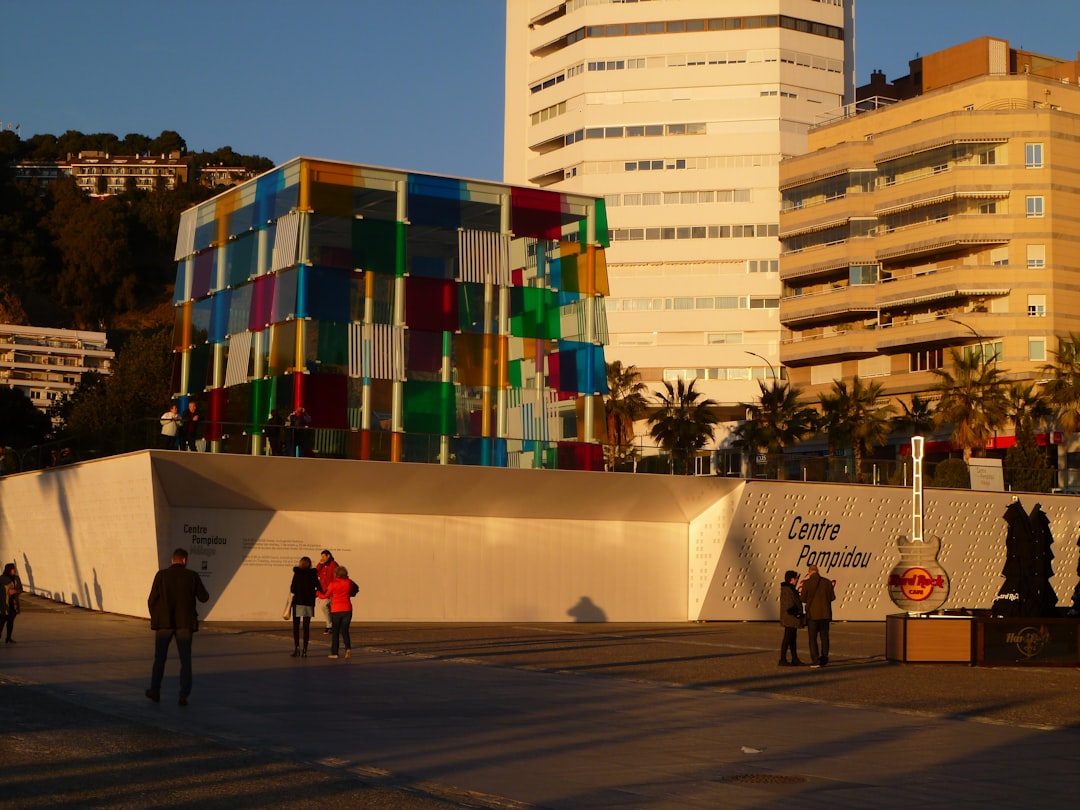
    If there is one reason to visit the city center this year, this is it. We are barely into January 2026, and the cultural calendar has already dropped its heavy hitter. The Museo Picasso Málaga is organizing what is arguably the most significant artistic dialogue of the year: a ‘vis-à-vis’ between two giants of modern art, Pablo Picasso and the Norwegian master Edvard Munch.

    This isn’t just another rotation of the permanent collection. This is a blockbuster exhibition that positions Málaga squarely in the league of major European art capitals for the 2026 season.

    A Dialogue of Titans

    The concept is as bold as it is fascinating. The exhibition brings together more than one hundred works to create a visual conversation between the two artists. While they came from different backgrounds—one from the brooding north, the other from the vibrant south—their exploration of human emotion, anxiety, and the breaking of traditional forms shares a startling resonance.

    Seeing Munch’s psychological intensity placed directly alongside Picasso’s revolutionary forms offers a rare chance to understand how these two contemporaries shaped the course of 20th-century art. It is a dialogue that art historians have discussed for decades, now physically realized in the halls of the Palacio de Buenavista.

    Why This Matters for 2026

    Málaga has been steadily building its reputation as a city of museums, but an event of this magnitude raises the bar. According to cultural analysis by The Objective, this exhibition is set to be one of the key national cultural pillars of 2026, sharing the spotlight with major events at the Guggenheim and the CAAC in Sevilla.

    For residents, it is a point of pride. For visitors, it is an unmissable stop. The exhibition moves beyond the standard retrospective and challenges the viewer to look at familiar styles in a completely new context.

    Practical Information

    Given the international profile of this collaboration, we expect high visitor numbers throughout the run. Here is how to handle it:

    • Venue: Museo Picasso Málaga (Palacio de Buenavista, Calle San Agustín, 8).
    • Tickets: Advance booking is virtually mandatory for a show of this caliber. Do not rely on the box office on the day of your visit.
    • Timing: Try to visit on weekday mornings to avoid the heaviest crowds and give yourself space to actually appreciate the dialogue between the canvases.

    It is truly exciting to see our local museum hosting such a world-class conversation. Whether you are an art historian or just someone who appreciates the power of a good painting, this face-to-face between Picasso and Munch is a privilege to witness right here at home. Enjoy the show.
  • Málaga’s 2030 Roadmap: Decoding the Circular Economy Strategy

    Málaga’s 2030 Roadmap: Decoding the Circular Economy Strategy

    For decades, Málaga’s economic engine has been fueled by two primary sources: sun-seeking tourism and, more recently, a booming technology sector. However, as the city matures, the limitations of linear growth—take, make, dispose—are becoming increasingly visible. In response, the City Council has established the 2030 Roadmap (Hoja de Ruta 2030), a strategic framework designed to pivot the city toward a circular economy.

    But for the average resident or the conscious investor, what does this actually mean? Is this a tangible shift in infrastructure, or is it simply green marketing to attract European funds? Here is a breakdown of the strategy that will guide Málaga through the rest of the decade.

    The Core of the Strategy

    The “Hoja de Ruta 2030” is not just a single policy but a comprehensive guideline meant to touch every sector of the city, from construction to hospitality. The goal is to decouple economic growth from resource consumption—a necessity in a region increasingly threatened by water scarcity and climate change.

    According to reports from AZ Costa del Sol, the strategy focuses on transforming Málaga into a “zero waste” city by promoting models that prioritize repair, reuse, and recycling over disposal.

    Key Pillars of the Roadmap

    1. Water Resilience: Perhaps the most critical aspect for Southern Spain. The strategy emphasizes the use of regenerated water for urban cleaning and irrigation, reducing the strain on potable water reservoirs. It also encourages the implementation of “sponge city” concepts to better manage rainwater.
    2. Sustainable Construction: With the real estate market booming, the roadmap pushes for stricter standards in new developments. This includes the use of recycled aggregates in construction and designing buildings that are energy-efficient by default.
    3. Urban Metabolism: This technical term refers to how a city consumes energy and materials. The plan aims to digitize waste management, allowing for better tracking of resources and optimizing collection routes to reduce the carbon footprint of sanitation services.

    Opportunities for Investors and Businesses

    For the business community, the 2030 Roadmap signals a change in the regulatory tide. The “business as usual” approach is becoming more expensive due to waste taxes and stricter compliance requirements. Conversely, the strategy opens doors for specific sectors:

    • Green Tech: Startups focused on waste valorization or water efficiency technologies are likely to find a welcoming environment and potential municipal partnership opportunities.
    • Retrofitting: As the city pushes for energy efficiency, the market for retrofitting older housing stock (of which Málaga has plenty) is set to grow.
    • Sustainable Tourism: The strategy explicitly mentions moving away from mass tourism toward a model that values quality and low environmental impact. Hotels and tour operators that can prove their circular credentials may gain a competitive advantage.

    Reality Check: Ambition vs. Execution

    While the document is robust on paper, the challenge lies in execution. Transforming a city’s culture requires more than a PDF; it requires infrastructure and citizen buy-in.

    Critics often point out that while high-tech recycling plants are great, basic street cleanliness and recycling habits in some neighborhoods still lag behind. Furthermore, the tension between aggressive construction development and sustainability goals remains a point of contention. The success of the 2030 Roadmap will depend on whether the administration can enforce these green guidelines on the lucrative construction sector, rather than just applying them to public works.

    The Road Ahead

    As we move deeper into the second half of this decade, the visibility of these initiatives will be the true test. We are looking for tangible changes: more regenerated water trucks on the streets, strict enforcement of recycling in the hospitality sector, and a noticeable reduction in single-use materials in city events.

    Málaga has successfully reinvented itself before—first as a cultural hub, then as a tech capital. Transforming into a green, circular city is a much harder challenge, one that requires us to change not just what we build, but how we live. It is a steep hill to climb by 2030, but for the sake of the city’s future livability, it is a necessary ascent.

  • Destino: The Large-Format ‘Dinner Show’ Trend Hits Málaga

    Destino: The Large-Format ‘Dinner Show’ Trend Hits Málaga

    Málaga is no longer just a city of tapas bars and beachside chiringuitos. While those staples remain the soul of the province, the capital has been steadily transforming into a cosmopolitan hub where the demand for sophisticated, multifaceted leisure is growing. The latest evidence of this shift is the opening of Destino, a large-format venue that cements the arrival of the “dinner show” trend in the city.

    We are seeing a move away from the traditional separation of “dinner” and “drinks.” In 2026, the local crowd and visitors alike are looking for spaces that offer a complete night out under one roof. Destino aims to be exactly that: a place where the culinary experience is inextricably linked to live performance and atmosphere.

    More Than Just a Restaurant

    Located in a strategic spot designed to accommodate a high volume of guests, Destino is ambitious. It isn’t trying to be a quiet bistro; it is designed as a spectacle. According to ABC Gurmé, the concept revolves combining high-end gastronomy with a robust schedule of live entertainment.

    The idea is to capture the diner for the entire evening. You arrive for the food, but you stay for the show, the music, and the transition into a nightlife atmosphere without ever leaving your table. This “hybrid” model has been successful in cities like Madrid and Ibiza for years, and its arrival here signals that investors believe Málaga’s market is finally mature enough to sustain high-ticket, high-production venues.

    The Generational Shift: Chefs in their 30s

    While the flashing lights and stage performances are the hook, a venue like Destino cannot survive on spectacle alone—the food has to deliver. This opening is part of a broader, fascinating context in the local culinary map: the rise of the “30-something” generation.

    We are witnessing a changing of the guard. As highlighted by El Confidencial in late 2025, a wave of young chefs—mostly in their thirties—is pumping new oxygen into Málaga’s restaurant scene. These are professionals who have trained in top-tier kitchens and are now leading their own projects or heading the kitchens of major investments like Destino.

    This generation is bridging the gap between the old-school hospitality of Málaga and the avant-garde demands of the international foodie traveler. Establishments like Palodú have already paved the way, proving that there is a hunger for creativity executed with technical precision. Destino fits into this narrative by offering a platform for this culinary energy, but scaling it up to a mass-entertainment level.

    What to Expect

    If you are planning to visit Destino, leave your preconceptions of a quiet romantic dinner at home. This is a sensory experience designed to be shared in groups.

    • The Vibe: High energy. Expect lighting, sound systems, and staging that rival nightclubs.
    • The Food: The menu is designed to be accessible yet sophisticated, capable of being served efficiently to a full house without losing quality.
    • The Show: Programming varies, but the core promise is live engagement—musicians, dancers, or theatrical acts that interact with the dining flow.

    A New Era for Málaga Nightlife?

    The opening of Destino in early 2026 raises an interesting question: Is Málaga becoming a “mini-Ibiza” or a southern Madrid? The answer is likely a mix of both. The city is carving out its own identity, one where traditional hospitality meets modern ambition.

    For the local resident, it offers a new option for celebrations and long nights out. For the tourist, it provides the kind of international-standard entertainment venue they are accustomed to finding in major capitals.

    It is exciting to watch our city grow and diversify. Whether you prefer a quiet glass of wine in a hidden tavern or the thumping bass and bright lights of a dinner show, Málaga now truly has room for it all.

  • Whispers of the Past: Unveiling Málaga’s Hidden Hotel Secrets

    Whispers of the Past: Unveiling Málaga’s Hidden Hotel Secrets

    In a city as layered as Málaga, history does not merely reside in museums; it sleeps beneath the floorboards and whispers through the courtyards of its most storied accommodations. While many visitors seek the immediate comfort of a sea view, the true connoisseur of travel knows that the soul of this Andalusian capital is often tucked away behind heavy wooden doors and unassuming façades.

    To stay in Málaga is to inhabit its history. Here, we guide you through the hidden routes and local secrets found within the city’s most intriguing hotels—places where the architecture tells a story as compelling as the city itself.

    The Subterranean City: Sleeping Above History

    Málaga is one of the oldest continuously inhabited cities in the world, and nowhere is this more evident than in the foundations of its modern luxury establishments.

    Perhaps the most striking secret lies beneath the Vincci Selección Posada del Patio. While the rooms offer contemporary elegance, the basement reveals a hidden route through time. During the hotel’s construction, significant archaeological remains were discovered, including a stretch of the city’s ancient Roman wall and the old breakwater of the port. Rather than burying them, the hotel preserved them. Guests can walk over glass floors that reveal the ancient stones below, offering a private viewing of history that rivals many public archaeological sites.

    The Palatial Revival: 18th-Century Secrets

    Wandering down the narrow Calle Granada, one might miss the entrance to Palacio Solecio, formerly known as the Palacio del Marqués de la Sonora. This building is a testament to the architectural resurgence of the 18th century.

    The secret here lies in the restoration. For decades, this palace lay in ruin, a shadow of its former glory. Today, its central courtyard—a masterpiece of arches and columns—has been revived to its original splendor. The “secret” for the observant guest is the staircase. It is a meticulous reconstruction of the original, leading to rooms that feel less like hotel suites and more like the private chambers of Andalusian nobility. It is a place where the light plays tricks on the stone, evoking a time when carriages, not taxis, waited at the door.

    The Fortress on the Hill: A Hidden Retreat

    While the Alcazaba and Gibralfaro Castle are top tourist destinations, fewer travelers realize they can sleep adjacent to these monuments at the Parador de Málaga Gibralfaro.

    The true secret of this location is not just the stone structure, but the perspective it offers. It provides a “hidden route” to the most spectacular sunrise in the city. While the city sleeps below, guests here have exclusive access to the quietude of the mountaintop. It is a retreat in the truest sense, disconnected from the bustle of the center yet watching over it. The stone arches and heavy drapery transport you back to a time of fortress living, albeit with significantly more comfort.

    The Secret Gardens of the Center

    In the heart of the historic center, noise can be a constant companion. However, specific boutique hotels have mastered the art of the patio andaluz—internal courtyards that act as sound buffers and cooling systems.

    Hotels like the Molina Lario or distinct boutique properties in the Soho district often hide verdant oases behind their lobbies. These internal gardens are often not visible from the street. They serve as the “lungs” of the building, filled with jasmine and orange trees. Finding a hotel with a private interior courtyard offers a route to tranquility that is rare in a vibrant Mediterranean metropolis. It is here that locals and savvy travelers retreat for a quiet coffee, away from the crowded terraces of Plaza de la Constitución.

    Navigating the Rooftop Archipelago

    Finally, no guide to Málaga’s hotel secrets is complete without mentioning the vertical route. The city has developed a culture of “rooftop hopping” that remains somewhat opaque to the uninitiated.

    Hotels such as the AC Hotel Málaga Palacio or the Room Mate Valeria offer terraces that function almost as public squares in the sky. However, the secret lies in the timing. While sunset draws the crowds, the mid-morning hours on these terraces offer a private, serene vantage point to study the cathedral’s unfinished tower or the shimmering Mediterranean horizon without the interruption of cocktail chatter.

    A Note on Discovery

    Finding these places requires a shift in perspective. It asks the traveler to look not just at the amenities list, but at the heritage of the building. Is it a converted convent? A restored palace? A structure built over Roman foundations?

    As we move through 2026, the trend in Málaga is increasingly leaning towards this type of immersive hospitality—where the stay is not just a pause in the journey, but a destination in itself. We hope you find your own hidden corner in this magnificent city, perhaps in a quiet courtyard where the only sound is the trickling of a fountain and the distant hum of history.

  • Beyond the Hype: Málaga Startups Hit National Top 100 as New Support Network Launches

    Beyond the Hype: Málaga Startups Hit National Top 100 as New Support Network Launches

    Málaga’s technological narrative is shifting. For the past half-decade, headlines have been dominated by the arrival of multinational giants—Google, Vodafone, Citi—setting up innovation hubs in the city. While this foreign direct investment placed Málaga on the global map, a sustainable tech ecosystem requires more than just imported corporate structures; it requires a thriving, indigenous undergrowth of innovation.

    Recent developments in early 2025 indicate that this local layer is not only surviving but hardening. With national recognition for local ventures and the establishment of a formal support infrastructure, Málaga is moving from an attraction phase to a consolidation phase.

    National Validation: The APTE Ranking

    The true test of a technology park is not just the volume of companies it houses, but the quality of the intellectual property and business models being generated within its walls. This month, that quality was validated on a national stage.

    Three companies born and bred within the ecosystem have been included in the prestigious ranking of the 100 Best Startups in Spain for 2024. According to reports by El Debate, these ventures, based in Málaga TechPark (formerly the PTA), have demonstrated sufficient scalability, innovation, and market traction to compete with established hubs in Madrid and Barcelona.

    This recognition is significant for several reasons:

    1. Sector Diversity: The recognition often spans different verticals, proving Málaga is not a “one-trick pony” focused solely on tourism tech or cybersecurity.
    2. Investment Magnetism: Inclusion in top 100 lists serves as a signal to Venture Capital (VC) funds that the deal flow in Southern Spain has reached a maturity level worthy of serious scrutiny.
    3. Talent Retention: Success stories are the primary driver for retaining engineering talent graduating from the University of Málaga (UMA), who might otherwise seek employment abroad.

    Unifying the Ecosystem: The Málaga Startup Network

    While individual success stories are vital, structural integrity is what ensures longevity. Historically, Málaga’s startup scene, though vibrant, has suffered from a degree of fragmentation. Resources, mentors, and funding opportunities were often siloed.

    To address this, Málaga TechPark has officially launched the Málaga Startup Network. As detailed by the Málaga TechPark official announcement, this initiative is designed to be the connective tissue of the local innovation environment.

    Key Objectives of the Network

    The network is not merely a directory; it is an operational framework designed to:

    • Centralize Visibility: Create a single point of reference for investors looking to scout local talent.
    • Facilitate Mentorship: Connect early-stage founders with seasoned entrepreneurs who have successfully exited or scaled companies within the park.
    • Streamline Resources: Provide clearer access to European funding, regional grants, and the park’s own incubation facilities.

    This move mirrors successful strategies seen in mature ecosystems like Berlin or Tel Aviv, where the “network effect” creates a multiplier for growth. By formally linking the nodes of the ecosystem, the PTA aims to accelerate the lifecycle of startups from ideation to Series A funding.

    Analysis: From Attraction to Organic Growth

    The coincidence of these two events—national ranking success and the launch of the network—signals a pivot in Málaga’s tech trajectory. The city is no longer solely reliant on the “Silicon Valley of Europe” marketing slogan. Instead, it is building the bureaucratic and operational rails necessary to support high-growth companies.

    The challenge moving forward will be execution. A network is only as strong as the activity it generates, and rankings change annually. However, the data suggests that the foundation is no longer theoretical. The companies are real, the revenue is real, and the support structure is now formalized.

    As the cranes continue to dot the skyline and international workers fill the coworking spaces, it is these local networks that will determine the city’s long-term economic resilience. The transition from a ‘promising hub’ to a ‘consolidated engine’ is underway, and it is being built one startup at a time.

  • 5 Secrets of Málaga’s Hotel Scene: Beyond the Lobby

    5 Secrets of Málaga’s Hotel Scene: Beyond the Lobby

    For decades, Málaga was often viewed merely as the gateway to the Costa del Sol—a place to land before heading west to Marbella or east to Nerja. However, in recent years, the capital has undergone a renaissance that rivals any European cultural hub. This transformation is nowhere more evident than in its hospitality sector.

    Today, staying in Málaga is not just about finding a bed; it is about immersing yourself in living history, art, and a distinct vertical culture. Whether you are planning a weekend getaway or a long-term remote work stay, here are five things you likely didn’t know about the hotel landscape in this vibrant Andalusian city.

    1. Many Hotels Are Converted 18th-Century Palaces

    Unlike the purpose-built concrete resorts that line much of the coast, the accommodation scene in Málaga’s Centro Histórico is deeply rooted in heritage. A surprising number of the city’s finest boutique hotels are housed in restored palaces from the 18th and 19th centuries.

    When you check into places like the Palacio Solecio, you are walking through corridors that once hosted Andalusian nobility. Architects have gone to great lengths to preserve the original courtyards, stone staircases, and intricate balustrades. This trend of adaptive reuse means that room layouts are often unique; no two rooms are exactly alike because they must respect the ancient “bones” of the building. It offers a stay that feels less like a commercial transaction and more like a guest residency in a grand home.

    2. The Rooftop Is the Real Lobby

    In many cities, the hotel bar is a dark room on the ground floor. In Málaga, social life happens in the sky. The “Terraza” culture here is mandatory. It is a little-known fact that many hotels in Málaga design their entire guest experience around the rooftop, often prioritizing it over the ground-floor reception.

    This isn’t just about catching a tan. These rooftops serve as the city’s social ventilation. During the evenings, locals mix with guests to watch the sunset over the Cathedral of the Incarnation (affectionately known as La Manquita).

    Hotels like the AC Hotel Málaga Palacio set the standard decades ago, but newer entrants continue to elevate the concept. If you are booking a hotel in the center, do not just look at the room size—check the rooftop access. It is where you will likely spend your most memorable hours.

    3. The “Art Hotel” Movement in Soho

    While the Old Town offers history, the neighborhood of Soho—located between the Alameda Principal and the port—offers a completely different aesthetic. Known as the “Barrio de las Artes,” this area has given rise to a specific sub-genre of accommodation: the Art Hotel.

    In this district, hotels often collaborate with the street artists who have painted the massive murals covering the neighborhood’s buildings. Interiors are frequently industrial-chic, featuring rotating galleries in the lobbies and commissioned graffiti art in the rooms. It provides a stark, modern contrast to the marble and stone of the historic center, catering to a traveler who seeks grit and creativity over polish and pomp.

    4. You Can Sleep Inside a Fortress Complex

    Perhaps the most dramatic secret of Málaga’s hotel scene is the Parador de Málaga Gibralfaro. While many know of the Gibralfaro castle as a tourist attraction, fewer realize that the state-run hotel (Parador) sits adjacent to the fortress atop Mount Gibralfaro.

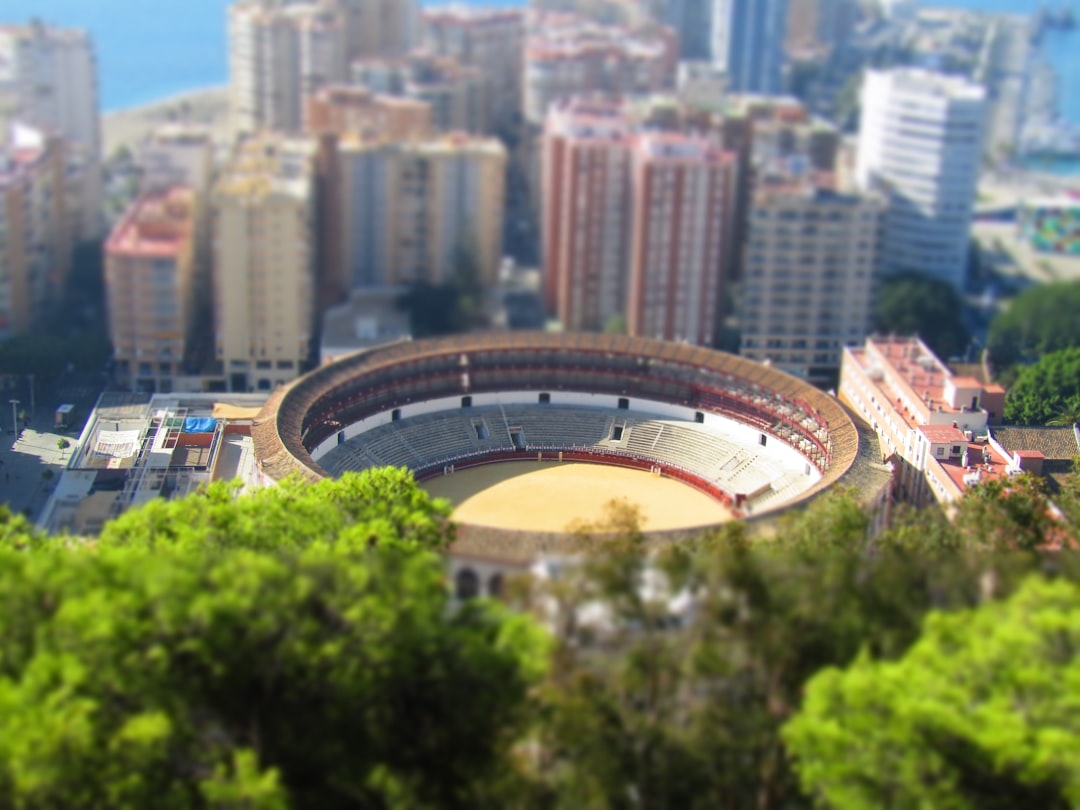
    Staying here offers a perspective that was once reserved for military commanders defending the city. The view from this vantage point is arguably the best in the province, sweeping across the bullring, the harbor, and the Mediterranean Sea. It is a rare opportunity to sleep in a location of such strategic historical importance, surrounded by pine forests yet only minutes from the city center.

    5. Balconies Are Premium Real Estate During Holy Week

    If you visit Málaga in the spring, you will discover a pricing dynamic unique to Southern Spain. During Semana Santa (Holy Week), the value of a hotel room is not determined by its square footage or thread count, but by its balcony.

    Hotels located along the official procession routes—such as those on the Alameda Principal or Calle Larios—become prime viewing platforms. These rooms are often booked years in advance. The “secret” here is that some hotels offer special packages that include balcony access for non-guests, or convert their lower-floor rooms into private boxes for viewing the elaborate thrones passing by. If you are planning a trip during this period, be aware that a room facing the street offers a front-row seat to one of Spain’s most moving spectacles, but it comes with the price of sleepless nights due to the drums and trumpets.

    A Final Thought

    Málaga is a city that reveals itself in layers. From the Phoenician walls found in hotel basements to the modern pools touching the sky, the places we choose to sleep here tell the story of the city’s evolution. We hope this guide helps you find a door to unlock, not just a room to sleep in, as you explore our beautiful corner of the world.

  • ‘Destino’ Opens in Málaga: A New 500m² Gastronomic Spectacle

    ‘Destino’ Opens in Málaga: A New 500m² Gastronomic Spectacle

    Málaga’s dining scene is undergoing a significant transformation. Gone are the days when the choice was simply between a chiringuito by the sea or a traditional tavern in the center. The city is embracing a more cosmopolitan, high-energy format that has already swept through capitals like Madrid and London: the ‘dinner show’.

    Leading this charge in 2025 is Destino, a new macro-project that promises to blur the lines between fine dining and live entertainment.

    The Concept: More Than Just Dinner

    The premise of Destino is ambitious. It aims to be a place where the experience doesn’t end when the plates are cleared. Instead, the meal is the centerpiece of a larger, immersive evening.

    Located in a expansive venue spanning over 500 square meters, the restaurant has a capacity for 150 diners. The layout is designed specifically to accommodate the dual nature of the business: a comfortable, high-end gastronomic space that transitions seamlessly into a show venue.

    This follows a growing trend in Málaga where diners are demanding “experiences” rather than just meals. We are seeing a shift towards venues that offer a complete night out—dinner, drinks, and entertainment—under one roof.

    The Team Behind the Project

    Destino is not an experiment by newcomers. It is the latest venture from the seasoned entrepreneurs behind ‘Boca Llena’ and ‘Siete Cabezas’. These establishments have already proven their worth in Málaga’s competitive hospitality sector, particularly in the booming Teatinos district.

    By leveraging their experience with successful, volume-heavy, quality-focused restaurants, the owners are positioning Destino to capture a slightly different market: those looking for the sophistication of a night out in Madrid, but right here on the Costa del Sol.

    Is Málaga Being ‘Madrid-ified’?

    The opening of Destino raises an interesting question for locals: Is the Málaga night becoming ‘Madrileñizada’?

    In cities like Madrid, the ‘dinner show’ model is standard for weekend outings. Málaga, traditionally more focused on street life, terraces, and hopping from bar to bar, is now seeing a consolidation of these large-format, indoor venues.

    According to reports from ABC Gurmé, the project seeks to integrate gastronomy as the central axis, ensuring that the food quality matches the spectacle—a balance that is often difficult to strike in this genre of hospitality.

    What to Expect

    If you are planning to visit, here is what we know so far:

    • Size: A massive 500m² space.
    • Atmosphere: Immersive, energetic, and designed for long evenings.
    • Food: The owners promise that despite the show element, the kitchen remains the heart of the operation.

    This opening marks a strong start to the culinary calendar in 2025, signaling that investors are still betting big on Málaga’s appetite for novelty and luxury.

    It is fascinating to watch our city grow and try on these new ‘big city’ suits. While there is an undeniable charm to a quiet tapa in an old bar, places like Destino bring a vibrancy and variety that keeps Málaga dynamic. We hope this new venture finds its rhythm and offers locals a fun escape, proving that you can indeed have a great show and a great meal at the same time.

  • New Luxury Opening: An 18th-Century Palace Reborn in Málaga Center

    New Luxury Opening: An 18th-Century Palace Reborn in Málaga Center

    Málaga’s transformation from a hidden gem to a premier European destination is being written in stone—quite literally. The city’s historic center, a labyrinth of culture and sunlight, is set to welcome a sophisticated new addition to its hospitality landscape. An 18th-century palace, long a silent witness to the city’s history, is currently undergoing a meticulous restoration to become a high-end boutique hotel.

    This project marks another significant milestone in the city’s pivot toward luxury tourism, offering discerning travelers a stay that blends Andalusian heritage with contemporary refinement.

    A Historic Canvas: The 18th-Century Palace

    The allure of Málaga often lies in its ability to repurpose its architectural treasures. The new hotel will be housed in a protected 18th-century palace located in the heart of the historic center. While the exact coordinates are often kept discreet during early development phases to preserve the site’s integrity, the location promises immediate access to the city’s vibrant cultural arteries.

    Restoring a building of this vintage is no small feat. It requires a delicate balance between preservation and modernization. Future guests can expect the retention of original architectural features—perhaps a central patio, intricate stonework, or soaring ceilings—harmonized with the comforts required by the modern luxury traveler. This adaptive reuse strategy ensures that the city’s skyline retains its character while breathing new life into dormant structures.

    The Visionaries Behind the Project

    The transformation is being spearheaded by ActivumSG (ASG), a pan-European investment fund with a keen eye for high-potential real estate assets. Their decision to invest in Málaga reinforces the city’s status as a safe and lucrative haven for international capital.

    However, a hotel is defined by its service, not just its bricks. To that end, the management has been entrusted to Marugal, a specialist in distinctive hotel management. Marugal is known for curating unique experiences rather than standardized stays. Their portfolio includes some of Spain’s most charming independent hotels, suggesting that this new Málaga property will focus on personalized service, understated luxury, and a strong sense of place.

    According to industry reports from Hosteltur, the establishment will feature 68 rooms, classifying it squarely as a boutique hotel. This size allows for an intimacy that larger chains often struggle to replicate, making it ideal for travelers seeking privacy and exclusivity.

    Málaga’s Luxury Renaissance

    This opening is not an isolated event; it is part of a broader narrative. For years, Málaga was the gateway to the Costa del Sol, but today, it is the destination. The arrival of brands like Marugal signals a maturity in the local market. We are seeing a move away from mass tourism accommodation toward value-driven, high-end hospitality.

    The investment by ASG highlights a confidence in Málaga’s enduring appeal. The city offers a unique proposition: a walkable historic center, world-class museums like the Picasso and Thyssen, and a climate that allows for year-round travel. The luxury sector is responding to a demand for accommodations that match the quality of the city’s cultural offer.

    What We Can Expect

    While specific details on the interior design and amenities remain under wraps, the partnership between a major investor and a boutique operator usually yields specific results:

    • Design-Led Interiors: Expect a fusion of classic Andalusian aesthetics (think terracotta, wrought iron, and light) with modern, minimalist design.
    • Gastronomy: Boutique hotels of this caliber often feature a signature restaurant or a rooftop terrace bar, capitalizing on Málaga’s culinary reputation and its mild evenings.
    • Exclusivity: With only 68 rooms, the atmosphere will likely be quiet and refined, a sanctuary from the bustling streets outside.

    Why This Matters for the City

    For residents and local observers, the restoration of an 18th-century palace is a victory for heritage conservation. These buildings are expensive to maintain, and without commercial purpose, they often fall into disrepair. By converting this palace into a luxury hotel, the structure is saved, restored, and opened to a global audience who can appreciate its history.

    Furthermore, it brings a different demographic of visitors to the city center—travelers who prioritize culture, gastronomy, and architecture, contributing to the local economy in a sustainable way.

    As we watch the scaffolding go up and the restoration progress, there is a palpable sense of anticipation. It is heartening to see Málaga’s history being polished rather than paved over. We look forward to the day the doors open, inviting us to step back into the 18th century, with all the comforts of the 21st.

  • Eco-Guide: Rediscovering the Málaga Coastline (Before It Changes)

    Eco-Guide: Rediscovering the Málaga Coastline (Before It Changes)

    For decades, the narrative surrounding the Costa del Sol has been dominated by two elements: sun and sand. While these remain the region’s economic engines, a quiet revolution is taking place among naturalists and conscious travelers. The coastline is not merely a playground for summer vacations; it is a complex, fragile ecosystem teeming with life that is increasingly under threat.

    A recently published comprehensive guide on the flora and fauna of the Málaga coastline has provided us with more than just a catalog of species; it offers a roadmap for a different kind of tourism. By shifting our focus from leisure to observation, we can rediscover the littoral zone as a living entity that requires our respect and protection.

    The “Green Map” of the Coast

    The launch of the new book, Flora y fauna del litoral de la provincia de Málaga, marks a significant milestone in regional documentation. It is not simply a biological inventory; it is a collaborative effort involving dozens of authors and photographers aimed at highlighting the biodiversity that survives alongside intense urban pressure.

    According to Ecoticias, this work emphasizes a critical reality: the biodiversity of the Málaga coast is rich, but it is facing unprecedented challenges due to climate change. The book documents hundreds of species, from the microscopic life in the intertidal zones to the migratory birds that rely on our wetlands.

    Using the insights from this new publication, we can map out specific “Eco-Routes” that allow visitors and locals to experience this biodiversity firsthand, without disrupting it.

    1. The Cliffs of Maro-Cerro Gordo: Where the Mountain Meets the Sea

    Located on the eastern border of the province near Nerja, this natural area represents what much of the Mediterranean coast looked like before mass development. The new guide highlights this area as a biodiversity hotspot.

    • What to look for: The steep cliffs host endemic plant species adapted to high salinity and strong winds (halophytes). Below the waterline, the posidonia meadows—often called the lungs of the Mediterranean—support a vast array of marine life.
    • The Activity: Kayaking is the preferred low-impact method to observe the cliffs from the water. Alternatively, hiking the trails along the cliff tops offers sightings of mountain goats (Capra pyrenaica) descending surprisingly close to the waves.

    2. The Artola Dunes (Dunas de Artola): A Sandy Survivor

    In the heart of Marbella, surrounded by urban development, lies the Artola Dunes Natural Monument. This system of fossil and mobile dunes is a rare remnant of the expansive dune systems that once lined the coast.

    • What to look for: The Sea Daffodil (Pancratium maritimum) and the Sea Holly (Eryngium maritimum). The guide notes these species are excellent indicators of dune health. The presence of the Chameleon (Chamaeleo chamaeleon), a master of camouflage, is a highlight for patient observers.
    • The Activity: Stick strictly to the wooden boardwalks. Walking on the dunes damages the root systems of the stabilizing plants, accelerating erosion. This is a place for quiet photography and botanical study.

    3. The Guadalhorce River Mouth: The Migratory Hub

    Just minutes from Málaga city center and the airport, the Desembocadura del Guadalhorce is a critical stopover for birds migrating between Europe and Africa.

    • What to look for: The new documentation emphasizes the importance of this wetland for species like the Osprey (Pandion haliaetus) and the Audouin’s Gull. It is a dynamic ecosystem where fresh and saltwater mix, creating unique micro-habitats.
    • The Activity: Birdwatching from the designated hides (observatories). Bring binoculars and silence. It is one of the few places where you can see flamingos against a backdrop of city infrastructure, a stark reminder of nature’s resilience.

    The Climate Warning

    The underlying theme of the new research is urgency. The coastline is the frontline of climate change. Rising sea levels, increasing water temperatures, and the arrival of invasive species are altering these ecosystems rapidly.

    The publication serves as a wake-up call. The “tropicalization” of the Alboran Sea is bringing new species but displacing native ones. Understanding these shifts is crucial for anyone who claims to love this region. It transforms a walk on the beach into a monitoring activity; we become witnesses to a changing world.

    Why This Matters Now

    Engaging with the coastline through the lens of biodiversity changes the value proposition of Málaga. It moves the conversation from “consumption” of the landscape to “appreciation” and “conservation.”

    When we understand that the Posidonia meadows generate the oxygen we breathe and protect the beaches from erosion, protecting them becomes a matter of self-preservation, not just environmental charity. The new guide provides the scientific backing needed to advocate for stronger protections and more sustainable tourism practices.

    As we look toward the future of Málaga, it is clear that the “sun and beach” model must evolve. We hope that by arming ourselves with knowledge—like that provided in this new book—we can all become better stewards of this beautiful, fragile edge of the continent. The next time you visit the coast, look a little closer; there is a whole world struggling to thrive beneath your feet.

  • Beyond the Hype: IMEC and the Rise of Hard Tech in Málaga

    Beyond the Hype: IMEC and the Rise of Hard Tech in Málaga

    For the past decade, the narrative surrounding Málaga has often focused on its appeal as a lifestyle destination for digital nomads and remote workers. While the climate and culture remain strong selling points, a significant shift is occurring in the region’s economic engine. We are moving from the era of software and services into the era of “hard tech”—infrastructure, hardware, and industrial sustainability.

    Two recent developments at the Málaga TechPark (PTA) underscore this transition: the establishment of an IMEC chip innovation center and the launch of a Circular Economy Academy. These are not merely press releases; they represent a fundamental deepening of the city’s technological capabilities.

    The IMEC Arrival: Placing Málaga on the Semiconductor Map

    The most significant indicator of this industrial maturity is the agreement to bring IMEC (Interuniversity Microelectronics Centre) to Málaga. Headquartered in Belgium, IMEC is widely regarded as a world-leading research and innovation hub in nanoelectronics and digital technologies.

    According to the City Council, the new facility will be located within the Málaga TechPark. This is not a standard corporate office; it is a specialized innovation center focused on the semiconductor value chain.

    This move aligns with the broader European Chips Act, which aims to reduce Europe’s dependency on external suppliers for microchips. By hosting a node of this network, Málaga secures a position in the high-stakes global semiconductor industry. For investors and engineers, this signals that the region is preparing to host highly specialized roles in R&D, moving beyond the generalist IT support roles that characterized previous growth cycles.

    Closing the Loop: The Circular Economy Academy

    Parallel to the advancement in hardware is a necessary evolution in sustainability. Industrial growth requires resource management, and the Málaga TechPark is addressing this through the creation of a dedicated academy.

    As reported by Residuos Profesional, the park is launching a ‘Circular Economy Academy.’ This initiative is designed to train the workforce in sustainable practices specifically tailored to the technology sector.

    The academy aims to bridge the gap between technological production and environmental responsibility. As hardware production (like the chips mentioned above) scales, the management of electronic waste and resource efficiency becomes critical. This educational hub ensures that the local talent pool is equipped not just with coding skills, but with the engineering and management competencies required for modern, sustainable industry.

    Why This Matters for the Ecosystem

    The convergence of semiconductor research and circular economy training indicates an ecosystem that is looking twenty years into the future, rather than just the next fiscal quarter.

    1. Talent Density: The arrival of IMEC attracts PhD-level researchers and specialized engineers who might not have previously considered Málaga a viable career hub.
    2. Economic Resilience: Hard tech infrastructure is difficult to move. Unlike software companies that can relocate digitally, laboratories and fabrication centers anchor economic activity to the physical location.
    3. Educational Alignment: The new academy suggests a proactive approach to skills gaps, ensuring that the local university and vocational systems remain relevant to industry needs.

    For those considering moving a business to Málaga or investing in the region, these developments offer reassurance. The city is building the “plumbing” of the future economy—chips and sustainability—rather than relying solely on the transient appeal of its sunshine.

    It is encouraging to see the city take these complex, capital-intensive steps. While the results of deep-tech investments take longer to materialize than a viral marketing campaign, they build a foundation that can support families and careers for generations. We look forward to seeing the first prototypes emerge from the TechPark, proving that Málaga can build the future, not just consume it.