Tag: lang:en

  • Málaga’s Best Hidden Walking Routes and Secrets

    Málaga’s Best Hidden Walking Routes and Secrets

    Discovering the Soul of Málaga Beyond the Guidebooks

    Most visitors to Málaga follow a well-trodden path: Calle Larios, the Roman Theatre, the Alcazaba, and a quick stroll along the beach. While these landmarks are undeniably beautiful, the true essence of the city is often found just a few streets away, tucked into quiet alleys, historic neighborhoods, and forgotten pathways.

    Whether you are a first-time visitor or a long-term resident looking to skip the downtown crowds and enjoy local culture, these hidden routes and local secrets will show you a different side of Málaga.

    1. Lagunillas: The Raw Heart of Málaga’s Urban Art

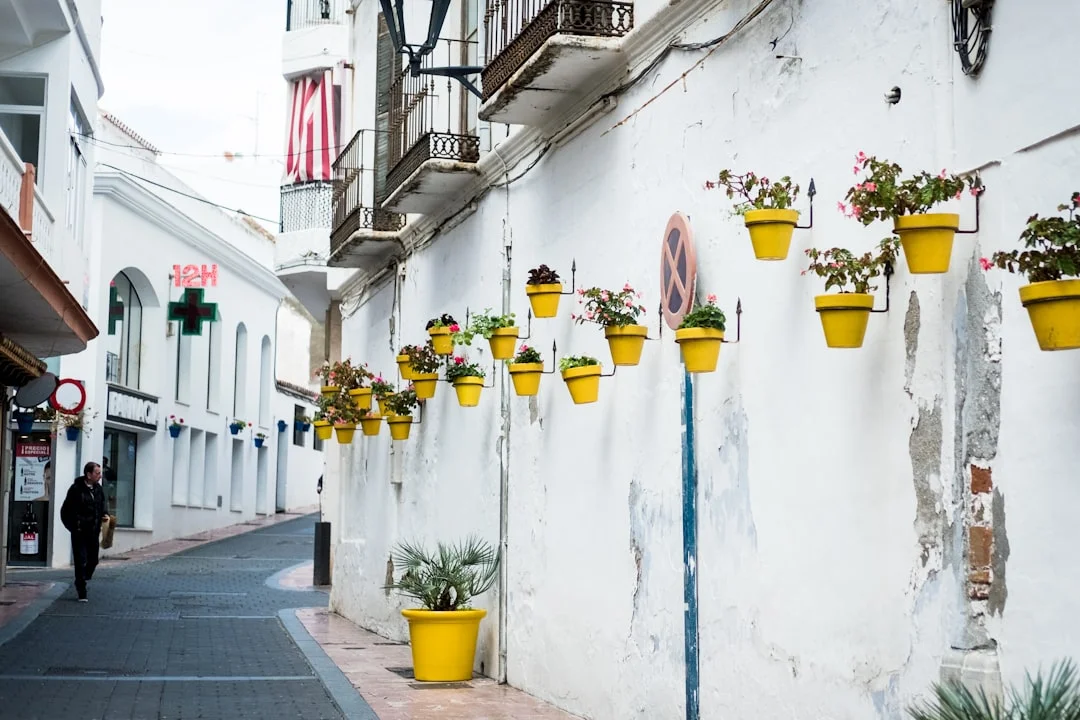
    While the Soho neighborhood is famous for its curated, international street art, Lagunillas offers something completely different. Located just north of the Plaza de la Merced, this neighborhood is a vibrant canvas of community-led urban art.

    • The Route: Start at Plaza de la Merced and walk up Calle Cruz Verde, turning into Calle Lagunillas.
    • What to Look For: The murals here are deeply personal. They depict local neighborhood heroes, flamenco legends, and political statements. Unlike Soho’s commercial projects, the art in Lagunillas is created by and for the residents.
    • Local Secret: Keep an eye out for the tributes to Chiquito de la Calzada, a beloved local comedian whose unique style left a lasting mark on Spanish pop culture.

    2. The San Telmo Aqueduct and the Quiet Hills

    For those who love a mix of history and nature, the San Telmo Aqueduct (Acueducto de San Telmo) is one of Málaga’s most impressive engineering marvels, yet it rarely makes it onto standard tourist itineraries. Built in the late 18th century, it was once considered the most significant hydraulic project in Spain.

    • The Route: Head towards the Ciudad Jardín district. You can follow the path along the Guadalmedina riverbed or hike up near the botanical gardens of La Concepción to see various sections of the aqueduct.
    • What to Look For: The dramatic multi-arched bridges spanning across dry ravines. It is a peaceful escape from the city noise, surrounded by olive trees and wild herbs. Especially after a wet spell, this landscape transforms, offering a great alternative to Málaga’s best hiking routes after the rain.
    • Local Secret: The area is particularly beautiful in the late afternoon when the golden hour light hits the old brickwork.

    3. El Limonar and the English Cemetery

    Málaga’s eastern suburbs hold a distinct, quiet charm. El Limonar is a residential neighborhood filled with beautiful late 19th-century villas, built by the city’s wealthy industrial bourgeoisie.

    • The Route: Start at the English Cemetery (the oldest non-Catholic Christian cemetery in mainland Spain) on Avenida de Pries. From there, wander uphill into the leafy streets of El Limonar, such as Paseo de Sancha.
    • What to Look For: The cemetery itself is a botanical marvel, filled with ancient trees and graves of historical figures, including the poet Jorge Guillén. As you walk up into El Limonar, admire the eclectic architecture ranging from Neo-Mudéjar to modernist styles.
    • Local Secret: Many of these grand villas have been converted into quiet public spaces, offices, or boutique hotels, offering a peaceful glimpse into Málaga’s golden age of trade.

    4. Monte San Antón: The Local Alternative to Gibralfaro

    While the Gibralfaro viewpoint offers a stunning view of the harbor, it can get incredibly crowded. For a truly local panorama, head further east to Monte San Antón.

    • The Route: This is a light hike rather than a casual stroll. Take a bus or taxi to the upper part of the El Palo neighborhood and follow the dirt paths leading up to the summit.
    • What to Look For: The summit features a large metal cross and offers a 360-degree view of the entire bay of Málaga, the surrounding mountains, and on clear days, the silhouette of the African coast. If you enjoy this trail, you might also want to explore other scenic hiking trails to discover Málaga’s greenest areas.
    • Local Secret: Pack a small picnic and head up just before sunset. You will likely share the peak with only a handful of local hikers and trail runners.

    Practical Tips for Exploring Málaga’s Hidden Sides

    • Respect the Neighborhoods: Places like Lagunillas are living, breathing residential areas. Be mindful of residents’ privacy when taking photos.
    • Timing is Key: During the warm summer months of 2026, plan your walking routes for early morning (before 10:00 AM) or late afternoon (after 7:00 PM) to avoid the midday heat.
    • Wear Proper Footwear: Málaga’s historic streets can be surprisingly slippery, and the hikes up San Antón or the Aqueduct require sturdy shoes with good grip.

    Exploring these quieter corners reminds us that a city’s true character isn’t built on grand monuments alone, but in the quiet spaces between them. We hope these routes inspire you to slow down, look a little closer, and discover the gentle, authentic rhythm of Málaga that continues to thrive just out of sight.

  • Málaga Ibis Hotel Fire Still Active After Eight Days

    Málaga Ibis Hotel Fire Still Active After Eight Days

    The residual fire at the Ibis Hotel in Málaga remains active more than a week after it first broke out, leaving local residents in the surrounding Llano de la Trinidad neighborhood increasingly desperate. While this emergency affects local mobility, those planning wider travel through the province are also preparing for upcoming transport costs, including the newly announced AP-7 toll prices in Málaga for summer 2026. Despite continuous efforts by emergency services, the complex structure of the building has made extinguishing the deep-seated embers an incredibly slow and difficult task.

    For those living and working nearby, the persistent smoke, strong odors, and lack of clear answers have turned daily life into a major challenge.

    Why the Fire is Still Smoldering

    According to reports by Málaga Hoy, the fire continues to burn residually deep within the building’s internal framework. Firefighters have explained that the primary obstacle is accessibility.

    The hotel’s structural design—specifically the insulation materials, false ceilings, and heavy cladding—has created a protective shield over the hot spots. This prevents water from penetrating effectively to reach the core of the fire. Fire crews are forced to proceed with extreme caution to avoid compromising the structural integrity of the building, systematically dismantling sections to douse the remaining pockets of heat.

    Health Concerns in Llano de la Trinidad

    The prolonged nature of the incident has taken a heavy toll on the local community. Residents of the Llano de la Trinidad area have expressed deep frustration over the ongoing environmental impact. As detailed by La Opinión de Málaga, many neighbors are reporting physical symptoms due to the constant exposure to smoke, including:

    • Persistent headaches and dizziness
    • Itchy, irritated eyes and throat irritation
    • Difficulty breathing, particularly for children, the elderly, and those with pre-existing respiratory conditions like asthma

    With temperatures rising as summer approaches and Málaga experiencing intense Terral heatwaves, the inability to open windows to ventilate homes has created stifling, uncomfortable living conditions. Local businesses and tourist accommodations in the immediate vicinity have also noticed a drop in foot traffic and inquiries from concerned visitors regarding air quality.

    Safety Recommendations for Residents and Visitors

    While local authorities continue to monitor air quality levels, health professionals advise taking proactive measures to minimize exposure to the lingering smoke:

    1. Keep Windows Closed: Keep doors and windows shut as much as possible, especially during the early morning and late evening when atmospheric conditions can cause smoke to settle closer to the ground.
    2. Use Air Conditioning Wisely: If you use air conditioning, set it to “recirculate” mode so that it does not draw in smoky air from the outside.
    3. Limit Outdoor Activity: Avoid strenuous outdoor exercise in the immediate vicinity of the Llano de la Trinidad district until the fire is fully declared extinguished.
    4. Wear Protection if Necessary: If you must spend extended periods outdoors near the site, consider wearing an FFP2 mask to filter out fine particulate matter.

    Looking Ahead

    Urban fires of this nature highlight the complex challenges modern building materials can pose to emergency services. While the situation is being managed by highly trained professionals, the patience of the neighborhood is understandably wearing thin.

    We hope to see the final hot spots extinguished in the coming days so that the residents of Llano de la Trinidad can finally breathe easy, open their windows, and welcome back the vibrant, clear skies that Málaga is so famous for.

  • Málaga CF Play-Off: Fans Demand Giant Screens in City

    Málaga CF Play-Off: Fans Demand Giant Screens in City

    The Blue and White Fever Grips the Costa del Sol

    Málaga is holding its breath. While the city has recently been gripped by concern over the active fire at the Málaga Ibis Hotel, there is also a massive wave of excitement on the sports front. After a grueling season in LaLiga Hypermotion, Málaga CF has secured fourth place and is now just a few matches away from a historic return to Spanish football’s elite: La Liga EA Sports (Primera División).

    The first leg of this high-stakes promotion play-off semi-final against UD Las Palmas is scheduled for Sunday, June 7, 2026. With excitement reaching a fever pitch—and temperatures soaring due to the early June Terral heatwave—local fans, community groups, and political parties are united in a singular demand: they want giant screens installed in the heart of the city so everyone can experience the drama together.

    The Push for Giant Screens in Public Squares

    As anticipation builds, municipal groups are officially urging the Málaga City Council to set up public viewing areas. The coalition Con Málaga has formally requested that the city administration coordinate the installation of giant screens in key public spaces, keeping local sports fans connected even as Unicaja Baloncesto searches for a new coach after Navarro’s exit.

    According to reports from Europa Press, the initiative aims to make the decisive matches accessible to all residents, fostering a collective, festive atmosphere. Meanwhile, local media outlets like Diario Sur highlight the growing pressure on the Mayor to greenlight these fan zones, reflecting a city-wide desire to turn the match into a massive community event.

    Why This Matters for Newcomers and Expats

    If you have recently moved to Málaga or are just visiting, football is one of the most powerful windows into the local soul. The city’s sports scene has been absolutely electric lately, fresh off Unicaja’s intense battle for the basketball playoffs. The passion for Málaga CF (affectionately known as Los Boquerones) runs just as deep, crossing generations.

    Watching a promotion play-off surrounded by thousands of singing Malaguistas is an unforgettable cultural experience. Should the city council approve the public screens, likely venues could include:

    • Plaza de la Constitución: The historic heart of the city, often used for major celebrations.
    • Auditorio Municipal Cortijo de Torres: A spacious outdoor venue capable of hosting massive crowds safely.
    • Local Neighborhood Parks: Bringing the game directly to districts outside the immediate city center.

    Alternative Spots to Catch the Action

    If public screens are not fully approved in time, or if you prefer a slightly more contained environment, Málaga’s thriving bar scene will be firing on all cylinders on June 7, 2026. Excellent alternatives include:

    1. Irish Pubs in the Centro Histórico: Venues like Morrisons or Morrissey’s always guarantee a lively, international football crowd.
    2. Sports Bars near La Rosaleda: Heading close to the stadium itself is the best way to soak up the pre-match electricity, even if you don’t have a ticket inside.
    3. Local Peñas (Fan Clubs): For a truly authentic Spanish experience, look for neighborhood peñas malaguistas, where older generations and families gather over cheap tapas and cold beer.

    No matter where you watch, wearing blue and white is highly recommended. The energy in the city is bound to be electric as Málaga takes its first step toward the dream of Primera.

    We hope to see the plazas filled with joy, laughter, and chanting this Sunday. Football has a unique way of uniting people from all walks of life, and there would be nothing more beautiful than seeing locals and newcomers standing shoulder-to-shoulder, cheering on the Blue and Whites toward a bright new chapter.

  • ME Málaga by Meliá Opens in Historic Center

    ME Málaga by Meliá Opens in Historic Center

    A New Era of Luxury in the Heart of Málaga

    Málaga’s historic center has welcomed a sophisticated new landmark that redefines the city’s upscale hospitality landscape. The opening of ME Málaga by Meliá marks a significant milestone, introducing a five-star boutique experience designed for discerning travelers, design enthusiasts, and local residents seeking an elegant urban retreat for visiting family, particularly as the city buzzes with excitement over the Málaga CF play-off and fan demands for giant screens.

    This new opening reflects the rapid transformation of the Andalusian capital. Alongside other major milestones, such as the transformation of the historic Palacio de la Tinta into a 5-star hotel, Málaga has firmly established itself as a premier cultural and luxury destination in its own right.

    Elegance and Light: Inside the Design

    Conceived as a luminous urban sanctuary, the hotel’s architecture seamlessly integrates modern luxury with the rich heritage of its surroundings. This philosophy aligns with a broader trend in the city, where new 5-star hotels are rescuing Málaga’s historic heritage to offer unique, culturally immersive stays. The design maximizes the beautiful Mediterranean light, offering expansive communal spaces and guest rooms oriented toward the historic quarter.

    The hotel features a curated selection of accommodations tailored to different styles of travel:

    • 128 beautifully appointed rooms designed with warm, organic textures and state-of-the-art amenities.
    • 14 Junior Suites offering generous living spaces and elevated comfort.
    • 8 Exclusive Suites that provide the ultimate private retreat, complete with bespoke personalized services.

    Large windows frame stunning vistas of the city’s architectural treasures, allowing guests to feel connected to the vibrant streets below while enjoying a peaceful, private sanctuary.

    A Strategic Milestone for the Costa del Sol

    The arrival of the ME by Meliá brand is more than just a hotel opening; it represents a major step forward for local urban development. As highlighted by Touristic News, the inauguration of ME Málaga by Meliá is a key driver for high-end tourism and urban renewal in the region, solidifying the city’s position on the international luxury map.

    By attracting affluent international travelers, the hotel contributes directly to the local economy, supporting high-end retail, fine dining establishments, and cultural institutions across the historic center.

    Rooftop Vistas and Gastronomy

    Beyond its luxurious accommodations, ME Málaga by Meliá is set to become a social hub for both visitors and locals. The property features a spectacular rooftop terrace, offering panoramic views of the Cathedral and the Alcazaba. This space is designed to host curated cultural events, acoustic sessions, and sunset gatherings, accompanied by a sophisticated cocktail menu and contemporary culinary offerings.

    Inside, the dining concepts celebrate Andalusian flavors with a modern, international twist, prioritizing locally sourced ingredients and creative presentation.

    A Perfect Option for Residents and Visitors

    For locals living in Málaga, the opening provides an exceptional addition to the evolving landscape of Malaga accommodations and premier neighborhoods when hosting family members or business associates who demand the highest standards of comfort. Its central location allows guests to step directly into the historic streets, just moments away from the Picasso Museum, the Roman Theatre, and the vibrant Calle Larios.

    As Málaga continues to evolve, projects like this show how the city can honor its historic past while embracing a sophisticated, modern future. We look forward to seeing how this beautiful space becomes woven into the daily life and celebration of our community.

  • Málaga Terral: Temperatures Near 39C in Early June

    Málaga Terral: Temperatures Near 39C in Early June

    The First Major Heat Spike of June 2026

    Summer has arrived early in the province of Málaga. On June 2, 2026, just as the city welcomed visitors to its newest luxury hotspot, the ME Málaga by Meliá in the historic center, the State Meteorological Agency (Aemet) activated a yellow weather alert for high temperatures across the Costa del Sol, the Guadalhorce Valley, and the Vélez-Málaga region. Driven by the notorious local wind known as the terral, temperatures surged rapidly, turning the coastal region into one of the hottest areas in Spain.

    According to reporting by La Opinión de Málaga, Málaga Airport registered some of the highest temperatures in the country during this episode. Thermometers peaked at a scorching 38.4°C in Vélez-Málaga, with very similar highs recorded at the airport and in neighboring Torremolinos.

    Understanding the “Terral” Phenomenon

    For those new to the Costa del Sol, this sudden rise in temperature can feel surprising, especially given Málaga’s typical Mediterranean sea breezes. The culprit is the terral, a land wind that originates in the interior of the Iberian Peninsula.

    As this air mass travels toward the coast, it descends over the surrounding mountain ranges. This descent compresses the air, causing it to heat up and dry out rapidly. When the terral blows, humidity drops significantly, and the air feels like a hairdryer blowing directly at you. As noted by Diario SUR, this unique meteorological event often places Málaga at the top of Spain’s daily temperature charts, even when northern provinces remain much cooler.

    Essential Tips to Stay Safe in the Heat

    When a terral alert is active, taking simple precautions can make a massive difference in your comfort and safety. Here is how to navigate these high-temperature days:

    • Hydrate Constantly: Drink plenty of water throughout the day, even if you do not feel actively thirsty. Avoid excessive caffeine or alcohol, as they can accelerate dehydration.
    • Keep Your Home Cool: Close windows and pull down blinds during the day to block out the hot air and direct sunlight. Open them late at night or early in the morning when the outside temperature drops.
    • Avoid Peak Sun Hours: Limit outdoor activities, heavy exercise, and sightseeing between 12:00 PM and 6:00 PM.
    • Protect Vulnerable Groups: Keep a close eye on children, the elderly, and pets. Never leave anyone—including animals—inside a parked car, even for a few minutes.
    • Seek Air-Conditioned Spaces: If your accommodation lacks air conditioning, consider spending the hottest hours of the day in local museums, shopping centers, or libraries. The widespread use of cooling systems during these heat peaks highlights the growing energy demands on the province, which has faced infrastructure challenges recently, such as when Málaga lost a major synthetic diamond plant to Zaragoza due to power grid limitations.

    While the intense heat of the terral can be challenging, these episodes are usually short-lived, typically lasting between one and three days before the cooler levante (east wind) returns to restore the pleasant coastal balance. As we transition into the heart of summer, taking care of ourselves and keeping an eye on local weather alerts ensures we can all safely enjoy everything this beautiful coastline has to offer.

  • Málaga Loses Michelin Green Star in 2026 Reorganization

    Málaga Loses Michelin Green Star in 2026 Reorganization

    The culinary landscape of the Costa del Sol is experiencing a notable shakeup. Following the latest Michelin Guide gala held on Monday, June 1, 2026—just as the region was sweltering under a Terral heatwave that pushed temperatures near 39ºC—the red book has restructured its prestigious awards, resulting in Málaga losing one of its highly regarded Green Stars—the special distinction reserved for pioneering sustainable gastronomy.

    While Málaga remains a powerhouse for fine dining in southern Europe, building on the momentum of Málaga’s expanding culinary landscape, this adjustment highlights the increasingly strict standards of the international guide. Here is what these changes mean for local food lovers, expats, and the luxury travel sector on the Costa del Sol.

    The Loss of a Green Star in Málaga

    Michelin’s Green Star (distinción verde) is not easily won. It recognizes restaurants that show outstanding commitment to sustainable practices, ethical sourcing, and waste reduction.

    According to a detailed report by Diario Sur, the province will lose one of these eco-focused accolades as part of the guide’s 2026 rebalancing. While the loss of any Michelin distinction is a tough pill to swallow for the local hospitality industry, it also serves as a reminder of the volatile nature of elite gastronomy, where maintaining a title requires constant evolution.

    A New Category of Recognition Arrives

    It is not all bad news for the region’s food scene. Alongside the removal of the Green Star, the Michelin Guide has introduced a brand-new type of recognition aimed at celebrating other vital aspects of the dining experience.

    This new accolade is designed to highlight establishments that may not fit the traditional star criteria but excel in specific operational areas, such as exceptional service, innovative wine programs, or community-driven dining concepts. For food enthusiasts in Málaga, this means the local culinary map is becoming more diverse, offering a broader range of verified dining experiences beyond the classic star system.

    Implications for Málaga’s Fine Dining Scene

    Málaga and the wider Costa del Sol—including culinary hotspots like Marbella, Ronda, and Fuengirola—have spent the last decade positioning themselves as premier destinations for food tourism.

    • High Standards: The loss of a distinction keeps local chefs on their toes, ensuring that the push for quality never stagnates.
    • Evolving Demands: High-net-worth travelers and expats increasingly demand transparency, sustainability, and local sourcing. The loss of a Green Star will likely spark a renewed focus on eco-friendly practices across Málaga’s top kitchens.
    • Diverse Options: The introduction of new Michelin categories allows smaller, high-quality bistros and specialized venues to gain international visibility.

    As the province adapts to these new ratings, local restaurateurs are already looking at ways to refine their offerings, elevate their service, and win back these coveted eco-credentials in future editions.

    We love seeing our local food scene grow, challenge itself, and adapt. While losing a star is always disappointing, the passion of Málaga’s chefs and the richness of local Andalusian ingredients—from exceptional olive oils to unique delicacies like Málaga’s avocado and chestnut honeys—mean our tables will always have something extraordinary to offer. We look forward to seeing how our local kitchens rise to the challenge in the coming year.

  • Malaga’s Tech Scene: Hidden Routes and Local Secrets

    Malaga’s Tech Scene: Hidden Routes and Local Secrets

    Malaga is no longer just a holiday destination; it has systematically transformed into one of Europe’s most competitive technology hubs. Often referred to as the “Silicon Valley of Southern Europe,” the city’s tech rise is backed by hard data: home to over 650 technology companies, employing upwards of 25,000 professionals, and generating a significant share of Andalusia’s GDP. However, this rapid expansion is not without its challenges, as evidenced by Málaga recently losing a €1B synthetic diamond plant over electricity grid bottlenecks.

    For tech professionals, investors, and digital nomads navigating the city in 2026, understanding this ecosystem requires looking beyond the beachside coworking spaces. This analytical guide maps the physical and structural infrastructure of Malaga’s tech scene, highlighting the key nodes, hidden routes, and strategic hubs driving this expansion.

    The Core Nodes of Malaga’s Tech Infrastructure

    The tech landscape of Malaga is anchored by three distinct geographic and operational hubs. Understanding their distinct functions is crucial for any professional looking to integrate into the local ecosystem, which is shaped not only by business but also by key cultural and lifestyle shifts, such as the recent news of Málaga losing a Michelin Green Star in the 2026 reorganization.

    1. Malaga TechPark (Parque Tecnológico de Andalucía – PTA)

    Located in the Campanillas district, approximately 13 kilometers from the city center, Malaga TechPark is the industrial backbone of the region.
    * Key Metrics: Over 20,000 employees, 650+ companies, and an annual turnover exceeding €2.7 billion.
    * Specialization: Deep tech, aerospace, microelectronics, and automotive software development.
    * Key Players: Multinational giants such as Dekra, Ericsson, Accenture, and TDK.
    * The “Hidden” Route: While the park appears as a standard suburban office park, the central lagoon area and the Bioincubador building are the true hotspots for R&D spin-offs from the University of Malaga (UMA).

    2. The Soho and Ensanche Centro Tech Corridor

    For startups, scaleups, and digital product agencies, the city center—specifically the Soho neighborhood—serves as the primary urban hub, complementing nearby technology ecosystems where global companies like Dekra boost their growth within the Málaga TechPark.
    * Specialization: Fintech, SaaS, digital marketing, and cybersecurity.
    * Key Landmark: The Google Safety Engineering Center (GSEC), located at the Paseo de la Farola, which has cemented Malaga’s status as a global cybersecurity capital.
    * The Local Secret: The network of converted industrial warehouses behind the CAC (Contemporary Art Center) houses low-profile development agencies working for major global brands without external signage.

    3. The El Palo & Pedregalejo “Nomad Coast”

    While predominantly residential and famous for seafood, the eastern coast of Malaga has evolved into an informal tech-residential cluster.
    * Specialization: Remote developers, web3 founders, and independent consultants.
    * Ecosystem Dynamics: This area relies heavily on informal meetups held in traditional chiringuitos (beach restaurants), where high-level technical discussions occur over traditional grilled sardines (espetos).

    Historical Context: From Industrial Pioneer to Digital Hub

    Malaga’s technological focus is not a modern accident. In the 19th century, Malaga was Spain’s industrial pioneer, home to the country’s first blast furnaces (La Constancia) and a massive textile industry led by the Heredia and Larios families.

    The transition from heavy industry to digital technology began in 1992 with the inauguration of the PTA. This long-term planning created a highly specialized local workforce, bolstered by the University of Malaga’s highly rated computer science and telecommunications engineering faculties.

    Data-Driven Insights: The Tech Landscape

    According to regional economic analyses, Malaga’s tech sector has maintained a compound annual growth rate (CAGR) of over 8% over the last five years. The key drivers of this growth include:

    1. Cybersecurity: Driven by Google’s acquisition of local startup VirusTotal and the subsequent establishment of GSEC.
    2. Microchips and Semiconductors: Supported by Spain’s national microelectronics initiatives, Malaga has secured major investments to establish design centers for next-generation microchips.
    3. Connectivity: The landing of submarine fiber-optic cables in the region ensures ultra-low latency connections to both the Americas and Africa, making Malaga a strategic data transit point.

    Navigating the Local Tech Community

    To access the real value of Malaga’s tech scene, professionals must engage with local, grassroots communities rather than relying solely on commercial networking events.

    • Tech Meetups: Groups like Malaga Frontend, Málaga-Java, and Python Málaga host monthly technical deep-dives, often hosted in local innovation hubs like La Farola (an open-innovation space run by Telefónica).
    • The “Secret” Watering Holes: Tech founders and venture capitalists frequently gather at specific venues in Soho and the historic center. Informal networking occurs weekly at craft beer hubs like La Fábrica in Soho, where local tech associations host casual “beer and code” nights.
    • The Academic Bridge: The Link by UMA building, located on the Teatinos university campus, is where academic research meets private venture capital. It is an essential stop for recruiters looking for fresh engineering talent.

    Looking Ahead

    As Malaga continues to expand its digital footprint, balancing rapid economic growth with urban sustainability remains a key challenge for the city. The integration of local talent with global innovators is creating a unique, resilient ecosystem that extends far beyond the sun-and-beach narrative. We hope this analytical overview helps you find your footing in our city’s thriving digital landscape, finding both professional growth and a welcoming community along the way.

  • Costa del Sol Expects Over 80% Occupancy in June & July

    Costa del Sol Expects Over 80% Occupancy in June & July

    As late spring transitions into the vibrant heat of summer, the province of Málaga is already experiencing a dramatic preview of the months ahead. The final weekend of May 2026 closed with peak temperatures climbing close to a scorching 40 °C in the interior of the province, signaling an unusually early start to the high-temperature season.

    While Málaga capital enjoyed a relatively mild 29 °C in the city centre and inland areas reached 32 °C over the weekend, a significant shift is underway. The infamous Terral—a dry, hot land wind unique to the region—is expected to make its presence felt, with city forecasts predicting temperatures to spike around 36 °C.

    For visitors and expats planning their summer, these soaring temperatures coincide with a major surge in tourism. Costa del Sol hoteliers are reporting highly promising booking trends, with average occupancy rates already expected to surpass 80% throughout June and July 2026.

    Understanding the Terral: Málaga’s Signature Wind

    To navigate a Málaga summer, one must understand the Terral. This meteorological phenomenon—which can occasionally trigger a dramatic weather rollercoaster from warm Terral winds to sudden Atlantic storms—occurs when inland winds blow toward the coast, warming rapidly as they descend from the surrounding mountains. The result is a sudden drop in humidity and a sharp rise in temperature, transforming a pleasant coastal breeze into a warm, hair-dryer-like gust.

    According to recent regional reports, including analysis shared by COPE Andalucía, the early arrival of these hot air masses highlights a changing climate pattern that travelers must adapt to. While the Terral can make the city center feel intensely hot, it also brings exceptionally clear skies and keeps the sea temperature surprisingly refreshing—offering the perfect excuse to dive into the Mediterranean.

    A Bustling Summer on the Costa del Sol

    Despite these early intense heatwaves, the appeal of the Costa del Sol remains irresistible, often acting as a refreshing sanctuary compared to the scorching temperatures felt further inland. Local hotel associations are projecting an exceptionally busy season. Bookings for June and July 2026 are already trending above 80%, meaning that those wishing to enjoy the sun-drenched beaches of Marbella, Torremolinos, and Nerja should secure their accommodations and restaurant reservations as soon as possible.

    This high occupancy reflects a growing trend of travelers seeking the reliable sunshine, rich gastronomy, and cultural wealth of the province. However, it also means that popular spots will be livelier than ever.

    How to Make the Most of Your Visit This Summer

    If you are planning to visit Málaga during these peak summer months, a few strategic adjustments can help you enjoy the sunshine while avoiding the worst of the heat:

    • Seek the Shoreline: During Terral days, coastal areas like La Malagueta or Pedregalejo often remain slightly cooler than the narrow streets of the historic center. The sea breeze acts as a natural shield against the inland heat.
    • Embrace the Southern Schedule: Do as the locals do. Retreat indoors or find a shaded chiringuito (beach bar) for a leisurely lunch of espetos de sardinas (grilled sardines) during the peak heat hours of 2:00 PM to 6:00 PM.
    • Explore Cultural Spaces: Málaga boasts an incredible array of air-conditioned museums. The Picasso Museum, the Centre Pompidou, and the Carmen Thyssen Museum offer an elegant, cool refuge during the hottest afternoons.
    • Stay Hydrated: Always carry water, wear lightweight linen clothing, and apply high-SPF sunscreen. The Andalusian sun is remarkably powerful, especially when accompanied by the dry Terral wind.

    As the summer of 2026 unfolds, Málaga continues to captivate the hearts of travelers from around the globe. Whether you find yourself seeking shade under the palms of the Paseo del Parque or enjoying a cool sunset drink overlooking the harbor, the warmth of the province—both in its climate and its hospitality—promises an unforgettable season. We hope your summer journey to our coast is filled with bright blue skies, refreshing sea dips, and the gentle, slow-paced charm of the Mediterranean lifestyle.

  • Málaga Loses €1B Synthetic Diamond Plant to Zaragoza

    Málaga Loses €1B Synthetic Diamond Plant to Zaragoza

    A Costly Wake-Up Call for Málaga’s Infrastructure

    Málaga’s rapid rise as Southern Europe’s premier technology hub has hit a significant roadblock, bringing the city’s rapid modern evolution and urban contrasts into sharp focus. A multinational manufacturer of synthetic diamonds has officially abandoned its plans to build a major production facility in Málaga’s Parque Tecnológico de Andalucía (PTA), opting instead for Zaragoza.

    The decision represents a staggering €1 billion loss in potential investment for the province, along with the loss of an estimated 200 to 300 direct, high-skilled jobs. The reason behind the sudden departure? A severe bottleneck in the local electricity grid that made it impossible to power the proposed facility.

    1 Megawatt vs. 5 Megawatts: The Power Deficit

    The synthetic diamond manufacturing process is highly energy-intensive, requiring a continuous and robust power supply. The multinational project required a capacity of 5 megawatts (MW) to operate its machinery at the PTA.

    However, the local electricity distributor, Endesa, was only able to guarantee 1 MW of power at the site. Faced with a deficit that would render the plant non-viable, the developers were forced to look elsewhere. Zaragoza, which boasts a more robust electrical infrastructure capable of meeting the project’s high-energy demands, stepped in to secure the investment.

    A Systemic Problem: 25,000 Homes Blocked

    The loss of the diamond plant is not an isolated incident; rather, it is the most visible symptom of a systemic infrastructure deficit. The electrical grid limitations are currently choking development across both commercial and residential sectors in the region.

    According to industry reports and local planning assessments:
    * 25,000 housing units are currently blocked across Málaga province due to a lack of guaranteed electrical supply.
    * 13,000 of these blocked homes are located directly within Málaga capital.
    * Andalusia’s electrical network is currently operating at an estimated 99% capacity utilization, leaving virtually no margin for new large-scale developments.

    The provinces of Almería, Granada, and Málaga are bearing the brunt of this capacity crunch, raising concerns among business leaders and developers that the region’s economic momentum is outpacing its physical foundations.

    Calls for Urgent Grid Upgrades

    The situation has sparked urgent calls for action from local business associations, developers, and municipal leaders, who are pressuring the national government and grid operators to fast-track investments in Andalusia’s transport and distribution networks.

    While municipal authorities work to streamline local planning permissions, as detailed in recent updates from the Ayuntamiento de Málaga, the ultimate authority over high-voltage electrical planning rests at the national level. Without a significant revision of the national electricity transport plan to allocate more capacity to the Costa del Sol, local officials warn that Málaga risks losing more high-profile international investments to better-equipped Spanish regions.

    Looking Ahead: Balancing Growth and Sustainability

    Málaga has proven it has the talent, its highly appealing climate, and the entrepreneurial spirit to attract global attention. However, this €1 billion setback serves as an invaluable lesson. For a city to successfully transition into a world-class tech capital, physical infrastructure—roads, water, and crucially, the power grid—must grow in tandem with its ambitions.

    As we look to the future, there is hope that this high-profile loss will act as the necessary catalyst for change. By addressing these foundational bottlenecks today, Málaga can ensure that its next chapter of growth is not only ambitious but sustainable for businesses and residents alike.

  • Unicaja vs Baskonia: Málaga’s Battle for the Playoffs

    Unicaja vs Baskonia: Málaga’s Battle for the Playoffs

    Málaga is a city that lives and breathes sports, but few things ignite the local passion quite like a do-or-die basketball night at the Palacio de Deportes José María Martín Carpena. On the evening of May 29, 2026, the arena became the epicenter of Spanish basketball as Unicaja hosted Baskonia in a thrilling, high-stakes encounter where a single ticket to the Liga ACB playoffs was on the line.

    Coming off an extraordinary international campaign, Unicaja faced this final domestic hurdle to keep their championship dreams alive on home soil.

    A Season of Glory and High Demands

    The 2025/2026 season had already secured its place in the club’s history books. It has been a year of profound emotions, marked not only by on-court battles but also by moments of remembrance, as Unicaja fans mourned the passing of basketball legend ‘Piculín’ Ortiz. Earlier this year, Unicaja also delighted fans by capturing the Basketball Champions League (BCL) title, proving once again that they can compete with—and defeat—the very best in Europe.

    However, the grueling calendar of Spanish basketball leaves little room for celebration. To validate their European success and cement their status among the elite, securing a spot in the Liga ACB playoffs was non-negotiable. The matchup against Baskonia on May 29 was not just another regular-season fixture; it was a virtual final, a one-night-only opportunity to extend their domestic season.

    The Ibon Navarro Factor and Future Speculation

    Much of Unicaja’s modern success can be traced back to the tactical brilliance of head coach Ibon Navarro. Under his leadership, the team has developed a fast-paced, high-intensity style of play that has re-energized the Carpena crowd.

    Yet, great success naturally attracts external interest. In the days leading up to the decisive Baskonia clash, media speculation intensified regarding Navarro’s future at the club. As highlighted in the Deportes COPE Málaga broadcast on May 29, 2026, the coaching staff and the roster had to block out the noise of transfer rumors and focus entirely on the immediate task at hand: defeating a dangerous and experienced Baskonia side.

    The Atmosphere at the Carpena

    For those who have never experienced a big game at the Martín Carpena, it is hard to describe the sheer energy of the Marea Verde (the Green Tide). With over 10,000 fans packed into the stands, the arena transforms into a wall of sound.

    Against Baskonia, the home crowd played their part as the symbolic “sixth man.” Facing a physical Basque squad known for their lethal perimeter shooting and transition game, Unicaja relied heavily on defensive intensity and the emotional lift provided by their loyal supporters. Every rebound, steal, and three-pointer was met with deafening cheers, showcasing why Málaga remains one of the most difficult away venues in European basketball.

    What This Means for Málaga Basketball

    Whether navigating European triumphs or fighting down to the wire in the domestic league, Unicaja has shown that they belong in the national conversation. This basketball boom is felt across the entire organization, highlighted by milestones like the Unicaja Mijas women’s team reaching the LF Challenge Final Four. This transition from a team fighting for stability to a club expected to win titles speaks volumes about the project built in Málaga over the last few years.

    As the dust settles on this intense regular-season finale, the focus shifts to recovery, tactical adjustments, and the potential roster movements of the coming summer. But for one night in late May, none of that mattered—it was simply about court dominance, passion, and the pride of Málaga.

    We look forward to seeing how this incredible group of players continues to represent our city on the national and global stage. Málaga’s basketball journey is far from over, and we will be right here at the Carpena, cheering them on through every high and low.