Tag: lang:en

  • Málaga Food Guide: Where to Eat in 2026

    Málaga Food Guide: Where to Eat in 2026

    The Culinary Soul of Málaga

    Málaga’s food scene is a beautiful contradiction. On one hand, you have fishermen grilling sardines over open wood fires on the beach, using techniques passed down for generations. On the other, a wave of creative chefs is redefining Andalusian cuisine in sleek, modern bistros.

    Whether you are looking for a quick bite at a bustling market stall or a long, lazy lunch overlooking the Mediterranean, here is your practical guide to navigating the best of Málaga’s evolving food scene and culinary trends.

    The Unmissable Classics

    You cannot say you have eaten in Málaga without trying these local staples. They are simple, hyper-local, and deeply tied to the province’s geography.

    1. Espetos de Sardinas

    Skewered sardines cooked over olive wood embers in old fishing boats parked on the sand. The smoke from the wood gives the fish a distinct, rich flavor that pairs perfectly with a cold beer.
    * Where to try them: Head to the seaside neighborhoods of Pedregalejo or El Palo. Chiringuito El Cabra and Chiringuito Rompeolas remain local favorites for consistently fresh catches.

    2. Porra Antequerana

    Similar to salmorejo, this is a thick, cold tomato soup made with bread, garlic, olive oil, and green peppers, typically topped with hard-boiled egg and jamón. It is the ultimate refresher on a hot July afternoon.

    3. Coquinas al Jereón

    Tiny, sweet wedge clams cooked quickly in garlic, olive oil, and dry sherry (Fino or Manzanilla). Make sure you have plenty of crusty bread handy to soak up the leftover sauce.

    Where to Eat: From Historic Taverns to Modern Hotspots

    The Historic Experience: Antigua Casa de Guardia

    Founded in 1840, this is Málaga’s oldest wine tavern. There are no chairs here; you stand at the dark wooden bar while the bartenders pour sweet local wines directly from massive barrels. Your tab is written in chalk right on the counter. Try a glass of Pajarete or Seco Trastras alongside a small plate of local mussels or olives.

    The Market Feast: Mercado Central de Atarazanas

    For an informal and incredibly fresh lunch, head straight to the central market. While the stalls sell everything from dynamic local produce to fresh goat cheese, the food stalls near the main entrance serve up incredible fried fish (pescaíto frito), grilled razor clams, and shrimp skewers. It is loud, busy, and absolutely delicious.

    The Creative Tavern: La Cosmopolita

    Chef Dani Carnero has become a pioneer in Málaga’s modern culinary renaissance. At La Cosmopolita, the menu changes daily based on what is fresh at the market. It is comforting, deeply Andalusian food executed with high-end culinary technique. If you want something slightly more casual but equally brilliant, check out his sister spot, La Cosmo, located just a short walk away—one of the many local establishments proving that high-end dining in Málaga can be incredibly accessible.

    The Seafood Auction: El Tintero

    Located at the far end of the El Palo promenade, El Tintero is a local legend. There is no menu. Instead, waiters run out of the kitchen carrying plates of hot, fried fish, shouting out what they have. If you see something you like, you flag them down. At the end of the meal, a waiter counts the plates on your table to write up the bill. It is chaotic, noisy, and an absolute must-visit for the experience alone.

    Practical Tips for Dining in Málaga

    • Adapt to the Local Clock: Lunch is rarely eaten before 2:00 PM, and dinner kitchens rarely open before 8:30 PM. For the best atmosphere, aim to sit down for dinner around 9:30 PM.
    • Tapas vs. Raciones: When ordering, a tapa is a small individual portion, a media ración is a half-portion perfect for sharing between two people, and a ración is a large plate meant for the table.
    • Reservations are Key: For popular spots in the historic center or high-end chiringuitos on summer weekends, booking a table a few days in advance is highly recommended.

    There is a unique magic in how Málaga feeds its guests. It is not just about the freshness of the seafood or the chill of the local white wine, but the shared laughter echoing off the stone walls of narrow alleys and the gentle breeze carrying the scent of sea salt. We hope you find your own favorite corner, pull up a stool, and take your time enjoying the simple pleasure of a great meal under the Andalusian sun.
  • Málaga CF Looks Abroad for La Liga Transfer Market

    Málaga CF Looks Abroad for La Liga Transfer Market

    There is an unmistakable buzz in the streets of Málaga. After eight long years away from the bright lights of Spain’s top flight, Málaga CF is officially back in La Liga. For the local “Malaguista” fanbase—and the thousands of international residents who call the Costa del Sol home—this return marks the beginning of a thrilling new chapter, adding to the city’s vibrant sports scene alongside the achievements of Unicaja Málaga.

    However, competing in one of the world’s most demanding leagues requires reinforcements. As the summer 2026 transfer window opens—coinciding with a scorching Sahara heatwave in Málaga—the club’s sporting management is facing a unique challenge: how to build a competitive first-tier squad while operating under strict judicial administration budgets. The answer lies in looking far beyond Spanish borders.

    A Smart, Global Search for Talent

    Because of the club’s ongoing judicial administration, Málaga CF cannot simply outbid its La Liga rivals. Instead, the club must rely on creative scouting and high-value opportunities. According to a recent report by La Opinión de Málaga, the sporting director, Loren Juarros, and his team are actively expanding their focus to the international market.

    Rather than limiting their search to Segunda División standouts or domestic bench players, the club is casting a wider net. They are scouting undervalued talent in mid-tier European leagues, South America, and other emerging football markets. The goal is simple: find hungry, high-quality players who are ready to prove themselves on the grand stage of La Liga. Once settled in the region, these new signings will also get to experience the local lifestyle, including the rich culinary scene detailed in the latest Málaga food guide.

    What This Means for International Fans in Málaga

    For the thriving expat and international community in the province, this global recruitment strategy adds an extra layer of excitement.

    • A Diverse, Multicultural Squad: Fans might soon see players from their own home countries wearing the blue-and-white stripes at La Rosaleda.
    • Thrilling Matchdays: The atmosphere at the stadium is already legendary, but welcoming international talent will only enhance the global appeal of the club.
    • An Accessible Way to Experience La Liga: If you are new to the city (and perhaps still looking to settle down and apply for new flats in Málaga), there is no better way to integrate into local culture than joining the 30,000-strong crowd at La Rosaleda.

    Navigating the Financial Reality

    While fans dream of blockbuster signings, the club’s reality remains grounded. Every euro spent this summer must be meticulously accounted for. By targeting international players who may be flying under the radar of larger clubs, Málaga CF hopes to maximize its budget.

    This pragmatic yet ambitious approach has worked for other mid-sized La Liga clubs in the past, and there is a strong sense of optimism that the current management team can pull off some brilliant transfer masterclasses before the window closes later this summer.

    As we look forward to the 2026/2027 season, the journey ahead promises plenty of drama, passion, and, hopefully, some incredible football. Whether you have been a season-ticket holder for decades or are just looking to experience your first match at La Rosaleda, this is a historic moment to stand behind our local team. Let’s see where this global search takes us—¡Vamos Málaga!

  • La Malagueta Cultural Center Draws Over 2,400 Visitors

    La Malagueta Cultural Center Draws Over 2,400 Visitors

    While Málaga is widely celebrated for its world-class museums like the Picasso and the Pompidou—and sports enthusiasts are currently buzzing about how Málaga CF is scouting international talent for La Liga—the city’s cultural heartbeat also thrives in its smaller, community-focused spaces. Tucked into the historic brickwork of the city’s 19th-century bullring, the Centro Cultural La Malagueta has quietly become one of the most dynamic cultural hubs for locals and international residents alike.

    Recently released figures highlight this growing appeal. According to a report by La Opinión de Málaga, the cultural center closed the first half of 2026 with more than 2,400 attendees participating in its wide array of conferences, debates, and exhibitions.

    Here is a look at what makes this cultural space so unique and why it deserves a spot on your Málaga itinerary.

    A Hub for Thought, Debate, and Art

    La Malagueta is much more than just a gallery space; it is designed as a forum for intellectual exchange. Throughout the first half of 2026, the center has hosted thought-provoking debates, cycles on philosophy, history, and literature, and interactive conferences that bring together some of Spain’s finest minds.

    For expats and long-term travelers, it offers a fantastic window into the contemporary intellectual life of Andalusia. It is a place where you can sit among locals, listen to engaging speakers, and dive deeper into topics that go beyond the typical tourist experience.

    Key Highlights from the First Half of 2026

    • Over 2,400 attendees joined the center’s organized activities during the first semester.
    • Two major exhibitions took center stage during the second quarter, significantly expanding the center’s usual artistic offering and drawing diverse crowds.
    • Diverse programming ranging from historical retrospectives to modern societal debates kept the calendar packed and engaging.

    The Unique Setting: Plaza de Toros de La Malagueta

    Part of the charm of the Centro Cultural La Malagueta is its physical location. It is housed directly inside the Plaza de Toros de La Malagueta, the Neo-Mudéjar style bullring built in 1876.

    Walking into the center feels like stepping through a portal where history meets modern thought. The restoration of this space has preserved the beautiful brick arches and circular layouts, creating an intimate, atmospheric setting for photography exhibitions and evening lectures.

    It is incredibly easy to access, located just a short walk from the beach, the port (Muelle Uno), and the historic center.

    Why You Should Visit

    If you are looking for things to do in Málaga that offer a bit more depth, La Malagueta is a perfect choice. Here is why we recommend keeping an eye on their schedule:

    1. High-Quality Exhibitions for Free: Most of the exhibitions hosted here are free to enter, making high culture accessible to everyone.
    2. A Glimpse into Local Life: While the major museums can sometimes feel tourist-heavy, La Malagueta is a favorite local hangout for Málaga’s resident creatives and academics.
    3. Stunning Architecture: Even if you just drop in for twenty minutes, the architectural integration of the cultural center within the old bullring walls is worth seeing.

    Practical Information for Visitors

    • Address: Calle Cervantes, 6, 29016 Málaga (located inside the bullring).
    • How to get there: A scenic 10-minute walk from the Paseo del Parque or Plaza de la Merced. Several local bus lines stop right outside.
    • Admission: Generally free for both exhibitions and conferences (though seating for talks is often on a first-come, first-served basis).

    As Málaga continues to grow as a global cultural capital, spaces like La Malagueta remind us of the power of community-focused art. It is incredibly heartening to see these historic walls filled with fresh ideas, lively debates, and people eager to learn. Whether you are a newcomer to the city or have called it home for years, we hope you take a moment to wander inside, sit in on a talk, and enjoy the quiet, creative energy that makes this corner of the city so special.

  • Málaga VPO: Apply for 200 New University District Flats

    Málaga VPO: Apply for 200 New University District Flats

    Finding affordable housing has become one of the most pressing challenges for residents in Málaga. As the city continues its rapid economic expansion, rental prices in the private market have risen sharply. To address this issue, a significant new housing development has been launched in the Distrito Universidad (University District), offering a practical solution for middle-income earners and young professionals.

    Applications are officially open for 200 newly constructed subsidized rental homes (VPO – Viviendas de Protección Oficial). This project represents a major step forward in expanding the city’s affordable housing stock, featuring highly competitive rental rates and modern, energy-efficient designs—highly important features as Málaga braces for increasingly intense summer heatwaves.

    Competitive Rents in a Prime Location

    One of the most attractive aspects of this new development is the pricing structure. Monthly rents for these brand-new properties are set to range between €446 and €512, making them substantially cheaper than comparable private-sector rentals in the surrounding Teatinos and university areas.

    According to details published by La Razón, this development is the result of a coordinated effort between three levels of government:
    * The Government of Spain
    * The Regional Government of Andalusia (Junta de Andalucía)
    * The Málaga City Council (Ayuntamiento de Málaga)

    This inter-administrative collaboration has made it possible to offer high-quality housing at prices tailored to those who are currently priced out of the open market but do not qualify for traditional social welfare housing.

    Who Can Apply? Key Requirements

    To ensure these homes go to those who need them most, applicants must meet specific criteria set by the local housing authority.

    1. Registration in the Municipal Registry

    To be eligible, you must be actively registered in the Registro Municipal de Demandantes de Vivienda Protegida de Málaga (Municipal Registry of Subsidized Housing Applicants). If you are not registered, or if your details are outdated, this is the first step you must take.

    2. Income Thresholds

    Subsidized housing is aimed at individuals and family units within specific income brackets. Typically, eligibility is calculated based on the IPREM (Indicador Público de Renta de Efectos Múltiples):
    * Applicants must have a reliable source of income.
    * Maximum and minimum income limits apply to ensure the homes are allocated to middle- and lower-middle-class residents who cannot access standard market rentals.

    3. No Existing Property Ownership

    Applicants must not own any other residential property in Spain, ensuring that these subsidized units are used exclusively as primary, permanent residences.

    Why Distrito Universidad?

    Located in the western part of Málaga, Distrito Universidad is one of the city’s most dynamic and forward-looking neighborhoods. It is highly sought after due to its proximity to:

    • The University of Málaga (UMA) Campus: Ideal for young academic staff, researchers, and university workers.
    • Excellent Public Transport: The area is well-connected by the Málaga Metro (Line 1) and multiple municipal bus routes, making commutes to the historic center or the main technology park (PTA) quick and convenient.
    • Modern Infrastructure: The neighborhood boasts wide avenues, green spaces, sports facilities, and a growing selection of restaurants, cafes, and shops.

    How to Start the Application Process

    If you meet the requirements, you should act quickly to ensure your profile is up to date in the municipal database.

    1. Verify Your Registry Status: Visit the official portal of the Instituto Municipal de la Vivienda (IMV) in Málaga to check your standing in the Registro de Demandantes.
    2. Submit Necessary Documentation: Ensure your tax returns, employment contracts, and registration (padrón) certificates are fully updated.
    3. Select the Promotion: Indicate your interest in this specific development in Distrito Universidad through the online municipal housing portal.

    As Málaga continues to grow as a southern European hub for technology, culture, and tourism, projects like this are vital to maintaining the city’s social fabric. From fostering local pride and community spirit, such as celebrating the recent Málaga CF promotion, to providing affordable options for the people who keep the city running, keeping the community united is essential. We hope this development is just one of many steps toward a more balanced, accessible, and welcoming Málaga for everyone who wishes to call this beautiful city home.

  • Málaga Kids Weekend: Gaming, Cinema & Summer Camps

    Málaga Kids Weekend: Gaming, Cinema & Summer Camps

    Keeping the Whole Family Entertained in July

    As the summer heat builds up in Málaga, finding ways to keep children entertained, active, and cool becomes a top priority for local families and expats alike. While there is a wide range of family-friendly activities in Málaga to choose from, the weekend of July 3 to July 5, 2026, offers a perfect mix of indoor air-conditioned fun and engaging outdoor programs.

    According to the latest family agenda curated by SERPeques on Cadena SER, this weekend’s highlights focus on interactive gaming, new cinema releases, and active summer camps designed to make the most of the school holidays.

    Video Game Fun for Young Gamers

    One of the major highlights of this weekend is a dedicated video game event taking place right here in Málaga. Video games have become a fantastic way for children to develop cognitive skills, teamwork, and coordination, especially when enjoyed in a shared, family-friendly environment. This vibrant, family-oriented lifestyle is one of the reasons many are looking to settle in the city, keeping a close eye on new housing opportunities like the upcoming VPO flats in Málaga’s University District.

    The event provides:
    * Interactive gaming zones featuring both modern consoles and classic retro arcade machines.
    * Multiplayer tournaments where kids can test their skills in friendly competition.
    * Educational workshops introducing the basics of game design and digital creativity.

    These activities are ideal preparation for youth looking to secure one of the last-minute spots at Campamento WOB 2026 in Málaga.

    It is an ideal option for escaping the midday sun while letting kids connect with peers who share their passion for gaming.

    Beat the Heat at the Cinema

    When the afternoon temperatures peak, there is no better refuge than a cool, dark cinema. For those looking for a cultural alternative, following a Málaga art route to beat the heat is another excellent way to enjoy air-conditioned spaces while introducing children to creativity.

    Taking children to the movies during the summer is a classic tradition. Many theaters in Málaga, including those in major shopping centers like Vialia and Plaza Mayor, offer special morning screenings (matinales) or discounted family tickets during the summer season.

    Active Summer Camps in Málaga

    For parents looking to keep their children active throughout the rest of July, the weekend serves as a great opportunity to finalize bookings for local summer camps (campamentos de verano).

    These camps focus on:
    * Water sports and beach activities to help kids stay cool and active.
    * Creative arts and crafts workshops to foster imagination—often complementing the various summer family workshops in Málaga’s museums.
    * Language immersion programs, which are highly popular among the international expat community in the province.

    Many of these camps offer flexible weekly registrations, making them perfect for families trying to balance work and summer childcare.

    Navigating the summer holidays in a lively city like Málaga is all about finding the right balance between high-energy activities and relaxing downtime. Whether you spent this weekend exploring virtual worlds, enjoying a movie with a bucket of popcorn, or planning the weeks ahead at a summer camp, we hope you and your little ones are making wonderful memories under the Mediterranean sun.

  • Málaga TechPark Remote Work Reaches 30% of Workforce

    Málaga TechPark Remote Work Reaches 30% of Workforce

    The landscape of work in Southern Europe’s premier technology hub is undergoing a permanent structural shift. Remote work is no longer just a temporary perk or a trend reserved exclusively for incoming foreign digital nomads. Instead, it has consolidated itself as a core pillar of the local employment ecosystem.

    Recent data reveals that 8,400 employees at the Andalucía Technology Park (Málaga TechPark) now work from home, representing approximately 30% of the park’s entire workforce. This shift is redefining recruitment, corporate retention strategies, and the broader socioeconomic dynamics of the Málaga metropolitan area, where remote-working families increasingly seek local leisure options like the Málaga Kids Weekend featuring gaming, cinema, and summer camps.

    A Non-Negotiable Demand for Young Talent

    The driving force behind this transformation is largely demographic. For the younger generation of tech professionals entering the market, flexible working conditions are no longer viewed as an optional benefit, but rather as an essential prerequisite.

    According to reporting by COPE Málaga, hybrid and fully remote models have become a primary filter for candidates searching for employment within the technopolis. Companies that fail to offer competitive remote options are increasingly finding themselves at a disadvantage, struggling to attract top-tier software engineers, data analysts, and systems administrators who prioritize work-life balance and geographical flexibility.

    Impact on Infrastructure and Mobility

    For years, one of the primary logistical challenges facing Málaga TechPark (located in the Campanillas district) has been traffic congestion during peak commuting hours. The transition of nearly a third of the workforce to home offices has had a measurable, positive impact on local infrastructure:

    • Reduced Traffic Congestion: With over 8,000 fewer daily commutes, pressure on the A-7054 and access roads has eased.
    • Lower Carbon Footprint: Fewer daily car journeys align with the city’s broader sustainability and green transition goals.
    • Flexible Office Spaces: Multinational corporations within the park are optimizing their physical footprints, transitioning traditional offices into collaborative hubs rather than daily desk spaces.

    Real Estate and Regional Decentralization

    This consolidation of remote work is also reshaping the provincial housing market. Historically, tech workers sought housing close to Campanillas or within Málaga city limits. With the flexibility of teleworking, many professionals are choosing to relocate to inland municipalities or coastal towns further away from the capital, spreading economic activity more evenly across the province.

    This shift helps alleviate some of the rental pressure in Málaga’s hyper-competitive city center, while boosting local economies in surrounding towns like Alhaurín de la Torre, Cártama, and Antequera.

    As Málaga continues to cement its reputation as the ‘Silicon Valley of Southern Europe,’ the stabilization of a hybrid labor model proves that the city’s tech boom is maturing. Balancing the high-octane growth of multinational arrivals with the practical needs of the local workforce remains a delicate task, but the embrace of flexibility points toward a more sustainable, decentralized future for the entire region.

  • Málaga Luxury Hotels: New Openings and Trends in 2026

    Málaga Luxury Hotels: New Openings and Trends in 2026

    The Renaissance of Málaga’s Hospitality Scene

    Málaga has quietly but decisively shed its old reputation as merely the gateway to the Costa del Sol, a region historically defined by Marbella’s record-breaking luxury hospitality sector. Today, in 2026, the city stands as a premier cultural and culinary destination in its own right. This dramatic evolution is most visible in its hospitality sector, which is currently undergoing an unprecedented premium transformation.

    From the restoration of historic palacetes to the arrival of international luxury brands, Málaga’s hotel landscape is being redefined by a commitment to elegance, local heritage, and sophisticated design—an evolution that perfectly complements the city’s rising status as a tech hub, where remote work now accounts for 30% of the Málaga TechPark workforce.

    The Shift Toward Premium and Boutique Experiences

    For years, Málaga’s accommodation scene was dominated by budget rentals and mid-scale hotels. However, recent years have seen a deliberate shift toward high-end tourism. The demand for four- and five-star establishments has skyrocketed, driven by the city’s growing status as a European tech hub and a cultural capital.

    This shift is characterized by several key trends:
    * Adaptive Reuse of Historic Buildings: Rather than building new concrete structures, developers are meticulously restoring 18th and 19th-century buildings in the historic center, preserving original facades, inner courtyards, and frescoed ceilings.
    * The Rise of Lifestyle Brands: Modern travelers are looking for more than just a bed; they seek curated experiences. This has brought lifestyle hotel concepts to the forefront, featuring co-working spaces, local art exhibitions, and wellness programs.
    * Rooftop Culture as a Social Hub: In Málaga, a hotel is no longer just for tourists. Local residents and visitors alike mingle on spectacular rooftop terraces, which have become the city’s preferred venues for sunset vermouths, craft cocktails, and live acoustic sessions.

    Neighborhood Spotlight: Where to Stay in 2026

    The character of your stay in Málaga depends heavily on the neighborhood you choose. Each district offers a distinct hospitality flavor:

    The Historic Centre: Heritage and Intimacy

    The heart of the city is where you will find intimate boutique hotels and hidden patios tucked away down pedestrian-only marble streets. These properties typically offer fewer than 50 rooms, ensuring personalized service. Staying here means being steps away from the Picasso Museum, the Roman Theatre, and the cathedral.

    Soho: Creative and Contemporary

    Just south of Alameda Principal, the artsy Soho district attracts a younger, design-conscious crowd. The hotels here reflect the neighborhood’s creative spirit, featuring industrial-chic interiors, bold street art collaborations, and vibrant lobby spaces that double as galleries.

    La Malagueta and El Limonar: Coastal Grandeur

    For those seeking sea breezes and historic luxury, the eastern waterfront remains unmatched. Here, grand dame hotels offer sweeping views of the Mediterranean, private beach clubs, and lush subtropical gardens, providing a peaceful retreat just a short walk from the bustling city center.

    Balancing Growth and Heritage

    This hotel boom has not been without its challenges. The rapid rise in room rates and the conversion of residential buildings have sparked important conversations among locals about the preservation of Málaga’s authentic soul. Fortunately, the current wave of hotel development shows a growing sensitivity to these concerns. Many new projects prioritize hiring local staff, sourcing ingredients from nearby Axarquía farms, and collaborating with neighborhood artisans to keep the Andalusian spirit alive and genuine.

    As we watch Málaga evolve, there is a collective hope that this golden age of hospitality will continue to honor the warmth and openness that have always defined the Malagueño people. Whether you are checking into a restored palace or a sleek waterfront suite, the true luxury of this city remains its effortless ability to make everyone feel instantly at home.

  • Málaga Resident Fined €7,000 for SEPE Reporting Failure

    Málaga Resident Fined €7,000 for SEPE Reporting Failure

    Navigating the Spanish administrative system can be challenging, especially for expats and foreign residents who may not be fully aware of their proactive reporting obligations. Whether you live in the bustling city center or have relocated to one of the peaceful Málaga villages welcoming new residents, a recent court ruling in Málaga has highlighted just how costly a bureaucratic oversight can be.

    An unemployed resident in Málaga—a city currently making headlines for its booming tourism and upcoming luxury hotel developments—was ordered by a local court to return €7,000 in state benefits because she failed to notify the State Public Employment Service (SEPE) after selling her home.

    This cautionary tale serves as an important reminder of the strict rules governing Spanish unemployment benefits and asset declarations.

    The Case: Why the €7,000 Penalty Was Issued

    The resident had been receiving state unemployment assistance (subsidio por desempleo), a benefit designed for individuals with limited financial resources. During this period, she sold a property she owned.

    According to reports from Diario SUR, the resident did not proactively notify SEPE of the transaction or the resulting capital gains. When the tax agency (Hacienda) and SEPE cross-referenced their databases—a routine procedure in Spain—the undeclared property sale was flagged.

    Because the capital gain from the sale pushed her income above the maximum threshold allowed to receive the subsidy, SEPE revoked her benefits retroactively. The court upheld SEPE’s decision, ordering her to repay the €7,000 she had received since the date of the sale.

    Do You Have to Report a House Sale to SEPE in Spain?

    Yes. If you are receiving any form of state subsidy, unemployment benefit, or minimum vital income (IMV) in Spain, you are legally obligated to report any change in your financial, family, or asset status.

    Under Spanish social security laws, benefits are often means-tested. A property sale represents:
    1. A change in your asset portfolio: You have converted an immovable asset (property) into liquid capital (cash).
    2. A potential capital gain (ganancia patrimonial): Even if you did not make a profit, the transaction itself must be declared so SEPE can assess whether you still meet the low-income requirements.

    Key Income Thresholds

    For most unemployment subsidies in Spain, your individual monthly income cannot exceed 75% of the Minimum Interprofessional Wage (SMI). When you sell a property, the capital gain is calculated and distributed over 12 months. If this monthly average exceeds the 75% SMI limit, your right to the benefit is suspended or terminated.

    How to Properly Declare a Property Sale to SEPE

    To avoid severe fines, suspensions, or being forced to repay benefits, you must follow these steps immediately after a property transaction:

    • Respect the 15-Day Deadline: You must notify SEPE within 15 business days from the date the sale contract (escritura pública) is signed before the notary.
    • Book an Appointment (Cita Previa): You can schedule an in-person appointment at your local SEPE office or submit the documentation online via the SEPE Sede Electrónica using a digital certificate, DNI-e, or Cl@ve system.
    • Provide the Necessary Documentation: You will need to submit the deed of sale (escritura de compraventa), tax declarations associated with the sale, and proof of any capital gains or losses.

    Other Common Triggers for SEPE Audits

    Property sales are not the only transactions that can trigger an automatic audit and subsequent penalty. Beneficiaries must also report:
    * Inheritances: Receiving cash, shares, or property through an inheritance.
    * Lottery Wins: Any significant cash prizes.
    * Going Abroad: Leaving Spain for more than 15 days (which requires prior authorization from SEPE).
    * New Sources of Income: Such as rental income or dividends.

    Navigating the System Safely

    While Spanish bureaucracy can often feel overwhelming, staying compliant is the only way to protect your financial stability. If you are ever in doubt about whether a financial transaction affects your benefits, it is always best to consult a local gestor (administrative professional) or legal advisor specializing in Spanish social security law. Taking proactive action within the 15-day window can save you thousands of euros in unexpected fines.

    We hope this guide helps you feel more confident and secure as you manage your life and assets in Málaga. Bureaucracy can be daunting, but by staying informed through a reliable Málaga news guide and taking a proactive approach, you can easily avoid these pitfalls and focus on enjoying everything this beautiful region has to offer.

  • Málaga Museums Launch 200 Summer Family Workshops

    Málaga Museums Launch 200 Summer Family Workshops

    As the summer heat intensifies across the Costa del Sol, finding ways to keep children entertained during the peak temperature hours becomes a top priority for local and expat families. Fortunately, Málaga’s cultural institutions are stepping in with a massive, air-conditioned solution. It is the perfect complement to the city’s wider selection of art exhibitions designed to beat the heat.

    For the summer of 2026, Málaga’s museums, archives, and libraries have launched a coordinated program featuring more than 200 interactive activities. Designed specifically for families and young learners, these initiatives aim to make history, archaeology, and fine art highly accessible, engaging, and hands-on. Meanwhile, on the administrative side of local news, residents are being reminded of their legal obligations following the recent case of a Málaga resident fined €7,000 for a SEPE reporting failure.

    According to the regional cultural agenda highlighted by Córdoba Hoy, this extensive program runs throughout July and August 2026, turning local cultural spaces into dynamic learning hubs.

    Recreating Archaeological Digs and Phoenician History

    The Museo de Málaga (located in the historic Palacio de la Aduana) is leading the charge with workshops that allow children to step into the shoes of archaeologists.

    Instead of simply looking at artifacts behind glass, young participants can:
    * Participate in mock excavations: Kids learn the scientific methods of uncovering ancient Roman and Phoenician remains.
    * Examine Phoenician heritage: Dedicated workshops explore Málaga’s ancient maritime founders, teaching children how these early traders lived, what they wore, and how they crafted their pottery.
    * Create historical replicas: Hands-on clay and painting workshops allow kids to take home their own historical reproductions.

    Abstract Art and Creative Expression

    For families interested in modern and contemporary art, several of Málaga’s premier art institutions have tailored their collections for younger audiences during the 2026 summer season.

    The Colección del Museo Ruso and the Picasso Birthplace Museum (Museo Casa Natal) are hosting specialized family sessions that break down complex artistic movements. These creative plans are closely aligned with the seasonal free family workshops hosted by Malaga’s art museums:
    * Abstract art workshops: Children are encouraged to experiment with shapes, colors, and textures, learning the principles of abstract expressionism in a non-intimidating way.
    * Theatrical visits: Costumed guides lead families through the galleries, using storytelling and drama to bring the artworks and the lives of the artists to life.
    * Collaborative murals: Group activities where children work together to create large-scale art pieces inspired by the temporary exhibitions on display.

    Practical Information for Families

    Because these workshops are highly popular and group sizes are limited to ensure a quality experience, advance planning is essential.

    • Registration: Most activities require pre-registration. You can find up-to-date schedules, age recommendations, and booking links via local leisure guides like Diario Sur.
    • Cost: A significant portion of these institutional workshops are free of charge or heavily subsidized, making them an affordable way to spend a summer morning.
    • Languages: While many workshops are conducted in Spanish, the highly visual and hands-on nature of the activities makes them accessible to international children who are still developing their language skills.

    We hope this extensive cultural program brings plenty of shared discoveries and cool, creative mornings for you and your children this summer. Enjoying Málaga’s rich history together is a wonderful way to build lasting family memories while staying out of the midday sun.

  • El Lago Club Opens as Marbella’s New Luxury Sports Hub

    El Lago Club Opens as Marbella’s New Luxury Sports Hub

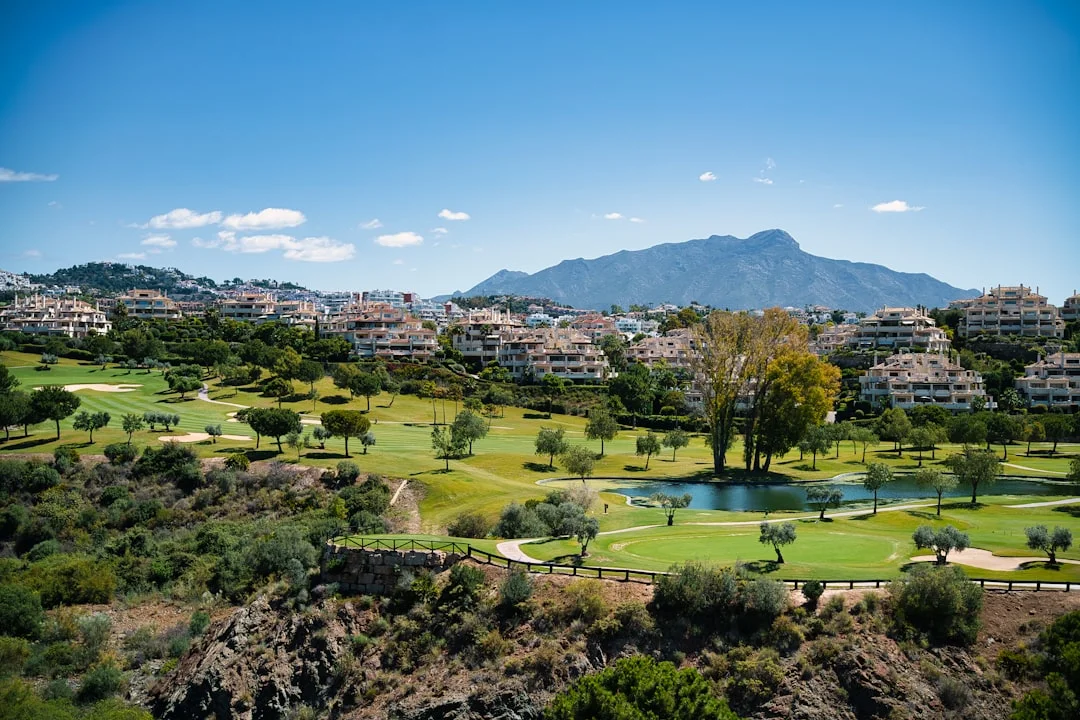
    The Costa del Sol has long been synonymous with upscale living, but a spectacular new development is redefining what it means to live an active, premium lifestyle in the hills of Marbella. Nestled within the prestigious Real de La Quinta residential resort, El Lago Club has officially opened its doors, establishing itself as the region’s premier destination for sport, leisure, and natural wellness.

    Designed to seamlessly blend luxury with the rugged beauty of the Sierra de las Nieves biosphere reserve, this macro-complex caters directly to discerning expats and residents who prioritize health, community, and outdoor recreation.

    A New Benchmark for Leisure on the Costa del Sol

    According to a report by Europa Press, the inauguration of El Lago Club solidifies Real de La Quinta’s status as the resort with the most comprehensive sports and leisure offering in the area.

    While the wider province experiences a major boom in urban residential projects—such as the recently launched new apartments in Teatinos—the developers at Real de La Quinta have prioritized creating a vibrant, active ecosystem rather than focusing solely on traditional housing. The centerpiece of the complex is a magnificent artificial lake, which serves as the backdrop for a wide array of land- and water-based activities.

    World-Class Sports Facilities

    Whether you are a seasoned athlete or looking to pick up a new hobby under the Andalusian sun, El Lago Club offers an unparalleled selection of facilities:

    • The 6-Hole Golf Course: A unique, executive-style course designed for those who want a swift yet challenging round of golf without committing to a full four-hour game. It is also highly suited for players looking to refine their short game.
    • Padel and Tennis Courts: Featuring state-of-the-art playing surfaces, these courts cater to the region’s immense passion for racket sports, offering professional coaching and social tournaments.
    • Water Sports on the Lake: Residents can enjoy non-motorized water sports, including paddleboarding (SUP), kayaking, and windsurfing, all within a safe and serene environment.
    • Running and Hiking Trails: Seamlessly integrated into the surrounding mountain landscape, miles of dedicated trails offer breathtaking views of the Mediterranean coastline and Gibraltar.

    A Sustainable Oasis: El Lago Club has been built with a deep respect for the local environment, utilizing sustainable water management systems and integrating native flora to ensure the complex blends harmoniously with the surrounding biosphere.

    Designed for Family and Connection

    Beyond high-performance sports, El Lago Club is designed as a social anchor for the local international community. Dedicated children’s play areas ensure that families have a safe space to gather, while the elegant club areas provide the perfect setting for post-workout relaxation.

    With its strategic location high above the coastline, the club offers a cooler microclimate during the warm summer months, making it an ideal year-round retreat. It successfully bridges the gap between the vibrant beach life of Marbella and the tranquil, private sanctuary of Benahavís.

    As the Costa del Sol continues to attract global citizens looking for more than just a holiday home, spaces like El Lago Club show that the future of luxury lies in experiences, wellness, and connection to nature. We look forward to seeing how this beautiful new space brings neighbors and families together, creating lasting memories under the warm Andalusian sky.