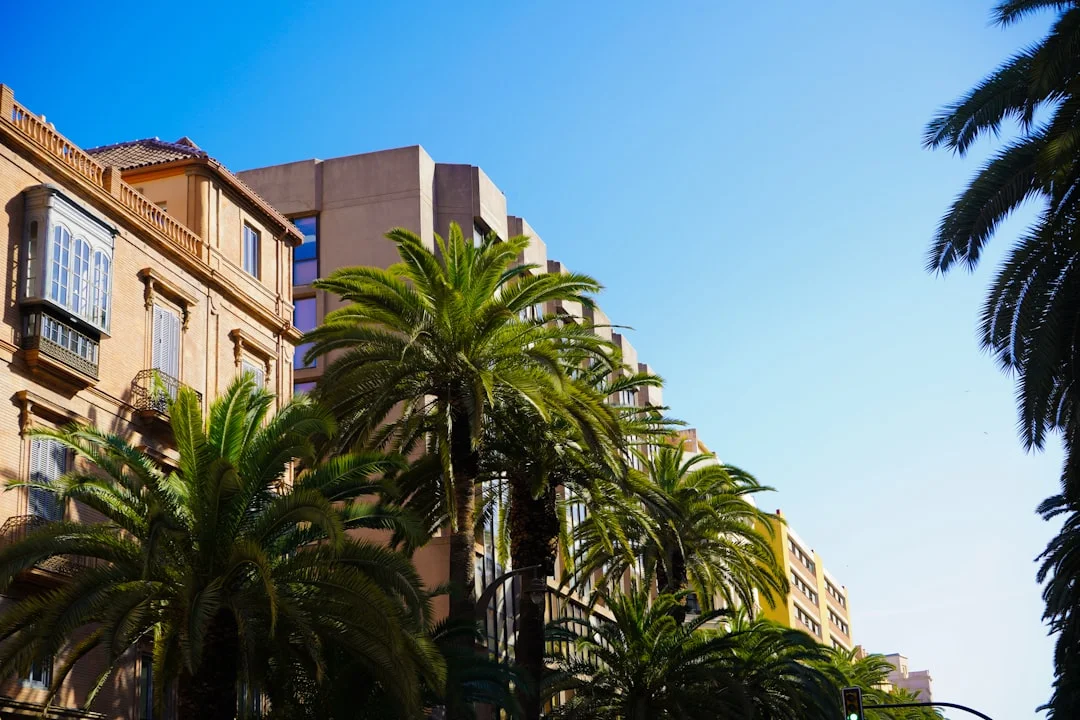
Málaga’s tourism model is undergoing a profound structural shift. As the local administration increasingly tightens regulations on tourist apartments in residential blocks, the traditional hotel sector is stepping forward to meet the city’s high demand. The latest milestone in this transition is the planned development of two new buildings dedicated exclusively to hotel use near the prominent Avenida de Juan XXIII.
This expansion highlights a broader strategic push to channel visitors toward regulated, high-quality establishments, relieving pressure on local housing while elevating the city’s hospitality standards.
The New Projects Near Avenida de Juan XXIII
According to recent planning details published by Diario Sur, the two new hotel buildings are projected to rise in a strategic enclave just off Avenida de Juan XXIII. This area serves as a vital urban artery, connecting the western residential districts with the city center and the high-speed train station, Málaga-María Zambrano.
While specific brand operators have yet to be finalized, the municipal submission outlines modern, purpose-built structures designed to seamlessly integrate into the evolving urban landscape. Their proximity to major transport links makes them highly attractive for both leisure travelers and the growing influx of business professionals arriving in Málaga’s thriving tech ecosystem.
A Four-Star Addition Already Underway
These two planned buildings are not isolated initiatives. Just a short distance away, construction has already commenced on a new four-star hotel. Together, these three projects represent a significant injection of room capacity into a neighborhood that has historically sat just outside the main tourist core, effectively expanding Málaga’s hospitality footprint westward.
This clustering of premium accommodations suggests that developers see the broader Juan XXIII and Carretera de Cádiz areas not merely as residential suburbs, but as logical extensions of the city’s modern tourism infrastructure.
Balancing Tourism and Local Life
The timing of these developments is highly symbolic. Over the past year, Málaga has faced intense public debate regarding the saturation of holiday rentals (viviendas de uso turístico) in residential buildings. Local authorities have responded with stricter licensing rules to protect the local housing market.
In this environment, professional hotel developments present a sustainable alternative:
- Regulated Growth: Hotels operate under strict municipal guidelines, creating dedicated tourism spaces without displacing long-term residents from apartment buildings.
- Job Creation: Unlike self-service holiday rentals, full-scale hotels generate direct, stable employment in hospitality, maintenance, and administrative sectors.
- Quality Infrastructure: Modern hotels bring curated amenities, such as rooftop terraces, meeting spaces, and dining options, which are often accessible to local residents as well.
A Vision for Málaga’s Neighborhoods
By distributing new hotel projects outside the historical center (Centro Histórico), Málaga is successfully decentralizing its visitor economy. Neighborhoods surrounding Avenida de Juan XXIII stand to benefit from increased foot traffic, boosting local shops, traditional tapas bars, and neighborhood services that might otherwise miss out on the tourism windfall.
As the city continues to mature from a coastal gateway into a year-round cultural and technological capital, investments like these ensure that its infrastructure can support a more sophisticated class of traveler.
We look forward to seeing how these new spaces shape the identity of the neighborhood. It is our sincere hope that as Málaga grows and welcomes the world, it continues to find that delicate, vital balance—ensuring our neighborhoods remain vibrant, livable places for locals while offering a warm, world-class welcome to those who come to discover our beautiful city.
Leave a Reply