Tag: lang:en

  • Malaga and Marbella Crack Down on Tourist Apartments

    Malaga and Marbella Crack Down on Tourist Apartments

    The Costa del Sol has long been a premier destination for foreign investors, digital nomads, and expats seeking sunshine and high rental yields. However, the real estate landscape is undergoing a profound transformation this year. Local governments are taking decisive action to alleviate mounting housing pressures, resulting in a widespread crackdown on short-term holiday rentals.

    For anyone looking to invest in or relocate to the region, understanding the new Airbnb regulations Malaga 2026 has introduced—alongside sweeping changes in neighboring municipalities—is no longer optional; it is essential.

    The Numbers Behind the Regulatory Shift

    The scale of the recent crackdown is unprecedented in southern Spain. Authorities are actively auditing, denying, and revoking licenses for properties that do not meet strict new zoning and independent access requirements.

    Recent data highlights the severity of this shift:
    * Malaga City: The municipality has officially revoked 1,845 tourist apartment licenses. This aggressive pruning targets properties that fail to comply with updated urban planning rules, particularly those located in densely populated residential blocks.
    * Marbella: Known for its luxury market, Marbella has denied a staggering 2,993 licenses. According to recent national figures reported by ABC, this places Marbella third in the entire country for denied tourist housing permits, trailing only behind the massive urban hubs of Madrid and Barcelona.

    Why Are Malaga Tourist Apartment Licenses Banned or Revoked?

    The core driver behind this policy shift is the acute housing crisis affecting local residents. Over the past decade, the explosion of short-term rentals has dramatically reduced the supply of long-term housing, driving up rent prices and pushing locals out of historic city centers and traditional neighborhoods.

    By ensuring that specific types of Malaga tourist apartment licenses are banned or revoked, the city council aims to return these properties to the residential market. The updated regulations strictly enforce the rule that tourist apartments must have a separate, independent entrance from the street, preventing them from sharing common areas with permanent residents. For many existing landlords, retrofitting their properties to meet these standards is physically or financially impossible.

    Navigating Marbella Short Term Rental Laws

    Marbella’s approach mirrors Malaga’s but carries its own weight given the city’s reliance on high-end tourism. The enforcement of the latest Marbella short term rental laws sends a clear message: even luxury destinations are prioritizing sustainable urban growth over unrestricted tourist accommodation.

    For investors, the denial of nearly 3,000 permits in Marbella is a stark warning. The days of purchasing a residential apartment and seamlessly converting it into a lucrative short-term holiday let are over. Due diligence now requires a meticulous review of community statutes and municipal zoning laws before any capital is deployed.

    What This Means for Digital Nomads and Expats

    If you are a digital nomad or an expat planning to move to the Costa del Sol, these regulatory changes will directly impact your housing options:

    1. Fewer Short-Term Options: The immediate effect of the Airbnb regulations Malaga 2026 rollout is a noticeable reduction in short-term rental inventory.
    2. Rise in Mid-Term Rentals: Landlords who have lost their tourist licenses are pivoting to medium-term (seasonal) rentals or long-term leases. This could eventually stabilize prices for expats looking for 6-to-12-month contracts.
    3. Shift in Investment Strategies: Foreign investors are increasingly looking away from transient holiday lets and focusing on long-term residential rentals, co-living spaces, or commercial real estate.

    Looking Ahead

    This crackdown is not a temporary pause; it is a definitive structural shift in Andalusian real estate. As the market digests these new rules, property buyers must adapt their expectations and investment models. Consulting with local legal experts who specialize in Andalusian property law is highly recommended to navigate this complex, evolving terrain.

    As we navigate these changes, it is easy to feel uncertain about the future of living and investing in southern Spain. Yet, at its core, this regulatory shift is a necessary step toward preserving the very soul of the cities we love. By finding a sustainable balance between welcoming global citizens and protecting the homes of local families, we ensure that the Costa del Sol remains a vibrant, authentic, and thriving community for generations to come.

  • Málaga CF’s Youth Revolution: High-Stakes and Barrio Pride

    Málaga CF’s Youth Revolution: High-Stakes and Barrio Pride

    If you have recently moved to the Costa del Sol and are looking for a fast-track to understanding the local culture, look no further than La Rosaleda stadium. Football here is much more than a weekend pastime; it is the emotional barometer of the city. Right now, in the spring of 2026, Málaga CF is experiencing a fascinating cultural and athletic renaissance that is captivating both lifelong locals and newcomers alike, many of whom are laying down roots amidst the ongoing real estate shifts and new limits on tourist apartments.

    The Envy of the South: A Youth Revolution

    For the past seven to eight years, Málaga CF has been quietly but intensely focusing on its academy, affectionately known as La Academia. Instead of relying purely on expensive transfers, the club has leaned into its roots, cultivating young, homegrown talent from the province—a region that takes as much pride in its sporting future as it does in stunning rural spring escapes like El Chorro.

    This strategy is now bearing spectacular fruit, and the rest of Andalusia is taking notice. Even fierce regional rivals are tipping their hats. According to Málaga Hoy, clubs like Cádiz have publicly expressed admiration—and a healthy dose of envy—at how seamlessly Málaga has integrated these academy players into the high-pressure environment of the first team. Watching these young athletes play with undeniable passion for their hometown crest is electrifying, bringing a renewed sense of authenticity to the pitch.

    A High-Stakes Clash at Riazor

    Of course, relying on youth in professional football comes with immense pressure, and the stakes this season could not be higher. The team is currently gearing up for a massive away fixture against Deportivo de La Coruña at the historic Riazor stadium, while supporters back home will be following the action from Málaga’s vibrant new culinary hotspots in Barrio de la Victoria.

    This isn’t just another game on the calendar. The State Commission against Violence, Racism, Xenophobia, and Intolerance in Sport has officially declared the upcoming match as ‘high risk’, as reported by AS.

    What does a ‘high risk’ designation mean for fans?
    * Heightened Security: Expect a significantly larger police presence both inside and outside the stadium.
    * Ticket Restrictions: Away allocations are strictly controlled, and ID checks are mandatory at the gates.
    * Intense Atmosphere: These designations are typically reserved for matches with historical rivalries, massive traveling support, or critical league implications.

    While the team travels north, the bars and plazas of Málaga will be packed to the brim with fans watching every pass and tackle, united in their support for the young squad.

    Wearing the Barrios on Their Sleeves

    What makes the 2026 season so special is how the club is consciously working to strengthen its bond with the city’s diverse neighborhoods. In a brilliant move to honor the community, Málaga CF has launched a neighborhood integration initiative that physically ties the city’s art and geography to the team’s leadership on the pitch.

    The club collaborated with renowned local artist José Luis Puche to design a series of special captain’s armbands. As highlighted by La Opinión de Málaga, each unique armband pays homage to a different barrio of the city. When the captain steps onto the field, they aren’t just representing the franchise; they are literally wearing the artistic heartbeat of neighborhoods like El Palo, Huelin, or Cruz de Humilladero on their sleeve. It is a striking visual reminder that the club belongs to the streets and the people.

    Whether you have lived in Málaga for three weeks or thirty years, seeing the city rally behind these homegrown kids is genuinely moving. It reminds us that behind the international buzz of our booming tech scene and the endless influx of tourism, Málaga remains deeply connected to its roots. Supporting this team, through the high-risk battles and the beautiful neighborhood tributes, is perhaps the most authentic way to call this wonderful city home.

  • Málaga Leads Andalucia with 6 Repsol ‘Soletes’ & €10 Menu

    Málaga Leads Andalucia with 6 Repsol ‘Soletes’ & €10 Menu

    Finding a great meal in Málaga has never been difficult, but finding one that balances exceptional local quality with an affordable price tag is the real prize. Whether you’re a foodie hunting for the latest culinary accolades, a digital nomad seeking a reliable lunch spot, or a fan fueling up before a high-stakes Málaga CF youth match, the province is delivering big this spring.

    Málaga has just snagged six new ‘Soletes’ from the prestigious Repsol Guide, while a humble seaside restaurant in Rincón de la Victoria is making waves with a €10 menú del día that proves you don’t need to break the bank to eat well by the Mediterranean, a sentiment echoed by the Michelin Guide’s latest recommendations for value dining in the city.

    Málaga Dominates the Spring 2026 Repsol ‘Soletes’

    If you aren’t familiar with the Guía Repsol’s ‘Solete’ (Little Sun), it is essentially the Spanish equivalent of a Michelin Bib Gourmand, but with a more casual, everyday focus. It honors the chiringuitos, neighborhood cafes, tapas bars, and traditional casas de comidas that locals love.

    This spring, Málaga has proven once again why it is the culinary locomotive of the south. According to a recent report from Diario Costa, Málaga leads Andalucia by adding six new spring Soletes to its roster. This fresh batch brings the province’s accumulated total to an impressive 30 recognized establishments.

    These new additions highlight the diversity of Málaga’s food scene. They aren’t about white tablecloths or tasting menus; they are about authentic flavors, honest cooking, and a welcoming atmosphere. For anyone looking to eat where the locals eat, following the trail of Soletes is one of the most reliable strategies you can deploy.

    The €10 Seaside Menu Going Viral

    While the Repsol Guide points us toward outstanding casual dining, word-of-mouth is still king when it comes to finding the ultimate bargain. Right now, the talk of the town is happening just east of Málaga city, in the coastal enclave of Rincón de la Victoria.

    As highlighted this week by La Opinión de Málaga, Restaurante Los Curros is drawing crowds for offering what might be the best value lunch on the Costa del Sol: a high-quality menú del día for just €10, served right by the sea.

    What Makes It Special?

    In an era of rising inflation where a standard daily menu in the city center often hovers around €13 to €15, finding a €10 option is rare. Finding one with a sea breeze is almost unheard of.

    Here is what you can typically expect from this viral local favorite:
    * Generous Portions: This isn’t a scaled-down tourist trap meal. Expect hearty, traditional Spanish dishes designed to fuel local workers and families.
    * Fresh Ingredients: Being steps from the water, the focus is often on fresh, local produce and regional staples.
    * The Full Package: A traditional menú del día includes a first course (primer plato), a second course (segundo plato), bread, a drink, and dessert or coffee.
    * Unbeatable Location: You are swapping the noise of traffic for the sound of waves.

    Why You Should Go Now

    Spots like Restaurante Los Curros represent the soul of Málaga’s dining culture—unpretentious, generous, and deeply rooted in the community. However, as news spreads and the weather warms up this spring, tables will become increasingly hard to snag. If you plan to visit, arriving early (around 1:30 PM) is your best bet to beat the local lunch rush.

    Whether you are chasing the newest Repsol Soletes across the province or taking a short bus ride to Rincón de la Victoria for a €10 feast, Málaga continues to prove that great food doesn’t have to be exclusive. It is out there, waiting in bustling neighborhood bars and quiet coastal terraces, ready to be enjoyed with good company and a cold drink in hand. In a world that often feels like it’s pricing us out of life’s simple pleasures, it is deeply comforting to know that a genuine, delicious meal by the sea is still within reach for everyone.

  • Inland Málaga’s Rural House Boom for Semana Santa

    Inland Málaga’s Rural House Boom for Semana Santa

    Spring in Málaga is synonymous with the dramatic beauty of Semana Santa. The scent of incense fills the air, and the historic city center pulses with the rhythmic march of the famed processions. Yet, for every soul drawn to the majestic fervor of the capital, or tempted by Málaga’s newly awarded Repsol Soletes and affordable seaside dining, there is another seeking the profound quiet of the Andalusian countryside. This year, the inland province has firmly established itself as the ultimate sanctuary for locals and expats alike.

    The Rise of the ‘Safe Haven’

    As the 2026 Holy Week unfolds, a quiet exodus is taking place. While the coastal hubs prepare for massive influxes of visitors, the hills are quietly filling up. According to recent data highlighted by La Opinión de Málaga, rural house reservations across the province have surged, exceeding an impressive 82% occupancy rate for the holiday period.

    The specialized booking platform Ruralidays has aptly coined this phenomenon a ‘safe haven’ (valor refugio). It represents a reliable, highly sought-after alternative for those looking to trade the intense crowds and impassable streets of the city—especially with the ideal weather expected for Malaga’s 2026 Semana Santa drawing even more visitors—for the serene embrace of nature.

    Why Inland Málaga?

    The appeal of an inland escape during this vibrant week is undeniable. Málaga’s diverse topography means that within a mere forty-minute drive from the bustling coast, one can be entirely enveloped by the rugged elegance of the Axarquía, the fertile beauty of the Guadalhorce Valley, or the dramatic peaks of the Serranía de Ronda.

    For many residents, particularly the growing expat community who may not share the deep-rooted traditional ties to the urban processions, these rural fincas and cortijos offer the perfect spring getaway. Days are spent hiking sun-dappled trails or lounging by private pools, while evenings bring the simple luxury of a quiet barbecue under a remarkably clear, star-strewn sky.

    A Gateway to Tranquility

    Interestingly, this rural renaissance is not exclusively a local affair. The data indicates that the majority of these tranquility-seekers arrive in Málaga by car or plane. For these travelers, the vibrant coastal capital serves merely as a gateway—a brief stopover before they ascend into the peaceful highlands. The excellent infrastructure of the province allows visitors to land at Málaga-Costa del Sol Airport and, within an hour, find themselves completely disconnected from the frantic pace of modern life.

    Finding Your Pace

    The dual nature of Málaga during Semana Santa is perhaps its greatest asset. It is a province capable of hosting one of the world’s most intense, culturally rich urban spectacles, while simultaneously offering untouched pockets of absolute silence just a few kilometers away.

    Whether you find your spiritual renewal amidst the hauntingly beautiful saetas sung from a balcony on Calle Larios, or in the gentle rustle of olive groves outside a secluded mountain retreat, this region holds a space for every rhythm. We hope that wherever you choose to spend these early days of spring, you find the exact measure of pace, beauty, and peace you are looking for.

  • Renfe Boosts Malaga-Madrid High-Speed Train Capacity

    Renfe Boosts Malaga-Madrid High-Speed Train Capacity

    Traveling between the sun-drenched coast of Andalusia and the bustling streets of the Spanish capital just got a little easier. For digital nomads, expatriates, and frequent commuters who rely on the high-speed rail network, the latest update from Spain’s national railway operator is welcome news. Starting today, Renfe has officially boosted its high-speed train capacity on the highly demanded Malaga-Madrid route, a timely upgrade for travelers already planning ahead to enjoy the perfect weather forecast for Semana Santa in 2026.

    With the 2026 Easter holidays (Semana Santa) just around the corner, this operational upgrade is perfectly timed to accommodate the seasonal surge of visitors and locals traveling across the country to enjoy the festivities and traditional Easter treats like the classic ‘hornazo’ in Málaga.

    A Welcome Addition to the Renfe Malaga Madrid Schedule

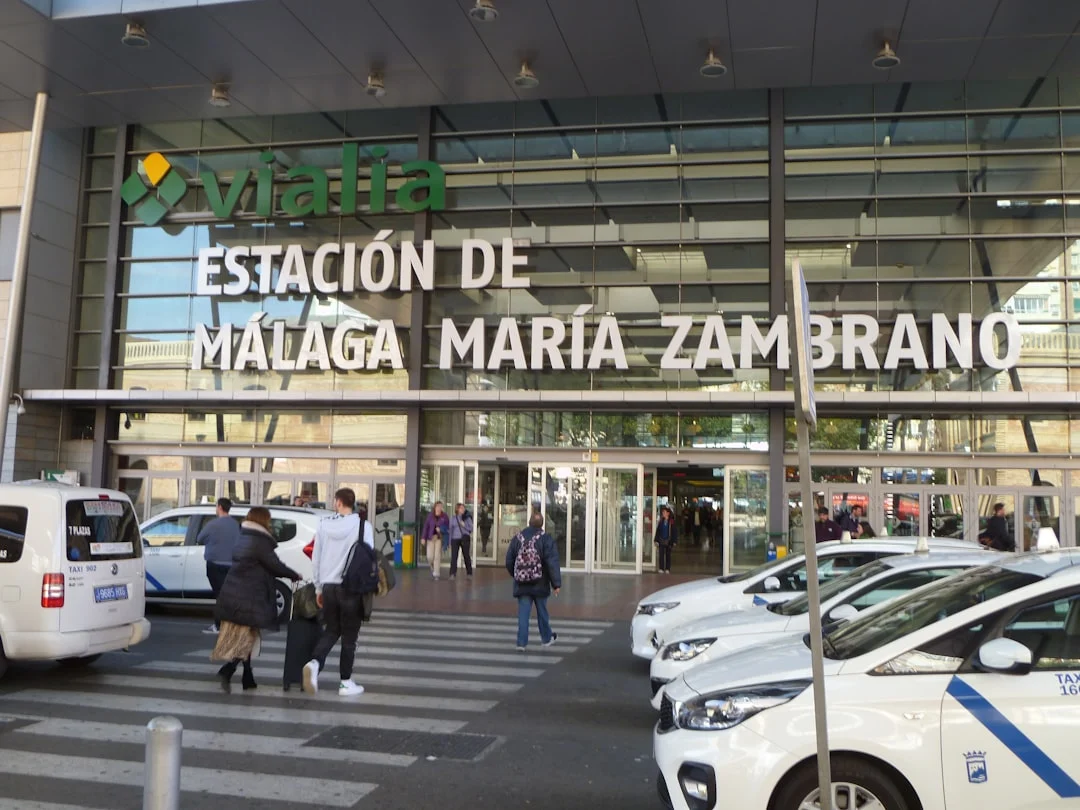
    Securing a seat on the AVE (Alta Velocidad Española) can sometimes be a competitive sport, especially during peak holiday seasons and long weekends. To alleviate the pressure, Renfe has added an extra direct train to the daily connection between Malaga’s María Zambrano station and Madrid’s Puerta de Atocha, offering some relief to travellers currently facing delays and active speed restrictions on the Málaga-Madrid line.

    This addition brings a much-needed buffer to the Renfe Malaga Madrid schedule, offering passengers more flexibility when planning their trips. Whether you are heading to Madrid for a quick business meeting or expecting friends and family to visit the Costa del Sol, the expanded timetable provides broader options. Travelers looking for the AVE Malaga Madrid nuevos horarios will find the updated frequencies already reflected on the official booking platforms.

    Technical Upgrades and Driver Qualifications

    The capacity boost isn’t just about adding a single train; it is part of a broader logistical enhancement. According to recent reports from Diario Sur, high-speed train drivers based in Malaga are currently undergoing specific qualifications for the Malaga-Bobadilla-Santa Ana line.

    These drivers are being trained to operate the S-130 series trains. The S-130 is a versatile high-speed train capable of running on both standard gauge high-speed tracks and the broader Iberian gauge tracks. By certifying more local drivers on these specific trains and routes, Renfe is building a more resilient and flexible operational base in Andalusia. This strategic move ensures that sudden spikes in demand can be met with readily available rolling stock and qualified personnel, minimizing delays and maximizing efficiency.

    Securing Your Billetes Tren Semana Santa Malaga

    Semana Santa is arguably one of the most vibrant and culturally significant times to be in Malaga. The city transforms with solemn processions, the scent of incense, and a palpable festive energy. Naturally, it is also one of the busiest times for domestic travel.

    For those still looking to purchase their billetes tren Semana Santa Malaga, this capacity increase is a lifeline. Previously sold-out days might now show new availability, giving late planners a second chance to secure their journey. However, even with the newly added direct train and the deployment of S-130 units, tickets are expected to move fast. It is highly recommended to book as soon as your travel dates are confirmed to avoid last-minute premium pricing.

    The Bigger Picture: Connecting Local to Global

    Malaga’s appeal has skyrocketed over the last few years, transitioning from a beloved summer holiday spot to a year-round hub for international tech workers, remote professionals, and cultural enthusiasts. The city’s connectivity is the backbone of this transformation. A robust, reliable high-speed rail link to Madrid—Spain’s primary international gateway—is essential for sustaining Malaga’s cosmopolitan growth.

    Every extra train added to the schedule does more than just move passengers; it bridges the gap between local charm and global opportunity. It allows the remote worker in Soho to attend a networking event in Madrid and return by dinner, and it allows families separated by geography to reunite seamlessly for the holidays.

    As we watch the trains pull out of María Zambrano, it’s a gentle reminder of how infrastructure shapes our daily lives. Better connections mean less time stressing over logistics and more time enjoying the moments that matter, whether that’s a productive workday or sharing a traditional Easter meal with loved ones. Safe travels to all navigating the rails this season.

  • Fun Street Park Málaga: World’s Largest Inflatable Park

    Fun Street Park Málaga: World’s Largest Inflatable Park

    Málaga has just added a massive new attraction to its growing list of family-friendly entertainment. If you are looking for fresh ideas and things to do with kids in Malaga this weekend, the newly inaugurated Fun Street Park is ready to bounce its way to the top of your list.

    Located at the Málaga Forum, this expansive new venue has officially claimed the title of the world’s largest inflatable theme park. According to Diario Sur, the park spans an impressive 5,000 square meters, offering a sprawling landscape of bouncy castles, obstacle courses, and slides designed to exhaust even the most energetic children.

    A Record-Breaking Playground at Málaga Forum

    The arrival of the parque hinchable Málaga Forum is excellent news for local families, expat residents, and visitors. Finding activities that cater to different age groups can sometimes be a challenge, but a 5,000-square-meter inflatable park naturally solves that problem.

    The space is divided into various zones to ensure safety and fun for everyone:
    * Toddler Zones: Safe, enclosed spaces with smaller inflatables and softer play areas for the littlest jumpers.
    * Mega Slides & Obstacle Courses: Towering inflatable structures that challenge older kids (and adventurous parents) to race, climb, and slide.
    * Interactive Games: Wipeout-style sweepers, bouncy basketball courts, and gladiator jousting arenas.

    Planning Your Visit

    Because the park has just opened its doors in late March 2026, it is expected to be a highly popular destination, especially during weekends and school holidays.

    Getting Fun Street Park Malaga Tickets

    To ensure entry and avoid long queues at the door, it is highly recommended to book your Fun Street Park Malaga tickets online in advance. Most parks of this scale operate on timed entry slots (usually 1 or 2-hour sessions) to manage capacity and ensure everyone has enough space to jump safely. Keep an eye on the official Málaga Forum website or the park’s ticketing portals for the most up-to-date pricing and family bundle offers.

    Practical Tips for Parents

    • Grip Socks: As with most trampoline and inflatable parks, special grip socks are usually required. You can typically purchase these at the venue, but bring them along for future visits to save a few euros.
    • Clothing: Dress the kids in comfortable, breathable activewear. Bouncing is a serious workout, and they will get warm quickly. Long sleeves and lightweight trousers can also help prevent friction burns on the slides.
    • Hydration: Bring plenty of water. While there are refreshment stands on-site, having water readily available is essential.

    Getting to Málaga Forum

    Málaga Forum is easily accessible by car and public transport. If you are driving, there is usually ample parking available on-site or in the immediate vicinity. For those using public transport, several local bus lines stop within a short walking distance of the venue.

    Finding new ways to keep children entertained while traveling or settling into a new city is always a bit of a puzzle. It is genuinely wonderful to see Málaga expanding its leisure offerings with spaces that encourage active, screen-free play. Whether you are a local parent trying to tire out the little ones on a Saturday afternoon, or a visiting family making memories on the Costa del Sol, we hope this giant bouncy wonderland brings a few hours of pure, uncomplicated joy to your weekend.

  • 60,000 sqm Nature Park: Perfect Málaga Family Escape

    60,000 sqm Nature Park: Perfect Málaga Family Escape

    Finding a weekend plan that keeps the kids entertained, tires them out, and doesn’t involve a glowing screen is the holy grail for parents in Málaga. While the city’s beaches and playgrounds are fantastic, sometimes you just need to get out into nature—a growing trend that is also reflected in the boom of rural escapes across inland Málaga for Semana Santa. Enter the ultimate family weekend hack: a massive, 60,000-square-meter farm-school located just a stone’s throw from the city center.

    If you are tired of the usual weekend rotation, this sprawling natural estate offers exactly the kind of hands-on, muddy-knees experience that kids crave and parents appreciate.

    A Giant Outdoor Classroom

    Forget the cramped petting zoos you might be used to. This estate is expansive. With 60,000 square meters of natural terrain, there is plenty of room for children to roam safely. The core appeal of this park is its interactive farm-school concept. Rather than just looking at animals behind fences, kids are encouraged to engage with them under the supervision of trained educators.

    As highlighted in a recent feature by La Opinión de Málaga, the park is home to a friendly roster of rescue and farm animals. Children can get up close with goats, feed the donkeys, and gently handle rabbits. It is a brilliant way to teach empathy and animal care in a completely practical setting.

    Workshops and Games for All Ages

    What sets this space apart from a simple walk in the countryside is the structured activity schedule. The farm-school doesn’t just leave you to your own devices; it provides a full itinerary of educational workshops and traditional games.

    What to Expect:

    • Interactive Animal Care: Kids learn what it takes to feed and care for farm animals, understanding where their food comes from and how animals live.
    • Nature Workshops: Depending on the season, activities might include planting seeds, baking bread, or crafting with natural materials found on the estate.
    • Traditional Games: The staff organizes group games that get kids running, working in teams, and completely forgetting about their tablets and video games.

    These activities are specifically designed to cater to all ages. Toddlers can enjoy the sensory experience of petting a soft rabbit, while older children can dive into the more complex workshops and team-building games.

    Why It Makes Sense for Expat Families

    For those of us who have moved to Málaga from more rural areas—or conversely, from dense, hyper-urban cities—finding accessible green space is a priority. This farm-school bridges the gap perfectly. It offers the rustic charm and fresh air of the Andalusian countryside without requiring a grueling two-hour drive into the mountains.

    It’s practical, straightforward fun. You pack a bag with some water, snacks, and a change of clothes (because they will get dirty), and you let the environment do the heavy lifting of entertaining your family for the day.

    Practical Tips for Your Visit

    If you’re planning to head down this weekend, keep a few sensible things in mind:
    * Dress for the dirt: Leave the nice white trainers at home. Opt for sturdy boots or old shoes, and dress the kids in layers they can easily shed as they run around.
    * Check the schedule: While the estate is vast, the workshops often run at specific times. It’s worth checking ahead to ensure you align your arrival with the activities your kids will enjoy most.
    * Bring provisions: While these types of parks often have basic facilities, having your own water and a few healthy snacks on hand is always a smart move when dealing with active children.

    Getting out into the fresh air and watching your kids connect with animals is one of the simplest joys of parenting. Places like this remind us that we don’t need elaborate, expensive theme parks to create lasting weekend memories; sometimes, a bit of mud, a friendly donkey, and a lot of open space are exactly what the family needs to recharge for the week ahead.

  • Málaga Semana Santa 2026: Traslados and Road Closures

    Málaga Semana Santa 2026: Traslados and Road Closures

    The scent of incense is officially wafting through the streets of Málaga, signaling that Semana Santa (Holy Week) is just around the corner. For newly arrived expats, who might be more accustomed to modern leisure attractions like the city’s newly opened giant inflatable park, the sheer scale of this traditional annual event can come as a logistical shock. The massive crowds, the extensive road closures, and the intense local devotion transform the city center into a completely different landscape.

    While the main processions are still days away, the pre-Easter rituals have officially started with the traslados. It is time to learn the local traditions, explore the changing local soul of the famous Atarazanas Market, and plan your city center navigation for the 2026 edition.

    What Are ‘Traslados’ in Málaga?

    Before the massive wooden floats (tronos) can parade through the city, the religious figures must be moved from their home churches and parishes to their respective casas hermandad (brotherhood pavilions). This moving process is known as a traslado.

    Unlike the formal, somber processions of Semana Santa itself, traslados are often more intimate neighborhood affairs. However, they still draw significant crowds and feature musical bands, incense, and brief traffic pauses. A perfect example of this kickoff is the recent transfer of the Nazareno de la Salutación, which took place on March 24, 2026. This widely shared event marks the true beginning of Málaga’s heavy religious and cultural activities.

    The Semana Santa Málaga 2026 Schedule

    The official Semana Santa Málaga 2026 schedule runs from Palm Sunday through Easter Sunday. Every brotherhood follows a meticulously planned route, but they all converge on the Recorrido Oficial (Official Route).

    This central artery includes:
    * Plaza de la Constitución
    * Calle Larios
    * Calle Martínez
    * Atarazanas
    * Alameda Principal
    * Molina Lario

    Because all processions must pass through this funnel, the city center becomes highly restricted. Grandstands and thousands of chairs are erected along these streets, effectively walling off sections of the historic center.

    Navigating Road Closures in Málaga During Easter

    If you live in, work in, or plan to visit the historic center, preparation is key. The Málaga Easter road closures are extensive and strictly enforced.

    Transportation Shifts

    Do not attempt to drive into the city center. Parking garages inside the Centro Histórico will be inaccessible or heavily restricted during the late afternoons and evenings. The local EMT buses that normally pass through the Alameda Principal will be permanently rerouted to the Paseo del Parque or the area near Muelle Heredia. The Málaga Metro becomes the most reliable way to enter and exit the city, with extended operating hours throughout the week.

    Pedestrian Crossings

    Walking across the city center requires patience. You cannot simply cross Calle Larios or the Alameda Principal whenever you wish. Police and event staff manage designated pedestrian crossing points (pasillos). These are only opened during gaps between passing processions. If you are caught on the wrong side of the route, you may have to wait 20 to 30 minutes to cross, or walk a significant detour around the entire official route.

    Essential Tips for Expats

    • Download an itinerary app: Local apps tracking the Málaga Easter processions route provide real-time GPS locations of the tronos.
    • Stock up on essentials: If you live in the historic center, navigating through crowds with heavy grocery bags is a grueling task. Do your major shopping before the weekend.
    • Plan your exits: If you have a flight or train to catch, double your estimated travel time to the airport or María Zambrano station.

    Experiencing your first Semana Santa in Málaga can feel overwhelming, but it is also a remarkable opportunity to witness the city’s most profound cultural expression. Once you accept that normal routines must be paused, you can step outside, follow the sound of the marching bands, and appreciate the incredible artistry and community spirit that brings this historic tradition to life.

  • Málaga Metro Strikes: What Commuters Need to Know

    Málaga Metro Strikes: What Commuters Need to Know

    Understanding the Málaga Metro Strikes

    If you rely on the city’s underground network for your daily commute, you might be wondering: is the metro working in Malaga today? Recently, Málaga Metro workers have initiated a series of organized partial strikes, impacting the usual flow of the city’s transport system. For digital nomads, expats, and locals commuting between residential hubs like Teatinos and the city center, understanding these disruptions is crucial to avoiding unexpected delays, especially if you are heading to the main station to catch one of the newly added high-speed trains to Madrid.

    According to recent local broadcasts from Onda Cero in March 2026, workers have called a second day of strikes as part of ongoing labor negotiations. Rather than a total shutdown, the union has opted for targeted stoppages designed to make an impact during high-traffic evening periods.

    Metro Malaga Delays Schedule: What to Expect

    The most critical piece of information for commuters is the specific timing of these stoppages. The strikes are not all-day events but are highly concentrated during the evening rush hour.

    • Affected Hours: The partial stoppages are scheduled between 19:00 and 21:00.
    • Service Level: During these hours, the metro operates on minimum service requirements. This means trains will still run, but at significantly reduced frequencies. You can expect platforms to be more crowded and wait times to be noticeably longer.
    • Outside Strike Hours: Before 19:00 and after 21:00, the network is expected to operate on its standard timetable.

    If you are planning an evening trip into the historic center for dinner or heading home from a coworking space in Teatinos, checking the latest Metro Malaga delays schedule before leaving your desk is highly recommended.

    Impact on Key Routes

    Málaga’s metro system, while relatively compact, serves as a vital artery connecting major residential and commercial zones. Reduced frequencies will be felt across the entire network.

    Line 1 (Andalucía Tech – Atarazanas)

    This line is heavily utilized by university students, tech workers at the PTA (who connect via bus), and residents of the Teatinos neighborhood. A strike between 19:00 and 21:00 heavily impacts those returning home after a late workday or heading downtown for evening socializing. Expect Atarazanas and El Perchel stations to be particularly congested.

    Line 2 (Palacio de los Deportes – Guadalmedina)

    Connecting the densely populated Carretera de Cádiz district to the center, reduced frequencies here mean tighter squeezes on the platforms at El Perchel and Guadalmedina, where passengers typically transfer between lines.

    Practical Alternatives During the Stoppages

    If your schedule forces you to travel during the 19:00 to 21:00 window, consider these viable alternatives to avoid the crush:

    1. EMT Buses: The local bus network remains fully operational. Lines 11 and 8 are excellent alternatives for those traveling between Teatinos and the center. Line 3 serves the Carretera de Cádiz corridor efficiently.
    2. Cercanías (Commuter Train): If you are traveling between María Zambrano (El Perchel) and Victoria Kent, the Renfe Cercanías C1 line is unaffected by the metro strikes and offers a quick bypass.
    3. Micromobility: Málaga is highly bike-friendly. Shared electric scooters and bicycles are readily available and can turn a frustrating commute into a breezy ride along the city’s extensive bike lanes.
    4. Ride-Hailing: Uber, Cabify, and Bolt operate reliably across the city, though you should anticipate slight surge pricing during metro strike hours due to increased demand.

    Navigating the Weeks Ahead

    Labor disputes in the public transport sector often require time to resolve. While we hope for a swift agreement between the workers and the management consortium, it is wise to remain analytical and plan your commutes with a buffer. Keep an eye on official channels and local news updates to verify if a Malaga metro strike today will affect your specific route.

    Navigating a city during transport strikes can be stressful, especially when you are trying to balance work and life in a bustling place like Málaga. However, with a bit of foresight and the flexibility to adapt to alternative routes, getting around remains entirely manageable. Let’s hope for a fair and timely resolution for the workers, so the city’s transit can return to the smooth, reliable service we all appreciate.

  • Malaga’s Tech Sector: 131% Job Growth in a Decade

    Malaga’s Tech Sector: 131% Job Growth in a Decade

    Málaga’s transformation from a sun-drenched tourist destination to the “Silicon Valley of Southern Europe” is no longer just a compelling narrative; it is a statistical reality. For digital nomads, expatriates, and tech professionals looking toward southern Spain, the local ecosystem is maturing at an unprecedented rate. Recent economic data reveals a structural shift in the city’s labor market, driven by multinational investments, specialized talent, and a robust startup culture. As this rapidly growing workforce places new demands on urban infrastructure, staying updated on daily logistics, including ongoing disruptions to the local metro service, is now a practical reality for many commuters.

    The Numbers: 131% Growth in Tech Employment

    The most striking indicator of this economic pivot comes from a recent analysis by Fundación Cotec. According to their findings, tech employment in Málaga capital has surged by 131% over the last ten years. The city now hosts over 21,000 workers strictly within the technology sector.

    This metric outpaces the national average and underscores a deliberate strategy by local institutions to attract high-value industries. The influx of global players like Google, Vodafone, and Citi has created a gravitational pull, drawing in specialized engineers, developers, and data scientists. For professionals evaluating relocation, this density of talent translates to deeper networking pools and higher job mobility within the city limits.

    Tech Leads Local Entrepreneurship

    The corporate influx is only one side of the equation. Grassroots innovation is simultaneously reaching new heights. The latest Entrepreneurship Thermometer published by the Municipal Institute for Training and Employment (IMFE) confirms that new technologies are now the leading sector for entrepreneurship in Málaga.

    Founders are increasingly bypassing traditional service and tourism sectors to launch scalable digital products. This shift provides a fertile ground for venture capital and angel investors, while offering expats opportunities to join early-stage startups or find local co-founders. Co-working spaces across the city are no longer just temporary desks for remote workers; they are active incubators for locally registered tech enterprises.

    Málaga TechPark: Record-Breaking 2025

    The epicenter of this regional boom remains Málaga TechPark (PTA). The park’s financial and operational metrics for the recently closed year highlight its critical role in the regional economy. In 2025, Málaga TechPark achieved a record billing of €489.6 million and expanded its workforce to 29,016 employees.

    These figures represent a consolidated ecosystem that bridges academia, research and development, and commercial enterprise. The park’s sustained expansion ensures a steady pipeline of infrastructure improvements and international business integration, cementing its status as a premier European tech hub as we progress through 2026.

    Navigating the Ecosystem in 2026

    For the international tech community, these data points offer actionable insights:

    • Career Mobility: With over 50,000 tech professionals split between the capital and the TechPark, the local job market is liquid enough to support long-term career growth without needing to relocate.
    • Networking: The dominance of tech in local entrepreneurship means frequent meetups, hackathons, and pitch events. Engaging with local incubators like Polo Nacional de Contenidos Digitales can yield high-value connections.
    • Investment: The €489.6M generated by the TechPark signals a highly monetizable environment, ideal for B2B SaaS companies and enterprise tech solutions looking for a European base.

    Behind every statistic is a community of people who decided to bet on a different way of living and working. Seeing Málaga evolve into a powerhouse of innovation while retaining its warm, welcoming spirit is genuinely inspiring. It reminds us that progress doesn’t have to come at the cost of quality of life, and as the city continues to grow, it leaves an open door for anyone ready to contribute to its bright future.