Category: Events

  • Cueva del Humo: Málaga’s 500,000-Year-Old Coastal Cave

    Cueva del Humo: Málaga’s 500,000-Year-Old Coastal Cave

    Just a stone’s throw from the Mediterranean waves, hidden within the cliffs that mark the border between Málaga and Rincón de la Victoria, lies one of southern Europe’s most remarkable archaeological secrets. La Cueva del Humo (the Cave of Smoke) is not just a geological formation; it is a silent witness to 500,000 years of human evolution, located less than 100 meters from the beach.

    While millions of visitors flock to the Costa del Sol for its sun and sand, few realize they are walking alongside a prehistoric sanctuary that sheltered pre-Neanderthals, Neanderthals, Cro-Magnons, and early Neolithic farmers.

    Half a Million Years of Human History

    What makes La Cueva del Humo globally significant is the sheer continuity of its occupation. According to recent archaeological highlights published by La Opinión de Málaga, the site has provided shelter to various human species intermittently for half a million years.

    Excavations here have uncovered a rich stratigraphy:
    * Pre-Neanderthals & Neanderthals: Early inhabitants who relied on the cave for shelter while hunting game in the surrounding hills and gathering resources from the ancient coastline.
    * Cro-Magnons (Early Modern Humans): Our direct ancestors, who left behind stone tools and evidence of fire use.
    * Neolithic Communities: The transition to agriculture and pottery, marking the dawn of modern societal structures.

    Finding a single coastal site that spans from the deep Paleolithic to the Neolithic is incredibly rare, making this stretch of the Málaga coastline a vital puzzle piece in understanding how early humans migrated and adapted to changing climates.

    Where is La Cueva del Humo?

    The cave is nestled in the rugged limestone cliffs along the old Almería highway (carretera de Almería), specifically within the archaeological park of La Araña.

    This unique location meant that prehistoric inhabitants enjoyed the best of both worlds: immediate access to marine resources (shellfish, fish, and coastal plants) and a elevated, easily defensible vantage point overlooking the sea to spot both prey and potential threats.

    Why This Site is Globally Unique

    Most famous prehistoric caves, like Altamira or Lascaux, are located deep inland. While Málaga is already well-known for archaeological landmarks like the Nerja Cave, La Cueva del Humo’s specific coastal positioning offers scientists a rare look at how prehistoric humans interacted with the sea.

    As ice ages came and went, the shoreline shifted. During colder periods, the sea level dropped, exposing a wide coastal plain. During warmer periods, the waves lapped just below the cave entrance. The archaeological layers inside the cave act as a physical diary of these dramatic environmental shifts over 500,000 years.

    How to Visit and Explore

    Because of its immense scientific value and ongoing research, you cannot simply wander into La Cueva del Humo on your own. However, the site is highly accessible through organized channels:

    1. Complejo Humo (La Araña Archaeological Park): The site is managed by a dedicated team of archaeologists who run the local visitor center (Centro de Interpretación).
    2. Guided Tours: You can book guided walks that take you through the active excavation areas, where experts explain the geological formations and show you exactly where Neanderthal hearths and ancient tools were discovered.
    3. The Coastal Path: Even if you only view the cliffs from the outside, walking the nearby coastal path (Senda Litoral) offers a striking perspective on how close these ancient homes were to the modern beaches we enjoy today.

    Standing at the entrance of La Cueva del Humo, listening to the same sea breeze that our ancestors heard 500,000 years ago, is a humbling experience. It reminds us that Málaga’s history is measured not just in centuries of Phoenician, Roman, and Moorish heritage, but in hundreds of thousands of years of human resilience. Next time you dip your toes in the sea at La Araña, take a moment to look up at the cliffs and appreciate the deep, enduring roots we share with this beautiful coast.


  • Joana Vasconcelos Exhibition Opens at Picasso Museum

    Joana Vasconcelos Exhibition Opens at Picasso Museum

    A Monumental Summer Highlight at Museo Picasso Málaga

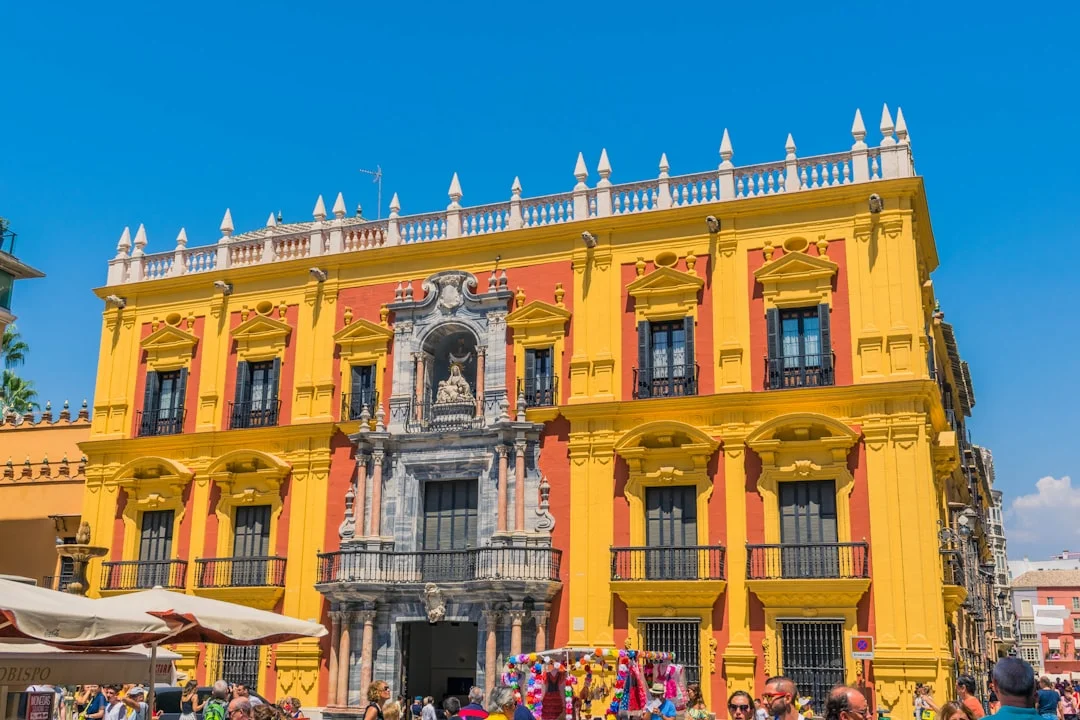
    Málaga’s cultural landscape has taken a bold, colorful leap forward for the 2026 summer season. The Museo Picasso Málaga is currently hosting one of its most ambitious contemporary exhibitions to date: “Joana Vasconcelos. Transfiguración”.

    Known globally for her monumental, vibrant, and thought-provoking installations, the celebrated Portuguese artist Joana Vasconcelos brings her unique vision to the heart of the Costa del Sol. This exhibition stands as a major highlight of the city’s current cultural agenda, as noted in the weekend listings by DonPorque.

    The Art of Transforming the Everyday

    At the core of Vasconcelos’s practice is the recontextualization of domestic and everyday items. By scaling these objects to monumental proportions, she challenges viewers to reconsider the ordinary.

    Visitors to the exhibition can expect:
    * Monumental Sculptures: Large-scale works that interact dynamically with the historic architecture of the Palacio de Buenavista.
    * Textile and Ceramic Fusion: Intricate crochet patterns, traditional Portuguese ceramics, and industrial materials woven together.
    * Cultural Dialogue: A playful yet profound critique of consumerism, gender roles, and national identity.

    The dialogue between Picasso’s legacy and Vasconcelos’s contemporary, feminist-forward perspective adds a fascinating layer of depth to the museum’s galleries this summer.

    Visiting the Exhibition in 2026

    If you are planning to experience “Transfiguración” firsthand, here is what you need to know:

    • Location: Museo Picasso Málaga (Palacio de Buenavista, Calle San Agustín, 8).
    • Atmosphere: Immersive and highly visual—ideal for families, art enthusiasts, and casual visitors alike.
    • Tickets: It is highly recommended to book your tickets online in advance, as summer crowds in Málaga are expected to be significant.

    Whether you are a lifelong admirer of contemporary sculpture or simply looking for an inspiring way to spend an afternoon in the historic center, this exhibition offers a sensory journey unlike any other in Andalusia this year.

    Málaga continues to prove that it is far more than just a gateway to the beaches of Southern Europe. Seeing historic spaces transform through the eyes of living, visionary artists reminds us of the power of creativity to connect us all. We hope this spectacular exhibition leaves you feeling inspired and brings a fresh perspective to your travels through our beautiful city.

  • Málaga March Draws Over 1,000 Against Childhood Cancer

    Málaga March Draws Over 1,000 Against Childhood Cancer

    A Community United for a Vital Cause

    On June 14, 2026, the streets of Málaga—a city recently highlighted as Spain’s most demanding housing market—filled with hope, solidarity, and determination. More than a thousand participants gathered to take part in the city’s second solidarity march dedicated to boosting research into childhood cancer.

    The event successfully brought together families, groups of friends, and local associations in a shared effort to support young patients and their loved ones. This collective action highlights the growing strength of Málaga’s civic and international community when rallying behind critical social causes.

    A Festive and Demanding Day

    The march was designed to be both a festive celebration of life and a firm demand for increased medical resources. These demands align with ongoing local concerns about the medical system, which have recently seen citizens march in Málaga to defend public healthcare. Participants of all ages—from toddlers in strollers to seniors—walked side-by-side, creating a vibrant sea of support.

    According to reports from Diario Sur, the event maintained an uplifting atmosphere throughout the morning, proving that serious advocacy can be paired with family-friendly community engagement. Music, smiles, and shared stories filled the route, transforming a challenging topic into a powerful demonstration of hope.

    Why Funding Childhood Cancer Research is Crucial

    While survival rates for childhood cancer have improved significantly over the past decades, it remains one of the leading causes of disease-related death among children. Funding dedicated research is essential because pediatric cancers differ biologically from adult cancers, requiring unique treatments and specialized therapeutic approaches—a challenge that is particularly relevant amid the ongoing paradox in Málaga’s healthcare system regarding resource allocation and public sector shortages.

    The funds raised during this second solidarity march will go directly toward clinical trials and research initiatives. These programs aim to develop less toxic, more effective treatments that not only save lives but also ensure a higher quality of life for survivors.

    Málaga’s Growing Spirit of Solidarity

    Málaga has rapidly evolved into a cosmopolitan hub, attracting residents from all over the globe. Events like today’s march show that this diverse population is deeply integrated and committed to local social welfare. Whether Spanish-born or part of the city’s thriving expat community, the people of Málaga continue to show that they care for one another.

    Participating in local charity events is also an excellent way for newcomers to connect with neighbors, practice their language skills, and contribute meaningfully to their adopted home.

    As we look to the future, the success of this second march serves as a beautiful reminder of what can be achieved when a community stands together. We can only hope that the energy felt on the streets of Málaga today translates into lasting breakthroughs for pediatric medicine, bringing us one step closer to a world where every child has the chance to grow up healthy and strong.

  • Málaga Weekend: Free Star Wars and Magic Family Plans

    Málaga Weekend: Free Star Wars and Magic Family Plans

    A Weekend of Magic and Adventure in Málaga

    Finding engaging, high-quality activities for children that also appeal to adults can be a challenge. Fortunately, Málaga’s cultural agenda this weekend offers a fantastic mix of illusion, charity, and sci-fi adventure. Whether you are a local family or an international resident looking to integrate into the community, these events provide a great opportunity to enjoy the city together. You can also discover more options in our comprehensive Málaga weekend guide for family plans.

    According to the local leisure updates on Diario Sur, this weekend of June 13–14, 2026, brings highly anticipated performances—similar to the theatrical highlights found in our guide to Málaga weekend events in Soho—and free interactive experiences designed to spark the imagination of younger audiences.

    The Jajejijojú Charity Festival: Magic at Teatro Echegaray

    One of the weekend’s highlights is the Jajejijojú Festival, a long-running charity event dedicated to bringing humor and magic to children. This year, the festival features a headline performance by the globally recognized, award-winning magician Luis Olmedo, drawing visitors to a city currently seeing major hospitality developments as Soho Boutique and Petit Palace begin their 9-hotel transfer.

    • When: Saturday, June 13, 2026
    • Where: Teatro Echegaray, Málaga Centro
    • What to expect: A family-friendly show blending close-up magic, comedy, and incredible illusions.

    Beyond the entertainment value, the Jajejijojú festival has a deep-rooted social mission. For years, it has raised funds to support hospitalized children, bringing laughter and joy to those who need it most. Watching Luis Olmedo live is a treat for all ages, as his world-class technique and warm stage presence make the impossible feel real.

    Free Star Wars Activities for Families

    For families who love galaxies far, far away, this weekend also features a series of free Star Wars-themed activities. These events are designed to let children immerse themselves in the universe of Jedi, droids, and stormtroopers without breaking the bank.

    These free gatherings typically include:

    • Costume Parades: Local fan associations dressing up as iconic characters, offering great photo opportunities for kids.
    • Light Saber Workshops: Safe, fun introductory sessions where children can learn the basic moves of a Jedi Knight.
    • Interactive Games & Crafts: Creative workshops where kids can build their own droids or paint their favorite characters.

    These activities are an excellent way for international families to mingle with local residents in a relaxed, festive atmosphere. For more family-friendly shopping and entertainment, don’t miss the local weekend markets featuring Playmobil and crafts.

    Tips for Enjoying the Weekend with Kids

    To make the most of your family plans in Málaga, keep these practical tips in mind:

    1. Arrive Early for Free Events: Free activities are highly popular and operate on a first-come, first-served basis. Arriving 15–20 minutes early ensures you get a good spot.
    2. Use Public Transport: Parking in central Málaga during the weekend can be busy. The local EMT bus network and the metro are convenient alternatives.
    3. Combine Plans with a Tapas Stop: Many plazas near Teatro Echegaray offer outdoor seating where you can enjoy a quick lunch while the kids play safely nearby.

    We hope these suggestions help you create wonderful memories with your loved ones this weekend. Málaga continues to prove that it is not just a beautiful place to visit, but a warm, vibrant community to live in and explore together.

  • Málaga Weekend: María Galiana at Soho & Nordic Dining

    Málaga Weekend: María Galiana at Soho & Nordic Dining

    As the mid-June warmth settles over the Costa del Sol, Málaga’s cultural and culinary scenes are offering some incredible alternatives to the standard beach-and-tapas routine. Whether you are a long-term expat or a newly arrived resident, this weekend of June 13–14, 2026, presents a perfect opportunity to dive deeper into the city’s sophisticated side. While there are plenty of family activities and local markets to enjoy during the day, the evening belongs to theater and fine dining.

    From a moving theatrical performance in the trendy Soho district to an intimate, high-end Nordic dining experience in the historic center, here is how to spend a memorable weekend in the city.

    Theater: María Galiana Stars at Teatro del Soho

    For those looking to experience premier Spanish performing arts, Antonio Banderas’ flagship venue, Teatro del Soho CaixaBank, is hosting a remarkable production this weekend. The legendary Spanish actress María Galiana stars in ‘Yo sólo quiero irme a Francia’ (I Only Want to Go to France).

    This poignant play offers a deep, emotional narrative that showcases Galiana’s immense talent. Watching a production at the Soho theater is an experience in itself; the venue has revitalized the entire neighborhood, turning it into a bohemian hub of art, culture, and upscale cafes. While Teatro del Soho delivers high-caliber drama, music lovers might also want to explore other exciting concerts and cultural plans in Málaga currently taking over the city’s historic venues.

    According to the latest weekend recommendations highlighted in El Español, this production stands out as one of the absolute cultural highlights in the province for mid-June 2026. If you want to catch the performance, be sure to secure your tickets online or at the box office before they sell out.

    Gastronomy: A Nordic Escape at Restaurante Dynamit

    If you want to step away from traditional Andalusian fried fish and explore international flavors, Málaga’s culinary landscape has some brilliant surprises. Tucked away in the historic center is Restaurante Dynamit, a cozy establishment that has quietly become a favorite among the city’s food critics and international community.

    Dynamit acts as a refined “Nordic refuge.” Instead of heavy dishes, the kitchen focuses on fresh, seasonal ingredients, clean Scandinavian techniques, and beautifully balanced plates. It is a refreshing alternative to the bustling tapas bars, offering a calm, minimalist atmosphere where you can actually hear your companion speak.

    For food lovers keeping an eye on national culinary trends, finding high-quality, niche international dining in southern Spain is always an exciting discovery. Venues like Dynamit reflect the evolving, cosmopolitan nature of the city’s food scene, which is regularly celebrated by top food publications like El País Gastronomía.

    How to Plan Your Evening

    To make the most of this cultural itinerary, we suggest pairing these two experiences together:

    1. Late Afternoon Stroll: Start with a walk through the Soho district to admire the impressive street art murals by international artists like Obey and D*Face.
    2. The Play: Head to Teatro del Soho CaixaBank for the evening performance.
    3. Late Dinner: Take a leisurely 15-minute walk across the Alameda Principal into the historic center for your reservation at Dynamit. Be sure to book ahead, as seating is limited in this intimate space.

    There is a quiet joy in watching a city evolve, finding new pockets of creativity and flavor just a few steps away from the historic landmarks we know so well. We hope this weekend brings you closer to the vibrant, modern spirit of Málaga.

  • El Kanka in Malaga: Cervantes Concerts & Family Plans

    El Kanka in Malaga: Cervantes Concerts & Family Plans

    Málaga is gearing up for an incredibly diverse weekend starting Friday, June 12, 2026. Whether you are looking to immerse yourself in contemporary Spanish music, browse through vibrant weekend markets, or find engaging outdoor and educational activities for your children, the local cultural agenda has plenty to offer.

    Here is your guide to navigating the top events in Málaga this weekend, along with a quick weather advisory regarding the yellow weather alert activated for the Málaga heatwave to help you plan ahead safely.

    Weather Alert: Strong Winds on Friday

    Before heading out, keep in mind that Spain’s state meteorological agency, Aemet, has issued a yellow weather warning for Friday, June 12, 2026.

    According to Diario Sur, the region is expecting strong westerly winds with gusts reaching up to 70 km/h, alongside coastal phenomena. If you have outdoor plans scheduled for Friday afternoon, you may want to prepare for blustery conditions or opt for indoor alternatives, such as visiting a free sports legends exhibition, until the wind subsides over the weekend.

    El Kanka’s Six-Day Takeover at Teatro Cervantes

    For music lovers and expats looking to experience authentic local culture, Málaga’s beloved singer-songwriter El Kanka is embarking on a rare and highly anticipated six-day concert series at the historic Teatro Cervantes.

    Known for his witty lyrics, optimistic rhythms, and unique fusion of Spanish folk, rumba, and pop, El Kanka is a true icon of the contemporary Andalusian music scene. This extended residency offers a perfect opportunity to enjoy live music in one of the city’s most beautiful indoor venues—a great escape if Friday’s winds prove too disruptive. If you want to discover more artistic events, you can also explore other options for cultural immersion in Málaga. You can find more details on local cultural highlights via Onda Cero’s weekend guide.

    Family Nature & History Workshops

    If you are looking for family-friendly activities, the local children’s event platform SERPeques has curated some fantastic educational experiences for this weekend. These activities are designed to get kids hands-on with nature and history:

    • Butterfly Spotting: A wonderful opportunity for children to learn about local biodiversity and observe various butterfly species in their natural habitats.
    • Archaeology Workshops: Hands-on sessions where young explorers can try their hand at excavation techniques, discovering how historians piece together Málaga’s rich Phoenician and Roman past.

    As highlighted by Cadena SER, these activities provide an excellent balance of fun and learning, making them a staple for families wanting to make the most of the mid-June sunshine once the winds calm down.

    We hope this weekend brings you closer to the warmth, creativity, and vibrant community spirit that makes Málaga such a special place to live and visit. Stay safe during Friday’s wind warning, enjoy the incredible music, and have a wonderful time exploring with your loved ones.

  • Félix Revello de Toro: Malaga Honors Painter’s Centenary

    Félix Revello de Toro: Malaga Honors Painter’s Centenary

    For culturally-minded residents and expats in Malaga, the city has just marked a monumental milestone for one of its most cherished living artistic icons. On June 10, 2026, the renowned portraitist and painter Félix Revello de Toro celebrated his 100th birthday.

    To honor a century of his life and immense contribution to the Spanish art world, Malaga has unveiled a brand-new public monument and hosted special commemorative events at his dedicated museum. Here is what you need to know about the celebrations and how you can experience his timeless art today.

    A New Monument in the Gardens of Hospital Noble

    As part of the centenary tributes, Malaga has officially inaugurated a new monument dedicated to Félix Revello de Toro. The sculpture has been placed in the beautiful, central setting of the gardens of Hospital Noble, located near the Plaza de Toros de la Malagueta and the Paseo de Reding.

    According to local coverage by La Noción, this new public landmark stands as a permanent thank-you from the city to an artist who has spent his life capturing the light, beauty, and soul of Malaga and its people. The location offers a peaceful spot for art lovers to pause and reflect on the painter’s deep connection to his hometown.

    How Malaga Celebrated the Centennial

    The peak of the celebrations took place on his actual birthday, Wednesday, June 10, 2026. The Revello de Toro Museum—located in the historic heart of Malaga—opened its doors to the public for a completely free open-house day.

    Visitors who joined the celebration were treated to special guided tours detailing the artist’s evolution, from his early prodigy years to his masterworks. As a keepsake of this historic 100th-anniversary milestone, attendees on June 10 were gifted a commemorative folder containing three high-quality reproductions of Revello de Toro’s most iconic paintings.

    Discovering the Revello de Toro Museum

    If you missed the birthday event, there is still every reason to visit. The Revello de Toro Museum is one of Malaga’s hidden cultural gems, housed in a beautifully restored 17th-century building that was once the home and workshop of the legendary religious sculptor Pedro de Mena.

    The museum showcases a spectacular permanent collection of over 100 works, including oil paintings, sketches, and drawings. Revello de Toro is particularly famous for his portraits—especially his ability to capture female figures with extraordinary sensitivity, elegance, and depth.

    Practical Information for Your Visit

    • Address: Calle Afligidos, 5, 29015 Málaga (just a short walk from the Malaga Cathedral).
    • Opening Hours:
      • Tuesday to Saturday: 10:00 AM to 8:00 PM
      • Sundays and Holidays: 10:00 AM to 2:00 PM
      • Closed on Mondays
    • Regular Admission: General entry is €2.50 (which includes an audio guide), making it one of the most affordable and rewarding cultural visits in the historic center.

    Taking a stroll through the quiet courtyard of the museum and viewing the warm, expressive portraits is a wonderful way to connect with Malaga’s living history. If you are keen to see more, you can easily combine this visit with other outstanding art exhibitions in Málaga. Combined with a walk to the new monument at the Hospital Noble gardens, it makes for a perfect cultural afternoon in the city.

    Seeing Malaga honor its artists while they are still here to witness it is a beautiful reminder of the city’s deep-rooted respect for creative expression. We hope this centennial milestone inspires you to step off the beaten path, explore the quiet streets of the center, and discover the incredible warmth of Revello de Toro’s work for yourself.

  • Free Sports Legends Exhibition in Málaga

    Free Sports Legends Exhibition in Málaga

    A Dream Weekend Plan for Sports Lovers

    If you are looking for a fantastic, budget-friendly plan in Málaga this weekend, there is an extraordinary event you cannot miss. Alongside other great weekend plans in the area, a temporary, completely free sports legends exhibition has opened its doors in the city, bringing together some of the most iconic pieces of modern sports history.

    Whether you are a die-die football fan, a motorsport enthusiast, or someone who loves basketball history, this exhibition offers a rare, close-up look at items that have defined global sports.

    What to Expect: From F1 to Football Royalty

    The star attraction for many is a genuine Ferrari Formula 1 racing car. Seeing one of these precision-engineered machines up close is a rare treat, allowing visitors to appreciate the aerodynamic details and scale of a real F1 single-seater.

    But the motorsport showcase is only the beginning. The exhibition also features highly coveted memorabilia from some of the greatest athletes to have ever lived:

    • Lionel Messi & Cristiano Ronaldo: View rare personal objects, match-worn shirts, or signed memorabilia from the two titans who have dominated football for the last two decades.
    • Magic Johnson: Basketball fans can marvel at items representing the legacy of the LA Lakers legend, offering a nostalgic trip back to the golden era of the NBA.

    Perfect Family Activity in Málaga

    Finding activities that appeal to both adults and children can be challenging, but this exhibition strikes the perfect balance. It is a fantastic addition to the family sports agenda in Málaga, serving as an educational walk through sports history for younger generations, while sparking nostalgia and awe in adults.

    Because the exhibition is completely free of charge, it is one of the most accessible cultural and leisure plans in Málaga for June 2026. If you are looking for more ways to keep the little ones engaged this month, you might also enjoy the free family workshops at the Russian Museum. As highlighted in the local leisure guides on Diario Sur, Málaga continues to expand its portfolio of high-quality, free-to-access public events, making the city center an even more vibrant hub for weekend strolls.

    Planning Your Visit

    • Cost: Completely free.
    • Best for: Families, sports fans, and photographers looking for that perfect shot next to a Ferrari.
    • Tip: Arrive early in the day, especially on Saturdays and Sundays, as the chance to see a real F1 car is expected to draw steady crowds.

    We hope this guide helps you plan a memorable weekend in our beautiful city. Málaga has a unique way of blending its rich historic charm with modern, exciting events, and we love sharing these local highlights with you. Enjoy the exhibition, and may it inspire your own sporting passions!

  • Römisches Amphitheater in Málaga: Experte schlägt Standort vor

    Römisches Amphitheater in Málaga: Experte schlägt Standort vor

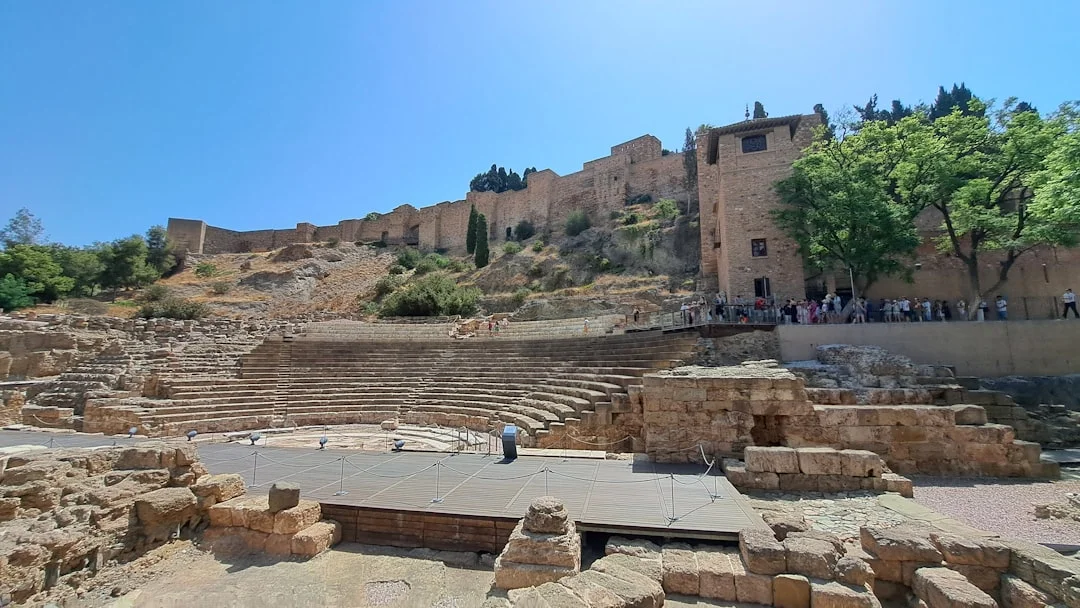
    Jeder, der schon einmal durch das historische Zentrum von Málaga spaziert ist, kennt den atemberaubenden Anblick des Römischen Theaters (Teatro Romano), das friedlich am Fuße der Festung Alcazaba liegt. Es ist eine greifbare Verbindung zu Malaca, der blühenden römischen Enklave, die für ihre Fischsalzungsindustrie und ihren geschäftigen Hafen bekannt war – ein faszinierender Kontrast zum modernen Stadtleben, in dem aktuell die Regeln für geförderten VPO-Wohnraum in Málaga verschärft werden.

    Doch für Historiker und Archäologen fehlte schon immer ein riesiges Puzzleteil. Wohin gingen die Bürger von Malaca, um Gladiatorenkämpfe, die Jagd auf wilde Tiere und öffentliche Spektakel zu sehen?

    Jede größere römische Stadt von der Bedeutung Málagas besaß ein Amphitheater. Doch über Jahrhunderte hinweg blieb die Arena von Málaga eines der größten ungelösten archäologischen Rätsel der Stadt. Nun legt eine überzeugende neue Hypothese eines lokalen Experten nahe, dass wir endlich wissen könnten, wo sie begraben liegt.

    Die Suche nach Málagas verlorener Arena

    Während Theater für Theaterstücke und Rezitationen gebaut wurden, waren Amphitheater große, ovale Arenen, die für spektakuläre Unterhaltung konzipiert waren. In Städten wie Mérida, Itálica oder Tarragona sind diese Bauwerke noch heute monumentale Touristenattraktionen. In Málaga hingegen haben Jahrhunderte des kontinuierlichen städtischen Wiederaufbaus sie völlig verschüttet.

    Ein verlorenes römisches Amphitheater in einer dicht besiedelten modernen Stadt zu finden, ist keine leichte Aufgabe. Man kann das historische Zentrum nicht einfach auf gut Glück aufgraben. Stattdessen müssen sich Forscher auf Hinweise stützen, die in der Topographie der Stadt, alten Straßenverläufen und historischen Dokumenten hinterlassen wurden.

    Genau das hat Cristóbal Díaz Lozano, ein in Málaga ansässiger technischer Architekt und Bauingenieur, getan. In einer bahnbrechenden Studie, die kürzlich im Juni 2026 veröffentlicht wurde, hat Díaz Lozano einen hochpräzisen Standort für das verlorene Monument vorgeschlagen.

    Eine neue Hypothese, die auf Topographie basiert

    Laut einem detaillierten Bericht von La Opinión de Málaga verzichtet die Forschung von Díaz Lozano auf Vermutungen und konzentriert sich stattdessen auf die klassische römische Stadtplanung und die Naturlandschaft des antiken Málaga.

    Römische Ingenieure waren äußerst pragmatisch. Beim Bau massiver Strukturen wie Amphitheatern zogen sie es vor, natürliche Hänge zu nutzen, um die schweren Steintribünen (die cavea) zu stützen, was enorm viel Zeit, Arbeit und Baumaterial sparte. Zudem platzierten sie diese Arenen in der Nähe der Stadtmauern und der Hauptverkehrsstraßen, um die riesigen Menschenmassen zu bewältigen, ohne das Stadtzentrum zu verstopfen.

    Durch die Analyse der ursprünglichen römischen Topographie Málagas – bevor Jahrhunderte von Abtragungen und Bautätigkeiten das Bodenniveau einebneten oder anhoben – identifizierte Díaz Lozano eine bestimmte Zone im historischen Zentrum, die perfekt zu diesen römischen Ingenieursanforderungen passt.

    Seine Hypothese deutet auf einen Standort nahe der antiken Stadtgrenze hin, an dem das natürliche Gelände eine ovale Arena harmonisch eingebettet hätte. Dieser spezifische städtische Grundriss deckt sich mit klassischen römischen Stadtentwürfen und bietet eine äußerst logische Erklärung dafür, wo das Bauwerk errichtet wurde und warum es schließlich unter späteren islamischen und christlichen Bebauungen verschwand.

    Ein Spaziergang über die Geschichte

    Für Reisende und Einheimische gleichermaßen verleiht diese Theorie einem normalen Spaziergang durch die Altstadt von Málaga eine faszinierende geheimnisvolle Note. Es bedeutet, dass unter den belebten Tapas-Bars, den kopfsteingepflasterten Gassen und den Wohngebäuden, an denen wir täglich vorbeigehen, die gewaltigen Steinfundamente einer 2,000 Jahre alten Gladiatorenarena nur wenige Meter unter unseren Füßen liegen könnten.

    Obwohl es keine unmittelbaren Pläne für Ausgrabungen gibt – da dies den Rückbau von Teilen des geschützten historischen Zentrums erfordern würde –, liefert die Hypothese den städtischen Archäologen einen konkreten Ausgangspunkt für zukünftige Bodenradar-Untersuchungen und Tiefbauarbeiten.

    Eine Stadt voller Schichten

    Was Málaga so einzigartig macht, ist seine vertikale Geschichte. Es ist eine Stadt, die in Schichten erbaut wurde: Phönizische Fischfabriken liegen unter modernen Museen, maurische Festungen thronen auf römischen Ruinen und christliche Kirchen stehen auf den Fundamenten antiker Moscheen. Dieses unterirdische Erbe kommt immer wieder ans Licht, wie jüngste Infrastrukturprojekte zeigen, etwa die Entdeckung einer riesigen römischen Nekropole unter den Straßen der Stadt.

    Ob jemals ein Spaten angesetzt wird, um diese speziellen römischen Steine freizulegen oder nicht – allein das Wissen, dass das verlorene Amphitheater einen plausiblen Ort hat, verändert unseren Blick auf die Stadt. Es erinnert uns daran, dass Málaga noch viele Geheimnisse zu lüften hat, die still und leise direkt unter der Oberfläche unseres modernen Lebens warten.

  • Malaga Roman Amphitheater: Expert Proposes Location

    Malaga Roman Amphitheater: Expert Proposes Location

    Anyone who has walked through the historic center of Málaga knows the breathtaking sight of the Roman Theatre (Teatro Romano), resting quietly at the foot of the Alcazaba fortress. It is a tangible link to Malaca, the thriving Roman enclave famous for its fish salting industry and bustling port. While the city’s ancient past is preserved here, modern Malaga continues to evolve, recently making headlines as the administration tightens rules for subsidized VPO housing to address contemporary urban demands.

    Yet, for historians and archaeologists, a massive piece of the puzzle has always been missing. Where did the citizens of Malaca go to watch gladiator battles, wild beast hunts, and public spectacles?

    Every major Roman city of Malaga’s stature had an amphitheater. But for centuries, Malaga’s arena has remained one of the city’s greatest unsolved archaeological mysteries. Now, a compelling new hypothesis by a local expert suggests we might finally know where it is buried.

    The Search for Malaga’s Lost Arena

    While theaters were built for plays and recitals, amphitheaters were grand, oval arenas designed for high-stakes entertainment. In cities like Mérida, Itálica, or Tarragona, these structures still stand as monumental tourist draws. In Málaga, however, centuries of continuous urban rebuilding have completely covered it up.

    Finding a lost Roman amphitheater in a densely populated modern city is no easy task. You cannot simply dig up the historic center on a hunch. Instead, researchers must rely on clues left behind in the city’s topography, old street layouts, and historical documents.

    This is exactly what Cristóbal Díaz Lozano, a Málaga-based technical architect and building engineer, has done. In a groundbreaking study recently published in June 2026, Díaz Lozano has proposed a highly precise location for the lost monument.

    A New Hypothesis Built on Topography

    According to a detailed report by La Opinión de Málaga, Díaz Lozano’s research bypasses guesswork to focus on classical Roman urban planning and the natural landscape of ancient Málaga.

    Roman engineers were highly practical. When building massive structures like amphitheaters, they preferred to utilize natural slopes to support the heavy stone seating (the cavea), saving immense amounts of time, labor, and building materials. They also placed these arenas near the city walls and main access roads to handle the massive crowds without clogging the city center.

    By analyzing Malaga’s original Roman topography—before centuries of runoff and construction flattened or raised the ground level—Díaz Lozano identified a specific zone in the historic center that perfectly matches these Roman engineering requirements.

    His hypothesis points to a location nestled close to the ancient city limits, where the natural terrain would have naturally cradled an oval arena. This specific urban footprint aligns with classic Roman city layouts, offering a highly logical explanation for where the structure was built and why it eventually disappeared beneath later Islamic and Christian developments.

    Walking Over History

    For travelers and locals alike, this theory adds a thrilling layer of mystery to a standard walk through Malaga’s old town. It means that beneath the bustling tapas bars, cobblestone alleys, and residential buildings we pass every day, the massive stone foundations of a 2,000-year-old gladiator arena could be resting just a few meters beneath our feet.

    While there are no immediate plans to excavate—as doing so would require dismantling parts of the protected historic center—the hypothesis gives municipal archaeologists a concrete starting point for future underground radar surveys and utility works.

    A City of Layers

    What makes Málaga so unique is its vertical history. It is a city built in layers: Phoenician fish factories lie beneath modern museums, Moorish fortresses sit on top of Roman ruins, and Christian churches stand on the foundations of ancient mosques. This subterranean heritage is constantly resurfacing, as seen during recent infrastructure projects like the discovery of a vast Roman necropolis under the city’s streets.

    Whether or not spade ever meets dirt to uncover these specific Roman stones, simply knowing that the lost amphitheater has a plausible home changes how we look at the city. It reminds us that Málaga still has plenty of secrets left to tell, waiting quietly just beneath the surface of our modern lives.