Category: Events

  • Málaga Art Exhibitions: 15 Cool Museum Escapes This Weekend

    Málaga Art Exhibitions: 15 Cool Museum Escapes This Weekend

    Beat the Summer Heat in Málaga’s Climatized Museums

    As the June 2026 temperatures climb across the Costa del Sol, finding a cool sanctuary becomes a priority for both locals and visitors looking for stylish Málaga summer plans. Fortunately, Málaga’s transformation into a world-class cultural hub provides the perfect solution. The city’s extensive network of air-conditioned museums offers an ideal “cultural refuge,” allowing you to escape the midday sun while immersing yourself in world-class art.

    This weekend, Málaga features at least 15 active temporary and permanent exhibitions. From avant-garde installations to classic masterpieces, you can embark on a delightful gallery hopping experience across Málaga’s current art exhibitions.

    The Big Three: Picasso, Pompidou, and Carmen Thyssen

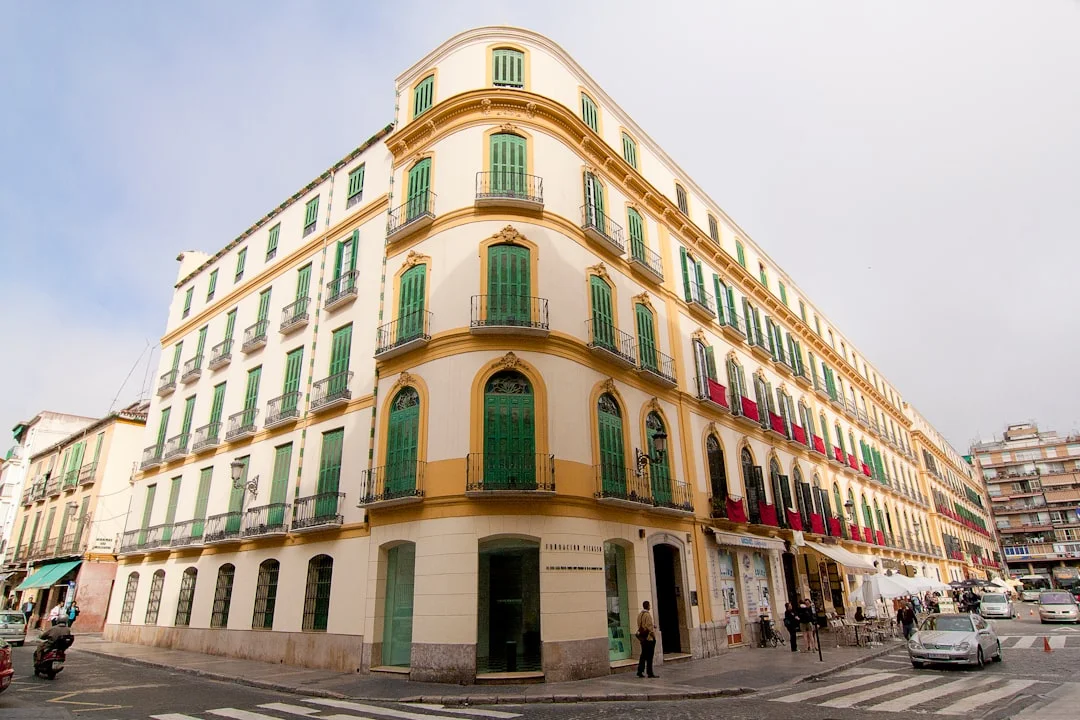
    1. Museo Picasso Málaga

    As the birthplace of Pablo Picasso, Málaga honors its most famous son with a spectacular permanent collection and rotating temporary showcases. Beyond its rich cultural scene, the province is also celebrated for its pristine coastline, with Málaga leading Summer 2026 with 45 Blue Flag beaches.

    • What to see: The permanent collection, Dialogues with Picasso, offers a deep dive into eight decades of the artist’s revolutionary work.
    • Why it’s a great escape: Located in the beautifully restored, air-conditioned Palacio de Buenavista in the historic center, it offers a peaceful, cool environment right in the heart of the city.

    2. Centre Pompidou Málaga

    Recognizable by its iconic glass cube at Muelle Uno, the Centre Pompidou Málaga is a must-visit for lovers of modern and contemporary art.

    • What to see: The semi-permanent exhibition features masterpieces from the 20th and 21st centuries, spanning painting, sculpture, and multimedia installations.
    • Why it’s a great escape: Situated underground beneath the harbor, the gallery spaces are naturally insulated and wonderfully cool, making it the perfect stop after a walk along the waterfront.

    3. Museo Carmen Thyssen Málaga

    Housed in the 16th-century Palacio de Villalón, this museum houses an extraordinary collection of 19th-century Spanish and Andalusian painting.

    • What to see: Romantic landscapes, costumbrista scenes, and Spanish modernism. The temporary exhibitions here consistently bring fresh perspectives to classical and early modern art.
    • Why it’s a great escape: The quiet, high-ceilinged galleries and central courtyard offer a serene, cool atmosphere just steps from the busy Calle Larios.

    Contemporary and International Spaces

    4. CAC Málaga (Centro de Arte Contemporáneo)

    Located in the trendy Soho district, the CAC Málaga is the epicenter of cutting-edge contemporary art in the city.

    • What to see: Dynamic temporary exhibitions showcasing international and emerging Spanish artists, alongside a permanent collection of late-20th-century art.
    • Why it’s a great escape: The spacious, industrial-style building is fully air-conditioned and free to enter, making it one of the most accessible cultural stops in town.

    5. Colección del Museo Ruso

    Located in the historic Tabacalera building (a former tobacco factory), this space hosts impressive collections of Russian art and international historical movements.

    • What to see: Historically significant temporary exhibitions ranging from classic icons to Soviet-era realism and avant-garde masterpieces.
    • Why it’s a great escape: The vast, airy exhibition halls are rarely crowded, offering a quiet, cool space to contemplate art at your own pace.

    More Cultural Treasures to Explore This Weekend

    Beyond the major institutions, several other venues contribute to the 15+ active exhibitions available this weekend. According to the local cultural agenda compiled by Hoy Málaga, visitors can also explore:

    • Museo de Málaga (Palacio de la Aduana): A massive space combining fine arts and archaeology, perfect for spending a whole afternoon out of the sun.
    • La Térmica: A contemporary cultural center hosting photography exhibitions and creative workshops.
    • MUPAM (Museo del Patrimonio Municipal): Showcasing historical art and artifacts that trace the history of Málaga from the 15th century to the modern day.

    Practical Tips for Your Museum Weekend

    • Book in advance: To avoid waiting in the sun at ticket offices, book your museum tickets online beforehand.
    • Check opening hours: Many museums offer free entry during the final hours of Sunday afternoon, though these slots can get busy.
    • Combine visits: Many of these spaces are within walking distance of each other, allowing you to hop from one air-conditioned haven to the next.

    We hope this guide helps you navigate Málaga’s incredible cultural landscape while staying cool this weekend. There is a quiet joy in stepping out of the intense Mediterranean heat into the calm, quiet galleries of a museum, letting the art take center stage. Enjoy your weekend of discovery, and stay safe in the sun!
  • Málaga’s Cameranos: The Riojan Merchants Who Built Trade

    Málaga’s Cameranos: The Riojan Merchants Who Built Trade

    Málaga is widely celebrated today as a thriving international hub, but its economic dynamism is nothing new. Long before the tech startups and modern boutiques arrived, the city’s commercial backbone was shaped by waves of ambitious migrants. Among the most influential yet least known of these groups were the Cameranos—enterprising merchants from the rugged Cameros Valley in La Rioja.

    These northern migrants played a fundamental role in transforming Málaga into a commercial powerhouse during the 19th and 20th centuries, laying the foundation for the thriving cultural legacy that today offers incredible Málaga art exhibitions and museum escapes.

    Who Were the Cameranos?

    The Valle de Cameros is a mountainous region in La Rioja, historically known for its harsh winters and sheep farming. Faced with limited agricultural opportunities at home, many young men from the valley chose to migrate.

    Unlike other migration waves driven by sheer desperation, the Cameranos relied on a highly organized network of family and regional solidarity. Established merchants in southern Spain would sponsor young relatives or neighbors from the valley, bringing them in as apprentices. These young men started from the bottom, learning the trade, saving money, and eventually taking over or founding their own businesses.

    Building Málaga’s Commercial Heart

    Upon arriving in Málaga, the Cameranos quickly made their mark on the local retail and wholesale sectors. They specialized in textiles, dry goods, groceries, and traditional haberdasheries (mercerías).

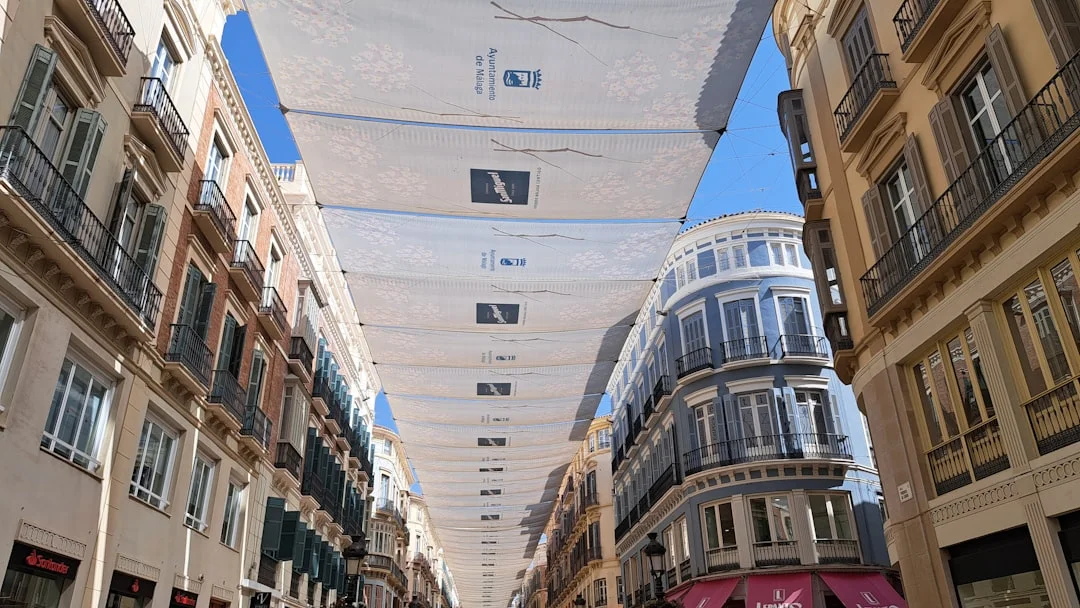
    Their business model was built on trust, long hours, and deep community ties. Over the decades, these Riojan families established some of the most iconic shops in Málaga’s historic center, particularly around Calle Larios and Calle Nueva. Their influence extended beyond simple shopkeeping; they became prominent figures in Málaga’s high society, contributing to the city’s urban development and civic institutions.

    Rediscovering the Legacy on ‘Memoria Sur’

    For those interested in diving deeper into this fascinating chapter of local history, the story has recently been brought back into the spotlight. The local history podcast Memoria Sur, hosted by journalists Ana Pérez-Bryan and Esther Luque, dedicated its latest episode to exploring this Riojan footprint.

    In Episode 263 of Memoria Sur, published in June 2026, the hosts unpack how these northern families integrated into Málaga’s social fabric and left a lasting heritage that still whispers through the architecture and family names of the city today.

    Why This History Matters Today

    Understanding the story of the Cameranos offers a fresh perspective for expats and new residents in Málaga. It serves as a reminder that Málaga’s identity has always been forged by outsiders who arrived with dreams, worked hard, and woven their own cultures into the Andalusian landscape.

    Next time you walk down the marble-paved streets of the historic center, take a moment to look at the old shopfronts. Many of them exist because of the determination of those young mountain-dwellers from La Rioja who decided to make Málaga their home.

    Learning about the people who built the streets we walk today helps us feel truly connected to our shared home. Málaga’s history is a beautiful mosaic of cultures, and the hardworking spirit of the Cameranos remains a vital piece of that puzzle. Let us keep sharing these stories to appreciate the rich, welcoming tapestry of the city we love.

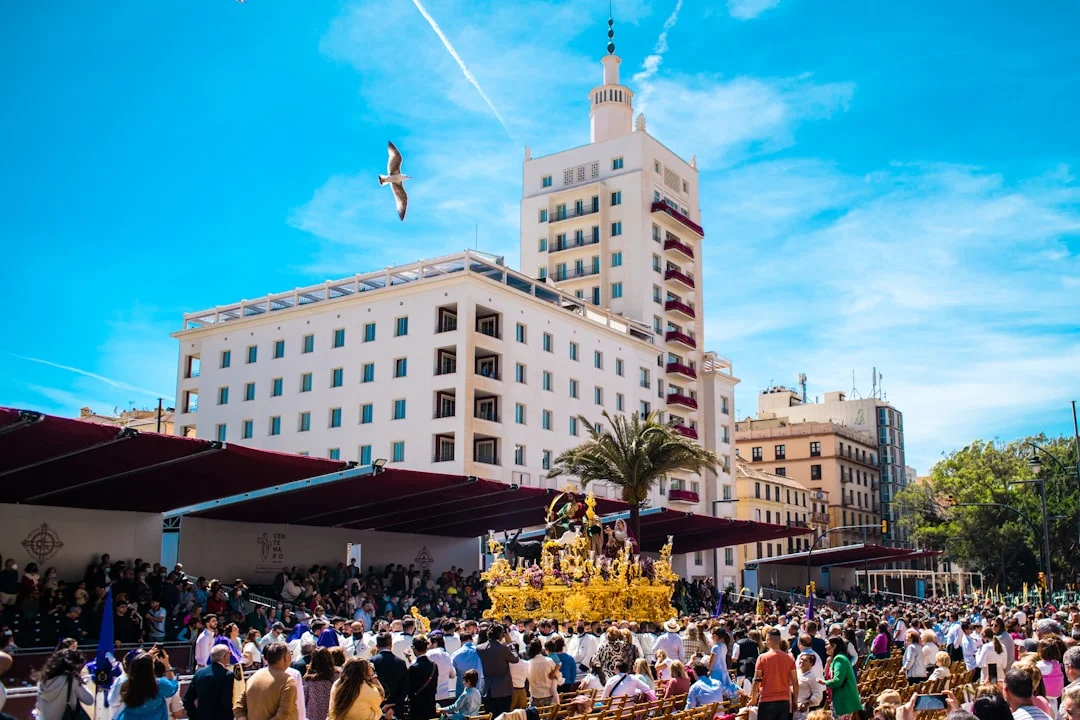
  • Malaga Road Closures: Patron Saints Procession

    Malaga Road Closures: Patron Saints Procession

    Traffic Disruptions in Malaga Center

    Navigating the heart of Malaga required some extra patience on Saturday, June 20, 2026. The Malaga City Council’s Mobility Department implemented a series of road closures and traffic restrictions to accommodate the traditional outdoor procession of the city’s Patron Saints (Santos Patronos), San Ciriaco and Santa Paula. This bustling event drew crowds to the city center, where local hospitality businesses are also navigating major changes, particularly as Málaga bars adapt to the EU single-use plastic ban.

    For local residents and expats living in the center, the event offered a beautiful cultural display but also presented a significant logistical challenge for anyone trying to drive through the urban core during the afternoon and evening.

    According to details published by Diario Sur, the municipal traffic plan aimed to guarantee safety along the procession route while redirecting the flow of private vehicles and public transit.

    Key Streets Affected by the Closures

    The traffic restrictions primarily targeted the historic center and surrounding access roads. The disruptions began in the early afternoon on Saturday, June 20, and lasted well into the night as the procession made its way through the city.

    Some of the most notable areas affected included:
    * Plaza de la Constitución and surrounding pedestrian zones.
    * Calle Larios and adjacent side streets, which experienced heavy pedestrian crowds and restricted access.
    * Major arterial connections leading into the city center, where local police redirected drivers to alternative routes.

    Public transport users also had to adapt, as several local bus lines operated by the EMT had to temporarily alter their routes and stops to avoid the closed perimeters.

    Navigating Malaga After Major Events

    If you are planning to drive around Malaga during major cultural events—or large-scale celebrations like the recently rescheduled Málaga CF victory parade—keeping a few key tips in mind can save you hours of frustration:

    1. Use Perimeter Parking: Instead of trying to reach the absolute center, park in designated garages on the outskirts (such as El Corte Inglés, Malaga Plaza, or near the port) and walk the rest of the way.
    2. Rely on the Metro: Malaga’s metro system is completely unaffected by street-level processions and offers a fast, reliable way to get close to the historic center.
    3. Check Real-Time Updates: Local mobility apps and the official EMT social media channels provide live updates on bus diversions and reopened streets.

    We hope you managed to navigate the city smoothly this weekend and perhaps even caught a glimpse of this historic local tradition. As Malaga continues to grow, balancing our rich cultural heritage with the demands of a bustling modern city remains a collaborative effort for all of us who call this beautiful place home.

  • Historisches Zentrum von Vélez-Málaga durch Kulturzentrum wiederbelebt

    Historisches Zentrum von Vélez-Málaga durch Kulturzentrum wiederbelebt

    Während die sonnigen Strände von Torre del Mar im Sommer die meisten Schlagzeilen machen – und in der Provinz derzeit darüber berichtet wird, dass die Siegesparade des Málaga CF um einen Tag verschoben wurde –, feiert die Hauptstadt der Region Axarquía im Stillen ein großes kulturelles Comeback. Das historische Zentrum von Vélez-Málaga erlebt eine bemerkenswerte kommerzielle und gastronomische Wiederbelebung, angetrieben von einem neuen kulturellen Motor, der Tausende von neuen Besuchern in die verwinkelten, weiß getünchten Gassen lockt.

    Jahrelang setzten sich die lokalen Geschäftsinhaber für Initiativen ein, um Besucher von der Küste in die steile, monumentenreiche Altstadt zu locken. Heute zahlt sich diese Mühe aus – ein Erfolg, der auch durch die Ernennung eines Hoteliers aus der Axarquía zum Vizepräsidenten der FAHAT unterstrichen wird.

    Der kulturelle Funke belebt den lokalen Handel

    Im Zentrum dieses Aufschwungs steht ein dynamisches Kulturprogramm, das die Wochenendgestaltung von Einheimischen und Besuchern grundlegend verändert hat. Nach Angaben von lokalen Wirtschaftsverbänden und einer Analyse des Rathauses, über die Málaga Hoy berichtete, verzeichnete das wichtigste Kulturzentrum der Stadt in den ersten Monaten seines Betriebs über 20.000 Zuschauer.

    Dieser stetige Zustrom von Theatergängern, Musikliebhabern und Kunstbegeisterten hat sich direkt und spürbar auf die Gastronomie im historischen Zentrum ausgewirkt. Restaurants, traditionelle Tapas-Bars und Cafés, in denen es nach der Mittagszeit früher eher ruhig war, sind heute bis in den Abend hinein gut besucht. Das beweist, dass Kultur einer der nachhaltigsten Motoren für den lokalen Tourismus ist.

    Sehenswürdigkeiten im historischen Zentrum von Vélez-Málaga

    Wenn Sie einen Wochenendausflug von Málaga planen, bietet Ihnen Vélez-Málaga eine reiche Vielfalt an Geschichte, Kunst und Architektur – weit weg von den typischen Touristenströmen an der Küste. Folgendes sollten Sie bei einem Rundgang nicht verpassen:

    • Die Festung (La Fortaleza): Diese maurische Burg aus dem 10. Jahrhundert thront über der Stadt und bietet einige der besten Panoramablicke auf das Axarquía-Tal, die bis zum Mittelmeer reichen.
    • Palacio de Beniel: Ein beeindruckender Palast aus dem 17. Jahrhundert, der Mudéjar- und Renaissance-Architektur harmonisch miteinander verbindet. Heute beherbergt er die städtische Stiftung, die der berühmten einheimischen Philosophin María Zambrano gewidmet ist.
    • Kirche Santa María de la Encarnación: Diese Kirche aus dem späten 15. Jahrhundert wurde über einer ehemaligen Moschee errichtet. Sie besticht durch eine spektakuläre Decke im Mudéjar-Stil und beherbergt das Museum der Karwoche (Museo de la Semana Santa).
    • CAC Francisco Hernández (Zentrum für zeitgenössische Kunst): In einem wunderschön restaurierten Sakralbau untergebracht, zeigt dieses Zentrum hochmoderne Wechselausstellungen und schlägt so die Brücke zwischen der historischen Vergangenheit der Stadt und ihrem modernen, kreativen Geist.

    Ein kulinarischer Vorgeschmack auf die Axarquía

    Die Wiederbelebung der Altstadt ist nicht nur optisch wahrnehmbar, sondern auch kulinarisch. Der Zustrom von Besuchern hat die lokalen Köche dazu inspiriert, der traditionellen Küche der Axarquía neues Leben einzuhauchen.

    Probieren Sie bei Ihrem Besuch unbedingt lokale Spezialitäten wie Ajoblanco (eine kalte Knoblauch-Mandel-Suppe), Gerichte mit lokal hergestelltem Zuckerrohrhonig aus dem nahe gelegenen Frigiliana und süße Moscatel-Weine. Viele der traditionellen Tavernen rund um die Plaza de las Carmelitas und die Plaza de la Constitución haben ihre Speisekarten modernisiert und bieten eine perfekte Mischung aus klassischen andalusischen Tapas und modernen kulinarischen Akzenten.

    Anreise

    Vélez-Málaga ist sehr gut erreichbar und eignet sich hervorragend für einen Tagesausflug oder einen Wochenendtrip:

    • Mit dem Auto: Fahren Sie auf der Autobahn A-7 von Málaga aus nach Osten und nehmen Sie die Ausfahrt Vélez-Málaga/Torre del Mar. Die Fahrt dauert etwa 35 Minuten.
    • Mit dem Bus: Regelmäßige ALSA-Busverbindungen verkehren den ganzen Tag über direkt vom Busbahnhof in Málaga nach Vélez-Málaga.

    Es ist eine stille Freude, zuzusehen, wie eine historische spanische Stadt ihren modernen Weg findet. Vélez-Málaga erinnert uns daran, dass kulturelles Erbe nicht nur etwas ist, das man hinter Glas aufbewahren sollte, sondern ein lebendiger Raum, der bei gutem Essen, gemeinsamen Geschichten und einem lebendigen Gemeinschaftsleben geteilt werden will. Wir hoffen, dass Sie sich die Zeit nehmen, durch die Straßen zu schlendern, der Geschichte zu lauschen und die lokalen Geschäfte zu unterstützen, die das Herz der Stadt am Schlagen halten.

  • Vélez-Málaga Historic Center Revived by Cultural Hub

    Vélez-Málaga Historic Center Revived by Cultural Hub

    While the sunny beaches of Torre del Mar grab most of the summer headlines, and sports fans adjust their schedules due to the Málaga CF victory parade being postponed by a day, the capital of the Axarquía region is quietly staging a major cultural comeback. The historic center of Vélez-Málaga is experiencing a remarkable commercial and gastronomic revival, driven by a new cultural engine that has brought thousands of fresh faces to its winding, whitewashed streets.

    For years, local business owners pushed for initiatives to draw visitors up from the coast into the steep, monument-rich old town. Today, that effort is paying off, bolstered by strong local leadership such as the Axarquía hotelier recently appointed as FAHAT vice president.

    The Cultural Spark Plugging into Local Commerce

    At the heart of this resurgence is a dynamic cultural program that has transformed how locals and visitors spend their weekends. According to local business associations and town hall analysis reported by Málaga Hoy, the town’s premier cultural space registered over 20,000 spectators during its breakout months of operation.

    This steady influx of theatergoers, music lovers, and art enthusiasts has had a direct, powerful impact on the historic center’s hospitality sector. Restaurants, traditional tapas bars, and cafes that once quieted down after midday are now bustling into the evening, proving that culture is one of the most sustainable drivers for local tourism.

    What to See in Vélez-Málaga’s Historic Center

    If you are planning a weekend escape from Málaga, Vélez-Málaga offers a rich tapestry of history, art, and architecture far removed from the typical coastal crowds. Here is what you shouldn’t miss on a walking tour:

    • The Fortress (La Fortaleza): Towering over the town, this 10th-century Moorish castle offers some of the best panoramic views of the Axarquía valley, stretching all the way to the Mediterranean Sea.
    • Palacio de Beniel: A stunning 17th-century palace that beautifully blends Mudéjar and Renaissance architecture. It currently houses the municipal foundation dedicated to the famous local philosopher, María Zambrano.
    • Church of Santa María de la Encarnación: Built over a former mosque, this late 15th-century church features a spectacular Mudéjar ceiling and houses the Holy Week Museum.
    • CAC Francisco Hernández (Contemporary Art Center): Located in a beautifully restored religious building, this space hosts cutting-edge temporary exhibitions, bridging the gap between the town’s ancient past and its modern creative spirit.

    A Taste of the Axarquía

    The revival of the old quarter isn’t just visual; it is delicious. The influx of visitors has encouraged local chefs to breathe new life into traditional Axarquía cuisine.

    When visiting, be sure to try local specialties like ajoblanco (a cold garlic and almond soup), dishes seasoned with locally produced sugar cane honey from nearby Frigiliana, and sweet Moscatel wines. Many of the traditional taverns surrounding the Plaza de las Carmelitas and the Plaza de la Constitución have updated their menus, offering a perfect mix of classic Andalusian tapas and modern culinary twists.

    How to Get There

    Vélez-Málaga is highly accessible, making it an easy day trip or weekend getaway:

    • By Car: Take the A-7 highway east from Málaga, exiting at Vélez-Málaga/Torre del Mar. The drive takes approximately 35 minutes.
    • By Bus: Regular ALSA bus services run from Málaga’s central bus station directly to Vélez-Málaga throughout the day.

    There is a quiet joy in watching a historic Spanish town find its modern footing. Vélez-Málaga reminds us that heritage is not just something to be preserved behind glass, but a living, breathing space meant to be shared over good food, shared stories, and vibrant community life. We hope you take the time to wander its streets, listen to its history, and support the local businesses keeping its heart beating.

  • Stylish Málaga Summer Plans: Gastronomy & Culture

    Stylish Málaga Summer Plans: Gastronomy & Culture

    As the second half of June 2026 arrives, Málaga transitions into its most vibrant season. The start of summer brings a shift in how locals and savvy travelers experience the city. Instead of rushing through crowded tourist hotspots, the trend this June focuses on slow living, curated gastronomy, and open-air cultural experiences that offer true disconnection.

    Whether you are a newly arrived expat or a frequent visitor looking for vibrant weekend events and seaside markets, here is how to welcome the summer of 2026 in Málaga with style.

    Al Fresco Dining: The Terrace Season Commences

    June marks the official launch of the summer menus and terrace openings across the Málaga province. This year, the focus is on elevated traditional flavors paired with modern presentation.

    • Rooftop Havens: Málaga’s hotel rooftops have transformed into botanical sanctuaries. Places like the terrace at Only YOU Hotel or San Telmo offer panoramic views of the port and cathedral, perfect for catching the late sunset (which lingers past 9:30 PM this time of year) while enjoying craft cocktails infused with local citrus.
    • Creative Chiringuitos: Moving away from the chaotic city center beach bars, look toward the eastern neighborhoods of Pedregalejo and El Palo. Here, traditional wooden boats still grill espetos (sardine skewers) over olive wood, but a new wave of beachfront bistros is introducing fusion seafood dishes and organic Andalusian wines.

    Outdoor Culture and Literary Escapes

    Summer in southern Spain is best enjoyed after the midday heat subsides. Cultural venues across the Costa del Sol are moving their programming outdoors to take advantage of the cool Mediterranean breeze.

    According to the curated lifestyle recommendations for late June 2026 by Elle España, the ideal summer plan combines literary relaxation with artistic discovery.

    • Museum Courtyards: The Picasso Museum Málaga and the Carmen Thyssen Museum frequently host evening acoustic concerts and intimate lectures in their central Renaissance courtyards. It is an unmatched way to experience world-class art without the daytime crowds, highlighting why the city has earned its reputation as Spain’s ultimate museum benchmark.
    • Sunset Reading: For those looking to disconnect, picking up a book from one of the independent English-language bookshops in the old town and heading to the shade of the Paseo del Parque or the quieter coves of Malaga East provides the ultimate mental reset.

    Coastal Disconnection Beyond the City

    To truly experience the local lifestyle, take a short trip outside the capital to find pockets of tranquility. Whether you prefer coastal views or active nature exploration, venturing onto Malaga’s secret trails to escape the summer crowds is a perfect way to reconnect.

    The Eastern Cliffs of Maro

    Just past Nerja, the Maro-Cerro Gordo cliffs offer secluded pebble beaches and crystal-clear waters. It is an ideal spot for paddleboarding at dusk or simply enjoying a quiet picnic away from the bustling resort towns.

    The White Villages of Axarquía

    If the coast gets too warm, head uphill. The mountain villages of the Axarquía region, such as Frigiliana or Cómpeta, offer cooler evening temperatures, stunning views of the sea from afar, and authentic, slow-paced dining experiences in cobblestone plazas.

    As the warm Mediterranean breeze settles over the province, we hope this season brings you moments of genuine rest, delicious discoveries, and a deeper connection to the slow, beautiful rhythm of life on the southern coast.

  • Malaga Weekend: Cirque du Soleil and Seaside Markets

    Malaga Weekend: Cirque du Soleil and Seaside Markets

    As the first official weekend of summer 2026 arrives, Malaga is heating up—literally. To help residents and international visitors dodge the peak midday sun in a city projected to drive 64% of Andalusia’s growth by 2041, the local cultural agenda has pivoted toward spectacular indoor entertainment, evening events, and breezy coastal gatherings.

    Whether you are looking for world-class acrobatics, fresh musical talents, or a relaxing stroll by the Mediterranean, here is your curated guide to the best things to do in Malaga this weekend according to details shared by El Español, showcasing why the city has become such a popular premium weekend destination.

    Step Into the Dream World of Cirque du Soleil: ‘Kurios’

    One of the undisputed highlights of the season is the arrival of Cirque du Soleil and their critically acclaimed show, Kurios: Cabinet of Curiosities. Set in a larger-than-life steam-punk universe, the performance blends jaw-dropping acrobatics, poetry, and humor in a way that only this legendary troupe can.

    • The Main Event: The grand white big top (carpa) has been set up in the city, offering a perfect, air-conditioned escape from the June heat.
    • The Free Exhibition: If you want a closer look at the artistry behind the magic, head over to the Ámbito Cultural of El Corte Inglés in Malaga. They are hosting an exclusive exhibition featuring handcrafted costume pieces, props, and behind-the-scenes insights from the show. It is a fantastic, free cultural stop, adding to the wide range of family-friendly activities in Málaga.

    Discover the Next Big Sound at ‘Emmerge Malaga Music Talents’

    For music lovers eager to support the local scene, this weekend features the highly anticipated grand final of the Emmerge Malaga Music Talents contest.

    This initiative aims to discover and promote rising musical acts from across the province. The final showcase brings together the most promising artists of the region, offering a diverse lineup of genres. It is a fantastic opportunity to enjoy live music in a vibrant atmosphere and get a firsthand look at the future of Malaga’s creative scene.

    Seaside Summer Markets and Gastronomic Feasts

    If your idea of a perfect summer evening involves a coastal breeze and local flavors, you are in luck. Several towns across the Costa del Sol are officially welcoming the season with outdoor markets and traditional food festivals.

    Coastal Craft Markets

    As the sun goes down, the beach promenades of the province come alive. These evening markets offer a relaxed setting to browse handmade jewelry, local artwork, summer fashion, and artisanal goods. It is an ideal post-beach activity to enjoy with a cool drink in hand.

    Traditional Food Festivals

    Beyond the city limits, the wider Malaga province is celebrating its rich culinary heritage with summer food festivals. These events are perfect day-trip opportunities where you can sample traditional dishes, local wines, and olive oils while experiencing authentic Andalusian hospitality. You can keep an eye on local updates on Diario Sur for specific town-by-town schedules and regional festivities.

    As the days grow longer and the Mediterranean breeze cools the evening air, Malaga once again proves why it is such a special place to call home. Whether you spend your weekend gasping at acrobats under the big top or sharing tapas by the sea, we hope these days bring you closer to the warmth, culture, and community that make our province shine.

  • Picasso’s Structures of Invention Exhibition in Málaga

    Picasso’s Structures of Invention Exhibition in Málaga

    Aquí tienes el artículo enriquecido con los enlaces de manera natural y fluida:

    For anyone living in or visiting Málaga, the connection to Pablo Picasso is impossible to miss. The city’s most famous son left an indelible mark on the global art world, and there is no better place to understand his legacy than the Museo Picasso Málaga, an institution deeply connected to the lifelong efforts of Christine Ruiz-Picasso to bring his masterpieces back to his birthplace.

    Currently, the museum is hosting a highly praised exhibition titled “Colección Pablo Picasso: Estructuras de la invención” (Structures of Invention). Whether you are an art-loving expat or a tourist spending a few days in the city, this curation offers a fascinating, non-linear look into how Picasso’s mind operated. It has quickly become one of the top cultural recommendations for weekend plans in the province, cementing Málaga’s reputation as a premium weekend destination, as highlighted by local guides like Hoy Málaga.

    Here is what makes this exhibition unique and why you should add it to your Málaga itinerary.

    A Fresh Look at a Creative Genius

    Many art exhibitions follow a strict chronological timeline, tracing an artist’s life from youth to old age. Structures of Invention breaks away from this traditional format. Instead, it groups works from different periods of Picasso’s life to reveal the recurring themes, techniques, and structural challenges he constantly revisited.

    By placing a painting from his youth next to a sculpture from his later years, the exhibition highlights the continuous thread of his creative process. You get to see how he deconstructed forms, experimented with materials, and constantly reinvented his own visual language.

    Key Highlights of the Exhibition

    • Diverse Mediums: The collection showcases Picasso’s versatility, featuring paintings, sculptures, ceramics, drawings, and graphic works.
    • The Creative Process: Rather than just presenting finished masterpieces, the curation places a strong emphasis on his sketches and preparatory works, offering a rare glimpse into his decision-making process.
    • The Evolution of Cubism: Visitors can trace how Picasso moved from classical representation to the fragmented, multi-perspective world of Cubism and beyond.

    Practical Tips for Your Visit

    Located in the heart of the historic center inside the beautiful Palacio de Buenavista, the Museo Picasso Málaga is highly accessible but can get incredibly busy, especially on weekends.

    1. Book in Advance

    To avoid long queues in the Mediterranean heat, it is highly recommended to purchase your tickets online through the official museum website.

    2. Take Advantage of Audio Guides

    The exhibition’s thematic layout means that having context helps immensely. The museum’s audio guide provides excellent commentary on the relationships between the displayed works.

    3. Combine with a Stroll Through the historic Center

    The museum is just a short walk from other iconic landmarks, including the Roman Theater, the Alcazaba, and Málaga Cathedral. It makes for a perfect morning of cultural exploration before heading to a nearby terrace for some traditional tapas.

    Why This Exhibition Matters Today

    Picasso’s work can sometimes feel abstract or distant to those unfamiliar with art history. However, Structures of Invention succeeds in demystifying the artist. By focusing on the “how” and “why” of his creations, it makes his genius accessible to everyone. It reminds us that creativity is not a straight line, but a constant process of trial, error, and bold experimentation.

    There is something deeply inspiring about walking through these historic stone halls and realizing that the masterpieces on the walls started as simple ideas, sketches, and questions. We hope this exhibition brings you a little closer to the creative spirit of Málaga, leaving you with a fresh perspective on what it means to build, break, and reinvent.

  • Málagas Aufstieg zu einem Premium-Wochenendziel

    Málagas Aufstieg zu einem Premium-Wochenendziel

    Eine neue Ära für die Hauptstadt der Costa del Sol

    Jahrzehntelang galt Málaga vor allem als Transitpunkt – der Flughafen, an dem Reisende landeten, bevor sie sich in die Ferienorte der Costa del Sol verteilten. Heute hat sich dieses Bild komplett gewandelt. Málaga hat sich in ein erstklassiges Lifestyle-Zentrum verwandelt, das anspruchsvolle internationale Reisende, kaufkräftige Wochenendurlauber und wohlhabende Expats anzieht.

    Wie kürzlich von El Mundo hervorgehoben wurde, hat sich die Stadt erfolgreich als trendiges, erstklassiges Ziel für Städtereisen positioniert, an dem kulturelles Prestige, gehobene Gastronomie und mediterraner Charme aufeinandertreffen – inklusive einer Aussicht, die bis zur afrikanischen Küste reicht.

    Das Erbe Picassos: Kultur als Premium-Anker

    Im Zentrum der kulturellen Renaissance von Málaga steht ihr berühmtester Sohn, Pablo Picasso. Die Stadt hat dieses künstlerische Erbe genutzt, um eine erstklassige Museumslandschaft aufzubauen.

    Das Museo Picasso Málaga, untergebracht im wunderschön restaurierten Palacio de Buenavista, bleibt ein zentraler Wallfahrtsort für Kunstliebhaber und zeigt regelmäßig bedeutende zeitgenössische Ausstellungen wie die Joana-Vasconcelos-Ausstellung. Die kulturelle Anziehungskraft der Stadt reicht jedoch weit über Picasso hinaus. Mit dem ikonischen Glaskubus des Centre Pompidou am Hafen, dem Carmen Thyssen Museum und der Sammlung des Russischen Museums bietet Málaga eine Dichte an künstlerischen Erlebnissen, die selbst mit viel größeren europäischen Hauptstädten konkurrieren kann. Diese kulturelle Vielfalt ist ein Hauptanziehungspunkt für anspruchsvolle Wochenendtouristen, die neben Erholung auch geistige Bereicherung suchen.

    Ein boomender Luxuskreuzfahrthafen

    Málagas geografischer Vorteil wurde durch strategische Investitionen in die Hafeninfrastruktur weiter ausgebaut. Der Palmeral de las Sorpresas and die modernen Kreuzfahrtterminals haben die Stadt zu einem bevorzugten Zwischenstopp – und zunehmend auch zu einem Heimathafen – für exklusive Ultra-Luxus-Kreuzfahrtlinien gemacht.

    Anstatt die Stadt links liegen zu lassen, treten Kreuzfahrtpassagiere heute direkt in ein lebendiges, fußgängerfreundliches historisches Zentrum ein. Die Präsenz dieser kaufkräftigen Besucher hat die lokale Wirtschaft belebt und die Nachfrage nach Premium-Dienstleistungen, privaten Führungen und gehobenen Einkaufserlebnissen entlang der ikonischen Calle Larios angekurbelt.

    Kulinarische Exzellenz: Gehobene Gastronomie im Rampenlicht

    Die Gastronomie spielt eine entscheidende Rolle bei der Aufwertung Málagas zum Premium-Reiseziel. Die kulinarische Szene der Stadt hat sich von traditionellen chiringuitos am Strand, die espetos (Sardinenspieße) servieren, zu einer anspruchsvollen Landschaft aus Michelin-Sterne-Restaurants und innovativer Fusionsküche entwickelt.

    Lokale Köche verbinden traditionelle andalusische Zutaten mit modernen Techniken und ziehen damit kulinarische Touristen an, die ihr gesamtes Wochenende um die Reservierungszeiten der besten Restaurants herum planen. Von Dachterrassen mit Panoramablick auf die Alcazaba bis hin zu versteckten Speisesälen im historischen Zentrum liegt der Fokus ganz klar auf Qualität, lokalen Produkten und außergewöhnlichem Service.

    So gestalten Sie das perfekte Premium-Wochenende

    Wenn Sie einen exklusiven Wochenendausflug nach Málaga planen, erfahren Sie hier, wie Sie die Stadt von ihrer besten Seite erleben können:

    • Morgen: Beginnen Sie mit einer privaten Führung mit frühem Einlass im Museo Picasso, um die Sammlung ohne die großen Menschenmassen zu genießen. Lassen Sie einen Spaziergang durch das historische Zentrum folgen und bewundern Sie die architektonische Mischung aus römischen, maurischen und christlichen Einflüssen.
    • Mittagessen: Begeben Sie sich in den lebendigen Hafenbereich für ein Mittagessen mit moderner mediterraner Küche, begleitet von lokalen Weinen aus der Herkunftsbezeichnung Sierras de Málaga DO.
    • Nachmittag: Mieten Sie ein privates Segelboot im Jachthafen für eine Fahrt zum Sonnenuntergang in der Bucht und genießen Sie den Blick auf die Skyline der Stadt und das Castillo de Gibralfaro vom Wasser aus.
    • Abendessen: Sichern Sie sich einen Tisch in einem der renommierten Fine-Dining-Restaurants der Stadt, in denen traditionelle südspanische Aromen modern neu interpretiert werden.

    Während sich Málaga stetig weiterentwickelt, gelingt es der Stadt, diese rasche Modernisierung so zu gestalten, dass ihre Seele erhalten bleibt. Die warme Meeresbrise, die gelassene Lebensweise und der offene Charakter ihrer Bewohner sind nach wie vor das wahre Fundament ihrer Anziehungskraft. Wir hoffen, dass die Stadt bei ihrem Wachstum als Premium-Reiseziel auch weiterhin die einzigartige lokale Identität schätzt und bewahrt, in die sich die Welt einst verliebt hat.

  • Málaga’s Rise as a Premium Weekend Destination

    Málaga’s Rise as a Premium Weekend Destination

    The New Era of the Costa del Sol Capital

    For decades, Málaga was widely regarded as a transit point—the airport where travelers landed before dispersing to the resort towns of the Costa del Sol. Today, that narrative has completely shifted. Málaga has transformed into a premier lifestyle hub, attracting discerning international travelers, high-spending weekenders, and affluent expats.

    As highlighted recently by El Mundo, the city has successfully positioned itself as a trendy, top-tier city break destination where cultural prestige, high-end gastronomy, and Mediterranean charm converge, complete with views that stretch all the way toward the African coastline.

    The Picasso Legacy: Culture as a Premium Anchor

    At the heart of Málaga’s cultural renaissance is its most famous son, Pablo Picasso. The city has leveraged this artistic heritage to build a world-class museum ecosystem.

    The Museo Picasso Málaga, housed in the beautifully restored Palacio de Buenavista, remains a central pilgrimage site for art lovers, frequently hosting major contemporary showcases like the Joana Vasconcelos exhibition. However, the city’s cultural appeal extends far beyond Picasso. With the Pompidou Centre’s iconic glass cube at the port, the Carmen Thyssen Museum, and the Russian Museum collection, Málaga offers a density of artistic experiences that rivals much larger European capitals. This cultural density is a major draw for premium weekend tourists seeking intellectual enrichment alongside leisure.

    A Booming Luxury Cruise Port

    Málaga’s geographical advantage has been amplified by strategic investments in its port infrastructure. The Palmeral de las Sorpresas and the modern cruise terminals have turned the city into a preferred stop—and increasingly, a homeport—for boutique, ultra-luxury cruise lines.

    Instead of bypassing the city, cruise passengers now step directly into a vibrant, walkable historic center. The presence of these high-net-worth visitors has stimulated the local economy, driving demand for premium services, private guided tours, and upscale retail experiences along the iconic Calle Larios.

    Culinary Excellence: High-End Gastronomy in the Spotlight

    Gastronomy is playing a pivotal role in Málaga’s premium upgrade. The city’s culinary scene has evolved from traditional beachside chiringuitos serving espetos (sardine skewers) to a sophisticated landscape of Michelin-starred dining and innovative fusion restaurants.

    Local chefs are marrying traditional Andalusian ingredients with modern techniques, attracting culinary tourists who plan their entire weekend around reservation book openings. From rooftop terraces offering panoramic views of the Alcazaba to hidden dining rooms in the historic center, the focus is firmly on quality, local sourcing, and exceptional service.

    Crafting the Perfect Premium Weekend

    If you are planning a high-end weekend getaway to Málaga, here is how to experience the city at its best:

    • Morning: Begin with a private, early-access tour of the Museo Picasso to appreciate the collection without the crowds. Follow this with a stroll through the historic center, stopping to admire the architectural blend of Roman, Moorish, and Christian influences.
    • Lunch: Head to the vibrant port area for a lunch featuring contemporary Mediterranean cuisine, paired with local wines from the Sierras de Málaga DO.
    • Afternoon: Charter a private sailboat from the marina for a sunset cruise along the bay, enjoying views of the city skyline and the Gibralfaro castle from the water.
    • Dinner: Secure a table at one of the city’s acclaimed fine-dining establishments, where traditional southern Spanish flavors are reimagined through a contemporary lens.

    As Málaga continues to evolve, it manages to balance this rapid modernization with its soul intact. The warm sea breeze, the easygoing pace of life, and the open character of its people remain the true foundation of its appeal. We hope that as the city grows as a premium destination, it continues to cherish and preserve the unique local identity that made the world fall in love with it in the first place.