Category: Events

  • Korruption: Buchvorstellung ‘El último brindis’ in Málaga

    Korruption: Buchvorstellung ‘El último brindis’ in Málaga

    Málaga steht nicht nur für sonnige Strände und Espetos; die Stadt wird zunehmend zur Kulisse für gewichtige kulturelle und politische Debatten. Kürzlich fand hier ein bedeutendes literarisches Ereignis statt, das die Aufmerksamkeit der journalistischen und politischen Kreise Spaniens auf sich zog: die Vorstellung von El último brindis.

    Geschrieben vom Direktor der renommierten nationalen Tageszeitung ABC, taucht dieser Roman kopfüber in die trüben Gewässer der politischen Korruption ein. Für Expats und internationale Einwohner, die die Strömungen der spanischen Gesellschaft verstehen möchten, bietet dieses Buch – und das Aufsehen um seine jüngste Veröffentlichung – einen faszinierenden kulturellen Einstieg in die politisch-literarischen Debatten des Landes.

    Eine umstrittene Veröffentlichung

    Bei der Buchvorstellung in Málaga, über die lokale Medien wie Diario Sur ausführlich berichteten, teilte der Autor ein aufschlussreiches Detail hinter den Kulissen. Noch bevor das Buch überhaupt in die Regale kam, wurde ihm ausdrücklich von der Veröffentlichung abgeraten. Die Thematik trifft in einem Land, das im Laufe der Jahrzehnte mehr als genug politische Skandale erlebt hat, einen empfindlichen Nerv.

    Der Autor ließ sich jedoch nicht beirren und berief sich auf eine tief verwurzelte “journalistische Pflicht”, die Geschichte ans Licht zu bringen. Wenn ein erfahrener nationaler Journalist zur Fiktion greift, um eine Geschichte über Korruption zu erzählen, bedeutet das oft, dass die zugrunde liegende Wahrheit zu komplex – oder rechtlich zu heikel – ist, um im normalen täglichen Nachrichtenzyklus erzählt zu werden.

    Was dies für die Kulturszene Málagas bedeutet

    Die Wahl auf Málaga für diese Präsentation fiel nicht zufällig. Die Stadt hat sich stetig zu einer bedeutenden kulturellen Destination entwickelt und bewiesen, dass sie neben ihrem boomenden Technologie- und Tourismussektor auch ernsthafte nationale Debatten ausrichten kann. Für diejenigen von uns, die hier leben, ist die Teilnahme an oder das Verfolgen solcher Veranstaltungen eine hervorragende Möglichkeit, den nationalen Zeitgeist zu erfassen.

    Wenn Sie an Ihrem spanischen Leseverständnis arbeiten, könnte das Lesen von El último brindis eine herausfordernde, aber äußerst lohnende Übung sein. Es ist viel mehr als nur ein Politthriller; es ist ein scharfsinniger Kommentar über die Mechanismen von Macht, Loyalität und Medien im modernen Spanien.

    Während unsere Stadt weiter wächst, ist es ein echtes Privileg zu sehen, wie sie zu einer Bühne für solch wichtige, zum Nachdenken anregende Gespräche wird. Sich in einer neuen Kultur zurechtzufinden, bedeutet selten nur das Erlernen der Sprache; es geht darum, die Geschichten zu verstehen, die eine Gesellschaft über sich selbst erzählt. Hoffen wir, dass wir weiterhin mehr dieser mutigen, notwendigen Diskussionen sehen, die genau hier vor unserer eigenen Haustür Wurzeln schlagen.


  • Unveiling Corruption: ‘El último brindis’ Malaga Launch

    Unveiling Corruption: ‘El último brindis’ Malaga Launch

    Malaga isn’t just about sunny beaches and espetos; it’s increasingly the backdrop for heavy-hitting cultural and political conversations. Recently, the city hosted a significant literary event that caught the attention of Spain’s journalistic and political circles: the presentation of El último brindis.

    Written by the director of the prominent national newspaper ABC, this novel dives headfirst into the murky waters of political corruption. For expats and international residents eager to understand the undercurrents of Spanish society, this book—and the buzz surrounding its recent launch—offers a fascinating cultural entry point into the country’s political-literary debates.

    A Controversial Release

    At the Malaga book presentation, covered extensively by local outlets like Diario Sur, the author shared a revealing behind-the-scenes detail. Before the book even hit the shelves, he was explicitly advised against publishing it. The subject matter hits close to home in a country that has seen its fair share of political scandals over the decades.

    However, the author pushed forward, citing a deep-seated “journalistic duty” to bring the story to light. When a seasoned national journalist turns to fiction to tell a story about corruption, it often means the underlying truth is too complex—or too legally precarious—to be told within the standard daily news cycle.

    What This Means for Malaga’s Cultural Scene

    Choosing Malaga for this presentation wasn’t an accident. The city has steadily grown into a heavyweight cultural destination, proving it can host serious national debates alongside its booming tech and tourism sectors. For those of us living here, attending or following these events is a brilliant way to tap into the national zeitgeist.

    If you are working on your Spanish reading comprehension, picking up a copy of El último brindis could be a challenging but highly rewarding exercise. It is much more than just a political thriller; it is a sharp commentary on the mechanics of power, loyalty, and media in modern Spain.

    As our city continues to grow, it is a genuine privilege to see it become a stage for such vital, thought-provoking conversations. Navigating a new culture is rarely just about learning the language; it is about understanding the stories a society tells about itself. Here is hoping we continue to see more of these brave, necessary discussions taking root right here in our own backyard.

  • Coín’s Orange Festival and City Theatre for Kids

    Coín’s Orange Festival and City Theatre for Kids

    Embracing the Weekend in Málaga

    Finding the right balance for family weekend plans in Malaga can sometimes be a challenge, but this weekend offers a brilliant mix of rural traditions and urban culture. Whether you prefer a scenic drive inland to the Guadalhorce Valley or the comfortable seats of a city theatre, the province has something special in store.

    Fiesta de la Naranja Coín 2026

    The Guadalhorce Valley is often referred to as the orchard of Málaga. It also happens to be home to a massive, vibrant expat community that seamlessly blends with the local culture. This Saturday, the town of Coín is celebrating its beloved Orange Festival.

    Attending the Fiesta de la Naranja Coin 2026 is a brilliant way to experience traditional festivals in Andalusia. The town center transforms into a bustling market dedicated to all things citrus and local agriculture. If you decide to make the trip, you can expect:

    • Fresh local produce: Stalls overflowing with freshly picked oranges, lemons, seasonal vegetables, and handmade local crafts.
    • Traditional Gastronomy: The chance to taste authentic dishes, including the famous Sopa Hervida (a hearty local soup), alongside freshly squeezed juices and orange-infused desserts.
    • Live entertainment: Traditional music and dancing that bring the town squares to life throughout the afternoon.

    It is a fantastic day trip that offers a genuine slice of Andalusian agricultural heritage, perfect for families wanting to spend a day outdoors.

    Romerías and Literary Escapes

    Beyond the citrus celebrations in Coín, the regional weekend calendar is dotted with local romerías—traditional springtime pilgrimages where locals dress in classic attire, ride horses, and share food and music in the countryside. Additionally, several book-related events and open-air readings are taking place in smaller municipalities across the province, offering a quieter, more reflective afternoon for literature lovers.

    Urban Adventures: City Theatre for Kids

    If your idea of the perfect weekend involves staying within the city limits, Málaga’s cultural venues have you covered. When looking for things to do with kids in Malaga, the local theatre scene is an often-overlooked gem.

    This weekend, several city theaters have scheduled plays specifically designed for children. Venues like Teatro Echegaray and Teatro Cánovas frequently host interactive, visually captivating performances that keep younger audiences engaged without overwhelming them. From puppetry to musical storytelling, these shows are crafted to spark imagination and introduce children to the performing arts in an accessible way.

    For a comprehensive look at the weekend’s local schedules, showtimes, and ticket availability for these family-friendly performances, Diario Sur’s leisure section is an excellent resource to help plan your day.

    A Note on the Weekend

    Whether you decide to wander through the citrus-scented streets of Coín or watch your children’s faces light up during a theatrical performance in the city, the beauty of Málaga lies in its contrasts. We hope this weekend brings you a chance to slow down, connect with the local culture, and create some wonderful new memories with your family. Enjoy the sunshine, taste the local flavors, and have a beautiful weekend.

  • Coín’s Orange Festival and City Theatre for Kids

    Coín’s Orange Festival and City Theatre for Kids

    The weekend is fast approaching, bringing with it a fantastic mix of traditional Andalusian culture and urban family entertainment. Whether you are eager to explore the scenic inland towns or prefer a relaxed cultural afternoon in the city, Málaga and its surrounding areas offer something for everyone this weekend.

    Coín’s 2026 Fiesta de la Naranja

    The Guadalhorce Valley is often referred to as Málaga’s orchard, and for good reason. Home to a massive and vibrant expat community, the area is famous for its citrus groves. This Saturday, May 23, 2026, the town of Coín is celebrating its highly anticipated Fiesta de la Naranja (Orange Festival), an event that beautifully highlights the fresh local produce driving the region’s evolving gastronomic scene.

    This agricultural festival is a brilliant way to experience traditional Andalusian life. Visitors can expect the streets to be filled with the sweet scent of citrus, alongside stalls offering local crafts, freshly squeezed orange juice, and typical regional dishes. A highlight of the festival is the preparation of traditional local recipes like Sopa Hervía, a hearty dish that perfectly showcases the region’s agricultural roots.

    Beyond the food, the Fiesta de la Naranja is a lively social event. It offers a welcoming atmosphere where both locals and expats mingle, backed by live music and traditional dancing. If you are heading to the area, keep an eye out for local romerías (traditional religious pilgrimages) and seasonal book-related events that often coincide with the spring festivities in the valley.

    Urban Family Fun: City Theatre for Kids

    If a drive to the valley isn’t on your agenda, Málaga city has plenty to keep the little ones entertained. For families preferring to stay urban, the city’s theaters have scheduled multiple plays specifically designed for children this weekend.

    Venues across the city regularly transform their stages into magical worlds, offering everything from puppetry to interactive musical performances. These shows are a wonderful way to introduce children to the performing arts while enjoying a comfortable, family-focused environment.

    To see the specific showtimes and discover even more activities happening around the province, Diario Sur’s weekend plans guide provides a comprehensive and updated list of local events.

    Finding the right balance between exploring new traditions and enjoying comfortable city amenities is what makes spending time in Málaga so special. Whether you find yourself sharing traditional food under the citrus trees in Coín or watching your kids’ faces light up at a local theatre, I hope your weekend is full of warmth, good moments, and great company.

  • U-Bahn-Bau: Römische Nekropole unter Calle Hilera entdeckt

    U-Bahn-Bau: Römische Nekropole unter Calle Hilera entdeckt

    Málaga ist eine Stadt, die ihre Geschichte offen zur Schau trägt – und, wie sich herausstellt, auch direkt unter unserem täglichen Arbeitsweg verbirgt. Wenn Sie sich gefragt haben, warum der laufende Ausbau der Metro Málaga etwas länger zu dauern scheint als erwartet, ist die Antwort nicht nur die übliche Bürokratie. Es ist im wahrsten Sinne des Wortes antike Geschichte.

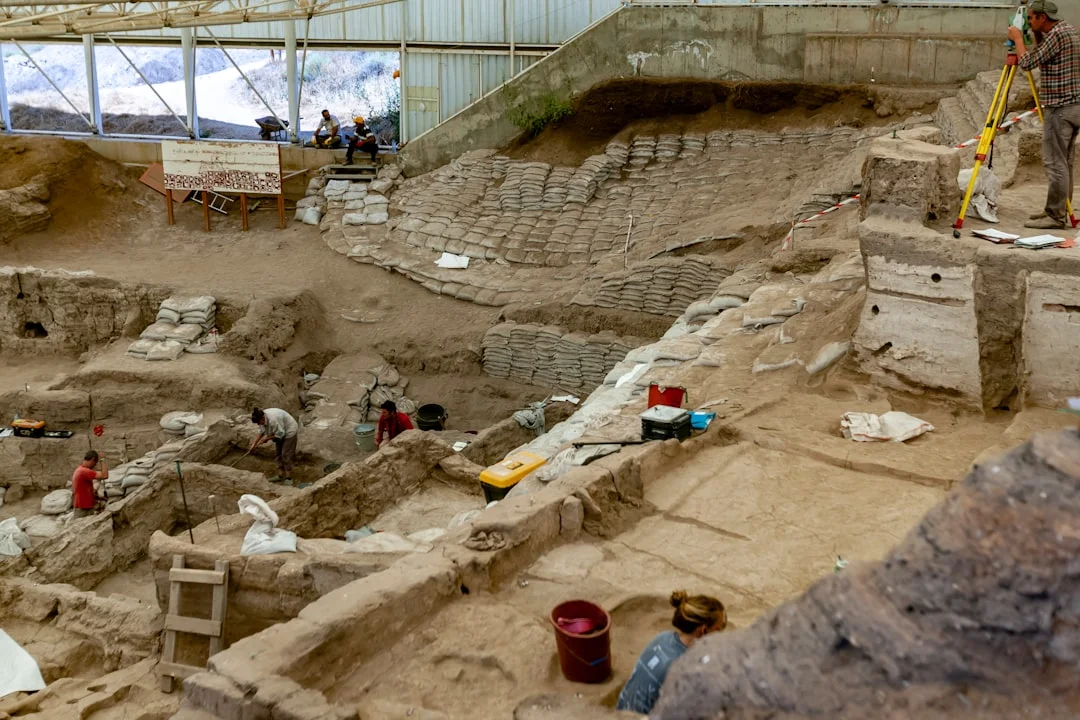
    Während der Ausgrabungen für die Erweiterung des U-Bahn-Netzes legten Arbeiter eine riesige römische Nekropole direkt unter der Calle Hilera frei. Mit bisher über 600 entdeckten Gräbern bietet dieser archäologische Fund einen faszinierenden Einblick in das Leben derer, die vor zwei Jahrtausenden durch diese Straßen gingen.

    Eine Stadt, die auf Jahrhunderten erbaut wurde

    Jeder, der schon eine Weile in Málaga lebt, kennt die ungeschriebene Regel des lokalen Bauwesens: Wenn man ein Loch gräbt, findet man wahrscheinlich ein Stück Vergangenheit. Das Stadtzentrum ruht auf Schichten phönizischer, römischer und maurischer Siedlungen.

    Die Entdeckung in der Calle Hilera ist einer der bedeutendsten städtischen archäologischen Funde der jüngeren Vergangenheit. Laut fortlaufenden Berichten von La Opinión de Málaga haben die Ausgrabungsteams Hunderte von antiken Gräbern akribisch dokumentiert und den modernen Fortschritt behutsam pausiert, um die antiken Bewohner zu respektieren.

    Was wir über den Fund wissen

    Das schiere Ausmaß der Nekropole ist überwältigend. Hier ist ein kurzer Überblick darüber, was die Archäologen unter dem Asphalt freigelegt haben:

    • Über 600 Gräber: Von einfachen Gruben bis hin zu komplexeren Ruhestätten.
    • Zentrale Lage: Die Stätte erstreckt sich unter der Calle Hilera, einer belebten Verkehrsader, die moderne Malagueños jeden Tag nutzen.
    • Artefakte und Erkenntnisse: Neben menschlichen Überresten finden die Ausgräber Keramik, Münzen und persönliche Gegenstände, die entscheidende Daten über Gesundheit, Ernährung und sozialen Status des römischen Malaca liefern.

    „Es ist eine eindrucksvolle Erinnerung daran, dass unsere moderne Infrastruktur lediglich die neueste Schicht in einer Stadt ist, die seit Jahrtausenden floriert.“

    Fortschritt und Erhalt im Gleichgewicht

    Für Pendler und lokale Unternehmen können Bauverzögerungen Kopfschmerzen bereiten. Der U-Bahn-Ausbau ist ein massives, mit Spannung erwartetes Projekt, das das Stadtzentrum mit dem Hospital Civil und darüber hinaus verbinden soll. Wenn schweres Gerät plötzlich Archäologen mit Kellen und Pinseln weichen muss, verlängern sich die Zeitpläne unweigerlich.

    Dies ist jedoch der Preis dafür, in einer der ältesten durchgehend bewohnten Städte Europas zu leben. Das Gesetz schreibt vor, dass alle historischen Überreste, die bei öffentlichen Bauarbeiten gefunden werden, ordnungsgemäß ausgegraben, katalogisiert und, falls sie bedeutend genug sind, erhalten werden müssen. Wie in weiteren lokalen Berichten von La Opinión de Málaga angemerkt, arbeiten Stadtplaner und Denkmalschutzexperten eng zusammen, um sicherzustellen, dass der moderne Fortschritt unsere gemeinsame Geschichte nicht auslöscht.

    Wie geht es weiter?

    Sobald die archäologischen Teams ihre Dokumentation abgeschlossen haben und die Artefakte sicher in lokale Museen oder Lagereinrichtungen überführt wurden, werden die U-Bahn-Arbeiten fortgesetzt. In einigen Fällen in ganz Spanien werden bedeutende Ruinen in die moderne Infrastruktur integriert – stellen Sie sich vor, Sie warten neben einer verglasten römischen Mauer auf Ihren Zug –, obwohl noch abzuwarten bleibt, wie die Funde in der Calle Hilera dauerhaft gewürdigt werden.

    Für Geschichtsinteressierte ist es eine aufregende Zeit. Es schließt die Lücke zwischen dem Römischen Theater am Fuße der Alcazaba und der größeren, geschäftigen römischen Hafenstadt, die einst diese Küste dominierte.

    Es erfüllt einen immer wieder mit einer gewissen Demut zu erkennen, dass der Boden, auf dem wir gehen, über den wir fahren und unter dem wir bald mit Zügen reisen werden, seit Jahrtausenden die Heimat von Menschen ist, die ihrem Alltag nachgingen. Während die Verkehrsumleitungen und der Baulärm unsere Geduld auf die Probe stellen können, erinnern uns Entdeckungen wie die Nekropole in der Calle Hilera daran, warum Málaga so zutiefst besonders ist. Wir bauen hier nicht nur eine Zukunft auf; wir legen auch kontinuierlich die Fundamente unserer Vergangenheit frei.

  • Roman Necropolis Discovered Under Calle Hilera Metro Works

    Roman Necropolis Discovered Under Calle Hilera Metro Works

    Málaga is a city that wears its history on its sleeve—and, as it turns out, buries it right under our daily commute. If you’ve been wondering why the ongoing Málaga Metro expansion seems to take a little longer than expected, perhaps delaying a quick ride to check out the latest street food burger expansions in Teatinos, the answer isn’t just standard bureaucratic tape. It is, quite literally, ancient history.

    During the excavations for the metro network extension, workers unearthed a massive Roman necropolis right beneath Calle Hilera. With over 600 burials discovered so far, this archaeological find offers a fascinating glimpse into the lives of those who walked these streets two millennia ago.

    A City Built on Centuries

    Anyone who has lived in Málaga for a while knows the unwritten rule of local construction: if you dig a hole, you will probably find a piece of the past. The city center sits atop layers of Phoenician, Roman, and Moorish settlements.

    The Calle Hilera discovery is one of the most significant urban archaeological finds in recent memory. According to ongoing updates from La Opinión de Málaga, the excavation teams have meticulously documented hundreds of ancient graves, carefully pausing modern progress to respect ancient residents.

    What We Know About the Find

    The sheer scale of the necropolis is staggering. Here is a quick look at what the archaeologists have uncovered beneath the asphalt:

    • Over 600 burials: Ranging from simple graves to more complex resting places.
    • Prime location: The site stretches beneath Calle Hilera, a busy artery that modern Malagueños use every day.
    • Artifacts and insights: Alongside human remains, excavators find pottery, coins, and personal items that provide crucial data about the health, diet, and social status of Roman Malaca.

    “It’s a stark reminder that our modern infrastructure is simply the latest layer in a city that has been thriving for thousands of years.”

    Balancing Progress and Preservation

    For daily commuters and local businesses, infrastructure delays can be a headache. The metro expansion is a massive, highly anticipated project meant to connect the city center with the Civil Hospital and beyond. When heavy machinery suddenly has to make way for archaeologists with trowels and brushes, timelines inevitably stretch.

    However, this is the price of living in one of Europe’s oldest continuously inhabited cities. The law requires that any historical remains found during public works be properly excavated, cataloged, and, if significant enough, preserved. As noted in further local coverage by La Opinión de Málaga, city planners and heritage experts work closely to ensure that modern progress doesn’t erase our shared history.

    What Happens Next?

    Once the archaeological teams complete their documentation and safely relocate the artifacts to local museums or storage facilities, the metro works will resume. In some cases across Spain, significant ruins are integrated into modern infrastructure—imagine waiting for your train next to a glass-encased Roman wall—though it remains to be seen how the Calle Hilera findings will be permanently memorialized.

    For history buffs, it’s an exciting time. It connects the dots between the Roman Theatre at the foot of the Alcazaba and the broader, bustling Roman port city that once dominated this coastline.

    It is always a bit humbling to realize that the ground we walk on, drive over, and soon ride trains under, has been home to people going about their daily lives for thousands of years. While the traffic diversions and construction noise can test our patience, discoveries like the Calle Hilera necropolis remind us why Málaga is so deeply special. We aren’t just building a future here; we are continually uncovering the foundations of our past.

  • Vitur Summit 2026: Future of Malaga Tourist Apartments

    Vitur Summit 2026: Future of Malaga Tourist Apartments

    A Crucial Moment for Malaga’s Housing and Tourism

    Malaga has firmly established itself as a European hotspot, not just for digital nomads and expats, but for major real estate investors. With the ongoing local debate surrounding short-term rentals, housing availability, and sustainable tourism, the recent Vitur Summit 2026 arrived at a pivotal time. Held on May 13th and 14th, the event brought together key European investors, hotel chains, and tech companies to discuss the evolving landscape of tourist accommodations.

    According to coverage by Diario Sur, the summit gathered leading operators and hospitality tech firms right here in Malaga, underscoring the city’s strategic importance in the broader European tourism sector.

    Key Takeaways from Vitur Summit 2026

    The discussions over the two-day event centered on several core pillars that directly impact property owners and investors on the Costa del Sol:

    1. The Shift Toward Sustainable Tourism Planning

    One of the loudest conversations in Malaga right now is how to balance a booming tourism industry with the needs of local residents. The summit highlighted new frameworks for sustainable tourism planning. This means moving away from unchecked expansion and towards models that integrate better with neighborhood ecosystems.

    2. Evolving Real Estate Investment Models

    For expats who own property or invest in real estate locally, the landscape is shifting. The summit showcased how institutional investors are looking beyond traditional short-term rentals (viviendas con fines turísticos) and exploring flexible living, co-living spaces, and serviced apartments. These hybrid models often align better with emerging regulatory frameworks.

    3. Tech-Driven Hospitality

    Technology continues to reshape how properties are managed. From AI-driven dynamic pricing to smart home integrations that monitor noise and energy consumption, tech companies at the summit demonstrated how operators can remain profitable while minimizing friction with local communities.

    What This Means for Property Owners and Expats

    If you are involved in the tourist accommodation sector in Malaga, the takeaways from Vitur Summit 2026 are clear: professionalization and compliance are no longer optional.

    • Regulatory Awareness: With short-term rental laws in Spain undergoing constant scrutiny and localized adjustments, staying ahead of municipal regulations is vital.
    • Quality Over Quantity: There is a distinct shift towards offering premium, well-managed accommodations rather than maximizing turnover. Investors are prioritizing properties that can offer high-quality experiences and comply with stricter licensing requirements.
    • Community Integration: Successful operators are increasingly those who actively work to reduce the impact of their rentals on residential buildings, using technology and strict guest vetting processes.

    Looking Ahead

    The conversations sparked at the Vitur Summit 2026 will undoubtedly influence local policies and investment strategies in the coming months. For anyone with a stake in Malaga’s real estate market, staying informed on these industry shifts is the best way to navigate the changes ahead.

    Navigating the balance between a thriving international destination and a livable hometown is a complex journey for Malaga. As the city continues to grow and adapt, it is encouraging to see industry leaders actively engaging in conversations about sustainability and community impact. Hopefully, these collaborative efforts will help shape a future where both locals and visitors can continue to enjoy the vibrant spirit of this beautiful coastal city.

  • Vitur Summit 2026: Future of Tourist Apartments in Malaga

    Vitur Summit 2026: Future of Tourist Apartments in Malaga

    The Vitur Summit 2026 recently concluded its highly anticipated gathering in Malaga on May 13th and 14th, bringing the future of tourist accommodation into sharp focus. For expats, property owners, and real estate investors on the Costa del Sol, the discussions held over these two days are incredibly relevant, especially amidst the ongoing local debates regarding short-term rentals and housing availability.

    A Meeting of Industry Minds

    As the landscape of travel and remote work continues to evolve, Malaga has found itself at the epicenter of the European short-term rental market. The 2026 edition of the Vitur Summit served as a crucial meeting point for major operators, investors, hotel chains, and technology companies operating within the hospitality sector.

    According to a recent report from Diario Sur, the summit was designed to tackle the most pressing issues and opportunities in the industry. The presence of key European stakeholders highlights Malaga’s strategic importance not just as a tourist destination, but as a hub for hospitality innovation and real estate investment.

    Key Themes and Takeaways

    The conversations at this year’s summit went far beyond basic property management. Industry leaders tackled complex challenges that directly impact anyone involved in the local property market:

    • Navigating New Regulations: With Malaga and the wider Andalusia region tightening rules around tourist apartments, compliance and legal adaptation were major talking points. Understanding these shifts is vital for expats who rent out their properties.
    • Sustainable Tourism Planning: There is a growing consensus that the current growth model needs to be balanced. Discussions centered on how to implement sustainable practices that reduce the strain on local infrastructure and neighborhoods.
    • Alternative Accommodation Models: From coliving spaces designed for digital nomads to hybrid hotel-apartment models, the summit showcased how the definition of “tourist accommodation” is rapidly expanding.

    What This Means for Local Property Owners

    If you own property in Malaga or are considering an investment, the outcomes of the Vitur Summit 2026 signal a shift towards professionalization. The days of casually listing a spare room without regulatory oversight are largely behind us. The market is maturing, requiring property owners to be more mindful of local laws, community relations, and the quality of the services they provide.

    Investors are now looking at long-term sustainability rather than just quick yields. This means creating spaces that respect the fabric of Malaga’s traditional neighborhoods while still offering the high standards expected by international visitors.

    Finding the right balance between a booming tourism sector and the everyday needs of local residents is one of the greatest challenges Malaga faces today. While events like the Vitur Summit bring much-needed dialogue and professional standards to the table, the real test lies in how these ideas are applied in our streets and neighborhoods. It is my hope that as the industry evolves, it does so with a deep respect for the city’s soul, ensuring that Malaga remains a wonderful place to live, not just a beautiful place to visit.

  • Vitur Summit 2026: Future of Tourist Apartments in Malaga

    Vitur Summit 2026: Future of Tourist Apartments in Malaga

    Malaga continues to cement its position not just as a cultural and technological hub—boosted by initiatives like the recent €168 million public investment in a new microchip facility—but as a focal point for the European real estate and hospitality sectors. On May 13th and 14th, 2026, the city hosted the highly anticipated Vitur Summit, bringing together key European investors, major operators, hotel chains, and tech companies to discuss the evolving landscape of tourist accommodation.

    With the ongoing local and national debate surrounding short-term rentals and housing availability, the timing of this year’s summit could not have been more relevant. For expats who own property, invest in real estate, or work within the hospitality sector on the Costa del Sol, the discussions held over these two days provided crucial insights into where the market is heading.

    A Gathering of Industry Leaders

    The Vitur Summit has grown into a premier event for the European short-term rental industry. According to coverage by Diario Sur, the 2026 edition successfully gathered top-tier decision-makers to address the most pressing challenges and opportunities in the market.

    The focus wasn’t just on growth, but on how to grow responsibly. As Malaga navigates the delicate balance between welcoming millions of visitors and maintaining a livable environment for its residents, the summit’s agenda heavily featured sustainable tourism planning.

    Key Themes and Takeaways

    If you are involved in the local property market, several key themes emerged from the 2026 summit that are worth paying attention to:

    1. Professionalization of the Sector

    Gone are the days when managing a tourist apartment simply meant handing over the keys. The summit highlighted a significant shift towards professionalization. Property management companies are increasingly adopting hotel-standard protocols, utilizing advanced software for dynamic pricing, automated guest communication, and energy management.

    2. New Accommodation Models

    The lines between traditional hotels, tourist apartments, and co-living spaces are blurring. Investors are showing strong interest in flexible, hybrid models that cater to digital nomads and mid-term renters, rather than solely focusing on weekend holidaymakers. This shift is partly a response to changing travel habits and partly a strategic move to adapt to potential new local regulations.

    3. Sustainable Tourism Planning

    Sustainability was a cornerstone of the 2026 discussions. This goes beyond eco-friendly toiletries; it involves the social sustainability of neighborhoods. Industry leaders discussed ways to better integrate tourist accommodations into local communities without displacing long-term residents. Solutions proposed included better data sharing with local councils and investment in properties outside the heavily saturated historic center.

    What This Means for Expats and Investors

    If you own a short-term rental property in Malaga or are considering investing, the landscape is maturing. The local government has been actively exploring ways to regulate the concentration of tourist apartments. The insights from the Vitur Summit suggest that future success in this sector will rely on quality over quantity.

    Investors are advised to:
    * Stay Informed on Regulations: Keep a close eye on local municipal zoning laws and regional Andalusian decrees regarding short-term rentals.
    * Focus on Value-Add: Properties that offer high-quality amenities, clear sustainability practices, and seamless tech integration are commanding better occupancy rates.
    * Consider Mid-Term Rentals: Diversifying your rental strategy to include remote workers looking for 1-to-6-month stays can provide a stable income while easing the pressure on the highly seasonal short-term market.

    Looking Ahead

    The dialogue between the tourism industry and the local community is an ongoing journey. Events like the Vitur Summit are essential because they bring the decision-makers to the table to face these complex issues head-on.

    As Malaga continues to evolve, it is encouraging to see the industry actively looking for ways to balance economic growth with the well-being of the city. Finding that sweet spot where tourism thrives without compromising the soul of our neighborhoods is a challenge, but with open conversation and responsible planning, it is a goal we can hopefully achieve together.

  • Paula Varona’s Exhibition: Malaga Beyond the Postcards

    Paula Varona’s Exhibition: Malaga Beyond the Postcards

    Málaga’s cultural scene continues to thrive this May 2026 with a compelling new addition for art enthusiasts. Organized by Fundación Unicaja, the latest exhibition by acclaimed artist Paula Varona offers a refreshing visual narrative of the city. Moving away from standard tourist imagery—a fitting contrast to the city’s rapid urban transformation and recent 100-hotel milestone—the showcase invites visitors to experience the capital of the Costa del Sol through a deeply personal lens.

    Reimagining the Cityscape

    Paula Varona is known for her ability to capture the essence of urban environments, and her current focus on Málaga is no exception. The exhibition takes iconic local landmarks—such as the Alcazaba, the Cathedral (La Manquita), the bustling port, and the historic La Farola lighthouse—and strips away their conventional “postcard” perfection. Instead, she presents them as dynamic spaces shaped by atmosphere, reflecting a city that thrives on passion—a vibrant energy just as palpable in its historic streets as it is during major local events like the Unicaja vs Baskonia basketball battle at the Carpena.

    As noted by Diario Sur, Varona transforms the city into a landscape defined by light and memory. Her brushstrokes capture the distinct Mediterranean luminosity that reflects off Málaga’s rooftops and harbor waters, translating fleeting moments into lasting artistic interpretations.

    A Cultural Outing in the City Center

    For locals and visitors exploring museums and galleries in Málaga this season, this exhibition provides a high-quality cultural outing right in the heart of the city. The collection encourages viewers to look up and around, noticing the architectural dialogue between the historic and the modern.

    Highlights of the exhibition include:
    * The Cathedral Perspectives: Unique angles of La Manquita that emphasize its monumental scale against the Andalusian sky.
    * Rooftop Panoramas: Intimate views over the city’s terraced landscape, capturing the quiet moments above the bustling streets.
    * Maritime Reflections: Studies of the port and La Farola that play with the intersection of urban infrastructure and the Mediterranean Sea.

    Practical Information

    Hosted by Fundación Unicaja, the exhibition is centrally located, making it an easy addition to a day spent wandering the historic center. Whether you are an avid art collector or simply looking for enriching art exhibitions nearby, Varona’s work offers a tranquil space for reflection.

    Art has a remarkable way of making us pause and appreciate the everyday beauty we often walk right past. Seeing Málaga through Paula Varona’s eyes reminds us that beneath the familiar tourist sights lies a living, breathing city bathed in extraordinary light, waiting to be rediscovered by anyone willing to look a little closer.