Category: Events

  • Museumsführer für Málaga: Die beste Kunst und Kultur der Stadt

    Museumsführer für Málaga: Die beste Kunst und Kultur der Stadt

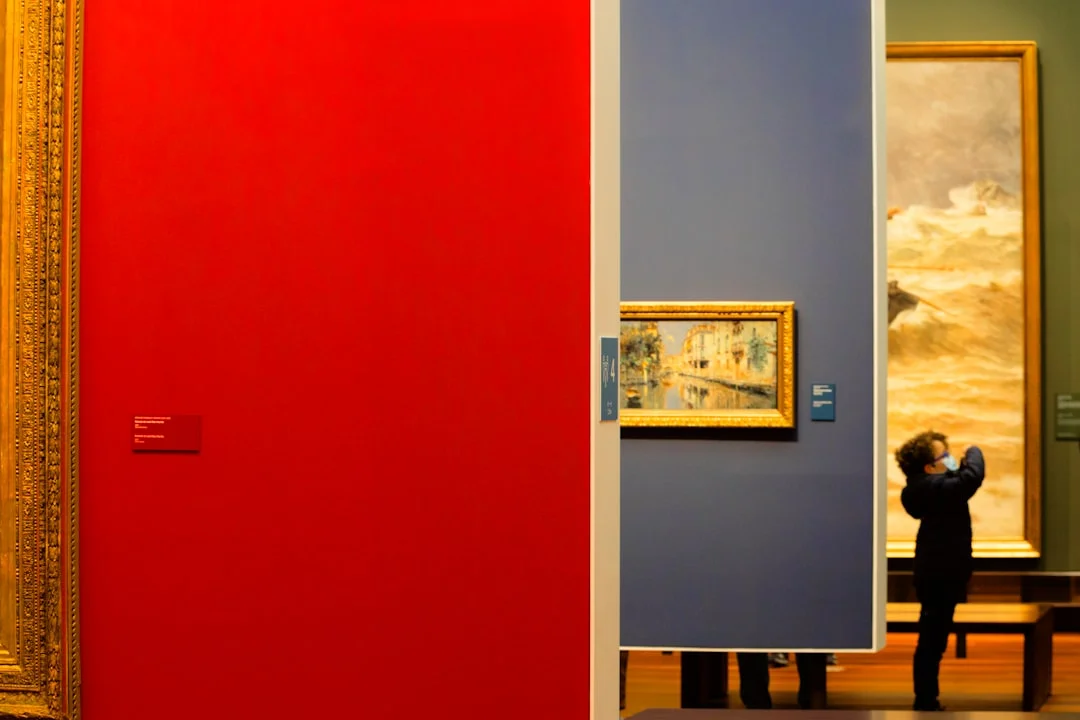
    Jahrzehntelang war Málaga vor allem als das Tor zu den sonnigen Stränden der Costa del Sol bekannt, für die bereits spektakuläre neue Luxushotel-Eröffnungen für 2027 angekündigt sind. Heute hat sich die Stadt erfolgreich als eines der führenden Kulturreiseziele Europas neu positioniert. Dieser Wandel ist das Ergebnis einer bewussten, jahrzehntelangen Strategie, in erstklassige Museen zu investieren, historische Viertel zu restaurieren und eine florierende zeitgenössische Kunstszene zu fördern.

    Nationale Medien wie El País Cultura heben regelmäßig den wachsenden Einfluss Málagas in den Bereichen Theater, Tanz, Literatur und bildende Kunst hervor und stellen die Stadt auf eine Stufe mit großen europäischen Hauptstädten.

    Die Säulen der Museumslandschaft von Málaga

    Wenn Sie für 2026 eine Kulturreise planen, sind dies die wichtigsten Museen, die die künstlerische Identität der Stadt prägen:

    1. Museo Picasso Málaga

    Als Geburtsort von Pablo Picasso ehrt Málaga seinen berühmtesten Sohn mit einer spektakulären Sammlung, die im Palacio de Buenavista untergebracht ist. Das Museum bietet einen intimen Einblick in das Leben und die Entwicklung des Künstlers und zeigt über 200 Werke aus seiner gesamten Karriere, während es gleichzeitig regelmäßig gefeierte Sonderausstellungen wie die lebendige Joana-Vasconcelos-Ausstellung beherbergt.

    2. Centre Pompidou Málaga

    Diese Zweigstelle des Pariser Wahrzeichens ist an ihrem ikonischen, mehrfarbigen Glaskubus von Daniel Buren zu erkennen und befindet sich im Herzen von Muelle Uno. Sie zeigt eine beeindruckende ständige Sammlung von Kunst des 20. und 21. Jahrhunderts sowie wechselnde Sonderausstellungen, die herausfordern und inspirieren.

    3. Museo Carmen Thyssen Málaga

    Dieses Museum befindet sich im Palacio de Villalón aus dem 16. Jahrhundert und beherbergt eine außergewöhnliche Sammlung spanischer Malerei des 19. Jahrhunderts, mit besonderem Schwerpunkt auf andalusischen Landschaften und dem Costumbrismo. Es bietet eine wunderbare visuelle Reise durch die romantischen und realistischen Kunsttraditionen Spaniens.

    4. Colección del Museo Ruso

    Untergebracht im markanten Tabacalera-Gebäude (einer ehemaligen Tabakfabrik), zeigt dieser Raum tiefgründige, thematische Ausstellungen russischer Kunst, von historischen Ikonen über den sowjetischen Realismus bis hin zu Meisterwerken der Avantgarde. Es ist zudem ein äußerst aktiver Treffpunkt für die Gemeinschaft, an dem regelmäßig Aktivitäten wie die beliebten kostenlosen Familien-Workshops am Samstag organisiert werden.

    Luxus und Kunst: Eine wachsende Synergie

    Der Aufstieg Málagas zur Kunsthauptstadt hat hochkarätige Investitionen angezogen, die sich an kulturinteressierte Reisende richten. Ein hervorragendes Beispiel ist die kürzliche Eröffnung des Luxushotels ME Málaga, das sich schnell als neue Ikone des urbanen Luxus an der Costa del Sol etabliert hat.

    Diese High-End-Etablissements bieten nicht nur Unterkünfte, sondern integrieren sich auch aktiv in die lokale Kunstszene. Durch die Ausrichtung privater Galeriebesichtigungen, die Präsentation lokaler Künstler in ihren Lobbys und die Zusammenarbeit mit nahe gelegenen Kultureinrichtungen tragen sie dazu bei, einen exklusiven Kreislauf des Kulturtourismus zu schaffen, der internationale Sammler und Kunstliebhaber gleichermaßen anspricht.

    Unterwegs in der lokalen Galerieszene

    Abseits der großen Institutionen schlägt der kreative Puls Málagas in seinen unabhängigen Galerien und alternativen Kunsträumen.

    • Soho Art District: Bekannt als das „Viertel der Künste“, ist Soho ein lebendiges Kreativzentrum. Hier finden Sie beeindruckende Street-Art von internationalen Größen wie Obey und D*Face, neben kleinen Galerien, unabhängigen Theatern und Kunsthandwerkstätten.
    • CAC Málaga (Centro de Arte Contemporáneo): Am Rande von Soho gelegen, ist das CAC nach wie vor ein Vorreiter bei der Präsentation wegweisender zeitgenössischer Kunst und bietet freien Eintritt zu seinen Dauer- und Sonderausstellungen.

    Praktische Tipps für Ihren Kulturbesuch

    • Kombitickets: Viele Museen bieten zu bestimmten Zeiten (meist am späten Sonntagnachmittag) ermäßigte Tarife oder freien Eintritt an. Informieren Sie sich vor Ihrem Besuch auf den jeweiligen Websites.
    • Rundgänge zu Fuß: Málagas historisches Zentrum ist weitgehend Fußgängerzone, sodass Sie an einem einzigen Nachmittag ganz bequem vom Picasso-Museum zum Römischen Theater und hinauf zur Alcazaba spazieren können.
    • Vorausplanen: Für große Ausstellungen in den geschäftigen Sommermonaten des Jahres 2026 wird dringend empfohlen, Tickets vorab online zu buchen, um lange Warteschlangen zu vermeiden.

    Wir hoffen, dass dieser Reiseführer Sie dazu inspiriert, über die Strände hinauszublicken und tief in das reiche künstlerische Gewebe einzutauchen, das Málaga gewebt hat. Die Verwandlung der Stadt ist eine wunderschöne Erinnerung daran, wie Kultur eine Gemeinschaft beleben und Menschen aus allen Ecken der Welt zusammenbringen kann, um die universelle Sprache der Kunst zu teilen.

  • Málaga Museum Guide: The City’s Best Art and Culture

    Málaga Museum Guide: The City’s Best Art and Culture

    For decades, Málaga was primarily known as the gateway to the sunny beaches of the Costa del Sol, a region set to elevate its upscale hospitality appeal with several luxury hotel openings slated for 2027. Today, the city has successfully repositioned itself as one of Europe’s premier cultural destinations. This shift is the result of a deliberate, decades-long strategy to invest in world-class museums, restore historic neighborhoods, and foster a thriving contemporary art scene.

    National media outlets like El País Cultura frequently highlight Málaga’s growing influence in theater, dance, literature, and visual arts, placing it on par with major European capitals.

    The Pillars of Málaga’s Museum Scene

    If you are planning a cultural itinerary in 2026, these are the essential museums that define the city’s artistic identity:

    1. Museo Picasso Málaga

    As the birthplace of Pablo Picasso, Málaga honors its most famous son with a spectacular collection housed in the Palacio de Buenavista. The museum offers an intimate look at the artist’s life and evolution, showcasing over 200 works that span his entire career, while regularly hosting acclaimed temporary showcases such as the vibrant Joana Vasconcelos exhibition.

    2. Centre Pompidou Málaga

    Recognizable by its iconic, multi-colored glass cube designed by Daniel Buren, this branch of the Parisian landmark sits at the heart of Muelle Uno. It features an impressive permanent collection of 20th and 21st-century art, along with rotating temporary exhibitions that challenge and inspire.

    3. Museo Carmen Thyssen Málaga

    Located in the 16th-century Palacio de Villalón, this museum houses an extraordinary collection of 19th-century Spanish painting, with a particular emphasis on Andalusian landscapes and costumbrismo. It provides a beautiful visual journey through Spain’s romantic and realist artistic traditions.

    4. Colección del Museo Ruso

    Housed in the striking Tabacalera building (a former tobacco factory), this space hosts deep, thematic exhibitions showcasing Russian art, from historical icons to Soviet realism and avant-garde masterpieces. It is also an incredibly active community hub, frequently organizing activities like their popular free Saturday family workshops.

    Luxury and Art: A Growing Synergy

    The rise of Málaga as an art capital has attracted high-profile investments that cater to culturally-minded travelers. A prime example is the recent opening of the luxury hotel ME Málaga, which has quickly established itself as a new icon of urban luxury on the Costa del Sol.

    These high-end establishments do not just offer accommodation; they actively integrate themselves into the local art scene. By hosting private gallery viewings, showcasing local artists in their lobbies, and collaborating with nearby cultural institutions, they are helping to create an exclusive circuit of cultural tourism that appeals to international collectors and art enthusiasts alike.

    Navigating the Local Gallery Circuit

    Beyond the major institutions, Málaga’s creative heartbeat is found in its independent galleries and alternative art spaces.

    • Soho Art District: Known as the “Neighborhood of the Arts,” Soho is a vibrant creative hub. Here, you will find striking street art by international figures like Obey and D*Face, alongside small galleries, independent theaters, and artisan workshops.
    • CAC Málaga (Centro de Arte Contemporáneo): Located on the edge of Soho, the CAC remains a pioneer in showcasing cutting-edge contemporary art, offering free entry to its permanent and temporary exhibitions.

    Practical Tips for Your Cultural Visit

    • Combined Tickets: Many museums offer discounted rates or free entry during specific hours (typically late Sunday afternoon). Check individual websites before visiting.
    • Walking Tours: Málaga’s historic center is highly pedestrianized, making it incredibly easy to walk from the Picasso Museum to the Roman Theatre and up to the Alcazaba within a single afternoon.
    • Plan Ahead: For major exhibitions during the busy summer months of 2026, booking tickets online in advance is highly recommended to avoid long queues.

    We hope this guide inspires you to look beyond the beaches and dive deep into the rich artistic tapestry that Málaga has woven. The city’s transformation is a beautiful reminder of how culture can revitalize a community, bringing people together from all corners of the world to share in the universal language of art.

  • Málaga Russian Museum Hosts Free Saturday Family Workshops

    Málaga Russian Museum Hosts Free Saturday Family Workshops

    A Creative Saturday Plan for Families in Málaga

    Finding engaging, educational, and budget-friendly activities for children can sometimes be a challenge, especially for international families settling into life on the Costa del Sol. As highlighted in our Málaga weekend guide to family plans, this June 2026, the Colección del Museo Ruso (Russian Museum) in Málaga is offering an ideal solution with the return of its popular “Sábados en Familia” (Saturdays for Families) program.

    Throughout the entire month of June 2026, the museum invites families to dive into the world of art through a series of completely free, hands-on cultural workshops. For those planning a trip to the region, this cultural event coincides with key local developments in sustainable mobility, such as how BYD is establishing its presence in Málaga as EV charger demand surges.

    What is “Sábados en Familia”?

    The “Sábados en Familia” initiative is designed to bridge the gap between young minds and contemporary art. Rather than a traditional, quiet museum visit, these sessions are highly interactive.

    • Target Age: Children aged 5 to 12 years old.
    • Accompaniment: Children must be accompanied by at least one adult.
    • Format: Each session is divided into two parts: a dynamic, guided exploration of the museum’s current exhibitions, followed by a practical, hands-on artistic workshop where kids can create their own masterpieces.

    According to the event details published by La Diversiva, these workshops aim to make art accessible, fun, and thought-provoking for the little ones, allowing them to experiment with different materials, colors, and concepts.

    Why This is Great for Expat Families

    Málaga has grown into a vibrant hub for international families. While the beaches and playgrounds are fantastic, finding indoor cultural activities that stimulate creativity is a great way to balance weekend leisure. For those looking to combine culture with nature, you can also check out the summer kids’ theater tours at Málaga’s botanical garden this season.

    Because art is a universal language, these workshops offer a wonderful space for children of all backgrounds to interact. It is an excellent opportunity for expat kids to practice their Spanish in a relaxed, creative environment, make new local friends, and develop an early appreciation for museum spaces.

    Practical Information for June 2026

    If you are planning to join, here are the key details you need to know:

    • Where: Colección del Museo Ruso, located in the historic Tabacalera building (Avenida de Sor Teresa Prat, 15, Málaga).
    • When: Every Saturday morning in June 2026.
    • Price: Completely free of charge (both the museum entry for the activity and the materials are included).
    • Language: The activities are conducted in Spanish, but the visual and practical nature of the workshops makes them highly inclusive for children who are still learning the language.

    How to Participate

    While the workshops are free, capacity is limited to ensure a high-quality experience for every child. It is highly recommended to check the museum’s official booking guidelines or arrive early to secure your family’s spot.

    Exploring the Tabacalera District

    Choosing to spend your Saturday morning at the Russian Museum also opens up other great options for the day. The museum is located in the Tabacalera building, which also houses the Museo del Automóvil y la Moda (Automobile and Fashion Museum). This historic venue is highly popular, recently hosting the Masterchef Celebrity Legends production in the Tabacalera gardens.

    After the workshop, you can enjoy a family walk in the nearby Parque del Oeste, known for its beautiful lake, playgrounds, and resident ducks and emus—a perfect way to round off a memorable Saturday in Málaga.

    We hope these creative Saturdays bring plenty of laughter, color, and shared moments to your family’s weekend routine. Watching children discover the joy of self-expression through art is one of the simplest pleasures, and we are lucky to live in a city that opens its cultural doors so warmly to the next generation.

  • Málaga Weekend Guide: Family Plans and Local Markets

    Málaga Weekend Guide: Family Plans and Local Markets

    Enjoying Málaga’s Vibrant Weekend Scene

    As the warm June weather settles over the Costa del Sol, Málaga province comes alive with outdoor activities, cultural gatherings, and community events. Whether you are an international resident settling into local life or a family visiting for the holidays, this weekend offers a wonderful mix of leisure, shopping, and meaningful local initiatives. If you are looking to escape the usual crowds, you can also explore alternative weekend plans featuring local rock and free concerts across the province.

    From interactive family entertainment to bustling local markets, critical charity fundraisers, and discovering the best cheap eats along the A-7 highway, here is your practical guide to making the most of Málaga this weekend.

    Family-Friendly Plans: Music, Games, and Pets

    Finding activities that keep both children and adults engaged can be a challenge, but Málaga’s local agenda has plenty of options. For instance, families can enjoy the newly launched summer kids’ theater tours at Málaga’s botanical garden, which offer a wonderful blend of history, nature, and interactive fun. According to the latest event highlights from Diario Sur, this weekend focuses heavily on interactive family entertainment.

    • Video Game Zones: Several local cultural centers and youth spaces are hosting open-play gaming zones. These areas allow younger family members to experience retro arcade setups alongside modern cooperative console games.
    • Pet-Friendly Gatherings: Málaga continues to grow as a pet-friendly destination. This weekend, several outdoor parks are hosting informal meetups featuring basic agility courses and educational workshops on responsible pet ownership.
    • Live Music in the Open Air: Keep an eye out for neighborhood plazas hosting early-evening acoustic performances, or check out trendy indoor spots like the new Bon Bon Jazz Bar in La Malagueta for a sophisticated evening of live tunes as the daytime heat begins to fade.

    Shop Local: Street Markets and Seasonal Launches

    This weekend is also a fantastic opportunity to explore the local shopping scene. Street markets across the Málaga province are currently transitioning, offering a mix of outlet clearance sales and the very first launches of the summer fashion season.

    What to look out for:

    • Artisanal Crafts: Support local artists by browsing handmade jewelry, ceramics, and custom leather goods.
    • Fresh Provincial Produce: Don’t miss the chance to stock up on seasonal fruits, local honey, organic olive oils, and goat cheeses directly from regional farmers.
    • Summer Fashion: Many coastal towns are hosting pop-up markets featuring lightweight linens, beachwear, and locally designed accessories at excellent outlet prices.

    Exploring these markets is not just about shopping; it is one of the best ways to experience the slow, community-focused pace of Mediterranean life.

    Community Spotlight: ‘La Noche de Noa’ in Cancelada

    For those looking to combine their weekend leisure with a deeply meaningful cause, the community of Cancelada (Estepona) is hosting a special solidarity event called ‘La Noche de Noa’.

    This charity event is dedicated to raising vital funds and awareness for Noa, a local young girl bravely battling Spinal Muscular Atrophy (SMA). The evening brings together neighbors, local businesses, and visitors for a night of community spirit, featuring:

    • Live local entertainment and music.
    • Food and drink stalls run by volunteers, with all proceeds going directly to Noa’s medical care and specialized therapy.
    • Family-friendly activities and raffles supported by local Costa del Sol businesses.

    Attending solidarity events like ‘La Noche de Noa’ offers a unique window into the true heart of the Costa del Sol—a place where international expats and Andalusian locals unite to support their own in times of need.

    As we head into another beautiful weekend under the Andalusian sun, we are reminded of how fortunate we are to share in this region’s vibrant community spirit. Whether you find yourself browsing a bustling market stall, sharing a laugh with your children at a gaming zone, or standing in solidarity with a local family in Cancelada, we hope these days bring you closer to the people and places that make Málaga so incredibly special.

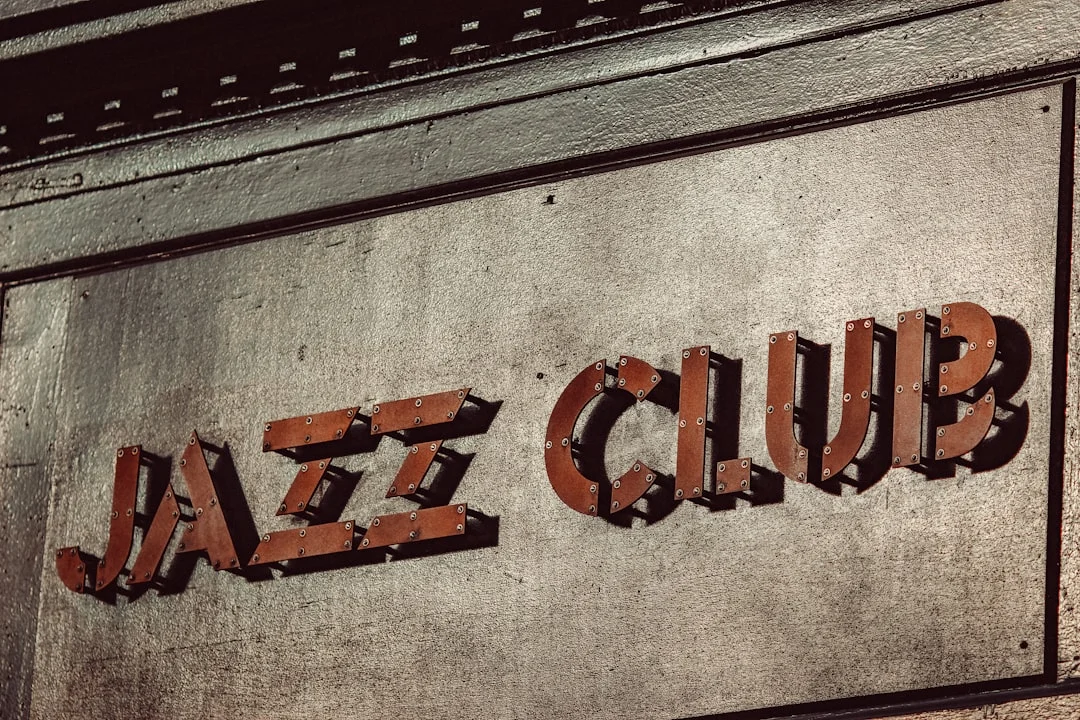
  • Bon Bon Jazz Bar: Malaga’s New Live Music Hotspot

    Bon Bon Jazz Bar: Malaga’s New Live Music Hotspot

    Málaga’s cultural and nightlife scene has taken a sophisticated step forward with the opening of Bon Bon Jazz Bar in June 2026. Located in the upscale beachside neighborhood of La Malagueta, this newly inaugurated venue is designed to be a premier meeting point for both local residents and the city’s growing international community.

    As reported by Diario Sur, Bon Bon Jazz Bar aims to revitalize the neighborhood’s evening cultural offerings by bridging the gap between world-class live music and high-end mixology.

    A New Stage for Live Jazz in La Malagueta

    Finding a dedicated jazz club Malaga Malagueta can be a challenge, but Bon Bon Jazz Bar is setting out to fill that gap. The venue has committed to a regular schedule of live performances, serving as a direct platform where local Andalusian talent can share the stage with the international jazz scene.

    The acoustics and intimate layout of the bar have been carefully designed to ensure that every performance feels personal. From classic bebop and smooth jazz to fusion and contemporary sounds, the musical curation promises to keep the lineup diverse, fresh, and engaging for seasoned jazz aficionados and casual listeners alike.

    Signature Cocktails and Gourmet Pairings

    Beyond the stage, Bon Bon Jazz Bar establishes itself among the most exciting cocktail bars Malaga city has to offer. The drink menu features a curated selection of artisanal cocktails, premium spirits, and local wines, reflecting the same high standards seen in other new foodie hotspots in Málaga.

    Rather than offering standard bar snacks, the venue elevates the experience with a dedicated pairing menu. Guests can enjoy signature cocktails designed to complement specific flavor profiles, alongside gourmet bites that mirror the sophistication of the music.

    Why La Malagueta is the Perfect Fit

    La Malagueta has long been known for its premium residential feel, beachfront chiringuitos, and proximity to the Pompidou Centre and Muelle Uno. However, the neighborhood has historically lacked dedicated spaces for late-night cultural activities.

    Bon Bon Jazz Bar brings a welcome touch of bohemian elegance to the area. It provides a relaxed, stylish environment where visitors can transition from a sunset walk along the beach straight into an evening of live music, making it a strong contender among the best live music bars Malaga has to offer and a perfect addition to your weekend plans in Malaga.

    As Málaga continues to evolve into a global cultural hub, spaces like Bon Bon Jazz Bar show that the city’s night scene is growing up, offering deeper, more artistic experiences. We hope to see this beautiful venue thrive as a warm, welcoming home for musicians and music lovers for many years to come.

  • U-Bahn-Bau in Málaga bringt antike Ruinen ans Tageslicht

    U-Bahn-Bau in Málaga bringt antike Ruinen ans Tageslicht

    Das ständige Aufeinandertreffen von Vergangenheit und Gegenwart

    Málaga ist eine Stadt, die auf ihrer eigenen Geschichte lebt. Seit über 3.000 Jahren haben Phönizier, Römer, Mauren und Christen auf diesem schmalen Landstrich zwischen den Bergen und dem Mittelmeer gebaut, umgebaut und ihre Spuren hinterlassen. Heute, da die Stadt ihre ehrgeizige moderne Infrastruktur vorantreibt, kommen diese antiken Schichten wieder ans Licht.

    Der laufende Ausbau der Metro in Málaga – insbesondere die Linie in Richtung des Civil Hospital – hat kürzlich bedeutende archäologische Überreste freigelegt. Wie El Mundo im Juni 2026 berichtete, sind diese Ausgrabungen eine lebendige Erinnerung daran, dass der Fortschritt in Málaga immer einen vorsichtigen Tanz mit der Vergangenheit erfordert.

    Was verbirgt sich unter den Straßen von Málaga?

    Wann immer Bagger im Zentrum von Málaga mehr als ein paar Meter in die Tiefe graben, stoßen sie fast unweigerlich auf Geschichte. Der Bau der Metro ist die größte archäologische Ausgrabung der Stadt seit Jahrzehnten und fungiert als vertikale Zeitleiste der Stadtentwicklung.

    1. Römische Industriestätten und Grabstätten

    Lange bevor Málaga ein modernes Tourismuszentrum war, war es Malaca, ein geschäftiger römischer Hafen, der für die Herstellung von garum (einer hochgeschätzten fermentierten Fischsauce) berühmt war. Frühere Metro-Arbeiten in der Nähe der Alameda Principal und des Flussbetts des Guadalmedina brachten römische Salzbecken, Wohnstrukturen und sogar ausgedehnte Grabstätten ans Licht, wie etwa die bedeutende römische Nekropole, die unter den Metro-Arbeiten in der Calle Hilera entdeckt wurde.

    2. Die islamischen Vororte (Arrabales)

    Während der andalusischen Epoche dehnte sich Málaga weit über seine Verteidigungsmauern aus. Die Metrolinie, die durch die Calle Hilera und nach Norden führt, hat systematisch Überreste dieser mittelalterlichen Vororte (arrabales) freigelegt. Die Ausgrabungen haben Folgendes enthüllt:
    * Komplexe Straßenführungen und Wohnhäuser.
    * Fortschrittliche Wassermanagementsysteme, einschließlich Brunnen und Keramikrohren.
    * Gerbereien und Töpferwerkstätten, die die mittelalterliche Wirtschaftskraft der Stadt unterstreichen.

    3. Die moderne Herausforderung der Linie zum Civil Hospital

    Die jüngste Phase des Metro-Ausbaus in Richtung der nördlichen Stadtteile hat die Archäologen erneut an die vorderste Front gebracht. Die Herausforderung besteht darin, den dringenden Bedarf an nachhaltigen öffentlichen Verkehrsmitteln für Málagas wachsende Bevölkerung mit der Pflicht zur Dokumentation, Erhaltung und Achtung des kulturellen Erbes der Stadt in Einklang zu bringen.

    Wie Málaga Fortschritt und Erhaltung in Einklang bringt

    Für Einheimische und Expats, die im Zentrum leben, ist der Anblick von archäologischen Zelten und langsam arbeitenden Pinseln ein vertrautes Bild. Obwohl diese Entdeckungen manchmal zu Verzögerungen im Bauzeitplan führen können, bieten sie auch eine einzigartige Gelegenheit, die städtische Entwicklung der Stadt zu kartieren.

    Das Protokoll für diese Funde ist streng geregelt:
    1. Systematische Ausgrabung: Jeder Zentimeter Boden in sensiblen Zonen wird von professionellen Archäologen sorgfältig gesiebt und dokumentiert.
    2. Katalogisierung und Analyse: Artefakte wie Tonscherben, Münzen und Werkzeuge werden zur Konservierung und Untersuchung an das Museum of Málaga geschickt.
    3. In-situ-Integration vs. Verlagerung: Während einige kleinere Strukturen dokumentiert und abgedeckt oder entfernt werden, werden bedeutende architektonische Funde manchmal direkt in die moderne Infrastruktur integriert. Ein hervorragendes Beispiel hierfür ist die Ausstellung antiker Mauern und Strukturen in den Metrostationen Guadalmedina und El Perchel, die den täglichen Arbeitsweg in einen Museumsbesuch verwandelt.

    Wo Sie Málagas unterirdische Geschichte erleben können

    Wenn Sie ein Geschichtsliebhaber sind, der in Málaga lebt oder die Stadt besucht, müssen Sie nicht auf die Fertigstellung der Metro warten, um die antiken Wurzeln der Stadt zu erkunden:

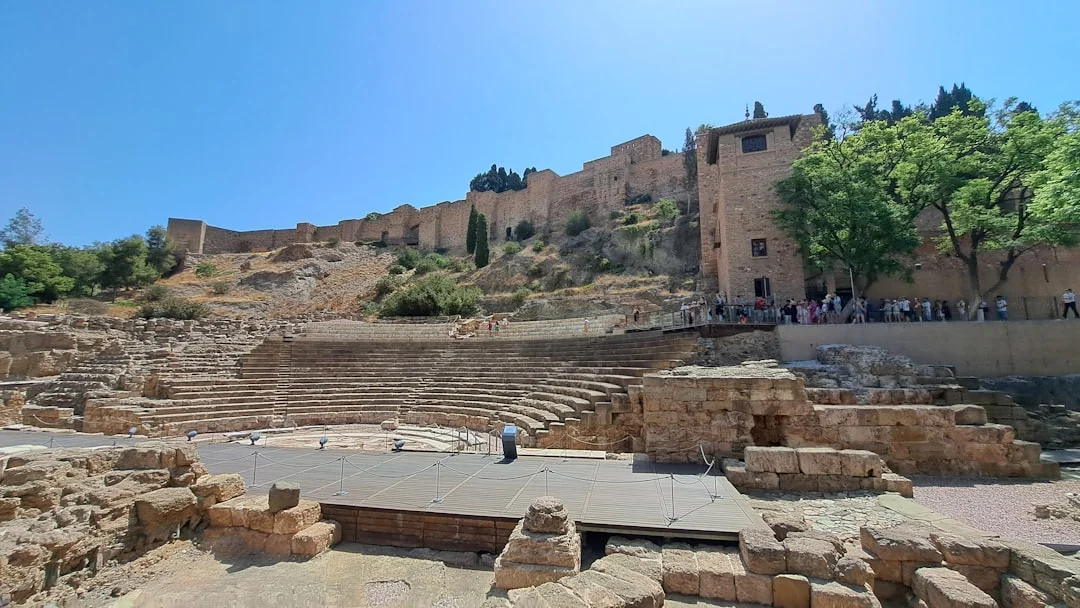
    • Das Römische Theater (Teatro Romano): Am Fuße der Alcazaba gelegen, ist dies das sichtbarste Symbol von Málagas antiker Vergangenheit, das 1951 zufällig bei Gartenarbeiten entdeckt wurde.
    • Das Museum of Málaga (Palacio de la Aduana): Dieses spektakuläre Museum beherbergt eine umfangreiche Sammlung archäologischer Funde aus verschiedenen städtischen Ausgrabungen in der ganzen Stadt, darunter phönizische Grabschätze und römische Mosaike.
    • Metrostation Guadalmedina: Halten Sie bei der Durchfahrt durch diesen zentralen Knotenpunkt die Augen offen, wo bauliche Elemente der historischen Stadtbefestigung und des Stadtplans erhalten und hinter Glasscheiben ausgestellt wurden.

    Während Málaga als südeuropäisches Zentrum für Technologie, Tourismus und modernes Leben weiter wächst, erinnern uns diese archäologischen Entdeckungen an die tiefen Fundamente, auf denen unsere Gemeinschaft aufgebaut ist. Es ist eine demütigende Erfahrung, sich bewusst zu machen, dass die Wege, die wir heute in Hochgeschwindigkeitszügen und U-Bahnen zurücklegen, genau dieselben Pfade sind, die schon vor Jahrtausenden von Händlern, Handwerkern und Familien begangen wurden.

  • Málaga Metro Construction Unearths Ancient Ruins

    Málaga Metro Construction Unearths Ancient Ruins

    The Constant Collision of Past and Present

    Málaga is a city that lives on top of its own history. For over 3,000 years, Phoenicians, Romans, Moors, and Christians have built, rebuilt, and left their footprints on this narrow strip of land between the mountains and the Mediterranean. Today, as the city pushes forward with its ambitious modern infrastructure, these ancient layers are coming to light once again.

    The ongoing expansion of the Málaga metro—specifically the line heading towards the Civil Hospital—has recently uncovered significant archaeological remains. As reported by El Mundo in June 2026, these excavations serve as a vivid reminder that progress in Málaga always requires a careful dance with the past.

    What Lies Beneath Málaga’s Streets?

    Whenever excavators dig more than a few meters down in the center of Málaga, they almost inevitably strike history. The metro construction has been the city’s largest-scale archaeological excavation in decades, acting as a vertical timeline of the city’s evolution.

    1. Roman Industrial Sites and Burial Grounds

    Long before Málaga was a modern tourist hub, it was Malaca, a bustling Roman port famous for producing garum (a highly prized fermented fish sauce). Previous metro works near the Alameda Principal and the Guadalmedina river bed revealed Roman salting basins, domestic structures, and even extensive burial sites, such as the major Roman necropolis discovered under the Calle Hilera metro works.

    2. The Islamic Suburbs (Arrabales)

    During the Andalusi period, Málaga expanded far beyond its defensive walls. The metro line running through Calle Hilera and towards the north has systematically uncovered remnants of these medieval suburbs (arrabales). Excavations have revealed:
    * Intricate street layouts and residential homes.
    * Advanced water management systems, including wells and ceramic pipes.
    * Tanneries and pottery workshops that highlight the city’s medieval industrial might.

    3. The Modern Challenge of the Civil Hospital Line

    The latest phase of the metro expansion towards the northern neighborhoods has once again brought archaeologists to the frontline. The challenge is balancing the urgent need for sustainable public transport for Málaga’s growing population with the duty to document, preserve, and respect the city’s cultural heritage.

    How Málaga Balances Progress and Preservation

    For locals and expats living in the center, the sight of archaeological tents and slow-moving excavation brushes is a familiar one. While these discoveries can sometimes cause delays in construction timelines, they also offer a unique opportunity to map the city’s urban evolution.

    The protocol for these finds is highly regulated:
    1. Systematic Excavation: Every centimeter of soil in sensitive zones is carefully sifted and documented by professional archaeologists.
    2. Cataloging and Analysis: Artifacts such as pottery shards, coins, and tools are sent to the Museum of Málaga for conservation and study.
    3. In Situ Integration vs. Relocation: While some minor structures are documented and covered or removed, major architectural finds are sometimes integrated directly into the modern infrastructure. A prime example of this is the exhibition of ancient walls and structures inside the Guadalmedina and El Perchel metro stations, turning daily commutes into a walk through a museum.

    Where to Experience Málaga’s Underground History

    If you are a history enthusiast living in or visiting Málaga, you do not have to wait for the metro to finish to explore the city’s ancient roots:

    • The Roman Theatre (Teatro Romano): Located at the foot of the Alcazaba, this is the most visible symbol of Málaga’s ancient past, discovered accidentally during garden works in 1951.
    • The Museum of Málaga (Palacio de la Aduana): This spectacular museum houses an extensive collection of the archaeological finds recovered from various urban excavations across the city, including Phoenician tomb treasures and Roman mosaics.
    • Guadalmedina Metro Station: Keep an eye out when passing through this central hub, where structural elements of the historical city defenses and urban layout have been preserved and displayed behind glass panels.

    As Málaga continues to grow as a southern European hub for technology, tourism, and modern living, these archaeological discoveries remind us of the deep foundations upon which our community is built. It is a humbling experience to realize that the journeys we make today on high-speed trains and underground metros follow the very same pathways walked by merchants, artisans, and families thousands of years ago.

  • Málaga Botanical Garden Launches Summer Kids’ Theater Tours

    Málaga Botanical Garden Launches Summer Kids’ Theater Tours

    Málaga’s historic botanical garden is offering a refreshing cultural alternative for families looking to escape the midday heat. This summer, the Jardín Botánico Histórico La Concepción is launching a special cycle of dramatized children’s visits titled “La Concepción en el tiempo – Entre siglos y semillas” (La Concepción through time – Between centuries and seeds).

    These activities are specifically designed to introduce younger audiences to the rich history and botanical diversity of the estate in an interactive, theatrical format.

    A Cultural Alternative to the Beach

    While Málaga’s coastline is the main draw during the summer months, finding engaging afternoon and evening activities for children can be a challenge. The lush, shaded pathways of La Concepción offer the perfect natural canopy for an outdoor family plan, making it one of Málaga’s best hidden walking routes.

    Rather than a standard guided walk, these theatrical tours use actors, storytelling, and interactive games to bring the history of the garden to life. Children will learn about the 19th-century origins of the garden, founded by the Marquis of Casa Loring and Amalia Heredia, while exploring exotic plant species from all over the world.

    Event Details and Schedule

    According to the official event details shared by La Diversiva, the summer 2026 program kicks off in late June.

    • What: “La Concepción en el tiempo – Entre siglos y semillas” theatrical tours.
    • Target Audience: Families with children.
    • Focus: Botany, history, and interactive storytelling.
    • Location: Jardín Botánico Histórico La Concepción, Camino del Jardín Botánico, 3, Málaga.

    These tours are highly popular, so advance booking is strongly recommended to secure a spot for your family.

    Why Visit La Concepción in Summer?

    Aside from the educational value, the botanical garden is one of the coolest microclimates in Málaga during the summer. The combination of ancient trees, flowing water features, and historic greenhouses makes it a peaceful retreat. For those looking to explore more of the province’s natural wonders, there are plenty of other hiking trails to discover Málaga’s greenest side. Introducing children to nature through theater helps foster early environmental awareness while keeping them thoroughly entertained.

    We hope this summer brings you and your family plenty of shared discoveries under the cool canopy of Málaga’s most beautiful historic garden. Watching the sunset through the palms while learning about the past is a wonderful way to create lasting summer memories together.

  • Joana Vasconcelos at Málaga’s Picasso Museum

    Joana Vasconcelos at Málaga’s Picasso Museum

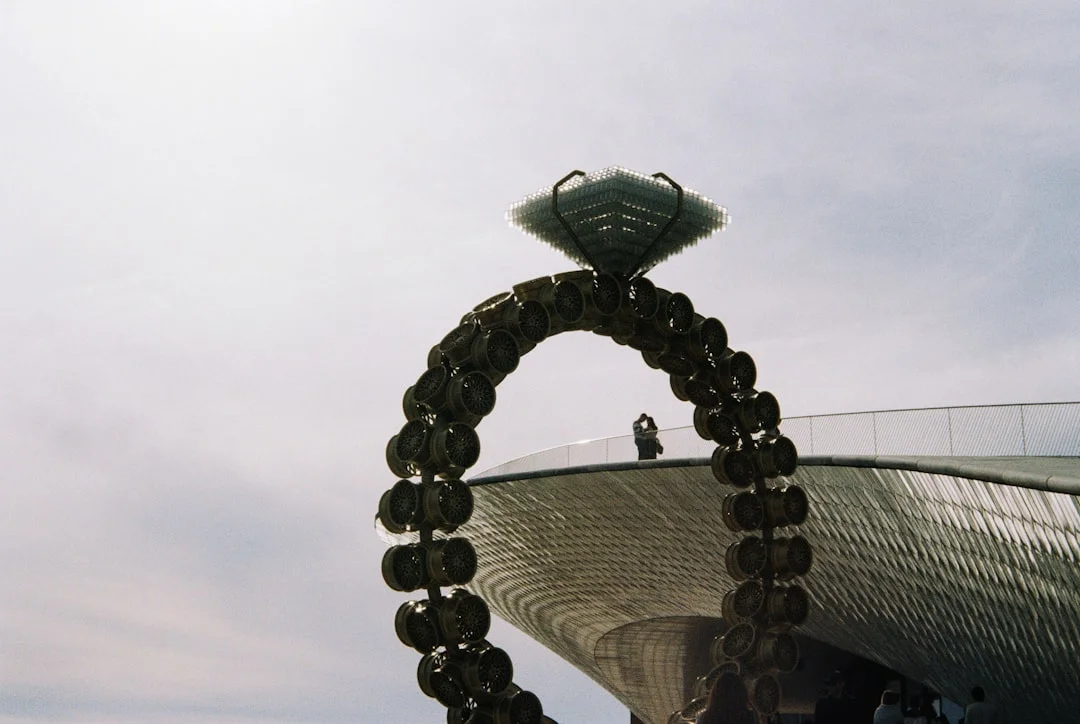
    Málaga’s cultural landscape has just received a major burst of contemporary energy. Alongside the growth of Málaga’s independent art scene, the city’s major institutions continue to push boundaries. In late May 2026, the Museo Picasso Málaga opened a highly anticipated temporary exhibition dedicated to the internationally acclaimed Portuguese artist Joana Vasconcelos. For locals, expats, and travelers visiting the Costa del Sol this season, this exhibition represents one of the most ambitious and visually stunning contemporary art showcases the city has hosted this year.

    Running through the summer of 2026, the exhibition brings a colorful, thought-provoking dialogue between Vasconcelos’s monumental creations and the historic, Renaissance-style architecture of the Palacio de Buenavista.

    Who is Joana Vasconcelos?

    If you are new to her work, Joana Vasconcelos is one of Portugal’s most celebrated and internationally recognized contemporary artists. She made history in 2012 as the first woman and the youngest contemporary artist to exhibit at the Palace of Versailles, and she represented Portugal at the Venice Biennale in 2013.

    Vasconcelos is famous for her large-scale public sculptures and installations that challenge our perception of everyday objects. By using domestic items—such as pots, pans, tiles, textiles, and even plastic cutlery—she constructs colossal, intricate works of art that address themes of identity, feminism, consumerism, and cultural heritage. Her work is deeply rooted in Portuguese craft traditions, often incorporating exquisite crochet, embroidery, and traditional azulejos (ceramic tiles).

    What to Expect at the Exhibition

    This temporary showcase at the Museo Picasso Málaga brings together a carefully curated selection of sculptures and installations spanning from the late 1990s to the present day.

    Walking through the galleries, you will experience:

    • A Dialogue of Eras: The contrast between the 16th-century Palacio de Buenavista, the permanent collection of Pablo Picasso, and Vasconcelos’s vibrant, ultra-modern installations is electric.
    • Domesticity Reimagined: See how everyday household objects are transformed into monumental statements on society and gender roles.
    • Tactile and Textile Wonders: Many of her pieces feature incredibly complex patchwork, knitting, and crochet work, wrapping around solid structures to create organic, almost living shapes.

    Local cultural commentators have noted the massive impact of this opening on the city’s summer cultural calendar. For instance, the exhibition’s debut was highlighted as a major milestone for the city’s museums in late May on COPE Málaga, signaling its status as a must-visit event for both residents and international tourists.

    Visiting the Museo Picasso Málaga

    The Museo Picasso Málaga is located in the heart of the historic center, just a short stroll from the bustling Plaza de la Merced and the Roman Theater.

    Practical Information:

    • Where: Palacio de Buenavista, Calle San Agustín, 8, 29015 Málaga.
    • When: The exhibition opened in late May 2026 and will run throughout the summer season.
    • Tickets: It is highly recommended to book your tickets online in advance, especially during the peak summer months, to secure your time slot and avoid long queues.
    • Accessibility: The museum is fully accessible to visitors with reduced mobility.

    Whether you are a lifelong modern art enthusiast or simply looking for an inspiring way to spend an afternoon escaping the midday Andalusian heat, Joana Vasconcelos’s takeover of the Picasso Museum is an unmissable experience. It is a bold celebration of color, scale, and craft that perfectly mirrors Málaga’s own evolution into a world-class hub for contemporary culture, further cementing its position as Spain’s premier museum benchmark.

    We hope this exhibition inspires you to look at everyday objects with a bit more wonder. Málaga continues to prove that it is not just a gateway to the beaches of the Costa del Sol, but a living, breathing canvas where history and modern creativity beautifully collide. Enjoy the show, and let us know which piece spoke to you the most!

  • Joana Vasconcelos erobert Málagas Picasso-Museum

    Joana Vasconcelos erobert Málagas Picasso-Museum

    Málagas Kulturlandschaft hat gerade einen kräftigen Schub an zeitgenössischer Energie erhalten. Neben dem Wachstum von Málagas unabhängiger Kunstszene verschieben die großen Institutionen der Stadt weiterhin Grenzen. Ende Mai 2026 eröffnete das Museo Picasso Málaga eine mit Spannung erwartete temporäre Ausstellung, die der international gefeierten portugiesischen Künstlerin Joana Vasconcelos gewidmet ist. Für Einheimische, Expats und Reisende, die in dieser Saison die Costa del Sol besuchen, stellt diese Ausstellung eine der ehrgeizigsten und visuell beeindruckendsten Präsentationen zeitgenössischer Kunst dar, die die Stadt in diesem Jahr beheimatet hat.

    Die Ausstellung, die bis zum Sommer 2026 läuft, bringt einen farbenfrohen, zum Nachdenken anregenden Dialog zwischen den monumentalen Kreationen von Vasconcelos und der historischen Architektur im Renaissancestil des Palacio de Buenavista hervor.

    Wer ist Joana Vasconcelos?

    Wenn Sie ihr Werk noch nicht kennen: Joana Vasconcelos ist eine der gefeiertsten und international anerkanntesten zeitgenössischen Künstlerinnen Portugals. Sie schrieb 2012 Geschichte, als sie als erste Frau und jüngste zeitgenössische Künstlerin im Schloss von Versailles ausstellte, und sie vertrat Portugal 2013 auf der Biennale von Venedig.

    Vasconcelos ist berühmt für ihre großformatigen öffentlichen Skulpturen und Installationen, die unsere Wahrnehmung von Alltagsgegenständen herausfordern. Durch die Verwendung von Haushaltsgegenständen – wie Töpfen, Pfannen, Fliesen, Textilien und sogar Plastikbesteck – konstruiert sie kolossale, komplexe Kunstwerke, die Themen wie Identität, Feminismus, Konsumverhalten und kulturelles Erbe ansprechen. Ihre Arbeit ist tief in den portugiesischen Handwerkstraditionen verwurzelt und beinhaltet oft exquisite Häkelarbeiten, Stickereien und traditionelle azulejos (Keramikfliesen).

    Was Sie in der Ausstellung erwartet

    Diese temporäre Schau im Museo Picasso Málaga bringt eine sorgfältig kuratierte Auswahl an Skulpturen und Installationen aus der Zeit von den späten 1990er Jahren bis heute zusammen.

    Beim Rundgang durch die Galerien werden Sie Folgendes erleben:

    • Ein Dialog der Epochen: Der Kontrast zwischen dem Palacio de Buenavista aus dem 16. Jahrhundert, der Dauerausstellung von Pablo Picasso und den lebendigen, ultramodernen Installationen von Vasconcelos ist elektrisierend.
    • Häuslichkeit neu gedacht: Erleben Sie, wie alltägliche Haushaltsgegenstände in monumentale Statements über Gesellschaft und Geschlechterrollen verwandelt werden.
    • Taktile und textile Wunder: Viele ihrer Werke zeichnen sich durch unglaublich komplexe Patchwork-, Strick- und Häkelarbeiten aus, die sich um feste Strukturen legen und organische, fast lebendige Formen schaffen.

    Lokale Kulturkommentatoren haben den enormen Einfluss dieser Eröffnung auf den sommerlichen Kulturkalender der Stadt hervorgehoben. So wurde das Debüt der Ausstellung Ende Mai auf COPE Málaga als wichtiger Meilenstein für die Museen der Stadt gewürdigt, was ihren Status als Pflichttermin für Einheimische und internationale Touristen unterstreicht.

    Besuch des Museo Picasso Málaga

    Das Museo Picasso Málaga befindet sich im Herzen des historischen Zentrums, nur einen kurzen Spaziergang von der belebten Plaza de la Merced und dem Römischen Theater entfernt.

    Praktische Informationen:

    • Wo: Palacio de Buenavista, Calle San Agustín, 8, 29015 Málaga.
    • Wann: Die Ausstellung wurde Ende Mai 2026 eröffnet und läuft während der gesamten Sommersaison.
    • Tickets: Es wird dringend empfohlen, Ihre Tickets vorab online zu buchen, insbesondere in den Hauptsommermonaten, um sich Ihr Zeitfenster zu sichern und lange Warteschlangen zu vermeiden.
    • Barrierefreiheit: Das Museum ist für Besucher mit eingeschränkter Mobilität barrierefrei zugänglich.

    Egal, ob Sie ein lebenslanger Liebhaber moderner Kunst sind oder einfach nur nach einer inspirierenden Möglichkeit suchen, einen Nachmittag im Schatten der andalusischen Mittagshitze zu verbringen – die Übernahme des Picasso-Museums durch Joana Vasconcelos ist ein unvergessliches Erlebnis. Es ist ein kühnes Fest der Farben, Dimensionen und des Handwerks, das Málagas eigene Entwicklung zu einem erstklassigen Zentrum für zeitgenössische Kultur perfekt widerspiegelt und seine Position als Spaniens führender Museums-Maßstab weiter festigt.

    Wir hoffen, dass diese Ausstellung Sie dazu inspiriert, Alltagsgegenstände mit etwas mehr Staunen zu betrachten. Málaga beweist weiterhin, dass es nicht nur ein Tor zu den Stränden der Costa del Sol ist, sondern eine lebendige, atmende Leinwand, auf der Geschichte und moderne Kreativität wunderbar aufeinandertreffen. Genießen Sie die Ausstellung und lassen Sie uns wissen, welches Werk Sie am meisten angesprochen hat!