Tag: lang:en

  • Benalauría: Genal Valley’s Secret Escape from Crowds

    Benalauría: Genal Valley’s Secret Escape from Crowds

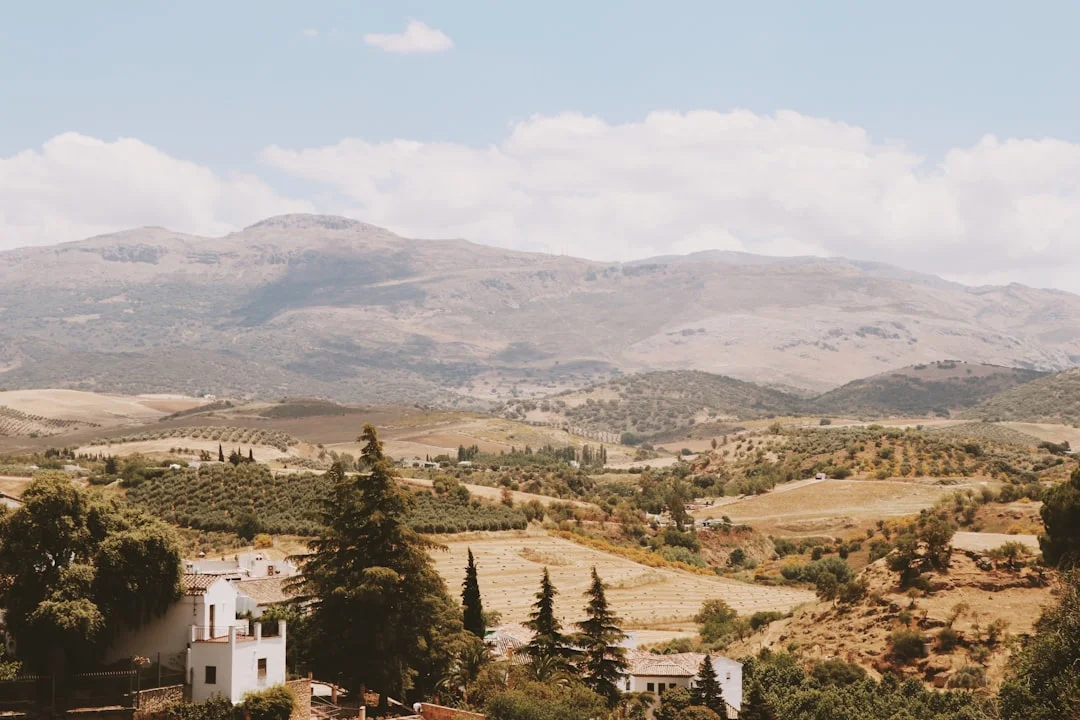
    As summer temperatures rise and the popular beaches of the Costa del Sol fill with tourists, finding a quiet, authentic slice of Andalusia can feel like a challenge. Fortunately, just a short drive inland lies a green sanctuary where time slows down: the stunning Genal Valley (Valle del Genal). Although inland Malaga was recently rattled by a series of minor earthquakes, this peaceful area remains an idyllic retreat. At the heart of this lush mountain region sits Benalauría, a hidden gem that offers the perfect escape from mass tourism.

    Surrounded by dense forests of chestnut, cork oak, and pine trees, Benalauría is a village of narrow, winding streets, whitewashed houses adorned with bright geraniums, and a peaceful atmosphere that feels worlds away from the bustling coastal resorts.

    Why Benalauría is the Perfect Summer Antidote

    While the coast thrives on high-energy beach clubs and crowded promenades, Benalauría offers a completely different rhythm. As highlighted in a recent feature by Málaga Hoy, the village serves as an ideal retreat for travelers looking to exchange coastal congestion for fresh mountain air, quiet cobblestone streets, and pristine natural surroundings.

    At an altitude of over 660 meters, the village enjoys slightly cooler mountain breezes in the evenings. The urban layout remains largely unchanged since Moorish times, featuring steep, labyrinthine alleys designed to keep the sun out and the walkways cool.

    What to See and Do in Benalauría

    Despite its small size (with a population of just a few hundred residents), Benalauría is rich in heritage, culture, and outdoor activities.

    1. Wander the Moorish Streets

    The best way to experience Benalauría is simply to get lost in its streets. The traditional white architecture is meticulously preserved. Look out for the carefully decorated doorways, stone archways, and the vibrant contrast of colorful flower pots against the white lime walls. Step into the central Plaza Teniente Viñas, a quiet square perfect for a morning coffee or a chat with friendly locals.

    2. Visit the Ethnographic Museum

    Housed in an 18th-century oil mill, the Museo Etnográfico de Benalauría is celebrated as one of the most unique inland museums in Málaga province. It offers a fascinating look into the traditional rural life of the Genal Valley, where you can see historical tools used for pressing olives, making wine, and processing chestnuts—the agricultural backbone of the region.

    3. Explore the Santo Domingo de Guzmán Church

    This 16th-century church stands as a prominent landmark in the village. It features a simple but beautiful neoclassical facade and houses imagery of the town’s patron saints, Santo Domingo and San Sebastián.

    4. Hike the Genal Valley Trails

    For those who love exploring the Andalusian countryside on foot—similar to discovering the ancient paths of the Axarquía along the historical hiking trails in Salares—Benalauría is a true paradise for hikers. The surrounding mountains are crisscrossed with trails that connect neighboring white villages (pueblos blancos).

    • Senda de los Frontones: A scenic path offering panoramic views of the valley and neighboring peaks.
    • Gran Senda de Málaga (GR-249): Several stages of this famous long-distance trail pass through or near Benalauría, guiding walkers through chestnut groves that turn brilliant shades of green in summer and deep gold in autumn.
    • The Genal River: For those looking to cool off, nearby river walks offer shaded paths and freshwater pools.

    Local Gastronomy: A Taste of the Mountains

    Dining in Benalauría is an authentic, zero-kilometer experience. The local cuisine relies heavily on seasonal ingredients harvested directly from the valley.

    Because the Genal Valley is famous for its chestnut forests, you will find chestnuts incorporated into many local dishes, from savory stews to artisanal sweet preserves. Other local specialties include olla serrana (a hearty mountain stew), wild mushroom dishes, cured meats, and homemade pastries like buñuelos and pestiños.

    How to Get There

    Benalauría is located in the western part of Málaga province, roughly 120 kilometers from Málaga city and about 30 kilometers south of Ronda.

    The drive from the coast (via the A-397 from Marbella or the scenic mountain roads from Estepona) is an adventure in itself. The roads wind through dramatic mountain passes, offering breathtaking viewpoints over the Serranía de Ronda before descending into the green canopy of the Genal Valley.

    There is something deeply restorative about stepping away from the crowds and reconnecting with the quiet rhythms of Andalusia’s interior. We hope this guide inspires you to head into the hills, breathe in the scent of pine and wild herbs, and discover the timeless charm of Benalauría for yourself.

  • La Fonda Heritage Marbella Launches Skybar and SushiBar

    La Fonda Heritage Marbella Launches Skybar and SushiBar

    Aquí tienes el artículo enriquecido con los enlaces internos de manera natural y fluida:

    A New Era of Rooftop Elegance in Marbella’s Old Town

    Marbella’s historic quarter, the Casco Antiguo, has long been celebrated for its labyrinth of whitewashed alleyways, vibrant bougainvillea, and rich Andalusian heritage. This summer, the neighborhood elevates its culinary appeal with the official opening of the Skybar and SushiBar at La Fonda Heritage Hotel.

    As a proud member of the prestigious Relais & Châteaux association, La Fonda Heritage Hotel has seamlessly blended 16th-century architectural splendor with contemporary luxury. This project beautifully aligns with a growing movement of rescuing historic heritage through luxury hospitality across the province. The launch of this exclusive rooftop venue marks a sophisticated addition to Marbella’s high-end dining scene, offering an intimate escape from the bustling coastal strip.

    Gastronomy Meets Heritage: The SushiBar Experience

    The crown jewel of La Fonda’s summer offering is the newly unveiled SushiBar, located within the stylish confines of the Skybar. According to details shared by Al Sol de la Costa, the venue has quickly established itself as a symbol of modern glamour in the heart of the city.

    Guests can expect a meticulously curated menu that celebrates the precision of traditional Japanese techniques while incorporating fresh, locally sourced Mediterranean ingredients.

    What to Expect on the Menu:

    • Artisanal Nigiri and Sashimi: Prepared with the freshest catches of the day, showcasing delicate textures and clean flavors.
    • Signature Rolls: Innovative combinations that bridge Eastern culinary philosophy with Andalusian influences.
    • Curated Sake and Wine List: A selection of premium sakes, local Andalusian wines, and international vintages chosen to complement the delicate flavors of the raw fish.
    • Craft Cocktails: Mixology inspired by the botanical aromas of Southern Spain, perfect for sipping as the sun sets over the Sierra Blanca.

    An Atmosphere of Refined Glamour

    What sets the Skybar apart is its setting. Housed in a beautifully restored landmark that once served as a private residence and later a social hub in the 1960s, the hotel exudes a sense of timeless bohemian chic.

    The rooftop design respects the historic integrity of the building while introducing sleek, minimalist decor. Soft, ambient lighting, comfortable lounge seating, and panoramic views over the terracotta rooftops of Marbella create an atmosphere that is both exclusive and deeply welcoming. It is an ideal spot for affluent expats, discerning locals, and international travelers looking to experience the quieter, more sophisticated side of Marbella, further solidifying the coast’s reputation amidst a wider boom in five-star accommodations across the region.

    A Must-Visit Destination for Summer 2026

    As the summer of 2026 gets into full swing, the Skybar and SushiBar at La Fonda Heritage Hotel is positioned to be one of the season’s most sought-after reservations. By limiting seating to maintain an intimate atmosphere, the venue ensures that every guest receives the highly personalized service that is the hallmark of the Relais & Châteaux brand.

    Whether you are starting your evening with a sunset cocktail or spending the night indulging in world-class sushi under the stars, La Fonda offers a sensory journey that captures the true essence of Mediterranean luxury.

    There is a unique magic to Marbella’s summer nights, where the warm sea breeze meets the cool air of the mountains. We hope this elegant new space brings you unforgettable evenings of shared laughter, exquisite flavors, and beautiful views over our beloved historic town.

  • Málaga’s Cool Escapes: La Concepción and Los Montes

    Málaga’s Cool Escapes: La Concepción and Los Montes

    Escaping the Heat in Málaga’s Green Havens

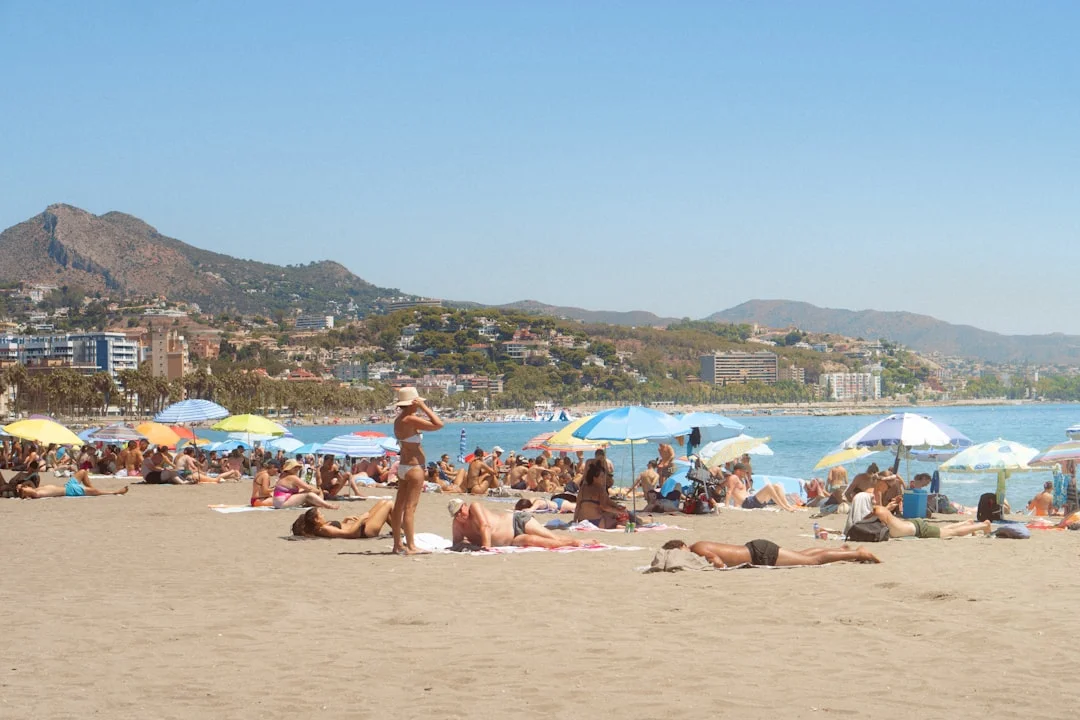
    When the summer sun hits the Costa del Sol, the immediate instinct for many is to head straight to the beach. However, as temperatures rise, the crowded sands of La Malagueta or Pedregalejo can sometimes feel overwhelming. While some travelers prefer seeking refuge in the city’s air-conditioned galleries and cool museum escapes, others look for relief in the great outdoors. Fortunately, Málaga holds a secret known to locals and savvy expats: just a few kilometers inland lie spectacular natural sanctuaries where the air is noticeably cooler, the shade is deep, and the atmosphere is serene.

    If you are searching for cool places to visit in malaga summer, look no further than the lush pathways of the Jardín Botánico Histórico La Concepción and the pine-scented breeze of the Montes de Málaga. These green lungs offer the perfect alternative for sustainable, family-friendly tourism and active relaxation.

    Jardín Botánico La Concepción: A Tropical Oasis

    Located just on the northern edge of the city, the Jardín Botánico Histórico La Concepción feels like stepping into a tropical rainforest. Created in the mid-19th century by the Marquis and Marchioness of Casa Loring, this English-style landscape garden boasts one of the most impressive collections of subtropical flora in Europe.

    The Microclimate Effect

    Thanks to the dense canopy of ancient ficus trees, towering palms, and lush climbing plants, the garden enjoys its own distinct microclimate. On a scorching July or August afternoon, temperatures inside the dense bamboo groves and beside the trickling waterfalls can feel several degrees cooler than in the concrete city center.

    Key Highlights

    • The Wisteria Arbor: A stunning iron dome covered in purple wisteria that offers a shaded viewpoint over the city.
    • The Route Around the World in 80 Trees: A fascinating walk showcasing species from all five continents.
    • The Historical House-Museum: A glimpse into the 19th-century high society that originally gathered here.

    Planning Your Visit

    Securing your jardin botanico la concepcion tickets is straightforward. General admission is very affordable (around €5.20, with discounts for children, students, and retirees), and on Sunday afternoons, entry is completely free. It is highly recommended to visit in the late afternoon when the shadows lengthen and the evening breeze begins to stir.

    Montes de Málaga: Shaded Trails and Mountain Comforts

    For those who prefer a more active escape, the Montes de Málaga Natural Park serves as the city’s protective green shield. Spanning over 4,900 hectares, this dense forest of Aleppo pines was planted in the early 20th century to prevent the devastating floods that historically plagued the city. Today, it is a haven for outdoor enthusiasts.

    Hiking Montes de Málaga Trails

    The park features a well-marked network of paths suitable for all fitness levels. The thick pine canopy provides excellent protection from the direct sun, making it one of the few places where summer hiking remains comfortable. If you want to continue your outdoor adventure beyond this park, there are several other fantastic hiking trails to discover Málaga’s greenest areas.

    • Sendero El Cerrado: A circular 3-kilometer trail that offers panoramic views of the park and the city below. It is relatively easy and perfect for families.
    • Sendero de Contadoras: A slightly longer route that leads to the historic Contadoras building, which now serves as an environmental education center.
    • Pocito de las Monjas: A scenic trail that winds past old ruins and shaded streams.

    Traditional Gastronomy at the ‘Ventas’

    No trip to the Montes is complete without stopping at one of the traditional ventas (mountain inns) lining the old Colmenar road. While the famous Plato de los Montes (a hearty combination of pork loin, chorizo, egg, peppers, and fried potatoes) is traditionally a winter dish, these rustic restaurants offer shaded terraces where you can enjoy cool drinks, fresh salads, and grilled meats under the canopy of old oak trees.

    Making the Most of Your Summer Getaway

    Exploring the natural side of the province is an excellent way to experience the authentic Andalusian lifestyle away from the coastal crowds. If you are planning a longer trip to discover these hidden gems, finding the right base is essential. You can find excellent accommodation deals and packages for a relaxing stay in the province through Buscounchollo’s Málaga deals, making it easier to plan a budget-friendly nature retreat.

    Practical Tips for Summer Nature Visits

    1. Go Early or Late: Avoid the midday sun (between 14:00 and 17:00). Early mornings in the Montes are incredibly peaceful and fresh.
    2. Stay Hydrated: Always carry more water than you think you will need, as natural water sources inside the park are not always potable.
    3. Respect the Environment: High summer means extreme fire risk. Never light fires, dispose of cigarettes responsibly, and always carry your trash back to the city.

    There is a quiet magic in discovering that a bustling, sun-drenched coastal city like Málaga holds such deep, cool, and green secrets just beyond its borders. As we look forward to spending more time outdoors this season, taking a moment to slow down under the shade of a century-old pine or beside a trickling garden fountain reminds us of the simple, grounding power of nature. We hope you find your own perfect spot to breathe, cool down, and connect with the natural beauty of our beautiful province.

  • Vélez-Málaga to Award Gold Medal to Franciscan Order

    Vélez-Málaga to Award Gold Medal to Franciscan Order

    The City Council of Vélez-Málaga has officially initiated administrative proceedings to bestow the city’s prestigious Gold Medal (Medalla de Oro) upon the Franciscan Order. This distinction represents one of the highest civic honors available under the municipality’s official regulations for honors and distinctions.

    For expats and long-term residents living in the Axarquía region, this event offers a unique window into the deep historical and cultural roots that continue to shape local identity. It highlights the municipality’s ongoing commitment to community values, following other recent achievements such as when Vélez-Málaga won the ‘Escoba de Platino’ eco-award for its modern urban initiatives.

    Recognizing a Centuries-Old Legacy

    As reported by Diario Sur, the proposal aims to formally recognize the profound historical footprint and cultural legacy that the Franciscan Order has left in Vélez-Málaga.

    The presence of the Franciscans in the capital of the Axarquía is not merely a matter of religious history; it is woven into the very urban and social fabric of the town. For centuries, the order has played an active role in education, social support, and the preservation of local heritage.

    Key Historical Landmarks

    To understand the scale of this recognition, one must look at the physical and cultural landmarks associated with the order in Vélez-Málaga:

    • Convento de San Francisco: Established in the late 15th century following the Christian conquest of the city, this convent became a central hub for spiritual and community life.
    • Architectural Heritage: The church of San Francisco, with its striking Mudéjar and Renaissance elements, stands as a testament to the artistic evolution of the region.
    • Social and Educational Contributions: Beyond the stone walls, the Franciscan friars have historically been key actors in providing social assistance and education to the local population during challenging historical epochs.

    What the Gold Medal Represents

    The Medalla de Oro is not awarded lightly. It requires a rigorous administrative process, including the creation of an official file (expediente) that documents the merits of the nominee. This process involves gathering historical evidence, community testimonials, and institutional support to justify the distinction.

    By initiating this file, Vélez-Málaga joins a long-standing Spanish tradition of honoring institutions that have acted as pillars of the community. For the local government, this award is a way to bridge the gap between the town’s illustrious past and its vibrant present.

    Connecting with Axarquía’s Heritage

    For the international community calling the Axarquía home, milestones like this highlight why Vélez-Málaga is much more than just a gateway to the coast. The town serves as the cultural heart of the eastern Costa del Sol, boasting a rich tapestry of history that predates modern tourism by centuries.

    Exploring the footprint of the Franciscans offers a rewarding weekend itinerary. Visitors can wander through the historic center, visit the San Francisco complex, and appreciate how ancient traditions continue to influence contemporary local life and festivities.

    Understanding these deep-rooted traditions allows us to appreciate the true character of the Axarquía. It reminds us that behind the sunny beaches and beautiful mountain views lies a community built on centuries of shared history, resilience, and quiet dedication.

  • Málaga Fights 5-Star Deficit with New Luxury Hotels

    Málaga Fights 5-Star Deficit with New Luxury Hotels

    A New Era of Sophistication in the Capital of the Costa del Sol

    For decades, Málaga was widely regarded as the gateway to the Costa del Sol—a transit point where travelers landed before dispersing to the glamorous beaches of Marbella or the traditional resorts of Torremolinos and Fuengirola. However, the city’s narrative has undergone a profound evolution. Today, Málaga stands as a powerhouse of technology, refined living, and culture, highlighted by prestigious venues like the Picasso Museum and Casa Natal, which have already unveiled their upcoming Summer 2026 shows.

    To match this soaring reputation, the city is actively addressing one of its most persistent historical challenges: a shortage of five-star, high-end accommodations. Through major international investments and ambitious architectural restorations, Málaga is rapidly transforming its urban landscape to welcome a more affluent class of global travelers.

    Bridging the Historical Luxury Gap

    Historically, Málaga capital lagged behind its provincial neighbors in the luxury hospitality segment. While Marbella boasted legendary grand dames of the hotel world, the capital city relied primarily on charming three- and four-star boutique properties. While these establishments captured the warmth of Andalusian hospitality, they fell short of the ultra-premium services demanded by high-net-worth individuals, corporate executives, and luxury seekers.

    This deficit is now being systematically dismantled. According to reports on national tourism trends featured by ABC Hoteles, Spain’s luxury hospitality sector is experiencing unprecedented decentralization, with cities like Málaga capturing the attention of major global investment funds and legendary hotel brands. The demand is no longer just seasonal; it is a year-round requirement driven by a unique convergence of factors.

    The Catalysts: Culture, Tech, and Global Appeal

    Málaga’s luxury hotel boom does not exist in a vacuum. It is the direct result of a calculated, decades-long strategy that has repositioned the city on the global stage.

    • The Cultural Renaissance: With over 30 museums—including the Picasso Museum, the Carmen Thyssen, and the Centre Pompidou—Málaga has earned its title as a premier European cultural destination.
    • The Technological Surge: Dubbed the “Silicon Valley of Southern Europe,” the city has attracted multinational tech giants like Google, Vodafone, and Citi. This influx of international talent and corporate activity has created an urgent, consistent demand for premium business accommodations and high-end meeting venues.
    • Enhanced Connectivity: Málaga-Costa del Sol Airport continues to expand its direct long-haul connections, making the city effortlessly accessible to travelers from North America, the Middle East, and beyond.

    Iconic Projects Redefining the Skyline and Heritage

    The current wave of luxury developments in Málaga is characterized by a respectful blending of historic preservation and cutting-edge design. Several key projects are setting new benchmarks for luxury in the city:

    The Transformation of Historic Landmarks

    Many of the new five-star projects are breathing new life into the city’s architectural heritage. Palace buildings and former administrative headquarters in the historic center are being meticulously restored. A prime example of this trend is the ambitious project to transform the historic Palacio de la Tinta into a 5-star hotel, preserving its majestic facade while incorporating state-of-the-art wellness centers, rooftop infinity pools, and Michelin-starred dining concepts.

    The Rise of Port-Side Luxury

    The redevelopment of Málaga’s port (Puerto de Málaga) has opened up premium waterfront real estate. High-profile hotel projects designed for the port area aim to offer panoramic views of both the Mediterranean and the historic Alcazaba fortress. These developments are designed to serve as architectural landmarks, signaling Málaga’s entry into the elite tier of Mediterranean cruise and yacht destinations, which will soon welcome prominent arrivals like the Legend of the Seas cruise ship.

    International Brands Plant Their Flags

    World-renowned luxury operators are actively securing footprints in the capital. The arrival of these brands brings not only prestige but also highly sophisticated loyalty networks, ensuring a steady stream of affluent international visitors who previously might have bypassed the capital in favor of traditional luxury enclaves.

    What This Means for the Future of Málaga

    This shift toward high-end tourism represents a significant milestone in the city’s economic maturity. The rise of five-star establishments generates high-quality local employment, boosts the premium retail and dining sectors, and encourages the preservation of local heritage.

    Importantly, this transformation is being managed with an eye toward sustainability and local integration. The goal is to ensure that as Málaga welcomes the world’s most discerning travelers, it retains the authentic charm, warmth, and open-minded character that made people fall in love with the city in the first place.

    As we watch these beautiful spaces open their doors, we are reminded of how far Málaga has come. It is inspiring to see our historic streets embrace this new level of elegance without losing their soulful, welcoming essence. We look forward to seeing how these new spaces will weave themselves into the vibrant daily life of our beloved city, offering both visitors and locals new places to gather, celebrate, and connect.

  • Udon Opens New Restaurant in Vialia Málaga

    Udon Opens New Restaurant in Vialia Málaga

    Málaga’s culinary landscape continues to diversify, especially for those transit travelers, expats, and locals passing through the city’s main transport hub. Joining the ranks of the hottest dining spots on the Costa del Sol, Udon Asian Food has officially opened its doors inside the busy Vialia Málaga shopping center, located right next to the María Zambrano train station.

    This new opening marks a significant step for the noodle chain, representing its second establishment in Málaga capital and its seventh across the Andalusia region. According to reports by La Opinión de Málaga, the venue boasts a modern aesthetic designed to offer a comfortable, quick, and high-quality dining experience.

    Modern Design and Ample Seating

    For those searching for the best restaurants in Vialia Málaga María Zambrano, this new spot offers a great balance of speed and quality. The restaurant covers 240 square meters and has been designed with Udon’s latest sleek, warm, and sustainable interior concept, aligning with the city’s broader tourism boom as Málaga fights its five-star deficit with new luxury hotels.

    Key features of the new venue include:
    * Capacity for 110 diners, making it easy to find a table even during peak travel hours, adding to the culinary appeal of a city that recently saw seven Málaga restaurants named among Spain’s top 100 under €100.
    * Strategic location inside the Vialia shopping complex, perfect for a quick bite before boarding an AVE train or after arriving in the city.
    * Sleek, minimalist design featuring natural wood and warm lighting to create a relaxing oasis amid the hustle and bustle of the station.

    What is on the Menu?

    Udon has built its reputation on health-conscious, Asian-inspired dishes, specializing in traditional Japanese noodles (udon and soba) alongside a variety of tapas, ramen, and rice dishes. As detailed by Revista Centros Comerciales, the chain focuses on using quality ingredients, sustainable sourcing, and offering plenty of options for vegetarians and vegans.

    Whether you are looking for a comforting bowl of hot ramen on a rainy day, a fresh plate of chicken gyoza, or a quick teriyaki chicken rice bowl before your journey, the menu is built to serve diners efficiently without compromising on fresh flavor.

    A Welcome Addition to María Zambrano

    Having quality sit-down options at the train station is a massive plus for anyone living in or visiting Málaga. Vialia has steadily improved its food court and restaurant offerings over the years, and Udon’s arrival adds a reliable, healthy Asian-dining option that was previously missing from the immediate station area. This opening comes amid a broader culinary boom in the city, which also features trendy new coastal openings like Fomo in Pedregalejo.

    Next time you find yourself with an hour to spare before your train, or if you are simply looking for a hassle-free lunch with easy parking in the area, this new spot is well worth a visit.

    We hope this new opening makes your journeys through Málaga just a little bit tastier. Safe travels, and enjoy your noodles!

  • Malaga Economy 2026: GDP to Lead Andalusian Growth

    Malaga Economy 2026: GDP to Lead Andalusian Growth

    Malaga’s Economic Landscape in 2026

    For foreign investors, expats, and business owners who have chosen the Costa del Sol as their base, Malaga’s economic narrative in 2026 is one of maturity and resilience. After several years of explosive post-pandemic recovery, the local economy is entering a phase of healthy moderation. However, even as the pace of growth stabilizes, Malaga continues to outpace both the regional and national averages, solidifying its position as the undisputed economic engine of Andalusia.

    This shift from rapid acceleration to steady, sustainable growth presents a highly favorable environment for long-term planning, corporate investment, and talent acquisition.

    Unicaja’s GDP Forecast: A Sustainable 2.4% Growth

    According to the latest macroeconomic analysis released by Unicaja’s research department in late June 2026, Malaga’s GDP is projected to grow by 2.4% for the year 2026.

    While this figure represents a slight deceleration compared to the bumper growth rates of previous years, it remains remarkably strong in the current European economic climate. More importantly, as reported by La Opinión de Málaga, Malaga is set to lead economic growth across the entire Andalusian region.

    Why 2.4% Growth is Good News for Businesses

    • Inflation Control: Moderating growth typically aligns with more predictable operating costs and stabilized consumer pricing.
    • Labor Market Stability: Rather than the erratic hiring spikes of previous years, the current job market is focusing on high-quality, long-term employment.
    • Sustainable Real Estate: A steadier economic pace helps prevent aggressive market overheating, allowing for more calculated commercial and residential real estate investments.

    Marca Málaga IX: Talent and Innovation as Economic Pillars

    The ongoing strength of the province is not merely a result of its tourism sector. The diversification of Malaga’s economy into technology, innovation, and professional services has created a highly resilient ecosystem.

    This structural strength was a central theme at the recent ‘Marca Málaga IX’ forum held on June 25, 2026. As detailed in the coverage of the Marca Málaga forum, business leaders and policymakers gathered to discuss how Málaga solidifies its status as a premier economic hub and its unique capacity to attract international talent and capital.

    Key takeaways from the forum highlight why Malaga remains a magnet for global professionals:

    1. The “Quality of Life” Premium: Malaga successfully leverages its climate and infrastructure to attract high-earning remote workers and executive talent, which in turn boosts local consumption and high-end services.
    2. Public-Private Collaboration: The local government and private sector continue to work hand-in-hand to streamline bureaucracy for foreign businesses setting up operations in Málaga TechPark and the city center.
    3. Educational and Tech Hubs: Ongoing investments in bilingual education, international schools, and specialized tech academies ensure a steady pipeline of skilled workers ready for multinational companies.

    What This Means for Foreign Investors and Expats

    If you are running a business, managing a startup, or looking to invest capital in Malaga in 2026, this period of economic moderation should be viewed as an opportunity to consolidate and scale.

    Commercial Real Estate & Office Space

    With major multinationals continuing to establish European hubs here, demand for high-quality office spaces remains strong. The moderation in GDP growth suggests that while prices will remain firm, the frantic bidding wars of the past few years are giving way to more structured, negotiable lease and purchase terms.

    Talent Acquisition

    The inflow of international professionals, combined with local graduates, means the talent pool is richer than ever. Businesses looking to hire bilingual staff in fields like software development, digital marketing, and financial services will find a highly motivated workforce eager to build long-term careers in the south of Spain.

    Consumer Spending

    While local households are managing their budgets carefully in line with broader European trends, the steady influx of affluent expats and high-spending tourists ensures that premium retail, gastronomy, and leisure sectors continue to thrive.

    Looking Ahead

    Malaga’s transition in 2026 is a natural step in its evolution from a top-tier holiday destination into a sophisticated, year-round European business capital. By leading Andalusian growth even during a period of macroeconomic stabilization, the province proves that its appeal is built on solid structural foundations rather than temporary trends.

    As we navigate the second half of 2026, Malaga offers a rare combination of Mediterranean lifestyle and robust economic fundamentals. It remains one of the most exciting and secure places in Europe to live, work, and grow a business.

  • Malaga Ibis Hotel to Be Demolished After Persistent Fire

    Malaga Ibis Hotel to Be Demolished After Persistent Fire

    A Month of Smoldering Ruins

    The fire that broke out in late May 2026 at the Ibis Hotel, located in the heart of Malaga—a city currently in the spotlight as Malaga’s 2026 GDP is set to lead Andalusian growth—has turned into one of the most unusual firefighting challenges the city has faced in recent years. More than four weeks after the initial blaze was brought under control, firefighters are still actively deployed to the site.

    As detailed in local reports by ABC de Andalucía, recurring flare-ups deep within the building’s structural layers have kept emergency crews on constant alert. The combination of highly insulating modern building materials, collapsed internal ceilings, and trapped pockets of intense heat has created an incredibly persistent hazard.

    Mayor Confirms Demolition

    Faced with a building that is structurally compromised and a fire that refuses to be fully extinguished, Malaga’s Mayor, Francisco de la Torre, has officially confirmed that the building will be demolished, even as the city moves forward with major new architectural developments like the Zaha Hadid Tower in El Bulto.

    The decision comes after rigorous assessments by municipal technicians and structural engineers. Allowing the building to stand is no longer a viable option due to several critical factors:

    • Structural instability: The prolonged exposure to extreme heat has weakened the concrete and steel framework beyond repair.
    • Public safety risks: The threat of partial collapses onto the surrounding public roads remains high, keeping the immediate perimeter restricted.
    • Ongoing hazard: The difficulty of fully extinguishing the subterranean and wall-cavity smoldering while the structure remains standing makes physical dismantling necessary.

    A New Vision for Malaga’s Guadalmedina Axis

    While the loss of the hotel is a disruptive event for the local tourism sector, the demolition opens up a highly coveted plot of land in prime central Malaga. Located right near the Guadalmedina riverbed, this site is poised to become the canvas for a brand-new urban development.

    The mayor’s office has hinted that this clean slate will allow the city to integrate the plot into broader plans for the revitalization of the Guadalmedina area. Locals and property watchers are already speculating on whether the site will host a new state-of-the-art hotel, a mixed-use commercial space, or public green areas that align with Malaga’s ongoing green transition.

    Impact on the Neighborhood

    For residents and local business owners in the immediate vicinity, the demolition cannot come soon enough. The area has suffered from temporary street closures, ongoing smoke odor, and the constant presence of emergency vehicles.

    The upcoming demolition process will require careful planning to minimize disruption in an already congested part of the city. Traffic diversions and dust mitigation protocols will be essential as crews work to safely dismantle the multi-story structure.

    As Malaga continues its rapid evolution into a top-tier European hub, moments like these remind us of the resilience required to manage urban growth. While it is difficult to watch a familiar piece of the city skyline disappear under such circumstances, the coming transformation offers a chance to rebuild smarter, safer, and more beautifully. We look forward to seeing how this central space will be reimagined to serve the community in the years to come.

  • Costa del Sol’s Hottest Summer 2026 Restaurants

    Costa del Sol’s Hottest Summer 2026 Restaurants

    Summer 2026 has arrived, and with it, a wave of exciting culinary openings that are transforming the dining scene along the coast. Alongside the buzz surrounding Málaga’s hottest beach club openings, the Costa del Sol continues to solidify its reputation as Spain’s premier culinary playground.

    Whether you are a local resident keeping up with news like the demolition of the Malaga Ibis Hotel after a persistent fire, or visiting the coast for your summer holidays, these three new dining destinations in Fuengirola and Marbella deserve a prime spot on your seasonal itinerary.

    Sakanaya: High-End Sushi Meets Live-Coal Cooking in Fuengirola

    Fuengirola’s dining scene has taken a sophisticated leap forward with the opening of Sakanaya. This fresh concept daringly bridges the gap between traditional Japanese precision and the rustic warmth of Mediterranean live-coal cooking (cocina a las brasas), making it a stellar new addition for those exploring the Malaga sushi route.

    As reported by ABC Gurme, Sakanaya brings a unique sensory experience to the town. Instead of relying solely on cold raw fish, the kitchen integrates high-heat embers to gently sear, smoke, and elevate premium cuts of seafood and meat.

    • The Vibe: Sleek, intimate, and modern—perfect for a date night or a refined dinner with friends.
    • What to Order: Look out for their signature seared nigiris, which carry the unmistakable aroma of high-quality charcoal, alongside their exquisitely presented sashimi platters.

    Saltao: Peruvian-Mediterranean Fusion at El Lago Club Marbella

    Over in Marbella, the renowned hospitality group Azotea Grupo has unveiled its latest culinary venture, Saltao, located at the exclusive El Lago Club in Greenlife Golf.

    According to Andalucía Económica, Saltao brings a vibrant menu deeply rooted in Peruvian gastronomy, playfully combined with local Mediterranean ingredients. It is a match made in heaven: the bright, citrusy acidity of Peruvian cebiches and tiraditos paired with the freshest catch from the Andalusian coast.

    Set against the tranquil backdrop of El Lago’s lush lake and golf course, Saltao offers a relaxed yet upscale atmosphere. It is an ideal spot for long summer lunches that seamlessly stretch into sunset cocktails.

    The Return of ‘Noches de Hayaca’ at Amàre Beach Marbella

    For those seeking a rooftop dining experience with a creative pedigree, the beloved summer pop-up Noches de Hayaca has officially returned to the rooftop of the Amàre Beach Hotel Marbella for the 2026 season.

    Led by the Michelin-starred chef Mauricio Giovanini, this seasonal culinary pop-up is a vibrant tribute to Latin American street food and home cooking, reimagined through a contemporary lens. As highlighted by Andalucía Económica, the menu showcases bold, tropical flavors, inventive cocktails, and stunning panoramic views of the Mediterranean Sea.

    It is more than just a dinner; the upbeat music, colorful presentation, and sea breeze make it one of the most festive and sensory-rich dining experiences in Marbella this summer.

    There is something incredibly special about the way the Costa del Sol comes alive when the sun goes down. Sharing a meal under the stars, tasting the creative efforts of passionate chefs, and enjoying the company of friends is what summer is truly about. We hope you find time to slow down, pull up a chair, and savor these wonderful new flavors of Malaga.

  • Terral Wind in Málaga: How to Survive the Summer Heat

    Terral Wind in Málaga: How to Survive the Summer Heat

    If you have recently moved to Málaga or are spending your first summer on the Costa del Sol, you might have heard locals talking about a mysterious, dramatic weather event called the Terral. This unique meteorological phenomenon can turn a pleasant summer day into what feels like standing directly in front of an open oven.

    Following a dusty spell of calima (Sahara dust), Málaga recently transitioned into a sharp terral event on Thursday, June 25, and Friday, June 26, 2026. With coastal temperatures spiking up to 35°C and morning temperatures in the capital starting above 24°C before the wind even fully arrived, understanding this wind is essential for anyone living or traveling here, especially when seeking a cool indoor escape at some of the Costa del Sol’s hottest restaurants this summer.

    Here is everything you need to know about Málaga’s most famous wind, how it changes the coastline, and how you can comfortably survive it.

    What Exactly is the Terral Wind?

    The terral is a land wind (primarily a warm poniente, or westerly wind) that originates inland. As this air mass travels toward the Mediterranean, it is forced to descend through the mountains surrounding the Guadalhorce Valley and Málaga city.

    As the air drops in altitude, it undergoes adiabatic compression—meaning it compresses and heats up rapidly while losing almost all of its moisture. By the time it reaches the coast, it is an incredibly dry, hot breeze that acts like a giant hair dryer.

    According to the local weather analysis on Tormentas y Rayos, this specific setup drastically alters the coastal microclimate within a matter of minutes, replacing the humid sea breeze with a scorching inland draft.

    The Two Sides of the Terral: ‘Cara y Cruz’

    As detailed by Diario Sur, the terral is famous for having two very distinct faces—a blessing and a curse.

    The Blessing (La Cara)

    • Zero Humidity: Málaga’s typical summer heat is highly humid, making you feel sticky and sweaty. The terral completely dries out the air. Your laundry will dry in minutes, and the air feels crisp rather than heavy.
    • Ice-Cold Sea Water: This is the most surprising effect for newcomers. You would expect a heatwave to warm up the sea, but the terral does the exact opposite. The strong offshore wind blows the warm surface water out to sea, forcing the icy, deep-sea water to rise to the shore (a process known as upwelling). Swimming during a terral day is incredibly refreshing—if you can brave the sudden drop in water temperature!

    The Curse (La Cruz)

    • Intense Heat: Temperatures quickly jump to 35°C or even 40°C in the city center and the Guadalhorce valley.
    • Sleepless Nights: Because the wind prevents the sea from cooling the land at night, temperatures can remain exceptionally high after dark.

    Practical Tips to Survive a Terral Day

    Living through your first terral can be intimidating, but locals have perfected the art of managing it over generations. Alongside staying updated on the general Málaga weather and heat trends, here are the golden rules to keep in mind:

    1. Seal Your Home Early
      Do not leave your windows open hoping for a breeze. The air outside is hotter than the air inside. Keep your windows, blinds, and shutters completely closed from early morning until the wind subsides in the evening. This traps the cooler nighttime air inside.

    2. Hydrate Constantly
      Because the air is incredibly dry, your sweat evaporates instantly. You might not realize how much moisture you are losing. Drink plenty of water and avoid heavy, salty meals.

    3. Be Smart About the Beach
      If you head to the beach to escape the heat, be prepared for a thermal shock. The water will be freezing cold, and the wind can blow sand and umbrellas around. Keep a close eye on your belongings and secure your beach umbrella tightly.

    4. Protect Your Pets and Plants
      The dry wind dehydrates plants rapidly; they may need extra watering in the evening. Keep pets indoors in cool, shaded areas, and never leave them in parked cars, even for a minute.

    Looking Ahead

    Fortunately, terral episodes in Málaga are usually brief, rarely lasting more than two or three days at a time before the cooler, humid levante (east wind) returns to restore balance. While the sudden blast of dry heat can be startling, it is simply part of the rich, dramatic climate that makes life on the Costa del Sol so unique. Stay cool, keep a cold bottle of water nearby, and enjoy the uniquely refreshing, icy dip in the sea while it lasts!