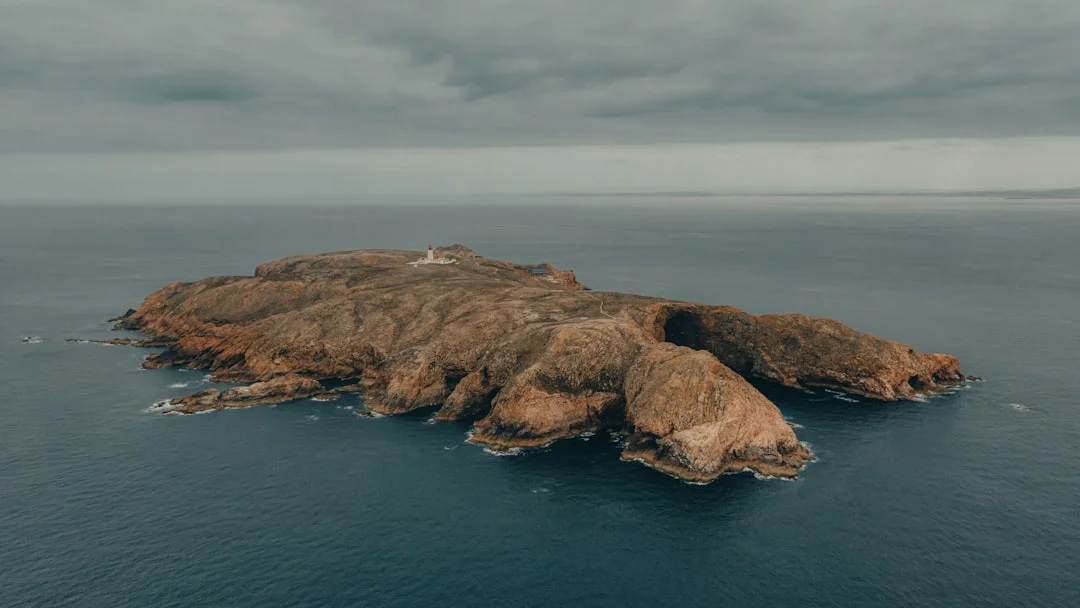
While the Costa del Sol often dominates the headlines, the true soul of Málaga is frequently found by turning your back to the sea and heading inland. January 2026 has started with excellent news for rural tourism enthusiasts and those considering a relocation to Málaga’s rural villages: a new gem in the Serranía de Ronda has officially joined the prestigious network of Pueblos Mágicos de España (Magical Villages of Spain).
Tag: lang:en
-

A Weekend of Excellence: The New ‘Magical Village’ and Ronda’s Dish of the Year
If you are looking for a reason to head inland this weekend, the Serranía de Ronda has just provided two compelling ones. The year 2026 has started strong for the province’s rural prestige, combining a major tourism accolade for one of our most picturesque white villages with a gastronomic triumph in the capital of the Tajo, mirroring the rise of young chefs and new flavors in Málaga.
-
Gaucín: The ‘Magical’ Village Redefining Winter Escapes in Málaga
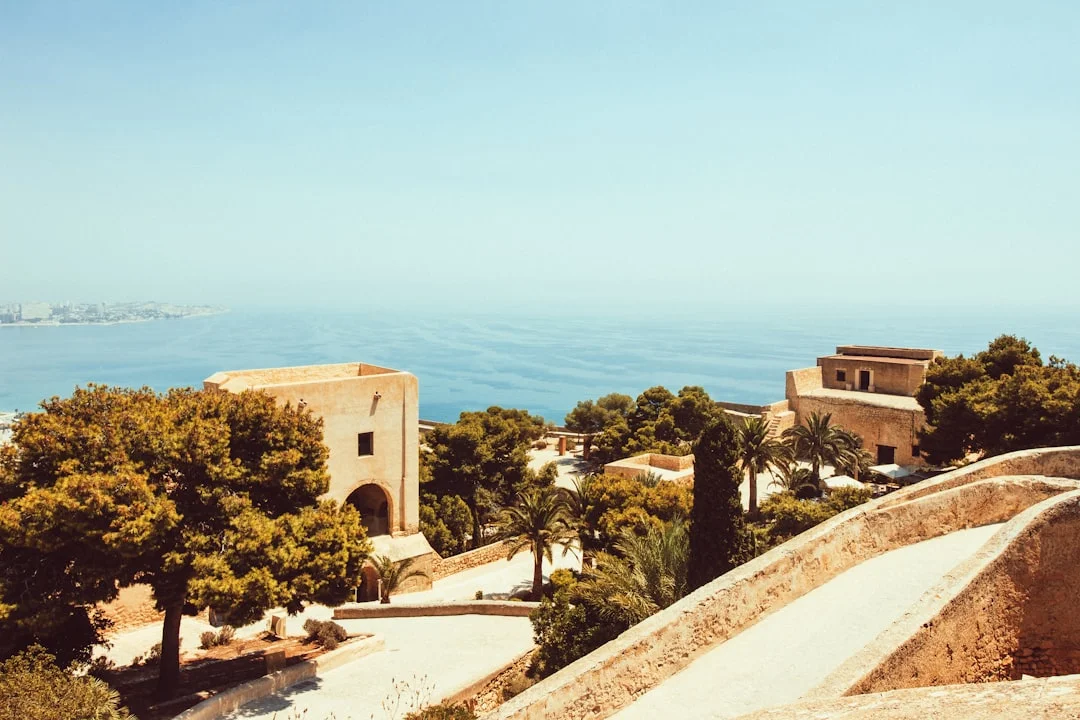
January in Málaga often means quiet beaches and sleepy coastal towns, but inland, the energy is shifting. Gaucín, a whitewashed village perched high in the Serranía de Ronda, has started 2026 with a new accolade. Recently highlighted by national press as a “Pueblo Mágico” (Magical Village), this spot is gaining traction as the perfect antidote to the post-holiday blues.
While the coast hibernates, Gaucín shines—quite literally. Its elevation and position make it one of the sunniest balconies in the province, offering a winter escape that combines history, hiking, and some of the best views in Andalusia.
The ‘Balcony of the Serranía’
The primary reason to visit Gaucín isn’t just what’s inside the village, but what you can see from it. Known as the “Balcony of the Serranía de Ronda,” its geographical position is unique. On a crisp January day, when the air is free of summer heat haze, the visibility is startling.
Looking south, the Rock of Gibraltar dominates the horizon, and just beyond it, the Rif mountains of Morocco rise clearly across the strait. It is one of the few places where you can enjoy a coffee while looking at two continents simultaneously.
According to El Confidencial, which recently spotlighted the village’s inclusion in the prestigious ‘Pueblos Mágicos’ network, this combination of landscape and heritage is what sets Gaucín apart from other pueblos blancos.
Castillo del Águila: A Fortress in the Clouds
Dominating the village skyline is the Castillo del Águila (Eagle’s Castle). Of Roman origin but largely expanded by the Arabs, this fortress was a strategic military point for centuries due to its command over the valleys leading to the coast.
Today, it serves as a spectacular viewpoint. The climb up is steep but manageable for most fitness levels. Unlike the crowded monuments in larger cities, you can often explore the ruins here in relative silence. The castle grounds include a hermitage, the Santo Niño, which holds deep local significance.
Tip: Bring comfortable shoes. The cobblestones and the ascent to the castle are not suited for heels or flimsy sandals, even if you are just driving up for lunch.
A Bohemian Winter Retreat
Gaucín has a different rhythm than its neighbor, Ronda. It has historically attracted a significant community of international artists, which has influenced the local vibe. You aren’t just walking through a museum piece; it’s a living village with art studios and a slightly bohemian undercurrent.
For the ‘slow travel’ enthusiast, this is ideal. The streets are narrow and winding—classic Moorish urban design—meant to be walked slowly. In January, the winter sun warms the white walls, making outdoor dining pleasant during the midday hours.
Practicalities for a Day Trip
If you are planning a visit this month to see what the “Pueblo Mágico” buzz is about, keep these logistics in mind:
- Getting There: Gaucín is about a 45-minute drive from the coast (Manilva/Sabinillas area) or about an hour and a half from Málaga city. The road is curvy—take it slow and enjoy the scenery.
- Parking: Do not try to drive deep into the village center. Park on the outskirts (there are designated areas near the entrance) and walk in. The streets are unforgivingly narrow for modern cars.
- Dining: The local cuisine leans towards hearty mountain fare—perfect for January. Look for stews, local meats, and chestnut-based desserts.
Whether you are a local looking to rediscover your own backyard or a visitor seeking an authentic slice of Andalusian life, Gaucín offers a peaceful yet majestic break from the routine. It’s a reminder that sometimes the best views require a little bit of a climb, and the best destinations are the ones that force you to slow down.
-

Off-Piste Gastronomy: A Culinary Route from Campillos to Benajarafe
While Málaga’s historic center offers an endless array of tapas bars and rooftop terraces, the true pulse of Málaga’s gastronomic explosion often beats strongest outside the city limits. For the local foodie or the traveler willing to rent a car, the province offers a different kind of luxury: space, authenticity, and the honest reinvention of tradition.
-
Málaga Drives the Future: eMobility Expo 2026 and the New Era of European Transport
Málaga has long been celebrated for its quality of life and tourism, but in 2026, the city is firmly establishing itself as a nerve center for technological advancement and sustainability. The arrival of the eMobility Expo 2026 marks a significant milestone in this journey, transforming the Costa del Sol into the European capital of the sustainable mobility debate.
A Global Stage for Green Transport
The eMobility Expo World Congress has chosen Málaga as the backdrop for one of the most critical discussions in the automotive and transport sectors: the implementation of new European Union regulations regarding electric vehicles (EVs).
With the EU’s ambitious climate targets looming, the industry is under pressure to accelerate the transition away from internal combustion engines. This year’s Expo is not just a showcase of futuristic prototypes; it is a strategic summit where policymakers, manufacturers, and tech disruptors are defining the roadmap for the next decade.
According to ProSostenible, the 2026 edition is specifically focused on analyzing these new regulatory frameworks. The event serves as a crucial platform for understanding how these laws will impact everything from manufacturing supply chains to urban infrastructure planning.
Why Málaga?
The choice of Málaga is no accident. Over the last few years, the city has aggressively pursued a “Smart City” agenda, testing electric bus lines, expanding cycling infrastructure, and integrating the Málaga TechPark into the global digital economy.
Hosting the eMobility Expo 2026 highlights two key aspects of the city’s growth:
- Strategic Hub: Málaga is increasingly seen as the gateway between Europe and Africa, as well as a bridge to Latin America, making it an ideal location for international logistics and transport dialogues.
- Living Lab: The city itself acts as a testing ground for many of the technologies discussed at the Expo, from smart traffic management systems to last-mile delivery solutions.
Business Opportunities and the Green Economy
For local businesses and international investors, the Expo signals a booming market. The transition to electric mobility requires massive infrastructure upgrades—charging stations, grid modernization, and software solutions—sectors where Málaga’s tech ecosystem is already thriving.
The convergence of the tech sector with the automotive industry creates a fertile ground for startups and established firms alike to forge partnerships. The discussions held here in 2026 regarding the circular economy of batteries and carbon footprint reduction are expected to set the tone for business strategies across the continent.
Looking Ahead
As we navigate 2026, the presence of such a high-caliber event confirms that Málaga is moving beyond its traditional image. It is becoming a place where the future of how we move, work, and live is being decided.
It is inspiring to see our city host these vital conversations. Whether you are an industry professional or simply a resident watching the electric buses glide by, it is clear that we are all part of a larger shift toward a cleaner, quieter, and more efficient future. We look forward to seeing the innovations unveiled this year translate into real-world benefits for our streets and communities.
-

Beyond the Franchises: The Alternative Cultural Agenda in Málaga
Málaga has successfully branded itself as a city of museums. With the Centre Pompidou, the Picasso Museum, and the Carmen Thyssen, there is no shortage of world-class art for the weekend visitor. However, for those of us living here—or visiting for longer than a few days—the glossy brochures sometimes feel a bit detached from the daily pulse of the city.
There is a parallel cultural track in Málaga, one that is less about queuing for ticketed exhibitions and more about participation, learning, and local performance. This is the agenda driven by the Diputación de Málaga (Provincial Council). It is decentralized, diverse, and surprisingly accessible.
Here is a practical guide to navigating this alternative circuit.
The Hubs: Where It Happens
The programming is generally split between two main headquarters, each with a distinct personality.
1. La Térmica: The Creative Lab
Located in the western part of the city (Sacaba Beach area), La Térmica is housed in a stunning early 20th-century civic center. It is arguably the most dynamic cultural space in the province.
Unlike a static museum, La Térmica focuses on creation and thought. Their agenda typically includes:
- Workshops: Ranging from analog photography and botanical illustration to philosophy and creative writing.
- Red Friday: A monthly night market (historically held on the first Friday of the month) mixing flea markets, live concerts, and food trucks.
- Residencies: You will often see work from international artists who live in the center for months at a time.
It is a space designed for locals to do things, rather than just look at things.
2. MVA Cultural Centre: The Stage
Right in the city center on Calle Ollerías, the Centro Cultural María Victoria Atencia (MVA) is the Diputación’s answer to the need for accessible performing arts.
This venue is crucial for the local theater scene. While the Teatro Cervantes hosts the big touring productions, the MVA is where you go for documentaries, indie music sessions, and theater productions that might be too experimental for the commercial stages. It is intimate, well-equipped, and central.
Understanding the ‘Agenda’
The beauty of the Diputación’s programming is its accessibility. A significant portion of the events—especially concerts and theater at the MVA—are free of charge. However, “free” does not mean “walk-in.”
- Invitations are Key: For MVA events, you typically need to download an invitation online (often via portals like Eventbrite or the Diputación’s own site) a few days in advance. They disappear quickly.
- Weekly Updates: The schedule is fluid. As noted by local outlets like AZ Costa del Sol, the agenda is updated weekly, offering a mix of workshops, exhibitions, and performances that change rapidly.
Why It Matters
Engaging with this side of Málaga offers a break from the tourist-heavy center. It connects you with the residents—students, retirees, artists, and families—who make up the actual fabric of the city. Whether it is a workshop on sustainable fashion or a jazz concert on a Tuesday evening, these events feel communal rather than commercial.
If you are feeling burnt out by the queues at the Alcazaba or the crowds on Calle Larios, checking the Diputación’s weekly roster is a solid move. It is culture on a human scale, often just a bus ride or a short walk away.
We hope this encourages you to step slightly off the beaten path this week. There is something very grounding about sitting in a local theater or learning a new craft alongside your neighbors, reminding us that a city’s culture is defined not just by what hangs on its walls, but by what its people create together.
-
La Cosmo: The ‘Casual’ Michelin Concept Defining Málaga’s Culinary Soul
If you have walked through the center of Málaga recently, you know the struggle. Between the franchises and the ‘authentic paella’ signs aimed at cruise passengers, finding a meal that feels honest can be a challenge. Gentrification has a flavor, and it is usually bland.
However, tucked away from the noise of the main tourist arteries, La Cosmo continues to hold the line.
As we settle into 2026, looking back at the culinary landscape of the past year, one thing is clear: Chef Dani Carnero has successfully codified what modern Malagueño cuisine should be—sophisticated, accessible, and absolutely devoid of pretension.
The ‘Little Sister’ with a Big Personality
Dani Carnero is no stranger to accolades. His flagship restaurant, Kaleja, holds a Michelin star and is known for its deep dives into ‘candela’ (fire) cooking. His original hit, La Cosmopolita, is a legendary tavern that chefs themselves visit when they are in town.
La Cosmo sits comfortably between them. It was designed to be the casual, rebellious sibling. It is a place where the kitchen is open, the noise level is lively, and the tablecloths are missing—but the technique is Michelin-grade.
The premise is simple: What if you applied haute cuisine rigor to the format of a neighborhood bar? The result is a venue that feels effortless but tastes expensive.
The Menu: Why It Works
Unlike the static menus of tourist traps, La Cosmo’s offering breathes. It relies on the market, meaning if the produce isn’t good that morning, it’s not on the plate that night. However, there are staples that have defined its success throughout 2025 and remain essential ordering for anyone visiting now.
The Holy Trinity of Orders
- Ensaladilla Rusa with Hake: You cannot talk about La Cosmo without this dish. While ensaladilla is a staple in every bar in Spain, Carnero’s version adds warm, flakey hake and perfectly crisp green beans. It changes the texture and temperature of the dish, turning a cold starter into a comforting main event.
- Steak Tartar Mollete: A nod to the traditional bread of Antequera, but filled with hand-cut, perfectly seasoned steak tartar. It is savory, soft, and punchy.
- Leek Carbonara: A clever twist where the vegetable takes center stage, treated with the richness usually reserved for pasta.
A Refuge for Locals and Foodies
The success of La Cosmo isn’t just about food; it’s about resistance. In a report by Málaga Hoy, experts highlighted La Cosmo as one of the defining restaurants of 2025, placing it among the top gastronomic experiences in Spain.
This recognition validates a crucial point: casual dining does not have to mean lower standards. For the local resident, it offers a place to celebrate a Tuesday night without the ceremony of a tasting menu. For the visitor, it offers a glimpse into how Málaga actually eats when it’s not performing for Instagram.
Practical Tips for Your Visit
- Booking is Essential: Do not assume you can walk in. Despite being ‘casual’, the demand is high. Book at least two weeks in advance if you want a prime weekend slot.
- The Bar: If you are dining solo or as a pair, try to sit at the bar. Watching the kitchen team work is half the entertainment.
- Location: Calle Císter, 11. It is central, right near the Cathedral, making it an easy stop—but it feels worlds away from the hustle outside.
Málaga is changing fast. New hotels and franchises open every month. But places like La Cosmo remind us that the city’s culinary heart is still beating strong, fueled by chefs who care more about the flavor of a leek than the filter on a photo. If you haven’t been yet, make 2026 the year you go.
Enjoy your meal, and maybe I’ll see you at the bar.
-
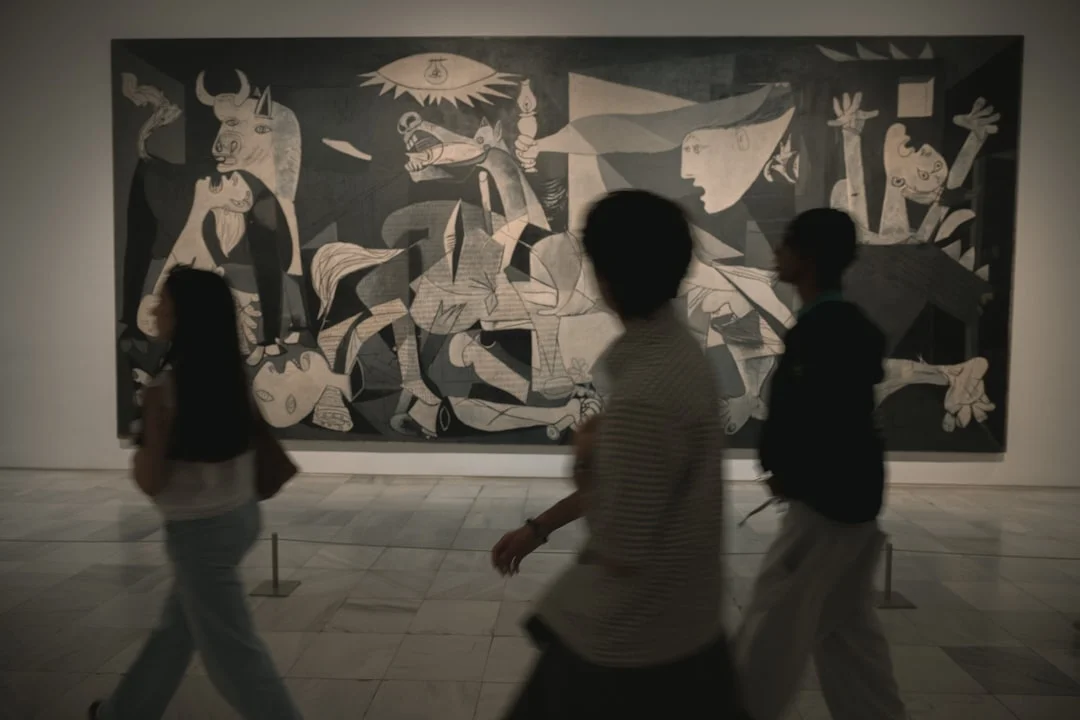
Picasso & Françoise: Re-examining a Complex Legacy in 2026
As the festive lights of Calle Larios come down and Málaga settles into the quieter rhythm of January 2026, the city’s cultural agenda offers a moment for deeper reflection. Among the current offerings, the exhibition “Picasso: vida con Françoise” stands out—not just as another display of the Malagueño genius, but as a necessary re-examination of one of the most significant relationships in 20th-century art.
More Than a Muse
For decades, Françoise Gilot was often reduced to a footnote or a chapter title in Picasso’s biography. However, following her passing in 2023 at the age of 101, the art world has been actively recontextualizing her role. She was an accomplished artist in her own right, a critic, and famously, the only woman who ever left Picasso.
This exhibition, currently active in the Temporary Exhibition Hall, focuses on the period they shared and the lithographs that emerged from that era. It moves away from the romanticized view of the “artist and his model” to present a dialogue between two strong personalities. For those of us living in or visiting Málaga this winter, it provides a fascinating look at the human dynamics behind the masterpieces.
Why Visit Now?
January and February are arguably the best months to visit Málaga’s museums. The holiday crowds have dispersed, allowing for a more intimate viewing experience. This exhibition is particularly suited for a quiet morning or afternoon visit, where you can actually take the time to read the curators’ notes and study the engravings without being jostled.
As noted in the 2025/2026 seasonal programming, this exhibition is a key pillar of the city’s winter cultural offer. It serves as a bridge between the festive season and the spring art calendar.
A Broader Cultural Context
This exhibition doesn’t exist in a vacuum. Málaga’s start to 2026 is intellectually robust. Alongside the Picasso focus, the city is hosting events related to Málaga Clásica and literary discussions centering on Dostoyevsky, creating a rich tapestry for culture lovers this month.
According to Málaga de Cultura, these overlapping events—ranging from classical literature to modern art—highlight the city’s maturity as a cultural capital. It’s not just about sun and skewers; it’s about engaging with complex history and art.
Practical Tips for Your Visit
- Timing: Mid-week mornings are the quietest.
- Context: Read a brief biography of Françoise Gilot before you go. Understanding her independence adds immense weight to the visual narrative.
- Nearby: After the exhibition, the surrounding streets of the historic center are perfect for a coffee and a debrief. The conversations sparked by Gilot’s story are often as interesting as the art itself.
We hope you take the opportunity to see this. It’s a reminder that history is rarely a solo act, and even giants like Picasso were shaped by the formidable people beside them.
-
Málaga as a Global Laboratory: Key Insights from the Ibero-American Sustainable Tourism Forum
Málaga has long been known as a premier destination for sun and culture, but in recent years, it has taken on a new, more complex role: that of a global laboratory for the tourism industry. As visitor numbers continue to rise, the city has become a testing ground for solving one of the modern travel world’s most pressing issues—how to manage success without succumbing to it.
This shift from passive destination to active ‘think tank’ was solidified during the VI Ibero-American Forum on Sustainable Tourism (TuriSOS). The event, which gathered international experts, highlighted Málaga’s strategic position as a bridge between Europe and Latin America in the quest for a more balanced travel model.
The ‘Think Tank’ Approach
The central premise of the forum, and Málaga’s current strategy, is that the era of simply counting visitor arrivals is over. The focus has shifted entirely to management and coexistence. The forum brought together over 30 speakers from 15 countries to debate the “counterproductive effects” of exponential growth—a conversation that is vital for residents and industry leaders alike.
According to Entorno Turístico, the gathering served as a critical meeting point to exchange experiences on social sustainability. The goal is not just to be green in an environmental sense, but to ensure the social fabric of the city remains intact under the pressure of popularity.
Key Pillars of the Debate
- Dying of Success: The most urgent topic addressed was the concept of ‘overtourism.’ Experts argued that without strict management of flows and resources, destinations risk losing the very identity that made them attractive in the first place.
- The Transatlantic Bridge: Málaga effectively utilized its position to connect Andalusian expertise with Latin American markets. This exchange allows for a bidirectional flow of solutions—what works in Cancún might be adapted for the Costa del Sol, and vice versa.
- Resident-Centric Tourism: A recurring theme was the necessity of prioritizing the quality of life for locals. As highlighted in coverage by Málaga Hoy, learning the hard lessons of sustainability is essential to prevent the displacement of residents and the ‘theme park’ effect.
From Theory to Practice
The discussions held in Málaga are not merely academic; they are shaping policy. The city is increasingly using data to monitor tourist flows and decentralize attractions, moving visitors away from the congested historic center to other vibrant neighborhoods.
Reflecting on the insights from the forum, Diario Sur noted the importance of this strategic vision. By hosting these high-level debates, Málaga declares that it is willing to confront the uncomfortable realities of the industry to secure a viable future.
As we move through 2026, the legacy of these discussions is visible. The city is no longer just asking “How many people can we attract?” but rather “How can we ensure Málaga remains a home for its people while welcoming the world?” It is a delicate balance, but one that this ‘global laboratory’ is determined to solve.
Living here, one can feel the tension between the booming popularity of our streets and the need for quiet, everyday life. It is hopeful to see that the powers that be are not ignoring the friction, but actively inviting the world’s best minds to help solve it. We remain optimistic that Málaga can remain the welcoming, authentic city we love—for both those who visit and those who stay.
-
What Málaga Really Eats: The Google Search Data vs. The Critics
We all love to brag about Málaga’s exploding high-end culinary scene. With Michelin stars descending on the Costa del Sol and celebrity chefs opening outposts in the city center, it is easy to get swept up in the glamour of tasting menus and deconstructed tapas—a tangible success compared to the big tech projects that never arrived.