Tag: lang:en

  • Axarquía: 170,000 Tons of Illegal Rubble Uncovered

    Axarquía: 170,000 Tons of Illegal Rubble Uncovered

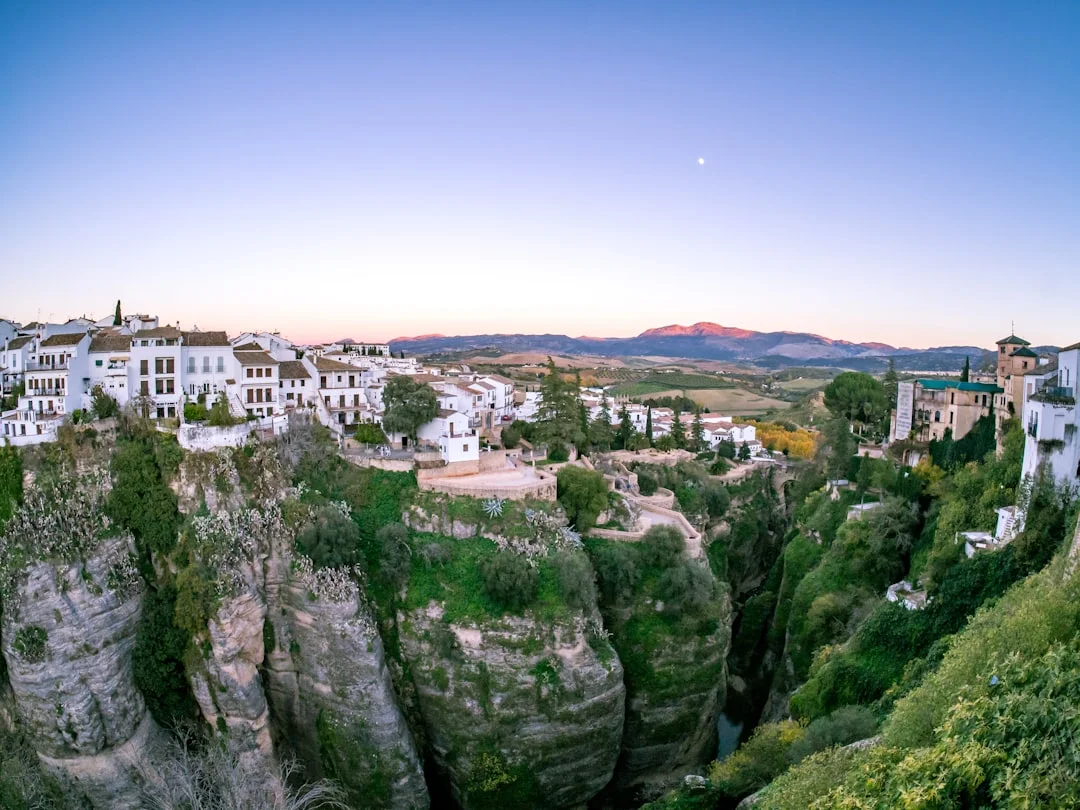
    The Axarquía region, with its sweeping valleys, sun-drenched hills, and traditional white villages, has long been a sanctuary for those seeking a quieter pace of life. Home to one of the largest communities of foreign residents in Málaga—a province also drawing international attention for its recent recognition as a European gastronomic capital—this eastern comarca is celebrated for its pristine rural environment. However, a significant environmental disaster has cast a shadow over this idyllic landscape, serving as a stark reminder of the challenges facing rural preservation.

    The Scale of the Disaster

    In a major operation protecting the local ecosystem, the Guardia Civil launched an investigation into a massive illegal dumping network. According to reports from elDiario.es, authorities uncovered nearly 170,000 tons of construction and demolition waste illegally deposited across the region.

    The investigation implicated 12 individuals connected to this large-scale environmental crime. Rather than utilizing authorized waste management facilities—which require processing fees—the perpetrators systematically dumped rubble, plastics, and potentially hazardous building materials onto rustic plots of land (fincas rústicas) hidden from main roads.

    Why This Matters Globally and Locally

    The global shift toward sustainable living often drives individuals to places like the Axarquía. Expats and locals alike invest in rural properties here not just for the climate, but for the profound connection to nature.

    When 170,000 tons of concrete, brick, and chemical residues are dumped into the soil, the impact is devastating:
    * Soil Contamination: Heavy metals and chemicals from construction waste can leach into the earth, compromising agricultural land famous for avocados, mangoes, and traditional olive groves.
    * Water Supply Risks: The Axarquía faces well-documented water challenges. Illegal landfills threaten to contaminate subterranean aquifers, which are vital for both farming and residential use.
    * Biodiversity Loss: The destruction of natural habitats to make way for illegal dumping displaces local wildlife and disrupts the delicate ecological balance of the region.

    Implications for Rural Property Buyers

    For the international community drawn to Málaga’s countryside, this incident highlights a crucial aspect of buying rural property: due diligence. The dream of owning a secluded finca must be balanced with a clear understanding of the land’s history and its immediate surroundings.

    If you are considering purchasing property in the Axarquía, consider the following steps to protect your investment and the environment:

    1. Conduct Thorough Land Surveys: Always hire an independent surveyor to inspect the land for unauthorized landfills, buried waste, or irregular topographical changes.
    2. Verify Land Use: Ensure the plot has not been historically used as an informal dumping ground by previous owners or neighboring construction sites, an increasingly relevant step as housing construction hits new highs across Málaga.
    3. Work with Reputable Professionals: Engage local lawyers and real estate agents who understand the environmental regulations of the Junta de Andalucía and can verify the ecological status of the property.

    The Path to Restoration

    The intervention by the Guardia Civil’s environmental protection service (SEPRONA) is a vital step in addressing this crisis. By holding the responsible parties accountable, local authorities are sending a clear message that the exploitation of Málaga’s natural landscapes carries severe consequences.

    However, the physical cleanup of 170,000 tons of debris presents a monumental logistical and financial challenge. It requires coordinated efforts between regional governments, environmental agencies, and landowners to restore these affected valleys to their natural state.

    As we watch the recovery efforts unfold, it is a poignant reminder of how fragile our beautiful surroundings can be. Whether we were born in Málaga or chose to make it our home later in life, we all share the privilege of living in this remarkable corner of the world. By staying informed, supporting local environmental protections, and demanding accountability, we can help ensure that the Axarquía remains a vibrant, healthy haven for generations to come.

  • Málaga Family Weekend: Magic, Musicals & Children’s Theater

    Málaga Family Weekend: Magic, Musicals & Children’s Theater

    Weekends in Málaga offer so much more than just beautiful beaches and sunny park days. For international families living on the Costa del Sol, finding engaging weekend activities is a priority—not just for entertainment, but for integration. Even if driving to these outings requires a bit more planning due to recently halted road improvement projects across Málaga, attending local cultural events remains one of the most effective and enjoyable ways for children to practice the Spanish they learn at school in a real-world, low-pressure environment.

    Whether you are looking to escape the midday sun or simply want to switch up your weekend routine, Málaga’s vibrant cultural scene is packed with family-friendly options. Let’s explore some of the best types of shows to look out for and how they can benefit your children.

    The Universal Language of Magic

    Magic shows are a fantastic entry point into Spanish culture for expat children, perfectly complementing a day of exploring Malaga’s authentic tapas scene. Because illusions and sleight of hand are highly visual, kids can easily follow the storyline and remain captivated even if they don’t understand every single word spoken on stage.

    Local venues frequently host weekend morning or afternoon magic performances tailored specifically for children. These shows are highly interactive, often inviting brave volunteers onto the stage. The simple, repetitive vocabulary used by magicians to engage the crowd makes it a fun, subconscious language lesson for younger audiences.

    Catchy Tunes and Children’s Musicals

    Music is widely recognized as one of the best tools for language retention. Málaga’s theaters regularly host children’s musicals, often adapting classic fairy tales, popular animated movies, or local folklore into vibrant stage productions.

    Taking your kids to a musical offers a multi-sensory experience. The catchy melodies and expressive acting help contextualize the Spanish dialogue, making it easier for children to grasp new vocabulary. Plus, the energetic choreography and colorful costumes keep even the most restless toddlers entertained.

    Classic Children’s Theater

    For a deeper dive into the language, traditional children’s theater (teatro infantil) is an excellent weekend plan. Venues across the city—from the grand Teatro Echegaray to more intimate, alternative spaces like La Cochera Cabaret—frequently dedicate their weekend matinees to younger audiences.

    These plays range from puppet shows for toddlers to more complex storytelling for pre-teens. They often incorporate valuable life lessons, humor, and audience participation. Encouraging your children to respond to the actors’ prompts in Spanish builds their confidence and helps them feel like an active part of the local community.

    How to Find What’s On

    Keeping track of the cultural agenda can sometimes feel overwhelming, especially when navigating a new city. A great habit is to regularly check local Spanish publications that curate weekend guides.

    For instance, you can browse Diario Sur’s weekend plans to stay updated on the latest family-friendly events happening across the province. Checking these local listings every Thursday or Friday will give you a head start on booking tickets for the most popular shows.

    Quick Tips for Expat Families

    • Book in advance: Venues for children’s shows are often intimate, and tickets for popular weekend slots can sell out quickly.
    • Check the recommended age: Most ticketing websites clearly state the target age group for the performance. Sticking to these guidelines ensures the language and runtime are appropriate for your child’s attention span.
    • Embrace the schedule: While Spanish nightlife starts late, children’s theater usually takes place at very family-friendly hours, typically offering sessions around 12:00 PM or early evening at 5:00 PM.

    Wrapping up a busy week with a shared laugh in a local theater is one of the simple joys of living here. It reminds us that while learning a new language and adapting to a different culture takes time, the journey itself can be incredibly fun. We hope your upcoming weekends are filled with wonder, a bit of magic, and plenty of happy family memories.

  • Málaga 2026 Housing Construction Peaks, Yet Crisis Persists

    Málaga 2026 Housing Construction Peaks, Yet Crisis Persists

    Finding a place to call home has become the single biggest hurdle for both locals and expats moving to Málaga. While the city continues to shine as a premier European destination for remote workers, retirees, and tech professionals, its real estate market is under unprecedented pressure. However, recent data from early 2026 offers a glimmer of hope—though experts warn we are far from a complete solution.

    A Record Start to 2026

    The first quarter of 2026 has brought some of the most encouraging construction figures the province has seen in years. The number of approved new build visas has surged, indicating that developers are eager to break ground. Specifically, Málaga Hoy highlights a 37% year-over-year increase in visa approvals for new homes, totaling 3,195 units in just the first three months of the year.

    This marks the strongest start for the local real estate construction sector since the previous peaks of 2017 and 2021. For those looking to buy a house in Málaga in 2026, this uptick in new developments signals that builders are actively trying to capitalize on the sustained demand.

    Why the Housing Crisis Persists

    Despite the impressive 37% jump in new construction, the Málaga College of Architects has issued a sobering warning: these numbers are still entirely insufficient to cool down the current housing crisis.

    Several factors contribute to this ongoing bottleneck:

    • Accumulated Deficit: Years of under-building following past economic fluctuations mean the current surge is merely playing catch-up.
    • Population Growth: The influx of international residents and domestic migrants moving to the Costa del Sol continues to outpace the delivery of new housing units.
    • Construction Timelines: A visa approval today does not mean a move-in-ready home tomorrow. Projects take years to complete, meaning the immediate relief on rent prices on the Costa del Sol will be minimal.

    What This Means for Buyers and Renters

    If you are navigating the Málaga real estate market this year, the landscape remains highly competitive. The persistent gap between supply and demand means that property prices and rental rates are unlikely to see a sharp decline in the near future.

    For prospective buyers, the influx of over 3,000 new units in Q1 2026 means more off-plan options will soon hit the market. However, buyers should be prepared to act quickly and expect premium pricing, particularly in highly sought-after neighborhoods and coastal municipalities.

    For renters, the situation requires patience and flexibility. With the structural deficit in housing stock, securing a long-term lease at a reasonable rate remains a significant challenge, often requiring extensive networking and fast decision-making.

    Navigating Málaga’s housing market right now requires a mix of realistic expectations and perseverance. While it is encouraging to see cranes returning to the skyline and construction numbers climbing, the path to a balanced market is a marathon, not a sprint. We can only hope that sustained building efforts and thoughtful urban planning will eventually make finding a home in our beautiful province a little less daunting for everyone.

  • Málaga: European Capital of Gastronomic Culture 2026/2027

    Málaga: European Capital of Gastronomic Culture 2026/2027

    Málaga’s culinary evolution has been hiding in plain sight, but the secret is officially out. If you live here or are planning a visit, your dining itinerary just got a major upgrade. Málaga has been designated as the European Capital of Gastronomic Culture for the 2026/2027 term, cementing its status as a premier destination for food lovers across the continent, even as locals navigate a persistent housing crisis despite record highs in construction.

    A Title Well Earned

    For decades, the Costa del Sol was primarily synonymous with fried fish, hearty tapas, and beachside chiringuitos. While those traditional spots remain the beating heart of our local diet, the high-end dining scene has completely transformed. As reported by Málaga Hoy, this prestigious European designation officially recognizes the city’s meteoric rise in culinary excellence.

    The data backs up the hype. According to City Hall, in just a short five-year span leading up to this award, Málaga has become the provincial capital boasting the highest number of Michelin-starred establishments. That is a staggering achievement for a city that, until recently, wasn’t typically mentioned in the same breath as culinary heavyweights like San Sebastián or Madrid.

    What is Driving the Boom?

    Several factors have converged to put Málaga on the global fine-dining map:

    • Hyper-Local Ingredients: Chefs are finally tapping into the incredible bounty of the province at a haute-cuisine level. This includes tropical fruits from the Axarquía, rich extra virgin olive oils from the Montes de Málaga, and the daily catches from the Alboran Sea.
    • Homegrown Culinary Talent: A new generation of local chefs—many of whom trained in the world’s top kitchens—are returning home to open ambitious, boundary-pushing projects.
    • An Evolving Audience: A growing expat community and an influx of discerning international visitors have created a steady, year-round demand for innovative, high-quality dining.

    What This Means for Diners in 2026 and 2027

    As we navigate through 2026, the European Capital of Gastronomic Culture title is more than just a plaque on a municipal building; it translates to a vibrant, active food scene.

    Over the next two years, you can expect:
    * Special tasting menus across the city highlighting regional Andalusian history.
    * Unique pop-ups and collaborations between local chefs and international culinary stars.
    * An increased focus on sustainable, zero-kilometer dining experiences.

    Practical Tip: If you want to experience Málaga’s Michelin-starred restaurants or even the highly-rated independent bistros, spontaneous walk-ins are a thing of the past. The designation has brought an influx of gastro-tourists. Book your tables weeks in advance, especially during the peak spring and autumn seasons.

    Looking Ahead

    It is a genuinely exciting time to live and eat in this city. Watching Málaga grow from a humble port town into a recognized European gastronomic heavyweight has been nothing short of remarkable. Yet, despite the fancy accolades, the crisp white tablecloths, and the influx of Michelin stars, the soul of the city remains wonderfully unchanged. We still appreciate a cold Victoria beer and a skewer of sardines roasting over an open fire on the beach just as much as a twelve-course tasting menu. Here’s to enjoying the absolute best of both worlds, one plate at a time.

  • Malaga Construction Surges 37% But Housing Crisis Persists

    Malaga Construction Surges 37% But Housing Crisis Persists

    Aquí tienes el contenido enriquecido con los enlaces internos insertados de forma natural y contextualmente relevante, incluyendo la mención a Málaga como próxima Capital Europea de la Cultura Gastronómica:

    For anyone trying to rent an apartment or buy a home in Malaga this year, the struggle is a familiar one. The city’s transformation into a Southern European tech hub and a prime destination for international residents has brought undeniable economic benefits, but it has also triggered a severe housing squeeze. In the first quarter of 2026, there is a glimmer of hope on the horizon: construction is accelerating. However, industry experts caution that we are still far from a balanced market.

    The Data: A Record First Quarter

    If you look at the skyline across the Costa del Sol, the presence of construction cranes is undeniable. The numbers back up this visual evidence. According to recent reports from Málaga Hoy, the province of Malaga recorded 3,195 new housing visas in the first three months of 2026.

    This represents a robust 37% year-on-year growth and marks the best first-quarter performance for new builds since 2017. The surge in permits indicates a renewed confidence from developers who are eager to capitalize on the region’s enduring popularity.

    Key takeaways from the Q1 2026 data include:
    * 3,195 total units approved for construction in the first quarter.
    * 37% increase compared to the same period last year.
    * Strongest start to a year in nearly a decade, surpassing the post-pandemic recovery spikes seen in 2021.

    Why the Surge is Deemed ‘Insufficient’

    While a 37% jump in new housing permits sounds like a massive victory, the College of Architects has quickly tempered expectations. Their official stance is clear: these numbers, while positive, are still entirely “insufficient” to respond to the current housing crisis.

    To understand why, we have to look at the sheer volume of demand. Malaga’s population has been steadily climbing, fueled by an influx of remote workers, foreign retirees, and domestic migrants seeking better job opportunities in the city’s booming tech and tourism sectors.

    “The pace at which we are building is simply being outstripped by the pace at which people are moving to Malaga. We are playing a game of catch-up where the finish line keeps moving further away.”

    Why is Rent So High in Malaga?

    The gap between supply and demand is the primary driver of the city’s skyrocketing rental prices. However, the issue is multifaceted:

    1. Short-Term Rentals: The lucrative nature of holiday lets continues to pull properties out of the long-term rental market, reducing available stock for permanent residents.
    2. Land Scarcity: Geographically, Malaga is constrained by the Mediterranean Sea to the south and mountains to the north. Developable land is scarce and expensive.
    3. Bureaucracy: Despite the recent uptick in visas, the administrative process for securing building permits and licensing can still be sluggish, delaying the delivery of new homes to the market.

    Buying Property in Malaga: The New Build Market

    For foreign residents and investors looking at buying property in Malaga, new builds present an attractive, albeit highly competitive, option. Modern developments often cater specifically to the desires of incoming expats, offering amenities like co-working spaces, energy-efficient designs, and communal pools.

    However, the high demand means that many of these off-plan properties are sold out long before the foundation is even poured. Furthermore, the focus of new developments tends to skew towards the luxury or mid-to-high market segments, leaving a glaring void in affordable housing for the local workforce.

    What Does This Mean for 2026 and Beyond?

    The 2026 real estate landscape in Malaga remains a seller’s and landlord’s market. While the 37% increase in construction visas is the first step toward correcting the supply imbalance, it will take years for these 3,195 units to be built, handed over, and lived in. In the meantime, prospective renters and buyers must navigate a highly competitive environment.

    Experts suggest that fixing the housing crisis will require more than just private development. It will necessitate a coordinated effort involving public housing initiatives, streamlined urban planning, and potentially, regulatory adjustments to balance the needs of the tourism sector with the rights of local residents.

    Finding a home in Malaga today requires patience, persistence, and often, a larger budget than one might have needed just a few years ago. While the cranes dotting our skyline are a welcome sign of progress, building a city that accommodates both its lifelong residents and its new arrivals is a complex, long-term project. We can only hope that as construction slowly catches up, Malaga will find its equilibrium—remaining the vibrant, welcoming Mediterranean home we all love, without pricing out the very people who give it its soul.

  • Librería Rayuela’s Book Club: 25-Year Milestone

    Librería Rayuela’s Book Club: 25-Year Milestone

    Málaga’s reputation as a cultural capital is often tied to its impressive lineup of world-class museums and galleries. However, the city’s true artistic heartbeat pulses in its quieter, independent spaces. This year, one of the city’s most beloved literary institutions is celebrating a remarkable milestone. Librería Rayuela has officially reached 25 years of hosting its monthly tertulias (literary gatherings), cementing its status as a cornerstone of the local literary scene.

    A Quarter Century of Words and Ideas

    Since January 2001, Librería Rayuela has been a sanctuary for bibliophiles. What started as a modest gathering of readers has evolved into a local institution. For exactly a quarter of a century, the bookshop has hosted these monthly meetings without interruption, offering a reliable escape for readers who navigate the city’s daily traffic and recently halted road improvement projects in Málaga to attend.

    According to a recent feature in La Opinión de Málaga, these gatherings have welcomed a diverse array of renowned writers, independent publishers, and passionate literature lovers over the past 25 years. The commitment to maintaining this space through economic shifts, digital revolutions, and global events highlights the resilience of Málaga’s grassroots culture.

    The Art of the Spanish Tertulia

    For expats and international residents looking to integrate into the local culture, understanding the concept of a tertulia is essential. It is much more than a standard book club. A tertulia is a traditional Spanish social gathering with literary or artistic overtones, where conversation flows freely, and debates are both passionate and respectful.

    Participating in book clubs in Malaga is one of the most effective ways to bridge the gap between the international community and locals. Librería Rayuela provides an intimate setting where language barriers soften, and a shared love for storytelling takes center stage.

    Supporting Independent Bookstores in Malaga

    The survival and success of Librería Rayuela highlight the importance of supporting independent businesses. While large chains and online retailers offer convenience, they cannot replicate the curated shelves, personalized recommendations, and community-building events found in independent shops.

    Attending Libreria Rayuela events is a direct way to invest in the city’s intellectual ecosystem. Whether you are a fluent Spanish speaker ready to dive into contemporary Hispanic literature or a language learner looking to practice your listening skills in a welcoming environment, independent bookshops offer a uniquely authentic experience.

    It is deeply reassuring to see that in our fast-paced, digitally driven world, a simple gathering of people sitting in a circle discussing a good book can endure for 25 years. Spaces like Rayuela remind us that literature is not just a solitary pursuit, but a shared human experience that has the power to connect us all, regardless of where we come from.

  • Librería Rayuela in Málaga: 25 Years of Literary Gatherings

    Librería Rayuela in Málaga: 25 Years of Literary Gatherings

    Málaga is celebrated globally for its sun-drenched beaches and world-class museums, but the city’s true cultural heartbeat often thrives in quieter, more intimate spaces. Beyond the grand institutions, independent bookstores serve as vital community hubs. This year, one of the city’s most cherished literary establishments, Librería Rayuela, is celebrating a remarkable milestone: 25 years of uninterrupted monthly literary gatherings.

    A Quarter-Century of Literary Tradition

    Since January 2001, Librería Rayuela has hosted its monthly tertulia literaria (literary gathering), creating a sanctuary for readers, writers, and thinkers. Over the past two and a half decades, these meetings have welcomed renowned authors, prominent editors, and countless passionate readers who gather to dissect narratives, explore themes, and share their love for the written word.

    As highlighted in a recent feature by La Opinión de Málaga, the bookstore’s reading group has maintained its monthly schedule without fail, serving as a living testament to the city’s enduring dedication to literature. The commitment of the tertulianos—the regular attendees—has transformed a simple book club into a vibrant cultural institution.

    The Role of Independent Bookstores in Málaga

    In an era increasingly dominated by digital algorithms and rapid-fire media, independent bookstores like Rayuela offer a refreshing counter-narrative. They are not merely retail spaces; they are cultural anchors that foster dialogue and intellectual curiosity.

    For the international community and expats settling in Málaga, these local hubs provide a unique opportunity to integrate into the city’s authentic rhythm. While the primary language of the gatherings is Spanish, literature serves as a universal bridge. Expats looking to improve their language skills, understand Spanish literary traditions, or simply connect with culturally engaged locals will find these spaces invaluable.

    Why Join a Local Book Club?

    • Cultural Integration: Engaging in discussions about local and international literature offers deep insights into the societal values and historical contexts of Spain.
    • Language Practice: For non-native speakers, participating in a tertulia is an excellent way to practice conversational Spanish in a structured, intellectually stimulating environment.
    • Community Building: Book clubs attract individuals from diverse backgrounds united by a shared passion, making them ideal settings for forging meaningful friendships beyond the usual expat bubbles.

    Looking Forward

    Librería Rayuela’s 25th anniversary is not just a celebration of its past, but a reaffirmation of its future. The bookstore continues to curate an excellent selection of titles and remains a focal point for literary events in Málaga. Whether you are a lifelong resident or a newly arrived expat, stepping into an independent bookstore and joining a conversation can profoundly enrich your experience of the city.

    It is deeply reassuring to see physical spaces dedicated to slow reading and thoughtful discussion continue to thrive. Places like Librería Rayuela remind us that amidst the rapid changes of modern urban life, the simple act of gathering in a room to talk about a good book remains one of the most enduring and enriching human experiences.

  • Librería Rayuela: 25 Years of Literary Gatherings

    Librería Rayuela: 25 Years of Literary Gatherings

    Beyond the Museums: Málaga’s Independent Literary Scene

    When exploring Málaga, it is easy to be captivated by the major institutions like the Picasso Museum or the Centre Pompidou. However, the true cultural heartbeat of the city often resides in smaller, independent venues. For those seeking a deeper connection with the local community, the independent bookstores of Málaga offer an authentic gateway.

    Among these cultural pillars is Librería Rayuela, a beloved local bookshop that has just reached a remarkable milestone in the city’s literary history.

    A Quarter Century of Shared Reading

    Since January 2001, Librería Rayuela has hosted its monthly literary gatherings, known in Spain as tertulias, completely uninterrupted. This achievement represents a quarter of a century of passionate discussions, critical thinking, and community building.

    According to a recent feature in La Opinión de Málaga, the bookstore’s reading club has welcomed a diverse array of renowned writers, editors, and literature enthusiasts over the past 25 years. These sessions are far more than standard book clubs; they are vibrant forums where literature serves as a lens to examine society, history, and human nature.

    Integrating Through Literature

    For expatriates and international residents looking to engage with local culture, joining a book club in Málaga is a highly effective way to practice Spanish, understand regional perspectives, and build meaningful relationships. Librería Rayuela’s events provide a welcoming environment for anyone willing to dive into Spanish literature and participate in thoughtful, respectful dialogue alongside native residents.

    Why Support Independent Bookstores?

    • Cultural Curation: Independent booksellers offer hand-picked selections that highlight local authors and niche publishers often overlooked by major retailers.
    • Community Hubs: Spaces like Rayuela act as neighborhood anchors, bringing together people from various backgrounds through a shared love of reading.
    • Economic Impact: Supporting local bookshops ensures that the local economy thrives and that cultural diversity is maintained in the city’s commercial landscape.

    As digital media continues to dominate our daily lives, the endurance of physical, face-to-face gatherings is something to be deeply cherished. The 25-year legacy of Librería Rayuela is a testament to the fact that people still crave genuine connection and intellectual exchange. May their doors remain open for many more decades, continuing to offer a quiet, welcoming refuge for readers in the heart of Málaga.

  • 25 Years of Literary Gatherings at Librería Rayuela

    25 Years of Literary Gatherings at Librería Rayuela

    Málaga is internationally celebrated for its sun-drenched beaches and an impressive array of world-class museums. Yet, the true cultural heartbeat of the city often pulses in its quieter, more intimate spaces. Away from the bustling tourist corridors, independent bookstores serve as vital cultural sanctuaries. This year, one of the city’s most beloved literary institutions, Librería Rayuela, is celebrating a remarkable milestone: 25 years of uninterrupted literary gatherings, known locally as tertulias.

    A Quarter Century of Shared Stories

    Since January 2001, Librería Rayuela has hosted its monthly book club, creating a steadfast tradition that has weathered economic shifts, changing reading habits, and a global pandemic. As reported by La Opinión de Málaga, these gatherings have brought together a dedicated group of readers for a quarter of a century, cementing the bookstore’s reputation as a cornerstone of local intellectual life.

    What began as a small gathering of enthusiasts has evolved into a well-respected forum. Over the past 25 years, the tertulias have welcomed renowned writers, editors, and countless literature lovers who gather to dissect plots, debate themes, and share their passion for the written word.

    Connecting Expats and Locals Through Literature

    For expatriates and international residents looking to integrate into Málaga’s authentic cultural scene, independent book clubs offer a unique bridge. While language exchanges and networking events have their place, discussing literature provides a deeper, more meaningful way to connect with the local community.

    Librería Rayuela’s events are a testament to the universal language of storytelling. Attending these gatherings allows newcomers to practice their Spanish in an intellectually stimulating environment, learn about Spanish and Latin American authors, and understand the cultural nuances that shape local perspectives. It is a welcoming space where the love for a good book transcends borders.

    The Role of Independent Bookstores in Málaga

    The survival and success of Librería Rayuela highlight the enduring appeal of independent bookstores. In an age dominated by digital media and rapid-fire content, places like Rayuela offer a necessary pause. They are not just retail spaces; they are community hubs that foster critical thinking, creativity, and genuine human connection.

    Supporting these local businesses is crucial for maintaining the diverse cultural fabric of Málaga. They curate selections that reflect the community’s interests, host local authors, and provide a physical space for ideas to flourish.

    It is deeply comforting to know that in our fast-paced, increasingly digital world, a group of people still gathers once a month in a local bookstore just to talk about a book. The 25-year legacy of Librería Rayuela’s tertulias is a quiet yet powerful reminder that stories are meant to be shared. As we look to the future of our vibrant city, we can only hope that spaces like this continue to thrive, offering a warm seat and an open book to anyone willing to turn the page.

  • Electric Vehicle Sales Double in Malaga

    Electric Vehicle Sales Double in Malaga

    The automotive landscape in Malaga is undergoing a rapid transformation. Dealerships across the province are reporting a 100% year-over-year increase in electric vehicle (EV) sales. This surge is not merely a product of heightened environmental awareness, especially in the wake of severe ecological crises like the massive illegal dumping discovered in Axarquía, but a direct market response to ongoing global instability and fluctuating energy costs. For digital nomads, expatriates, and long-term visitors navigating the Costa del Sol, understanding these shifts is essential when deciding whether to buy or rent a vehicle in 2026.

    The Catalyst: Global Conflict and Energy Volatility

    Data from local dealerships indicates that sales of both new and used electric cars have doubled compared to the previous year. Industry experts point to macroeconomic factors as the primary drivers. According to a recent report from La Opinión de Málaga, geopolitical conflicts have severely disrupted traditional energy supply chains, prompting consumers to seek refuge in electric mobility.

    Fuel price volatility has altered consumer calculus. The initial premium paid for an electric vehicle is now increasingly offset by the long-term savings on fuel. This economic reality is accelerating the transition away from internal combustion engines at a pace faster than previously forecasted for the region.

    Implications for Expats and Digital Nomads

    Malaga’s growing population of remote workers and expatriates heavily influences local mobility trends. Those looking to buy an electric car in Malaga will find a rapidly maturing market.

    • Long-Term Rentals and Leasing: Car rental agencies are expanding their EV fleets to meet the demand of digital nomads who prefer flexible, long-term leases over outright purchases.
    • Used EV Market: The secondary market is expanding. Dealerships are stocking more certified pre-owned electric vehicles, lowering the barrier to entry for residents who want sustainable transport without the new-car price tag.
    • Total Cost of Ownership: With unpredictable pump prices, expats are running the numbers. The predictable cost of charging at home or at municipal stations offers financial stability amidst global economic turbulence.

    Infrastructure: EV Charging Stations on the Costa del Sol

    The sudden spike in EV adoption is testing local infrastructure. The network of EV charging stations on the Costa del Sol is expanding to keep pace with demand. Supermarkets, shopping centers, and newly built residential complexes in neighborhoods like Teatinos and Malaga Este are increasingly integrating fast-charging points.

    However, the infrastructure rollout remains uneven. While urban centers and major transit corridors along the A-7 are well-equipped, rural day-trip destinations still require careful route planning. The local government and private sector are currently accelerating investments to bridge these gaps—including reinforcing the regional energy grid—recognizing that robust charging infrastructure is critical to sustaining the current sales momentum.

    Car Market Trends in Malaga for 2026

    Analyzing car market trends in Malaga for 2026 reveals a clear trajectory. Dealerships are prioritizing electric inventory, often at the expense of traditional diesel models, which are seeing a sharp decline in residual value. Buyers should expect longer wait times for specific new EV models due to high demand, making the used EV market a highly competitive space.

    For those relocating to the region, securing a vehicle now requires a strategic approach. Evaluating the availability of home charging solutions before signing a property lease is becoming a standard practice among incoming residents.

    Navigating these changes can feel overwhelming, especially when adjusting to life in a new city. Yet, watching Malaga adapt so swiftly to global challenges is genuinely inspiring. As we plug into a new era of mobility, the shift toward electric vehicles offers a cleaner, quieter, and more resilient future for everyone who calls this beautiful coastline home.