Tag: lang:en

  • Málaga’s Secret Hotels: Hidden Routes and Local Gems

    Málaga’s Secret Hotels: Hidden Routes and Local Gems

    Málaga is a city of layers. Beneath its sun-drenched beaches and vibrant modern promenades lies a rich tapestry of Phoenician, Roman, and Moorish history. While the major seafront resorts offer undeniable comfort, the true soul of the city is found tucked away in its labyrinthine historic quarters and quiet, leafy residential avenues—spaces that echo the vision of architect Jose Segui, who advocates that Malaga must be built for living.

    To truly experience Málaga is to step inside its hidden boutique hotels—sanctuaries housed in restored 18th-century palaces, quiet former convents, and modernist villas. Here, we reveal the secret routes and local gems that lie just steps from these extraordinary properties.

    The Historic Courtyards of the Centro Histórico

    The historic heart of Málaga is a maze of narrow pedestrian streets where marble floors gleam under the streetlamps. Tucked behind heavy wooden doors lie some of the city’s best-kept secrets: traditional Andalusian courtyards (patios).

    Several boutique hotels in this area have meticulously restored these architectural treasures. Stepping inside, the transition from the bustling city to the quiet murmur of a stone fountain is immediate. These spaces often feature original Mudéjar arches, Roman-style columns, and lush hanging bougainvillea.

    A Hidden Walking Route: The Alleyways of San Juan

    When staying in the historic center, bypass the busy main thoroughfares like Calle Larios. Instead, trace a quiet morning route starting from the historic churches:

    1. Calle San Juan: Begin at the Iglesia de San Juan Bautista, admiring its baroque tower.
    2. Pasaje Chinitas: Walk through this narrow, horseshoe-arched passage, once a bustling hub for 19th-century writers and flamenco artists.
    3. Calle Fresca: A quiet, shaded street that feels worlds away from the modern city, perfect for finding a quiet corner to enjoy a traditional café mitad.

    Secret Rooftops and Panoramic Escapes

    While Málaga is famous for its lively rooftop bars, some of the most spectacular views are reserved for those who know where to look. Several intimate hotels offer private or semi-private terraces that look directly onto the towers of the Cathedral (affectionately known as La Manquita) or the ancient walls of the Alcazaba.

    These elevated sanctuaries provide a completely different perspective of the city. At dusk, the terracotta roofs of Málaga turn a deep amber, and the sound of distant Spanish guitar drifts up from the plazas below. It is the perfect place to enjoy a glass of local sweet wine, Pajarete, far above the crowds.

    The Romantic Villas of El Limonar

    For those seeking a quieter, more aristocratic side of Málaga, the neighborhood of El Limonar offers a peaceful retreat. Developed in the late 19th and early 20th centuries as a residential area for the city’s wealthy bourgeoisie, it is characterized by grand modernist villas, lush gardens, and quiet, tree-lined avenues.

    Several of these historic mansions have been converted into elegant boutique hotels. Staying here feels like stepping back in time to an era of slow travel and quiet luxury.

    The Coastal Garden Route

    From El Limonar, you can enjoy a scenic, crowd-free walk that connects the hills to the sea:

    • Paseo de Sancha: Walk past the stunning historic facades, observing the eclectic architecture ranging from neo-Mudéjar to regionalist styles.
    • The English Cemetery: Founded in 1831, this is the oldest non-Catholic cemetery in mainland Spain. It is a peaceful, botanical garden-like space filled with history, exotic plants, and sea views.
    • La Caleta Beach: Finish your walk by stepping directly onto the quieter sands of La Caleta, where locals gather to watch the sunset away from the busier city beaches.

    Finding Serenity in the Montes de Málaga

    If your definition of a hidden route involves pine-scented air and mountain vistas, the northern edges of the city hold the ultimate secret. Just a short drive from the city center lie the foothills of the Montes de Málaga.

    Here, historic lagares (old wine-pressing estates) and rustic fincas have been transformed into peaceful country hotels. These properties offer a stark, beautiful contrast to the coastal energy of the city, providing a space where the only soundtrack is the wind through the pines and the distant chime of goat bells.

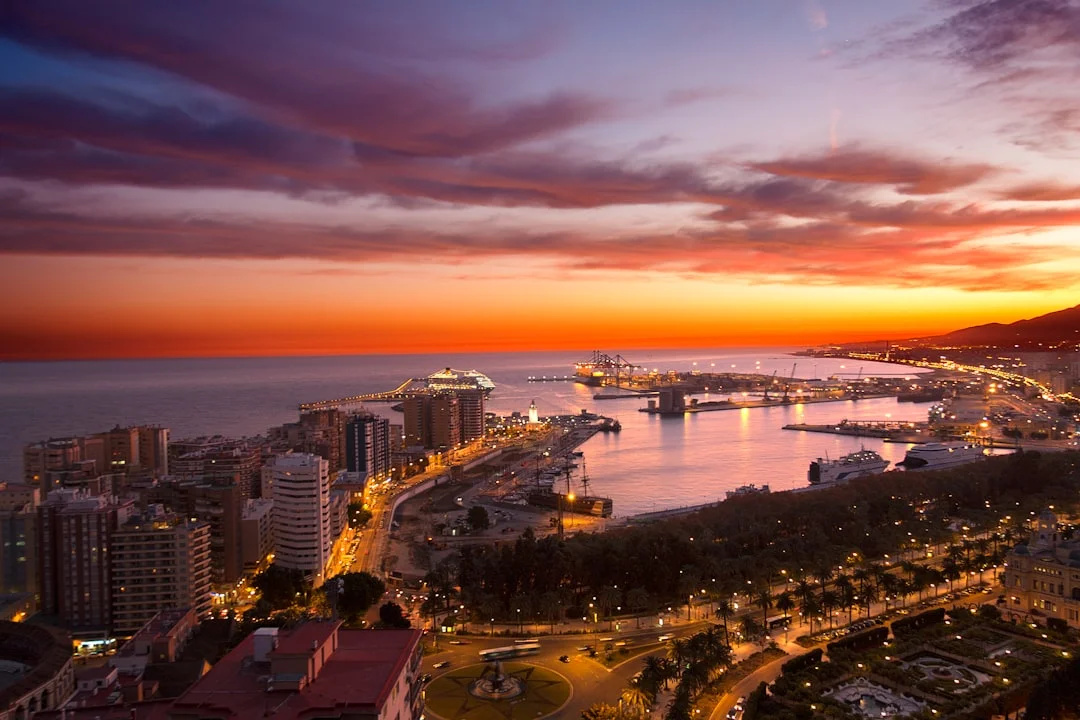
    As the sun sets over the Alboran Sea, casting long shadows across the ancient stone walls of the Alcazaba, one realizes that Málaga’s greatest luxury is not its grand monuments, but its quiet corners. We hope that on your next journey, you take the time to step off the main avenues, peer through an open iron gate, and discover the gentle, poetic rhythm of the city’s hidden sanctuaries.

  • Malaga Weekend Markets: Playmobil, Crafts & Fashion

    Malaga Weekend Markets: Playmobil, Crafts & Fashion

    The weekend rhythm in Malaga is best experienced outdoors, where the warm Mediterranean breeze meets the lively chatter of local plazas. For those seeking to step away from high-street retail and discover the soul of the city’s creative community, Malaga’s weekend markets offer an enchanting alternative. From nostalgic collectors’ fairs to open-air designer showcases, these gatherings have become essential weekend rituals for locals and expats alike. To make the most of your days off, keeping an eye on a comprehensive Málaga weekend guide can help you track down the best local events and family plans.

    Whether you are hunting for a rare vintage toy, updating your wardrobe with sustainable Andalusian fashion, or searching for a handcrafted gift, the city’s diverse market scene has something unique to offer, reflecting the vibrant lifestyle at the heart of architect Jose Segui’s vision of a Malaga built for living.

    The Nostalgia of the Playmobil Collectors’ Market

    Among the most anticipated family-friendly highlights of Malaga’s market calendar is the specialized Playmobil collectors’ market. Far more than just a toy sale, this event is a nostalgic journey that attracts collectors of all generations.

    Visitors can wander through stalls filled with rare, vintage, and customized Playmobil figures, as well as elaborate dioramas that recreate historical scenes or fantasy worlds. It is a fantastic space for families to share memories, and for serious collectors to track down those elusive pieces that complete their sets. The market serves as a vibrant hub of creativity, proving that these iconic plastic figures remain as timeless as ever in 2026.

    Artisanal Crafts and Local Fashion

    Beyond the realm of toys, Malaga’s creative pulse is felt strongly in its design and craft markets. Locally organized events regularly transform public squares and seaside promenades into open-air galleries. As noted in the local cultural guides of Diario Sur, these markets are a cornerstone of the city’s weekend leisure plans.

    Sustainable Design and Local Talent

    At these markets, mass production is replaced by intentional, slow-fashion philosophies. Local designers showcase:

    • Handcrafted Jewelry: Unique pieces made from recycled metals, ceramics, and locally sourced sea glass.
    • Artisanal Textiles: Linen clothing, hand-dyed scarves, and organic cotton garments designed and produced right here in Andalusia.
    • Home Decor: Hand-poured soy candles, original illustrations of Malaga’s landmarks, and hand-woven baskets.

    Shopping here is a deeply personal experience. Visitors have the rare opportunity to speak directly with the creators, learning the stories behind the materials and the inspiration driving each design.

    A Sustainable and Vibrant Way to Explore

    Choosing to spend a Saturday or Sunday morning exploring these markets is not just about shopping; it is about embracing a slower, more sustainable lifestyle. By purchasing directly from independent makers, you contribute directly to the local economy and help keep traditional craftsmanship alive.

    This alternative way of sightseeing pairs beautifully with discovering Málaga’s hidden trails and secret local routes, offering a fresh perspective of the city away from the usual tourist crowds. Set against the backdrop of Malaga’s historic architecture or the modern waterfront of Muelle Uno, these markets offer a lively atmosphere filled with acoustic music, local food trucks, and the undeniable warmth of the community.

    As we enjoy the beautiful weekend weather of 2026, there is nothing quite like the simple pleasure of wandering through these stalls with a warm coffee in hand. We hope you find that perfect, one-of-a-kind treasure and enjoy connecting with the passionate creators who make our city so wonderfully unique.

  • Restaurante Dynamit: Malaga’s Nordic Gastronomic Escape

    Restaurante Dynamit: Malaga’s Nordic Gastronomic Escape

    While Malaga’s historic center is rightfully famous for its traditional tapas bars, fried fish, and sweet wines, the city’s culinary landscape has quietly undergone a massive evolution. As more expats, remote workers, and international travelers call the capital of the Costa del Sol home, the demand for diverse, high-concept dining has skyrocketed, creating a fascinating contrast between historic classics and modern Nordic chic.

    Tucked away in the winding streets of the center, Restaurante Dynamit has emerged as one of Malaga’s most intriguing culinary secrets. Recognized by national food critics and highlighted by El País Gastronomía as a cozy Nordic refuge, this intimate eatery offers a sophisticated, flavor-forward alternative to classic Andalusian fare.

    Here is why Restaurante Dynamit has become a must-visit spot for anyone looking to experience creative, international dining in Malaga, making it the perfect culinary stop after exploring the city’s vibrant weekend markets for crafts and fashion.

    The Concept: Scandinavian Soul, Andalusian Soil

    At its core, Dynamit is a bridge between two culinary worlds. The kitchen applies traditional Scandinavian cooking techniques—such as curing, pickling, smoking, and fermenting—to the rich, sun-drenched ingredients found in southern Spain.

    The result is a menu that feels incredibly fresh, balanced, and surprisingly comforting. Instead of heavy sauces, you will find clean, bright flavors where local seafood, seasonal vegetables, and high-quality meats are elevated by Nordic precision. The atmosphere matches the food: minimalist yet warm, embodying the genuine sense of hygge (coziness) that makes you want to linger over your meal for hours.

    What to Expect on the Menu

    Because Dynamit prioritizes seasonal and hyper-local sourcing, the menu changes regularly to reflect what is best at the market. However, there are several signature elements and styles that define their culinary identity:

    • Cured and Pickled Delicacies: Expect beautifully cured fish, house-pickled vegetables, and complex ferments that add acidity and depth to every plate.
    • Creative Seafood: Drawing from the Mediterranean but utilizing northern sensibilities, dishes might feature perfectly cooked cod, local red prawns, or mackerel paired with dill, horseradish, or rye crumbs.
    • Artisanal Sourdough & Butter: A staple of any great Nordic meal, the house-made bread and cultured butter are worth the visit alone.
    • Thoughtful Wine Pairings: To complement the bright, acidic, and smoky profiles of the dishes, Dynamit offers a curated selection of natural, organic, and biodynamic wines, alongside classic Spanish and international labels.

    A Welcome Addition to Malaga’s International Food Scene

    For years, finding high-end international cuisine in Malaga meant traveling to nearby Marbella or resort towns along the coast. Dynamit represents a shift. It caters perfectly to a modern, cosmopolitan crowd that values culinary creativity, intimate service, and a break from the ordinary without losing touch with local roots.

    It is the kind of place where you can escape the summer heat or find warmth on a cooler winter evening, enjoying a dining experience that feels both deeply personal and internationally minded.

    Practical Information for Your Visit

    • Location: Situated in the heart of Malaga’s historic center, making it easily accessible on foot from major landmarks.
    • Reservations: Highly recommended. Because the dining room is small and intimate, tables fill up quickly, especially for weekend dinners.
    • Vibe: Casual yet sophisticated. It is ideal for a romantic date night, a quiet dinner with close friends, or foodies looking to explore new flavor profiles.

    As Malaga continues to grow as a global cultural hub, and with exciting new culinary openings constantly reshaping the local food scene, it is venues like Dynamit that keep the city’s dining landscape vibrant and unpredictable. Finding a slice of Scandinavia tucked away in a sunny Andalusian alleyway is a reminder of how beautifully diverse our city has become. We hope you find it as welcoming and inspiring as we do.

  • Félix Revello de Toro: Malaga Honors Painter’s Centenary

    Félix Revello de Toro: Malaga Honors Painter’s Centenary

    For culturally-minded residents and expats in Malaga, the city has just marked a monumental milestone for one of its most cherished living artistic icons. On June 10, 2026, the renowned portraitist and painter Félix Revello de Toro celebrated his 100th birthday.

    To honor a century of his life and immense contribution to the Spanish art world, Malaga has unveiled a brand-new public monument and hosted special commemorative events at his dedicated museum. Here is what you need to know about the celebrations and how you can experience his timeless art today.

    A New Monument in the Gardens of Hospital Noble

    As part of the centenary tributes, Malaga has officially inaugurated a new monument dedicated to Félix Revello de Toro. The sculpture has been placed in the beautiful, central setting of the gardens of Hospital Noble, located near the Plaza de Toros de la Malagueta and the Paseo de Reding.

    According to local coverage by La Noción, this new public landmark stands as a permanent thank-you from the city to an artist who has spent his life capturing the light, beauty, and soul of Malaga and its people. The location offers a peaceful spot for art lovers to pause and reflect on the painter’s deep connection to his hometown.

    How Malaga Celebrated the Centennial

    The peak of the celebrations took place on his actual birthday, Wednesday, June 10, 2026. The Revello de Toro Museum—located in the historic heart of Malaga—opened its doors to the public for a completely free open-house day.

    Visitors who joined the celebration were treated to special guided tours detailing the artist’s evolution, from his early prodigy years to his masterworks. As a keepsake of this historic 100th-anniversary milestone, attendees on June 10 were gifted a commemorative folder containing three high-quality reproductions of Revello de Toro’s most iconic paintings.

    Discovering the Revello de Toro Museum

    If you missed the birthday event, there is still every reason to visit. The Revello de Toro Museum is one of Malaga’s hidden cultural gems, housed in a beautifully restored 17th-century building that was once the home and workshop of the legendary religious sculptor Pedro de Mena.

    The museum showcases a spectacular permanent collection of over 100 works, including oil paintings, sketches, and drawings. Revello de Toro is particularly famous for his portraits—especially his ability to capture female figures with extraordinary sensitivity, elegance, and depth.

    Practical Information for Your Visit

    • Address: Calle Afligidos, 5, 29015 Málaga (just a short walk from the Malaga Cathedral).
    • Opening Hours:
      • Tuesday to Saturday: 10:00 AM to 8:00 PM
      • Sundays and Holidays: 10:00 AM to 2:00 PM
      • Closed on Mondays
    • Regular Admission: General entry is €2.50 (which includes an audio guide), making it one of the most affordable and rewarding cultural visits in the historic center.

    Taking a stroll through the quiet courtyard of the museum and viewing the warm, expressive portraits is a wonderful way to connect with Malaga’s living history. If you are keen to see more, you can easily combine this visit with other outstanding art exhibitions in Málaga. Combined with a walk to the new monument at the Hospital Noble gardens, it makes for a perfect cultural afternoon in the city.

    Seeing Malaga honor its artists while they are still here to witness it is a beautiful reminder of the city’s deep-rooted respect for creative expression. We hope this centennial milestone inspires you to step off the beaten path, explore the quiet streets of the center, and discover the incredible warmth of Revello de Toro’s work for yourself.

  • Málaga CF Transfer Market: Pellicer’s 2026 Strategy

    Málaga CF Transfer Market: Pellicer’s 2026 Strategy

    For expats who have recently made the sunny Costa del Sol their home, integrating into the local lifestyle goes far beyond mastering conversational Spanish or enjoying late-night tapas. To truly understand the heartbeat of this city, you need to understand its passion for football.

    As we enter the summer of 2026, Málaga CF is at a crucial turning point. The transfer window is officially open, and head coach Sergio Pellicer is working behind the scenes to build a squad capable of meeting the high expectations of the Malaguista fanbase.

    Here is a breakdown of Pellicer’s strategic vision for the 2026/2027 season and how you can get swept up in the local football culture.

    The Pellicer Philosophy: Youth, Grit, and Commitment

    Sergio Pellicer is a figure deeply respected in Málaga. Known for his tactical adaptability and his deep-rooted connection to the club’s youth academy (La Academia), Pellicer’s strategy for the current transfer window focuses on sustainable growth.

    Rather than chasing flashy, expensive signings, the club’s management is focusing on three core pillars:

    • Promoting Academy Talent: Málaga has historically produced incredible young players. Pellicer continues to prioritize integrating promising youth players into the first-team dynamics.
    • Targeted Veteran Presence: To balance the youth, the club is actively searching for experienced players who understand the pressure of Spanish football and can mentor the younger squad members.
    • Tactical Flexibility: Pellicer demands high physical intensity and tactical discipline. Every new signing must prove they have the work ethic to fit into his high-pressing system.

    According to ongoing reports tracked by MARCA, the sporting department is working tirelessly to secure key reinforcements in the midfield and attacking lines before the pre-season training camps begin.

    Why Following Málaga CF is the Ultimate Expat Integration Hack

    If you are looking to connect with locals, there is no easier icebreaker in a neighborhood bar than asking, “¿Cómo quedó el Málaga ayer?” (How did Málaga do yesterday?).

    1. The Matchday Experience at La Rosaleda

    Located just a short walk from the city center along the Guadalmedina river, La Rosaleda Stadium is a cathedral of passion. The atmosphere is family-friendly, loud, and incredibly welcoming to foreigners. Sharing a bag of sunflower seeds (pipas) with the season ticket holder sitting next to you is a rite of passage.

    2. Learning the Local Slang

    Football matches are a fantastic crash course in local Spanish. You will quickly pick up Andalusian expressions, chants, and humor that you won’t find in any textbook.

    3. A Sense of Shared Identity

    Málaga CF has experienced incredible highs (like reaching the UEFA Champions League quarter-finals) and devastating lows. Supporting the team means embracing the resilience of the city itself. When the team wins, the entire city feels a collective lift on Monday morning.

    What to Watch For This Summer

    As the transfer market progresses through June and July 2026, expect plenty of rumors and exciting announcements. The club is expected to announce several key signings to bolster the squad. To stay up to date with official statements, squad adjustments, and match schedules, keeping an eye on sports outlets like MARCA’s dedicated Málaga section is highly recommended.

    If you want to feel like a true local, head down to the official club shop at La Rosaleda, grab a blue-and-white scarf, and get ready for the emotional rollercoaster that is Spanish football.

    Moving to a new country is all about finding your community. In Málaga, that community gathers every second weekend under the bright lights of La Rosaleda, singing their hearts out. We hope to see you in the stands this season, sharing in the hope, the tension, and the inevitable celebration of a beautiful game.

  • Mijas Opens Free Kids’ Water Park Early to Beat the Heat

    Mijas Opens Free Kids’ Water Park Early to Beat the Heat

    Beat the Heat in Mijas: A Free Splash Zone for Families

    As the summer heat begins to settle over the Costa del Sol, finding budget-friendly ways to keep the little ones cool is top of mind for local and expat families alike. Recognizing this need, the municipality of Mijas has officially opened its popular 1,500-square-meter children’s aquatic playground ahead of schedule for the 2026 season. Meanwhile, for those also keeping an eye on local sports, anticipation is building around the Málaga CF transfer market and Pellicer’s 2026 strategy.

    Originally slated to open later in the month, municipal authorities decided to push the opening forward in response to rising June temperatures and direct requests from local families. According to a report by La Opinión de Málaga, this early opening provides a much-needed, completely free sanctuary for families looking to escape the afternoon heat.

    What to Expect at the Mijas Water Play Area

    This expansive 1,500-square-meter facility is specifically designed with younger children in mind. Unlike traditional deep-water pools, this park focuses on interactive, low-depth water features, making it incredibly safe and accessible for toddlers and young kids.

    Here is what makes it a must-visit this summer:

    • Interactive Water Games: From ground-level fountains and misting arches to dumping buckets and water cannons, the park is packed with sensory play options.
    • Safe Environment: The non-slip surface and lack of deep standing water mean parents can enjoy peace of mind while their children run around.
    • Completely Free Entry: Unlike commercial water parks on the coast, there is absolutely no admission fee, making it a sustainable option for regular weekly visits.

    A Community-Driven Decision

    The early opening highlights a growing trend of local town halls adapting to changing weather patterns and community feedback. With temperatures climbing early this June, parents in Mijas actively petitioned the local government for a safe, outdoor space where children could play safely in the water.

    The quick response from the municipality ensures that families have access to clean, safe, and free recreational infrastructure right when they need it most, rather than waiting for the traditional mid-summer start date.

    Practical Tips for Your Visit

    To make the most of your family day out at the Mijas aquatic playground, keep these practical tips in mind:

    • Pack Water Shoes: While the surface is designed to be slip-resistant, water shoes are highly recommended to protect little feet from hot surfaces and prevent minor slips.
    • Bring Sun Protection: Shade can be limited around the immediate splash zones. Bring high-SPF sunscreen, sun hats, and perhaps a UV pop-up tent or umbrella if you plan to stay for the afternoon.
    • Stay Hydrated: Always pack plenty of fresh drinking water, even though you are surrounded by water play features.
    • Respect the Facilities: Help keep the park clean and safe for everyone by using the designated recycling bins and following the on-site safety guidelines.

    Whether you are a resident living on the Costa del Sol or a family visiting the region for an early summer holiday, this free splash park offers the perfect blend of outdoor fun and heat relief without breaking the bank. If you are also looking for action-packed weekend plans on dry land, you can explore the massive new Yujuland adventure park in Málaga for some obstacle course excitement.

    We hope this early opening brings plenty of joyful, cool afternoons for you and your little ones. There is something truly special about community spaces that listen to the needs of families, and we hope to see more initiatives like this across Málaga province as the summer unfolds. From refreshing splash zones to breathtaking inland hikes like the iconic Caminito del Rey suspension bridge, the region continues to enhance its outdoor offerings for all ages.

  • Málaga TechPark Powers Up for IMEC Chip Center

    Málaga TechPark Powers Up for IMEC Chip Center

    Málaga is rapidly consolidating its position as Southern Europe’s premier technology hub. In a major step forward for the region’s semiconductor ambitions, the city’s urban planning department has fast-tracked the technical infrastructure projects required to support the upcoming Interuniversity Microelectronics Centre (IMEC) research facility. This period of rapid evolution for the city also extends to its sports sector, highlighted by Unicaja’s new direction as the club targets NBA Europe following Ibon Navarro’s departure.

    This development represents a critical phase in preparing the Málaga TechPark (Parque Tecnológico de Andalucía – PTA)—which is also set to welcome major projects like Unicaja’s new technology hub—for one of the most significant industrial and scientific investments in its history.

    High-Voltage Power for Next-Gen Microchips

    Operating a world-class semiconductor research and design center requires highly specialized, uninterrupted infrastructure. According to reports from La Opinión de Málaga, urban planning authorities have approved the technical plans to install a dedicated underground high-voltage power line.

    Key technical aspects of the power grid expansion include:

    • Underground High-Voltage Cabling: Designed to minimize environmental and visual impact while ensuring maximum operational stability for sensitive cleanroom equipment.
    • Dedicated Substations: Ensuring the energy supply matches the continuous, high-load requirements typical of advanced microelectronics manufacturing and design processes.
    • Redundancy Measures: Built-in backup pathways to prevent power fluctuations that could disrupt highly sensitive silicon wafer testing.

    New Roads and Urban Integration

    In addition to upgrading the electrical grid, the approved plans address a long-standing challenge for Málaga TechPark: traffic flow and physical accessibility. The rapid growth of the tech park has necessitated a complete rethink of its transit connections.

    The newly approved infrastructure project includes:

    • New Urban Access Points: New entry and exit routes designed to distribute traffic more evenly across the park’s perimeter.
    • Optimized Road Connections: Redesigned internal roundabouts and lanes specifically configured to handle the increased daily transit of researchers, engineers, and logistics partners.
    • Integration with Public Transit: Future-proofing the access points to align with potential expansions of Málaga’s metropolitan transport network.

    Why the IMEC Hub Matters for Málaga

    IMEC, headquartered in Belgium, is a world-renowned leader in nanoelectronics and digital technologies. Establishing a second major research hub in Málaga is a massive win for Spain and the broader European Union, which is actively seeking to double its global semiconductor market share to 20% by 2030 through the European Chips Act.

    The presence of IMEC in Málaga TechPark is expected to generate hundreds of high-skilled jobs, ranging from semiconductor research scientists to specialized hardware engineers. Furthermore, it acts as a magnet for global tech giants, design houses, and startups that want to collaborate directly with IMEC on next-generation silicon technologies.

    By laying the physical groundwork—both in terms of electrical power and transport logistics—Málaga is proving that it can match its attractive lifestyle with the rigorous technical standards required by the global tech elite.

    As we watch these physical transformations take shape in the tech park, it is hard not to feel a sense of pride in Málaga’s evolution. From a sunny coastal retreat to a vital node in Europe’s technological sovereignty, the city is building a resilient, knowledge-driven future. We hope these infrastructure upgrades not only power the chips of tomorrow but also create lasting opportunities for the local community and the generations of innovators to come.

  • Best Hotels in Málaga: The Ultimate 2026 Guide

    Best Hotels in Málaga: The Ultimate 2026 Guide

    Málaga has completed its quiet transformation from a coastal gateway into one of Europe’s most compelling cultural capitals. Today, the city’s hotel scene reflects this renaissance, blending historic Andalusian grandeur with avant-garde design. Whether you seek the whisper of Mediterranean waves or the vibrant hum of the historic center, Málaga’s finest accommodations offer sensory experiences that linger long after check-out.

    Whether you are visiting for leisure or traveling to the city as the Málaga TechPark gears up for the IMEC Chip Center, here is our curated guide to the best hotels in Málaga for 2026.

    Gran Hotel Miramar: The Grand Dame of the Coast

    For those who demand timeless elegance, Gran Hotel Miramar remains the undisputed crown jewel of Málaga. Located in the exclusive Caleta area, this five-star grand luxury establishment is housed in a magnificent 1926 palace designed by Fernando Guerrero Strachan.

    • The Vibe: Aristocratic splendor meets beachside serenity.
    • What to Expect: Ornate high ceilings, Moorish-influenced arches, and manicured botanical gardens that frame views of the Alboran Sea.
    • The Highlight: Indulge in an afternoon at the Sisley Spa, followed by a sunset cocktail on the rooftop terrace, watching the sailboats glide into the bay.

    Only YOU Hotel Málaga: Contemporary Urban Chic

    Positioned perfectly at the intersection of the iconic Calle Larios and the revitalized port, Only YOU Hotel Málaga is the epitome of modern sophistication. It caters effortlessly to the design-conscious traveler.

    • The Vibe: Cosmopolitan, energetic, and effortlessly stylish.
    • What to Expect: Art deco accents, warm Mediterranean tones, and floor-to-ceiling windows that flood the rooms with Southern Spain’s famous light.
    • The Highlight: Lolita Sky Lounge on the 11th floor. Featuring an infinity pool and panoramic views over the harbor and the Alcazaba, it is one of the city’s premier spots to see and be seen.

    Palacio Solecio: Andalusian History Reimagined

    Tucked away in the winding, cobblestone streets of the historic Jewish Quarter (La Judería), Palacio Solecio offers an intimate journey back in time. This beautifully restored 18th-century palace retains its original architectural soul while embracing modern comforts.

    • The Vibe: Romantic, mysterious, and deeply Andalusian.
    • What to Expect: A stunning central courtyard surrounded by stone columns, delicate ironwork, and rich velvet textures in the guest rooms.
    • The Highlight: Dining at Balausta, the hotel’s signature restaurant led by Michelin-starred culinary direction, where traditional Malagueño recipes are elevated into contemporary masterpieces.

    Vincci Larios Diez: A Front-Row Seat to the City

    If you want to feel the pulse of the city beneath your feet, Vincci Larios Diez positions you directly above Calle Larios, Málaga’s premier pedestrian boulevard.

    • The Vibe: Sleek, boutique, and intensely urban.
    • What to Expect: Avant-garde interiors, highly personalized service, and soundproofed rooms that guarantee a peaceful night’s sleep amidst the city’s energy.
    • The Highlight: The rooftop restaurant, El Taller de Larios, which offers an exceptional vantage point for viewing the city’s seasonal decorations and daily street life from above.

    Choosing Your Perfect Málaga Base

    When planning your stay in 2026, consider the rhythm of your travel:

    • For Beach Lovers: Choose the eastern residential districts like La Caleta (Gran Hotel Miramar) for direct access to the promenade.
    • For Culture Seekers: Opt for the Centro Histórico (Palacio Solecio or Vincci Larios Diez) to discover Málaga’s hidden boutique hotels while remaining within walking distance of the Picasso Museum, the Cathedral, and the Alcazaba.
    • For the Modern Explorer: The Soho district and port area (Only YOU) offer a trendy mix of craft breweries, street art, and contemporary dining.

    As the golden light of the Mediterranean continues to draw travelers from across the globe, Málaga’s hoteliers have elevated hospitality to an art form. We hope this guide helps you find a sanctuary that makes your visit to our beloved coastal city truly unforgettable. Safe travels, and may you find your own perfect corner of Andalusia.

  • Málaga Hospital Civil Workers Protest New Parking Fees

    Málaga Hospital Civil Workers Protest New Parking Fees

    Navigating healthcare in a foreign country can be stressful, and logistical hurdles like parking should not make it harder. For international residents and locals alike who rely on the northern medical district of Málaga, a recent dispute over parking costs has highlighted a growing local challenge.

    On Wednesday, June 10, 2026, healthcare workers and frequent visitors at the Hospital Civil de Málaga gathered to protest what they describe as “excessive” and “abuse” rates at the facility’s newly opened temporary parking lot.

    The Dispute Over the Temporary Parking Lot

    The protest was organized to pressure local authorities and the parking management company for subsidized rates or viable mobility alternatives. As reported by Hoy.es, workers argue that the high daily fees place an unfair financial burden on staff who must park there daily, as well as on patients and families undergoing long-term treatments.

    The temporary parking space was originally designed to alleviate the parking shortage caused by ongoing infrastructure developments in the area, including works related to the upcoming New Hospital of Málaga (Nuevo Hospital de Málaga). These projects coincide with other major hospital expansions announced for Malaga to cope with the city’s growing population. However, instead of offering relief, the pricing structure has sparked widespread frustration.

    Why This Matters for Expats and Visitors

    If you live in Málaga or are visiting and need to access the Hospital Civil or the nearby Maternal and Child Hospital (Hospital Materno Infantil), parking can be incredibly difficult. The surrounding streets in the Bailén-Miraflores district are densely populated, and finding a free street spot is often a test of patience.

    For international residents who may not be familiar with local transit or alternative parking zones, relying on the official hospital parking seemed like the most straightforward option. However, with the current fee structure under fire, visitors should be prepared for higher costs or consider looking for alternative ways to reach the clinic.

    Practical Parking Alternatives Near Hospital Civil

    Until a resolution or a subsidized rate agreement is reached between the workers’ unions and the administration, here are a few practical tips for parking and transit in the area:

    • Blue Zone Parking (Zona Azul): Some surrounding streets feature regulated blue zone parking, which is cheaper than private parking lots but has strict time limits (usually a maximum of two hours) during mornings and early evenings.
    • Street Parking Challenges: You can try searching for free street parking in the residential areas of Bailén-Miraflores or Trinidad, but be aware of informal parking assistants (locally known as gorrillas). It is customary to give them a small tip (around €1) to avoid any friction.
    • Public Transport Options: Given the parking difficulties, taking public transit is highly recommended. Several EMT bus lines connect the city center directly to the Hospital Civil area, including Line 7, Line 15, and Line 17.

    We hope that the hospital administration and the staff can soon find a balanced compromise. Healthcare access should always be accompanied by fair, accessible infrastructure, ensuring that both the dedicated medical professionals and the patients they care for can reach the hospital without unnecessary stress.

  • Cártama Tapa Route: €3 Homemade Eats Near Málaga

    Cártama Tapa Route: €3 Homemade Eats Near Málaga

    For foreign residents and slow travelers in Málaga, finding authentic, budget-friendly culinary experiences can sometimes feel like a challenge. As the city center grows increasingly crowded, many food lovers are turning to alternative culinary hubs like Teatinos, Málaga’s new tapas epicenter, while others seek a refreshing escape in the surrounding towns. Just 20 minutes inland, the town of Cártama is hosting its highly anticipated 2026 Tapa Route (Ruta de la Tapa), offering a perfect excuse to explore the Guadalhorce Valley without breaking the bank.

    This local gastronomic event highlights the best of traditional, home-cooked Andalusian cuisine. Best of all, participating venues are serving up a custom tapa paired with a drink—or a specialty cocktail—for exactly €3. It is a welcome budget-friendly option for residents, especially as other local costs rise, prompting recent protests over new parking fees at Málaga’s Hospital Civil.

    Escaping the City for Authentic Flavors

    While Málaga’s food scene is world-class, the prices in the historic center have risen significantly over the last few years. Although budget-friendly gems still exist if you know where to look—such as the famous €2 tapas at La Esquinita de la Gamba—Cártama’s annual event represents a return to the roots of Spanish tapas culture: simple, high-quality, homemade food shared among neighbors at a price that welcomes everyone.

    According to a report by La Opinión de Málaga, the 2026 edition of the route focuses heavily on traditional recipes passed down through generations. It is an ideal opportunity for expats and visitors to practice their Spanish, mingle with locals, and taste dishes that rarely make it onto the tourist-oriented menus of the coast.

    What is on the Menu?

    The Cártama Tapa Route is designed to showcase the versatility of local kitchens. Rather than mass-produced, frozen appetizers, local bars and restaurants put their pride on the line, competing for the title of the town’s best tapa—making it a perfect culinary day trip if you are staying nearby in one of the best hotels in Málaga.

    • Traditional Tapas: Expect slow-cooked meats like carrillada (pork cheek), homemade croquettes, porra cartameña, and local citrus-infused dishes that pay homage to the valley’s famous orchards.
    • Modern Twists: Some venues offer contemporary fusion tapas, experimenting with local ingredients to surprise diners.
    • Specialty Drinks & Cocktails: In addition to the classic draft beer (caña) or local wine, several participating establishments offer creative cocktails included in the €3 promotional price.

    How to Get to Cártama from Málaga

    Getting to Cártama is straightforward, making it an easy half-day or full-day trip from Málaga city center.

    • By Car: Take the A-357 highway inland. The drive to Cártama Pueblo or Estación de Cártama takes approximately 20 to 25 minutes depending on traffic.
    • By Train: The C2 Cercanías commuter train runs regularly from Málaga María Zambrano station to Estación de Cártama. From the station, local buses or a short taxi ride can take you up to the historic town center (Cártama Pueblo).
    • By Bus: Several Consortium buses (such as the M-131) connect Málaga’s main bus station directly with Cártama.

    Tips for Making the Most of the Route

    To enjoy the event like a local, keep these practical tips in mind:

    1. Grab a “Tapaporte”: Pick up the official route passport at any participating bar or the local tourist office. Getting your passport stamped at different stops allows you to vote for your favorite tapa and enter a raffle for local prizes.
    2. Pace Yourself: Tapas portions in the Guadalhorce region tend to be generous. Plan to visit three or four different spots over an afternoon or evening rather than filling up at the first stop.
    3. Check the Map: The route usually spans both Cártama Pueblo (the historic hillside town) and Estación de Cártama (the flatter, modern district by the railway). Focus on one area per session to avoid unnecessary walking.

    Taking a short trip inland is one of the best ways to experience the true warmth of Málaga province. Whether you are discovering seasonal inland delicacies like the traditional hornazo during Easter or exploring a local food route, we hope this little journey into the Guadalhorce Valley brings you great food, warm conversations, and a deeper appreciation for the rich culinary traditions that thrive just outside our city limits.