Tag: lang:en

  • Málaga Lifeguards Denounce Precarious Conditions

    Málaga Lifeguards Denounce Precarious Conditions

    Springtime Sun Meets Safety Concerns

    As the weather warms up in Málaga this spring, locals, expats, and tourists are already flocking to the city’s beautiful coastline. April and May offer some of the best beach days of the year—plenty of sunshine without the intense heat of August. However, behind the idyllic scenes of sunbathing and early-season swimming, a controversy is brewing regarding beach safety.

    Lifeguards stationed across Málaga capital are currently speaking out against what they describe as inadequate working conditions. For anyone planning a beach day during this current low-to-mid season, understanding the state of local beach safety is essential.

    The Lifeguards’ Grievances

    The core of the issue lies in the resources allocated for beach surveillance before the peak summer months arrive. According to a recent report by La Opinión de Málaga, lifeguards in the capital are protesting what they call a “precarious service.”

    The primary concerns raised by the safety workers, particularly regarding the extended Sunday shopping hours at Málaga’s supermarkets and malls, include:

    • A Severe Shortage of Watchtowers: Lifeguards report that there are simply not enough elevated platforms to adequately monitor the growing crowds.
    • Inadequate Existing Infrastructure: The watchtowers that are currently in place are reportedly insufficient for proper, wide-angle surveillance, leaving blind spots along the shoreline.
    • Lack of Jet Skis: Rapid response is crucial in water rescues. The current shortage of jet skis limits the lifeguards’ ability to quickly reach swimmers in distress, especially those caught in currents further from the shore.

    These infrastructural gaps are particularly concerning because Málaga’s beaches are increasingly busy year-round, not just during the traditional high season of July and August.

    What Does This Mean for Your Beach Day?

    If you are wondering whether there are lifeguards on Málaga’s beaches right now, the answer is yes. The mid-season service is active, and dedicated professionals are patrolling the sands. However, because they are stretched thin and lacking optimal equipment, beachgoers need to take a more proactive approach to their own safety.

    Here are a few practical tips for enjoying the Mediterranean safely during the 2026 low and mid-season:

    • Locate the Nearest Lifeguard Post: When you arrive at the beach, take a moment to find the closest active watchtower or first-aid station. Set up your towels nearby.
    • Pay Attention to the Flags: Always check the flag color before entering the water. Green means safe, yellow means caution, and red means no swimming. If you don’t see a flag, exercise extra caution.
    • Know Your Limits: The Mediterranean can be deceptive. Even if the surface looks calm, undercurrents can be strong. Stay within your depth, especially if you are not a strong swimmer.
    • Keep an Eye on Children: With fewer lifeguards having optimal vantage points, parents and guardians must be extra vigilant.

    Looking Ahead to the Summer of 2026

    Historically, the local government significantly ramps up beach services, including personnel and equipment, as the high season officially kicks off in June. It is expected that the number of active watchtowers and available rescue vehicles will increase as summer approaches.

    However, the current protests highlight a broader issue: Málaga’s transformation into a year-round destination means that “low season” infrastructure may no longer be enough. The lifeguards’ push for better conditions is ultimately a push for better safety for everyone who visits the coast.

    As someone who loves spending time on these beaches, it’s hard not to sympathize with the women and men whose job it is to keep us safe. We all want to relax and enjoy the gentle waves of the Costa del Sol without a care in the world. Hopefully, the city and the safety workers can reach an understanding soon, ensuring that the lifeguards get the resources they desperately need, and we can all continue to enjoy our beautiful coastline with peace of mind.

  • Málaga to Host Spain’s Central May 1st Labor Day Rally

    Málaga to Host Spain’s Central May 1st Labor Day Rally

    If you are living in or visiting Málaga this spring, you will want to mark your calendar for the upcoming public holiday. This May 1st, 2026, Málaga is set to step into the national spotlight as the chosen host city for Spain’s central Labor Day (Día del Trabajador) rally, a particularly relevant event this year given recent local labor disputes, such as the precarious working conditions denounced by beach lifeguards.

    While May Day is traditionally a time of marches and demonstrations across the country, this year’s event in Málaga carries extra weight, arriving just days after the planned medical strikes and protests on April 29. It coincides directly with the official kickoff of the Andalusian regional election campaigns. Because of this, the city center will see a massive influx of attendees, including major national political figures, union leaders, and media outlets.

    According to local coverage by Diario Sur, the combination of the national rally and the election kickoff means residents and visitors should prepare for significant logistical adjustments.

    What to Expect in the City Center

    Historically, Labor Day marches in Málaga flow through the main arteries of the historic center. However, as the focal point for the entire country this year, the scale will be much larger than usual.

    • Large Crowds: Expect thousands of demonstrators, union members, and political supporters to gather. The atmosphere is generally peaceful and festive, but very densely packed.
    • High-Profile Appearances: Prominent national and regional figures will be leading the rallies, bringing heightened security measures and press presence.
    • Noise and Activity: Megaphones, chanting, and music are staples of the May 1st marches. If you are staying in a hotel or apartment near the Alameda Principal or Paseo del Parque, expect a very lively morning.

    Road Closures and Mobility

    If you have plans that involve crossing the city center on May 1st, it is highly recommended to rethink your transportation strategy.

    Areas to Avoid Driving

    The primary routes for these demonstrations usually include Alameda Principal, Paseo del Parque, Plaza de la Marina, and the surrounding streets. Expect total road closures in these areas from early morning until the mid-afternoon.

    Public Transport Shifts

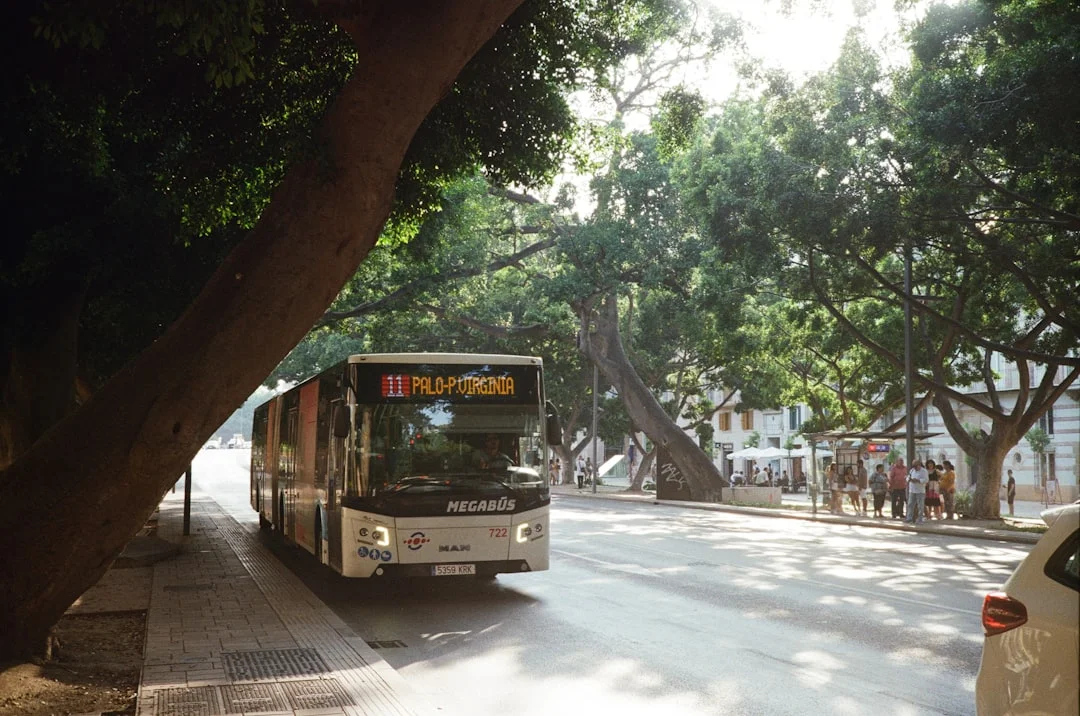
    • Buses (EMT): Most city bus lines that pass through the center (such as those stopping at Alameda Principal and Paseo del Parque) will be diverted. Check the EMT app for real-time updates on the day.
    • Metro and Cercanías: This will be your best bet for getting around. The Málaga Metro (reaching Atarazanas) and the Cercanías train (reaching Málaga Centro-Alameda) run underground and will largely bypass the surface-level disruptions. However, expect the stations themselves to be much busier than a typical bank holiday.

    Tips for Navigating the Day

    If you are a visitor hoping to do some classic sightseeing, you might want to adjust your itinerary. The Alcazaba and Picasso Museum may remain open, but getting to them will require navigating through dense crowds.

    Instead, this could be the perfect day to explore areas outside the immediate center. Consider taking the bus out to El Palo or Pedregalejo for a relaxed seafood lunch, or hop on the Cercanías train to visit neighboring coastal towns like Torremolinos or Benalmádena.

    Living in a vibrant, growing city like Málaga means occasionally sharing our beautiful streets with major national events. While the road closures and crowds might require a bit of extra planning, it is also a unique opportunity to witness the passionate political and social culture of Spain firsthand. Whether you decide to head down to the Alameda to observe the historic 2026 rally or simply use the day to enjoy a quiet walk along the eastern beaches, I hope you have a safe and wonderful May Day.

  • €11.2M Tourist Apartment Complex Opens in Plaza del Siglo

    €11.2M Tourist Apartment Complex Opens in Plaza del Siglo

    Málaga’s historic core has long been a tapestry of winding alleys, sunlit plazas, and centuries-old architecture. Today, it also stands as one of Europe’s most dynamic hubs for real estate investment and modern hospitality. The latest addition to this thriving landscape is the Líbere Málaga Plaza del Siglo, a sophisticated tourist apartment complex that recently opened its doors, marking yet another milestone in the city’s accommodation boom.

    A Strategic Investment in the Heart of the City

    The journey of this remarkable property began a few years ago. In 2021, the real estate investment trust All Iron RE I Socimi acquired the prime building for €11.2 million. The vision was clear: to transform a classic structure in one of Málaga’s most vibrant squares into a premium destination for modern travelers.

    According to industry reports from Hosteltur, this opening reinforces the strong alliance between the property owners and the operators. The meticulous renovation process has breathed new life into the historic facade while completely reimagining the interior to meet the high standards of contemporary guests.

    Líbere’s Fourth Gem in Málaga

    The inauguration of the Plaza del Siglo property represents the fourth establishment managed by Líbere Hospitality Group within the city. This sustained expansion is a testament to Málaga’s unwavering appeal. No longer just a gateway to the Costa del Sol, the city has evolved into a premier cultural and technological capital.

    For digital nomads, remote workers, and discerning tourists, the appeal of these serviced apartments is undeniable. They offer:

    • Prime Location: Steps away from the iconic Málaga Cathedral and the bustling Calle Larios.
    • Modern Amenities: High-speed internet, streamlined digital check-ins, and smart home features tailored for the modern traveler.
    • Flexible Stays: Thoughtfully designed to accommodate both brief city breaks and extended workcations.

    Balancing Heritage and Modernity

    What makes the Líbere Málaga Plaza del Siglo particularly striking is its elegant integration into the surrounding urban fabric. Plaza del Siglo is a bustling nexus where locals and visitors converge. The new complex respects the architectural heritage of the area, ensuring that the building’s exterior remains harmonious with the traditional Andalusian aesthetic. Inside, however, guests are greeted with minimalist elegance, maximizing natural light and offering sweeping views of the historic center.

    This approach to urban regeneration highlights a broader trend in Málaga’s real estate sector. Investors are increasingly recognizing the value of preserving the city’s historic charm while upgrading its infrastructure to world-class standards.

    The Ongoing Accommodation Boom

    The €11.2 million investment is a clear indicator of the robust confidence in Málaga’s tourism and real estate sectors. As the city continues to attract international tech companies and global talent, the demand for high-quality, flexible accommodation is soaring. The success of such projects paves the way for further revitalization of historic neighborhoods, bringing both economic growth and renewed vibrancy to the streets.

    It is always fascinating to watch our beloved city evolve, blending its rich, historic soul with the sleek conveniences of the modern world. As we stroll through Plaza del Siglo and see the lights glowing from these newly restored windows, there is a profound sense of pride in how Málaga continues to welcome the world. Let us hope that as the city grows, it continues to do so with the same grace and respect for its heritage, ensuring that its warm, authentic spirit remains untouched for generations to come.

  • Málaga Climbs Innovation Ranks, Lags Madrid and Barcelona

    Málaga Climbs Innovation Ranks, Lags Madrid and Barcelona

    The narrative surrounding Málaga as the “Silicon Valley of Europe” has gained immense traction over the past few years. From multinational tech giants opening R&D centers and major tech congresses focusing on AI to a surge in digital nomads, the city’s technological renaissance is undeniable. However, a recent data-driven reality check offers a more nuanced picture of where the Costa del Sol’s capital truly stands on the national stage.

    According to the latest data released in April 2026, Málaga is indeed one of the fastest-growing innovation hubs in Spain, but it still operates in a different weight class compared to Madrid and Barcelona.

    Mapping Spain’s Innovation Landscape

    The insight comes from a comprehensive new tool developed by the Cotec Foundation, which maps 59 functional innovation regions across Spain. This granular approach moves beyond simple provincial borders to measure actual economic and technological ecosystems.

    As reported by La Opinión de Málaga, Málaga stands out as the province driving some of the most significant advancements in the national innovation map. The metrics evaluate various indicators, including R&D investment, tech employment, patent generation, and digital infrastructure. On these fronts, Málaga’s growth trajectory is steep and highly promising.

    The 50% Reality Check

    Despite the rapid acceleration, the absolute numbers tell a sobering story about scale and maturity. While Málaga is climbing the ranks faster than almost any other region, its total innovation score currently sits at roughly 50% of the points achieved by Spain’s traditional heavyweights: Madrid and Barcelona.

    Diario Sur notes that while Málaga is scaling the innovation ranking aggressively, bridging the gap with the top-tier cities will require sustained, long-term effort. Madrid and Barcelona benefit from decades of established corporate headquarters, massive venture capital concentration, and deeply entrenched university-industry partnerships. Málaga’s ecosystem, by comparison, is still in its adolescent growth phase.

    Key Factors Behind the Gap

    Several structural elements explain why Málaga, despite its momentum, still trails the leaders:

    • Venture Capital Concentration: The lion’s share of Spanish VC funding still flows into Madrid and Barcelona, where larger funds are headquartered.
    • R&D Expenditure: While foreign direct investment in Málaga is high, total regional spending on research and development as a percentage of GDP remains lower than in the capital or Catalonia.
    • Ecosystem Maturity: Madrid and Barcelona have been incubating startups for decades, resulting in a higher volume of serial entrepreneurs and experienced tech executives.

    Is Málaga Still Good for Startups?

    For founders, investors, and tech professionals, this data shouldn’t be interpreted as a deterrent, but rather as a strategic map. Is Málaga a good place for startups? The answer remains a resounding yes, provided expectations are aligned with reality.

    Málaga offers a distinct value proposition. It provides a highly collaborative, rapidly expanding environment where a new company—or even a young developer launching a grassroots app—can stand out, rather than getting lost in the noise of a saturated market. The lower cost of living and operating compared to major European capitals, combined with an unparalleled quality of life, makes it a magnet for talent retention. The Cotec Foundation’s findings confirm that the momentum here is real and measurable—it just needs time to compound.

    Living and working in Málaga right now feels like being part of something that is actively being built. There is a palpable energy in the local tech community, a shared understanding that while we might not be Madrid or Barcelona yet, we are carving out our own unique identity. It is an exciting time to watch the city evolve, knowing that the foundation being laid today will support the major breakthroughs of tomorrow.

  • Audrey Hepburn’s Golden Mile House to Save a Marriage

    Audrey Hepburn’s Golden Mile House to Save a Marriage

    The Costa del Sol has long been a playground for the rich and famous—a reputation that persists today even as Málaga steadily climbs the national innovation ranks—but behind the sun-drenched glamour often lie deeply human stories. During the golden era of the 1960s, Marbella’s coastline was a magnet for European aristocrats and Hollywood royalty. Now, a newly released authorized biography sheds light on one of the era’s best-kept secrets involving one of cinema’s most beloved icons.

    A Desperate Purchase

    According to historical insights shared by Diario Sur, legendary actress Audrey Hepburn sought refuge in southern Spain during a tumultuous period in her personal life. The biography reveals that the search for an Audrey Hepburn Marbella house was not merely an investment in luxury real estate, but a desperate, final attempt to salvage her failing marriage to actor and director Mel Ferrer.

    Nestled along the prestigious stretch of coastline, the Audrey Hepburn Golden Mile Malaga property was intended to be a private sanctuary. Far removed from the intrusive lenses of Hollywood paparazzi, the couple hoped the tranquil Mediterranean lifestyle would help mend their fractured relationship.

    Unseen Family Archives

    What makes this revelation particularly captivating for local history enthusiasts is the inclusion of previously unseen photographs from Hepburn’s private family album. The book provides an intimate look into her life away from the silver screen:

    • Candid moments: Rare images capture the star enjoying the Andalusian sunshine, offering a stark contrast to the polished, Givenchy-clad image the world knew.
    • A private retreat: The Mel Ferrer Audrey Hepburn Costa del Sol residence is shown as a quiet haven, highlighting a vulnerable woman fighting for her family amidst the blooming bougainvillea of Marbella.

    Ultimately, the marriage ended in divorce in 1968, and the house could not provide the miracle they sought. Yet, this poignant chapter adds a layer of quiet melancholy and profound humanity to the glittering history of the Golden Mile.

    It reminds us that beneath the shimmering surface of celebrity, we are all just people looking for a safe place to anchor our hearts, hoping the warmth of the Mediterranean sun might be enough to heal them.

  • Malaga Tapas: Finding Authentic Eats Over Tourist Traps

    Malaga Tapas: Finding Authentic Eats Over Tourist Traps

    Malaga is booming. With a steady influx of remote workers, expats, and new residents calling the Costa del Sol home, the city’s streets are more vibrant than ever. But this popularity brings a common challenge: navigating a crowded restaurant scene to find truly authentic food. When you are hungry in the historic center, it is easy to fall into the trap of overpriced, underwhelming meals designed for a quick tourist turnover.

    If you want to eat like a true Malagueño, you need to look past the flashy signs and learn how to spot the real culinary gems.

    The Anatomy of a Tourist Trap

    Before you can find the authentic spots, you need to know what to avoid. In Malaga, tourist traps usually share a few unmistakable characteristics:

    • The Menu Outside: If the menu is translated into eight different languages and features large, glossy photos of the food, keep walking.
    • The Promoter: Authentic tapas bars do not need a staff member standing on the street corner trying to hustle you inside. The food speaks for itself.
    • Paella for Dinner: In Andalusia, rice dishes are strictly for lunch. If a restaurant is heavily advertising paella at 9:00 PM, it is catering exclusively to out-of-towners.
    • All-Day Kitchens: Traditional Spanish restaurants close their kitchens between lunch and dinner. If a place is serving full hot meals at 5:30 PM, it is likely a tourist trap.

    Relying on the Right Resources

    When trying to find a good place to eat, most newcomers default to global review platforms like Google or TripAdvisor. The problem? These platforms are heavily skewed by the sheer volume of tourists passing through the city. A mediocre restaurant right next to the Cathedral might have 5,000 five-star reviews simply because of its location and friendly, English-speaking staff.

    To find where the locals actually eat, you need to tap into local knowledge. There is a growing demand for reliable, vetted opinions to help filter out the noise. Local gastronomy portals are invaluable for this. For example, Gurmé Málaga curates highly reliable reviews for the best tapas and bars across the province. By following local food critics and regional portals, you get access to the hidden gems that rarely make it to the top of international travel apps.

    Rules of Thumb for Authentic Tapas

    So, what does an authentic tapas bar look like? Here are a few practical tips to guide your search:

    1. Follow the Noise (and the Trash)

    It sounds counterintuitive, but a loud bar is usually a good sign. Locals are animated, and a bustling, noisy atmosphere means the place is popular with residents. Furthermore, in old-school traditional tapas bars, it is still customary to drop your used paper napkins on the floor beneath the bar. A floor littered with crumpled napkins is a historical badge of honor indicating high turnover and fresh food.

    2. Look at the Clock

    Timing is everything in Spain. If you want to eat where the locals eat, you have to eat when the locals eat. Lunch happens between 2:00 PM and 4:00 PM. Dinner rarely starts before 8:30 PM, and most authentic spots will not fill up until 9:30 PM or later.

    3. Check the Blackboard

    The best tapas bars often rely on seasonal ingredients and daily market catches. Instead of a massive, permanent menu, look for places that feature handwritten chalkboards (pizarras) with the daily specials (sugerencias del día).

    Neighborhoods to Explore

    While there are excellent traditional spots hidden in the historic center (Centro Histórico), you will often find better value and more authentic atmospheres by venturing just a few streets away.

    • El Perchel & Huelin: Located near the port and the main train station, these traditionally working-class neighborhoods are seafood havens. This is where you go for impeccably fresh pescaíto frito (fried fish) at local prices.
    • La Victoria: Just north of the center, the Barrio de la Victoria is packed with old-school bodegas and unpretentious tapas bars serving hearty, traditional stews and local sweet wines.
    • Capuchinos & Trinidad: These areas remain largely untouched by mass tourism. Here, you will find tiny, family-run establishments where the owner is also the chef, and the recipes have not changed in decades.

    Learning to navigate a new city’s food scene can feel daunting at first, especially when every street corner promises the ‘best tapas in town.’ But developing an eye for the authentic spots is a rewarding process. There is a certain quiet joy in walking past the crowded tourist terraces and slipping into a noisy, brightly lit local bar where the waiter knows the regulars by name. Take your time, trust the local resources, and don’t be afraid to order something you can’t perfectly translate. That is usually where the best flavors hide.

  • Developer Launches ‘Locals’ App to Map Malaga

    Developer Launches ‘Locals’ App to Map Malaga

    Malaga’s rapid ascent as a prime European destination has delivered undeniable economic benefits, but it has also accelerated the homogenization of its commercial landscape. For residents and conscious visitors alike, finding the best non touristy restaurants malaga or discovering truly authentic places malaga has become increasingly difficult amid a sea of standardized franchises and tourist-optimized venues. In response to this shift, a localized technological solution is emerging.

    The ‘Locals’ Initiative

    A 22-year-old software developer from Malaga has engineered a digital countermeasure to the dilution of the city’s cultural identity. The application, simply titled ‘Locals’, serves as an interactive directory and map dedicated exclusively to traditional and culturally significant businesses.

    According to Málaga Hoy, the primary objective of this platform is to combat the progressive loss of local identity. By deliberately routing user foot traffic toward heritage businesses, the app aims to provide a tangible economic boost to the establishments that have historically defined the city’s character.

    Core Functionality and Architecture

    The architecture of the ‘Locals’ app is built around an interactive, user-friendly map interface. Rather than relying on crowd-sourced reviews that often skew toward mass tourism, the platform curates its database based on authenticity and local relevance.

    Users can filter the map through specific, highly targeted categories:
    * Traditional Shops: Highlighting multi-generational retail spaces, artisans, and local markets.
    * Gastronomy: Pinpointing family-run eateries, neighborhood taperías, and historic bars that maintain original recipes and reasonable price points.
    * Excursions and Experiences: Detailing culturally relevant activities and routes that bypass standard commercial tours.

    Market Context and Deployment

    The current digital ecosystem is dominated by aggregate review platforms where visibility is often dictated by marketing budgets and high-volume tourist reviews. This creates a feedback loop that marginalizes smaller, traditional venues. The ‘Locals’ app disrupts this pattern by leveling the digital playing field for local merchants who may lack the resources for aggressive online marketing.

    The application is currently in its final phase of development and testing. Once deployed, the locals app malaga download will be available across all major mobile operating systems, providing immediate access to a curated map of the city’s authentic core.

    As Malaga continues to balance its status as a global tech hub with its rich Andalusian heritage, digital tools like this are vital. It is deeply encouraging to witness the city’s youth leveraging modern software development not to replace tradition, but to protect and promote it. Hopefully, this application will empower both residents and visitors to make conscious consumer choices, ensuring that the authentic soul of Malaga continues to thrive in the years ahead.

  • The Rise of Inclusive and Women’s Sports in Malaga

    The Rise of Inclusive and Women’s Sports in Malaga

    When you think of sports in the Costa del Sol, the roaring crowds at La Rosaleda cheering on Málaga CF or the electric atmosphere of a Unicaja basketball game likely come to mind. However, step just slightly off the mainstream path, and you will discover a thriving, deeply passionate ecosystem of inclusive and women’s sports.

    For expats and newcomers looking to integrate into the local culture, supporting these community-focused teams offers a uniquely welcoming and authentic experience. The province of Malaga is rapidly establishing itself as a powerhouse for athletic diversity, proving that the heart of Andalusian sports extends far beyond traditional men’s football.

    CAB Estepona: Elevating Women’s Basketball

    In recent years, women’s sports in Andalusia have seen a massive surge in both talent and local support. Leading this charge on the western coast is CAB Estepona, a women’s basketball club that has consistently demonstrated grit, skill, and an unwavering commitment to youth development.

    Recently honored at the Andalusian sports awards, CAB Estepona is more than just a team; it is a community pillar. Attending a game at the Pabellón José Antonio Pineda is an electrifying experience. The stands are packed with families, aspiring young athletes, and passionate locals who live and breathe every play.

    Why should you add a CAB Estepona game to your weekend itinerary?
    * High-Level Competition: The team competes against some of the best squads in the country, offering top-tier basketball action.
    * Community Spirit: The atmosphere is incredibly family-friendly and welcoming to international residents.
    * Accessible Entertainment: Tickets are highly affordable, making it a fantastic way to enjoy professional sports without the premium price tag.

    While major outlets like Diario AS heavily cover the men’s Unicaja squad, the rising tide of local journalism and community support is rightfully bringing teams like CAB Estepona into the spotlight they deserve.

    Amivel: Champions on Wheels in Velez-Malaga

    Head east of Malaga city to the historic town of Velez-Malaga, and you will find one of the most inspiring athletic institutions in the country: Amivel. Competing at the absolute highest levels of wheelchair basketball in Spain, Amivel is a testament to resilience, tactical brilliance, and raw athletic prowess.

    Also recognized at the prestigious Andalusian sports awards for their continuous contributions, Amivel represents the pinnacle of inclusive sports. If you have never watched a professional wheelchair basketball match, you are missing out on one of the most fast-paced, physically demanding, and thrilling sports in the world. The sound of metal clashing, the incredible upper-body strength required to maneuver and shoot, and the intense tactical gameplay make it a captivating spectacle.

    By supporting Amivel, you are doing more than just watching a game. You are:
    * Championing athletic inclusivity and visibility for athletes with disabilities.
    * Supporting a local Velez-Malaga institution that puts the Axarquía region on the national sporting map.
    * Experiencing a deeply passionate fan culture that embraces newcomers with open arms.

    A Shifting Landscape in Andalusian Sports

    The success of teams like CAB Estepona and Amivel is not happening in a vacuum. Regional authorities and sports federations in Andalusia are actively promoting and rewarding diversity in sports. Investments in local infrastructure, youth academies, and accessibility are paving the way for a more inclusive sporting future.

    This shift is increasingly reflected in national conversations. As seen in the broader sports coverage by platforms like Marca, Spanish sports culture is evolving to celebrate victories across all disciplines, genders, and abilities. The 2026 sporting calendar in Malaga is packed with opportunities to witness this evolution firsthand, from local tournaments to high-stakes league matches.

    Whether you are a lifelong basketball fanatic or simply someone looking for a fun, community-driven way to spend a Saturday evening, venturing beyond the mainstream stadiums is incredibly rewarding.

    It is profoundly inspiring to see a community rally around athletes who pour their hearts into their sports, often without the multimillion-euro contracts of their footballing peers. Buying a ticket, cheering from the stands, and sharing a post-game drink with local fans is one of the most genuine ways to feel at home in Malaga. Here’s to the athletes who remind us that the true spirit of sports belongs to everyone.

  • Spanish Government Halts 50 Road Projects in Málaga

    Spanish Government Halts 50 Road Projects in Málaga

    The Current State of Málaga’s Roads in 2026

    Anyone who has driven along the Costa del Sol knows the familiar rhythm of the A-7 highway: smooth cruising suddenly interrupted by a sea of red brake lights. For expats, daily commuters, and the millions of tourists who rely on rental cars to explore the coast, traffic bottlenecks are a well-known reality. Unfortunately, recent developments suggest these gridlocks are here to stay a while longer.

    The national government has recently halted approximately 50 road improvement and expansion projects across the Málaga province. According to recent reports from Diario Sur, this freeze affects crucial infrastructure developments that were specifically designed to alleviate the mounting regional traffic.

    What the Freeze Means for the Costa del Sol

    With the suspension of these projects, the anticipated relief for the region’s busiest arteries is officially delayed. While the community finds positive momentum in other local developments, such as the recent rise of inclusive and women’s sports in Malaga, here is what drivers need to know about the current situation:

    1. The A-7 Highway Will Remain a Pinch Point

    The A-7 (Autovía del Mediterráneo) is the lifeblood of the coast, connecting Málaga city to Torremolinos, Benalmádena, Fuengirola, and Marbella. Several of the frozen projects were aimed at adding lanes or improving complex junctions along this route. Without these upgrades, drivers should expect the usual heavy congestion, particularly during the morning rush hour (7:30 AM to 9:30 AM) and evening commutes (5:00 PM to 7:00 PM).

    2. Rental Car Logistics Need Extra Buffer Time

    For visitors planning their 2026 holidays, driving in Málaga will require a bit more patience. If you are renting a car at Málaga-Costa del Sol Airport, factor in extra travel time when heading to your accommodation, especially if arriving on a Friday evening or a weekend morning.

    3. Coastal Access Roads Under Strain

    Beyond the main highways, the delayed improvements also impact secondary roads leading into popular coastal towns. Local roundabouts and access ramps that were slated for modernization will continue to operate at maximum capacity, leading to localized backups.

    Navigating Traffic on the Costa del Sol

    While the delay of Málaga road works in 2026 is frustrating, there are practical ways to adapt:

    • Embrace the Cercanías: The C1 train line connecting Málaga city to Fuengirola remains one of the most efficient ways to bypass coastal traffic entirely.
    • Use the AP-7 Toll Road: When traveling longer distances (like Málaga to Marbella), the AP-7 toll highway is almost always clear. The toll fee is often worth the time saved and the reduction in driving stress.
    • Time Your Drives: If possible, avoid being on the A-7 during peak commuter hours. Mid-day and late evening drives are significantly smoother.
    • Rely on Real-Time Navigation: Always use apps like Waze or Google Maps, which dynamically route you around sudden accidents or severe bottlenecks.

    Living and driving in such a vibrant, growing region always comes with growing pains, and infrastructure often struggles to keep pace with popularity. While the pausing of these 50 road projects is a setback for everyone who calls this beautiful coastline home, the Costa del Sol remains incredibly well-connected. With a little extra planning, some patience, and perhaps a good podcast, navigating the roads here is still just a small price to pay for enjoying the incredible lifestyle Málaga has to offer.

  • Málaga Crowned European Capital of Gastronomic Culture

    Málaga Crowned European Capital of Gastronomic Culture

    It’s official: Málaga’s food scene has stepped out of the shadows and onto the main stage. Recently designated as the European Capital of Gastronomic Culture for 2026/2027, our coastal city is no longer just a gateway to the Costa del Sol—it is a bona fide culinary destination in its own right. For those of us living here, this isn’t exactly breaking news. We’ve watched the transformation happen right on our plates. But this institutional recognition marks a turning point for the city’s restaurants, chefs, and everyday diners.

    A Michelin-Starred Metamorphosis

    If you rewind just five years, Málaga was heavily reliant on its beloved, traditional staples: espetos on the beach, classic tapas, and hearty platos de los montes. While those remain the soul of our local diet, the high-end dining landscape has exploded, reflecting a broader wave of modernization that is also driving the rise of inclusive and women’s sports across the city.

    Today, Málaga proudly boasts the highest number of Michelin-starred establishments of any province in Andalusia. This rapid ascent from casual seaside dining to haute cuisine is a testament to the local chefs who are reimagining Andalusian flavors. According to Málaga Hoy, this prestigious European designation recognizes not just the quality of the food, but the cultural weight of Málaga’s culinary evolution. It is an acknowledgment that our food tells the story of the Mediterranean, blending centuries-old traditions with cutting-edge innovation.

    The Double-Edged Sword of Culinary Fame

    However, let’s look at this through a practical lens. As expats, digital nomads, and long-term locals know all too well, this gastronomic boom comes with growing pains, making it increasingly difficult to find authentic tapas and avoid the new tourist traps.

    The “foodie” gentrification of Málaga’s historic center is real. Spaces that once housed family-run tabernas are increasingly being replaced by concept restaurants with tasting menus and minimalist decor. While the quality of food has undeniably skyrocketed, so have the prices. The days of wandering into a highly-rated spot in Soho or the Centro Histórico on a Friday night and effortlessly grabbing a table are largely gone.

    Getting a reservation at the city’s top-tier restaurants now requires military precision. You often need to book weeks, sometimes months, in advance. For the spontaneous diner, this shift can feel frustrating. The influx of culinary tourism, bolstered by this new 2026/2027 European title, means we are now competing with international food critics and dedicated gastro-tourists for a seat at our neighborhood tables.

    How to Navigate Málaga’s Food Scene in 2026

    So, how do we enjoy the best of both worlds? Here are a few practical tips for navigating Málaga’s celebrated dining scene this year:

    • Book Well in Advance: If you want to try one of the Michelin-starred venues or a trendy new opening, set a calendar reminder. Treat restaurant reservations like flight bookings—do it early.
    • Venture Beyond the Center: The gastronomic boom is spilling over into neighborhoods like Teatinos, Huelin, and El Palo. You will often find incredible, innovative food in these areas without the historic center markup or the massive waitlists.
    • Embrace the Lunch Menu: Many high-end restaurants offer a menú del día or a shortened tasting menu during lunch hours. It is a fantastic way to experience award-winning cuisine without the premium dinner price tag.
    • Support the Classics: Don’t let the shiny new stars distract you entirely from the traditional peñas and marisquerías. The foundation of our European Capital of Gastronomic Culture title was built on these humble, generations-old establishments.

    At the end of the day, seeing Málaga recognized on a European scale is something to be genuinely proud of. It brings opportunity, elevates our local ingredients, and puts our hardworking chefs in the spotlight they deserve. While we might have to plan our Friday night dinners a little further in advance these days, the sheer variety and quality of the food we get to enjoy make the extra effort worthwhile. Let’s raise a glass of local Moscatel to the chefs, the waiters, and the market vendors who made this incredible evolution possible.