Tag: lang:en

  • IMEC Effect Draws Foreign Tech Firms to Málaga TechPark

    IMEC Effect Draws Foreign Tech Firms to Málaga TechPark

    The Rise of Southern Europe’s Silicon Valley

    Málaga’s transformation into a leading continental hub for technology has reached a critical milestone. The “IMEC effect”—the magnetic pull generated by the arrival of the Interuniversity Microelectronics Centre (IMEC)—is actively reshaping the ecosystem of Málaga TechPark.

    According to recent updates from the park’s board of directors, the first wave of foreign technology companies attracted directly by the semiconductor giant’s impending arrival has already begun settling in the region. This influx is paired with massive infrastructure commitments, such as the newly announced data center project by Benbros Energy, signaling a structural shift in Málaga’s economic landscape.

    Driving Foreign Investment: The IMEC Factor

    The announcement that IMEC—the world-leading Belgian research and innovation hub in nanoelectronics and digital technologies—would open its advanced microchip laboratory in Málaga has acted as a catalyst. As reported by La Opinión de Málaga, the Málaga TechPark board of directors confirmed in June 2026 that several international firms have finalized their entry into the park specifically to position themselves close to the IMEC ecosystem.

    This trend has accelerated throughout 2025 and the first half of 2026. Multinational corporations specializing in microdesign, chip architecture, and auxiliary software services are establishing local offices. This cluster effect is crucial; design and development firms need physical proximity to research centers to prototype and iterate rapidly.

    Infrastructure and Sustainability: The Benbros Data Center

    A key pillar of this expansion is the integration of robust, sustainable digital infrastructure. Alongside the city’s efforts to fast-track critical power and road infrastructure, the regional government, the Junta de Andalucía, has highlighted strategic agreements aimed at securing next-generation data centers to support this high-performance computing demand.

    As detailed by Europa Press, the planned Benbros Energy data center represents a major leap forward. Key elements of this project include:

    • High-Capacity Computing: Providing the massive processing power required for microelectronic design and artificial intelligence.
    • Sustainability Focus: Utilizing energy-efficient systems to align with the park’s green transition goals.
    • Strategic Positioning: Ensuring low latency and high connectivity for the cluster of multinational firms arriving in the region.

    The combination of world-class research facilities and modern data infrastructure makes Málaga highly competitive against traditional northern European tech hubs.

    Impact on the Local Job Market and Expat Community

    For the growing community of highly skilled expatriates, digital nomads, and local engineering graduates, this industrial shift is creating unprecedented opportunities.

    1. Shift to High-Value Roles: The local job market is transitioning from general software development and IT support to highly specialized fields like hardware design, semiconductor physics, and advanced systems engineering.
    2. Global Talent Attraction: International firms are actively recruiting globally, bringing a diverse, highly educated workforce to the Costa del Sol.
    3. Ecosystem Synergies: The presence of established giants alongside agile startups fosters a dynamic environment for career progression and technical mentorship.

    Looking Ahead

    The rapid development of Málaga TechPark in 2026 proves that the city’s appeal extends far beyond its climate and quality of life. By securing foundational technology assets like IMEC and supporting them with robust infrastructure like the Benbros data center, Málaga is building a resilient, future-proof economy. As we watch this Mediterranean hub evolve, there is a profound sense of shared optimism for a city that successfully bridges the gap between lifestyle and cutting-edge industrial ambition.


  • Malaga Housing Hits €4,500/m² Amid Rental Crackdown

    Malaga Housing Hits €4,500/m² Amid Rental Crackdown

    The Malaga real estate market continues its relentless upward trajectory. For expats, remote workers, and locals alike, finding an affordable home in the province has become one of the most pressing challenges of 2026, solidifying Malaga’s status as Spain’s most demanding housing market. Recent data reveals that average housing prices in Malaga have now surged past the €4,500 per square meter mark, intensifying the debate over how to balance the city’s international appeal with the housing needs of its residents.

    As prices reach these historic heights, a dual narrative is emerging: real estate experts are calling for an aggressive boost in housing construction, echoing Savills’ warning that only more supply can solve the Málaga housing crisis, while local political groups demand immediate, strict limits on holiday rentals.

    The Supply Crisis: Why Prices Keep Climbing

    According to analysis from Savills Andalucía, the fundamental driver behind Malaga’s soaring property prices is a severe mismatch between supply and demand. The city’s transition into a global tech and cultural hub has attracted thousands of international buyers and companies, yet residential construction has failed to keep pace. This growing demand is also spilling over into neighboring municipalities, which continue to upgrade their local amenities and lifestyle offerings, such as the recently opened inflatable water park in Alhaurín el Grande.

    In a recent industry assessment, José Félix Pérez-Peña, regional director of Savills, emphasized that the housing crisis cannot be solved through price caps or restrictive regulations alone. Instead, he argues that the only viable long-term solution is a massive, coordinated effort to increase the supply of residential properties. Without new developments—both private and public—the competition for existing inventory will continue to push average prices well beyond the reach of middle-class families.

    For buyers looking at the Malaga average house price per square meter in 2026, the premium is no longer confined to the historic center or beachfront suburbs like La Malagueta. Surrounding neighborhoods and metropolitan suburbs are also seeing significant spillover inflation.

    Political Pressure Mounts on Tourist Rentals

    While developers focus on construction, local politicians are targeting the existing housing stock—specifically, the thousands of properties currently used as short-term holiday lets.

    The local PSOE political party has officially declared housing as their top priority for the new Andalusian legislative session. Party leaders are actively urging the regional government to strictly enforce state housing laws and implement a crackdown on illegal tourist apartments.

    Key Legislative Demands:

    • Strict Enforcement of Renting Laws: Ensuring that tourist apartments strictly adhere to municipal licenses and zoning laws.
    • Curbing Unlicensed Holiday Lets: Implementing heavier fines and more rigorous inspections to identify apartments operating without proper tourist registration numbers.
    • Prioritizing Local Residents: Creating tax incentives for landlords who transition their properties from short-term holiday lets to long-term residential leases.

    This political push reflects growing public frustration. Large-scale demonstrations and community advocacy groups have increasingly called for measures to protect locals from being priced out of their own neighborhoods.

    What This Means for Expats and Investors

    If you are planning to buy or rent in Malaga in 2026, navigating this market requires a highly strategic approach:

    1. Understand the Local Renting Laws: If you are buying a property with the intention of renting it out to tourists, be aware that obtaining new tourist licenses (licencia de primera ocupación for holiday rentals) is becoming exceptionally difficult. Many neighborhoods are implementing outright bans on new licenses.
    2. Look Beyond the City Center: Emerging residential areas such as Teatinos, Churriana, or neighboring municipalities like Alhaurín de la Torre and Rincón de la Victoria offer slightly more breathing room in terms of price per square meter, though they are also rising.
    3. Prepare for Fast Transactions: With high demand and low inventory, well-priced properties sell quickly. Having financing pre-approved and a local lawyer ready to review contracts is essential.

    Looking Ahead

    Malaga’s evolution into a world-class city is an exciting journey to witness, but it brings the undeniable growing pains of a modern metropolis. Finding the sweet spot between welcoming global investment and preserving the community fabric is the defining challenge of our time. We remain hopeful that through balanced urban planning, increased residential development, and fair regulatory policies, Malaga can remain a vibrant, welcoming, and liveable home for everyone who falls in love with its streets.

  • Málaga News: 5 Things You Didn’t Know

    Málaga News: 5 Things You Didn’t Know

    The Evolving Story of a Changing Province

    For decades, the news coming out of Málaga followed a predictable rhythm: tourism numbers, local festivals, and real estate developments. But as the city has transformed into a southern European technology hub and a preferred destination for international expats, the local media landscape has undergone a quiet revolution.

    Today, local news in Málaga is more dynamic, multilingual, and globally connected than ever before. Whether you are a newly arrived resident tracking how Malaga housing has hit €4,500/m² amid a rental crackdown, or a long-time observer of the Costa del Sol, here are five things you probably didn’t know about how news is made, shared, and consumed in Málaga.

    1. Málaga Pioneer of Spain’s Multilingual Press

    Many people assume that English-language media in Spain is a recent byproduct of the digital nomad boom. In reality, Málaga has been a pioneer in foreign-language journalism for decades.

    Sur in English, the English-language weekly printed edition of the province’s major daily newspaper (Diario SUR), was founded back in 1984. It was created to serve the growing community of British and northern European retirees settling on the Costa del Sol. Today, alongside newer digital portals and community newsletters, Málaga boasts one of the most mature and diverse foreign-language media ecosystems in Southern Europe, publishing news in English, German, Russian, and French.

    2. Local Outlets Are Now Global Tech Sources

    Historically, local Málaga journalists focused on municipal politics and regional agriculture. However, the rise of “Málaga Valley”—the city’s thriving tech ecosystem—has forced a massive shift.

    When multinational giants like Google opened major cybersecurity hubs in the city, local newsrooms had to adapt. Today, local journalists in Málaga are often the first to break news about global cybersecurity trends, international venture capital investments, and microchip manufacturing. What happens in the tech offices of El Palo or the Parque Tecnológico de Andalucía (PTA) is now regularly picked up by global outlets like TechCrunch and Wired.

    3. The Critical Role of Water and Climate Reporting

    In Málaga, environmental news isn’t a secondary section in the back of the paper—it is often the front-page headline. Because of the province’s vulnerability to climate change and its economic reliance on both tourism and intensive subtropical agriculture (like avocados and mangos in the Axarquía region), local journalists have become experts in water management.

    Reporting on the capacity of local reservoirs, such as the La Viñuela reservoir, desalination technology, and regional water restrictions is highly sophisticated here. Local journalists translate complex hydrological data into daily updates that directly impact how residents live and how farmers plan their seasons.

    4. A Deep-Rooted Journalistic History

    Málaga’s relationship with the press is deeply historic. The city’s oldest active daily newspaper, Diario SUR, has been in continuous print since 1937. Over nearly nine decades, it has documented the city’s transition from a quiet port town recovering from the Spanish Civil War to the bustling cultural capital it is today.

    Walking through the city center, you can still see the architectural legacy of this media history. Many of the historic kiosks that line the Alameda Principal and Calle Larios have stood for generations, serving as the central nervous system of local information exchange long before the internet took over.

    5. The Rise of Independent, Neighborhood-First Media

    While major media conglomerates control the largest radio stations and newspapers in Andalusia, the digital era has sparked a major wave of independent, hyper-local journalism in Málaga.

    From neighborhood-specific blogs in Pedregalejo and Teatinos to independent podcasts covering local culture, residents are increasingly turning to grassroots media. These independent outlets focus on the issues that matter most to daily life: rising rental prices, public transit routes, and preservation of local heritage. They offer a crucial counterweight to mainstream narratives, ensuring that the voices of everyday malagueños are heard amidst the city’s rapid internationalization.

    As Málaga continues to grow and welcome people from all corners of the globe, the way we tell our stories is changing. Keeping up with the local news is no longer just about staying informed—it is about feeling connected to a community that is actively shaping its future. We hope this look behind the scenes of Málaga’s media helps you feel a little closer to the heartbeat of our city.

  • Miramar Fuengirola Opens Sould Park Bowling & Arcade

    Miramar Fuengirola Opens Sould Park Bowling & Arcade

    Finding quality indoor entertainment on the Costa del Sol just got a lot easier. For families, expats, and teenagers looking to escape the midday heat or plan an energetic evening out, the Miramar Shopping Centre in Fuengirola has introduced a major upgrade to its leisure lineup, adding to the latest Málaga news and surprising facts about the region.

    On June 15, 2026, a massive new Sould Park entertainment center officially opened its doors on the shopping centre’s outdoor terrace, offering a modern mix of bowling, retro gaming, and family-friendly competition.

    A New 1,000-Square-Meter Leisure Hub

    This new opening represents a significant expansion of Miramar’s existing rooftop and terrace entertainment options. Spanning more than 1,000 square meters, the facility is designed as a bright, modern space where visitors of all ages can easily spend a few hours.

    As reported by Europa Press, this project is part of Miramar’s ongoing strategy to diversify its commercial offering, shifting towards high-quality experiential leisure that complements its retail and cinema spaces.

    What to Expect Inside Sould Park Miramar

    Whether you are competitive by nature or just looking for a casual weekend activity with the kids, the new venue has a varied mix of attractions:

    • Professional Bowling Lanes: The venue features four state-of-the-art, professional-grade bowling lanes. These are fully equipped with modern scoring systems, making them perfect for both casual games and friendly family tournaments.
    • Over 50 Arcade Machines: From classic retro games to the latest high-tech simulators, the arcade zone is packed with interactive entertainment.
    • Billiards and Foosball: For those who prefer classic tabletop games, several pool tables and Spanish-style foosball (futbolín) tables are spread throughout the space.
    • Bar and Lounge Area: To make it a complete night out, the venue includes a dedicated bar area serving drinks and snacks, allowing parents to relax while teenagers and younger kids explore the games.

    According to coverage by La Opinión de Málaga, this layout makes the space highly versatile, catering equally to children’s birthday parties, teenage hangouts, and adult group events.

    Perfect for Summer Days and Cozy Evenings

    Fuengirola is a highly popular hub for international residents and holidaymakers alike. During the peak summer months, finding air-conditioned or shaded activities during the hottest hours of the day is essential. While many families look to cool down at the free kids’ water park in neighboring Mijas, Sould Park’s location on the terrace of Miramar offers a fantastic indoor alternative—combining easy access to the open-air terrace atmosphere with the comfort of a fully modernized, air-conditioned entertainment zone.

    Because it is located inside the main shopping mall complex, visitors also benefit from Miramar’s extensive free parking, excellent bus connections, and the wide variety of nearby restaurants to combine a game of bowling with lunch or dinner.

    Practical Information

    • Where to find it: On the top terrace level of the Miramar Shopping Centre (Avenida de la Encarnación, s/n, Fuengirola).
    • Best for: Families with children, teenagers, groups of friends, and rainy-day or high-heat indoor plans.
    • Parking: Free parking is available in the shopping centre’s main parking garage.

    We hope this new addition brings plenty of laughter, friendly rivalry, and memorable afternoons to locals and visitors on the coast. Whether you are aiming for a perfect strike or just enjoying a quick round of air hockey, it is wonderful to see our local spaces growing with such vibrant options for the community.

  • Picasso’s Structures of Invention Exhibition in Málaga

    Picasso’s Structures of Invention Exhibition in Málaga

    Aquí tienes el artículo enriquecido con los enlaces de manera natural y fluida:

    For anyone living in or visiting Málaga, the connection to Pablo Picasso is impossible to miss. The city’s most famous son left an indelible mark on the global art world, and there is no better place to understand his legacy than the Museo Picasso Málaga, an institution deeply connected to the lifelong efforts of Christine Ruiz-Picasso to bring his masterpieces back to his birthplace.

    Currently, the museum is hosting a highly praised exhibition titled “Colección Pablo Picasso: Estructuras de la invención” (Structures of Invention). Whether you are an art-loving expat or a tourist spending a few days in the city, this curation offers a fascinating, non-linear look into how Picasso’s mind operated. It has quickly become one of the top cultural recommendations for weekend plans in the province, cementing Málaga’s reputation as a premium weekend destination, as highlighted by local guides like Hoy Málaga.

    Here is what makes this exhibition unique and why you should add it to your Málaga itinerary.

    A Fresh Look at a Creative Genius

    Many art exhibitions follow a strict chronological timeline, tracing an artist’s life from youth to old age. Structures of Invention breaks away from this traditional format. Instead, it groups works from different periods of Picasso’s life to reveal the recurring themes, techniques, and structural challenges he constantly revisited.

    By placing a painting from his youth next to a sculpture from his later years, the exhibition highlights the continuous thread of his creative process. You get to see how he deconstructed forms, experimented with materials, and constantly reinvented his own visual language.

    Key Highlights of the Exhibition

    • Diverse Mediums: The collection showcases Picasso’s versatility, featuring paintings, sculptures, ceramics, drawings, and graphic works.
    • The Creative Process: Rather than just presenting finished masterpieces, the curation places a strong emphasis on his sketches and preparatory works, offering a rare glimpse into his decision-making process.
    • The Evolution of Cubism: Visitors can trace how Picasso moved from classical representation to the fragmented, multi-perspective world of Cubism and beyond.

    Practical Tips for Your Visit

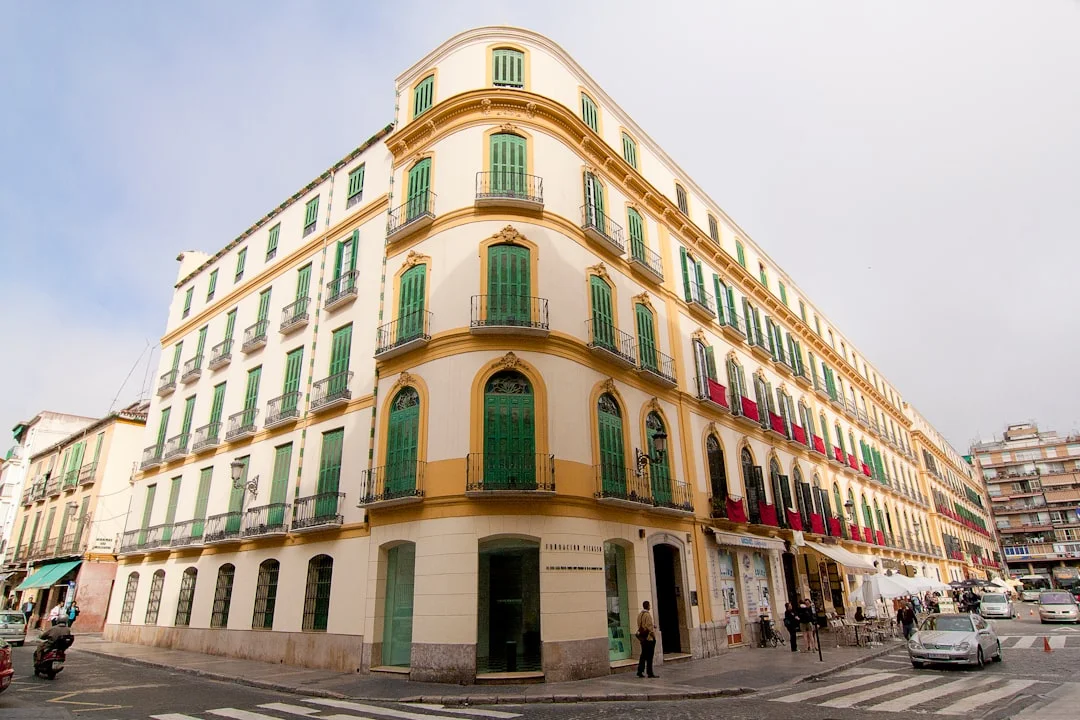
    Located in the heart of the historic center inside the beautiful Palacio de Buenavista, the Museo Picasso Málaga is highly accessible but can get incredibly busy, especially on weekends.

    1. Book in Advance

    To avoid long queues in the Mediterranean heat, it is highly recommended to purchase your tickets online through the official museum website.

    2. Take Advantage of Audio Guides

    The exhibition’s thematic layout means that having context helps immensely. The museum’s audio guide provides excellent commentary on the relationships between the displayed works.

    3. Combine with a Stroll Through the historic Center

    The museum is just a short walk from other iconic landmarks, including the Roman Theater, the Alcazaba, and Málaga Cathedral. It makes for a perfect morning of cultural exploration before heading to a nearby terrace for some traditional tapas.

    Why This Exhibition Matters Today

    Picasso’s work can sometimes feel abstract or distant to those unfamiliar with art history. However, Structures of Invention succeeds in demystifying the artist. By focusing on the “how” and “why” of his creations, it makes his genius accessible to everyone. It reminds us that creativity is not a straight line, but a constant process of trial, error, and bold experimentation.

    There is something deeply inspiring about walking through these historic stone halls and realizing that the masterpieces on the walls started as simple ideas, sketches, and questions. We hope this exhibition brings you a little closer to the creative spirit of Málaga, leaving you with a fresh perspective on what it means to build, break, and reinvent.

  • Málaga’s Rise as a Premium Weekend Destination

    Málaga’s Rise as a Premium Weekend Destination

    The New Era of the Costa del Sol Capital

    For decades, Málaga was widely regarded as a transit point—the airport where travelers landed before dispersing to the resort towns of the Costa del Sol. Today, that narrative has completely shifted. Málaga has transformed into a premier lifestyle hub, attracting discerning international travelers, high-spending weekenders, and affluent expats.

    As highlighted recently by El Mundo, the city has successfully positioned itself as a trendy, top-tier city break destination where cultural prestige, high-end gastronomy, and Mediterranean charm converge, complete with views that stretch all the way toward the African coastline.

    The Picasso Legacy: Culture as a Premium Anchor

    At the heart of Málaga’s cultural renaissance is its most famous son, Pablo Picasso. The city has leveraged this artistic heritage to build a world-class museum ecosystem.

    The Museo Picasso Málaga, housed in the beautifully restored Palacio de Buenavista, remains a central pilgrimage site for art lovers, frequently hosting major contemporary showcases like the Joana Vasconcelos exhibition. However, the city’s cultural appeal extends far beyond Picasso. With the Pompidou Centre’s iconic glass cube at the port, the Carmen Thyssen Museum, and the Russian Museum collection, Málaga offers a density of artistic experiences that rivals much larger European capitals. This cultural density is a major draw for premium weekend tourists seeking intellectual enrichment alongside leisure.

    A Booming Luxury Cruise Port

    Málaga’s geographical advantage has been amplified by strategic investments in its port infrastructure. The Palmeral de las Sorpresas and the modern cruise terminals have turned the city into a preferred stop—and increasingly, a homeport—for boutique, ultra-luxury cruise lines.

    Instead of bypassing the city, cruise passengers now step directly into a vibrant, walkable historic center. The presence of these high-net-worth visitors has stimulated the local economy, driving demand for premium services, private guided tours, and upscale retail experiences along the iconic Calle Larios.

    Culinary Excellence: High-End Gastronomy in the Spotlight

    Gastronomy is playing a pivotal role in Málaga’s premium upgrade. The city’s culinary scene has evolved from traditional beachside chiringuitos serving espetos (sardine skewers) to a sophisticated landscape of Michelin-starred dining and innovative fusion restaurants.

    Local chefs are marrying traditional Andalusian ingredients with modern techniques, attracting culinary tourists who plan their entire weekend around reservation book openings. From rooftop terraces offering panoramic views of the Alcazaba to hidden dining rooms in the historic center, the focus is firmly on quality, local sourcing, and exceptional service.

    Crafting the Perfect Premium Weekend

    If you are planning a high-end weekend getaway to Málaga, here is how to experience the city at its best:

    • Morning: Begin with a private, early-access tour of the Museo Picasso to appreciate the collection without the crowds. Follow this with a stroll through the historic center, stopping to admire the architectural blend of Roman, Moorish, and Christian influences.
    • Lunch: Head to the vibrant port area for a lunch featuring contemporary Mediterranean cuisine, paired with local wines from the Sierras de Málaga DO.
    • Afternoon: Charter a private sailboat from the marina for a sunset cruise along the bay, enjoying views of the city skyline and the Gibralfaro castle from the water.
    • Dinner: Secure a table at one of the city’s acclaimed fine-dining establishments, where traditional southern Spanish flavors are reimagined through a contemporary lens.

    As Málaga continues to evolve, it manages to balance this rapid modernization with its soul intact. The warm sea breeze, the easygoing pace of life, and the open character of its people remain the true foundation of its appeal. We hope that as the city grows as a premium destination, it continues to cherish and preserve the unique local identity that made the world fall in love with it in the first place.

  • Unicaja Baloncesto Battles Fatigue in ACB Semifinals

    Unicaja Baloncesto Battles Fatigue in ACB Semifinals

    While football often dominates the headlines across Spain, in Málaga, basketball is a true passion. Right now, Unicaja Baloncesto is keeping the entire city on the edge of its seat as they battle through the grueling Liga ACB semifinals. As fans pack their famous home court—which is set for a major lift thanks to planned Martin Carpena upgrades to boost Unicaja Malaga—this best-of-five playoff series represents the absolute peak of Spanish basketball, but the journey is testing the limits of the squad’s physical and mental endurance.

    The Physical Toll of a Demanding Season

    Reaching this stage of the competition is no small feat. Unicaja has played high-intensity basketball all year, and the accumulated fatigue is starting to show. According to club president Antonio Jesús López Nieto in a recent interview with Málaga Hoy, the physical exhaustion of the squad is a major concern.

    López Nieto pointed out that the modern basketball calendar leaves very little room for recovery. Playing at the highest level in both domestic and European competitions requires a squad depth and physical resilience that few clubs can sustain without showing cracks. The intense, fast-paced style of play demanded by coach Ibon Navarro means that every player must perform at 100%, making the current signs of fatigue a critical factor in these decisive playoff games.

    Off-Court Distractions: Transfer Rumors and Agent Pressure

    As if the battle on the hardwood wasn’t enough, the club is also navigating the turbulent waters of the transfer market. June is traditionally a hectic month for sports agents, and Unicaja is not immune to the noise.

    López Nieto expressed his frustration with the constant pressure from player representatives during such a crucial phase of the season. Rumors are already swirling around key squad members. Most notably, strong reports suggest that forward James Webb III may be playing his final games in the green and purple jersey, with a potential move to Turkey on the horizon for the next season. Managing these distractions while keeping the players focused on the immediate goal of winning the ACB title is one of the coaching staff’s toughest challenges.

    Playoff Fever at the Carpena

    Despite the exhaustion and the transfer market noise, the atmosphere in Málaga remains electric. The José María Martín Carpena Arena has once again become a fortress. As highlighted in an editorial by La Opinión de Málaga, playoff time in Málaga brings a unique energy to the city. The connection between the fans and the team is stronger than ever, providing a much-needed emotional boost to a squad running on reserve fuel.

    For newcomers to the city, attending a Unicaja playoff game is an unforgettable introduction to local sports culture. The sea of green and purple, the deafening chants, and the sheer drama of Spanish playoff basketball show a side of Málaga that goes far beyond the beaches and museums.

    As the series progresses, Unicaja will need to dig deep into their physical and mental reserves. Whether they reach the finals or not, this team has already proven its resilience and captured the heart of the city once again. We look forward to seeing how this brave squad fights until the final buzzer, hoping they can bring another historic trophy back to Los Guindos.

  • Cueva del Humo: Málaga’s 500,000-Year-Old Coastal Cave

    Cueva del Humo: Málaga’s 500,000-Year-Old Coastal Cave

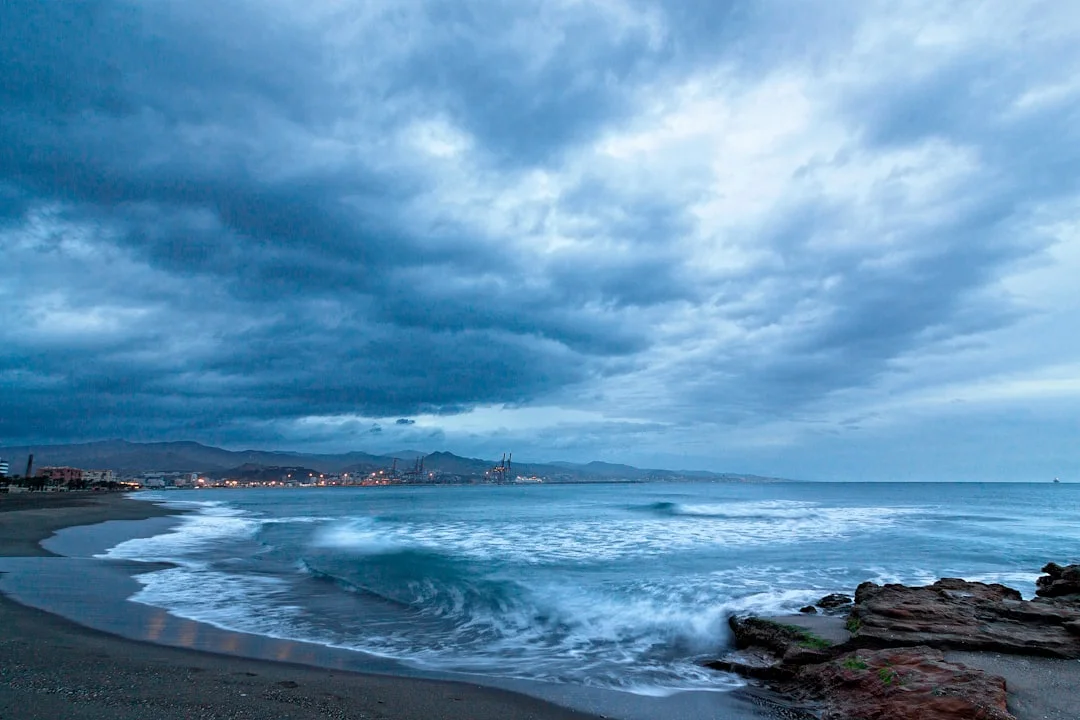
    Just a stone’s throw from the Mediterranean waves, hidden within the cliffs that mark the border between Málaga and Rincón de la Victoria, lies one of southern Europe’s most remarkable archaeological secrets. La Cueva del Humo (the Cave of Smoke) is not just a geological formation; it is a silent witness to 500,000 years of human evolution, located less than 100 meters from the beach.

    While millions of visitors flock to the Costa del Sol for its sun and sand, few realize they are walking alongside a prehistoric sanctuary that sheltered pre-Neanderthals, Neanderthals, Cro-Magnons, and early Neolithic farmers.

    Half a Million Years of Human History

    What makes La Cueva del Humo globally significant is the sheer continuity of its occupation. According to recent archaeological highlights published by La Opinión de Málaga, the site has provided shelter to various human species intermittently for half a million years.

    Excavations here have uncovered a rich stratigraphy:
    * Pre-Neanderthals & Neanderthals: Early inhabitants who relied on the cave for shelter while hunting game in the surrounding hills and gathering resources from the ancient coastline.
    * Cro-Magnons (Early Modern Humans): Our direct ancestors, who left behind stone tools and evidence of fire use.
    * Neolithic Communities: The transition to agriculture and pottery, marking the dawn of modern societal structures.

    Finding a single coastal site that spans from the deep Paleolithic to the Neolithic is incredibly rare, making this stretch of the Málaga coastline a vital puzzle piece in understanding how early humans migrated and adapted to changing climates.

    Where is La Cueva del Humo?

    The cave is nestled in the rugged limestone cliffs along the old Almería highway (carretera de Almería), specifically within the archaeological park of La Araña.

    This unique location meant that prehistoric inhabitants enjoyed the best of both worlds: immediate access to marine resources (shellfish, fish, and coastal plants) and a elevated, easily defensible vantage point overlooking the sea to spot both prey and potential threats.

    Why This Site is Globally Unique

    Most famous prehistoric caves, like Altamira or Lascaux, are located deep inland. While Málaga is already well-known for archaeological landmarks like the Nerja Cave, La Cueva del Humo’s specific coastal positioning offers scientists a rare look at how prehistoric humans interacted with the sea.

    As ice ages came and went, the shoreline shifted. During colder periods, the sea level dropped, exposing a wide coastal plain. During warmer periods, the waves lapped just below the cave entrance. The archaeological layers inside the cave act as a physical diary of these dramatic environmental shifts over 500,000 years.

    How to Visit and Explore

    Because of its immense scientific value and ongoing research, you cannot simply wander into La Cueva del Humo on your own. However, the site is highly accessible through organized channels:

    1. Complejo Humo (La Araña Archaeological Park): The site is managed by a dedicated team of archaeologists who run the local visitor center (Centro de Interpretación).
    2. Guided Tours: You can book guided walks that take you through the active excavation areas, where experts explain the geological formations and show you exactly where Neanderthal hearths and ancient tools were discovered.
    3. The Coastal Path: Even if you only view the cliffs from the outside, walking the nearby coastal path (Senda Litoral) offers a striking perspective on how close these ancient homes were to the modern beaches we enjoy today.

    Standing at the entrance of La Cueva del Humo, listening to the same sea breeze that our ancestors heard 500,000 years ago, is a humbling experience. It reminds us that Málaga’s history is measured not just in centuries of Phoenician, Roman, and Moorish heritage, but in hundreds of thousands of years of human resilience. Next time you dip your toes in the sea at La Araña, take a moment to look up at the cliffs and appreciate the deep, enduring roots we share with this beautiful coast.

  • Soleo Marbella Opens 2026 Season with New Menu

    Soleo Marbella Opens 2026 Season with New Menu

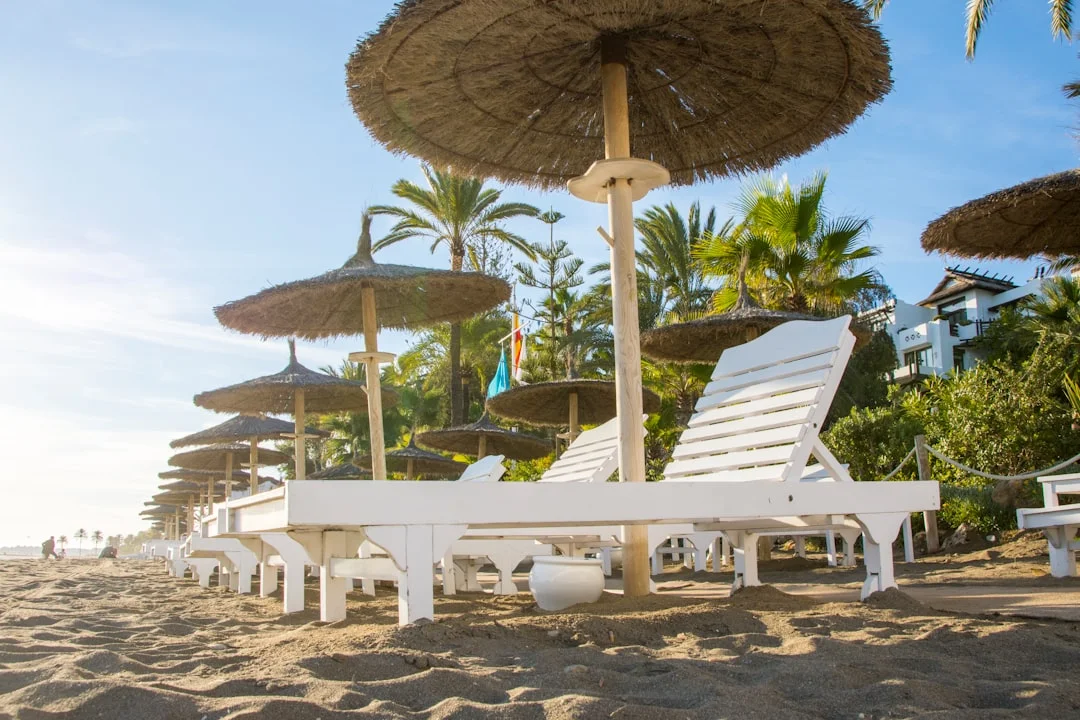
    The summer of 2026 has officially arrived on the shores of the Costa del Sol, and with it comes the return of high-end beachfront dining. Alongside other major culinary highlights of the season, such as the newly unveiled Michelin-starred summer menu in Marbella, Soleo Marbella—the highly regarded beach club located at the iconic El Fuerte Marbella hotel—has opened its doors for the season, presenting a refined culinary proposal that blends traditional maritime flavors with contemporary flair.

    Positioned directly on the beachfront, Soleo Marbella has earned a reputation as a go-to spot for those looking to pair stunning Mediterranean views with exceptional food. This year, the venue is stepping up its game with a carefully curated menu designed to celebrate Andalusian coastal heritage.

    A Renewed Culinary Vision for 2026

    According to a recent feature by ABC Gurmé, the new menu for the 2026 season places a strong emphasis on locally sourced seafood, traditional rice dishes, and a modern cocktail selection.

    The kitchen continues to champion zero-mile (km 0) ingredients, working closely with local fish markets to ensure that the catch of the day is as fresh as it gets.

    Highlights of the New Menu

    Visitors to Soleo Marbella this summer can look forward to a diverse range of dishes that cater to both purists and adventurous foodies alike:

    • Traditional Espetos & Grilled Fish: Cooked over olive wood embers, the classic sardine skewers and larger daily catches offer the authentic taste of Malaga’s coast.
    • Signature Rice Dishes: From classic seafood paella to rich, slow-cooked arroz a banda, the rice menu remains a cornerstone of the lunchtime experience.
    • Modern Starters: Innovative cold starters, refreshing tartares, and creative salads designed to combat the summer heat.
    • Craft Cocktails: A completely revamped beverage program featuring refreshing, fruit-forward cocktails perfect for transitioning from a sunny afternoon into a warm Marbella evening.

    The Perfect Beachfront Setting

    What sets Soleo Marbella apart is its atmosphere. Designed to evoke the classic glamour of the golden age of Marbella, the space features warm terracotta tones, elegant nautical details, and comfortable seating that invites guests to linger.

    Whether you are stopping by for a relaxed lunch after a dip in the sea, or booking a front-row table for a sunset dinner, the combination of professional service, sea breezes, and top-tier gastronomy makes it one of the most reliable dining spots on the Marbella promenade.

    Practical Information & Reservations

    Because of its prime location at El Fuerte Marbella and its popularity among both locals and international visitors, booking a table in advance is highly recommended, especially for weekend lunches and sunset dinners.

    • Location: Paseo Marítimo, Marbella (at El Fuerte Marbella)
    • Specialty: Fresh seafood, Mediterranean rice, and sunset cocktails
    • Vibe: Sophisticated yet relaxed beach club dining

    As the summer days stretch longer, there is nothing quite like sitting by the water, sharing a great meal with friends, and watching the waves roll in. Whether you are relaxing at Soleo or exploring other exciting provincial openings like the new Fomo restaurant in Pedregalejo, we hope this season brings you plenty of warm afternoons, excellent food, and memorable moments on the Marbella coast.

  • Málaga Scientists Fight Wildfires with Smart Tech

    Málaga Scientists Fight Wildfires with Smart Tech

    The Threat of 6th-Generation Wildfires in Andalusia

    As global temperatures rise, Southern Spain faces an increasingly severe threat from wildfires. Among the most dangerous are sixth-generation wildfires. Unlike traditional forest fires, these extreme events release so much energy that they modify the local atmosphere, creating their own weather systems, dry lightning, and firestorms. They are notoriously difficult to predict, control, or extinguish using conventional methods.

    To address this growing ecological threat, researchers at the University of Málaga (UMA) have developed a groundbreaking technological solution. According to a report published by Cadena SER, scientists at the university are designing smart microcapsules specifically engineered to suppress these highly destructive fires.

    How Smart Microcapsules Work

    The core innovation of this project lies in its “smart” delivery and activation mechanism. Traditional fire retardants are often washed away by wind or rain, or they degrade before they can be effectively deployed.

    The UMA research team has engineered microcapsules that remain inert until they encounter specific environmental triggers:
    * Thermal Activation: The capsules are designed to rupture and release their active extinguishing agents only when exposed to the extreme heat signatures characteristic of an active blaze.
    * Targeted Release: By remaining sealed until they reach critical temperatures, the active ingredients are protected from environmental degradation, ensuring maximum potency upon contact with the fire.

    A Triumph for the Circular Economy

    Beyond their firefighting capabilities, these microcapsules represent a major step forward for industrial sustainability. The manufacturing process utilizes a circular economy model by repurposing materials that would otherwise contribute to global warming:
    1. Captured Carbon Dioxide (CO2): The production process actively uses CO2 captured directly from industrial combustion gases.
    2. Industrial Waste: The shell and structural components of the microcapsules are synthesized using industrial byproducts, reducing waste and lowering production costs.

    By turning greenhouse gases and industrial waste into a tool for environmental defense, the project achieves a dual ecological benefit: reducing industrial emissions while protecting Andalusian forests from destruction.

    Málaga’s Growing Role in Ecological Tech

    This breakthrough highlights Málaga’s rapid evolution from a traditional tourism hub into a leading European center for technology and scientific research. Local innovation spans multiple cutting-edge sectors; for instance, while some Málaga scientists warn of EV charging cyber risks in our increasingly connected infrastructure, others are making strides in healthcare, such as the recent discovery of a biological switch that stops binge eating. For the region’s growing population of eco-conscious expats and tech professionals, projects like this demonstrate a local commitment to climate resilience.

    Integrating advanced materials science with wildfire prevention is critical for Andalusia. With vast natural parks like the Sierra de las Nieves and the Tejeda, Almijara and Alhama mountains, protecting the region’s biodiversity is vital for both ecological preservation and the local economy.

    As we look toward increasingly hot summers in Southern Spain, scientific breakthroughs like these offer a vital glimmer of hope. Safeguarding our natural landscapes requires more than just traditional firefighting; it demands forward-thinking science that heals the planet while protecting it. Through the dedication of local researchers, Málaga is proving that the tools to fight tomorrow’s environmental crises can be forged from yesterday’s industrial waste.