Tag: lang:en

  • Málaga Installs 20 New Public Fountains to Fight Heat

    Málaga Installs 20 New Public Fountains to Fight Heat

    Aquí tienes el contenido enriquecido con los enlaces de forma natural y elegante, destacando hitos recientes como el beneficio récord de 49 millones de euros del Metro de Málaga en 2025.

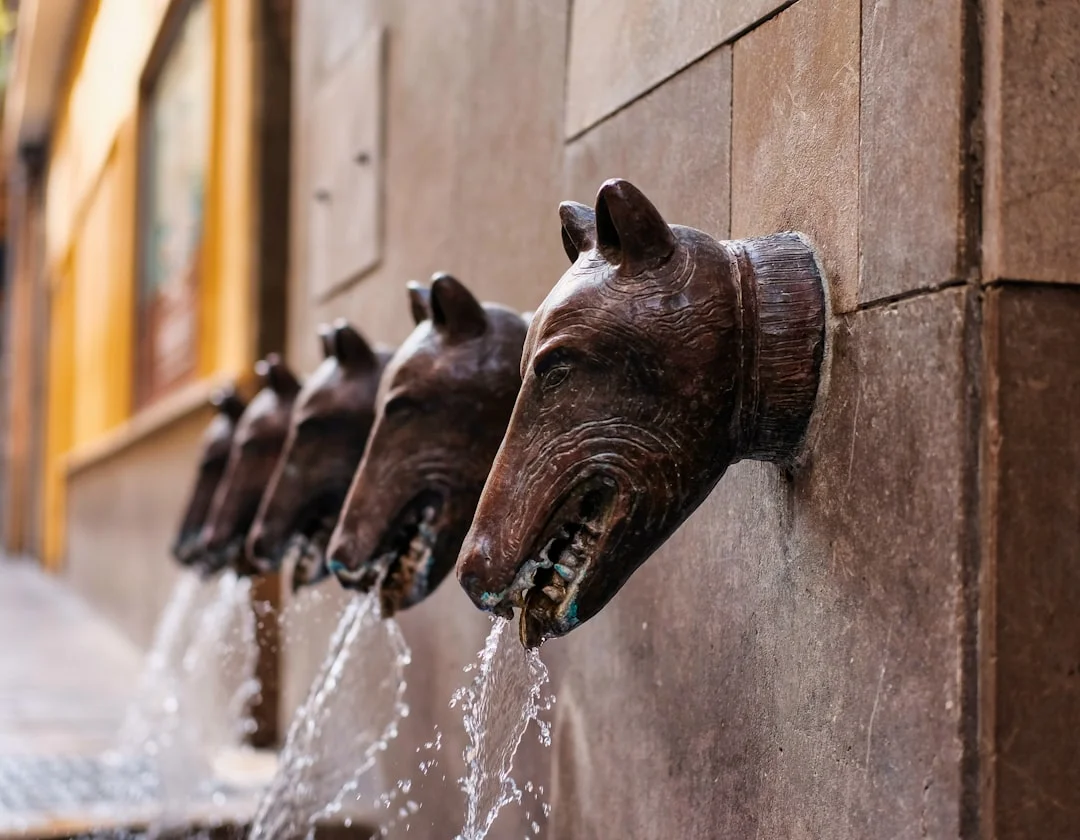
    As July brings its signature golden light and soaring temperatures to the Costa del Sol, staying hydrated becomes more than just a matter of comfort—it is an essential part of enjoying the city safely. Indeed, taking personal preventative measures is increasingly important, especially as discussions around Málaga’s public healthcare capacity continue to highlight the pressures on local services. In response to the intense summer heat of 2026, the Málaga City Council has launched a practical initiative to keep both locals and visitors refreshed.

    A total of twenty new public drinking fountains are being installed across the city’s eleven districts. This network expansion aims to provide accessible, clean drinking water in high-traffic pedestrian areas, offering a welcome respite for anyone exploring the city on foot, especially now that outdoor plans are shifting inland following the temporary closure of Pedregalejo and El Palo beaches due to E. coli.

    Strategic Hydration Across the City

    According to a report by La Opinión de Málaga, the selection of locations for these new fountains has been carefully planned. Instead of clustering them solely in the historic center, the municipality is distributing them evenly to ensure that every neighborhood benefits.

    The primary locations for these new water points include:

    • Urban Parks and Green Spaces: Where families, runners, and walkers gather during the cooler morning and evening hours.
    • Beach Promenades (Paseos Marítimos): Giving beachgoers and strollers an easy way to rinse off or refill their reusable bottles.
    • Busy Public Facilities: Near sports centers, cultural hubs, and high-pedestrian avenues where shade can sometimes be scarce.

    By reinforcing the public drinking water infrastructure, the city is encouraging a more sustainable approach to summer tourism, reducing the reliance on single-use plastic bottles while ensuring that free, potable water is never more than a short walk away.

    A District-by-District Effort

    Málaga’s eleven districts—ranging from the bustling Centro to the coastal stretches of El Palo and Pedregalejo, and the residential areas of Teatinos and Carretera de Cádiz—will each receive new installations. This decentralized approach ensures that the daily lives of local residents—many of whom are navigating an increasingly competitive Málaga rental market—are improved just as much as the experience of tourists visiting the landmark monuments.

    For expats and long-term travelers, knowing where to find these water points is key to mastering the art of the paseo during the warmest months.

    Essential Tips for Beating the Málaga Heat

    While the new drinking fountains are a major step forward, navigating a Mediterranean summer requires a few classic strategies:

    • Time Your Outings: Follow the local rhythm. Rest or stay indoors during the peak heat hours (between 2:00 PM and 6:00 PM) and enjoy the vibrant, cooler evenings.
    • Carry a Reusable Bottle: With the new fountains active, you can easily refill insulated flasks with cold, safe-to-drink tap water.
    • Seek the Shade: Walk on the shaded side of the street, or seek shelter under the leafy canopies of the Paseo del Parque.

    Looking Forward to Cooler Breezes

    As we walk through Málaga’s sun-drenched plazas and vibrant streets, these small but significant additions to our urban landscape remind us of the simple pleasures of community care. Water has always been the lifeblood of Mediterranean cities, and having access to a cool, refreshing stream on a warm July afternoon is a timeless luxury. We hope these new fountains bring a moment of cool relief to your summer days, allowing you to enjoy everything our beautiful city has to offer with ease and comfort.


  • Jubrique’s Sacred Cross Hidden as a Coat Rack

    Jubrique’s Sacred Cross Hidden as a Coat Rack

    Nestled in the heart of the Valle del Genal within the rugged Serranía de Ronda, the whitewashed village of Jubrique is known for its steep Moorish streets, chestnut forests, and tranquil mountain atmosphere. While the wider province adapts to rising temperatures with modern measures, such as when Málaga installs new public fountains to fight the heat, this quiet mountain enclave offers a timeless refuge. However, beneath its peaceful exterior lies a fascinating history of local resistance and ingenuity. One of the village’s most captivating secrets involves a sacred parish cross that survived destruction by hiding in plain sight—disguised as a common wooden coat rack.

    For travelers seeking an off-the-beaten-path weekend trip from Málaga, Jubrique offers not just stunning natural scenery, but a deep dive into the resilient spirit of Andalusia’s mountain communities.

    The Ingenious Disguise of Jubrique’s Sacred Cross

    During historical periods of religious and social conflict in Spain, particularly during the turbulent 1930s, religious art and relics across the country faced widespread destruction. In many towns, valuable parish treasures were lost forever. However, the residents of Jubrique were determined to protect their heritage.

    While the province is celebrated today for its grand public displays of faith, such as Malaga’s historic Easter traditions, mountain communities during times of conflict had to protect their devotion in secret. Instead of burying their sacred processional cross or smuggling it out of the village—risky moves that could have easily been detected—local residents devised a brilliant, low-tech solution. They added simple wooden pegs to the arms of the cross, transforming the sacred object into an ordinary, everyday coat rack (perchero).

    According to historical accounts detailed by Málaga Hoy, the disguised cross sat in a local home for years. Visitors and authorities walked past it regularly, completely unaware that the coat rack holding up heavy wool jackets and hats was actually a revered parish relic. This simple act of collective silence and clever adaptation saved the cross from being destroyed.

    Exploring Jubrique: A Village Frozen in Time

    Today, Jubrique remains one of the most authentic villages in the Serranía de Ronda. Beyond its historical anecdotes, the town is a paradise for hikers, history enthusiasts, and slow-travel advocates.

    The Church of San Francisco de Asís

    To understand the context of the village’s religious heritage, a visit to the Iglesia de San Francisco de Asís is essential. Built on the site of an old mosque, this 16th-century church stands as the architectural centerpiece of the town, featuring a distinctive octagonal brick bell tower.

    The Moorish Urban Layout

    Jubrique’s street plan is a legacy of its Al-Andalus past. Walking through the village involves navigating a labyrinth of narrow, winding, and incredibly steep streets lined with whitewashed houses adorned with bright blue flowerpots. Key spots to look out for include the traditional public washing laundry (lavadero público) and the local viewpoints offering panoramic vistas of the surrounding valley.

    Gastronomy and the Chestnut Culture

    The Genal Valley is famous for its chestnut forests. If you visit during the autumn months, you will see the landscape turn vibrant shades of yellow and copper during the primavera de cobre (copper spring). Local taverns serve traditional dishes featuring chestnuts, wild game, and locally produced mountain wines.

    How to Get to Jubrique from Málaga

    Jubrique is located approximately 120 kilometers from Málaga city.

    • By Car: The drive takes about 2 hours. The most scenic route goes via Estepona, climbing up the mountain pass of Peñas Blancas before descending into the Genal Valley. The roads are winding and narrow, but they offer some of the most spectacular mountain views in the province.
    • Travel Tip: Combine your visit with stops in neighboring Genalguacil—the famous “museum-village” known for its open-air art installations—or the historic town of Ronda.

    These quiet mountain villages remind us that history isn’t just written in textbooks or preserved in grand metropolitan museums. Sometimes, the most profound stories of survival and community solidarity are kept alive in the quiet corners of a white village, hidden in plain sight on a simple wooden peg—much like the prehistoric markings hidden in Malaga’s Picasso Gardens.

  • UMA Students Unveil Electric Race Car MA26RT

    UMA Students Unveil Electric Race Car MA26RT

    Malaga’s transition into a prominent European technology hub is driven not only by international corporations moving to the Costa del Sol, but also by the talent emerging from its academic institutions. This academic innovation was on full display on July 17, 2026, as the Málaga Racing Team (MART) at the University of Malaga (UMA) celebrated its tenth anniversary with the official unveiling of its newest electric single-seater: the MA26RT.

    This project represents more than just a university extracurricular activity; it functions as an elite training ground for the next generation of global motorsport and automotive engineers, showcasing a high level of ingenuity similar to other local initiatives like the low-cost hand prosthetics designed by Malaga students.

    A Decade of Engineering Excellence

    Founded ten years ago, MART has evolved from a small student initiative into a highly structured, professional-grade racing team. To mark this milestone, the team designed and built the MA26RT, an electric race car engineered specifically to compete in the prestigious Formula Student circuit.

    According to reports by Diario Sur, the project serves as a practical incubator for elite engineers, preparing them to enter high-level global motorsport careers, including Formula 1.

    Multidisciplinary Teamwork

    Developing a competitive electric racing vehicle requires a broad spectrum of expertise. The MART team consists of approximately 80 students coming from more than 20 different degree programs at the University of Malaga.

    While engineering students handle the mechanical, electrical, and aerodynamic design, the team also integrates students from:
    * Marketing & Communications: To manage public relations, sponsorships, and brand presence.
    * Finance & Business Administration: To oversee the strict budgetary limits, cost analysis, and resource allocation required by Formula Student regulations.
    * Graphic Design: To curate the visual identity of the team and the aerodynamic livery of the vehicle.

    This corporate-style structure ensures that students gain real-world experience in project management, budget constraints, and interdisciplinary collaboration before entering the job market.

    Technical Innovation of the MA26RT

    The MA26RT is a testament to the advancements in electric vehicle (EV) technology developed locally in Malaga. Designed under the motto “No limits, just MART,” as highlighted by La Noción, the vehicle features significant upgrades in weight distribution, battery efficiency, and chassis dynamics compared to its predecessors.

    Key technical focuses of the 2026 model include:

    • Electric Powertrain Optimization: Custom-configured battery packs designed to maximize power delivery while adhering to safety standards.
    • Lightweight Materials: Extensive use of carbon fiber and advanced composites to reduce the vehicle’s overall mass, improving acceleration and cornering speeds.
    • Data Telemetry: Integration of real-time sensor networks that allow the team to analyze vehicle dynamics, thermal performance, and energy consumption directly from the pit lane.

    Preparing for the Formula Student Circuit

    Formula Student is the world’s most established educational motorsport competition. It challenges university student teams from around the globe to design, build, test, and race small-scale formula-style racing cars.

    Teams are judged not only on the track performance of their vehicles (dynamic events like acceleration, skidpad, and endurance) but also on their design choices, cost efficiency, and business presentation (static events). The rigorous evaluation process is conducted by industry experts, often including active Formula 1 engineers and recruiters.

    By participating in these international events, Malaga’s students put their engineering capabilities directly in front of major automotive manufacturers, opening up career opportunities that span far beyond regional borders.

    Seeing these young minds dedicate countless hours in the lab to push the boundaries of electric mobility brings a sense of pride to our local community. As the MA26RT takes to the track, it carries with it the hard work of Malaga’s youth and a bright promise for the future of sustainable engineering in Andalusia.

  • Malaga Canícula Heatwave: Best Natural Climate Refuges

    Malaga Canícula Heatwave: Best Natural Climate Refuges

    Escaping the 20-Day Canícula in Malaga

    Malaga is currently enduring its third major summer heatwave of 2026. According to recent reports by La Opinión de Málaga, the province has entered the dreaded canícula—a grueling 20-day window of extreme temperatures and suffocating coastal humidity.

    While the beaches of the Costa del Sol are the default choice for many, the combination of high sea-surface temperatures and heavy humidity can make the coastline feel like a sauna. Fortunately, just an hour and a half inland lies the Serranía de Ronda. Local guides and nature enthusiasts are actively promoting these mountain areas as natural “climate refuges,” where shaded river pools, fresh mountain air, and crisp spring waters offer a genuine escape from the heat. It is also the perfect opportunity to discover nearby spots like Montecorto, a hidden white village famous for its natural springs.

    If you are looking for outdoor alternatives, such as visiting the new free water park opening near Málaga, check out the latest leisure recommendations on Diario Sur to help plan your weekend. Here are the best natural climate refuges in the Serranía de Ronda to help you survive the peak of the 2026 summer.

    Top Natural Pools in the Serranía de Ronda

    1. Monumento Natural Cueva del Gato (Benaoján)

    Perhaps the most famous natural pool in the province, the Cueva del Gato (Cat’s Cave) is a spectacular karst formation. An underground river flows through the cave system and emerges as a crystal-clear, icy-cold waterfall into a deep, shaded pool.

    • Why it works as a climate refuge: The water here stays at a constant, bracing temperature of around 12°C to 14°C year-round. Even when Ronda is baking at 40°C, sitting under the shade of the willows next to this pool feels like natural air conditioning.
    • How to get there: Located just outside the village of Benaoján, it is roughly a 1-hour and 20-minute drive from Malaga city.

    2. Charco Azul (Júzcar)

    Tucked away in the Genal Valley near the famous “blue village” of Júzcar, Charco Azul is a hidden paradise. The pool is framed by steep rock walls and dense vegetation, keeping it shaded for most of the day.

    • Why it works as a climate refuge: The canyon geography limits direct sunlight, and the surrounding forest keeps the ambient temperature significantly lower than on the coast. The water is pristine, refreshing, and surrounded by wild fig trees and ferns.
    • How to get there: Drive toward Júzcar, then follow the local signs down to the riverbed. A short, beautiful hike along the river brings you to the pool.

    3. Río Genal (Algatocín and Jubrique)

    The Genal River is one of the few remaining virgin rivers in Andalusia. Along its course, particularly near the bridges of San Juan (connecting Algatocín and Jubrique), you will find several deep pools (charcos) perfect for swimming.

    • Why it works as a climate refuge: The entire river valley is covered by a dense canopy of cork oaks and chestnut trees. The flowing water is constantly moving, ensuring it remains clean, cool, and highly oxygenated.
    • How to get there: Take the mountain roads toward Jubrique. The area around the camping sites near the river offers easy parking and direct access to the water.

    Practical Tips for Visiting Inland River Pools

    Venturing into Malaga’s natural areas requires a bit of preparation, especially during extreme heat events:

    • Arrive Early: Because these spots are highly valued by locals seeking relief from the canícula, parking spaces can fill up quickly, especially on weekends.
    • Wear Appropriate Footwear: Flip-flops are a hazard on wet river rocks. Invest in a cheap pair of water shoes (escarpines) to protect your feet and prevent slipping.
    • Respect the Environment: These are delicate ecosystems. Avoid using chemical sunscreens right before jumping in (opt for biodegradable ones), and always carry your trash back with you.
    • Stay Hydrated: Even though you are surrounded by cool water, the mountain air is dry. Keep plenty of drinking water in an insulated flask.

    Staying cool in Malaga doesn’t have to mean hiding indoors under the hum of the air conditioner. By heading up into the mountains, you can discover a wilder, fresher side of Andalusia that feels a world away from the crowded beaches. We hope these natural sanctuaries bring you some much-needed relief and a sense of peace during these intense mid-summer weeks. Stay safe, drink plenty of water, and enjoy the cool shade of the Sierra.

  • Málaga CF Finalizes Deal for Local Winger Juan Cruz

    Málaga CF Finalizes Deal for Local Winger Juan Cruz

    Málaga CF is moving quickly to shape its squad for the upcoming campaign. For the growing community of foreign residents—many of whom are currently navigating the city’s highly competitive rental market—and football enthusiasts in the province, keeping up with the transfer market at La Rosaleda is one of the best ways to connect with local culture. The big news of the summer is a homecoming: Málaga CF is finalizing the signing of winger Juan Cruz.

    The Return of a Homegrown Talent

    Juan Cruz, the Argentine-born winger who grew up in the province—where locals often escape to natural climate refuges during Malaga’s intense canícula heatwaves—and developed his skills in Málaga’s youth academy, is on the verge of wearing the blue-and-white shirt once again.

    According to reports from COPE Málaga, the negotiations are highly advanced, and the club is set to secure the winger to bolster their attacking options. Cruz’s familiarity with the club’s philosophy and his emotional connection to the city make him a highly anticipated addition for the fans.

    Strategic Squad Building Under Tight Limits

    This signing is not an isolated move. As reported by La Opinión de Málaga, Cruz will become the club’s second official signing of the summer transfer window, following the arrival of experienced defender Fernando Calero.

    Sporting Director Loren Juarros is currently navigating a challenging puzzle. La Liga’s strict squad registration rules impose a rigid 25-player limit on the first-team roster. This constraint requires strategic outgoings and highly calculated arrivals—a task demanding the kind of analytical rigor currently being explored by Málaga students questioning critical thinking at the UMA AI Club.

    Key details of Málaga’s current transfer strategy include:
    * Strict Roster Management: Balancing veteran experience with youth academy prospects to respect the 25-player cap.
    * Defensive Reinforcements: Securing Fernando Calero early to anchor the backline.
    * Dynamic Wings: Bringing back Juan Cruz to add speed, local passion, and tactical versatility on the flanks.
    These sporting decisions unfold as the wider province faces its own challenges, particularly with how heatwaves and inflation are currently affecting Costa del Sol tourism.

    What This Means for International Fans

    For expats and visitors, attending matches at La Rosaleda is a fantastic weekend plan. The stadium, which continues to thrive as a community hub following Malaga’s strategic withdrawal from the 2030 World Cup bid, is known for its passionate, family-friendly atmosphere. Seeing local academy products like Juan Cruz return to fight for their hometown club adds an extra layer of drama and local pride to the matchday experience.

    With these new signings, the club is aiming to build a competitive roster capable of solidifying its position and pushing for higher ambitions in the league.

    As the summer heat peaks in Andalusia, the action on the pitch is just getting started. We hope this new chapter brings thrilling afternoons at La Rosaleda, uniting locals and newcomers alike in their shared passion for the beautiful game.

  • Don Carlos Marbella Launches New Luxury Dining Concepts

    Don Carlos Marbella Launches New Luxury Dining Concepts

    Marbella has long been the undisputed capital of luxury on the Costa del Sol, a region currently buzzing with excitement—whether over major sports news like Málaga CF finalizing a deal for winger Juan Cruz, or its thriving high-end tourism. Indeed, even the most established icons know when it is time to reinvent themselves. For the summer 2026 season, the legendary Don Carlos Resort & Spa has done exactly that, unveiling a completely refreshed culinary identity designed to capture the hearts of both international travelers and local food lovers.

    As reported by ABC Gurmé Málaga, this major gastronomic update introduces elegant new spaces and concepts, focusing heavily on high-quality Italian cuisine and vibrant, health-conscious options.

    A Fresh Focus on Premium Italian Gastronomy

    At the heart of this season’s transformation is a sophisticated nod to the Mediterranean’s other culinary giant: Italy. The resort’s new Italian dining concept aims to move away from predictable cliches, offering instead an authentic, ingredient-driven menu.

    Guests can expect:
    * Artisanal Fresh Pasta: Made daily on-site using premium semolina and traditional techniques.
    * Coastal Italian Flavors: A strong focus on fresh seafood, citrus-infused dishes, and cold-pressed olive oils that mirror the sunny climate of the Costa del Sol.
    * Curated Wine Pairings: A selection of boutique Italian and Spanish wines chosen to complement the light, summery flavors.

    This addition provides a perfect alternative for those warm Marbella evenings when only a perfectly executed plate of pasta and a crisp glass of wine will do.

    Health-Conscious and Beachside Dining

    Understanding that modern luxury is closely tied to wellness, the Don Carlos has also integrated a robust selection of healthy, nutrient-rich dishes across its menus. This focus on elevated wellness gastronomy mirrors other high-end movements in the region, such as the summer 2026 gourmet experiences at Higuerón Resort. At Don Carlos, this isn’t about restrictive dining; rather, it is a celebration of local, seasonal Andalusian produce.

    From vibrant salads and cold-pressed juices by the pool to grilled local fish seasoned with wild herbs at the beach club, the new menus make it easy to eat well while enjoying the Mediterranean lifestyle. The dishes are designed to be light, refreshing, and deeply satisfying—perfectly suited for a day spent under the Marbella sun.

    Bridging the Gap Between Guests and Locals

    While the Don Carlos Resort is famous for hosting discerning global travelers, these new culinary spaces are explicitly designed to welcome local residents as well. By elevating its fine dining and casual beachside offerings, the resort aims to become a go-to culinary hub on the eastern side of Marbella.

    Whether you are planning a relaxed weekend lunch with your toes in the sand or an elegant dinner surrounded by the resort’s famous tropical gardens, the updated spaces offer the perfect backdrop for gathering with friends and family.

    There is something deeply comforting about the way the Mediterranean brings people together around a table. As Marbella continues to evolve, seeing heritage destinations like the Don Carlos invest so thoughtfully in high-quality, honest gastronomy—complementing other exciting regional launches like the new Michelin-starred summer menu in Marbella—reminds us of what makes this coast so special. We hope your next meal by the sea is filled with laughter, great conversation, and unforgettable flavors.

  • MIMMA Malaga Launches Daily Summer Music Workshops

    MIMMA Malaga Launches Daily Summer Music Workshops

    As the July and August temperatures soar in Málaga, finding engaging, air-conditioned indoor activities for the family becomes a top priority. While the beaches and chiringuitos are perfect for the morning and late evening, finding the best family-friendly activities in Málaga during the midday sun requires a cooler strategy.

    Fortunately, alongside the city’s vibrant summer art exhibitions, the Museo Interactivo de la Música Málaga (MIMMA) has launched a fantastic solution to keep children entertained, educated, and cool this summer.

    Hands-On Music for the Whole Family

    Unlike traditional museums where the golden rule is “do not touch,” MIMMA is famous for its interactive philosophy. The museum features several “Se ruego tocar” (Please play) rooms, where visitors of all ages are actively encouraged to try out different musical instruments, making it a fantastic experience to combine with the many vibrant art exhibitions to discover today in Málaga.

    For the summer 2026 season, the museum has stepped up its programming to offer specialized, educational guided visits designed specifically for families. According to a report by Andalucía Información, these interactive sessions are designed to stimulate children’s curiosity and creativity through direct contact with music.

    Summer 2026 Schedule & Details

    To accommodate both locals and the influx of summer tourists, MIMMA has structured its special summer programming to be highly accessible:

    • July 2026: The interactive family visits are held every weekend.
    • August 2026: The program expands to every single day, offering a reliable daily escape from the afternoon heat.
    • What to expect: Guided tours led by museum educators who adapt the experience to the ages of the participating children. Families will explore the history of music, learn how different instruments produce sound, and get to play them firsthand.

    Why MIMMA is a Summer Lifesaver for Parents

    Located in the heart of the historic center on Calle Beatas, MIMMA is housed in the beautiful 18th-century Palacio de las Conde de las Navas. It is easily reachable on foot from major central landmarks like Calle Larios or the Plaza de la Merced.

    Beyond the educational value, it offers a highly sensory experience. Children can experiment with string, wind, and percussion instruments, discovering how rhythm and melody work in a low-pressure, fun environment. It is an excellent way to break up a day of sightseeing without hearing the dreaded “I’m bored,” making it one of the top indoor family plans in Málaga.

    Practical Information for Your Visit

    • Location: Calle Beatas, 15, 29008 Málaga.
    • Best time to visit: Mid-afternoon, when the outdoor temperatures peak and you need a couple of hours of air-conditioned comfort.
    • Booking: While you can often buy tickets at the door, booking online in advance is highly recommended during the peak months of July and August to secure your spot for the daily workshops.

    Taking a break from the sun doesn’t mean the holiday fun has to stop. Sharing a moment of musical discovery with your kids might just be the unexpected highlight of your summer in Málaga. We hope this cool sanctuary brings some harmony and joy to your family’s warm summer days.

  • Málaga Rental Crisis: 90 Applicants Compete per Flat

    Málaga Rental Crisis: 90 Applicants Compete per Flat

    The Reality of Málaga’s 2026 Rental Market

    Málaga’s meteoric rise as a global hub for technology, culture, and remote work has brought undeniable economic vitality to the Costa del Sol. However, this rapid transformation has also accelerated a severe housing bottleneck. For expats, digital nomads, and locals alike, finding a long-term rental in the city has evolved from a standard search into a high-stakes competition.

    As of mid-2026, Málaga has consolidated its position as the most expensive territory in Andalusia, characterized by the highest rental demand pressure in the region. The gap between available housing and eager renters has reached historic proportions, completely reshaping the local real estate landscape.

    Behind the Numbers: 90 Applicants Per Apartment

    Recent real estate data highlights the sheer scale of the imbalance. According to a detailed report by COPE Málaga, there are now an average of nearly 90 prospective tenants competing for every single apartment listed on the market.

    This extreme pressure means that properties listed online are frequently deactivated within hours. Landlords and estate agencies are overwhelmed with inquiries, leading to a highly selective screening process where only those with immaculate financial credentials stand a chance.

    “The speed of the market is unprecedented. If you do not visit a flat the day it is listed and offer a deposit immediately, it is gone.”

    For newcomers, this level of competition makes it incredibly difficult to secure a home before arrival, forcing many to rely on expensive short-term holiday rentals while they conduct their search on the ground.

    What is Driving the Supply-Demand Imbalance?

    Several converging factors have created the perfect storm in Málaga’s housing sector:

    • The Tech and Nomad Boom: The influx of multinational corporations and remote workers has brought thousands of high-earning professionals to the city. This demographic is heavily supported by the city’s growing global connectivity, particularly now that Malaga Airport connects to a record number of international destinations, making relocation seamless.
    • The Shift to Short-Term Rentals: Many property owners have transitioned their portfolios from traditional long-term leases to lucrative tourist apartments (VFTs). This shift persists even as local administration tightens regulations, allowing only certain last-minute tourist rental applications to proceed, which continues to limit the permanent housing stock.
    • Stagnant Housing Construction: The development of new residential buildings and dedicated social housing has not kept pace with the city’s rapid population growth.

    This squeeze is driving rental prices to unprecedented levels, making Málaga one of the most competitive and expensive rental markets in Spain.

    Survival Guide: How to Find a Flat in Málaga Today

    If you are planning a move to Málaga in 2026, navigating this market requires a proactive strategy. You can no longer rely on casual browsing. Here are essential tips to improve your chances:

    1. Prepare Your ‘Rental Dossier’ in Advance

    Before you even contact an agent, have all your paperwork translated and ready in a single PDF. Landlords want to minimize risk, so you must prove your financial stability instantly. Your dossier should include:
    * Proof of income: Spanish employment contract, last three nóminas (pay slips), or tax returns if self-employed.
    * Guarantees: If you are a digital nomad with foreign income, be prepared to offer a bank guarantee (aval bancario) or pay several months of rent upfront.
    * References: Letters from previous landlords can help you stand out in a stack of 90 applications.

    2. Set Real-Time Alerts and Act Instantly

    Use major Spanish property portals (such as Idealista and Fotocasa) and set up instant push notifications. If a suitable apartment appears, call the advertiser immediately—do not send an email. If you wait until the evening, you will likely be too late.

    3. Broaden Your Geographical Search

    If your budget is tight, look beyond the historic center, Teatinos, and Soho. Neighborhoods further along the coast or slightly inland—such as El Palo, Ciudad Jardín, or neighboring towns like Torremolinos and Alhaurín de la Torre—offer slightly less competition and better value, while remaining well-connected by public transport.

    Looking Ahead: A Community in Transition

    Málaga is experiencing the growing pains of a city transitioning into a major European metropolis. While the economic boom brings exciting opportunities, the housing crisis poses a fundamental challenge to the social fabric of the city. Balancing global appeal with local livability remains the defining challenge of this era. As the community adapts, patience, preparation, and flexibility will remain the most valuable assets for anyone looking to make this beautiful Mediterranean city their home.

  • Tikehau Capital Plans 259-Room Hotel Near FYCMA

    Tikehau Capital Plans 259-Room Hotel Near FYCMA

    As Málaga navigates its rapid evolution into a premier European technology and corporate hub—a boom that has also triggered a severe rental crisis with 90 applicants competing per flat—its hospitality landscape is adapting in tandem. While the city implements new measures to manage leisure tourism, the high-yield business, convention, and digital events sector continues to draw significant international interest.

    In a major move signaling confidence in this corporate segment, the French private equity and investment giant Tikehau Capital has projected a massive new hotel development strategically positioned right next to the Palacio de Ferias y Congresos de Málaga (FYCMA).

    A Strategic Hub for Business Travelers

    According to details published by El Español de Málaga, the proposed establishment will feature 259 rooms alongside modern amenities, including an outdoor swimming pool, designed to cater to both short-term business travelers and the growing community of digital nomads.

    The location is highly strategic. Situated directly adjacent to FYCMA, the hotel aims to fill a long-standing gap in immediate premium accommodation for congress attendees, exhibition organizers, and international delegates. Currently, many visitors attending major events at the palace must commute from the historic center or western beachfront districts. This development will provide seamless, walkable access to one of Andalusia’s busiest convention centers, serving a growing influx of global professionals arriving through Malaga’s record-breaking direct flight connections.

    Catering to the High-Yield Corporate Market

    This project reflects a broader shift in Málaga’s economic strategy. Over the last few years, local authorities and business associations have championing “quality over quantity” in tourism. The corporate and MICE (Meetings, Incentives, Conferences, and Exhibitions) sector is highly coveted because business travelers typically spend more per day than traditional holidaymakers and help deseasonalize the local economy.

    With major tech events, international trade fairs, and digital innovation summits filling the FYCMA calendar year-round, the demand for sophisticated, work-friendly lodging has never been higher. The planned hotel is expected to feature integrated coworking spaces, meeting rooms, and high-speed connectivity infrastructure tailored specifically for remote professionals and corporate teams.

    Balancing Growth and Local Identity

    As Málaga continues to attract large-scale international investments like this one from Tikehau Capital, the city faces the delicate task of balancing rapid commercial expansion with the preservation of its cultural fabric, especially as the municipality undergoes major urban overhauls and rising housing costs. However, developments focused on business districts like the area surrounding FYCMA help distribute economic activity away from the saturated historic center, offering a more sustainable blueprint for the city’s future growth.

    As we watch these modern structures rise, there is a shared hope that Málaga’s transition into a global business capital will walk hand-in-hand with the warmth, accessibility, and unique charm that made the world fall in love with our city in the first place.

  • Secret Málaga: Five Hidden Trails and Local Routes

    Secret Málaga: Five Hidden Trails and Local Routes

    While Málaga’s vibrant city center, historic alcazaba, and sunny beaches draw millions of visitors every year, there is a quieter, more mysterious side to the province. Away from the crowded terraces of Calle Larios lie ancient engineering marvels, community-driven art districts, and rugged mountain paths known only to locals—a natural landscape made even more accessible now that the reopening of the El Torcal de Antequera campsite has been approved.

    Whether you are a resident looking to rediscover your backyard in 2026 or a traveler seeking an authentic experience, exploring some of Málaga’s best hidden walking routes will show you a completely different side of the province.

    1. The Lagunillas Street Art Route

    Most visitors head to the Soho district to see large-scale murals by international artists. However, if you want to experience the raw, community-driven heart of Málaga’s urban art scene, you need to head north to Lagunillas.

    Located just a few minutes’ walk from Plaza de la Merced, Lagunillas is a neighborhood that has resisted rapid gentrification through creative expression.

    • What you’ll see: Murals dedicated to local legends (such as the beloved singer Chiquito de la Calzada), colorful neighborhood portraits, and political commentary painted directly onto the walls of historic, crumbling buildings.
    • How to explore: Enter via Calle Lagunillas and wander down the narrow side streets like Calle Cruz Verde. It is best explored during the day when the neighborhood is active, and you can chat with locals who are often happy to share the stories behind the artwork.

    2. The San Telmo Aqueduct Walk

    Built in the late 18th century, the Acueducto de San Telmo was once considered one of the most significant hydraulic engineering projects in Europe. Stretching over 10 kilometers, it brought fresh water from the Guadalmedina River straight into the heart of Málaga.

    While parts of the aqueduct have been swallowed by urban growth, several impressive sections remain standing in the northern outskirts of the city. Tracing these structures is a fantastic way to experience Málaga’s hidden routes and secret spots that lie just beyond the modern city limits.

    • The Route: Start your walk near the botanical gardens of La Concepción or in the San Alberto neighborhood. From here, you can follow dirt paths that run parallel to the old water channels.
    • The Highlight: The spectacular bridge over the Quintana stream, a multi-tiered brick structure that feels worlds away from the busy coast. It is an ideal spot for a quiet morning walk or a weekend run.

    3. Hiking to the Top of Monte San Antón

    For panoramic views of the bay of Málaga, most guidebooks recommend the Gibralfaro Castle. While beautiful, it is often crowded. For a more rugged and rewarding alternative, head east to Monte San Antón.

    This distinctive double-peaked mountain rises directly behind the El Palo neighborhood. It is a favorite weekend escape for locals but remains largely overlooked by tourists, making it one of the most rewarding Malaga hidden trails for panoramic views.

    • The Trail: The hike starts at the top of the Pinares de San Antón residential area. The path is steep and rocky in places, requiring sturdy footwear, but the climb to the summit cross takes less than an hour.
    • Local Tip: Pack a light picnic and time your hike to reach the summit just before sunset. On clear days, you can see all the way across the Mediterranean to the coastline of North Africa.

    4. The Secret Botanical Gardens of La Cónsula

    While the La Concepción Historical-Botanical Garden is famous, the Finca de La Cónsula in the district of Churriana is a hidden gem with a fascinating history.

    This 19th-century estate features lush, tropical gardens, centennial trees, and a classic Andalusian mansion. In the summer of 1959, the estate served as a sanctuary for the American writer Ernest Hemingway, who spent his time writing and entertaining guests here.

    • Why visit: Today, the mansion houses a renowned culinary school (Escuela de Hostelería de Málaga). You can stroll through the peaceful gardens, admire the neoclassical architecture, and, if you book ahead, enjoy a world-class lunch prepared by the region’s future top chefs.
    • Getting there: Take the local bus or a short drive to Churriana, located just west of the city center near the airport.

    5. El Torcal’s Ammonites Route (The Guided Secret)

    Located about an hour north of Málaga near Antequera, El Torcal is famous for its surreal karst limestone landscapes. Most visitors stick to the marked green and yellow walking trails. However, there is a restricted area of the park that you can only access with a local guide: La Ruta de los Ammonites.

    • The Experience: This route takes you high into the limestone formations to view perfectly preserved marine fossils (ammonites) dating back over 150 million years, from when this entire region was under the Jurassic Tethys Sea.
    • How to do it: You must book this tour in advance through the official El Torcal Visitor Center. It is an incredible way to learn about the geological history of Andalusia without the crowds found on the public trails.

    Exploring these lesser-known paths reminds us that there is always more to discover beneath the surface of a familiar destination. By stepping off the main avenues and seeking out these quiet corners, we help preserve the local heritage and support communities that keep Málaga’s true spirit alive. Wherever your steps take you, we hope you find a quiet moment to enjoy the authentic rhythm of our beautiful province.