Tag: lang:en

  • Málaga Airport Adds 13 Direct Middle East and Asia Routes

    Málaga Airport Adds 13 Direct Middle East and Asia Routes

    Málaga-Costa del Sol Airport (AGP) is undergoing a profound structural evolution. Long celebrated as the primary gateway for European tourists seeking Mediterranean sun, the airport has rapidly diversified its network, positioning itself as a strategic international hub. In fact, direct flights from Malaga Airport have reached record numbers, connecting the region to more global destinations than ever before.

    By mid-2026, the airport has successfully established a total of 13 direct routes connecting the Costa del Sol with key destinations in the Middle East and Western Asia. This enhanced connectivity is reshaping the region’s luxury tourism landscape and attracting high-purchasing-power travelers, many of whom will be drawn to the city’s flourishing culinary scene as Málaga launches its bid for National Gastronomic Capital.

    Bridging Málaga and the Gulf

    According to a report by La Opinión de Málaga, the airport’s expansion into Eastern markets has accelerated. Airlines have progressively introduced direct flights to major capitals and financial centers.

    Among the most notable additions are direct connections to key hubs in Saudi Arabia, alongside established routes to the United Arab Emirates, Qatar, and Kuwait. These flights do more than just shorten travel times; they position Málaga as a direct competitor to traditional luxury destinations in the Mediterranean, such as the French Riviera or the Italian coast.

    For travelers from the Gulf, the Costa del Sol offers a highly attractive mix of temperate summer weather, high-end private villas, world-class golf courses, and halal-friendly luxury services.

    A €2.4 Billion Hotel Investment Boom

    This surge in premium air connectivity directly aligns with a massive wave of capital flowing into the local hospitality sector. As reported by El Español, hotel investment on the Costa del Sol has reached a staggering €2.4 billion since 2021.

    The momentum has only grown stronger in 2026. During the first half of this year, the province of Málaga captured 79% of all hotel investment in Andalusia. This capital is primarily targeting the luxury and ultra-luxury segments, including:

    • The renovation and upgrading of classic coastal resorts to five-star and five-star grand luxury (GL) standards.
    • The entry of prestigious international hotel brands that cater specifically to affluent global travelers.
    • The development of branded residences and boutique lifestyle hotels in both Málaga city and Marbella.

    Why This Shift Matters for the Local Economy

    The arrival of direct flights from the Middle East and Asia represents a qualitative shift for Málaga. Visitors from these regions typically stay longer, travel with larger families, and spend significantly more per capita on gastronomy, high-end retail, and private leisure services compared to traditional European tourists.

    This demographic helps mitigate the seasonality of the local tourism industry. While European tourism peaks sharply in July and August, travelers from the Gulf often visit during the shoulder seasons, providing a more stable, year-round economic boost to local businesses.

    Furthermore, direct routes act as a catalyst for corporate investment. Better connectivity makes Málaga an increasingly attractive destination for international business owners, tech entrepreneurs, and real estate investors looking for a European base.

    As Málaga continues to grow and adapt to its status as a global hotspot, there is a shared hope that this economic windfall will be guided thoughtfully. The challenge ahead lies in balancing rapid luxury development with the preservation of the local culture, neighborhoods, and natural beauty that made the Costa del Sol so desirable in the first place—a tension that has already prompted local authorities to introduce strict measures, including banning new hotels and tourist flats in residential areas.
  • Malaga Hotels See Record Demand Amid Premium Tourism Shift

    Malaga Hotels See Record Demand Amid Premium Tourism Shift

    A New Era of Hospitality in Málaga

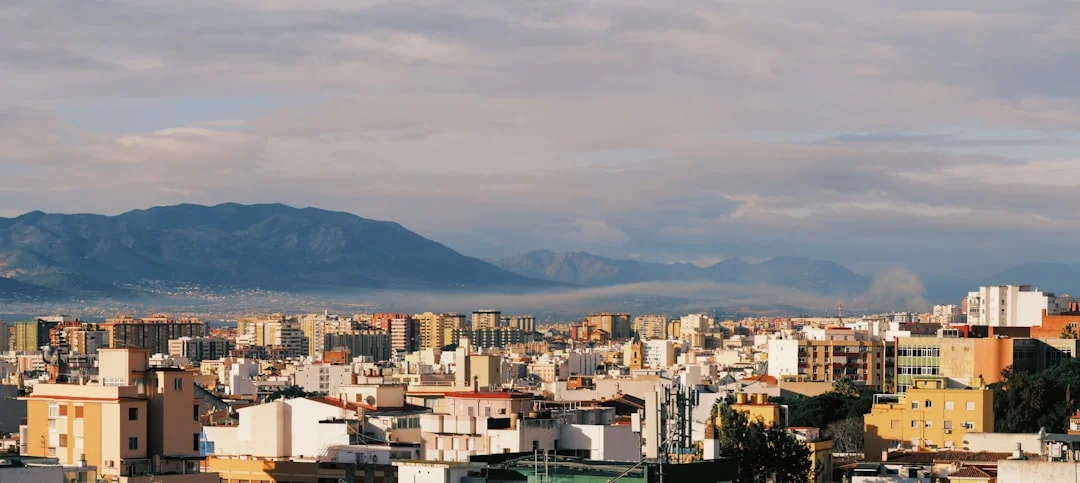
    Málaga’s skyline and streetscapes are telling a new story. Long celebrated as the vibrant gateway to the Costa del Sol, the city has firmly established itself as a sophisticated cultural and commercial hub in its own right. This evolution is most visible in the local hotel industry, which in this summer of 2026 is experiencing unprecedented demand alongside a definitive shift toward premium, high-end hospitality.

    Visitors to the city are no longer just looking for a convenient base to explore the coast; they are seeking immersive luxury, architectural heritage, and curated local experiences. From restored 18th-century palaces to sleek contemporary high-rises, Málaga’s hotel landscape has adapted to meet the desires of a more discerning global traveler.

    High Occupancy and Peak Summer Demand

    Midway through the summer 2026 season, local hoteliers report near-capacity occupancy rates across the historic center and beachfront districts, bolstered by increased international connectivity after Málaga Airport added 13 direct Middle East and Asia routes. According to local hospitality associations, the city’s average occupancy has consistently hovered above 85%, with premium and five-star establishments frequently booking out weeks in advance.

    This surge is driven by a diverse international demographic. While European travelers remain a cornerstone of the tourism economy, there has been a notable increase in long-haul visitors from North America and the Middle East, drawn by Málaga’s cultural prestige, culinary renaissance, and improved direct flight connections.

    The Rise of Five-Star Luxury

    For decades, Málaga operated with only a handful of five-star establishments. Today, the luxury segment is the primary engine of the city’s hotel boom. The successful integration of premium brands has reshaped the urban core:

    • Palacio Solecio: Located in the heart of the Jewish Quarter, this meticulously restored Andalusian palace expanded its footprint to offer more luxury suites, blending classic 18th-century elegance with contemporary comfort.
    • Only YOU Hotel Málaga: Positioned at the intersection of Calle Larios and Alameda Principal, this hotel continues to serve as a stylish social hub, bridging the gap between upscale lodging and local lifestyle.
    • The ME Málaga Project: As one of the most anticipated architectural and hospitality milestones of recent years, the development of the ME by Meliá hotel near Plaza del Carbón represents the city’s ambition to merge avant-garde design with high-end tourism.

    These properties are not just places to sleep; they are lifestyle destinations featuring rooftop terraces with panoramic views, wellness sanctuaries, and restaurants helmed by award-winning chefs.

    Boutique Charm in Historic Neighborhoods

    While grand luxury dominates the headlines, a quieter revolution is taking place in neighborhoods like Soho and El Perchel. Boutique hotels are breathing new life into historic residential buildings, offering travelers a more intimate, localized experience.

    In the artistic enclave of Soho, trendy boutique properties cater to creative professionals and digital nomads who value design-forward spaces and proximity to the neighborhood’s galleries and craft breweries. These hotels place a strong emphasis on sustainability, aligning with a broader regional trend toward green tourism, much like the upcoming eco-retreat in the Montes de Málaga.

    Navigating the Shift: What This Means for Travelers

    For those planning a visit to the capital of the Costa del Sol, the current hotel climate requires a more strategic approach to travel planning:

    1. Book Well in Advance: With boutique and luxury rooms in high demand, securing reservations three to six months ahead is highly recommended, particularly for travel between May and October.
    2. Explore Diverse Neighborhoods: Look beyond the immediate vicinity of Calle Larios. Neighborhoods like La Malagueta offer beachfront luxury, while Soho provides a contemporary, urban edge.
    3. Embrace the Off-Season: Málaga’s mild Mediterranean climate makes it an ideal destination year-round. Visiting during the late autumn or early spring offers a more relaxed pace, better room availability, and a chance to experience the city like a local.

    As the afternoon sun casts a warm, golden glow over the port and the ancient walls of the Alcazaba, it is clear that Málaga’s hospitality sector has found its stride. By balancing modern luxury with deep-rooted Andalusian tradition, the city ensures that every guest finds not just a room, but a memorable home on the Mediterranean.

  • UMA AI Club: Málaga Students Question Critical Thinking

    UMA AI Club: Málaga Students Question Critical Thinking

    Málaga’s reputation as a rapidly growing technology hub is well-established. The city successfully attracts multinational corporations, research centers, and a steady stream of digital talent. However, beneath the economic growth and corporate arrivals, a deeper, more reflective conversation is emerging from the city’s academic heart.

    At the School of Computer Science (ETSI de Informática) at the University of Málaga (UMA), a group of forward-thinking students has founded the Club de IA (AI Club). Rather than focusing solely on software development and optimization in a city where Malaga hotels see record demand amid a premium tourism shift, this student-led initiative is tackling a profound question: Are we losing our ability to think critically because of artificial intelligence?

    A Response to the Tech Boom

    While the global tech industry focuses on speed, efficiency, and automation, the founders of the UMA AI Club want to pause and analyze the cognitive cost of these advancements. As reported by La Opinión de Málaga, the club was established in July 2026 to create a space where future engineers can debate the ethical and cognitive implications of the tools they are learning to build.

    Málaga’s local technology ecosystem has grown rapidly, but the academic community recognizes that technical skills must be balanced with ethical responsibility. The club aims to bridge this gap by encouraging students to look beyond the code.

    The Core Debate: Cognitive Offloading vs. Critical Thought

    The primary research focus of the UMA AI Club centers on “cognitive offloading”—the phenomenon where humans outsource mental tasks to digital tools. While calculators and GPS systems have long performed this role, generative AI tools now generate arguments, write essays, and make decisions on our behalf.

    The club’s discussions address several key areas:

    • Decline in Problem-Solving Skills: When AI consistently provides immediate answers, the human capacity for deep research, frustration tolerance, and analytical synthesis may weaken.
    • The Illusion of Knowledge: Access to instant information can create a false sense of expertise, reducing the motivation to deeply understand complex subjects.
    • Algorithmic Bias and Echo Chambers: Relying on AI-generated summaries can limit exposure to diverse perspectives, reinforcing existing cognitive biases.

    Rather than rejecting AI, the club’s objective is to establish guidelines for its responsible use in academic and professional environments. The goal is to ensure that AI serves as a cognitive enhancer rather than a cognitive replacement.

    Fostering Ethical Tech Leaders in Málaga

    The creation of the AI Club at the ETSI de Informática highlights a shift in how technology is taught and perceived in Málaga. By integrating philosophical and ethical questions into a highly technical curriculum, UMA students are preparing to enter the workforce not just as programmers, but as conscious developers.

    This initiative comes at a critical time. As Málaga continues to position itself as a key European tech hub, the demand for professionals who understand both the capabilities and the societal risks of AI is higher than ever.

    As we navigate this rapid technological transition, the initiative shown by Málaga’s youth offers a reassuring perspective. By questioning our relationship with technology today, these students are helping to ensure that the future we build remains distinctly human, grounded in curiosity, empathy, and independent thought.

  • Málaga Wedding Backlog: How to Navigate Costs and Delays

    Málaga Wedding Backlog: How to Navigate Costs and Delays

    The Dream of a Málaga Wedding Meets Administrative Reality

    With its sun-drenched coastlines, historic venues, and Andalusian charm, Málaga has firmly established itself as a premier destination for couples looking to say “I do.” Whether you are a local resident or an expat who has fallen in love with the Costa del Sol—a region that has consolidated its status as Europe’s top haven for international residents—the prospect of a Mediterranean wedding is undeniably romantic.

    However, behind the picturesque backdrops lies a complex administrative landscape. In recent times, couples have faced a significant bottleneck at the Civil Registry (Registro Civil), transforming what should be an exciting countdown into a test of patience and administrative strategy.

    The Civil Registry Bottleneck: A 30-Minute Window

    For those seeking a traditional, cost-effective civil ceremony, the Civil Registry is the standard starting point. While getting married directly through the registry is entirely free, securing an appointment has become a monumental challenge.

    According to a report by Málaga Hoy, the Civil Registry of Málaga is experiencing a severe backlog. Online appointments (citas previas) to initiate the marriage file (expediente matrimonial) are released periodically, only to vanish within 30 minutes. This digital scramble has left many couples in limbo, unable to lock in their dates or move forward with their wedding planning.

    Because of this backlog, waiting times can stretch over several months just to submit the initial paperwork, followed by another waiting period for the file to be approved. For international couples or expats with expiring visas and tight travel schedules, this timeline is often unviable.

    Fast-Tracking with a Notary: The €600 Alternative

    Fortunately, Spanish law offers a highly efficient alternative to bypass the registry’s gridlock: getting married before a Notary Public (Notario).

    Since the law changed to allow notaries to handle the entire marriage file, this option has surged in popularity:

    • The Process: A notary can authorize the marriage file, verify the documentation, and perform the ceremony itself.
    • The Cost: Depending on the complexity of your paperwork (especially if foreign documents require sworn translations and apostilles) and whether the notary travels to an external venue, the cost typically ranges up to €600.
    • The Advantage: Speed. What takes months at the Civil Registry can often be resolved in a fraction of the time through a notary, making it the preferred route for many expats.

    Málaga Town Hall: Iconic Venues and Official Fees

    If you prefer a civic ceremony with historical grandeur, the Málaga Town Hall (Ayuntamiento) offers several official options. Once your marriage file is approved (either via the registry or a notary), you can book one of the municipality’s authorized spaces.

    The fees are structured clearly based on the day and the prestige of the venue:

    • Fridays at the Town Hall: For a simple, elegant ceremony on a Friday, the municipal fee is a modest €65.19.
    • Saturdays at the Salón de los Espejos: To exchange vows in the spectacular Hall of Mirrors (Salón de los Espejos) inside the main Town Hall building on a Saturday, the fee rises to €172.23. This venue offers an incredibly opulent, historic setting in the heart of the city.
    • The Botanical Garden (La Concepción): For those dreaming of an outdoor, lush green setting, the historic La Concepción Botanical Garden is available. A ceremony in this tropical paradise carries a fee of €736.43, reflecting its status as one of the city’s most exclusive municipal locations.

    Sacred Spaces: Church Weddings in Málaga

    For couples opting for a Catholic ceremony, Málaga’s historic churches present a deeply atmospheric option. Spain’s Concordat with the Holy See means Catholic marriages are automatically legally binding, provided they are registered afterward.

    • The Cost: Church fees are generally structured as a donation, typically averaging around €300. However, this can vary depending on the historical significance of the parish.
    • The Timeline: Waiting lists for iconic churches—such as the Málaga Cathedral or the Sanctuary of Victoria—can be extensive, sometimes requiring bookings more than a year in advance. Smaller neighborhood parishes often offer more flexibility.

    Navigating the Expat Paperwork Trail

    If one or both partners are non-Spanish citizens, the paperwork requirements increase. To avoid delays, ensure you have the following documents ready, translated into Spanish by a certified sworn translator (traductor jurado), and legalized with an Apostille of the Hague if applicable:

    1. Birth Certificates: Full, recent copies.
    2. Certificate of No Impediment / Marital Status: Proving you are legally free to marry.
    3. Proof of Residence: A padrón registration certificate (for residents) or proof of address.
    4. Passports and NIE: Valid identification for both partners and two witnesses.

    A Hopeful Path to Your Big Day

    While the administrative hurdles and the rush for digital appointments can feel overwhelming, they are ultimately just the first chapter of a beautiful journey. Málaga remains an extraordinary place to begin a life together, offering warmth, beauty, and memories that far outlast any bureaucratic delay. With a little foresight, the right professional guidance, and perhaps a flexible budget for a notary, your dream Mediterranean wedding is entirely within reach.

  • Unicaja’s Olek Balcerowski Nears Barcelona Transfer

    Unicaja’s Olek Balcerowski Nears Barcelona Transfer

    A Summer Shakeup at Martín Carpena

    For sports fans in Málaga, basketball is far more than just a game—it is a weekly ritual. Every weekend, the Palacio de Deportes José María Martín Carpena transforms into a green-and-purple cauldron of passion. Over the last few years, Unicaja Baloncesto has captured the hearts of locals and the city’s rapidly growing international expat community alike. As many of these newcomers choose to settle down in the province long-term, they navigate both local passions and major life milestones, including the administrative hurdles of dealing with Málaga’s wedding backlog and rising ceremony costs.

    However, the summer of 2026 is bringing some major roster drama. While Málaga’s academic community is currently focused on intellectual debates—such as students questioning critical thinking at the UMA AI Club—the city’s sports fans are tracking a different kind of excitement. The latest bombshell shaking up the Liga ACB is the imminent departure of Unicaja’s Polish center, Olek Balcerowski, who is on the verge of signing with powerhouse FC Barcelona.

    The Details of the Deal

    Negotiations have progressed rapidly. Balcerowski, who joined Unicaja with high expectations, has a contract running through 2028. Because of this multi-year commitment, his departure will not be free. Barcelona will have to pay a substantial buyout clause to release the 2.19-meter center from his contract, even as Unicaja Baloncesto closes in on signing Willy Hernangómez.

    According to reports from La Opinión de Málaga, this buyout represents a highly lucrative financial injection for Unicaja. While losing a player of his caliber is a sporting blow, the economic compensation gives the Málaga front office significant leverage to scour the market for a high-quality replacement.

    Why Barcelona Wants Balcerowski: The ‘Cupo’ Factor

    In Spanish basketball, roster construction is a complex puzzle. Liga ACB rules require teams to register a minimum number of locally trained players—known colloquially as cupos—on their active rosters.

    This is where Balcerowski’s value skyrockets. Despite being a Polish national team star—and one of several Unicaja basketball stars competing on the international stage—he spent his formative developmental years in the youth system of Gran Canaria. This grants him official cupo status in Spain. For a team like Barça, which needs elite domestic talent to balance its star-studded international roster, Balcerowski is the perfect target.

    As detailed by Mundo Deportivo, Barcelona has been aggressively searching for a reliable interior presence who meets these homegrown criteria. Meanwhile, Spanish sports outlet Sport reports that the deal is practically finalized, with only minor details left to be ironed out before an official announcement.

    What This Means for Unicaja Fans

    For the loyal Cajista fanbase, the move brings mixed emotions. On one hand, Balcerowski’s height, mobility, and defensive presence under the rim will be tough to replace. On the other hand, Unicaja has proven time and again that their scouting department is one of the shrewdest in Europe. The cash influx from this transfer will allow the club to remain highly competitive as they prepare for another grueling campaign in both the domestic league and European competitions.

    If you are new to Málaga and haven’t yet experienced a night at the Carpena, this summer drama is the perfect introduction to the intensity of Spanish basketball. The atmosphere is friendly, family-oriented, and electric—making it one of the best weekend activities in the province.

    As we watch the final details of this transfer unfold, we can only look forward to the incredible matchups the new season will bring. No matter who wears the green and purple jersey come autumn, the spirit of Martín Carpena remains undefeated, and we cannot wait to see how the team rebuilds to face the giants of the EuroLeague and ACB.

  • Málaga Heatwave: Yellow Alert with 43ºC Interior Highs

    Málaga Heatwave: Yellow Alert with 43ºC Interior Highs

    Málaga is currently grappling with its third major heatwave of the 2026 summer season. Coming shortly after an intense orange alert hit the Costa del Sol, global climate patterns continue to bring increasingly intense summer peaks to the Mediterranean basin, keeping the province of Málaga on high alert. Local authorities and meteorological agencies have issued warnings that require both residents and visitors to adjust their daily routines.

    According to reports from La Opinión de Málaga, the State Meteorological Agency (AEMET) has activated a yellow weather warning for the Costa del Sol and Málaga capital, where coastal temperatures are expected to reach up to 38ºC. However, the situation is even more extreme further inland, where thermometers are projected to spike to a grueling 43ºC.

    Understanding the ‘Terral’ Wind

    For those new to the province, the sudden rise in temperature is often driven by a local meteorological phenomenon known as the terral. This is a dry, land-based wind that blows from the northwest, heating up significantly as it descends from the surrounding mountains toward the coast.

    Unlike the humid heat typical of coastal cities, the terral feels like a giant hair dryer blowing directly at you. It can cause temperatures to jump by 10ºC in a matter of minutes, drying out the air and making outdoor activity highly uncomfortable, if not dangerous.

    Equatorial Nights: No Relief After Dark

    One of the most challenging aspects of this July 2026 heatwave is the lack of nighttime relief. Forecasters warn of ‘equatorial’ or tropical nights, during which temperatures will not drop below 25ºC.

    This sustained heat prevents homes from cooling down naturally, posing a risk of heat exhaustion, particularly for vulnerable populations, the elderly, and tourists who are not accustomed to sleeping in such high temperatures.

    Essential Safety Tips for Expats and Tourists

    If you are visiting Málaga or have recently relocated here, navigating your first major terral can be daunting. Here are some essential guidelines to keep you safe:

    • Hydrate Constantly: Drink plenty of water throughout the day, even if you do not feel thirsty. Limit your intake of alcohol, caffeine, and highly sugary drinks, as they can accelerate dehydration.
    • Time Your Outings Wisely: Avoid going outside during the peak heat hours, typically between 12:00 and 18:00. If you want to explore the city or go to the beach, do so in the early morning or late evening.
    • Manage Your Home’s Climate: Keep blinds, shutters, and windows closed during the day to block out the hot air and direct sunlight. Open them late at night only if the outside temperature drops below the indoor temperature.
    • Dress Appropriately: Wear loose-fitting, light-colored clothing made of breathable fabrics like cotton or linen. Do not forget a wide-brimmed hat, sunglasses, and high-factor sunscreen.
    • Know the Symptoms of Heat Stroke: If you or someone else experiences dizziness, headaches, rapid heart rate, confusion, or nausea, seek shade immediately, drink water, and call emergency services (112) if symptoms do not improve.

    While summer in Andalusia is famous for its vibrant energy and sun-drenched beaches, extreme weather events like this remind us to respect the power of nature. By taking simple precautions and looking out for one another, we can safely navigate these hot summer days and continue to enjoy everything this beautiful region has to offer once the cool evening breezes finally return.

  • Málaga Bans New Hotels and Tourist Flats for 3 Years

    Málaga Bans New Hotels and Tourist Flats for 3 Years

    Málaga is taking its most decisive step yet to address the local housing crisis and curb the saturation of tourism. On July 16, 2026, amidst an intense heatwave that triggered yellow alerts with 43ºC highs, the Málaga City Council approved a temporary three-year suspension on the development of new hotels and tourist apartment blocks on residential land (suelo residencial).

    This landmark decision represents a major shift in the local real estate landscape. It will force international investors, developers, and property buyers to quickly adapt to a highly regulated environment.

    The Details of the Three-Year Freeze

    The newly approved moratorium temporarily halts the granting of licenses for new hotels, aparthotels, and dedicated tourist apartment buildings if they are planned on plots zoned for residential use.

    This measure builds upon previous efforts to protect local neighborhoods. In January 2025, the city implemented a ban on new individual tourist rentals (VFTs) across 43 saturated neighborhoods. However, as developers shifted their focus toward building entire blocks of holiday apartments and boutique hotels on residential land, the city felt compelled to close the loophole.

    While the city has recently focused on smaller urban improvements, such as installing new public drinking fountains to enhance daily life for residents and visitors alike, this new moratorium represents a much larger, structural intervention to protect local neighborhoods.

    According to reports by El País, the suspension aims to give municipal planners breathing room to draft a new General Urban Development Plan (PGOU) that matches the current socio-economic reality of the city.

    A Divisive Political and Social Debate

    While the local government presents this as a necessary shield to protect residents, the political opposition and local activist groups have expressed skepticism. As reported by El Mundo, opposition parties have labeled the measure as insufficient or a “patchwork” solution (chapuza), arguing it comes too late to reverse years of aggressive gentrification and skyrocketing rental prices.

    Over the past year, public frustration in Málaga has boiled over into large-scale street protests. Locals have increasingly voiced their concerns over being priced out of their own neighborhoods, as residential buildings are converted into tourist accommodation. This moratorium is the city’s direct response to those growing social pressures.

    What This Means for Real Estate Investors

    For those looking to invest in Málaga’s booming property market, the rules of the game have changed overnight. Here is what you need to know:

    • Residential Land is Off-Limits: You cannot buy a residential building or plot to convert it into a hotel or a block of tourist apartments for the next three years.
    • Focus on Tertiary/Commercial Land: The moratorium does not affect land zoned for commercial or tertiary use. Developers can still build hotels on land specifically designated for economic and business activities.
    • Premium Value for Existing Licenses: Current hotels and tourist apartments with active, legal licenses are likely to see their market value rise, as supply is now strictly capped.
    • A Shift to Long-Term Rentals: Investors may need to pivot their strategies toward high-quality, long-term residential rentals or co-living spaces, which remain unaffected by the ban and are in high demand.

    Looking Ahead

    This three-year pause marks a critical turning point for Málaga. The city is attempting to strike a delicate balance: remaining an attractive, cosmopolitan hub for digital nomads, tech companies, and visitors—supported by rapidly expanding infrastructure like the Málaga Metro—while ensuring that the people who keep the city running can actually afford to live here.

    As Málaga navigates this transition, we hope these measures foster a more sustainable, inclusive city. Finding a balance between economic vitality and community well-being is never easy, but it is a necessary journey to ensure that Málaga remains a welcoming home for both its lifelong residents and those who fall in love with it from afar.

  • Dúo by Alita: Gourmet Burgers at a Malaga Gas Station

    Dúo by Alita: Gourmet Burgers at a Malaga Gas Station

    Malaga’s culinary scene is no stranger to innovation, even as the city navigates major changes like the recently announced three-year ban on new hotels and tourist flats. Amidst this shifting landscape, its latest hotspot is turning heads in the most unexpected of places. If you find yourself pulling into a local gas station for a fill-up, you might just end up staying for a world-class meal.

    The chefs behind the Repsol-recommended restaurant Alita, which recently made headlines with its surprise closure in Soho, have officially launched Dúo by Alita, a high-end burger food truck parked permanently at a Malaga service station. Combining fine-dining expertise with the ultimate casual street food format, this quirky venture is already capturing the imagination of local foodies and expats alike.

    High Gastronomy Meets High Octane

    It is not every day that award-winning culinary talent sets up shop next to petrol pumps. The minds behind Alita, a restaurant highly regarded by the prestigious Repsol Guide, decided to break the mold. Their goal was simple: strip away the formality of traditional sit-down dining and bring top-tier flavor directly to the streets.

    As reported by La Opinión de Málaga, the food truck offers premium gourmet burgers starting at an incredibly accessible price point of just 6 euros. By operating out of a gas station, the chefs bypass the heavy overhead costs of a traditional city-center local, passing those savings directly onto the customer without compromising on ingredient quality.

    What is on the Menu?

    While the setting is casual, the preparation is anything but. Expect carefully sourced meats, artisanal buns, and homemade sauces that reflect the chefs’ fine-dining background.

    • Premium Beef Paties: Perfectly seared to retain juiciness.
    • Signature Sauces: House-made reductions and aiolis that elevate the classic burger.
    • Affordable Luxury: With options starting at €6, it offers a high-quality alternative to standard fast food.

    Malaga’s Growing Culinary Prestige

    This unconventional launch is a prime example of the creative freedom defining Malaga’s modern food scene. The city is rapidly transforming from a traditional holiday gateway into a major European culinary destination.

    In fact, this spirit of innovation aligns perfectly with the city’s grander ambitions. Malaga is currently positioning itself as a serious contender for the European Capital of Gastronomic Culture. According to Europa Press, Mayor Francisco de la Torre recently emphasized the value of Malaga’s culinary heritage and its evolving gastronomic identity as core pillars of the city’s cultural richness. Projects like Dúo by Alita prove that this gastronomic culture is not just confined to Michelin-starred establishments, but is alive, well, and thriving in the most unexpected corners of the community.

    Why It Is Worth the Visit

    For expats and locals tired of the usual restaurant routines, Dúo by Alita offers a breath of fresh air. It is fun, unpretentious, and serves genuinely excellent food. It challenges the idea that great dining requires a reservation, white tablecloths, or a hefty bill. Sometimes, all you need is a passion for great food, a couple of talented chefs, and a well-placed food truck.

    We hope this unique little spot inspires you to step off the beaten path and explore the creative flavors our beautiful city has to offer. Malaga continues to surprise us every single day, proving that great things truly can be found in the most ordinary places.

  • Cocopool Booms in Málaga: Rent Private Pools by the Hour

    Cocopool Booms in Málaga: Rent Private Pools by the Hour

    An aquí tienes el artículo enriquecido con el enlace más relevante y natural para el contexto de los lectores:

    As summer temperatures regularly climb past 40°C in southern Spain, finding a quiet spot to cool down in Málaga has become a premium luxury. While the beaches are packed and public facilities are often crowded, a rising collaborative economy platform is changing how locals and expats navigate the summer heat.

    Cocopool, a Spanish startup specializing in hourly rentals of private swimming pools, gardens, and barbecue areas, is experiencing a massive surge in demand across the province.

    The Hourly Pool Rental Phenomenon

    According to a report by Diario SUR, Málaga has emerged as one of the primary markets for this service, with over a thousand active listings. The platform functions similarly to Airbnb but is optimized for short-term daytime use.

    Property owners list their unused backyards, pools, and outdoor dining areas, setting an hourly rate and maximum guest capacity. For users, it offers an accessible way to host family gatherings, birthday parties, or simply enjoy a quiet afternoon swim without the crowds.

    Key Data Points:

    • Inventory: Over 1,000 active pools listed in the province of Málaga.
    • Pricing: Rates typically range from €15 to €40 per hour, depending on the size, location, and amenities (such as barbecues, sun loungers, or private parking).
    • Target Audience: Particularly popular among families, expat groups, and remote workers looking for a private outdoor space.

    How Cocopool Works

    The booking process is entirely digital, designed to offer security and transparency for both hosts and guests:

    1. Search and Filter: Users can search by location (e.g., Málaga city, Alhaurín de la Torre, Marbella, or Axarquía) and filter by specific amenities like BBQ facilities, pet-friendly spaces, or shaded dining areas.
    2. Booking Requests: The guest selects the desired date, hours, and number of attendees.
    3. Host Approval: Hosts receive the request and can accept or decline based on their availability and house rules.
    4. Insurance Coverage: To address safety and liability concerns, the platform includes civil liability insurance that covers potential damages or accidents during the rental period.

    A Practical Alternative for Expats and Locals

    For the growing community of digital nomads and expats living in Málaga’s urban centers—where apartments rarely come with private outdoor space—Cocopool serves as a practical lifestyle hack. Renting a private villa for an entire weekend can cost hundreds of euros, whereas renting a premium backyard for a four-hour afternoon gathering presents a highly cost-effective alternative.

    Furthermore, it provides a steady stream of passive income for local homeowners. With rising property maintenance costs and water management regulations in Andalusia, hosting daytime guests helps property owners offset the annual expenses of maintaining a private pool.

    As we navigate increasingly warm summers, sharing existing resources through collaborative platforms is a sensible way to keep our communities cool and connected. We hope this innovative option helps you find your own quiet oasis of shade and cool water in Málaga this season.

  • Málaga Metro Posts Record €49 Million Profit in 2025

    Málaga Metro Posts Record €49 Million Profit in 2025

    A Landmark Financial Year for Málaga’s Transit

    Málaga’s public transport infrastructure has achieved an unprecedented financial milestone. Following the highly anticipated expansion of the metro line into the heart of the city center, the network has transitioned from a vital public service into an incredibly lucrative asset.

    According to financial data recently published by El Español, the Metro de Málaga concessionaire closed the 2025 fiscal year with an extraordinary €49.1 million in net profit. This financial windfall highlights the massive success of the city’s transport strategy and marks a turning point for public-private infrastructure partnerships in Andalusia.

    Distributing the Gains

    The €49.1 million profit represents a historic high for the concessionaire. These gains are slated to be distributed among the company’s public and private shareholders, validating the long-term investment strategy that initially faced years of delays and skepticism.

    This economic success is directly tied to the “demand guarantee” and the operational structure agreed upon by the regional government (Junta de Andalucía) and private partners. With ridership figures consistently shattering previous records, the metro has cemented its status as the backbone of Málaga’s urban mobility.

    The “Atarazanas Effect”: How the Center Changed Everything

    The primary catalyst for this financial boom was the opening of the central stations—Guadalmedina and Atarazanas. By finally connecting the densely populated western districts (Carretera de Cádiz and Teatinos) directly to the commercial and historic heart of Málaga, travel patterns in the city changed overnight.

    • Unprecedented Ridership: The convenience of stepping off the train right next to Calle Larios has drawn millions of commuters who previously relied on private vehicles or buses.
    • Tourism Integration: Visitors landing at Málaga-Costa del Sol Airport or arriving via the María Zambrano AVE station can now transition seamlessly to the metro network to reach central destinations.
    • Reduced Congestion: The financial success is mirrored by social and environmental benefits, as thousands of daily car trips have been removed from Málaga’s congested entry points.

    A Model for Future Infrastructure

    The financial triumph of the Málaga Metro offers valuable lessons for mid-sized cities across Europe. It proves that high-quality, subterranean transit systems can be financially self-sustaining and highly profitable when planned around key urban nodes.

    As Málaga continues to grow as a global tech and tourism hub, the municipal and regional governments are already looking ahead. The success of the 2025 fiscal year provides the financial leverage and political momentum needed to advance future expansions, including the highly anticipated line towards the Civil Hospital and potential extensions further east.

    Moving forward, the challenge will be to balance this highly profitable concession model with affordable fares and continued public accessibility, ensuring that the metro remains a service for all Malagueños.

    As our city evolves, seeing our public transit system thrive is incredibly reassuring. It is a reminder that when we invest in modern, sustainable infrastructure—ranging from major transport networks to local initiatives designed to install new public fountains to fight the heat—the benefits return to the community tenfold. We look forward to watching Málaga grow greener, more connected, and more accessible for everyone who calls this beautiful city home.