Tag: lang:en

  • Málaga Art Exhibitions: 15 Cool Museum Escapes This Weekend

    Málaga Art Exhibitions: 15 Cool Museum Escapes This Weekend

    Beat the Summer Heat in Málaga’s Climatized Museums

    As the June 2026 temperatures climb across the Costa del Sol, finding a cool sanctuary becomes a priority for both locals and visitors looking for stylish Málaga summer plans. Fortunately, Málaga’s transformation into a world-class cultural hub provides the perfect solution. The city’s extensive network of air-conditioned museums offers an ideal “cultural refuge,” allowing you to escape the midday sun while immersing yourself in world-class art.

    This weekend, Málaga features at least 15 active temporary and permanent exhibitions. From avant-garde installations to classic masterpieces, you can embark on a delightful gallery hopping experience across Málaga’s current art exhibitions.

    The Big Three: Picasso, Pompidou, and Carmen Thyssen

    1. Museo Picasso Málaga

    As the birthplace of Pablo Picasso, Málaga honors its most famous son with a spectacular permanent collection and rotating temporary showcases. Beyond its rich cultural scene, the province is also celebrated for its pristine coastline, with Málaga leading Summer 2026 with 45 Blue Flag beaches.

    • What to see: The permanent collection, Dialogues with Picasso, offers a deep dive into eight decades of the artist’s revolutionary work.
    • Why it’s a great escape: Located in the beautifully restored, air-conditioned Palacio de Buenavista in the historic center, it offers a peaceful, cool environment right in the heart of the city.

    2. Centre Pompidou Málaga

    Recognizable by its iconic glass cube at Muelle Uno, the Centre Pompidou Málaga is a must-visit for lovers of modern and contemporary art.

    • What to see: The semi-permanent exhibition features masterpieces from the 20th and 21st centuries, spanning painting, sculpture, and multimedia installations.
    • Why it’s a great escape: Situated underground beneath the harbor, the gallery spaces are naturally insulated and wonderfully cool, making it the perfect stop after a walk along the waterfront.

    3. Museo Carmen Thyssen Málaga

    Housed in the 16th-century Palacio de Villalón, this museum houses an extraordinary collection of 19th-century Spanish and Andalusian painting.

    • What to see: Romantic landscapes, costumbrista scenes, and Spanish modernism. The temporary exhibitions here consistently bring fresh perspectives to classical and early modern art.
    • Why it’s a great escape: The quiet, high-ceilinged galleries and central courtyard offer a serene, cool atmosphere just steps from the busy Calle Larios.

    Contemporary and International Spaces

    4. CAC Málaga (Centro de Arte Contemporáneo)

    Located in the trendy Soho district, the CAC Málaga is the epicenter of cutting-edge contemporary art in the city.

    • What to see: Dynamic temporary exhibitions showcasing international and emerging Spanish artists, alongside a permanent collection of late-20th-century art.
    • Why it’s a great escape: The spacious, industrial-style building is fully air-conditioned and free to enter, making it one of the most accessible cultural stops in town.

    5. Colección del Museo Ruso

    Located in the historic Tabacalera building (a former tobacco factory), this space hosts impressive collections of Russian art and international historical movements.

    • What to see: Historically significant temporary exhibitions ranging from classic icons to Soviet-era realism and avant-garde masterpieces.
    • Why it’s a great escape: The vast, airy exhibition halls are rarely crowded, offering a quiet, cool space to contemplate art at your own pace.

    More Cultural Treasures to Explore This Weekend

    Beyond the major institutions, several other venues contribute to the 15+ active exhibitions available this weekend. According to the local cultural agenda compiled by Hoy Málaga, visitors can also explore:

    • Museo de Málaga (Palacio de la Aduana): A massive space combining fine arts and archaeology, perfect for spending a whole afternoon out of the sun.
    • La Térmica: A contemporary cultural center hosting photography exhibitions and creative workshops.
    • MUPAM (Museo del Patrimonio Municipal): Showcasing historical art and artifacts that trace the history of Málaga from the 15th century to the modern day.

    Practical Tips for Your Museum Weekend

    • Book in advance: To avoid waiting in the sun at ticket offices, book your museum tickets online beforehand.
    • Check opening hours: Many museums offer free entry during the final hours of Sunday afternoon, though these slots can get busy.
    • Combine visits: Many of these spaces are within walking distance of each other, allowing you to hop from one air-conditioned haven to the next.

    We hope this guide helps you navigate Málaga’s incredible cultural landscape while staying cool this weekend. There is a quiet joy in stepping out of the intense Mediterranean heat into the calm, quiet galleries of a museum, letting the art take center stage. Enjoy your weekend of discovery, and stay safe in the sun!

  • Málaga’s Cameranos: The Riojan Merchants Who Built Trade

    Málaga’s Cameranos: The Riojan Merchants Who Built Trade

    Málaga is widely celebrated today as a thriving international hub, but its economic dynamism is nothing new. Long before the tech startups and modern boutiques arrived, the city’s commercial backbone was shaped by waves of ambitious migrants. Among the most influential yet least known of these groups were the Cameranos—enterprising merchants from the rugged Cameros Valley in La Rioja.

    These northern migrants played a fundamental role in transforming Málaga into a commercial powerhouse during the 19th and 20th centuries, laying the foundation for the thriving cultural legacy that today offers incredible Málaga art exhibitions and museum escapes.

    Who Were the Cameranos?

    The Valle de Cameros is a mountainous region in La Rioja, historically known for its harsh winters and sheep farming. Faced with limited agricultural opportunities at home, many young men from the valley chose to migrate.

    Unlike other migration waves driven by sheer desperation, the Cameranos relied on a highly organized network of family and regional solidarity. Established merchants in southern Spain would sponsor young relatives or neighbors from the valley, bringing them in as apprentices. These young men started from the bottom, learning the trade, saving money, and eventually taking over or founding their own businesses.

    Building Málaga’s Commercial Heart

    Upon arriving in Málaga, the Cameranos quickly made their mark on the local retail and wholesale sectors. They specialized in textiles, dry goods, groceries, and traditional haberdasheries (mercerías).

    Their business model was built on trust, long hours, and deep community ties. Over the decades, these Riojan families established some of the most iconic shops in Málaga’s historic center, particularly around Calle Larios and Calle Nueva. Their influence extended beyond simple shopkeeping; they became prominent figures in Málaga’s high society, contributing to the city’s urban development and civic institutions.

    Rediscovering the Legacy on ‘Memoria Sur’

    For those interested in diving deeper into this fascinating chapter of local history, the story has recently been brought back into the spotlight. The local history podcast Memoria Sur, hosted by journalists Ana Pérez-Bryan and Esther Luque, dedicated its latest episode to exploring this Riojan footprint.

    In Episode 263 of Memoria Sur, published in June 2026, the hosts unpack how these northern families integrated into Málaga’s social fabric and left a lasting heritage that still whispers through the architecture and family names of the city today.

    Why This History Matters Today

    Understanding the story of the Cameranos offers a fresh perspective for expats and new residents in Málaga. It serves as a reminder that Málaga’s identity has always been forged by outsiders who arrived with dreams, worked hard, and woven their own cultures into the Andalusian landscape.

    Next time you walk down the marble-paved streets of the historic center, take a moment to look at the old shopfronts. Many of them exist because of the determination of those young mountain-dwellers from La Rioja who decided to make Málaga their home.

    Learning about the people who built the streets we walk today helps us feel truly connected to our shared home. Málaga’s history is a beautiful mosaic of cultures, and the hardworking spirit of the Cameranos remains a vital piece of that puzzle. Let us keep sharing these stories to appreciate the rich, welcoming tapestry of the city we love.

  • Málaga’s Best Pescaíto Frito: 2026 Winners Revealed

    If there is one culinary tradition that defines the Costa del Sol, it is pescaíto frito (fried fish). Golden, crispy, and remarkably light, a perfect fritura malagueña is a masterclass in temperature control and fresh seafood.

    To find out who truly rules the kitchens of the province, a prestigious provincial championship recently brought together 14 of Málaga’s finest seafood establishments. The results of the June 2026 grand finale are in, crowning two local spots as the absolute must-visit destinations for food lovers.

    Here is where you can eat the award-winning best fried fish in Málaga right now.

    The Grand Champion: ‘La Mariscá’ Takes Best Fritura

    The coveted title for the Mejor Fritura Malagueña (Best Málaga-Style Fried Fish) went to La Mariscá.

    According to the official competition coverage by Gurmé Málaga, the judges were blown away by La Mariscá’s flawless execution. Achieving the perfect fritura is incredibly difficult: the flour must coat the fish thinly, the olive oil must be at the exact high temperature to sear the outside instantly without making the fish greasy, and the fish inside must remain juicy and tender.

    La Mariscá managed to strike this balance beautifully, presenting a mixed platter (fritura variada) that set the gold standard for the entire province. If you want to experience the peak of coastal Andalusian cooking, this is your new starting point.

    The Anchovy King: ‘Marina Playa’ Wins Best Boquerones

    In Málaga, the boquerón (anchovy) is more than just a fish—it is a cultural symbol. Locals are proudly nicknamed boquerones, and preparing these small fish is a true test of a chef’s skill.

    The award for the Mejor Fritura de Boquerones (Best Fried Anchovies) was awarded to Marina Playa.

    Frying anchovies requires delicate timing. They must be opened, cleaned, lightly floured (traditionally in pairs joined by the tail), and fried for just a brief moment. Marina Playa mastered this delicate process, serving anchovies that are wonderfully crispy on the outside while retaining their delicate, clean flavor on the inside.

    Inside the Competition

    The grand finale was a high-stakes culinary battle that brought together 14 of the most respected specialized seafood restaurants from across the Málaga province. Each establishment brought their own techniques, family recipes, and carefully sourced local fish to the table, making the judges’ decision incredibly tough.

    The event highlighted the incredible depth of talent in Málaga’s culinary scene, proving that while pescaíto frito is a humble, everyday dish, perfecting it requires world-class culinary precision.

    Practical Tips for Enjoying Pescaíto Frito Like a Local

    If you are planning a weekend food hunt to try these award-winning spots, keep these local tips in mind:

    • Skip the heavy sauces: Authentic pescaíto frito needs nothing more than a tiny squeeze of fresh lemon—and many purists argue you should skip the lemon entirely to appreciate the freshness of the fish.
    • Eat with your hands: Don’t be shy. Small fish like boquerones or salmonetes (red mullet) are meant to be eaten with your fingers.
    • Pair it right: Order a freezing cold local Victoria beer, a crisp glass of Manzanilla sherry, or a dry white wine from the Sierras de Málaga DO.
    • Book ahead: Since these awards were just announced in June 2026, expect both La Mariscá and Marina Playa to be exceptionally busy, especially on weekends. Call ahead to secure a table.

    There is a unique kind of magic in sitting by the Mediterranean, feeling the sea breeze, and sharing a steaming plate of freshly fried fish with friends and family. It is a simple pleasure that connects us to the history of this coast, and we hope these newly crowned champions bring as much joy to your table as they did to the competition judges. Buen provecho!

  • Axarquía Hotelier Named FAHAT Vice President

    Axarquía Hotelier Named FAHAT Vice President

    The eastern coast of Málaga province, known affectionately as the Axarquía, continues to consolidate its position as a major player in the Andalusian tourism landscape. In a significant move for the region’s hospitality sector, local businessman Damián Toboso has been appointed as the new Vice President of the Andalusian Federation of Hotels and Tourist Accommodations (FAHAT).

    This appointment marks a pivotal moment for the eastern Costa del Sol, bringing a fresh perspective from a territory characterized by its blend of coastal charm, historic white villages, and high-quality boutique accommodations.

    A Strategic Voice for Málaga’s Eastern Coast

    Based in Vélez-Málaga, Damián Toboso has long been a key figure in the local hospitality scene. His new role within the regional federation is designed to bridge the gap between local enterprise and regional policy. As reported by AxarquíaPlus, Toboso’s primary mission will be to represent the interests of the Axarquía hotel industry while actively promoting and strengthening the diverse accommodation offerings of the entire Málaga province on the Andalusian stage.

    His leadership comes at a time when the demand for authentic, sustainable, and high-value travel experiences is reshaping how visitors interact with southern Spain.

    “The appointment of Damián Toboso is not just a personal achievement, but a recognition of the growing weight and quality of the Axarquía’s tourism model.”

    The Rising Influence of the Axarquía

    For years, the western stretch of the Costa del Sol—home to Marbella, Torremolinos, and Benalmádena—has dominated the headlines. However, the Axarquía has quietly carved out a highly successful niche.

    Several factors contribute to the region’s rising profile:
    * Diverse Lodging Options: From charming rural cortijos and boutique inland hotels to modern beachfront apartments.
    * Gastronomic Tourism: A focus on local produce, including tropical fruits like Málaga’s renowned avocados and mangoes, olive oil, and the famous sweet Moscatel wines.
    * Sustainable Growth: A slower, more deliberate approach to tourism development that respects the natural environment and local heritage.

    Toboso’s presence on the FAHAT executive board ensures that these unique characteristics are considered during high-level decision-making processes, ensuring the region receives the visibility and support it deserves.

    Looking Ahead

    With the 2026 summer season fully underway, the Andalusian hotel sector faces both opportunities and challenges, from managing water resources sustainably to integrating digital innovations in guest services. Having a dedicated voice from the Axarquía at the regional table will undoubtedly help shape a more balanced and inclusive tourism strategy for all of Andalusia.

    We look forward to seeing how this new leadership fosters deeper collaboration across the province, ensuring that our beautiful corner of the Mediterranean remains a welcoming, vibrant, and sustainable destination for generations to come.

  • Málaga Secures Top 10 Spot in EasyJet’s Global Network

    Málaga Secures Top 10 Spot in EasyJet’s Global Network

    Málaga-Costa del Sol Airport has solidified its position as one of the crown jewels in European aviation, serving as the primary gateway for travelers looking to visit the Caminito del Rey and other Andalusian highlights. In a recent industry update, Javier Gándara, EasyJet’s Director General for Southern Europe, confirmed that the Andalusian hub remains firmly established within the airline’s global top ten destinations.

    This sustained success comes despite a complex macroeconomic landscape marked by post-Brexit operational adjustments and volatile fuel prices. The key to Málaga’s resilience, according to aviation leadership, lies in its rapid transformation from a seasonal holiday hotspot into a multi-faceted, year-round global destination.

    The Power of Diversity: Beyond Sun and Sand

    Historically celebrated for its Mediterranean coastline, Málaga has successfully diversified its appeal. As highlighted by Gándara in an interview with Diario SUR, the province’s greatest asset is now its sheer variety of experiences.

    Today, the region attracts a highly heterogeneous demographic, including:

    • Cultural Seekers: World-class museums, historical landmarks, and a thriving local arts scene.
    • Tech Professionals and Digital Nomads: Málaga’s rise as Southern Europe’s premier technology hub has created a steady stream of business and bleisure (business + leisure) travelers.
    • Active and Rural Tourists: The inland areas, from the Caminito del Rey to the Sierra de de las Nieves, draw hikers and nature enthusiasts year-round.
    • Gastronomy Lovers: A sophisticated culinary landscape ranging from traditional beachside chiringuitos—which are currently preparing for the upcoming EU single-use plastic ban—to Michelin-starred establishments.

    This structural shift has effectively flattened the seasonal curve, ensuring high occupancy rates on flights even during traditional off-peak winter months.

    Navigating Global Aviation Challenges

    The aviation sector in 2026 continues to face headwinds. The UK’s departure from the European Union initially raised concerns about travel friction, given that British travelers constitute a massive segment of Málaga’s international arrivals. Additionally, fluctuating fuel costs have forced airlines to optimize their networks ruthlessly.

    Despite these pressures, EasyJet’s commitment to Málaga has not wavered. The airline’s ability to maintain its Málaga operations in the global top ten underscores the robust, non-negotiable demand for the Costa del Sol. The airport serves as a vital bridge connecting Andalusia to major European capitals, facilitating not just tourism, but essential family, business, and real estate connections for the region’s massive expat community.

    Looking Ahead

    As Málaga continues to expand its cultural and technological footprint, its airport will remain the primary engine of this growth. This rising prominence is also reflected in the city’s efforts to host major regulatory bodies, such as its recent bid for Spain’s National Transport Safety Agency. For locals, expats, and frequent visitors, the reassurance of strong connectivity from major carriers like EasyJet ensures that Málaga remains closer than ever to the rest of the world.

    We look forward to seeing how our city continues to welcome the world, growing responsibly while sharing the unique lifestyle, warmth, and innovation that make Málaga an unforgettable place to land.

  • Málaga Secret Routes: Guide to Hidden Local Trails

    Málaga Secret Routes: Guide to Hidden Local Trails

    While Málaga’s vibrant historic center and sunny beaches get most of the attention, there is a quieter, more mysterious side to the city. Beyond the busy museums and crowded tapas bars lie historic pathways, forgotten ruins, and scenic trails that locals have quietly kept to themselves for generations.

    Whether you are looking to escape the midday heat or simply want to experience the Andalusian landscape from a fresh perspective, these lesser-known routes offer a perfect look into the authentic soul of Málaga.

    1. The Historical Path of the San Telmo Aqueduct

    Built in the late 18th century, the Acueducto de San Telmo was once considered one of the most significant hydraulic engineering works in Europe. It stretched over 10 kilometers to bring fresh water from the Guadalmedina River straight to the heart of Málaga, a destination that continues to thrive as a major international hub, recently even securing a top 10 spot in EasyJet’s global network.

    Today, parts of this impressive brick structure still stand, hidden among the hills of the Ciudad Jardín neighborhood and the northern outskirts.

    • The Route: Start your walk near the Jardín Botánico Histórico La Concepción. From there, you can follow dirt tracks that parallel the ancient waterway.
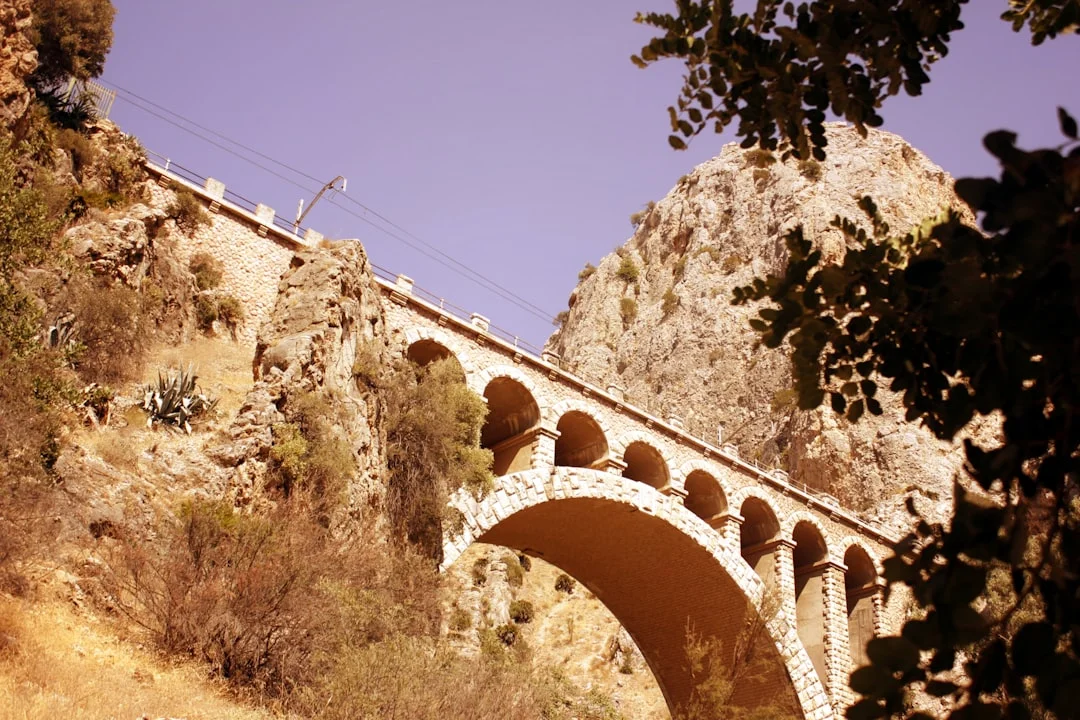
    • What to look for: Keep an eye out for the spectacular Puente de los Once Ojos (Bridge of Eleven Eyes), a beautiful multi-arched section of the aqueduct spanning a dry ravine.
    • Local Tip: This trail is best enjoyed in the late afternoon when the golden light hits the weathered red bricks, making it a dream for photography enthusiasts.

    2. The Quiet Ascent to Mount Victoria

    While most visitors climb up to the Gibralfaro Castle for panoramic views of the harbor, locals prefer the quieter, slightly more rugged trail up to Monte Victoria (also known as Cerro de San Cristóbal).

    Located just behind the historic neighborhood of El Ejido, this pine-covered hill offers a quick escape into nature without leaving the city limits.

    • The Route: Access the trail from Calle San Juan Bosco or through the paths winding up from the Victoria neighborhood. The climb is short but steep, taking about 20 to 30 minutes to reach the summit.
    • The Reward: At the top, you will find a simple wooden cross and a 360-degree view of the city, the sea, and the surrounding mountains that rivals any official viewpoint—minus the tourist crowds.
    • Local Tip: Pack a light picnic and head up just before sunset. It is one of the most peaceful spots in the city to watch the evening lights turn on across the bay.

    3. Pinares de San Antón: The Secret Pine Forest

    For those willing to venture slightly east of the city center, the residential area of El Palo hides the gateway to the Pinares de San Antón. This fragrant pine forest feels a world away from the coastal hustle.

    • The Route: Multiple trails crisscross this protected natural area. You can choose an easy, flat stroll under the shade of the Aleppo pines or challenge yourself with a rocky scramble up to the Cruz de San Antón peak.
    • The Atmosphere: The air here is thick with the scent of wild rosemary, thyme, and pine resin. On clear days, the views stretch all the way across the Mediterranean to the coast of North Africa.
    • Local Tip: Because of the elevation and the dense tree canopy, this area is often a few degrees cooler than the beach, making it a favorite escape for local trail runners and dog walkers.

    Practical Tips for Your Explorations

    To make the most of these hidden routes, a little preparation goes a long way:

    • Footwear: Many of these paths consist of loose gravel and dirt. Leave the sandals at the beach and wear sturdy sneakers or light hiking shoes with good grip.
    • Hydration: Unlike the city center, you won’t find convenience stores or water fountains along these trails. Always carry more water than you think you will need.
    • Respect the Environment: These areas are precious green lungs for the local community. Please carry all your trash back to the city with you and respect the local flora and fauna.

    We hope these quiet paths inspire you to step off the beaten track and discover a different side of our beautiful home. There is a unique peace to be found in the rustle of the pine trees and the whisper of ancient stone walls, and we hope you enjoy discovering these secrets as much as we do.

  • Málaga TechPark Exports Innovation Model to Mozambique

    Málaga TechPark Exports Innovation Model to Mozambique

    Málaga’s Global Tech Influence Reaches Africa

    Málaga’s reputation as the “Silicon Valley of the South” has transitioned from a regional success story into a global blueprint. While the city continues to attract multinational giants like Google and Vodafone—drawn not only by its business ecosystem but also by the quality of life and Málaga’s secret routes and hidden trails—it is also actively exporting its expertise. In a significant step for its internationalization strategy, Málaga TechPark (Parque Tecnológico de Andalucía – PTA) participated in the II International Fair of Mozambique.

    As the only technology park invited to the event, Málaga TechPark’s presence underscores its growing role as an international consultant for emerging technological ecosystems.

    A Blueprint for Emerging Markets

    Establishing a functional technology park requires more than just modern office spaces; it demands a complex synergy between academia, private enterprise, and government bodies. Málaga TechPark has spent over three decades perfecting this triple-helix model since its founding in 1992.

    During the fair, representatives from Málaga shared strategic frameworks with Mozambican officials and entrepreneurs, focusing on three core pillars:

    • Incubation and Acceleration: Establishing structures to nurture local startups from ideation to international scale.
    • Public-Private Partnerships: Creating policy frameworks that attract foreign direct investment and protect intellectual property.
    • Infrastructure Development: Designing sustainable, high-tech spaces that foster organic collaboration between researchers and businesses.

    According to coverage from Europa Press, this collaboration aims to bridge the digital divide and establish a direct channel for knowledge transfer between Southern Europe and East Africa.

    Positioning Málaga Tech in Global Markets

    This initiative is not just philanthropic; it is a highly strategic move for Málaga’s local economy. By helping Mozambique build its technological infrastructure, Málaga TechPark is opening doors for Spanish companies to enter rapidly growing African markets.

    Key strategic advantages of this partnership include:

    1. Market Expansion: Local Málaga-based tech firms gain a soft-landing platform in Mozambique, facilitating easier entry into the broader Southern African Development Community (SADC) region.
    2. Co-Innovation: Joint projects in sectors like agritech, renewable energy, and fintech, where Mozambique has unique challenges and immense growth potential.
    3. Talent Exchange: Laying the groundwork for future educational and professional exchange programs between Mozambican universities and Málaga’s tech hub.

    Málaga TechPark’s International Vision

    The advisory role in Mozambique is part of a broader international outreach program. Rather than remaining a passive recipient of foreign investment, Málaga is positioning itself as an active exporter of innovation systems. This proactive approach ensures that the “Málaga Brand” remains synonymous with forward-thinking urban planning and economic resilience on a global scale.

    Building bridges across continents through technology shows how interconnected our global challenges and solutions have become. By sharing its hard-earned experience with Mozambique, Málaga not only helps foster a new hub of innovation in Africa but also enriches its own ecosystem with diverse perspectives and new market opportunities. True progress is never a solo endeavor; it is built on collaboration, mutual trust, and the shared belief that technology can elevate communities everywhere.

  • Martin Carpena Upgrades to Boost Unicaja Malaga

    Martin Carpena Upgrades to Boost Unicaja Malaga

    A New Era for Unicaja Málaga’s Fortress

    For anyone who has ever experienced the spine-tingling roar of La Marea Verde (the Green Tide), the Palacio de Deportes José María Martín Carpena is much more than just a sports hall. It is the beating heart of Málaga’s basketball passion. Now, local fans and newcomers alike have even more reason to look forward to the action as this premier indoor arena prepares for a series of major renovations designed to elevate both team performance and the fan experience—a modernization that mirrors the city’s growing global influence, which recently saw Málaga TechPark export its innovation model to Mozambique.

    These upgrades represent a significant investment in the city’s sports infrastructure, ensuring that the home of Unicaja Málaga remains one of the most modern and intimidating venues in European basketball, especially as the club navigates a new chapter and targets future growth and a potential push for NBA Europe.

    The Core Upgrades: What is Changing?

    The planned renovations focus on two main areas: optimizing the playing conditions for the elite squad and providing world-class preparation facilities for the players, a crucial upgrade as Unicaja Málaga looks to secure Txus Vidorreta as their new coach.

    1. A State-of-the-Art Main Court

    The centerpiece of the renovation project is a completely new main court. The current hardwood, which has weathered countless epic battles in the Liga ACB and the Basketball Champions League, will be replaced with a cutting-edge, high-absorption flooring system.

    This new surface is designed to:
    * Reduce player fatigue and lower the risk of joint injuries—a vital improvement for the squad, particularly during grueling stretches when Unicaja battles intense physical fatigue in the ACB Semifinals.
    * Improve ball bounce consistency for faster, more dynamic play.
    * Enhance visual presentation both for fans in the stands and the millions watching on television worldwide.

    2. Major Expansion of the Auxiliary Training Court

    Success on game day is built during the week. Recognizing this, the upgrade project includes a substantial expansion of the auxiliary training court.

    Previously, scheduling conflicts and limited space could restrict the training regimes of the main squad, the flourishing youth academy, and the women’s teams. By expanding the secondary facilities, Unicaja Málaga’s coaching staff will have greater flexibility, allowing multiple squads to train simultaneously in conditions that perfectly mirror the main arena.

    “To stay competitive at the highest levels of European basketball, our daily environment must match our ambitions on the court.”

    Boosting Málaga’s Basketball Events in 2026 and Beyond

    These upgrades come at a time when Málaga’s reputation as a premier host city for international sporting events is at an all-time high. With the city regularly attracting major tournaments, Davis Cup finals, and national basketball showcases, having a world-class arena is essential.

    The modernized Martín Carpena will not only benefit Unicaja’s domestic and European campaigns throughout the latter half of 2026 but will also position Málaga to secure future high-profile basketball events.

    A Quick Guide for Newcomers: Experiencing Martín Carpena

    If you are new to Málaga or visiting the city for the first time, catching a Unicaja game at the Martín Carpena is highly recommended. The atmosphere is family-friendly, incredibly loud, and deeply authentic.

    • Getting There: The easiest way to reach the arena is via the Málaga Metro (Line 2), taking it directly to the Martín Carpena station. It is fast, clean, and drops you right outside the stadium.
    • The Vibe: Arrive about an hour before tip-off to enjoy the pre-game atmosphere, grab some local snacks, and watch the warm-ups.
    • Tickets: Tickets can be purchased online through the official club channels, but be sure to book in advance for high-profile matchups against rivals like Real Madrid or FC Barcelona, as they sell out quickly.

    With these exciting physical upgrades on the horizon, the bond between the city, the team, and its loyal supporters is only set to grow stronger. Whether you are a lifelong basketball aficionado or a curious traveler looking to experience local culture, the revamped Martín Carpena is ready to welcome you with open arms and unmatched energy.

    We look forward to seeing the new court shine and sharing many more unforgettable sporting moments together in this beautiful Mediterranean home.

  • Alhaurín el Grande Opens €4 Inflatable Water Park

    Alhaurín el Grande Opens €4 Inflatable Water Park

    As the warmth of June 2026 settles over the Costa del Sol, local families and expats alike are seeking creative ways to cool down. While the beaches of Málaga offer undeniable coastal charm, they often come with bustling summer crowds and premium price tags. Fortunately, a refreshing and incredibly budget-friendly alternative has opened its doors just a short drive inland.

    Located in the picturesque town of Alhaurín el Grande, a massive 2,000-square-meter inflatable water park is welcoming families for the 2026 summer season. Offering a vibrant mix of active play and aquatic relaxation, this venue is quickly becoming the go-to inland family escape for those looking to escape the coastal rush without breaking the bank.

    A 2,000-Square-Meter Aquatic Adventure

    This impressive inland attraction is designed to keep children entertained for hours. The park features 14 distinct play zones and an array of towering slides, floating obstacles, balance beams, and climbing walls. It offers the perfect environment for children to burn off energy, test their agility, and splash around in a safe, monitored setting.

    According to a report by Qué!, the entry fee for children is priced at just €4, making it one of the most affordable summer activities in the Málaga province. At a time when family day trips can easily run into the hundreds of euros, this community-focused price point ensures that refreshing summer fun remains accessible to everyone.

    The Perfect Inland Escape

    Alhaurín el Grande is situated just 30 minutes from Málaga city center, nestled in the scenic Guadalhorce Valley. The drive itself transitions quickly from the urban coast to rolling hills dotted with olive and citrus trees, offering a peaceful change of pace.

    Choosing an inland water park over a crowded beach day comes with several distinct advantages:

    • Fewer Crowds: Enjoy a more relaxed, spacious environment compared to the packed sands of Torremolinos or La Malagueta.
    • Stunning Mountain Backdrops: Alhaurín el Grande offers beautiful views of the Sierra de Mijas, providing a dramatic backdrop for family photos.
    • Local Gastronomy: After a few hours at the water park, families can explore the traditional white village of Alhaurín el Grande, known for its excellent and reasonably priced tapas bars and shaded plazas.

    Practical Tips for Your Visit

    To make the most of your budget-friendly day trip, keep these simple tips in mind:

    • Sun Protection: The inland heat can be intense. Be sure to pack high-SPF sunscreen, hats, and UV-protective swimwear for the little ones.
    • Footwear: Water shoes are highly recommended for navigating the inflatable structures comfortably and safely.
    • Timing: Arrive early in the day to secure a prime spot and beat the midday peak temperatures.

    As we ease into the long, golden afternoons of another beautiful Andalusian summer, finding these pockets of simple, affordable joy reminds us of what makes life in the Málaga province so special. It is often the simplest plans—a short drive, shared laughter in the cool water, and the quiet beauty of the inland hills—that leave the most lasting memories.

  • Málaga Bars Face EU Single-Use Plastic Ban

    Málaga Bars Face EU Single-Use Plastic Ban

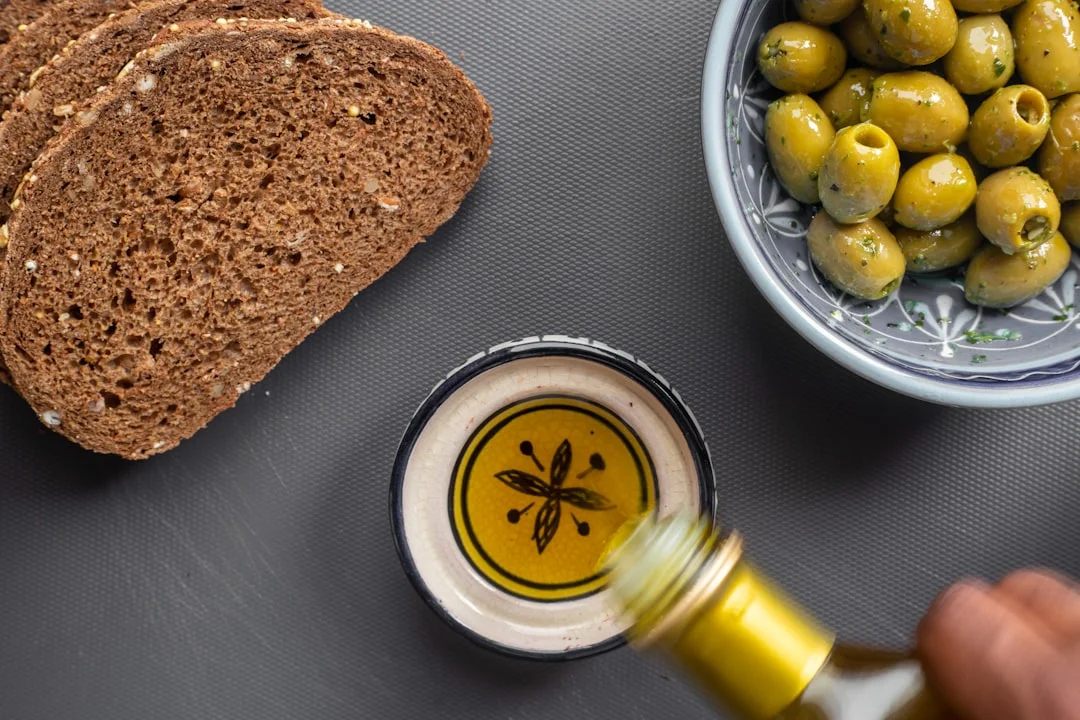
    The ritual of breakfast in Málaga is sacred. Sitting at a sunny terrace, ordering a pitufo (the local small bread roll), and drizzling it with extra virgin olive oil and fresh grated tomato is the ultimate way to start the day. However, the way these ingredients are served is about to undergo a massive, environmentally friendly transformation.

    The European Union has officialized a progressive ban on single-use plastic packaging, commonly known in Spain as monodosis. According to recent reporting by El Periódico de España, this landmark regulation aims to drastically reduce the volume of plastic waste generated by the hospitality sector across Europe, pushing establishments toward a more circular economy.

    Here is what this means for the local cafes, bars, and restaurants of Málaga and the Costa del Sol, and how the city’s beloved breakfast culture will adapt.

    The End of the Plastic Mini-Tub

    For years, safety regulations and convenience led many local establishments to adopt single-use plastic formats. Tiny plastic tubs of grated tomato, miniature plastic bottles of olive oil, and small plastic packets of mayonnaise, ketchup, butter, and jam became standard on breakfast trays.

    Under the new EU directive, these single-use plastic formats will be phased out. The goal is to eliminate unnecessary packaging that immediately ends up in landfills or, worse, polluting our Mediterranean waters.

    Instead of individual plastic portions, Málaga’s hospitality businesses will need to transition to:

    • Reusable containers: Glass bottles or ceramic dishes that can be washed and sanitized.
    • Bulk dispensers: Common dispensers for sauces and condiments that customers can use at their tables or at a central station.
    • Traditional serving methods: Returning to classic glass oil cruets (with non-drip systems) and serving freshly prepared tomato in reusable ceramic bowls.

    A Return to Málaga’s Traditional Roots

    While some business owners express concern over the logistics, hygiene management, and potential waste of returning to bulk serving, many see this as an opportunity to elevate the dining experience.

    Before the rise of cheap plastics, Málaga’s historic cafes and traditional neighborhood dining spots served olive oil from beautiful glass bottles and brought out fresh, homemade tomato paste in small ramekins. Returning to these practices not only cuts down on plastic but also enhances the authenticity of the local gastronomy. A high-quality local olive oil looks and tastes much better when poured from a glass bottle than squeezed out of a small plastic packet.

    Challenges and Adaptation for Local Businesses

    Adapting to the new rules will require a shift in daily operations. Cafes and bars will need to invest in high-temperature dishwashers to ensure reusable dispensers meet strict hygiene standards. Staff will also need to spend more time refilling and cleaning these containers.

    However, the long-term benefits for Málaga are undeniable. As a coastal province that relies heavily on its natural beauty, reducing plastic waste is vital. Fewer single-use plastics mean cleaner beaches, less litter on our historic streets, and a lighter footprint for our booming tourism industry.

    We look forward to seeing how our local neighborhood spots rise to the challenge. While the transition will require patience and effort from both business owners and customers, preserving our beautiful coastline while keeping our breakfast traditions alive is a goal well worth striving for.