Tag: lang:en

  • The Taste of Lent: Traditional Málaga Taverns to Visit Before Holy Week

    The Taste of Lent: Traditional Málaga Taverns to Visit Before Holy Week

    For many international residents and visitors, Málaga’s Semana Santa (Holy Week) is primarily known for its monumental processions, towering thrones, and the scent of incense winding through the historic center. However, there is an entirely different way to experience this season: through its food.

    The period of Cuaresma (Lent)—the weeks leading up to Easter—brings with it a deeply rooted gastronomic subculture. Understanding this culinary shift is one of the best ways to step away from the tourist crowds and integrate into the city like a true local.

    The Lenten Menu: Beyond the Processions

    Historically, Lent dictated a strict abstinence from meat, particularly on Fridays. While modern observance varies, the culinary tradition remains fiercely alive in Málaga’s kitchens. During this time, the heavy meat stews of winter make way for the stars of the Mediterranean: fish and vegetables.

    The undisputed king of the Lenten table is pescaíto frito (fried fish) and freshly grilled seafood. But the seasonal menu goes deeper. You will often find potaje de vigilia (a hearty chickpea, spinach, and cod stew), various preparations of bacalao (salted cod), and for dessert, the iconic torrijas (honey or cinnamon-soaked bread, similar to French toast but infinitely richer).

    The Transformation of the Traditional Tavern

    As noted by Málaga Hoy, the bars and taverns of Málaga’s historic center undergo a distinct transformation during this season. This isn’t just about a change in the menu; it is a shift in the entire atmosphere.

    Many historic establishments redecorate their interiors with subtle nods to the brotherhoods (cofradías). The usual background chatter is often accompanied by the faint, rhythmic sounds of marchas procesionales (processional band music) playing over the speakers. The energy in these spaces becomes a unique blend of solemn tradition and lively Andalusian socializing.

    Spotlight: Entre Varales

    If there is one place that captures the essence of this season, it is Entre Varales. Tucked away on Calle Nosquera, this beloved local restaurant becomes an absolute gastronomic reference point during Cuaresma and Semana Santa.

    The name itself is a nod to the local culture: varales are the long metal or wooden poles that the hombres de trono use to carry the massive floats through the streets. True to its name, the tavern breathes the spirit of Holy Week year-round, but it truly comes alive in the spring.

    During the 2026 Lenten season, just as in years past, Entre Varales focuses heavily on what it does best: exceptionally fresh, traditional seafood. Their menu champions the classic pescaíto frito and grilled options, served in an atmosphere that feels like a gathering of old friends. It is the perfect spot to grab a cold beer or a glass of local wine, lean against the bar, and soak in the pre-procession anticipation.

    How to Enjoy Lenten Tapas Like a Local

    If you want to dive into Málaga’s Lenten food scene, keep a few practical tips in mind:

    • Embrace the standing room: During Semana Santa, the most popular taverns are packed. Don’t expect a quiet, sit-down meal. The authentic experience involves finding a spot at the bar, ordering a few tapas to share, and enjoying the bustling environment.
    • Follow the rhythm: Locals often map out their dining around the procession schedules. Taverns along or near the official routes (like Calle Nosquera, Calle Carretería, and the alleys off Calle Larios) will surge with crowds just before and after a brotherhood passes.
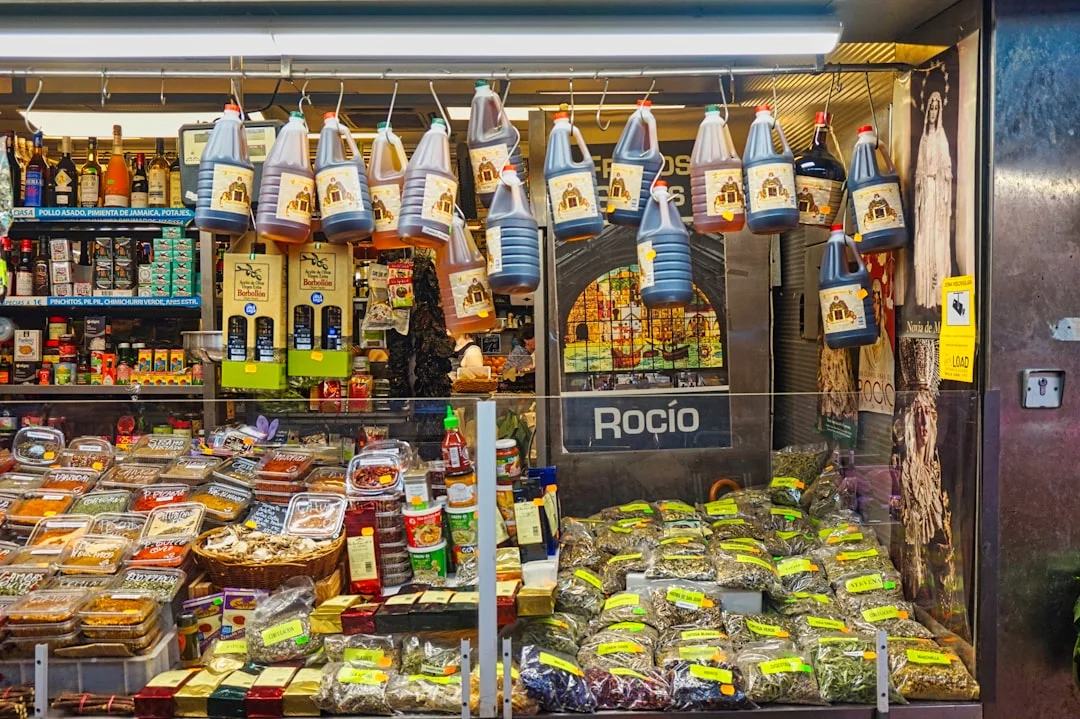
    • Look for the seasonal specials: Don’t just order the standard menu. Ask the waiter for the sugerencias (suggestions) or look for chalkboards listing seasonal Lenten dishes like buñuelos de bacalao (cod fritters).

    Food is the great equalizer, and participating in the seasonal rhythms of a city’s cuisine is the quickest way to feel at home. Whether you are a long-time expat or experiencing your very first Semana Santa in Málaga, stepping into a packed, lively tavern for a plate of fried fish and a cold drink connects you directly to the heartbeat of the city. It is a simple, delicious tradition that reminds us how history and community are best shared around a table.

  • Málaga Ranks 5th in Spain for Foreigners Securing ‘Arraigo’ Residency

    Málaga Ranks 5th in Spain for Foreigners Securing ‘Arraigo’ Residency

    Málaga has long been celebrated as a premier destination for digital nomads, retirees, and sun-seeking expats. However, beneath the surface of transient visitors and remote workers lies a massive, deeply embedded international community that is actively building long-term lives in the province, facing everyday realities like the recent train disruptions affecting Costa del Sol commutes.

    Recent demographic shifts and immigration statistics highlight a significant trend: foreigners are not just visiting Málaga; they are putting down permanent roots.

    The Numbers Behind Málaga’s International Community

    When analyzing Malaga expat statistics, the numbers speak volumes about the province’s magnetic appeal. According to recent data published by La Opinión de Málaga, Málaga now concentrates 4.4% of all active residency authorizations granted through arraigo across the entire country.

    This impressive figure places Málaga firmly in the top five Spanish provinces for this type of residency, trailing only behind the much larger metropolitan and coastal hubs of Madrid, Barcelona, Valencia, and Alicante. This ranking is a testament to the region’s robust economic opportunities and welcoming social fabric.

    Understanding ‘Arraigo’ Residency in Spain

    For those unfamiliar with the Spanish immigration system, the term arraigo translates roughly to “roots” or “attachment.” In legal terms, an arraigo residency in Spain is a temporary residence authorization granted under exceptional circumstances to non-EU citizens who are already living in the country and have established significant ties to Spanish society.

    There are several distinct pathways under the arraigo umbrella:

    • Arraigo Social: The most common route, typically requiring proof of continuous residence in Spain for three years, a job offer, and a report demonstrating social integration.
    • Arraigo Laboral: For individuals who have lived in Spain for at least two years and can prove they have had a regular employment relationship for a minimum of six months.
    • Arraigo Familiar: Granted to parents of Spanish citizen minors, or children of native-born Spanish citizens.
    • Arraigo para la Formación: A newer pathway allowing individuals who have lived in Spain for two years to obtain residency by committing to regulated training courses to enter the labor market.

    The high number of these authorizations in Málaga indicates a vibrant community transitioning from temporary or irregular statuses into fully integrated, legally recognized members of the local economy.

    Navigating the Legal Landscape: How to Get Residency in Andalucia

    Understanding how to get residency in Andalucia is crucial for anyone planning a long-term move. The process of transitioning from a newly arrived expat to a permanent resident involves several bureaucratic milestones.

    The foundational step for any foreigner is securing a NIE (Foreigner Identity Number). The NIE and TIE (Foreigner Identity Card) in Malaga are essential for nearly every aspect of daily life, from opening a bank account and signing a rental contract to setting up utilities and paying taxes. While the NIE is simply an identification number, the TIE is the physical card that proves your legal residency status—such as an authorization granted through arraigo.

    For those looking to establish roots, the journey often involves:

    1. Registering at the Town Hall (Empadronamiento): This is the most critical proof of your continuous stay in the province. It establishes your presence on the local census.
    2. Learning the Language: Social integration reports heavily weigh your ability to communicate in Spanish, making language acquisition a vital step.
    3. Building a Network: Engaging with local associations, schools, and community groups demonstrates your integration into the Malagueño way of life.

    A City Evolving Through Its People

    The fact that Málaga ranks so highly in arraigo authorizations shifts the narrative away from the stereotypical “expat bubble.” It reveals a diverse demographic of hardworking individuals from across the globe who are opening local businesses, filling crucial labor shortages, and raising families in local neighborhoods. They are contributing to the tax base, participating in cultural events, and becoming an inextricable part of the region’s future.

    Watching Málaga grow into a truly cosmopolitan hub while retaining its distinctly Andalusian soul is a remarkable thing to witness. The statistics are more than just numbers on a page; they represent thousands of individual stories of resilience, hope, and the universal desire to find a place to call home. As new neighbors continue to plant their roots in this sun-drenched province, they do not just change their own lives—they enrich the very fabric of our community.

  • Malaga Consolidates Its Cybersecurity Hub With the Expansion of Global Tech Giants

    Malaga Consolidates Its Cybersecurity Hub With the Expansion of Global Tech Giants

    The Rise of the European Silicon Valley

    Malaga’s transformation from a beloved coastal retreat into a premier technology destination is no longer a future projection—it is the present reality. By 2026, the city has firmly established itself as the “European Silicon Valley,” attracting top-tier talent—many of whom are foreigners successfully securing their ‘arraigo’ residency—and multinational corporations alike. The Costa del Sol is now synonymous with digital innovation, particularly in the critical field of cybersecurity.

    As digital threats become increasingly sophisticated, the demand for robust security infrastructure has skyrocketed. Malaga has stepped up to meet this challenge, creating an environment where global tech giants, innovative startups, and highly skilled professionals can collaborate and thrive.

    Global Giants Expanding Their Footprint

    The momentum in Malaga’s tech ecosystem is driven by the significant expansion of major international consulting and technology firms. Companies such as Capgemini, Babel, and Accenture are not just opening satellite offices; they are actively scaling their teams in the capital to manage high-stakes international projects.

    These expansions are creating highly specialized employment opportunities, with a strong focus on:
    * Cybersecurity: Developing advanced defense mechanisms for multinational clients.
    * Cloud Computing: Architecting scalable, secure infrastructure for global enterprises.
    * Digital Transformation: Guiding legacy businesses through comprehensive technological upgrades.

    For foreign tech professionals, this translates to a wealth of networking and career opportunities. The ability to work on cutting-edge global projects while enjoying the exceptional quality of life on the Mediterranean coast is a rare and highly sought-after combination.

    A Comprehensive Tech Ecosystem

    The success of Malaga’s tech hub relies on more than just the presence of large corporations. It is built on a foundation of continuous education and a supportive local business environment. According to Andalucía Económica, the city is actively driving a powerful cybersecurity ecosystem that seamlessly integrates global companies, innovative startups, and new educational programs.

    This multi-layered approach ensures a steady pipeline of talent and fosters a culture of innovation. Local universities and specialized training centers are working closely with tech firms to tailor their curricula, ensuring that graduates possess the exact skills required by the modern digital economy.

    Why Tech Professionals Are Choosing Malaga

    1. Career Mobility: The concentration of top-tier companies allows professionals to advance their careers without having to relocate to traditional, high-cost tech hubs like London or San Francisco.
    2. Networking: Regular industry events, tech meetups, and conferences provide ample opportunities to connect with peers and industry leaders.
    3. Quality of Life: The combination of over 300 days of sunshine, a rich cultural scene, and an excellent work-life balance remains an unbeatable draw.

    As we watch this vibrant city continue to evolve, it is deeply inspiring to see how a community can embrace the future without losing its historical soul. Malaga proves that technological progress and a relaxed, joyful way of life can beautifully coexist, offering a hopeful blueprint for the modern working world.

  • Yujuland: Massive 30,000 sqm Adventure Park Opens in Málaga

    Yujuland: Massive 30,000 sqm Adventure Park Opens in Málaga

    Málaga is famous for its sun-drenched beaches and incredible tapas scene, but sometimes you just need to burn off some energy. If you are looking for active family plans in Málaga, a hilarious day out with friends, or simply a fun way to disconnect from the city’s expanding tech and cybersecurity hub, a massive new attraction has just opened its doors. Spanning an impressive 30,000 square meters, Yujuland is the city’s newest mega-park dedicated entirely to physical challenges and outdoor leisure.

    A Playground on a Massive Scale

    As recently reported by La Opinión de Málaga, the scale of Yujuland is unprecedented in the area. It is not just a standard playground; it is a full-scale adventure zone designed to get your adrenaline pumping.

    The park features classic group favorites like paintball and karting, perfect for those with a competitive streak. If you prefer something a bit more chaotic, the bubble football arena guarantees plenty of laughs as players bounce, roll, and crash into each other while trying to score. It is an ideal destination to include in your family weekend plans to escape the routine.

    Step Into Your Favorite TV Shows

    The real draw of Yujuland, however, is its television-inspired obstacle courses. If you have ever watched game shows from the comfort of your couch and thought, “I could do that,” now is your chance to prove it. The park features challenges modeled after iconic pop-culture phenomena:

    • Takeshi’s Castle (Humor Amarillo): Navigate slippery surfaces, dodge giant rolling obstacles, and try to keep your balance in this nostalgic, laugh-out-loud circuit.
    • Grand Prix: A loving nod to the beloved Spanish summer game show, featuring physical tests that require teamwork, agility, and a good sense of humor.
    • Squid Game: Yes, there is a Squid Game park experience in Málaga now. Test your nerves, balance, and precision in games inspired by the hit series (safely, of course!).

    Who is Yujuland For?

    When searching for adventure parks near Málaga, Yujuland stands out because it caters to almost every demographic. It is an excellent choice for expat families wanting to get the kids away from screens and out into the fresh air, but it is equally suited for adult groups. Whether you are organizing a birthday, a stag or hen do, or a corporate team-building event, the sheer variety of activities ensures everyone stays entertained and engaged.

    We often get comfortable in our weekend routines of coffee shops and coastal walks, so having a place like Yujuland right on our doorstep is a great reminder to let loose and play. It is wonderful to see Málaga’s leisure options expanding beyond the traditional, giving us new ways to create memories, share a few laughs, and maybe end up with a couple of well-earned bruises. We hope you gather your friends and family and give it a try—it might just become your new favorite weekend escape.

  • A €200 Million Transformation: The Luxury Mega-Hotel Redefining Málaga’s Port

    A €200 Million Transformation: The Luxury Mega-Hotel Redefining Málaga’s Port

    A New Era for the Mediterranean Waterfront

    The silhouette of Málaga is undergoing a breathtaking metamorphosis. Long celebrated for its historic center and sun-drenched beaches, the capital of the Costa del Sol has firmly established itself as a premier destination for high-end investment and cosmopolitan living. At the heart of this ongoing renaissance is a monumental project that promises to forever alter the city’s maritime skyline: a luxury mega-hotel situated directly within the Port of Málaga, following the announcement of a €200 million investment for the marina.

    Spearheaded by the prominent hospitality group Hesperia in partnership with the Qatari investment fund Al Alfia, this ambitious endeavor represents a staggering joint investment of 200 million euros. It is a clear signal that Málaga’s luxury real estate and commercial boom shows no signs of slowing down.

    The Vision: Luxury Meets the Sea

    The planned mega-hotel is not merely a place to sleep; it is envisioned as an architectural landmark. Positioned strategically in the port, the structure is designed to offer panoramic views of the Mediterranean Sea on one side, and the historic Gibralfaro Castle and Alcazaba on the other.

    For residents and visitors alike, the port has always been a bustling hub of activity, connecting the historic center with the open water. This new development elevates that connection, introducing a level of sophistication tailored to an increasingly demanding international demographic. The project includes plans for premium suites, high-end gastronomy, exclusive wellness centers, and spaces designed to host international summits and events.

    According to reports covering the region’s economic landscape from Economía Digital, such high-profile investments are pivotal in cementing Málaga’s reputation as a magnet for global capital.

    A Magnet for Global Talent and Investment

    The implications of a 200-million-euro injection into the local economy extend far beyond the hospitality sector. For foreign investors, the Hesperia and Al Alfia project serves as a powerful validation of the city’s long-term economic stability and growth potential.

    Furthermore, this development naturally aligns with the influx of digital nomads and tech professionals who now call Málaga home. As the city continues to attract global tech enterprises, the demand for premium infrastructure—whether for corporate retreats, visiting executives, or high-net-worth individuals—has surged. A waterfront luxury hotel provides the exact type of world-class amenity that these new residents and professionals expect.

    Key Impacts of the Development:

    • Urban Transformation: A modern architectural addition that redefines the city’s maritime skyline.
    • Economic Stimulation: Creation of hundreds of direct and indirect jobs during both the construction phase and its eventual operation.
    • Elevated Tourism: Shifting the focus toward high-value, sustainable luxury tourism rather than sheer volume.
    • Commercial Synergy: Increased foot traffic for high-end retail and dining establishments located in the nearby Muelle Uno.

    Balancing Modernity and Heritage

    As with any project of this magnitude, the conversation naturally turns to how such a towering modern structure integrates with the ancient soul of the city. Urban planners and architects involved in Málaga’s continuous development are tasked with a delicate balancing act. The goal is to project a forward-looking, cosmopolitan image without overshadowing the warm, historic charm that made the world fall in love with Málaga in the first place.

    For curious residents, the evolution of the port is a fascinating watch. It is a tangible representation of a city stepping confidently onto the global stage, transforming from a traditional coastal town into a sophisticated European metropolis.

    As we watch these towering ambitions take physical shape along the water’s edge, it is hard not to feel a sense of awe at how far Málaga has come. While cranes and blueprints speak of a fast-paced, globalized future, the gentle rhythm of the Mediterranean waves against the pier reminds us that the true essence of this city—its light, its warmth, and its welcoming spirit—remains beautifully unchanged.

  • The Taste of ‘Cuaresma’: Experiencing Semana Santa in Malaga’s Traditional Taverns

    The Taste of ‘Cuaresma’: Experiencing Semana Santa in Malaga’s Traditional Taverns

    As the calendar hits late March 2026, the scent of incense and the distant beat of marching bands are once again taking over the streets. But Semana Santa in Malaga isn’t just about the magnificent processions that draw thousands to the city center; it is also a massive, deeply rooted culinary season. For expats and visitors looking to step away from the usual tourist traps, the period of ‘Cuaresma’ (Lent) offers the perfect excuse to visit traditional Málaga taverns before Holy Week and eat like a true Malagueño.

    During this time, the city’s traditional taverns transform into bustling cultural hubs. According to Málaga Hoy, these historic bars and taverns are where the true essence of the city’s gastronomy and tradition comes alive during Holy Week.

    The Lenten Menu: What to Eat

    If you are on the hunt for the best traditional food Semana Santa Malaga has to offer, you need to understand the rules of Cuaresma. Historically, meat is off the table on Fridays (and for some, throughout the week), which means seafood and hearty vegetable stews take center stage, leaving plenty of room to finish your meal with a sweet treat like Málaga’s highly talked-about €3.50 tiramisu.

    When navigating the menus of local taverns, look out for these staples:
    * Pescaíto Frito: A non-negotiable classic. From crispy boquerones (anchovies) to tender calamares, fried fish is the lifeblood of Lent.
    * Potaje de Vigilia: A rich, warming stew made with chickpeas, spinach, and salt cod (bacalao). It is practical, filling, and deeply traditional.
    * Tortillitas de Bacalao: Crispy, savory cod fritters that pair perfectly with an ice-cold Victoria beer or a glass of sweet Malaga wine.

    Entre Varales: A Cofrade Institution

    If you are wondering where to eat fried fish Malaga center without falling into a tourist trap, head straight to Calle Nosquera. Here you will find Entre Varales, a tavern that embodies the spirit of Semana Santa all year round, but absolutely shines during Cuaresma.

    The term “entre varales” refers to the space between the poles used to carry the heavy processional thrones. True to its name, the bar is a tribute to the city’s cofrade (brotherhood) culture. The walls are adorned with local memorabilia, the atmosphere is loud and welcoming, and the seasonal menu heavily features local staples like perfectly executed fried and grilled fish. It is an essential stop for anyone wanting to experience Entre Varales Malaga during its peak season.

    A Sweet Local Secret

    While traditional Lenten sweets like torrijas and pestiños are everywhere, there is a modern culinary whisper making the rounds among locals this season. If you are looking for cheap eats Malaga center, a well-known spot in the city is currently offering what is widely touted as “Malaga’s best tiramisu” for just €3.50. It is the perfect, budget-friendly pick-me-up after hours of navigating the crowded streets, a tip frequently echoed by local foodies and occasionally spotted in the lifestyle sections of Diario Sur.

    Navigating Malaga during Semana Santa can be overwhelming, but finding refuge in a crowded, noisy tavern with a plate of fresh fish and a cold drink is one of the most grounding experiences the city has to offer. It is in these narrow, tiled rooms that the real heartbeat of the city is felt. Pull up a stool, order a plate to share, and take a quiet moment to appreciate the enduring, delicious traditions that make this corner of the world feel like home.

  • Malaga Scientists Discover ‘Biological Switch’ to Stop Binge Eating

    Malaga Scientists Discover ‘Biological Switch’ to Stop Binge Eating

    Malaga is increasingly recognized not just as a premier Mediterranean destination—bolstered by transformative investments like the new €200 million luxury mega-hotel in its port—but as a formidable and rapidly expanding hub for biotechnology and medical research. A recent scientific breakthrough underscores this structural evolution, positioning the city at the forefront of global efforts to combat eating disorders and obesity.

    A collaborative study co-led by the Malaga Biomedical Research Institute (IBIMA) and the University of Camerino in Italy has yielded a highly significant neurological discovery. Researchers have successfully identified a ‘biological switch’ located within the brain’s hunger center. According to recent reports from Cadena SER, this underlying mechanism can effectively halt binge eating behaviors through targeted pharmacological intervention.

    The Mechanics of the Biological Switch

    Binge eating disorder is clinically characterized by recurrent episodes of consuming large quantities of food, frequently accompanied by a distressing feeling of a loss of control. The neurological underpinnings of this condition reside deep within the brain’s regulatory centers for appetite and satiety. Amidst a backdrop of regional economic growth—highlighted by a massive €200 million investment for a new luxury port hotel—the joint Spanish-Italian research team focused their analytical efforts on specific neural pathways that either fail to signal fullness or hyper-activate the fundamental drive to consume.

    By mapping these complex pathways, the scientists isolated a specific biological trigger. When manipulated, this switch can successfully ‘reset’ the hunger center. As detailed by Infobae, the core of this breakthrough centers on the application of novel dual-action drugs. These specialized compounds are engineered to interact precisely with this neural switch, neutralizing the overwhelming compulsion to binge without disrupting normal, healthy metabolic and eating patterns.

    Data-Driven Therapeutics

    The implications of utilizing dual-action pharmacology in this medical context are substantial. Traditional clinical treatments for severe eating disorders often rely heavily on long-term psychological therapy combined with broad-spectrum psychiatric medications. These conventional approaches may carry significant side effects or offer limited efficacy for certain patient demographics.

    The IBIMA-led research introduces a highly targeted, data-backed alternative. By utilizing drugs that perform a simultaneous dual function—actively suppressing the hyperactive hunger signal while concurrently reinforcing the brain’s natural satiety response—the treatment effectively breaks the neurological cycle of compulsive consumption at a molecular level.

    Key Takeaways from the Research

    • Precision Targeting: The newly identified drugs specifically target the brain’s hunger center, avoiding broad neurological disruption.
    • Dual-Action Efficacy: The mechanism both suppresses the urge to binge and promotes the biological feeling of fullness.
    • International Collaboration: The joint effort between Malaga’s IBIMA and Italy’s University of Camerino highlights the cross-border nature of modern biomedical problem-solving.

    Malaga’s Role in Global Biotech

    This development highlights the tangible growth of Malaga’s scientific and technological ecosystem. The successful collaboration with the University of Camerino demonstrates the international caliber of research currently being conducted at IBIMA facilities. It actively shifts the paradigm of how eating disorders might be treated globally in the coming decades, moving from predominantly behavioral management toward precise, measurable neurobiological correction.

    Behind the rigorous clinical data, the complex neurobiology, and the peer-reviewed findings, this discovery carries a profoundly human impact. Millions of people silently battle the heavy physical and emotional toll of binge eating and obesity every single day. Knowing that dedicated minds right here in Malaga are working tirelessly to find tangible, biological solutions gives us all a genuine reason to be optimistic. It is a quiet, powerful reminder that science, at its core, is about healing, and that the next life-changing medical breakthrough might just come from our own backyard.

  • Weekend Guide: Pablo López, Hotel Miramar Fashion, and New Markets

    Weekend Guide: Pablo López, Hotel Miramar Fashion, and New Markets

    The Mediterranean breeze carries a distinct sense of anticipation this weekend in Málaga. As we embrace the vibrant atmosphere of late March 2026, the city’s cultural tapestry is unfurling with remarkable elegance. While the golden shores of the Costa del Sol remain a perpetual draw, and international attention recently highlighted the city for a major scientific breakthrough in the treatment of binge eating, the true heartbeat of Málaga this weekend lies slightly inland, nestled within its historic theatres, grand hotels, and bustling neighborhood squares.

    Whether you are a connoisseur of high fashion, a lover of live music, or a family seeking an engaging afternoon, this weekend’s itinerary offers a sophisticated blend of activities. For an even deeper dive into the city’s ongoing cultural agenda, the comprehensive listings at Diario Sur serve as an excellent companion to our curated selections.

    Melodies at the Historic Teatro Cervantes

    There is a profound magic that occurs when a local artist returns home, and this weekend, that magic belongs to Pablo López. The celebrated Malagueño star is gracing the stage of the iconic Teatro Cervantes for a highly anticipated double-header concert, performing on both Saturday and Sunday evenings. It is the perfect weekend to fully immerse yourself in the local culture, perhaps pairing the musical experience with the traditional flavors of Cuaresma in Malaga’s historic taverns.

    Known for his impassioned piano performances and deeply evocative lyricism, López’s concerts are less of a standard musical performance and more of an intimate conversation with his audience. The ornate, historic surroundings of the Teatro Cervantes provide the perfect acoustic and visual backdrop for his pop-rock anthems. Tickets for these homecoming shows are highly coveted, so if you are fortunate enough to hold one, prepare for an evening of soaring vocals and palpable local pride. To complete the authentic local experience, consider starting your night with a pre-show bite at one of the traditional Málaga taverns serving Lenten specialties.

    Haute Couture at Gran Hotel Miramar

    For those with an eye for design and a taste for luxury, the Gran Hotel Miramar is the undisputed place to be. This architectural masterpiece, a paragon of Belle Époque grandeur overlooking the Bay of Málaga, is temporarily transforming its opulent halls into a high-end fashion runway, offering a glamorous contrast to the city’s vibrant family weekend activities and children’s theater options.

    The fashion show promises to be a dazzling display of contemporary elegance, juxtaposed beautifully against the hotel’s historic, palatial interiors. Attendees can expect a showcase of exquisite garments, flowing fabrics, and cutting-edge silhouettes, all presented in an atmosphere of refined sophistication. It is a rare opportunity to experience the intersection of Málaga’s historic hospitality and its burgeoning presence in the modern fashion landscape. For visitors looking to balance this urban glamour with the region’s natural beauty, the province offers breathtaking escapes just a short trip away, such as a spectacular hike to a hidden 25-meter waterfall in Jorox.

    Discovering New Weekend Markets

    Adding a fresh dynamic to Málaga’s thriving street culture, two new weekend flea markets are making their grand debut. These open-air bazaars are a testament to the city’s evolving artisanal and vintage scenes, offering a delightful alternative to traditional retail shopping.

    • The Artisan’s Haven: Focusing on handcrafted goods, this market features local makers offering everything from bespoke ceramics and organic skincare to handmade jewelry. It is the perfect spot to find a unique, locally sourced memento.
    • The Vintage Collector’s Corner: For those who appreciate the charm of yesteryear, this secondary market is a treasure trove of curated vintage clothing, antique home decor, and rare vinyl records.

    Strolling through these new markets, coffee in hand, is an idyllic way to spend a leisurely weekend morning, engaging with local vendors and uncovering hidden gems.

    Family Adventures: Dinosaurs and Theatrics

    If you are exploring the city with younger companions, the weekend is equally rich with engaging, family-focused activities. Stepping away from the traditional playground, families can embark on a prehistoric journey at a special, limited-time dinosaur exhibition. This immersive experience features life-sized, animatronic replicas that roar and move, offering both an educational and thrilling adventure for children and adults alike.

    Complementing the prehistoric excitement, several local cultural centers are hosting theatre plays specifically designed for children. These performances, characterized by vibrant costumes, interactive storytelling, and gentle humor, provide a wonderful introduction to the performing arts for the city’s youngest residents.

    As the weekend unfolds, it is a joy to see Málaga continually reinventing itself while honoring its artistic roots. Whether you find yourself swaying to a piano ballad under the painted ceiling of the Cervantes, admiring haute couture in a grand palace, or watching a child’s eyes widen at the sight of a towering dinosaur, the city offers a beautiful backdrop for our shared experiences. We hope you find a moment of wonder and connection in whatever plans you choose to pursue this weekend.

  • Easter Treats: The Return of the Traditional ‘Hornazo’ in Málaga

    Easter Treats: The Return of the Traditional ‘Hornazo’ in Málaga

    Spring in Málaga isn’t just about longer days and the scent of orange blossoms; it also brings a noticeable shift in the windows of local bakeries. If you want to go beyond the standard tapas—or even the traditional flavors of Cuaresma found in the city’s historic taverns—and experience a true taste of the province’s culinary heritage, it is time to look inland. The season of the hornazo has officially arrived.

    What Exactly is a Hornazo?

    At its core, a hornazo is a rustic, baked pastry that dates back centuries. While variations exist all over Spain, the Málaga province has its own distinct, deeply rooted take on the recipe, creating a true regional staple that pairs wonderfully with the best Sabor a Málaga local wines found at Gran Hotel Miramar. Made from a simple, sturdy dough of flour, high-quality local olive oil, yeast, and often a touch of sugar or aniseed, the defining feature of a traditional hornazo is the intact hard-boiled egg baked right into the center. This egg is typically secured with a small cross made of dough.

    Depending on which village you visit, the hornazo might lean sweet or savory. Some bakers glaze the top with a generous dusting of sugar, creating a delightful contrast with the dense bread and the egg, while others keep the dough strictly savory, making it the perfect midday snack.

    A Strictly Seasonal Delight

    You won’t find authentic hornazos year-round. As highlighted in a recent feature by Diario Sur celebrating the return of this culinary tradition, the season for this specific treat runs strictly from the weeks leading up to Easter until the first romerías (religious pilgrimages) in early May.

    Historically, the inclusion of the egg was highly symbolic and practical. During Lent, eggs were historically forbidden under strict fasting rules, so they were boiled to preserve them until Easter Sunday. Baking them into a rich bread was a celebratory way to welcome back forbidden foods. Today, the tradition endures primarily as a beloved staple of spring picnics and countryside gatherings.

    Where to Find the Best Hornazos in the Province

    If you are an expat or a visitor wanting to track down this seasonal specialty, skip the modern supermarkets. You need to head to the traditional panaderías (bakeries) in Málaga’s inland villages, where recipes are fiercely guarded and passed down through generations.

    • Valle del Guadalhorce: Villages like Cártama, Álora, and Coín are famous for their hornazos. Many locals buy them here in bulk to take on their May pilgrimages.
    • The Axarquía: Towns such as Vélez-Málaga and Periana offer regional twists, sometimes incorporating local mountain honey or distinct anise flavors into the dough.
    • Málaga City: While they can be harder to spot in the bustling center, traditional bakeries in older, residential neighborhoods often stock them during Holy Week and the weeks immediately following.

    How to Enjoy It Like a Local

    The hornazo is not a delicate dessert meant to be eaten with a fork on a pristine white tablecloth. It is robust, portable, and fundamentally designed for the outdoors. Pack a few for a hike in the Montes de Málaga or a day trip to the lakes at El Chorro.

    If you pick up a sweeter version, pair it with a strong café con leche mid-morning. If you opt for a savory bake, it goes remarkably well with a cold beer, some cured local cheese, or a glass of sweet Málaga wine in the late afternoon.

    There is something incredibly grounding about biting into a pastry that has been made the exact same way for generations. As the spring days grow longer and the Andalusian countryside bursts into bloom, stepping into a village bakery to seek out an authentic hornazo offers a quiet, delicious connection to the true, enduring heart of Málaga.

  • High-Speed Rail Crisis: Renfe Looks to Commuter Tracks for Solutions

    High-Speed Rail Crisis: Renfe Looks to Commuter Tracks for Solutions

    For years, the AVE high-speed rail has been the undisputed crown jewel of Spanish infrastructure, seamlessly bridging the gap between the sun-drenched Costa del Sol and the bustling capital of Madrid. For digital nomads, expatriates, and local professionals, this route is more than just a train ride; it is a vital economic and social lifeline. However, a recent wave of technical crises has thrown this reliable network into a state of frustrating unpredictability, prompting transport authorities to look for creative, albeit unorthodox, solutions.

    A System Under Pressure

    Malaga’s María Zambrano station is one of the busiest transport hubs in Andalusia, but recent months have tested the patience of its most frequent travelers. A combination of aging infrastructure components, increased passenger demand, and unexpected technical faults has led to severe congestion on the high-speed lines.

    Travelers relying on the Malaga-Madrid route have faced sudden delays, unexpected cancellations, and a general decline in the punctuality that once defined the AVE experience. As the delays compound, the ripple effects are felt across the local economy, disrupting business meetings, remote work schedules, and tourism itineraries.

    The Unprecedented Workaround: Commuter Tracks

    Faced with mounting pressure to restore reliability, Renfe is actively exploring alternative routing to bypass the most congested segments of the high-speed network. One of the most significant proposals currently on the table involves utilizing the local commuter rail infrastructure.

    According to coverage by Diario Sur, transport officials are evaluating the feasibility of diverting certain services onto the local Cercanías tracks. By shifting some of the rail traffic to these secondary lines during peak bottlenecks, Renfe hopes to alleviate the pressure on the primary high-speed corridors.

    How Would This Work?

    Integrating high-speed or medium-distance services into a local commuter network is a complex logistical puzzle. The strategy involves:

    • Strategic Rerouting: Diverting specific trains onto the broader gauge tracks used by the Cercanías network as they approach or depart the greater Malaga metropolitan area.
    • Schedule Synchronization: Carefully threading these diverted trains between the frequent stops of the local C-1 and C-2 commuter lines to avoid disrupting daily local transit.
    • Speed Adjustments: Accepting slower approach speeds in exchange for keeping the trains moving, rather than having them sit idle at signals waiting for the high-speed line to clear.

    What This Means for Travelers

    For the digital nomad rushing to a coworking space in Madrid or the local resident commuting along the Costa del Sol, this pivot brings both relief and new challenges.

    On one hand, this workaround is designed to prevent total system gridlock. A moving train, even if slightly delayed by traversing commuter lines, is vastly preferable to being stranded at the station. On the other hand, passengers should anticipate adjusted travel times. The Cercanías tracks are not built for the blistering speeds of the AVE, meaning the overall journey between Malaga and Madrid may see slight extensions until the primary high-speed infrastructure issues are fully resolved.

    Furthermore, local commuters relying on the Cercanías for their daily transit between Fuengirola, Torremolinos, and Malaga city center will be watching closely. Renfe faces the delicate task of ensuring that solving the high-speed crisis does not inadvertently create a bottleneck for local daily commuters.

    Navigating public transport disruptions is never a seamless experience, but it is deeply encouraging to see proactive, out-of-the-box problem-solving from the transport authorities. Cities are living, breathing entities, and their infrastructures occasionally experience growing pains. As we adapt our schedules and pack an extra book or podcast for the journey, we can remain hopeful that these temporary workarounds will eventually pave the way toward a more resilient, robust rail network for everyone who calls Malaga home.