Tag: lang:en

  • The Tapas Renaissance in La Victoria and Málaga’s Lenten Menus

    The Tapas Renaissance in La Victoria and Málaga’s Lenten Menus

    Finding an authentic tapas bar in the center of Málaga can sometimes feel like an uphill battle, almost as challenging as surviving the crowds and transport logistics of Semana Santa. With the influx of international visitors and the rapid gentrification of the historic core, many traditional spots have been replaced by generic restaurants catering to passing tourists. But if you know where to look, the city’s culinary soul is not only surviving—it is thriving.

    Right now, the traditional neighborhood of La Victoria is leading a magnificent tapas renaissance, offering expats and locals alike a genuine alternative to the crowded downtown traps. And with the arrival of the Semana Santa season, there is no better time to explore the city’s deep-rooted food traditions.

    The New Culinary Hub of La Victoria

    Located just a short walk northeast of the Plaza de la Merced, the Barrio de la Victoria has long been a residential stronghold. Recently, it has begun to quietly transform into a culinary hotspot without losing its neighborhood charm.

    A new golden triangle of tapas is solidifying in the area, driven by a wave of recent openings that focus on quality, tradition, and local atmosphere.

    • Bar Pedroso: A recent addition that has quickly won over the neighborhood with straightforward, high-quality traditional bites.
    • Marisquería Isamoa: A fresh seafood joint proving that you don’t need to be right on the beachfront to enjoy excellent, fresh-from-the-market coastal fare.
    • Don Salva: The final piece of the puzzle. According to a recent report by Diario Sur, the imminent opening of Don Salva officially completes this trio of new establishments, cementing La Victoria as the go-to destination for a proper tapeo.

    What makes this area so special is the lack of pretense. You won’t find translated menus with stock photos of paella here. Instead, you’ll find chalkboard menus, cold cañas, and a lively mix of Malagueños enjoying their evening.

    Understanding Cuaresma (Lent) Gastronomy

    If you are exploring Málaga’s food scene during the weeks leading up to Easter, you will notice a distinct shift in the menus. This period, known as Cuaresma (Lent), brings with it a specific set of culinary traditions rooted in the historical Catholic practice of abstaining from meat on Fridays.

    Even if you aren’t religious, the Lenten menus are a fantastic excuse to dive into some of Andalusia’s most comforting seasonal dishes.

    What to Order During Lent

    When navigating the traditional bars during this season, keep an eye out for these seasonal staples:

    • Potaje de Vigilia: A rich, hearty stew made with chickpeas, spinach, and salt cod (bacalao). It is the quintessential Lenten comfort food.
    • Tortillitas de Bacalao: Crispy, savory fritters made from a batter of flour, parsley, and flaked cod.
    • Pescaíto Frito: While fried fish is a year-round staple in Málaga, it takes center stage during Cuaresma as a meatless Friday alternative.
    • Torrijas: For dessert, you cannot miss this Spanish take on French toast—bread soaked in milk or wine, fried, and coated in honey or cinnamon sugar.

    Historic Bars Keeping Tradition Alive

    While La Victoria represents the exciting new wave of local dining, several historic taverns in the city center are fiercely protecting their Lenten traditions.

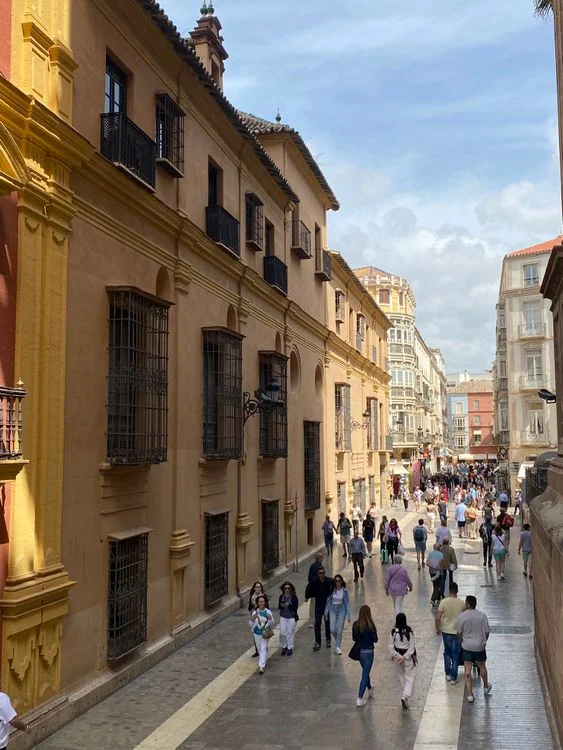
    As highlighted by Málaga Hoy, classic establishments tucked away in the historic center—particularly around Calle Nosquera and its surrounding alleys—are adapting their menus specifically for this time of year. These historic tabernas double down on their pescaíto frito and traditional stews, serving as a culinary anchor during the bustling Semana Santa preparations.

    Pro Tip: When visiting these historic downtown bars during the Easter season, try to arrive early (around 1:30 PM for lunch or 8:00 PM for dinner). The atmosphere is incredible, but space is notoriously tight as locals gather to discuss the upcoming processions.

    There is something deeply comforting about stepping out of the crowded tourist corridors and settling into a neighborhood bar where the waiter knows the regulars by name. As Málaga continues to evolve, seeing these traditional flavors and local hubs thrive gives us hope that the city’s culinary soul remains completely intact. Grab a stool, order a plate of fried fish, and enjoy the authentic taste of the city.

  • €200M Megaproject: The New Luxury Hotel Transforming Málaga’s Port

    €200M Megaproject: The New Luxury Hotel Transforming Málaga’s Port

    The sun-drenched coastline of Málaga has long been celebrated for its historic charm and vibrant cultural tapestry. Yet, as we progress through 2026, the maritime silhouette of this ancient Phoenician city is undergoing a profound and elegant metamorphosis. At the heart of this transformation is a staggering €200 million megaproject: a new luxury hotel poised to redefine the Port of Málaga and elevate the city’s status on the global stage.

    A Vision of Unprecedented Opulence

    The ambitious endeavor is backed by a powerful consortium, primarily driven by the renowned Hesperia hotel group in collaboration with the international investment firm Al Alfia. This partnership signals a definitive vote of confidence in Málaga’s trajectory as a premier Mediterranean destination.

    As noted in regional economic coverage by Economía Digital, the influx of such substantial capital underscores the city’s magnetic appeal to global investors. The €200 million injection is not merely about erecting a building; it is about crafting a landmark that seamlessly blends avant-garde architecture with the timeless beauty of the Alboran Sea.

    Reshaping the Cityscape

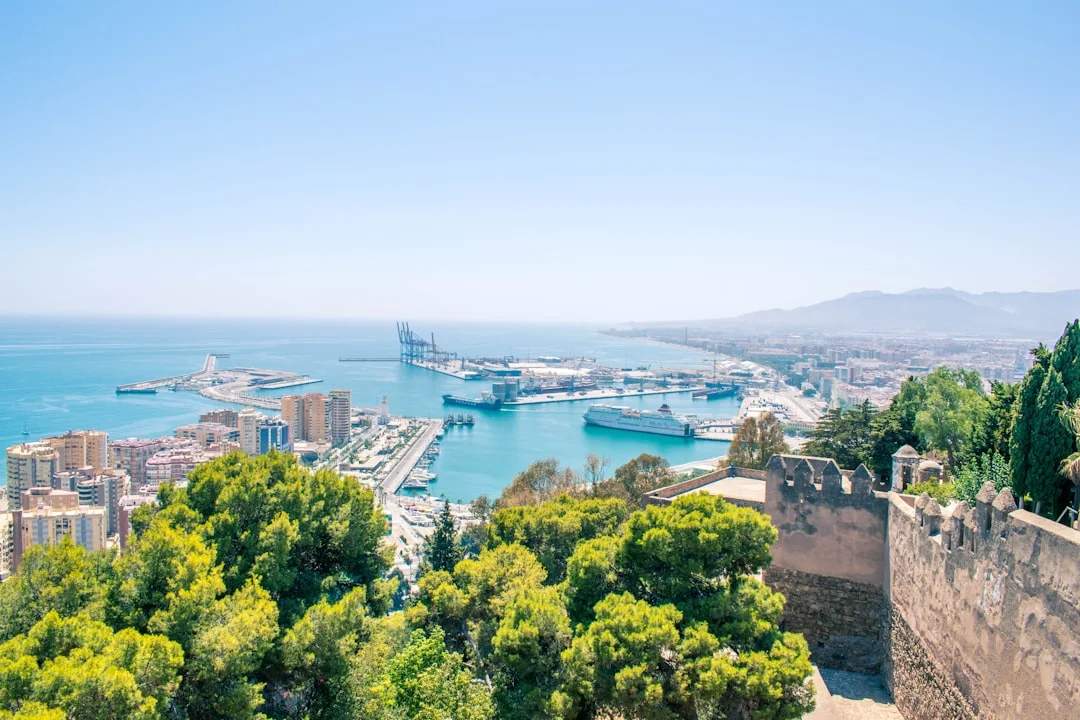
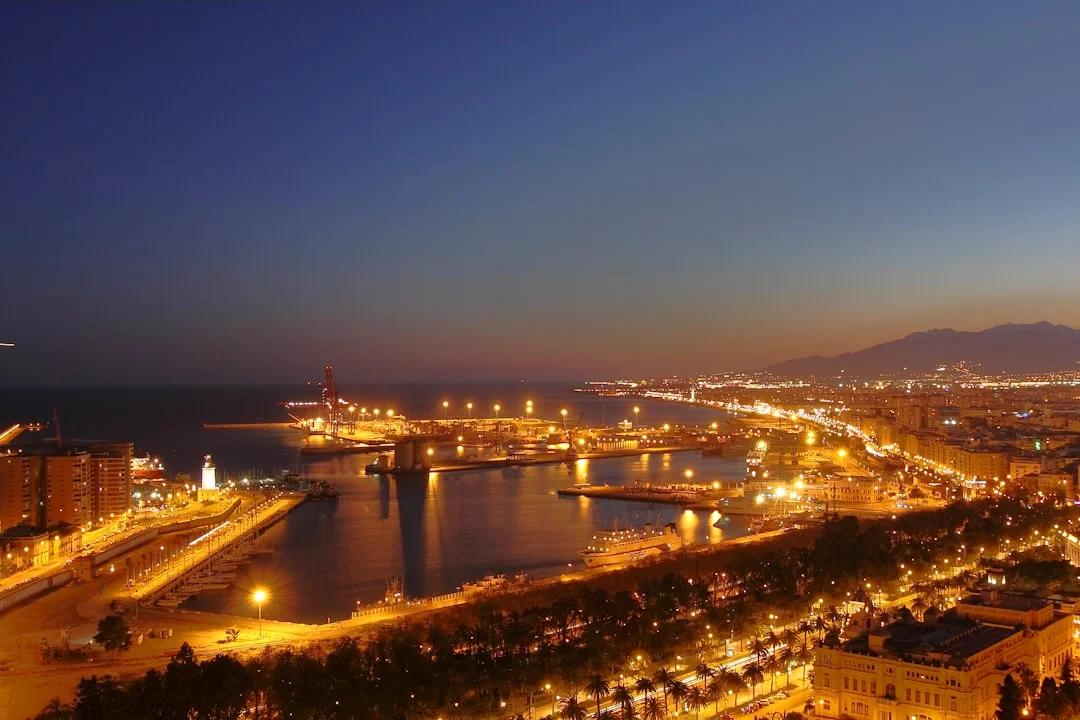
    For decades, the Port of Málaga has served as the beating heart of the city’s maritime commerce and, more recently, its leisure culture. The addition of this luxury property introduces a striking vertical dimension to the waterfront. Designed to capture the ethereal Mediterranean light, the hotel’s façade promises to be a modern marvel, reflecting the azure waters by day and illuminating the harbor by night.

    This architectural triumph is actively altering the classic postcard view of Málaga. However, developers have been keen to ensure that the structure complements rather than overshadows the historic center, creating a visual dialogue between the vanguard of the 21st century and the venerable Alcazaba fortress perched on the nearby hillside.

    Economic Ripples and Premium Tourism

    The implications of this Málaga port development project extend far beyond aesthetics. The local economy is already feeling the positive ripples through the creation of hundreds of direct and indirect jobs, spanning from the complex construction phases to the impending long-term hospitality operations.

    Furthermore, the Hesperia hotel Málaga 2026 initiative is strategically positioned to attract high-net-worth individuals. By expanding the city’s portfolio of five-star accommodations, Málaga is successfully shifting its demographic focus, inviting travelers who seek exclusive, curated experiences. This pivot toward luxury tourism ensures a higher economic yield per visitor, fostering sustainable growth for local businesses, from high-end fashion boutiques to artisanal Andalusian eateries.

    Waterfront Leisure Reimagined

    The integration of the new hotel into the existing port infrastructure breathes fresh life into the waterfront. Muelle Uno and Muelle Dos (the Palm Grove of Surprises) are already beloved promenades for both Malagueños and international visitors. The introduction of a world-class hotel anchors this leisure district, bringing with it the promise of sophisticated dining concepts, opulent wellness facilities, and exclusive rooftop venues offering panoramic views of the Mediterranean horizon.

    Future guests and locals alike will find themselves wandering seamlessly from the plush, manicured environs of the new development to the vibrant array of yachts, open-air markets, and cultural hubs like the Centre Pompidou Málaga. It is a masterclass in urban integration, where luxury accommodation enhances the public sphere rather than isolating itself from it.

    As we watch these gleaming new structures take their final shape against the bright Andalusian sky, it is hard not to feel a profound sense of optimism. Málaga is evolving gracefully, shedding its former guise as merely a transit point to the wider Costa del Sol to become a definitive, world-class destination in its own right. While the skyline reaches ambitious new heights, we remain deeply hopeful that the warm, welcoming soul of our beloved port city will stay forever anchored in its historic roots.

  • 7,100 Applicants for Just 62 Affordable Homes in Málaga’s University District

    7,100 Applicants for Just 62 Affordable Homes in Málaga’s University District

    The Staggering Reality of Málaga’s Housing Market

    Málaga is frequently celebrated as a premier destination for digital nomads, tech professionals, and expats drawn by its vibrant culture and Mediterranean lifestyle. However, behind the glossy accolades lies a rapidly intensifying real estate squeeze. Nothing illustrates this better than a recent development in the city’s University District (Distrito Universidad), where the demand for affordable housing has reached unprecedented levels.

    According to La Opinión de Málaga, the developer Lagoom Living recently received over 7,100 applications for a mere 62 subsidized rental homes (VPO or Vivienda de Protección Oficial).

    The Numbers Behind the Squeeze

    To put this into perspective, the ratio translates to roughly 114 hopeful applicants for every single available apartment.

    • Total Units Available: 62 affordable housing units
    • Total Applications Received: 7,100+
    • Location: Distrito Universidad (University District)
    • Developer: Lagoom Living

    This staggering metric is a clear indicator of the extreme competition for affordable rent in Málaga. The provisional list of accepted applicants was published at the end of March 2026, leaving thousands of local residents still searching for viable housing options in an increasingly expensive market.

    Why the University District?

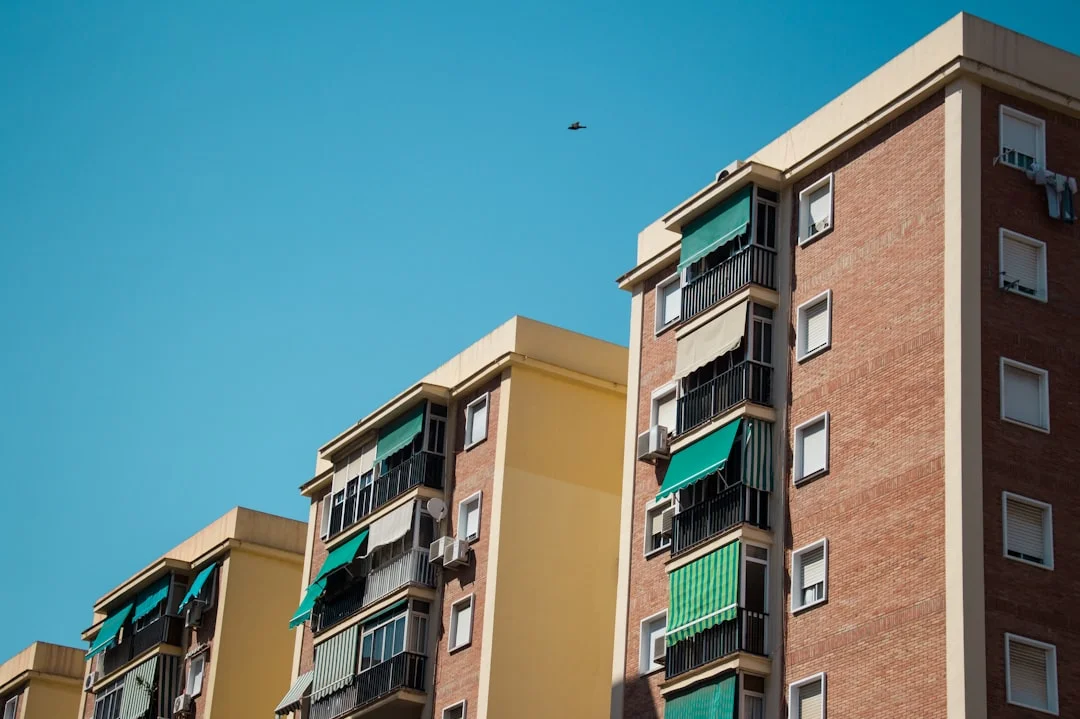
    The Distrito Universidad is traditionally one of Málaga’s most sought-after neighborhoods for students, young professionals, and families. Its proximity to the Teatinos campus, excellent public transport links, and vibrant local atmosphere make it highly desirable.

    However, as the city’s overall rental prices have surged, neighborhoods that were once accessible have become fiercely competitive. The Lagoom Living initiative was designed to alleviate some of this pressure by providing high-quality, subsidized housing. Yet, the overwhelming response highlights a demand that far outpaces the current supply.

    What This Means for Expats and Digital Nomads

    For the international community arriving in Málaga, these figures offer crucial context about the city you are calling home. While digital nomads and expats often operate within the private, market-rate rental sector, understanding the local housing crisis is essential.

    1. Market Pressure: The lack of affordable housing for locals inevitably pushes demand higher across all tiers of the real estate market.
    2. Community Impact: A healthy city requires housing for its essential workers, young professionals, and families. When locals are priced out, the cultural fabric of the neighborhoods can shift dramatically.
    3. Future Policies: Observing these trends can help newcomers anticipate potential shifts in local housing policies, tourist rental regulations, and urban planning initiatives aimed at balancing growth with sustainability.

    “The ratio of 114 applicants per single affordable home is not just a statistic; it is a profound reflection of Málaga’s current growing pains.”

    Looking Ahead: A Balanced Urban Future

    The intense demand for the Lagoom Living VPO units underscores an urgent need for expanded affordable housing initiatives across Málaga. While the city continues to attract global talent and investment, sustainable growth will depend heavily on ensuring that local residents are not left behind. Future developments will need to scale significantly to bridge the gap between supply and demand.

    Living in a booming city is an exciting experience, but it comes with a shared responsibility to understand its challenges. As Málaga navigates this complex housing landscape, one can only hope that both public and private sectors will accelerate their efforts to build a more inclusive city. A thriving Málaga is one where everyone—from the newly arrived remote worker to the lifelong local—can find a place to call home.

  • The ‘Málaga Tech’ Model Becomes the Blueprint for Spain’s Innovation Districts

    The ‘Málaga Tech’ Model Becomes the Blueprint for Spain’s Innovation Districts

    Spain’s technology sector is undergoing a structural realignment. For decades, Madrid and Barcelona absorbed the vast majority of domestic and international tech capital. However, the paradigm has shifted decisively. Málaga is no longer merely an emerging tech hub; it has officially become the national standard for technology district development. This technological boom is also driving unprecedented urban investments, such as the €200 million luxury hotel megaproject transforming the city’s port.

    Recent developments in northern Spain have underscored this reality. In April 2026, Zaragoza announced the creation of the DAT Alierta technology district. Supported by a massive €200 million investment, this ambitious infrastructure project aims to reposition the Aragonese capital on the European technology map. What stands out most about this announcement is not just the capital allocation, but the strategic benchmark used by the region’s leadership.

    During the presentation of the new district, regional authorities explicitly pointed to the Málaga TechPark (PTA) as the primary model of success to emulate. According to Aragón Digital, the development of Zaragoza’s new hub is heavily inspired by Málaga’s proven capacity to attract multinational corporations while simultaneously fostering a robust local startup ecosystem.

    Why the ‘Málaga Model’ Works

    When other major Spanish municipalities allocate nine-figure budgets to replicate what Málaga has built, it demands an analytical look at the underlying mechanics of this success. The “Málaga Model” is not an accident of geography; it is a calculated framework built on four foundational pillars:

    • Institutional Frictionlessness: The strategic alignment between the city council, the regional government, and the University of Málaga creates a streamlined, low-friction environment for incoming tech companies. Bureaucratic hurdles are minimized for high-value investments.
    • The Anchor Tenant Strategy: Securing early commitments from global giants like Google, Vodafone, and Oracle created a powerful gravitational pull. These anchor tenants validated the ecosystem, drastically lowering the perceived risk for mid-tier tech companies and venture-backed startups.
    • Academic Integration: The direct pipeline between the University of Málaga’s engineering faculties and the TechPark ensures a steady flow of highly qualified, local talent—a critical metric for any company deciding where to establish a European headquarters.
    • Quality of Life as an Economic Lever: Exceptional climate and connectivity are leveraged not just as tourism assets, but as core components of corporate talent acquisition and retention strategies.

    Validation for the Local Ecosystem

    For the thousands of developers, engineers, startup founders, and digital nomads currently operating out of Málaga, this national recognition serves as significant validation. It confirms what the data has been suggesting for the past three years: Málaga is the undisputed epicenter of Southern Europe’s innovation landscape.

    When competing cities cite your local ecosystem as the gold standard in national investment forums, it signals profound economic stability. It reassures international remote workers and tech professionals that they have anchored their careers in a city with long-term technological momentum, rather than a fleeting trend.

    Watching our city evolve from a beloved coastal destination into the undisputed blueprint for Spain’s technological future is deeply rewarding. Behind the data points, investment figures, and corporate announcements are real people—local graduates finding high-value careers right at home, and international innovators bringing fresh, diverse perspectives to our neighborhoods. It is a shared success story, and one that promises to keep growing sustainably for years to come.

  • Holy Week Guide: How Holy Tuesday Takes Over Málaga’s Iconic Victoria Neighborhood

    Holy Week Guide: How Holy Tuesday Takes Over Málaga’s Iconic Victoria Neighborhood

    For an expat or digital nomad, Málaga’s Semana Santa (Holy Week) can feel like stepping into another world. The city transforms into a fascinating, albeit slightly chaotic, maze of incense, powerful brass bands, and massive crowds. Understanding the daily rhythm of the week is the key to enjoying the authentic local culture without feeling overwhelmed.

    Following a spectacular start to the 2026 festivities—including a flawless Holy Monday on March 30, where locals witnessed the deeply emotional return (encierro) of the Virgen del Amor Doloroso in Plaza de los Mártires, as covered by Diario Sur—the city’s attention traditionally shifts eastward for Holy Tuesday.

    The Heart of Holy Tuesday: Barrio de la Victoria

    Historically, Holy Tuesday (Martes Santo) in Málaga is synonymous with the Victoria neighborhood. On March 31, 2026, the streets of this historic district once again became the epicenter of devotion and local culture. The day is defined by the presence of iconic brotherhoods (hermandades), prominently featuring Rocío, Penas, Nueva Esperanza, Estrella, and Rescate.

    Each of these processions brings its own unique atmosphere to the streets:
    * El Rocío: Often drawing thousands, the Virgin is affectionately known as the “Novia de Málaga” (Bride of Málaga) due to her striking all-white attire.
    * El Rescate: Known for its vibrant aesthetic, this brotherhood paints the streets of the Victoria neighborhood in deep reds and purples.
    * Las Penas: Famous for the incredible mantle of fresh flowers worn by the Virgin, which is meticulously crafted by city gardeners each year.

    Local morning broadcasts, such as the updates from COPE Málaga, captured the city’s anticipation and the smooth coordination of the 2026 itineraries, highlighting just how much the neighborhood embraces this special day.

    Tips for Navigating the Processions

    If you are trying to experience authentic local culture without getting lost in the multitudes, heading to the neighborhoods where the processions originate is often a smart move. While the official route (recorrido oficial) along Calle Larios and the Alameda Principal offers grandstands and wide avenues, it is also the most crowded.

    Here is how to make the most of the neighborhood processions:
    1. Seek Out the Exits and Returns: The moments when a throne leaves its casa hermandad (brotherhood house) or returns late at night are often the most emotional and authentic.
    2. Explore the Backstreets: The Victoria neighborhood offers a slightly more residential backdrop. Finding a spot on a narrower street allows you to see the intricate details of the thrones up close.
    3. Pace Yourself: Holy Week is a marathon, not a sprint. Grab a coffee or a traditional torrija at a local café while you wait for the processions to pass.

    Experiencing the Culture Respectfully

    As an international resident, witnessing these events is a privilege. It is important to remember that while Semana Santa is a spectacular cultural and artistic display, it is also a deeply religious and emotional time for many malagueños. Standing back, observing the nazarenos (penitents) and hombres de trono (throne bearers), and feeling the rhythm of the marching bands is the best way to soak it all in.

    Experiencing Semana Santa in Málaga is a true rite of passage for anyone living here. Even when the streets feel overwhelmingly packed, there is a profound sense of community that bridges the gap between generations. Whether you are catching a glimpse of a procession from a balcony or standing shoulder-to-shoulder with locals in the heart of Victoria, these moments remind us of the deep, beating heart of this beautiful city.

  • Málaga CF’s Crucial Stretch: The Andorra Clash & Final Andalusian Tour

    Málaga CF’s Crucial Stretch: The Andorra Clash & Final Andalusian Tour

    For expats looking to truly integrate into the local culture, there is no faster route than adopting the city’s sporting heartbeat: Málaga CF. The atmosphere at La Rosaleda stadium is electric, and understanding the local football chatter is the ultimate icebreaker at any tapas bar, especially when exploring the emerging tapas scene and traditional Lenten menus of nearby La Victoria. Right now, the team is entering a nail-biting phase of the 2026 season, and the stakes couldn’t be higher.

    Whether you are a lifelong football fan or just looking for a fun weekend activity, here is your breakdown of Málaga CF’s crucial upcoming stretch.

    The Andorra Clash: Preparing for High Pressure

    The Malaga CF next match brings a formidable opponent to the pitch: FC Andorra. This isn’t just another fixture; it’s a tactical battle that will test the squad’s resilience.

    In recent press conferences, Málaga CF coach Juanfran Funes was quick to highlight the unique challenge that FC Andorra presents. According to a recent report by La Opinión de Málaga, Funes warned that Andorra is the most “associative and pressing” team in the Liga Hypermotion. They demand the ball, suffocate their opponents, and play with an intensity that requires Málaga to be sharp for the full 90 minutes.

    There is, however, good news on the injury front. Dynamic player Carlos Puga has been confirmed as fully available for the match, giving the squad a much-needed boost in energy and width to counter Andorra’s high press.

    If you are trying to secure Malaga vs Andorra tickets, your best bet is to check the official Málaga CF website immediately or visit the ticket offices at La Rosaleda. Matches of this caliber tend to sell out quickly as locals rally to push their team toward the top of the Malaga CF standings.

    The Final Andalusian Tour: Destination Almería

    Looking slightly further ahead, LaLiga has officially announced the date and time for Matchday 36. This is a massive fixture for the Malaguistas, as it marks the team’s final regional away game—often referred to as an “On Tour” match—in Andalusia.

    As confirmed by Merchán en Directo, Málaga CF will travel down the coast to face UD Almería. Regional derbies always carry extra weight, and this final Andalusian road trip will see thousands of traveling fans making the short journey to support the blue and white. Away days are a vibrant part of Spanish football culture, filled with pre-match gatherings, chanting, and a profound sense of community. If you have the chance to join the traveling supporters, it is an experience you won’t soon forget.

    Where to Watch Málaga CF

    If you can’t make it to La Rosaleda or secure a spot on the trip to Almería, you might be wondering where to watch Malaga CF.

    Fortunately, you are in the right city. Almost every neighborhood sports bar and peña (supporters’ club) will have the game on the big screen. Areas like Teatinos, the historic center, and Huelin are packed with venues where fans spill out onto the terraces, eyes glued to the televisions. Just look for the blue and white scarves draped over the bar stools, order a Victoria beer, and you’ll fit right in.

    There is something incredibly special about the collective hope and nervous energy that sweeps through Málaga on a matchday. Whether the team wins, loses, or draws, the shared experience of cheering them on is what makes living here so vibrant. Grab a scarf, learn a few chants, and enjoy the beautiful game the way the locals do. ¡Vamos Málaga!

  • Holy Week Survival: Police Relax Rules on Portable Chairs in Málaga

    Holy Week Survival: Police Relax Rules on Portable Chairs in Málaga

    Navigating the massive crowds of Semana Santa (Holy Week) is a true rite of passage for anyone living in or visiting Málaga, much like joining the local fervor for Málaga CF’s crucial stretch of matches. If you have spent more than a few hours waiting for a procession to pass, you have likely noticed a local phenomenon: families and elderly residents equipped with small, lightweight folding chairs.

    For expats and newcomers, especially those planning to attend crowded events like the Holy Tuesday processions in the Victoria neighborhood, this raises an immediate practical question: Can I bring a chair to the Málaga processions without getting fined?

    For the 2026 edition of Semana Santa, the city has provided a clear, pragmatic answer.

    The Official Stance on Portable Chairs

    Historically, the use of portable seating in crowded public areas has existed in a legal gray area, often depending on the discretion of individual police officers. However, local authorities have recently clarified their position to accommodate the reality of the long hours spent waiting on the streets.

    According to Avelino Barrionuevo, Málaga’s Councilor for Security, the Local Police will officially “turn a blind eye” to the use of portable seats during the intense Holy Week processions. Rather than issuing blanket fines for bringing a chair, officers are instructed to apply common sense and prioritize public safety over strict enforcement against the chairs themselves.

    The Common-Sense Rules

    While you are permitted to bring a chair, this is not an absolute free pass. The police will intervene and issue fines if your seating arrangement violates specific safety protocols.

    You can safely use a folding chair provided you do not do any of the following:

    • Block Access to Premises: Chairs cannot obstruct the entrances or exits of open businesses, bars, or shops.
    • Obstruct Building Entrances: You must leave clear pathways for residents entering or exiting their private apartment buildings.
    • Create Safety Hazards: Chairs cannot be placed in designated emergency evacuation routes or narrow bottlenecks where they might cause a tripping hazard or impede the flow of foot traffic.

    If a police officer asks you to fold your chair and move, it is highly advisable to comply immediately and politely. Their primary goal is crowd control and emergency access, not punishing spectators.

    Surviving the 2026 Processions

    The sheer scale of the crowds this year has been extraordinary. As the city experiences the deep devotion of the 2026 processions—described vividly in recent local coverage of Málaga’s intense cofrade atmosphere—navigating the historic center requires both patience and stamina.

    During the exceptionally busy Lunes Santo 2026 processions, thousands packed the official route (Recorrido Oficial) and the narrow side streets. Standing for six to eight hours is physically demanding, which is exactly why the local government has opted for a more flexible approach to seating.

    Quick Tips for Procession Viewing

    If you plan to head out into the city center this week, keep these survival tips in mind:

    1. Pack Light: If you bring a chair, make sure it is a lightweight, easily collapsible model (often sold in local bazar shops specifically for this purpose).
    2. Stay Mobile: Be prepared to fold up your chair and move if a large crowd surges or if the procession route shifts slightly.
    3. Choose Your Spot Wisely: Wide avenues like the Alameda Principal or the Paseo del Parque offer more space to safely set up a chair compared to the narrow, winding streets of the historic center.
    4. Respect the Locals: Many older malagueños have stood in the exact same spots for decades. Be courteous and share the space.

    Experiencing Semana Santa in Málaga is a beautiful, overwhelming, and deeply moving experience, whether you are a lifelong resident or a newly arrived expat. While the crowds can occasionally feel daunting, a little patience, a good pair of walking shoes, and perhaps a humble folding chair are all you really need to share in this incredible cultural tradition. We hope these small practical tips help you feel more comfortable and at home on the streets of our city during this special time of year.

  • Málaga’s Reservoirs Reach ‘Technical Full’ Capacity Ahead of Summer

    Málaga’s Reservoirs Reach ‘Technical Full’ Capacity Ahead of Summer

    For months, the skies above the Costa del Sol held a tight grip on their moisture, leaving the sun-drenched landscapes and dwindling water reserves as a constant source of anxiety for those who call this beautiful province home. However, nature has recently offered a profound sigh of relief. Following a remarkably wet season, Málaga’s reservoirs have experienced a dramatic and welcome transformation, providing a much-needed boost to the region’s thriving tourism industry just as multimillion-euro investments are being poured into luxury hotel upgrades in Marbella.

    According to recent reports from Diario Sur, Málaga’s reservoirs are now brushing against a ‘technical full’ status, marking the best historical situation the region has seen in recent years. This extraordinary turnaround provides absolute security for the water supply ahead of the bustling summer season.

    The Fifth Rainiest Winter on Record

    The State Meteorological Agency (Aemet) has confirmed that the winter of 2025-2026 was the fifth rainiest in the province’s recorded history. But it wasn’t just the volume of water that proved miraculous; it was the precision of its delivery.

    Rather than washing away into the Mediterranean, the precipitation was highly concentrated over crucial river basins and reservoir catchment areas.

    • La Concepción Reservoir: Serving the western Costa del Sol, this vital water source has seen a massive influx, effectively securing the taps from Marbella to Estepona.
    • The Guadalhorce System: The interconnected reservoirs of the Guadalhorce valley, which supply Málaga city, have gathered immense volumes of runoff from the surrounding mountain ranges.
    • La Viñuela: Historically the most beleaguered reservoir in the Axarquía region, La Viñuela has finally received the substantial inflows needed to support the area’s vital agricultural sector.

    What ‘Technical Full’ Means for You

    When water management authorities describe a reservoir as being at ‘technical full’ capacity, it means the water levels have reached their maximum safe operational limits. To prevent structural stress and manage potential sudden flash floods, small amounts of water may occasionally be released, but the reserves are essentially at their peak.

    For residents and expats, this is the ultimate Málaga drought update for 2026. The looming threat of severe water restrictions in Málaga—which previously included bans on filling private swimming pools, watering gardens, and washing cars—has been significantly alleviated.

    Anticipated Benefits for the Region:

    1. Relaxed Restrictions: Municipalities are expected to scale back the strict water usage limitations that were heavily enforced during previous dry spells.
    2. Agricultural Revival: Local farmers, particularly those cultivating subtropical fruits in the Axarquía, can look forward to a season of sustained irrigation.
    3. Tourism Stability: Hotels and resorts can operate through the high season without the logistical nightmare of water rationing, ensuring a seamless experience for visitors.

    “The concentration of rainfall in the headwaters of our rivers has been the saving grace of this hydrologic year, transforming a dire outlook into a landscape of abundance.”

    Looking Forward with Gratitude

    There is something deeply moving about watching the dry, cracked earth of our valleys slowly submerge beneath rising, life-giving waters. For those of us living in Málaga, water is not just a utility; it is the lifeblood of our gardens, our local agriculture, and our vibrant summer days. While we celebrate this incredible reprieve and the lush, green mountainsides that currently frame our coastline, let us also carry forward the lessons of the dry years. By continuing to treat our water with the respect and mindfulness it deserves, we can ensure that this beautiful corner of Andalusia remains a paradise for generations to come.

  • Barrio de la Victoria Becomes Málaga’s New Tapas Hotspot

    Barrio de la Victoria Becomes Málaga’s New Tapas Hotspot

    If you’re wondering where to eat in Málaga without elbowing your way through crowds, look slightly north of the Plaza de la Merced. For years, Soho and the historic center have monopolized the culinary spotlight. But in 2026, the traditional Barrio de la Victoria is quietly taking the crown as Málaga’s most exciting gastronomic hub.

    This historic neighborhood—known for its deep-rooted local culture and the iconic Santuario de la Victoria—is experiencing a genuine culinary revival. If you’re hunting for new restaurants in Malaga 2026, this is where you need to be. A trio of fresh openings is transforming the area into a haven for foodies who want authentic flavors without the tourist-trap prices.

    The Trio Leading the Charge

    The revitalization of La Victoria’s food scene isn’t about erasing its traditional charm; it’s about building on it. Three new establishments are proving that you can honor the past while bringing something fresh to the table.

    Don Salva: Reinventing the Tapeo

    The most anticipated arrival is Don Salva, opening its doors this very Friday. Positioned to be a cornerstone of the neighborhood’s revival, Don Salva Malaga tapas are all about reinventing the traditional tapeo concept. According to a recent report by Diario Sur, this new spot completes the trio of recent openings that are breathing new life into the district. Expect familiar, comforting Andalusian flavors elevated with modern techniques and a sharp eye for quality ingredients.

    Bar Pedroso: The New Classic

    Joining the ranks is the recently opened Bar Pedroso. This spot has quickly become a local favorite by doing exactly what a great neighborhood bar should do: serving consistently excellent, unfussy food in a welcoming environment. It bridges the gap between the old-school tascas that have lined these streets for decades and the expectations of modern diners looking for quality bites alongside a great glass of wine.

    Isamoa: A Seafood Haven

    Rounding out the trio is Isamoa, a restaurant that brings the essence of the Mediterranean straight to the heart of La Victoria. Specializing in seafood, Isamoa adds crucial variety to the neighborhood’s offerings. Whether you’re craving fresh local catch or innovative marine-based tapas, it provides a perfect counterpoint to the heavier, meat-based traditional tapas found elsewhere.

    Why You Should Visit Now

    If you are plotting out where to eat in Barrio de la Victoria, you now have a perfect evening mapped out. You can start with a crisp white wine and seafood at Isamoa, move on to hearty bites at Bar Pedroso, and finish with the innovative tapas at Don Salva.

    This shift in the local food scene is a breath of fresh air. It pulls the culinary focus back to the neighborhoods where real Malagueños live, work, and eat. It’s a practical reminder that a city’s best food isn’t always found on its most famous streets.

    Seeing a historic neighborhood like La Victoria get a new lease on life through good, honest food is genuinely exciting. It reminds us that the soul of Málaga isn’t just in its museums or beaches, but in the lively chatter spilling out of neighborhood tapas bars. Grab a stool, order a drink, and enjoy this delicious new chapter—it’s local revivals like these that make calling this city home so special.

  • A €200 Million Vision: How the New Port Hotel is Reshaping Málaga’s Skyline

    A €200 Million Vision: How the New Port Hotel is Reshaping Málaga’s Skyline

    Málaga’s skyline is undergoing a profound transformation. Over the past few years, the city has evolved from a traditional coastal destination into a major European hub for tech, culture, and high-end tourism. At the center of this ongoing evolution is a monumental €200 million luxury hotel project in the Port of Málaga, spearheaded by the Hesperia group and Qatari investment fund Al Alfia.

    As we navigate through 2026, this megaproject stands as a focal point of discussion among locals, expats, and international investors alike. But what does an infrastructure development of this magnitude mean for the city’s future?

    The Anatomy of a Megaproject

    The ambitious undertaking in the port area represents one of the most significant private investments in Málaga’s recent history. Backed by Hesperia and Al Alfia, the €200 million injection is designed to create a premium hospitality experience that rivals those found in major global metropolises.

    According to regional economic analyses, such as those featured in Economía Digital, this level of capital deployment underscores a broader strategy: positioning Málaga to attract a demographic with high purchasing power. The Hesperia hotel Malaga project is not just about adding rooms; it is about elevating the entire destination’s global profile.

    Reshaping the Skyline

    Historically, Málaga’s architectural identity has been defined by the silhouette of the Alcazaba, the Gibralfaro castle, and the towering Cathedral (La Manquita). The introduction of a modern luxury hotel at the port introduces a striking contemporary element to this historic skyline.

    For many foreign investors and expats, this Malaga port development signals a city that is confident in its international appeal. The visual shift from low-rise historic buildings to sleek, modern infrastructure reflects a dual identity—a city that respects its Andalusian roots while aggressively pursuing cosmopolitan growth.

    Impact on Foreign Investment and Real Estate

    The ripple effects of a €200 million investment extend far beyond the immediate footprint of the port. Foreign investment in Malaga real estate has historically been strong, but megaprojects of this scale act as a powerful catalyst for surrounding areas.

    Here is how the new port hotel is influencing the local market:

    • Property Valuation: Neighborhoods adjacent to the port, such as La Malagueta and the Soho district, continue to see sustained interest. High-net-worth individuals are increasingly looking for luxury apartments with views of the newly developed port area.
    • Commercial Infrastructure: An influx of affluent tourists creates demand for premium retail, boutique services, and high-end transport options, driving commercial real estate values upward.
    • Market Confidence: Institutional investors view the commitment of major players like Al Alfia as a strong indicator of long-term economic stability in the region.

    However, this surge in property values brings its own set of challenges, particularly concerning housing affordability for locals. The balancing act between welcoming lucrative foreign investment and maintaining an accessible housing market remains a critical conversation in 2026.

    New Horizons for Leisure: Rooftops and Gastronomy

    Beyond economics, the new hotel promises to redefine leisure in the city. One of the most anticipated aspects of the project is the introduction of new public-facing amenities.

    Luxury hotels today are designed to be destinations in themselves. Residents and visitors can expect:

    • Panoramic Rooftops: Málaga’s climate is perfect for year-round outdoor lounging. The development is expected to feature elevated terraces offering unmatched 360-degree views of the Mediterranean Sea and the historic city center.
    • High-End Dining: To cater to premium travelers, the project will likely house signature restaurants, potentially attracting internationally recognized chefs and elevating Málaga’s already booming culinary scene.
    • Wellness and Spa Facilities: Premium wellness centers open to both guests and local members will add a new layer of luxury living to the port area.

    Looking Ahead

    As the port continues its transformation, the city finds itself at a fascinating crossroads. The €200 million investment by Hesperia and Al Alfia is a clear indicator that Málaga has firmly secured its spot on the global map of luxury destinations.

    Watching a historic city grow and adapt is always a complex journey. While the sleek new additions to the skyline bring undeniable economic benefits and exciting new spaces to enjoy a sunset cocktail, it is the enduring warmth of the local culture that truly makes Málaga special. As we look toward the future, the hope is that this cosmopolitan growth will seamlessly integrate with the authentic, welcoming spirit that drew the world to these shores in the first place.