Tag: lang:en

  • UMA Designs Smart Lenses for Active Aging

    UMA Designs Smart Lenses for Active Aging

    UMA Leads Innovation in Active Aging Technology

    Málaga’s consolidation as an international technology hub, which aligns with the city’s ambitious smart city vision, is no longer driven solely by multinational arrivals. The city’s academic core is spearheading high-impact research. In a recent development, researchers at the University of Málaga (UMA) have launched a national project aimed at designing a new generation of smart lenses and optical devices specifically engineered to foster active aging and improve autonomy for the elderly.

    The initiative is coordinated by the Instituto de Investigación en Ingeniería Mecatrónica y Sistemas Ciberfísicos (Institute of Research in Mechatronics Engineering and Cyber-Physical Systems) of the UMA. As reported by Cadena SER, this interdisciplinary project focuses on creating wearable, intelligent optical systems capable of dynamically adapting to the user’s environment and physical needs.

    Cyber-Physical Systems and Smart Optics

    Unlike standard corrective eyewear, these smart lenses integrate cyber-physical systems to assist users in real-time. The research leverages advanced mechatronics to build lenses that can adjust focus automatically, detect environmental hazards in crowded public settings—such as the lively streets when Málaga celebrated its historic CF promotion at Tardeo—and potentially interface with digital assistive technologies.

    Key technical objectives of the project include:
    * Dynamic Autofocusing: Utilizing miniature sensors to detect where the wearer is looking, adjusting focal length instantly to assist those with age-related macular degeneration or severe presbyopia.
    * Environmental Mapping: Integrating lightweight sensors that can identify obstacles, changes in elevation, or oncoming hazards, providing subtle feedback to prevent falls.
    * Ergonomic Integration: Ensuring the hardware remains lightweight, energy-efficient, and non-intrusive for daily use.

    By merging optical engineering with cyber-physical systems, the UMA research team is addressing one of the most significant barriers to elderly independence: progressive vision loss and spatial disorientation.

    Addressing the Challenges of an Aging Population

    According to demographic projections for Spain and wider Europe, the population aged 65 and over is expected to increase significantly over the next two decades. This shift presents a socio-economic challenge that traditional healthcare systems cannot solve alone. Active aging—defined as the process of optimizing opportunities for health, participation, and security to enhance quality of life as people age—requires technological intervention to keep individuals independent in their own homes for longer.

    The smart lenses developed in Málaga aim to reduce dependency on external caregivers for basic daily tasks, such as reading medication labels, navigating unfamiliar urban environments, or performing household activities.

    Málaga’s Expanding Role in Global R&D

    This project highlights the evolving role of the University of Málaga within the local technology ecosystem. Rather than focusing purely on theoretical research, the university’s mechatronics institute prioritizes applied engineering that addresses tangible societal problems, echoing previous medical tech breakthroughs where Malaga students designed functional, low-cost prosthetics. This aligns with Málaga’s broader strategy to attract tech talent and foster public-private partnerships in biotechnology, microelectronics, and systems engineering.

    As these smart optical prototypes progress through testing phases, they represent a vital step toward a future where wearable technology is not just a luxury lifestyle product, but an essential tool for healthy, dignified aging.

    It is heartening to see our local university utilizing cutting-edge science to solve deeply human challenges. As these technologies develop, we can look forward to a world where growing older does not mean losing touch with the vibrant details of daily life, ensuring our elders remain active, safe, and deeply connected to the community around them.
  • Málaga Five-Star Hotel Boom Bridges Luxury Gap

    Málaga Five-Star Hotel Boom Bridges Luxury Gap

    For years, Málaga capital existed in a peculiar hospitality paradox. While the city blossomed into a world-class cultural hub—celebrated for its museums, gastronomy, and thriving technology sector—its high-end accommodation landscape lagged behind. Discerning travelers seeking five-star refinement often bypassed the city center, heading straight to the established luxury enclaves of Marbella or Sotogrande.

    Today, that narrative is shifting. Málaga is undergoing a profound luxury hospitality boom, actively bridging its historical deficit of five-star accommodations with a wave of ambitious, multi-million-euro hotel projects. This transformation is not merely changing the city’s skyline; it is redefining Málaga as a premier destination for affluent international travelers and global investors alike.

    A Historic Deficit Turned Golden Opportunity

    Historically, Málaga’s hotel portfolio was dominated by functional three- and four-star establishments tailored to business travelers and short-stay cultural tourists. The lack of ultra-luxury options meant the city missed out on the high-yield tourism segment that drives significant local economic growth.

    However, a combination of factors—including the post-pandemic travel resurgence, Málaga’s rise as Southern Europe’s premier tech hub, and a growing global appetite for sophisticated urban tourism—has catalyzed a dramatic shift. According to industry analyses tracked by Spanish hospitality observers like ABC Hoteles, major international brands and boutique developers are pouring capital into the capital of the Costa del Sol, recognizing the immense untapped potential of its urban core.

    Defining the New Wave of Luxury

    This luxury renaissance is characterized by two distinct architectural trends: the meticulous restoration of historic landmarks and the creation of striking, modern waterfront icons.

    1. Heritage Restorations in the Historic Center

    Developers are breathing new life into Málaga’s architectural heritage. Palatial 18th and 19th-century buildings, which once stood silent—such as the landmark project to transform Málaga’s Palacio de la Tinta into a 5-star hotel—are being reimagined as intimate boutique properties. These properties blend original neoclassical and Andalusian features with state-of-the-art wellness facilities, rooftop plunge pools, and curated culinary experiences. Staying here offers travelers an immersive connection to the city’s rich history without compromising on contemporary comfort.

    2. Waterfront Grandeur at the Port

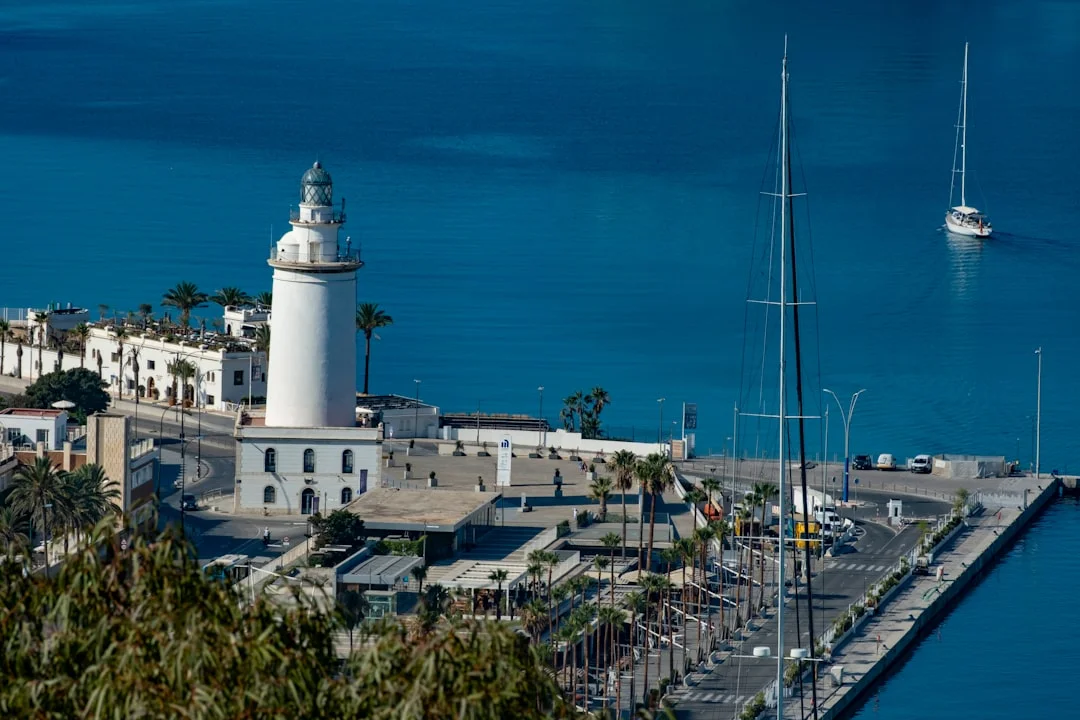
    The visual anchor of Málaga’s modern luxury ambitions lies along its waterfront. The redevelopment of the port area, particularly around Muelle Uno and the San Andrés marina, has paved the way for landmark architectural statements. These upcoming and newly opened properties offer panoramic views of the Mediterranean, sophisticated beach-club atmospheres, and direct access to the city’s superyacht docks.

    The Ripple Effect on Málaga’s Economy

    The influx of five-star establishments does far more than provide plush pillows for wealthy visitors. It elevates the entire local ecosystem:

    • Gastronomy: High-end hotels are partnering with Michelin-starred chefs to launch flagship restaurants, further cementing Málaga’s reputation as a culinary destination.
    • Premium Services: The demand for private yachts, luxury concierge services, and exclusive cultural tours has surged, creating high-value jobs for locals.
    • High-Value Business Tourism: With superior meeting facilities and luxury suites, Málaga is now successfully bidding for prestigious international congresses and corporate retreats.

    “The arrival of international luxury brands acts as a stamp of approval. It signals to the global market that Málaga is no longer just a gateway to the Costa del Sol, but a sophisticated destination in its own right.”

    Looking Ahead

    As these multi-million-euro investments materialize, Málaga is successfully shedding its image as a budget-friendly transit point. By marrying its laid-back Mediterranean charm with uncompromising luxury, the city is carving out a unique niche in Southern Europe—one where culture, technology, and refined living coexist harmoniously.

    Watching Málaga evolve over the years has been a deeply inspiring journey. As we look toward the future, there is a palpable sense of pride in seeing our historic streets embrace this elegant new chapter, welcoming the world with open arms, sophisticated warmth, and an enduring Andalusian soul.

  • Málaga Hospital Infectious Diseases Unit Turns 20

    Málaga Hospital Infectious Diseases Unit Turns 20

    For expats, digital nomads, and retirees moving to the Costa del Sol, access to top-tier healthcare is often a deciding factor. While Málaga is famous for its sunny climate, relaxed lifestyle, and a booming five-star hotel sector that is rapidly bridging the luxury gap, the strength of its public infrastructure is what truly makes it a sustainable home.

    This week, one of the province’s key medical pillars reached a major milestone. The Infectious Diseases Unit at the Hospital Regional de Málaga (historically known as Carlos Haya) is celebrating its 20th anniversary of dedicated, specialized service. Since its official establishment as an independent unit in June 2004, the department has grown into a regional shield against complex health crises.

    Two Decades of Medical Excellence

    Before the unit was formally established, infectious disease management was integrated into general internal medicine. Recognizing the growing complexity of viral, bacterial, and tropical pathogens, the hospital created a dedicated department.

    Over the past twenty years, the unit has evolved to meet the demands of a rapidly globalizing world. Today, as reported by La Opinión de Málaga, the specialized team manages more than 12,000 patient consultations every year, alongside overseeing around 800 hospital admissions.

    This high volume of care is supported by a multidisciplinary team of infectious disease specialists, specialized nurses, and researchers who ensure that Málaga remains at the cutting edge of clinical safety.

    On the Frontlines: From HIV to COVID-19

    The history of the Infectious Diseases Unit is deeply intertwined with the most significant public health challenges of the 21st century:

    • HIV/AIDS Management: In its early years, the unit revolutionized care for HIV-positive patients, transitioning the diagnosis from a terminal illness to a manageable chronic condition. Today, they provide advanced antiretroviral therapies and preventive care (such as PrEP) to thousands of residents.
    • The COVID-19 Pandemic: During the global crisis, the unit was the absolute vanguard of the hospital’s response, designing treatment protocols, managing specialized isolation wards, and leading local vaccination and clinical trial efforts.
    • Emerging Pathogens: In recent years, the team has successfully managed outbreaks of monkeypox (mpox), West Nile virus, and imported tropical diseases—increasingly relevant as Málaga’s international airport connects the province to all corners of the globe.

    Why This Matters for Málaga’s International Community

    For international residents, navigating a foreign healthcare system can feel daunting. However, Andalusia’s public health system (Servicio Andaluz de Salud or SAS) is widely regarded as one of the most robust in Europe.

    The presence of highly specialized departments like the Infectious Diseases Unit at the Hospital Regional guarantees that, should a serious health issue arise, patients in Málaga have access to world-class treatment without needing to travel to Madrid or northern Europe.

    Furthermore, the unit’s active involvement in international clinical trials means that Málaga patients often gain early access to pioneering therapies that are not yet widely available in private clinics.

    Navigating Public Healthcare in Málaga

    If you are an expat living in the region, accessing this level of care is straightforward once you are registered in the system:

    1. Empadronamiento: Register at your local town hall (ayuntamiento) to obtain your certificate of residency.
    2. Tarjetas Sanitarias (SIP): Apply for your public health card at your local community health center (centro de salud).
    3. Primary Care Referrals: Your assigned GP (médico de cabecera) acts as the gateway. If you require specialized care, they will refer you directly to the appropriate department at the Hospital Regional or other regional specialist hubs.

    As Málaga continues to grow as a cosmopolitan European hub, the dedication of its medical professionals remains a quiet but vital foundation of our daily peace of mind. Knowing that such specialized expertise is working around the clock allows us to enjoy the beauty of the south with true confidence. We look forward to seeing our local healthcare institutions continue to innovate and protect our community for many more decades to come.

  • Picasso Museum and Casa Natal Unveil Summer 2026 Shows

    Picasso Museum and Casa Natal Unveil Summer 2026 Shows

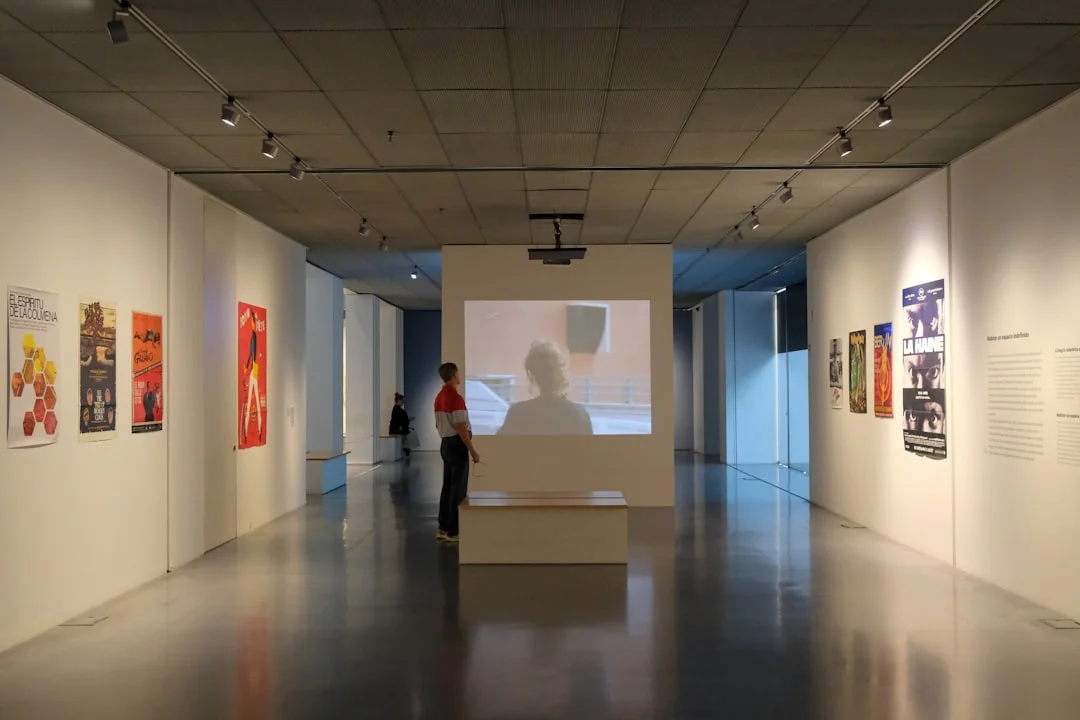
    As summer temperatures rise in Málaga, the city’s world-class cultural institutions offer the perfect air-conditioned sanctuary. This summer 2026, the local art scene is taking center stage with a series of thought-provoking exhibitions at both the Museo Picasso Málaga and the Museo Casa Natal Picasso (Picasso’s Birthplace Museum).

    These new collections challenge traditional artistic perspectives, providing a deep dive into the evolution of modern art and the often-overlooked voices who shaped it. From exploring these creative exhibitions to recognizing key regional milestones like the 20th anniversary of the Málaga Hospital Infectious Diseases Unit, here is what you need to know to plan your cultural itinerary.

    Museo Casa Natal Picasso: ‘Ni musas ni modelos’

    Located in the heart of Plaza de la Merced, a central hub in a city recently highlighted for its rapid tech growth and housing debate under the ‘Málaga Model’, the Museo Casa Natal Picasso is hosting a landmark exhibition titled ‘Ni musas ni modelos’ (Neither Muses nor Models).

    Historically, women in the modernist art narrative have often been relegated to the roles of passive muses or models. This exhibition actively deconstructs that trope. By focusing entirely on women artists, the showcase highlights their active roles as creators, innovators, and key drivers of artistic movements. Visitors can expect a diverse array of mediums that challenge the male-dominated gaze of the early 20th century, offering a refreshing and necessary counter-narrative to traditional art history.

    Museo Picasso Málaga: ‘Estructuras de la invención’

    Just a short walk away, the Museo Picasso Málaga presents its major summer showcase: ‘Colección Pablo Picasso: Estructuras de la invención. La unidad de una obra’ (Structures of Invention: The Unity of a Work).

    Rather than presenting Picasso’s work in a strict chronological format, this exhibition explores the underlying structural unity of his lifetime of creation. It demonstrates how his early academic training, cubist breakthroughs, and late-stage experimental works all connect through a singular, relentless drive for invention. By grouping works by theme, technique, and internal logic, the exhibition allows visitors to see the threads that bind his vast and varied output together.

    More Cultural Highlights in Málaga

    Beyond the Picasso-centric venues, Málaga’s broader art scene is exceptionally active this summer with two other major exhibitions:

    • Paz Errázuriz’s ‘Poéticas de resistencia’: A powerful photographic exhibition exploring marginalized communities, social struggles, and human dignity under challenging political climates.
    • Manuel Franquelo’s ‘El lenguaje de las cosas’: An intriguing contemporary exhibition that examines the hidden narratives, memory, and significance of everyday objects through meticulous visual representation.

    Planning Your Visit

    To make the most of your cultural tour through the historical center, it is highly recommended to book tickets online in advance to secure your preferred timeslot and avoid long queues in the midday sun.

    If you are looking for real-time updates on daily cultural events, guided tours, and opening hours during your stay, you can consult current local listings on Hoy Málaga – What to do today or plan ahead using Hoy Málaga – What to do tomorrow.

    Art has always been Málaga’s way of reflecting on its past while welcoming the world. We hope these exhibitions inspire you, offer a cool refuge from the summer sun, and leave you with a deeper appreciation of the creative forces that continue to shape this vibrant Mediterranean city.

  • Málaga’s Secret Routes: Hidden Trails and Local Spots

    Málaga’s Secret Routes: Hidden Trails and Local Spots

    While millions of travelers flock to the Alcazaba, the Roman Theatre, and the sun-drenched beaches of the Malagueta, Málaga hides a parallel world. Away from the bustling shopping streets, there are quiet trails, forgotten ruins, and local paths that offer a completely different perspective of the capital of the Costa del Sol—a city undergoing constant transition, much like its beloved local football club, which is currently making headlines as Víctor García departs Málaga CF in a summer squad rebuild.

    Whether you are a resident looking to rediscover your backyard in 2026 or a curious traveler wanting to skip the crowds, these hidden routes and local secrets will show you the authentic soul of Málaga.

    1. The Ascent to Monte Victoria: The Local Sunset Spot

    While Gibralfaro Castle is the most famous viewpoint in the city, it can get incredibly crowded around sunset. For a quieter, more panoramic experience, locals head to Monte Victoria (also known as Cerro de San Cristóbal).

    • The Route: Start your walk near the Basílica de la Victoria. From there, head up towards the pine forest via Calle San Lázaro. The path transitions from asphalt to a dirt trail that winds through pine trees.
    • The Reward: At the peak, you will find a small shrine and an unobstructed, 360-degree view of the city, the port, and the surrounding mountains. It is a steep but short 20-minute climb, perfect for a late afternoon walk.

    Local Tip: Bring a light jacket if you go in the evening, as the sea breeze can pick up quickly once the sun goes down.

    2. The Historic San Miguel Cemetery

    For those fascinated by history, architecture, and quiet contemplation, the Cemetery of San Miguel (Cementerio de San Miguel) in the El Ejido neighborhood is an open-air museum.

    Built in the early 19th century, this neoclassical cemetery is the resting place of Málaga’s historical bourgeoisie, artists, and writers. It features stunning pantheons, intricate ironwork, and beautiful, haunting sculptures.

    • Events & Night Tours: Historically, local cultural associations and historical societies organize theatrical night tours here during the summer and autumn months. If you are visiting in late 2026, keep an eye on local cultural boards for scheduled evening walks that bring the stories of Málaga’s past families to life.

    3. The Guadalhorce Estuary: A Coastal Wild Haven

    Just a short bus ride or cycle from the city center lies the Guadalhorce River Estuary Natural Area (Paraje Natural Desembocadura del Guadalhorce). Wedged between Málaga and Torremolinos, this ecological reserve is often completely missed by tourists.

    • The Trail: A flat, circular route of about 5 to 6 kilometers takes you across wooden footbridges, through salt marshes, and past several bird-watching hides.
    • What to See: Depending on the season, you can spot flamingos, ospreys, and rare sea birds. It is one of the most peaceful places in the municipality, where the only sound is the wind in the reeds and the crashing waves of the nearby sea.

    4. Contrabandistas Trail in the Montes de Málaga

    The Montes de Málaga Natural Park is famous for its hearty weekend lunches (plato de los montes), but it also hides ancient trails used by merchants and smugglers in centuries past. One of the best-kept secrets is the Sendero de los Contrabandistas (Smugglers’ Path).

    • The Experience: This trail takes you deep into the dense pine forests, passing by abandoned stone ruins of old wine-producing estates (lagares). It offers a cool escape from the coastal heat, especially during the warm summer months.
    • Access: The trail is best accessed by car or a dedicated hiking excursion starting near the Colmenar road (A-7000).

    Practical Tips for Exploring Safely

    • Beat the Heat: If you are exploring these routes during the summer of 2026, always plan your walks for early morning (before 10:00 AM) or late evening (after 8:00 PM). The Andalusian sun can be intense.
    • Hydration: Many of these natural trails do not have freshwater fountains. Always carry more water than you think you need.
    • Respect the Environment: The Guadalhorce Estuary and the Montes de Málaga are protected natural spaces. Stick to the designated paths to protect local flora and nesting birds.

    Exploring these lesser-known corners of Málaga reminds us that there is always more to a city than what is written in the main guidebooks. We hope these trails inspire you to step off the beaten path, slow down, and connect with the quiet, natural beauty that makes this region so incredibly special.

  • Benalauría: Genal Valley’s Secret Escape from Crowds

    Benalauría: Genal Valley’s Secret Escape from Crowds

    As summer temperatures rise and the popular beaches of the Costa del Sol fill with tourists, finding a quiet, authentic slice of Andalusia can feel like a challenge. Fortunately, just a short drive inland lies a green sanctuary where time slows down: the stunning Genal Valley (Valle del Genal). Although inland Malaga was recently rattled by a series of minor earthquakes, this peaceful area remains an idyllic retreat. At the heart of this lush mountain region sits Benalauría, a hidden gem that offers the perfect escape from mass tourism.

    Surrounded by dense forests of chestnut, cork oak, and pine trees, Benalauría is a village of narrow, winding streets, whitewashed houses adorned with bright geraniums, and a peaceful atmosphere that feels worlds away from the bustling coastal resorts.

    Why Benalauría is the Perfect Summer Antidote

    While the coast thrives on high-energy beach clubs and crowded promenades, Benalauría offers a completely different rhythm. As highlighted in a recent feature by Málaga Hoy, the village serves as an ideal retreat for travelers looking to exchange coastal congestion for fresh mountain air, quiet cobblestone streets, and pristine natural surroundings.

    At an altitude of over 660 meters, the village enjoys slightly cooler mountain breezes in the evenings. The urban layout remains largely unchanged since Moorish times, featuring steep, labyrinthine alleys designed to keep the sun out and the walkways cool.

    What to See and Do in Benalauría

    Despite its small size (with a population of just a few hundred residents), Benalauría is rich in heritage, culture, and outdoor activities.

    1. Wander the Moorish Streets

    The best way to experience Benalauría is simply to get lost in its streets. The traditional white architecture is meticulously preserved. Look out for the carefully decorated doorways, stone archways, and the vibrant contrast of colorful flower pots against the white lime walls. Step into the central Plaza Teniente Viñas, a quiet square perfect for a morning coffee or a chat with friendly locals.

    2. Visit the Ethnographic Museum

    Housed in an 18th-century oil mill, the Museo Etnográfico de Benalauría is celebrated as one of the most unique inland museums in Málaga province. It offers a fascinating look into the traditional rural life of the Genal Valley, where you can see historical tools used for pressing olives, making wine, and processing chestnuts—the agricultural backbone of the region.

    3. Explore the Santo Domingo de Guzmán Church

    This 16th-century church stands as a prominent landmark in the village. It features a simple but beautiful neoclassical facade and houses imagery of the town’s patron saints, Santo Domingo and San Sebastián.

    4. Hike the Genal Valley Trails

    For those who love exploring the Andalusian countryside on foot—similar to discovering the ancient paths of the Axarquía along the historical hiking trails in Salares—Benalauría is a true paradise for hikers. The surrounding mountains are crisscrossed with trails that connect neighboring white villages (pueblos blancos).

    • Senda de los Frontones: A scenic path offering panoramic views of the valley and neighboring peaks.
    • Gran Senda de Málaga (GR-249): Several stages of this famous long-distance trail pass through or near Benalauría, guiding walkers through chestnut groves that turn brilliant shades of green in summer and deep gold in autumn.
    • The Genal River: For those looking to cool off, nearby river walks offer shaded paths and freshwater pools.

    Local Gastronomy: A Taste of the Mountains

    Dining in Benalauría is an authentic, zero-kilometer experience. The local cuisine relies heavily on seasonal ingredients harvested directly from the valley.

    Because the Genal Valley is famous for its chestnut forests, you will find chestnuts incorporated into many local dishes, from savory stews to artisanal sweet preserves. Other local specialties include olla serrana (a hearty mountain stew), wild mushroom dishes, cured meats, and homemade pastries like buñuelos and pestiños.

    How to Get There

    Benalauría is located in the western part of Málaga province, roughly 120 kilometers from Málaga city and about 30 kilometers south of Ronda.

    The drive from the coast (via the A-397 from Marbella or the scenic mountain roads from Estepona) is an adventure in itself. The roads wind through dramatic mountain passes, offering breathtaking viewpoints over the Serranía de Ronda before descending into the green canopy of the Genal Valley.

    There is something deeply restorative about stepping away from the crowds and reconnecting with the quiet rhythms of Andalusia’s interior. We hope this guide inspires you to head into the hills, breathe in the scent of pine and wild herbs, and discover the timeless charm of Benalauría for yourself.

  • La Fonda Heritage Marbella Launches Skybar and SushiBar

    La Fonda Heritage Marbella Launches Skybar and SushiBar

    Aquí tienes el artículo enriquecido con los enlaces internos de manera natural y fluida:

    A New Era of Rooftop Elegance in Marbella’s Old Town

    Marbella’s historic quarter, the Casco Antiguo, has long been celebrated for its labyrinth of whitewashed alleyways, vibrant bougainvillea, and rich Andalusian heritage. This summer, the neighborhood elevates its culinary appeal with the official opening of the Skybar and SushiBar at La Fonda Heritage Hotel.

    As a proud member of the prestigious Relais & Châteaux association, La Fonda Heritage Hotel has seamlessly blended 16th-century architectural splendor with contemporary luxury. This project beautifully aligns with a growing movement of rescuing historic heritage through luxury hospitality across the province. The launch of this exclusive rooftop venue marks a sophisticated addition to Marbella’s high-end dining scene, offering an intimate escape from the bustling coastal strip.

    Gastronomy Meets Heritage: The SushiBar Experience

    The crown jewel of La Fonda’s summer offering is the newly unveiled SushiBar, located within the stylish confines of the Skybar. According to details shared by Al Sol de la Costa, the venue has quickly established itself as a symbol of modern glamour in the heart of the city.

    Guests can expect a meticulously curated menu that celebrates the precision of traditional Japanese techniques while incorporating fresh, locally sourced Mediterranean ingredients.

    What to Expect on the Menu:

    • Artisanal Nigiri and Sashimi: Prepared with the freshest catches of the day, showcasing delicate textures and clean flavors.
    • Signature Rolls: Innovative combinations that bridge Eastern culinary philosophy with Andalusian influences.
    • Curated Sake and Wine List: A selection of premium sakes, local Andalusian wines, and international vintages chosen to complement the delicate flavors of the raw fish.
    • Craft Cocktails: Mixology inspired by the botanical aromas of Southern Spain, perfect for sipping as the sun sets over the Sierra Blanca.

    An Atmosphere of Refined Glamour

    What sets the Skybar apart is its setting. Housed in a beautifully restored landmark that once served as a private residence and later a social hub in the 1960s, the hotel exudes a sense of timeless bohemian chic.

    The rooftop design respects the historic integrity of the building while introducing sleek, minimalist decor. Soft, ambient lighting, comfortable lounge seating, and panoramic views over the terracotta rooftops of Marbella create an atmosphere that is both exclusive and deeply welcoming. It is an ideal spot for affluent expats, discerning locals, and international travelers looking to experience the quieter, more sophisticated side of Marbella, further solidifying the coast’s reputation amidst a wider boom in five-star accommodations across the region.

    A Must-Visit Destination for Summer 2026

    As the summer of 2026 gets into full swing, the Skybar and SushiBar at La Fonda Heritage Hotel is positioned to be one of the season’s most sought-after reservations. By limiting seating to maintain an intimate atmosphere, the venue ensures that every guest receives the highly personalized service that is the hallmark of the Relais & Châteaux brand.

    Whether you are starting your evening with a sunset cocktail or spending the night indulging in world-class sushi under the stars, La Fonda offers a sensory journey that captures the true essence of Mediterranean luxury.

    There is a unique magic to Marbella’s summer nights, where the warm sea breeze meets the cool air of the mountains. We hope this elegant new space brings you unforgettable evenings of shared laughter, exquisite flavors, and beautiful views over our beloved historic town.

  • Málaga’s Cool Escapes: La Concepción and Los Montes

    Málaga’s Cool Escapes: La Concepción and Los Montes

    Escaping the Heat in Málaga’s Green Havens

    When the summer sun hits the Costa del Sol, the immediate instinct for many is to head straight to the beach. However, as temperatures rise, the crowded sands of La Malagueta or Pedregalejo can sometimes feel overwhelming. While some travelers prefer seeking refuge in the city’s air-conditioned galleries and cool museum escapes, others look for relief in the great outdoors. Fortunately, Málaga holds a secret known to locals and savvy expats: just a few kilometers inland lie spectacular natural sanctuaries where the air is noticeably cooler, the shade is deep, and the atmosphere is serene.

    If you are searching for cool places to visit in malaga summer, look no further than the lush pathways of the Jardín Botánico Histórico La Concepción and the pine-scented breeze of the Montes de Málaga. These green lungs offer the perfect alternative for sustainable, family-friendly tourism and active relaxation.

    Jardín Botánico La Concepción: A Tropical Oasis

    Located just on the northern edge of the city, the Jardín Botánico Histórico La Concepción feels like stepping into a tropical rainforest. Created in the mid-19th century by the Marquis and Marchioness of Casa Loring, this English-style landscape garden boasts one of the most impressive collections of subtropical flora in Europe.

    The Microclimate Effect

    Thanks to the dense canopy of ancient ficus trees, towering palms, and lush climbing plants, the garden enjoys its own distinct microclimate. On a scorching July or August afternoon, temperatures inside the dense bamboo groves and beside the trickling waterfalls can feel several degrees cooler than in the concrete city center.

    Key Highlights

    • The Wisteria Arbor: A stunning iron dome covered in purple wisteria that offers a shaded viewpoint over the city.
    • The Route Around the World in 80 Trees: A fascinating walk showcasing species from all five continents.
    • The Historical House-Museum: A glimpse into the 19th-century high society that originally gathered here.

    Planning Your Visit

    Securing your jardin botanico la concepcion tickets is straightforward. General admission is very affordable (around €5.20, with discounts for children, students, and retirees), and on Sunday afternoons, entry is completely free. It is highly recommended to visit in the late afternoon when the shadows lengthen and the evening breeze begins to stir.

    Montes de Málaga: Shaded Trails and Mountain Comforts

    For those who prefer a more active escape, the Montes de Málaga Natural Park serves as the city’s protective green shield. Spanning over 4,900 hectares, this dense forest of Aleppo pines was planted in the early 20th century to prevent the devastating floods that historically plagued the city. Today, it is a haven for outdoor enthusiasts.

    Hiking Montes de Málaga Trails

    The park features a well-marked network of paths suitable for all fitness levels. The thick pine canopy provides excellent protection from the direct sun, making it one of the few places where summer hiking remains comfortable. If you want to continue your outdoor adventure beyond this park, there are several other fantastic hiking trails to discover Málaga’s greenest areas.

    • Sendero El Cerrado: A circular 3-kilometer trail that offers panoramic views of the park and the city below. It is relatively easy and perfect for families.
    • Sendero de Contadoras: A slightly longer route that leads to the historic Contadoras building, which now serves as an environmental education center.
    • Pocito de las Monjas: A scenic trail that winds past old ruins and shaded streams.

    Traditional Gastronomy at the ‘Ventas’

    No trip to the Montes is complete without stopping at one of the traditional ventas (mountain inns) lining the old Colmenar road. While the famous Plato de los Montes (a hearty combination of pork loin, chorizo, egg, peppers, and fried potatoes) is traditionally a winter dish, these rustic restaurants offer shaded terraces where you can enjoy cool drinks, fresh salads, and grilled meats under the canopy of old oak trees.

    Making the Most of Your Summer Getaway

    Exploring the natural side of the province is an excellent way to experience the authentic Andalusian lifestyle away from the coastal crowds. If you are planning a longer trip to discover these hidden gems, finding the right base is essential. You can find excellent accommodation deals and packages for a relaxing stay in the province through Buscounchollo’s Málaga deals, making it easier to plan a budget-friendly nature retreat.

    Practical Tips for Summer Nature Visits

    1. Go Early or Late: Avoid the midday sun (between 14:00 and 17:00). Early mornings in the Montes are incredibly peaceful and fresh.
    2. Stay Hydrated: Always carry more water than you think you will need, as natural water sources inside the park are not always potable.
    3. Respect the Environment: High summer means extreme fire risk. Never light fires, dispose of cigarettes responsibly, and always carry your trash back to the city.

    There is a quiet magic in discovering that a bustling, sun-drenched coastal city like Málaga holds such deep, cool, and green secrets just beyond its borders. As we look forward to spending more time outdoors this season, taking a moment to slow down under the shade of a century-old pine or beside a trickling garden fountain reminds us of the simple, grounding power of nature. We hope you find your own perfect spot to breathe, cool down, and connect with the natural beauty of our beautiful province.

  • Vélez-Málaga to Award Gold Medal to Franciscan Order

    Vélez-Málaga to Award Gold Medal to Franciscan Order

    The City Council of Vélez-Málaga has officially initiated administrative proceedings to bestow the city’s prestigious Gold Medal (Medalla de Oro) upon the Franciscan Order. This distinction represents one of the highest civic honors available under the municipality’s official regulations for honors and distinctions.

    For expats and long-term residents living in the Axarquía region, this event offers a unique window into the deep historical and cultural roots that continue to shape local identity. It highlights the municipality’s ongoing commitment to community values, following other recent achievements such as when Vélez-Málaga won the ‘Escoba de Platino’ eco-award for its modern urban initiatives.

    Recognizing a Centuries-Old Legacy

    As reported by Diario Sur, the proposal aims to formally recognize the profound historical footprint and cultural legacy that the Franciscan Order has left in Vélez-Málaga.

    The presence of the Franciscans in the capital of the Axarquía is not merely a matter of religious history; it is woven into the very urban and social fabric of the town. For centuries, the order has played an active role in education, social support, and the preservation of local heritage.

    Key Historical Landmarks

    To understand the scale of this recognition, one must look at the physical and cultural landmarks associated with the order in Vélez-Málaga:

    • Convento de San Francisco: Established in the late 15th century following the Christian conquest of the city, this convent became a central hub for spiritual and community life.
    • Architectural Heritage: The church of San Francisco, with its striking Mudéjar and Renaissance elements, stands as a testament to the artistic evolution of the region.
    • Social and Educational Contributions: Beyond the stone walls, the Franciscan friars have historically been key actors in providing social assistance and education to the local population during challenging historical epochs.

    What the Gold Medal Represents

    The Medalla de Oro is not awarded lightly. It requires a rigorous administrative process, including the creation of an official file (expediente) that documents the merits of the nominee. This process involves gathering historical evidence, community testimonials, and institutional support to justify the distinction.

    By initiating this file, Vélez-Málaga joins a long-standing Spanish tradition of honoring institutions that have acted as pillars of the community. For the local government, this award is a way to bridge the gap between the town’s illustrious past and its vibrant present.

    Connecting with Axarquía’s Heritage

    For the international community calling the Axarquía home, milestones like this highlight why Vélez-Málaga is much more than just a gateway to the coast. The town serves as the cultural heart of the eastern Costa del Sol, boasting a rich tapestry of history that predates modern tourism by centuries.

    Exploring the footprint of the Franciscans offers a rewarding weekend itinerary. Visitors can wander through the historic center, visit the San Francisco complex, and appreciate how ancient traditions continue to influence contemporary local life and festivities.

    Understanding these deep-rooted traditions allows us to appreciate the true character of the Axarquía. It reminds us that behind the sunny beaches and beautiful mountain views lies a community built on centuries of shared history, resilience, and quiet dedication.

  • Málaga Fights 5-Star Deficit with New Luxury Hotels

    Málaga Fights 5-Star Deficit with New Luxury Hotels

    A New Era of Sophistication in the Capital of the Costa del Sol

    For decades, Málaga was widely regarded as the gateway to the Costa del Sol—a transit point where travelers landed before dispersing to the glamorous beaches of Marbella or the traditional resorts of Torremolinos and Fuengirola. However, the city’s narrative has undergone a profound evolution. Today, Málaga stands as a powerhouse of technology, refined living, and culture, highlighted by prestigious venues like the Picasso Museum and Casa Natal, which have already unveiled their upcoming Summer 2026 shows.

    To match this soaring reputation, the city is actively addressing one of its most persistent historical challenges: a shortage of five-star, high-end accommodations. Through major international investments and ambitious architectural restorations, Málaga is rapidly transforming its urban landscape to welcome a more affluent class of global travelers.

    Bridging the Historical Luxury Gap

    Historically, Málaga capital lagged behind its provincial neighbors in the luxury hospitality segment. While Marbella boasted legendary grand dames of the hotel world, the capital city relied primarily on charming three- and four-star boutique properties. While these establishments captured the warmth of Andalusian hospitality, they fell short of the ultra-premium services demanded by high-net-worth individuals, corporate executives, and luxury seekers.

    This deficit is now being systematically dismantled. According to reports on national tourism trends featured by ABC Hoteles, Spain’s luxury hospitality sector is experiencing unprecedented decentralization, with cities like Málaga capturing the attention of major global investment funds and legendary hotel brands. The demand is no longer just seasonal; it is a year-round requirement driven by a unique convergence of factors.

    The Catalysts: Culture, Tech, and Global Appeal

    Málaga’s luxury hotel boom does not exist in a vacuum. It is the direct result of a calculated, decades-long strategy that has repositioned the city on the global stage.

    • The Cultural Renaissance: With over 30 museums—including the Picasso Museum, the Carmen Thyssen, and the Centre Pompidou—Málaga has earned its title as a premier European cultural destination.
    • The Technological Surge: Dubbed the “Silicon Valley of Southern Europe,” the city has attracted multinational tech giants like Google, Vodafone, and Citi. This influx of international talent and corporate activity has created an urgent, consistent demand for premium business accommodations and high-end meeting venues.
    • Enhanced Connectivity: Málaga-Costa del Sol Airport continues to expand its direct long-haul connections, making the city effortlessly accessible to travelers from North America, the Middle East, and beyond.

    Iconic Projects Redefining the Skyline and Heritage

    The current wave of luxury developments in Málaga is characterized by a respectful blending of historic preservation and cutting-edge design. Several key projects are setting new benchmarks for luxury in the city:

    The Transformation of Historic Landmarks

    Many of the new five-star projects are breathing new life into the city’s architectural heritage. Palace buildings and former administrative headquarters in the historic center are being meticulously restored. A prime example of this trend is the ambitious project to transform the historic Palacio de la Tinta into a 5-star hotel, preserving its majestic facade while incorporating state-of-the-art wellness centers, rooftop infinity pools, and Michelin-starred dining concepts.

    The Rise of Port-Side Luxury

    The redevelopment of Málaga’s port (Puerto de Málaga) has opened up premium waterfront real estate. High-profile hotel projects designed for the port area aim to offer panoramic views of both the Mediterranean and the historic Alcazaba fortress. These developments are designed to serve as architectural landmarks, signaling Málaga’s entry into the elite tier of Mediterranean cruise and yacht destinations, which will soon welcome prominent arrivals like the Legend of the Seas cruise ship.

    International Brands Plant Their Flags

    World-renowned luxury operators are actively securing footprints in the capital. The arrival of these brands brings not only prestige but also highly sophisticated loyalty networks, ensuring a steady stream of affluent international visitors who previously might have bypassed the capital in favor of traditional luxury enclaves.

    What This Means for the Future of Málaga

    This shift toward high-end tourism represents a significant milestone in the city’s economic maturity. The rise of five-star establishments generates high-quality local employment, boosts the premium retail and dining sectors, and encourages the preservation of local heritage.

    Importantly, this transformation is being managed with an eye toward sustainability and local integration. The goal is to ensure that as Málaga welcomes the world’s most discerning travelers, it retains the authentic charm, warmth, and open-minded character that made people fall in love with the city in the first place.

    As we watch these beautiful spaces open their doors, we are reminded of how far Málaga has come. It is inspiring to see our historic streets embrace this new level of elegance without losing their soulful, welcoming essence. We look forward to seeing how these new spaces will weave themselves into the vibrant daily life of our beloved city, offering both visitors and locals new places to gather, celebrate, and connect.