Tag: lang:en

  • Málaga CF Secures Its Future: Funes and Loren Renewed Until 2028

    Málaga CF Secures Its Future: Funes and Loren Renewed Until 2028

    For anyone who has recently moved to the Costa del Sol, adopting Málaga CF as your home team is almost a rite of passage. The roar of the crowd at La Rosaleda stadium, the sea of blue and white scarves, and the passionate post-match debates in local tapas bars are essential parts of the city’s cultural fabric. If you have been following the club’s recent journey, you will know that stability has been the ultimate goal.

    This week, the club delivered exactly that. In a strong sign of long-term confidence, Málaga CF has officially extended the contracts of Coach Juanfran Funes and Sporting Director Loren Juarros until 2028.

    A Blueprint for Stability

    For a football club, constantly changing leadership can lead to a fragmented vision on the pitch. By locking in their core technical leadership, Málaga CF is sending a clear message: the current project is bearing fruit, and the board is committed to seeing it through.

    According to La Opinión de Málaga, the dual renewals announced in late March 2026 are a strategic move to solidify the club’s sporting direction for the next four years. General Director Kike Pérez was quick to praise both men, highlighting their relentless hard work, deep understanding of the club’s philosophy, and unwavering dedication to returning Málaga CF to its rightful place in Spanish football.

    Why Funes and Loren?

    The partnership between the sporting director and the coaching staff is the engine room of any successful football club.

    • Loren Juarros: As Sporting Director, Loren has been instrumental in restructuring the squad, balancing the books, and bringing in talent that fits the club’s specific tactical needs.
    • Juanfran Funes: The coach has proven his ability to develop players and maintain a cohesive, competitive squad. As noted in a recent breakdown by Málaga Hoy, the motives for renewing Funes extend beyond just match results; his deep connection with the youth academy and his ability to integrate homegrown talent into the first-team dynamic have been crucial.

    “This isn’t just about the next few games; it’s about the next few years. Securing our leadership until 2028 allows us to build with patience and purpose.”

    Looking Ahead: Andorra and Coruña

    With the ink dry on the new contracts, the focus immediately shifts back to the pitch. There is no time for the team to rest on its laurels, as they are currently deep in preparation for pivotal upcoming matches against Andorra and Coruña.

    For expats and locals looking to experience the electric atmosphere of Spanish football, these upcoming fixtures present a perfect opportunity. The team will be stepping onto the grass with the confidence of knowing their leadership is fully backed by the club’s administration. Expect to see a highly motivated squad eager to validate the board’s trust.

    Tips for Attending Upcoming Matches:
    1. Get Tickets Early: With the positive atmosphere surrounding the club, ticket demand at La Rosaleda is expected to be high.
    2. Learn the Chants: Spend a few minutes learning the Himno del Málaga—belting it out with 30,000 other fans is an unforgettable experience.
    3. Soak in the Pre-Match Vibe: Arrive a couple of hours early to enjoy a Victoria beer and a campero in the neighborhoods surrounding the stadium.

    Football has a unique way of weaving itself into the rhythm of daily life here. Watching a club commit to a long-term vision rather than quick fixes brings a refreshing sense of hope to the stands. Whether you are a lifelong Malaguista or a newcomer just looking for a team to support on a sunny Sunday afternoon, it is a beautiful time to be part of the blue and white family. Here is to the exciting seasons ahead, built on a foundation of trust and hard work.

  • Train Chaos in Málaga: How the AVE Crisis Could Disrupt Your Costa del Sol Commute

    Train Chaos in Málaga: How the AVE Crisis Could Disrupt Your Costa del Sol Commute

    The High-Speed Bottleneck

    For many expats, digital nomads, and locals living along the Costa del Sol, the train network is the lifeblood of daily transit. Whether you are commuting from Benalmádena to Málaga’s tech hubs, heading to La Rosaleda to support Málaga CF’s newly renewed sporting project, or catching a high-speed train to Madrid for a weekend getaway, reliability is key. However, as we move through early 2026, severe operational issues on the high-speed AVE lines are threatening to spill over into the local commuter network.

    The high-speed rail corridor connecting Málaga’s María Zambrano station to Madrid has been experiencing a wave of delays, technical glitches, and overall congestion. To mitigate this ongoing crisis, rail operator Renfe is reportedly exploring emergency alternatives, which include the controversial option of diverting some traffic or operations onto the local Cercanías tracks.

    Why the Local Commute is at Risk

    At first glance, the high-speed AVE and the local Cercanías seem like entirely separate systems. However, as they converge near Málaga’s city center, rail infrastructure becomes a shared, finite resource.

    According to recent coverage by Diario Sur, Renfe is studying the feasibility of using sections of the conventional rail network to relieve the pressure on the saturated high-speed entry points. While this might ease the bottleneck for long-distance travelers, it poses a direct threat to the punctuality and frequency of the Costa del Sol’s commuter trains.

    The C-1 line, which connects Málaga to Fuengirola, is one of the busiest commuter routes in Spain. It serves key hubs including the Málaga-Costa del Sol Airport, Torremolinos, and Benalmádena. Any interference or shared track usage could lead to:

    • Reduced Frequencies: The standard 20-minute intervals between trains could be extended if tracks need to be cleared for diverted traffic.
    • Unpredictable Delays: Cascading delays from the national network could directly impact local departure times.
    • Overcrowding: With fewer or delayed trains, platforms and carriages will likely see a surge in passengers, especially during peak commuter hours and the upcoming summer tourist influx.

    Navigating the Disruptions: Tips for Travelers

    If you rely on the train network for your daily commute or have upcoming travel plans to Madrid, a proactive approach is essential. Here are a few ways to navigate the current transit climate:

    1. Check Live Updates Before Leaving

    Do not assume the schedule is running as usual. Use the official Renfe app or their local Cercanías updates to check the status of your specific line before heading to the station.

    2. Build in Buffer Time

    If you are taking the C-1 to the airport to catch a flight, leave at least one or two trains earlier than you normally would. The peace of mind is worth the extra wait at the terminal. Similarly, if you are boarding an AVE to Madrid, anticipate delays at the station.

    3. Consider Alternative Transport

    For shorter distances along the coast, the Avanza bus network provides a viable, though sometimes slower, alternative to the train. Ride-sharing apps and local taxis are also worth considering for time-sensitive appointments.

    4. Know Your Passenger Rights

    If your AVE train is significantly delayed, Renfe has a compensation policy (Compromiso de Puntualidad). Familiarize yourself with these rules, as you may be entitled to a partial or full refund depending on the length of the delay.

    Looking Ahead

    Public transportation is the great equalizer of city life, connecting us to our workplaces, our friends, and new adventures. While the current infrastructure challenges are frustrating, they highlight just how vital these rail connections are to the thriving international community on the Costa del Sol. We can only hope that the rail authorities find a sustainable solution soon—one that restores the seamless flow of travel without sacrificing the daily commute of thousands who call this beautiful coastline home.

  • Málaga to Host Spain’s Largest Quantum Computer: A New Era for Southern Europe’s Tech Hub

    Málaga to Host Spain’s Largest Quantum Computer: A New Era for Southern Europe’s Tech Hub

    Málaga’s trajectory as the ‘Silicon Valley’ of Southern Europe is accelerating. The city is no longer just a prime destination for remote workers; alongside significant expansions to its major hospitals, it is actively building the hard infrastructure required for next-generation technological innovation. The latest milestone in this development is the confirmed installation of Spain’s largest quantum computer.

    The Quantumlab Málaga Agreement

    In late March 2026, the Junta de Andalucía and Quantumlab Málaga formalized an agreement to deploy the most powerful quantum computing system in the country. According to Andalucía Información, this major technological leap aims to process complex data at unprecedented speeds, specifically targeting optimization and problem-solving in critical sectors:

    • Healthcare: Accelerating drug discovery, genomic analysis, and personalized medicine models.
    • Water Management: Optimizing distribution networks and predicting drought impacts—a crucial capability for the Andalusian climate.
    • Energy: Enhancing grid efficiency and advancing renewable energy storage solutions.

    Expanding an Already Robust Ecosystem

    This new quantum infrastructure does not exist in a vacuum. It acts as a multiplier for Málaga’s existing technological assets. The city has systematically built a highly concentrated innovation ecosystem:

    • Málaga TechPark (PTA): Home to over 600 companies and a growing international workforce.
    • The Picasso Supercomputer: Located at the University of Málaga (UMA), which already provides immense classical computing power for research.
    • IMEC: The imminent arrival of the Interuniversity Microelectronics Centre (IMEC) solidifies the region’s capacity in semiconductor research.

    When quantum computing capabilities are combined with advanced microelectronics research and classical supercomputing, Málaga positions itself as a comprehensive testing ground for deep tech. As highlighted in a recent analysis by El Español, maintaining a competitive edge in advanced technologies is essential in the current global economic landscape, where international markets are fiercely competing for technological sovereignty.

    What This Means for Tech Talent and Digital Nomads

    For the IT professionals, software engineers, and digital nomads currently operating in Málaga, this investment signals a structural shift in the local job market.

    1. High-Value Job Creation: Quantum computing requires highly specialized talent—quantum algorithm developers, cryogenics engineers, and advanced data scientists.
    2. Corporate Attraction: Multinational corporations seeking quantum computing resources will be incentivized to establish secondary headquarters or R&D labs in Málaga.
    3. Venture Capital Influx: Deep tech startups naturally cluster around major computing infrastructure, drawing specialized venture capital to the region.

    Málaga is transitioning from a city that attracts tech workers because of its lifestyle to a city that attracts them because of its unparalleled professional opportunities.

    Watching Málaga evolve from a sunny coastal retreat into a serious technological powerhouse is nothing short of remarkable. For those of us living and working here, these advancements mean more than just faster processors; they represent a future where our city helps solve complex global challenges while remaining a vibrant, welcoming place to call home.

  • Alternative Plans: From Anime in Torremolinos to Pure Flamenco in Málaga

    Alternative Plans: From Anime in Torremolinos to Pure Flamenco in Málaga

    Easter week in Málaga is a world-renowned spectacle, but navigating the crowded streets and solemn processions isn’t the ideal weekend for everyone. International residents, visiting families, and even locals often seek alternative plans to escape the traditional holiday bustle. Fortunately, the province—already looking to the future as it prepares to host Spain’s largest quantum computer—provides a striking cultural contrast this week, offering everything from international pop culture on the coast to pure, traditional arts right in the city center.

    Geek Culture by the Sea: FreakCon 2026

    If you want to trade traditional robes for vibrant cosplay, Torremolinos is the place to be. The coastal town is hosting FreakCon 2026, a massive international festival dedicated to anime, comic books, manga, and geek culture, though attendees should plan their journey carefully due to ongoing train disruptions affecting the Costa del Sol commute.

    This event has grown into a cornerstone of the alternative entertainment scene in Southern Spain. It is an ideal weekend plan for families and young expats looking for interactive exhibits, international guest artists, gaming tournaments, and a highly welcoming community atmosphere. Located just a short commuter train (Cercanías) ride from Málaga city, it offers a completely different world away from the solemnity of the historic center’s religious events, serving as a great offbeat excursion alongside other provincial gems like a hike to the hidden Jorox waterfall.

    Authentic Andalusian Nights: Pure Flamenco

    For those who still want to experience deep-rooted Andalusian culture—but prefer a lively, intimate setting over crowded street parades—Málaga’s historic center still holds hidden gems, whether you are seeking traditional charm or exploring more unconventional weekend plans.

    If you are searching for the best flamenco show in Málaga center, venues like El Gallo Ronco provide an unforgettable evening. Tucked away in the winding streets, this tavern is famous for its pure, unadulterated flamenco performances. It is a raw, emotional display of guitar, singing, and dancing that captures the true essence of Southern Spain, offering a cultural immersion that feels both authentic and highly accessible.

    Stand-Up and Theatrical Comedy

    Beyond anime and flamenco, the local entertainment schedule is rich with theatrical performances designed to bring a smile to your face. For Spanish speakers, the comedy scene is particularly active right now. Legendary comedy duos like Los Morancos are bringing their theatrical humor to the stage, providing a lighthearted alternative to the week’s more serious tone. According to the local event directory Hoy Málaga, the cultural agenda is packed with stand-up routines and comedic plays tailored for those who just want to sit back and laugh.

    Whether you find yourself marveling at intricate cosplay by the Mediterranean or feeling the deep, rhythmic pulse of a Spanish guitar in a dimly lit tavern, Málaga’s diverse cultural landscape has a way of welcoming everyone. It is a true privilege to live in a province that honors its centuries-old traditions while eagerly embracing global pop culture, offering a space where every kind of weekend plan can thrive.

  • Unicaja Malaga Honored at Andalusian Sports Awards: Why You Should Catch a Game

    Unicaja Malaga Honored at Andalusian Sports Awards: Why You Should Catch a Game

    Integrating into life in Malaga goes far beyond mastering the local tapas scene or finding your favorite spot on the beach. To truly connect with the heart of the city, you have to embrace what the locals are passionate about. And in Malaga, few things unite the community quite like basketball, a shared local pride that is especially evident when their beloved Unicaja team is honored at major regional sports awards.

    Unicaja Malaga is the city’s undeniable sporting pride, and their recent recognition at the Andalusian Sports Awards is a testament to their enduring legacy. Whether you are a die-hard hoops fan or simply looking for a thrilling weekend activity, checking out a game is a rite of passage for any newcomer.

    Celebrating Regional Excellence

    The Andalusian Sports Awards recently celebrated the finest athletic achievements across the region, and Malaga’s representatives stood front and center. Unicaja Malaga was honored for its outstanding contributions and competitive spirit, proving once again why they are a cornerstone of Spanish basketball.

    But the spotlight wasn’t just on the men’s basketball team. The awards also celebrated local surfing champion Sarah Almagro and the impressive CAB Estepona, highlighting the diverse and thriving sports culture that exists right here on the Costa del Sol. Seeing these local athletes and institutions recognized at a regional level is a fantastic reminder of the talent that calls Malaga home.

    The Liga Endesa Campaign Continues

    The team’s success is not just historical; it is unfolding right now on the court. Unicaja has been putting on a show in the highly competitive Liga Endesa. Recently, they faced off against Girona in a thrilling matchday 21 clash, showcasing the high-paced, tactical gameplay that keeps fans on the edge of their seats.

    For the latest updates on their standings, roster changes, and post-match analyses, you can follow the dedicated coverage from Diario AS, which provides excellent insight into the team’s ongoing journey through the season.

    The Martin Carpena Experience

    If you have never been to the Palacio de Deportes José María Martín Carpena, you are missing out on one of the most electrifying atmospheres in European basketball. The “Carpena,” as locals affectionately call it, is a massive indoor arena that turns into a sea of green and purple on game days.

    Here is why you need to experience it:
    * The Atmosphere: The energy is contagious. From the synchronized clapping to the booming chants of the peñas (fan clubs), the crowd is deeply invested in every single play.
    * Family-Friendly: Unlike some sporting events that can feel intimidating, Unicaja games are incredibly welcoming. You will see families, groups of friends, and expats all sharing the same passion.
    * Top-Tier Talent: The Liga Endesa is widely considered the second-best domestic basketball league in the world, right after the NBA. You are watching elite athletes compete at the highest level.

    How to Join the Green Tide

    Ready to trade your weekend beach walk for some courtside action? Getting involved is easier than you might think.

    To plan your visit, simply search for the official Unicaja Malaga schedule online. Tickets for Liga Endesa matchups and European fixtures are readily available through the club’s official website. It is highly recommended to buy your tickets a week or two in advance, especially when they are playing rival heavyweights like Real Madrid or Barça, as the Carpena tends to sell out quickly.

    Grab a green scarf outside the stadium, find your seat, and get ready to cheer alongside 10,000 passionate locals. It is the perfect way to break the ice and feel like a true malagueño.

    Sports have a beautiful, universal way of breaking down language barriers and bringing strangers together. Sitting in the stands of the Carpena, sharing the collective groans of a missed free throw and the explosive joy of a buzzer-beater, you stop being just a visitor. You become part of the city’s living, breathing community, and that is a feeling no guidebook can ever truly capture.

  • Barrio de la Victoria is Málaga’s New Culinary Hotspot Thanks to Don Salva

    Barrio de la Victoria is Málaga’s New Culinary Hotspot Thanks to Don Salva

    Málaga’s historic center is undeniably beautiful, but if you live here long enough, you start craving the authentic rhythm of the city. You want neighborhoods where the menus aren’t translated into six languages and where you can actually hear Spanish being spoken at the next table. Enter Barrio de la Victoria, quickly becoming Málaga’s new favorite hotspot for authentic tapas.

    Long known for its historic sanctuary and traditional charm, this neighborhood just northeast of the center is quietly undergoing a spectacular culinary renaissance. If you are looking for the best tapas Barrio de la Victoria has to offer, 2026 is shaping up to be a phenomenal year, offering plenty of great spots to refuel after taking advantage of the newly relaxed portable chair rules during Málaga’s Holy Week.

    Don Salva: A Modern Take on Classic Tapas

    The buzz in the neighborhood right now is all about Don Salva, a brand-new bar opening its doors this Friday, just in time for the upcoming Holy Tuesday celebrations in Victoria. Instead of ripping up the rulebook, Don Salva is doing something much smarter: taking the traditional tapas concept and giving it a much-needed modern polish.

    According to recent coverage from Diario Sur, the opening of Don Salva isn’t just an isolated event; it represents a genuine shift in the local gastronomic landscape. The goal is straightforward but ambitious—to elevate the neighborhood tapeo without losing the unpretentious soul that makes eating out in Málaga so special. Expect high-quality ingredients, a curated wine list, and a lively atmosphere that bridges the gap between an old-school tavern and a contemporary gastrobar.

    The New Holy Trinity of Victoria

    What makes Don Salva’s arrival so exciting is that it doesn’t stand alone. It completes a powerful trio of recent, highly successful openings that have transformed the area into a legitimate destination for food lovers.

    If you are planning a weekend tapas crawl, you now have a golden route:
    * Bar Pedroso: A recent addition that has already won over locals with its robust flavors and welcoming bar space.
    * Marisquería Isamoa: The go-to spot when you are craving fresh, expertly prepared seafood without having to trek all the way down to the coastal chiringuitos.
    * Don Salva: The final piece of the puzzle, offering that modernized tapas experience to round out your evening.

    Together, these three venues are proving that you don’t need to be in the shadow of the Cathedral to run a wildly successful, high-quality restaurant in Málaga.

    How to Tapear Like a Local

    For expats and digital nomads looking to break out of the “tourist bubble,” Barrio de la Victoria offers a masterclass in local dining culture. Here is how to do it right:

    1. Timing is Everything: Don’t show up for dinner at 7:00 PM. Aim for 8:30 PM at the earliest if you want to soak in the real atmosphere.
    2. Keep Moving: The beauty of having Don Salva, Pedroso, and Isamoa so close together is that you don’t have to commit to just one. Have a drink and a plate of prawns at Isamoa, move to Pedroso for something hearty, and finish the night at Don Salva.
    3. Embrace the Noise: A good local bar in Málaga is loud. It’s filled with laughter, clinking glasses, and animated conversations. Lean into it.

    It is always a joy to watch a neighborhood evolve while staying true to its roots. The revitalization of Barrio de la Victoria through passionate local business owners is a reminder of why we fell in love with Málaga in the first place. As we see places like Don Salva open their doors and breathe new life into these historic streets, it gives us hope that the city’s authentic culinary identity isn’t just surviving—it’s actively thriving. Next time you’re wondering where to eat, take a short walk up Calle Victoria; grab a stool, order a vermouth, and taste the vibrant future of the neighborhood.

  • Surviving Semana Santa in Málaga: A Family Guide to Crowd Management

    Surviving Semana Santa in Málaga: A Family Guide to Crowd Management

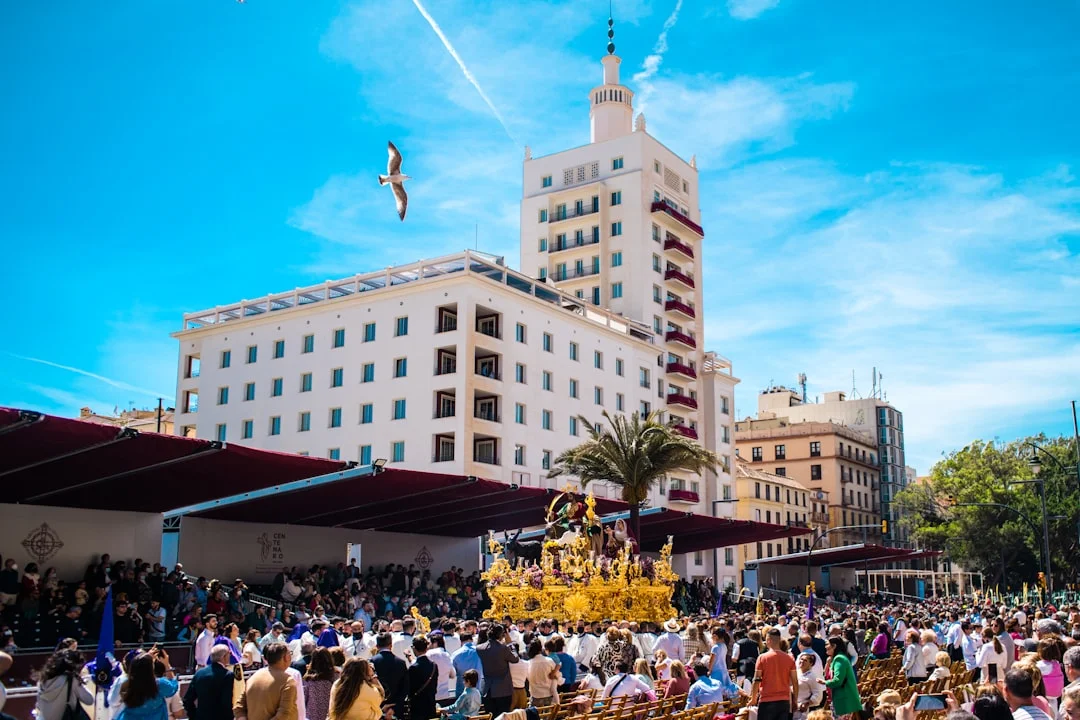
    Semana Santa in Málaga is an experience like no other. The scent of frankincense hangs heavy in the spring air, the haunting sound of brass bands echoes down narrow alleys, and the sheer scale of the intricately carved tronos (thrones) is enough to leave anyone speechless. But let’s be honest: if you are an expat, a newcomer, or trying to navigate the city center with young children, it can also be incredibly overwhelming. Fortunately, surviving the long hours of processions just got a bit easier now that police have relaxed the rules on bringing portable chairs.

    With hundreds of thousands of people packing into the historic center, getting from point A to point B suddenly requires military-level strategy. Here is a practical, no-nonsense guide to surviving the crowds and keeping your family’s sanity intact during Málaga’s most intense week of the year.

    The Grandeur of Domingo de Ramos

    The week officially kicked off this past Sunday, March 29, 2026, with Domingo de Ramos (Palm Sunday). It is traditionally a day of joy and light, drawing massive crowds eager to see the first processions of the season.

    One of the absolute highlights of the 2026 Palm Sunday lineup was the ‘Humildad’ procession. As beautifully detailed by La Opinión de Málaga, the sculptural group brought a striking sense of harmony and consonance to the streets, setting a majestic tone for the rest of Holy Week.

    But while the art and devotion are spectacular, the sheer volume of people gathered to witness these moments can be daunting. For children, the sudden shift in routine, booming drums, and wall-to-wall crowds can quickly lead to sensory overload.

    Psychological Strategies for Families

    When children are pushed out of their routines and placed in highly stimulating environments, meltdowns are almost inevitable. Experts strongly advise parents to take a proactive approach rather than just hoping for the best.

    According to family psychology resources highlighted by Ser Padres, there are specific psychological techniques you can employ to manage overstimulation and irritability during Semana Santa:

    1. Manage Your Expectations

    You cannot see everything. Accept this early. Instead of trying to catch five different processions in one evening, pick one or two that are family-friendly and easily accessible. The goal is a positive experience, not an endurance marathon.

    2. Create Sensory Escape Routes

    The noise of the bandas de cornetas y tambores (bugle and drum bands) can be deafening up close.
    * Pack ear protection: Noise-canceling headphones for toddlers are a lifesaver.
    * Identify quiet zones: Know where the nearest quiet plaza or open park is. If your child starts showing signs of distress, step away from the main route immediately.

    3. Anchor Their Routines

    Semana Santa processions run late into the night, often not finishing until 2:00 or 3:00 AM. While older kids might enjoy the late bedtime, younger ones will struggle. Try to maintain regular meal times, even if you are eating on the go. If you plan to stay out late, enforce a solid afternoon nap or “quiet time” at home before heading into the center.

    Practical Crowd Navigation in Málaga

    Beyond psychology, you need a physical game plan for moving through the city.

    • Avoid the Alameda Principal at Peak Times: The Alameda and Calle Larios form the Recorrido Oficial (Official Route). They are entirely fenced off and packed with ticketed seating. Trying to cross these streets during a procession is impossible.
    • Use the Designated Crossing Points: There are specific pasos de peatones (pedestrian crossings) managed by local police and volunteers along the official route. Be prepared to wait, as they only open when there is a gap between brotherhoods.
    • Download the App: The official Agrupación de Cofradías usually releases a live-tracking app. Use it to see exactly where a procession is so you can either intercept it or actively avoid it.
    • Watch from the Periphery: The best place to watch a procession with kids is rarely in the dense historic center. Catching the tronos as they exit their neighborhood parish or as they return late at night (if your kids are older) offers a much more breathable, intimate experience.

    At the end of the day, Semana Santa is a deeply emotional and historically rich tradition that defines Málaga’s cultural heartbeat. While the crowds might feel endless and the disrupted bedtimes can certainly test your patience, seeing the city come alive in such a profound way is a privilege. Take a deep breath, grab a slice of traditional torrija, and remember that these chaotic, incense-filled nights will soon become some of your family’s most cherished memories.

  • Luxury in the Port: €200M Investment Announced for New Marina Hotel

    Luxury in the Port: €200M Investment Announced for New Marina Hotel

    The sun-drenched coastline of the Costa del Sol has long been a beacon for travelers, but the city of Malaga is no longer just a gateway—it is the ultimate destination. As we move deeper into 2026, the city’s transformation into a premier luxury enclave continues to accelerate. The latest jewel in this crown is a monumental announcement: a massive €200 million investment destined to reshape the waterfront with a new luxury hotel in the Port of Malaga.

    This ambitious project signals profound economic confidence and introduces a sophisticated new silhouette to the city’s evolving skyline, promising to significantly impact the local tourism footprint.

    A Landmark Partnership: The Hesperia Hotel Malaga Investment

    The driving forces behind this transformative project are the Spanish hotel group Hesperia and the Qatari investment fund Al Alfia. Together, they have committed an impressive €200 million to bring this vision to life. This partnership underscores a growing international consensus: Malaga is a tier-one market for high-end hospitality and long-term investment.

    According to ongoing coverage of the region’s financial landscape by Economía Digital, such high-caliber capital injections are pivotal. They not only elevate the immediate infrastructure but also act as a magnet for further premium developments. The Hesperia hotel Malaga investment is not merely about adding rooms; it is about curating an unparalleled Mediterranean experience that caters to a discerning global clientele.

    Elevating the Marina: The New Hotel Port of Malaga

    Imagine waking up to the gentle clinking of yacht masts and the endless expanse of the azure Alboran Sea. The planned new hotel port of Malaga is designed to offer exactly this. Situated in one of the city’s most coveted maritime enclaves, the property aims to blend seamlessly with the vibrant energy of Muelle Uno and the historic charm of the nearby city center.

    The introduction of a five-star-plus establishment right on the water will redefine the marina. It is expected to feature world-class amenities, including panoramic rooftop terraces, exclusive wellness centers, and haute cuisine dining options that will attract both international guests and local epicureans. This development elevates the port from a bustling cruise terminal and shopping promenade to a legitimate luxury lifestyle hub.

    Contextualizing the Malaga Port Development 2026

    This hotel project is a cornerstone of the broader Malaga port development 2026 strategy. For years, city planners and local authorities have worked meticulously to integrate the port with the historic heart of Malaga. The goal has always been to create a fluid, walkable, and aesthetically pleasing transition from the sea to the streets of the Alcazaba.

    As mass tourism gradually gives way to a demand for quality, sustainable, and culturally rich travel experiences, the city’s infrastructure is adapting. The €200 million hotel project aligns perfectly with this ethos. It promises to bring high-yield, low-impact tourism to the city, fostering economic growth without overwhelming the local charm that makes Malaga so irresistible.

    A Ripple Effect on the Local Economy

    Beyond the gleaming glass and luxurious suites, the implications for the local economy are profound. An investment of this magnitude translates directly into job creation—both during the intensive construction phase and upon the hotel’s eventual grand opening. From specialized hospitality roles to partnerships with local artisans, food purveyors, and tour operators, the economic ripple effect will be felt throughout the province.

    Furthermore, positioning a high-end property in the port encourages luxury retail and premium service providers to set up shop nearby, creating a comprehensive ecosystem of luxury that benefits the broader community.

    Embracing the Future While Honoring the Past

    Watching our beloved city evolve at such a breathtaking pace is both thrilling and deeply moving. As massive investments like this new marina hotel take root, they bring undeniable prosperity and global recognition to our shores. Yet, amidst the rising silhouettes of modern luxury, the true heartbeat of Malaga remains its people, its history, and its warm, welcoming spirit. One can only hope that as we welcome the world’s elite to our newly polished port, we continue to cherish and preserve the authentic Andalusian soul that made them want to visit us in the first place.

  • Family Weekend Guide: Children’s Theater and Plans to Escape the Routine

    Family Weekend Guide: Children’s Theater and Plans to Escape the Routine

    When Friday afternoon rolls around, the familiar question echoes through many expat households in Málaga: “What are we doing this weekend?” While we are incredibly lucky to have miles of coastline and fantastic outdoor parks, sometimes you just need to escape the routine, avoid the midday sun, and try something a little different, whether that means exploring alternative local events like anime conventions or experiencing authentic flamenco.

    This weekend in Málaga offers a surprisingly strong lineup of children’s theater, musicals, and interactive workshops. If you are looking for fresh family plans to keep the little ones entertained, here is your weekend survival guide.

    The Magic of Children’s Theater in Málaga

    Málaga’s cultural scene isn’t just for adults. The city has a dedicated circuit for family entertainment that often flies under the radar for international residents. Taking the kids to a local play or musical is not only a great way to spend a few hours, but it also provides excellent language immersion for children learning Spanish.

    Don’t worry if your family is still mastering the language. Many children’s productions rely heavily on physical comedy, magic, puppetry, and music, making them highly accessible for non-Spanish speaking kids.

    Where to Find the Best Shows

    When planning your weekend, there are a few key venues that consistently offer high-quality children’s programming:

    • Teatro Cánovas: Located in the El Ejido neighborhood, this theater is famous for its family-focused agenda. They regularly host puppet shows, visual theater, and interactive storytelling specifically designed for toddlers and young children.
    • Teatro Echegaray: Right in the historic center, this venue frequently schedules Sunday morning matinees featuring everything from classic fairy tale adaptations to modern musical theater.
    • La Cochera Cabaret: If you are looking for something a bit more alternative or comedy-focused, this space in the west of the city often programs magic shows and family-friendly circus acts.

    To see exactly what is playing this specific weekend, local platforms are your best friend. A quick check of the Diario Sur plans section will give you a comprehensive list of showtimes and ticket availability across the city’s main stages.

    Interactive Workshops and Creative Plans

    If sitting still in a theater isn’t quite right for your energetic crew, Málaga has plenty of hands-on alternatives.

    Museum Family Mornings

    Several of Málaga’s top museums transform into creative playgrounds on weekend mornings.
    * MIMMA (Interactive Music Museum): This is a guaranteed hit. Unlike traditional museums, the MIMMA encourages kids to touch and play various instruments. They frequently host weekend musical workshops in their “Please Play” rooms.
    * Centre Pompidou Málaga: The colorful cube at Muelle Uno isn’t just for looking at modern art. They host an ongoing interactive space for families, which is regularly updated with new tactile and visual exhibits designed to engage young minds.

    Navigating the Weekend Schedule

    Keeping track of pop-up events, neighborhood festivals, and last-minute workshop openings can be tricky. For real-time updates on what is happening around town, the Hoy Málaga app is an excellent resource to keep on your phone. It aggregates local events, making it much easier to piece together a spontaneous Saturday afternoon plan.

    Tips for Expat Families

    • Book in Advance: Children’s theater tickets in Málaga are surprisingly affordable (often ranging between €5 and €10), which means popular weekend morning shows sell out quickly.
    • Check the Age Recommendations: Most venues are very strict about the recommended age for their shows. A play marked for “5+ years” might not admit a toddler, even if they are a younger sibling.
    • Combine and Conquer: Pair a morning theater show in the center with a relaxed lunch at a nearby pedestrian square, allowing the kids to run around safely while you enjoy a well-deserved coffee or tapas.

    Finding new ways to entertain the kids week after week can sometimes feel like a full-time job in itself. But watching their faces light up at a magic trick, or seeing them completely absorbed in a colorful stage play, makes the effort entirely worth it. Here is to a weekend filled with a little less routine, a lot more creativity, and some wonderful family memories in our beautiful city.

  • Off-Season Boom: International Visitors Drive 22% Growth in February

    Off-Season Boom: International Visitors Drive 22% Growth in February

    Málaga has long been celebrated as a premier summer destination, but a strategic shift to attract year-round visitors is yielding remarkable results. If you have been wondering, “is Málaga busy in February?”, the latest figures provide a resounding yes. Driven largely by an influx of international travelers, the city is experiencing an unprecedented off-season boom that is reshaping its economic landscape.

    Breaking Down the February 2026 Statistics

    The traditionally quieter winter months are no longer a period of hibernation for the Costa del Sol’s capital. According to recent data published by La Opinión de Málaga, Málaga surpassed 129,000 hotel travelers and recorded more than 250,000 overnight stays in February 2026 alone.

    The most striking data point from the Málaga tourism statistics 2026 is the surge in foreign interest. The international market grew by a staggering 22.3% in the number of travelers compared to previous periods. Furthermore, international hotel nights saw a robust increase of 17.5%. This data highlights a clear trend: Málaga’s global appeal is no longer tied strictly to its beaches and summer festivals.

    What is Driving the Winter Influx?

    Several factors contribute to this impressive off-season growth:

    • Mild Winter Climate: While much of Europe faces freezing temperatures, Málaga offers over 300 days of sunshine a year, making it an ideal winter escape.
    • Cultural Expansion: The city has positioned itself as a cultural heavyweight, boasting world-class museums, historic sites, and a vibrant culinary scene that operates at full capacity year-round.
    • The Rise of Remote Work: The steady influx of digital nomads and remote workers means visitors are staying longer. February is a prime time for these professionals to relocate temporarily, avoiding the intense summer heat while enjoying the city’s infrastructure.

    Economic Impact and the Expat Community

    This shift towards a 12-month tourism cycle has profound implications for Málaga economy growth. For local businesses—ranging from specialty coffee shops in Soho to traditional tapas bars in the historic center—the steady stream of winter visitors provides vital financial stability. It allows businesses to maintain staff year-round rather than relying on seasonal contracts.

    For the growing community of expats in Málaga, these statistics are a key indicator of the city’s trajectory. The consistent demand impacts the local housing market, driving property values and rental rates even during traditionally slower months. While this economic vitality brings better amenities, expanded international flight routes, and more networking opportunities, it also underscores the importance of sustainable urban planning to balance growth with the quality of life for long-term residents.

    A Forward-Looking Perspective

    The February 2026 figures confirm that Málaga’s evolution into a cosmopolitan, year-round hub is complete. The city has successfully decoupled its economic engine from the summer months, creating a more resilient and dynamic local economy. As international visitors continue to discover the charm of an Andalusian winter, the city is well-positioned to set new benchmarks in the coming years.

    Watching Málaga grow and adapt to its newfound global status is truly remarkable. There is a palpable energy in the streets, a blend of deep-rooted local traditions and fresh international perspectives. As the city continues to welcome the world during all four seasons, one can only hope that it retains the warm, authentic soul that made it so deeply attractive in the first place.