Tag: lang:en

  • Málaga TechPark Bridges the Gap to Japan: The Kyoto Alliance and Local Startup Surge

    Málaga TechPark Bridges the Gap to Japan: The Kyoto Alliance and Local Startup Surge

    The narrative surrounding Málaga as a technological hub often fluctuates between optimistic marketing and tangible reality. However, recent developments at the Málaga TechPark (PTA) suggest a significant shift from potential to maturity. The park is no longer just attracting remote workers; it is exporting innovation and forging institutional bridges with global powerhouses, specifically Japan.

    The Kyoto Connection: A Strategic Bridge to Asia

    In a move that underscores the international ambitions of the Andalusian technology sector, Málaga TechPark has formalized a collaboration agreement with the Kyoto Research Park (KRP). This is not merely a ceremonial handshake; it is a structured Memorandum of Understanding (MoU) designed to create a direct corridor between Southern Europe and Japan.

    According to reports from Málaga Hoy, the agreement focuses on facilitating the “soft landing” of companies in both territories. For Málaga-based firms, this lowers the barriers to entry into the complex Asian market, providing local support and infrastructure within the KRP. Conversely, Japanese companies looking to expand into the European market now have a designated partner in Málaga.

    This alliance is particularly strategic given Kyoto’s reputation as a hub for advanced manufacturing, biotechnology, and deep tech—sectors that align closely with Málaga’s current trajectory. The collaboration aims to foster joint research and development projects, moving beyond simple commercial exchanges to genuine technological transfer.

    Validation of Local Talent: Three Startups in Spain’s Top 100

    While international alliances provide the framework for growth, the health of an ecosystem is measured by the quality of its startups. In this regard, the data is encouraging. The Association of Science and Technology Parks of Spain (APTE) recently released its list of the 100 best startups of 2024, and Málaga TechPark has secured three spots on this prestigious roster.

    As detailed by El Debate, the selected companies are:

    • OWO: Known for its haptic technology that allows users to feel physical sensations in the metaverse and gaming environments.
    • Agrow Analytics: A focused agritech company optimizing water use in agriculture through precision data, addressing a critical need in Southern Spain.
    • mIDentity: Specialized in digital identity and cybersecurity solutions.

    The inclusion of these companies in the national Top 100 serves as a quality seal for the park’s incubation capabilities. It demonstrates that Málaga is producing scalable, high-value technology capable of competing at a national level, rather than just serving as a landing pad for foreign multinationals.

    Unifying the Ecosystem: The Málaga Startup Network

    One of the historical challenges for Málaga has been the fragmentation of its innovation initiatives. To address this, the park has launched the ‘Málaga Startup Network’.

    According to the official announcement by the PTA, this initiative seeks to coordinate the various agents operating within the ecosystem—incubators, accelerators, and investment funds. The goal is to create a cohesive environment where information flows freely, preventing the duplication of efforts and ensuring that startups have clear pathways to funding and mentorship.

    Furthermore, the network aligns with the APTEnisa 2025 program, which is actively seeking sustainable and innovative projects to support. This indicates a clear pivot towards ‘clean tech’ and sustainable business models as pillars for future growth.

    Analysis: A Moment of Maturity

    The convergence of these three elements—international alliances with Japan, national recognition of local startups, and internal reorganization through the Startup Network—paints a picture of an ecosystem that is growing up. We are moving past the initial hype phase into a period of consolidation and strategic expansion.

    For investors and tech professionals, the message is clear: Málaga is building the infrastructure required for long-term relevance in the global tech landscape.

    As we look at these developments, it is inspiring to see a city work so diligently to reinvent itself. While technology drives the economy, it is the human spirit of collaboration—spanning from the Mediterranean coast to the temples of Kyoto—that truly builds the future. We hope these bridges lead not just to business success, but to a deeper cultural and intellectual exchange that benefits us all.

  • Defining the Future: The 3rd Congress on Mobility and Sustainable Tourism in Málaga

    Defining the Future: The 3rd Congress on Mobility and Sustainable Tourism in Málaga

    Málaga is currently living through a golden age of visibility. We appear in top rankings for quality of life, we are a magnet for digital nomads, and our airport numbers shatter records month after month. However, anyone who has tried to drive through the center on a Friday afternoon or find a seat on a rush-hour bus knows that this success comes with a distinct set of challenges.

    The conversation in the city has shifted. It is no longer just about attracting visitors; it is about managing the flow. How do we ensure that Málaga remains a livable home for its residents while continuing to welcome the world? This is the central question driving the upcoming III Congress of Mobility and Sustainable Tourism, set to take place on September 13 at the Museo Automovilístico y de la Moda.

    The Intersection of Tech and Travel

    The venue itself is symbolic. Surrounded by classic cars that represent the history of transport, experts will gather to define its future. Organized with the support of the City Council and the Junta de Andalucía, this congress is not merely a trade show; it is a think tank for the city’s infrastructure.

    According to industry reports from Hosteltur, this year’s edition focuses heavily on digitalization and Artificial Intelligence (AI). The premise is that “Smart Mobility” is the key to unlocking a sustainable future. But what does that actually mean for the average Malagueño or visitor?

    What is “Smart Mobility”?

    In the context of this congress, smart mobility moves beyond simply adding more electric scooters. It involves:

    • Predictive Analysis: Using AI to predict crowd surges and traffic jams before they happen, allowing for real-time adjustments in public transport frequency.
    • Integrated Platforms: creating seamless connections between buses, metros, trains, and last-mile solutions (like bikes) so that renting a car becomes a choice rather than a necessity.
    • Safe Mobility: Utilizing data to identify accident hotspots and redesign urban flows to protect pedestrians and cyclists.

    A Necessary Debate

    This event arrives at a critical juncture. The social debate regarding the effects of mass tourism is louder than ever. Recent opinion pieces, such as those analyzed in Diario Sur, highlight the growing friction between the economic benefits of tourism and the strain it places on local infrastructure and housing.

    The congress aims to bridge this gap. By treating mobility as a science rather than an afterthought, city planners hope to reduce the “friction” of tourism. If visitors can move efficiently—dispersing from the congested historic center to other neighborhoods or provinces—the pressure on the city’s heart is alleviated.

    The Road to 2030

    The discussions held this September will likely shape the policies of the next decade. As we look toward 2030, the vision is a Málaga where technology runs silently in the background, making the city feel smaller and more accessible, despite its growing population.

    It is easy to get lost in the statistics and the technology, but ultimately, this is about people. It is about the resident who needs to get to work on time and the traveler who wants to explore our culture without feeling like an intruder. We remain hopeful that by bringing the brightest minds in the sector to the table, Málaga can continue to be a pioneer—not just in welcoming tourists, but in taking care of its own.

  • Spain Premiere: Mona Kuhn Chooses MUPAM for Her First Monograph

    Spain Premiere: Mona Kuhn Chooses MUPAM for Her First Monograph

    When we talk about art in Málaga, the conversation almost automatically drifts toward the giants: the Picasso Museum, the Centre Pompidou, or the Carmen Thyssen. It is easy to overlook the quieter guardians of the city’s culture. However, this season, the Museo del Patrimonio Municipal (MUPAM) is stepping out of the shadows to claim its spot on the international stage.

    In a major cultural coup for the city, renowned Brazilian-American artist Mona Kuhn has selected MUPAM for her very first monographic exhibition in Spain. This is not just another gallery rotation; it is a statement that Málaga’s municipal museums are ready to host world-class contemporary art.

    A Global Artist in a Local Setting

    Mona Kuhn is celebrated worldwide for her unique approach to photography, often focused on the human form, intimacy, and abstraction. Her work has been exhibited in the Louvre, the Royal Academy of Arts in London, and the J. Paul Getty Museum in Los Angeles.

    Bringing an artist of this caliber to the MUPAM—a museum traditionally dedicated to the history and heritage of the local municipality—marks a fascinating shift. It bridges the gap between Málaga’s local history and the global contemporary art scene.

    For art lovers, this is a rare opportunity to see Kuhn’s work up close without traveling to New York or Paris. The exhibition offers a deep dive into her ethereal style, characterized by a dreamlike quality that challenges traditional portraiture.

    Why MUPAM?

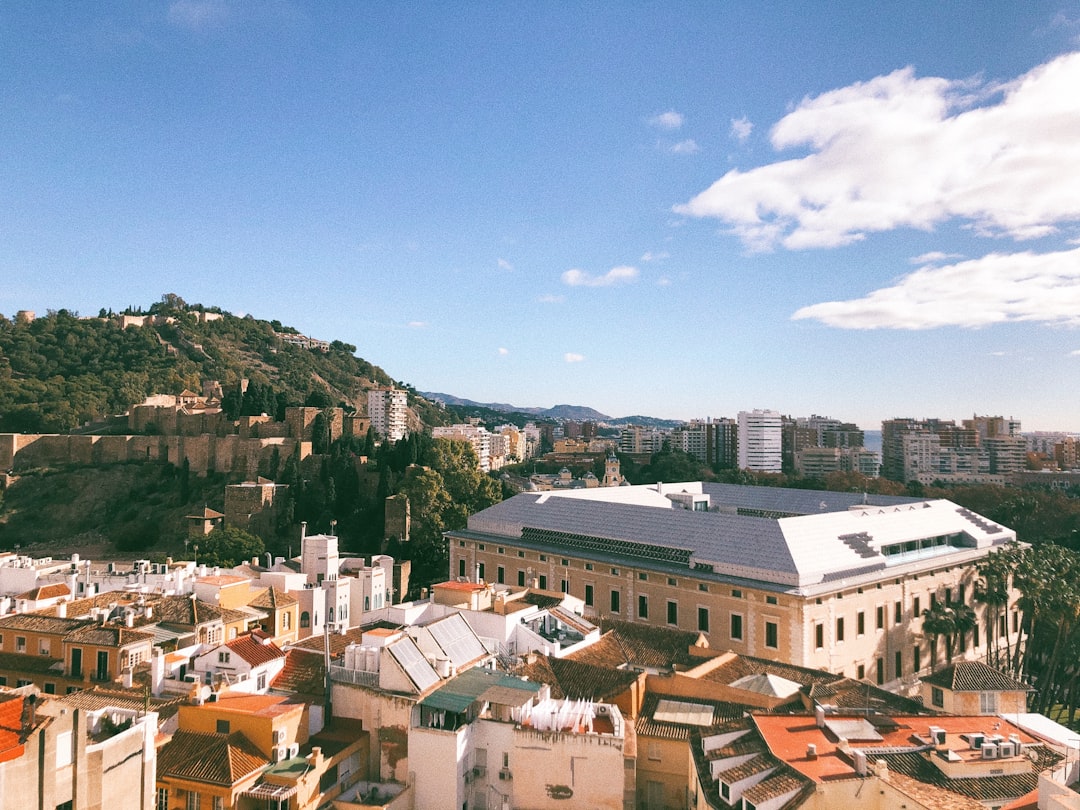
    Located just at the end of the Paseo del Parque, near the tunnel to La Coracha and beneath the Alcazaba, MUPAM is often walked past by tourists heading to the beach.

    This exhibition serves as a perfect excuse to rediscover the venue. While the big franchises draw the crowds, MUPAM offers a more contemplative space. By hosting Kuhn, the museum is effectively “vindicating” itself—proving that municipal spaces can be dynamic, relevant, and internationally connected.

    Practical Information

    If you are planning your cultural agenda for the coming months, prioritize this visit. It is a fleeting opportunity to witness a Spanish premiere.

    • Location: MUPAM (Museo del Patrimonio Municipal), Paseo de Reding, 1.
    • Dates: The exhibition is open now and runs until November 2nd.
    • What to expect: A serene, thought-provoking collection perfect for a quiet afternoon.

    According to the cultural agenda at Málaga de Cultura, this exhibition stands out as a key event for 2025, adding a layer of sophistication to the city’s already bustling art scene.

    A Note on Visiting

    Málaga is moving fast, and it is wonderful to see our local institutions keeping pace. Whether you are a photography aficionado or just someone looking for a quiet escape from the heat and the crowds, this exhibition is a worthy stop. It is a reminder that sometimes the most exciting art is found not in the franchise museums, but in the municipal halls that belong to the city itself.

    We hope you enjoy this unique glimpse into Mona Kuhn’s world right here in our neighborhood.

  • Málaga 2030: The Rise of a Circular Economy Hub

    Málaga 2030: The Rise of a Circular Economy Hub

    For decades, Málaga’s economic narrative has been dominated by one sector: tourism. While the visitor economy remains a pillar of the Costa del Sol, a structural shift is underway. The city is actively attempting to diversify its GDP by positioning itself as a testing ground for Green Tech and the Circular Economy.

    This is not merely a branding exercise. Driven by European Union directives and the urgent reality of climate change in Southern Spain (particularly regarding water scarcity), Málaga is laying the groundwork for a new industrial model. For entrepreneurs and investors, this transition opens specific, high-value niches that go beyond the typical software SaaS startups usually associated with the region.

    The 2030 Strategy: Policy as a Driver

    The roadmap for this transformation is the Circular Economy Strategy 2030. This framework aims to decouple economic growth from resource consumption—a critical move for a city with a rapidly growing population and finite local resources.

    According to AZ Costa del Sol, the city’s strategy focuses on optimizing resource cycles across key sectors. The objective is to move away from the linear “take-make-dispose” model toward one where waste becomes a raw material.

    For the private sector, this strategy signals where public tenders and grants will flow. The plan prioritizes:

    • Water Management: Technologies that close the water cycle (reuse and purification).
    • Urban Mobility: Low-emission logistics and electric infrastructure.
    • Sustainable Construction: Retrofitting the aging building stock.

    The Talent Gap: Málaga TechPark’s New Academy

    One of the biggest hurdles in the green transition is the lack of specialized talent. Companies are under increasing pressure to comply with ESG (Environmental, Social, and Governance) criteria, yet few professionals understand the intricacies of circular supply chains or lifecycle assessment.

    To address this, Málaga TechPark (PTA) has launched a specialized academy dedicated to the circular economy. As reported by Residuos Profesional, this initiative is designed to train the workforce required to implement these sustainable models.

    The academy serves two functions:
    1. Upskilling: Training current employees in the park’s 600+ companies to handle new regulatory requirements.
    2. Incubation: Creating a knowledge base that fosters startups focused specifically on industrial symbiosis (where one company’s waste becomes another’s fuel).

    Where are the Business Opportunities?

    If the city provides the regulation and the TechPark provides the talent, where should entrepreneurs look for market gaps? Here are three high-potential verticals emerging in Málaga:

    1. Water Tech (Agri & Urban)

    Andalusia is on the front lines of desertification. Startups that offer precision irrigation, greywater recycling systems for hotels, or desalination efficiency are no longer “nice to have”—they are essential. The tourism sector is actively looking for ways to reduce its water footprint to avoid regulatory caps during drought seasons.

    2. Waste-to-Value in Hospitality

    The concentration of hotels and restaurants generates massive organic and plastic waste. Logistics platforms that optimize reverse logistics (collecting waste for recycling) or biotech firms that convert organic waste into biogas or compost have a massive, dense addressable market on the Costa del Sol.

    3. Digital Passports and Traceability

    With new EU regulations requiring “Digital Product Passports,” local manufacturers and agricultural exporters need software solutions to track their supply chains. Málaga’s strong IT sector is perfectly positioned to build the SaaS tools that traditional industries need to prove their sustainability claims.

    The “Green” Competitive Advantage

    Málaga is betting that by 2030, a city’s competitiveness will be measured by its resilience. The companies establishing themselves here now—whether they are developing AI for energy grids or new materials for construction—are entering an ecosystem that is actively incentivizing their growth.

    The convergence of the 2030 Strategy and the TechPark’s educational initiatives suggests that the administration is looking for private sector partners to solve public problems. For the agile entrepreneur, this is the most lucrative position to be in.

    We often look at dates like “2030” as distant milestones, but in the context of urban planning and business development, the deadline is already here. Transforming a city’s economic engine is a monumental task that requires more than just policy; it requires human ingenuity and persistence. While the challenges of water scarcity and sustainable growth are daunting, seeing Málaga take concrete, structural steps towards a circular future gives us a genuine reason to be hopeful.

  • Beyond the Capital: An ‘Off-Radar’ Cultural Agenda for the Province

    Beyond the Capital: An ‘Off-Radar’ Cultural Agenda for the Province

    We all know the drill in Málaga city: the Picasso Museum, the Pompidou, the bustling streets of Calle Larios. They are world-class, undeniably. But sometimes, especially for those of us living here, the city center can feel a bit too polished, a bit too crowded. We crave something a little more hands-on, a little more intimate, and perhaps a little further afield.

    This is where the provincial cultural agenda comes in. Often overlooked by the mainstream tourist guides, the Diputación de Málaga orchestrates a surprising amount of activity outside the capital’s ring road. It is a decentralized effort to bring high-quality culture—from experimental theater to artisan workshops—to the towns and villages that make up the real fabric of the Costa del Sol and the interior.

    The Decentralized Agenda

    If you are looking for a plan that involves more than just looking at paintings on a wall, this week’s lineup is worth checking out. According to AZ Costa del Sol, the provincial body has activated a robust schedule designed to keep the cultural pulse beating across the region.

    The programming is diverse, but it generally falls into three appealing buckets for a weekend escape:

    1. Creative Workshops (Talleres)

    One of the strongest suits of the provincial agenda is the focus on participation. Through initiatives often linked to cultural hubs like La Térmica, you can find workshops popping up in towns like Rincón de la Victoria, Coín, or Alhaurín.

    These aren’t just for children. We are talking about genuine creative sessions covering:
    * Traditional crafts: Ceramics and textile printing.
    * Modern skills: Photography and creative writing.
    * Performance: Theater initiation and dance.

    It is a fantastic excuse to drive to a town you haven’t visited in a while, learn a new skill for two hours, and then enjoy a local lunch.

    2. Performing Arts in Intimate Venues

    Theater and music take on a different flavor when viewed in a municipal auditorium in a small town or a cultural center in the Axarquía. The connection with the artist is closer, and the atmosphere is often more communal than commercial.

    The current agenda includes a mix of concerts and theatrical performances touring the province. It is a chance to see local companies and visiting artists without the hassle of city parking or sold-out venues.

    3. Itinerant Exhibitions

    Visual arts also hit the road. The Diputación organizes traveling exhibitions that bring historical archives, photography, and contemporary art to municipal halls across the province. These are often smaller, bite-sized exhibitions that pair perfectly with a morning coffee and a walk through a village center.

    Why Head ‘Off-Radar’?

    The appeal of these events isn’t just the content; it’s the context. Attending a workshop in a white village or a coastal town offers a break from the frantic pace of Málaga city. It connects you with the local residents of those towns and supports the idea that culture belongs everywhere, not just in the provincial capital.

    Whether you are a long-time resident or a digital nomad settling in, keeping an eye on the Diputación’s agenda is a smart move. It transforms a standard weekend into a mini-road trip with a purpose.

    We hope this encourages you to look beyond the usual suspects this weekend. There is something special about driving up a winding road to a small town, not just for the view, but to create something with your hands or watch a play among locals. It reminds us that the soul of Málaga extends far beyond the port.

  • Málaga: The New Global Laboratory for Sustainable Tourism

    Málaga: The New Global Laboratory for Sustainable Tourism

    It is easy to look at Málaga and see only the sparkling Mediterranean, the historic Alcazaba, and the bustling terraces of Calle Larios. For decades, this city has been the poster child for a successful holiday destination. However, a significant shift is occurring beneath the surface. Málaga is no longer just a place people come to visit; it is becoming the place where the very future of travel is decided.

    In a move that cements its status as a strategic leader, Málaga has entered the global elite of tourism management. The city is positioning itself as a “global laboratory,” testing and implementing the strategies that will define how the world travels in the coming decades.

    Joining the Elite: The UNWTO Network

    The most significant step in this transformation is Málaga’s recent acceptance into the International Network of Sustainable Tourism Observatories (INSTO) of the World Tourism Organization (UNWTO). This is not merely a badge of honor; it is a functional integration into a high-level monitoring system.

    As reported by Hosteltur, Málaga has become the fifth destination in Spain to join this prestigious network. What does this mean for the city? It transforms Málaga into a data-driven hub where the economic, environmental, and social impacts of tourism are measured with scientific precision. By joining this network, the city commits to continuous monitoring to ensure that tourism growth benefits the local population as much as the visitors.

    A Bridge Between Continents: The VI Ibero-American Forum

    Reinforcing this new status, Málaga is currently the host of the VI Ibero-American Forum on Sustainable Tourism. This event is not just another conference; it is a strategic meeting point connecting two continents.

    According to Entorno Turístico, the forum brings together over 30 international speakers from more than 15 countries. The goal is to create a dialogue between Europe and Latin America, using Málaga as the physical and intellectual bridge. The discussions focus on critical issues such as:

    • Climate Change Adaptation: How coastal cities can remain resilient.
    • Social Sustainability: Ensuring tourism supports local communities rather than displacing them.
    • Technology: Using big data to manage visitor flows.

    Decentralization and Quality Employment

    The conversation in Málaga is moving away from “how many tourists can we get?” to “how does tourism affect our life?” A key focus of this new strategic direction is decentralization. The aim is to spread the benefits (and the foot traffic) of tourism beyond the historic center and into the neighborhoods and surrounding province.

    Furthermore, there is a renewed emphasis on the quality of employment within the sector. It is no longer enough to create jobs; the industry is pushing for professionalization and better working conditions to ensure the sector is sustainable for workers, not just investors. As noted in an opinion piece by Diario Sur, the future of tourism in the Costa del Sol depends on this balance between economic engine and social wellbeing.

    A Laboratory for the Future

    Málaga’s transition into a “Global Hub” means the city is taking responsibility for its own success. It is actively designing a model that other cities around the world will likely copy in the future. By combining high-level institutional backing from the UNWTO with practical, cross-continental dialogue at the Ibero-American Forum, Málaga is proving it has the brains to match its beauty.

    For those of us who live here, this shift is hopeful. It suggests a future where the city doesn’t just survive the waves of visitors, but thrives because of them, maintaining its soul while welcoming the world. It is a delicate balance, but if any city has the energy to figure it out, it is certainly Málaga.

  • Beyond Software: IMEC and Málaga’s Pivot to Deep Tech

    Beyond Software: IMEC and Málaga’s Pivot to Deep Tech

    For the past decade, the narrative surrounding ‘Málaga Valley’ has been predominantly software-centric. The headlines have been dominated by the arrival of giants like Google, Vodafone, and Oracle, all focusing on cybersecurity, cloud computing, and digital services. While these developments have been crucial for the city’s economic revitalization, they represent only one layer of the technology stack.

    The recent confirmation that IMEC (Interuniversity Microelectronics Centre) will establish a chip innovation center in the Málaga TechPark (PTA) signals a fundamental shift. Málaga is moving from the application layer to the physical infrastructure of the digital age: deep hardware and nanoelectronics. This is not just another corporate opening; it is a strategic alignment with the European Union’s most critical industrial objectives.

    What is IMEC?

    To understand the magnitude of this announcement, one must understand the entity involved. Based in Leuven, Belgium, IMEC is not a standard commercial manufacturer. It is arguably the world’s leading independent research and development hub for nanoelectronics and digital technologies.

    IMEC acts as a bridge between academia and industry. They prototype the technology that will be in consumer devices five to ten years from now. Their partners include key industry players like ASML, TSMC, Intel, and Samsung. When IMEC chooses a location, they are not looking for cheap office space; they are looking for an ecosystem capable of supporting complex, capital-intensive scientific research.

    The Málaga Facility: A Strategic Node

    According to the City of Málaga, the new facility will be located within the Málaga TechPark. This center is expected to focus on the prototyping and innovation of advanced microchips, specifically targeting the gap between academic research and industrial manufacturing.

    The establishment of this center is closely tied to the PERTE Chip (Strategic Project for the Recovery and Economic Transformation of Microelectronics and Semiconductors), a massive investment vehicle driven by the Spanish government using Next Generation EU funds. The goal is clear: to reduce Europe’s dependency on Asian supply chains for semiconductors.

    By securing this facility, Málaga integrates itself into the European Chips Act strategy. The city is no longer just a place where code is written; it is now a node in the geopolitical map of semiconductor sovereignty.

    Shifting the Talent Demographic

    The arrival of IMEC alters the demand profile for talent in Andalusia. Until now, the region has aggressively courted “digital nomads” and full-stack developers. While valuable, these roles are often transient and location-agnostic.

    Semiconductor R&D requires a different caliber of professional:

    • Material Scientists and Physicists: Experts in the properties of silicon, gallium nitride, and photonics.
    • Process Engineers: Specialists capable of managing the atomic-level precision required for chip fabrication.
    • Hardware Architects: Engineers who design the physical layout of integrated circuits.

    This is “sticky” talent. These professionals require specific laboratories and clean rooms to work. They cannot work from a coffee shop in Bali. Consequently, the economic impact is deeper and more permanent. It necessitates closer collaboration with the University of Málaga (UMA) to align PhD programs and engineering curricula with the specific needs of the nanoelectronics industry.

    The Ecosystem Effect

    The semiconductor industry operates in clusters. The presence of a tier-one research institute like IMEC acts as a gravity well for other specialized companies. We can anticipate a secondary wave of arrivals, including:

    1. Equipment Suppliers: Companies that service the high-tech machinery required for R&D.
    2. Fabless Design Houses: Startups that design chips but outsource the manufacturing.
    3. Specialized Logistics: Firms capable of handling sensitive, high-value electronic components.

    This diversifies the local economy, providing a buffer against the volatility of the consumer software market.

    Conclusion

    The transition from “Silicon Valley of Europe” marketing slogans to actual silicon research is a difficult one, but Málaga seems to have crossed the threshold. The IMEC center represents a maturity in the technological ecosystem that goes beyond app development and remote work hubs.

    As we watch the infrastructure develop at the PTA, the hope is that this high-level engineering focus trickles down into local education and opportunities. It is about ensuring that the next generation of Malagueños can find world-class scientific careers without having to leave their home province. It is a long game, but the pieces are finally on the board.

  • Destino: Is the ‘Dinner Show’ the New Standard for Dining in Málaga?

    Destino: Is the ‘Dinner Show’ the New Standard for Dining in Málaga?

    Málaga is changing. If you have taken a walk through the city center or the expanding neighborhoods recently, you might have noticed that the traditional concept of “going out for dinner” is evolving. It is no longer just about the food on the plate; it is about the show surrounding it.

    The latest confirmation of this trend is the opening of Destino, a new venue that promises to be more than just a restaurant. It marks a significant consolidation of the “Dinner Show” format in a city that is rapidly internationalizing its hospitality standards.

    The New Heavyweight: Destino

    Located in a sprawling 500-square-meter space, Destino is not designed for a quick bite. With a capacity for 150 diners, it is a statement of intent. The project comes from the experienced minds behind Boca Llena and Siete Cabezas, hospitality groups that have already proven they understand what the local and visiting public wants.

    According to ABC Gurmé, this new opening is specifically designed to combine gastronomy with live entertainment. The idea is to keep the client in the seat for the entire evening—dinner, drinks, and a show, all under one roof.

    Why the Shift?

    For decades, Málaga’s dining scene was defined by the chiringuito and the tapas bar. These remain the soul of the city, but the influx of technology hubs, digital nomads, and luxury tourism has created a demand for the “Ibiza” or “Madrid” style of nightlife.

    Destino caters to a demographic that values:

    • Immersive Experiences: It is not just about eating; it is about being entertained.
    • Convenience: The “table-to-club” transition happens without changing venues.
    • Social Status: These venues are inherently designed to be photogenic and shareable.

    A Bubble or the New Standard?

    With the arrival of Destino, one has to wonder: is the dinner show market becoming saturated, or is this the new baseline for large-format hospitality in Málaga?

    Given the investment required for a 500m2 venue, the founders are betting heavily on the latter. The success of similar concepts suggests that the appetite for high-energy dining is growing. However, the challenge for Destino will be balancing the culinary offering with the spectacle. Too often, “dinner shows” sacrifice food quality for flashiness. Since the team behind it has a solid gastronomic track record with Boca Llena, hopes are high that the menu at Destino will stand on its own, regardless of the dancers or DJs.

    What to Expect

    If you are planning to visit, treat Destino as a full night out rather than a simple meal.

    • The Vibe: Expect high energy, music, and likely live performances that interact with the dining area.
    • The Crowd: A mix of locals looking for a special night out and the international crowd that now calls Málaga home.
    • Booking: For a venue of this size and hype, reservations will likely be essential, especially on weekends.

    We are watching the city transform before our eyes. While we will always love a quiet plate of espetos by the sea, it is exciting to see Málaga broaden its horizons with ambitious projects like this. Let’s hope the food is as memorable as the show promises to be.

  • Sanctuaries of Style: The Best Hotels in Málaga Today

    Sanctuaries of Style: The Best Hotels in Málaga Today

    For decades, Málaga was viewed merely as the gateway to the Costa del Sol—a transit point where travelers landed before rushing off to Marbella or Nerja. Those days are long gone. Today, the capital of the province has blossomed into a cultural and cosmopolitan powerhouse, and its hospitality sector has risen to meet the occasion.

    The hotel landscape in Málaga has undergone a renaissance. We are seeing a shift away from generic accommodation toward properties with deep character, historical significance, and uncompromising luxury. Whether you crave the sea breeze of La Malagueta or the ancient stones of the Jewish Quarter, the city now offers sanctuaries that are destinations in themselves.

    Here is a curated look at the finest hotels in Málaga today, where design, history, and service converge.

    The Grand Dame: Gran Hotel Miramar

    If there is one building that encapsulates the resurgence of luxury in Málaga, it is the Gran Hotel Miramar. Overlooking the Mediterranean, this architectural masterpiece was inaugurated by King Alfonso XIII in 1926. After serving various functions over the century—including a field hospital during the Civil War and a courthouse—it has returned to its original glory as a 5-star Grand Luxury hotel.

    The renovation is nothing short of breathtaking. The Moorish revival architecture pairs effortlessly with lush subtropical gardens and a pool that feels miles away from the city bustle. Inside, the rooms are classic and spacious, often featuring views of the bay.

    • Best for: Travelers seeking old-world glamour and beachfront access.
    • Highlight: A cocktail at the rooftop bar, enjoying a panoramic view of the coastline.

    History Revived: Palacio Solecio

    Nestled deep within the narrow, winding streets of the Old Town (near the Picasso Museum) lies Palacio Solecio. This 18th-century palace, once belonging to the genovese merchant Félix Solesio, has been meticulously restored to showcase the Andalusian spirit.

    The design is a triumph of preservation and modernization. The original stone staircase and the stunning central patio with its glass roof create an atmosphere of intimate exclusivity. The rooms blend warm woods with contemporary amenities, respecting the building’s heritage while ensuring absolute comfort. Furthermore, the hotel houses Balausta, a restaurant directed by Michelin-starred chef José Carlos García, offering a sophisticated twist on local flavors.

    • Best for: Lovers of history, architecture, and gastronomy.
    • Highlight: The central courtyard, a quiet haven of light and stone.

    The Urban Icon: Only YOU Hotel Málaga

    Dominating the entrance to Calle Larios, the Only YOU Hotel occupies the iconic “La Equitativa” building. This is the choice for the cosmopolitan traveler who wants to be in the absolute center of the action. The vibe here is decidedly more modern and energetic than its historic counterparts.

    The interior design leans into Art Deco influences with a fresh, Mediterranean palette. However, the real draw is the rooftop terrace. It offers perhaps the most spectacular view of the port and the cathedral available in the city. It is a vibrant social hub where locals and guests mingle over sunset drinks.

    • Best for: Trendsetters and those who want the city at their doorstep.
    • Highlight: The “Lola” restaurant on the rooftop, offering stunning vistas of the port.

    Roman Roots: Vincci Selección Posada del Patio

    Walking into the Vincci Selección Posada del Patio offers a surprise that few hotels in the world can match. During its construction, remnants of the city’s Roman and Arabic walls were discovered. Rather than burying them, the hotel preserved them beneath glass floors in the lobby and restaurant.

    Located near the river, just on the edge of the historic center, this 5-star property offers a slightly quieter environment while remaining within walking distance of all major sites. The rooftop plunge pool provides a refreshing escape during the warm Andalusian summers.

    • Best for: Archaeology enthusiasts and luxury seekers.
    • Highlight: Viewing the ancient city walls directly beneath your feet in the lobby.

    The Hilltop Fortress: Soho Boutique Castillo de Santa Catalina

    For those who prioritize privacy and panoramic views over immediate proximity to the center, the Castillo de Santa Catalina is unmatched. Located in the exclusive El Limonar district, this hotel is housed in a 1932 neo-Arab palace built on the site of a 17th-century fortress.

    Perched high atop a hill, it offers commanding views over the Bay of Málaga. The gardens are lush and tranquil, making it feel like a private estate rather than a hotel. It is an ideal retreat for a romantic getaway or for travelers who have visited Málaga before and wish to experience it from a serene distance.

    • Best for: Romance, exclusivity, and peace.
    • Highlight: Breakfast on the terrace overlooking the entire bay.

    Boutique Charm: Room Mate Valeria

    While not a 5-star property, Room Mate Valeria deserves mention for its impeccable location and vibrant design. Situated in the Soho district, facing the port and the Palmeral de las Sorpresas, its interior is inspired by the verdant colors of Málaga’s gardens.

    The terrace is a local favorite, offering a front-row seat to the port activity and the Ferris wheel. It captures the youthful, artistic energy of the Soho neighborhood perfectly.

    • Best for: Design lovers and younger travelers.
    • Highlight: The distinct emerald-green and navy-blue design aesthetic.

    A Note on Booking

    Málaga is no longer a seasonal destination; it is a year-round city. According to Visit Costa del Sol, occupancy rates remain robust throughout the year, especially during cultural peaks like Easter (Semana Santa) and the Film Festival. We highly recommend securing your reservation well in advance, particularly if you have your heart set on a room with a view.

    We hope this guide helps you find the perfect home away from home in our beautiful city. There is a special kind of magic in waking up to the sound of the Mediterranean or the bells of the Cathedral, knowing a day of sunshine and culture awaits you.

  • Putting the Brakes on Chaos: Andalusia’s New Regenerative Tourism Model

    Putting the Brakes on Chaos: Andalusia’s New Regenerative Tourism Model

    For years, the narrative surrounding tourism in Málaga and the wider Andalusia region has been one of exponential growth. The proliferation of vacation rentals (Viviendas de Uso Turístico or VUTs) transformed neighborhoods, revitalized economies, and, inevitably, sparked friction regarding gentrification and housing access. However, 2025 marks a turning point. The era of unchecked expansion is giving way to a more calculated, strategic approach known as “regenerative tourism.”

    The End of the “Wild West”

    The “party” of unregulated tourist apartments is facing strict new house rules. The administration has recognized that while tourism is the engine of the economy, it cannot be allowed to consume the machinery—the cities and towns themselves.

    To address this, the Junta de Andalucía has formalized a new wave of cooperation with local municipalities. As reported by Granada Hoy, the regional government has signed six new collaboration agreements in 2025 specifically designed to control vacation rentals. This isn’t just bureaucratic shuffling; it represents a transfer of enforcement power and data sharing that was previously lacking.

    Empowering Local Councils

    The core of this new strategy is the empowerment of city councils (Ayuntamientos). Previously, the centralization of license approvals often left local mayors with little room to maneuver against the saturation of specific districts. Under the new framework, the role of the town halls is significantly reinforced.

    These agreements facilitate the exchange of technical information and streamline the inspection process. If a property does not meet municipal zoning requirements or if a building’s statutes prohibit commercial activity, the Junta now has a faster mechanism to revoke the tourism license.

    According to Córdoba BN, the objective is clear: to foster a tourism model that is sustainable, high-quality, and respectful of the local population. This collaboration allows inspectors to act more effectively against clandestine listings that evade taxes and safety regulations.

    What is “Regenerative Tourism”?

    The buzzword for this legislative shift is “regenerative.” But what does that actually mean for a property owner in Málaga or a traveler looking for an Airbnb?

    Unlike simple sustainability, which aims to do no harm, regenerative tourism seeks to leave a place better than it was found. In the context of these regulations, it implies:

    • De-saturation: Limiting licenses in areas deemed “stressed” to allow residential life to recover.
    • Quality over Quantity: Moving away from the volume-based model to one that values higher spending and lower social impact.
    • Neighborhood Harmony: Ensuring that the economic benefits of tourism do not come at the cost of the social fabric that makes the destination attractive in the first place.

    The Impact on the Market

    For investors, the message is one of caution and professionalization. The days of buying any flat and flipping it onto a booking platform are fading. The market is moving towards professional operators who can guarantee compliance with strict quality and coexistence standards.

    For residents, these measures offer a glimmer of hope for a more balanced coexistence. The goal is not to kill the “golden goose” of tourism, but to stop it from suffocating the farm. By tightening controls, the administration hopes to alleviate the pressure on long-term rental prices, although the real-world impact of these specific measures on the housing market remains to be seen.

    As we look toward the future of our city, it is not about closing the doors to visitors, but about ensuring that the house remains a home for those who live here. Change is rarely comfortable, but finding a balance where local culture thrives alongside tourism is the only way to keep the true spirit of Málaga alive.