Category: Events

  • Concha Badía Fraga über die Überwindung der Angst vor Poesie

    Concha Badía Fraga über die Überwindung der Angst vor Poesie

    Für Kultur-Expats und Sprachlernende, die in Málaga – einer dynamischen Stadt, deren Kreuzfahrtterminals aktuell als beste in Europa nominiert sind – ein neues Zuhause gefunden haben, kann das Eintauchen in die spanische Literatur wie das Besteigen eines imposanten Berges wirken. Insbesondere die Poesie genießt oft den Ruf, abstrakt, elitär oder schwer verständlich zu sein.

    Die in Málaga geborene Akademikerin, Dichterin und Gender-Forscherin Concha Badía Fraga (Jahrgang 1971) argumentiert jedoch, dass dies nicht der Fall sein muss. In einem kürzlich am 14. Juli 2026 in der Kulturzeitschrift Culturamas veröffentlichten Interview ging Badía Fraga der hartnäckigen „weit verbreiteten Angst“ vor Lyrik auf den Grund und zeigte einen leicht zugänglichen Einstieg in die moderne spanische Dichtkunst auf.

    Entmystifizierung der „allgemeinen Angst“ vor der Lyrik

    Warum schrecken so viele Leser vor der Poesie zurück? Laut Badía Fraga hegt die Gesellschaft seit langem eine gewisse Scheu, sich auf poetische Formen einzulassen, und betrachtet sie eher als akademische Rätsel denn als Ventil für Gefühle.

    Sie ist der Ansicht, dass diese Barriere weitgehend künstlich ist. Moderne Poesie ist nicht darauf ausgelegt, Leser auszuschließen. Vielmehr dient sie als Spiegel des täglichen Lebens und fängt komplexe Emotionen in einer prägnanten, wirkungsvollen Sprache ein. Für Spanischlernende eröffnet die Überwindung dieser anfänglichen Scheu eine reiche, rhythmische Welt voller Wortschatz und kultureller Nuancen, mit der Prosa schlichtweg nicht mithalten kann.

    Luis García Montero und die Poesie der Erfahrung

    Ein zentraler Schwerpunkt der akademischen Arbeit von Badía Fraga ist Luis García Montero, einer der profiliertesten zeitgenössischen Dichter Spaniens und derzeitige Leiter des Instituto Cervantes.

    García Montero ist eine führende Persönlichkeit der Bewegung Poesía de la experiencia (Poesie der Erfahrung). Dieser Schreibstil ist für Sprachlernende und Expats besonders empfehlenswert, da er:

    • Alltagssprache verwendet: Er verzichtet auf dichten, archaischen Jargon und bevorzugt stattdessen ein umgangssprachliches Spanisch.
    • Sich auf das städtische Leben konzentriert: Die Gedichte handeln von vertrauten, alltäglichen Szenen – dem Spaziergang durch eine Stadt, dem Sitzen in einem Café oder dem Meistern moderner Beziehungen.
    • Die Kluft überbrückt: Er macht den Übergang vom klassischen Sprachenlernen zum literarischen Genuss fließend und lohnend.

    Durch die Beschäftigung mit Autoren, deren Werke im Vertrauten verwurzelt sind, können Leser die „Angst“ vor dem Medium überwinden und eine direkte Verbindung zu den erzählten menschlichen Geschichten herstellen.

    Málagas tiefes literarisches Erbe

    Sich auf die Poesie einzulassen, ist auch eine fantastische Möglichkeit, sich mit der lokalen Identität von Málaga zu verbinden. Die Stadt blickt auf eine stolze literarische Geschichte zurück: Sie ist der Geburtsort von Ikonen der „Generación del 27“ wie Manuel Altolaguirre und Emilio Prados und beherbergte den Nobelpreisträger Vicente Aleixandre.

    Durch die Auseinandersetzung mit zeitgenössischen Stimmen wie Badía Fraga können kulturelle Newcomer die intellektuelle Strömung, die heute durch Málaga fließt, besser verstehen. Lokale Buchhandlungen, Kulturzentren und Lesungen bieten lebendige Orte, um die Sprache zu praktizieren und Gleichgesinnte zu treffen.

    Beim Erlernen der Wertschätzung von Lyrik geht es nicht darum, jede Metapher auf Anhieb zu entschlüsseln. Es geht darum, den Rhythmus der spanischen Sprache auf sich wirken zu lassen und Trost in den gemeinsamen menschlichen Erfahrungen zu finden, die Grenzen und Sprachen überschreiten. Durch die tiefgründige Perspektive von Wissenschaftlerinnen wie Concha Badía Fraga werden wir daran erinnert, dass Literatur immer in unserer Reichweite liegt und darauf wartet, entdeckt zu werden.


  • Concha Badía Fraga on Overcoming the Fear of Poetry

    Concha Badía Fraga on Overcoming the Fear of Poetry

    For cultural expats and language learners making a home in Málaga—a vibrant city whose cruise terminals are currently competing for Best in Europe—diving into Spanish literature can feel like climbing an imposing mountain. Poetry, in particular, often carries a reputation for being abstract, elitist, or difficult to parse.

    However, Málaga-born academic, poet, and gender studies scholar Concha Badía Fraga (born 1971) argues that this does not have to be the case. In a recent interview published on July 14, 2026, by the cultural journal Culturamas, Badía Fraga explored the persistent “popular fear” of poetry and offered an accessible entry point into modern Spanish verse.

    Demystifying the “Popular Fear” of Verse

    Why do so many readers shy away from poetry? According to Badía Fraga, society has long harbored a hesitation to engage with poetic forms, viewing them as academic puzzles rather than emotional outlets.

    She suggests that this barrier is largely artificial. Modern poetry is not designed to lock readers out; rather, it serves as a mirror for daily life, capturing complex emotions in concise, impactful language. For those learning Spanish, overcoming this initial hesitation opens up a rich, rhythmic world of vocabulary and cultural nuance that prose simply cannot match.

    Luis García Montero and the Poetry of Experience

    A central focus of Badía Fraga’s academic work is Luis García Montero, one of Spain’s most prominent contemporary poets and the current director of the Instituto Cervantes.

    García Montero is a leading figure in the Poesía de la experiencia (Poetry of Experience) movement. This style of writing is highly recommended for language learners and expats because it:

    • Uses Everyday Language: It avoids dense, archaic jargon in favor of conversational, colloquial Spanish.
    • Focuses on Urban Life: The poems deal with relatable, everyday scenes—walking through a city, sitting in a café, or navigating modern relationships.
    • Bridges the Gap: It makes the transition from standard language learning to literary appreciation smooth and rewarding.

    By studying writers who ground their work in the familiar, readers can bypass the “fear” of the medium and connect directly with the human stories being told.

    Málaga’s Deep Literary Heritage

    Embracing poetry is also a fantastic way to connect with Málaga’s local identity. The city has a proud literary history, serving as the birthplace of Generation of ’27 icons like Manuel Altolaguirre and Emilio Prados, and hosting Nobel laureate Vicente Aleixandre.

    By engaging with contemporary voices like Badía Fraga, cultural newcomers can better understand the intellectual current flowing through Málaga today. Local bookstores, cultural centers, and poetry readings offer vibrant spaces to practice the language and meet like-minded residents.

    Learning to appreciate poetry is not about decoding every metaphor on the first try. It is about letting the rhythm of the Spanish language wash over you, finding comfort in the shared human experiences that transcend borders and languages. Through the thoughtful perspective of scholars like Concha Badía Fraga, we are reminded that literature is always within our reach, waiting to be discovered.

  • Malaga’s MVA Cultural Centre Hosts ‘INT 25’ Exhibition

    Malaga’s MVA Cultural Centre Hosts ‘INT 25’ Exhibition

    Discover Malaga’s Grassroots Art Scene Beyond the Major Museums

    While Malaga has rightfully earned its reputation as a “City of Museums” thanks to heavyweights like the Picasso Museum, the Pompidou Centre, and the Carmen Thyssen, there is a thriving, grassroots creative pulse that tourists rarely see. As the city continues its rise as a premium weekend destination, finding these alternative spaces is essential for expats and locals looking to connect with Malaga’s authentic contemporary culture. Currently, the Centro Cultural María Victoria Atencia (MVA) is hosting an exhibition that spotlights the next generation of local talent.

    The exhibition, titled ‘INT 25’, brings together 52 contemporary works created by the latest graduates of the Master of Artistic Production at the University of Malaga (UMA). Visitors looking to immerse themselves in the city’s vibrant culture can also take this opportunity to discover some hidden secrets of Malaga’s food scene.

    According to a recent report by La Opinión de Málaga, this showcase serves as a vital springboard for emerging creators, offering them a professional platform to present their work to the public.

    What is the ‘INT 25’ Exhibition?

    The ‘INT 25’ exhibition is an annual milestone for Malaga’s academic art community. It represents the culmination of intense research, experimentation, and hands-on creation by students finishing their postgraduate art degrees—reflecting the same spirit of innovation found in other local academic breakthroughs, such as the recent UMA AI research that cuts smart city energy by 50%.

    Visitors can expect a highly diverse range of mediums and themes, including:
    * Avant-garde paintings and illustrations exploring modern identity.
    * Sculptural installations utilizing unconventional materials.
    * Digital media and photography addressing contemporary social challenges.
    * Conceptual art that challenges traditional boundaries.
    * Industrial design and engineering, showcasing cutting-edge student projects like the newly unveiled UMA electric race car.

    Because these artists are working at the start of their professional careers, the energy of the exhibition is raw, experimental, and deeply reflective of the issues facing young people in Spain today.

    Why Visit the MVA Cultural Centre?

    Located on Calle Ollerías in the heart of the historic center, the Centro Cultural María Victoria Atencia (managed by the Diputación de Málaga) is a cornerstone of the local community. Unlike the larger commercial galleries, the MVA focuses heavily on supporting local performing arts, independent cinema, and emerging visual artists.

    Here is why you should add it to your weekly plans:
    1. Support Local Talent: By visiting exhibitions like ‘INT 25’, you are directly supporting the local creative ecosystem and discovering artists before they hit mainstream global galleries.
    2. Free Cultural Access: In line with Malaga’s commitment to making culture accessible, entry to the exhibition is completely free of charge.
    3. A Quieter, Reflective Space: Tucked away from the bustling tourist crowds of Calle Larios, the MVA offers a peaceful environment to contemplate art at your own pace. If you enjoy stepping off the beaten path, it pairs perfectly with discovering some of Malaga’s best hidden routes and secrets.

    For more ideas on current exhibitions and cultural activities running alongside this event, you can check out local listings on Hoy Málaga.

    Practical Information for Visitors

    • Venue: Centro Cultural María Victoria Atencia (MVA)
    • Address: Calle Ollerías, 34, 29012 Málaga
    • Admission: Free
    • Current Exhibition: ‘INT 25’ (Featuring 52 works by UMA Master’s graduates)

    Whether you are an art collector looking for the next big name, an expat wanting to understand the local social landscape, or simply looking for an inspiring afternoon stroll, the MVA is well worth a visit this July.

    Seeing the passion and raw talent of these young creators reminds us that Malaga’s cultural identity is not just built on its historic past, but is actively being rewritten every day. From grassroots exhibitions like ‘INT 25’ to major upcoming projects like the Astoria cultural hub, the city’s creative landscape continues to evolve. We hope you take an hour out of your week to step inside, explore their visions, and feel inspired by the future of Andalusian art.

  • Jábega Boats: Malaga’s 3,000-Year-Old Phoenician Legacy

    Jábega Boats: Malaga’s 3,000-Year-Old Phoenician Legacy

    The Living History on Malaga’s Shorelines

    If you walk along the beaches of El Palo or Pedregalejo—perhaps as part of your journey discovering Málaga’s historic routes and hidden spots—you will inevitably spot them: long, brightly painted wooden boats resting on the sand, distinguished by a striking pair of eyes painted on their bows. These are the barcas de jábega, a living piece of maritime history that dates back more than 3,000 years.

    For expats and visitors looking to immerse themselves in the rich local customs of Málaga, understanding the jábega is key. It is not merely a relic of the past; it is an active, thriving symbol of local pride, community spirit, and historical preservation.

    Phoenician Roots: A 3,000-Year-Old Design

    The origins of the barca de jábega trace directly back to the Phoenicians, the ancient seafaring civilization that founded Malaga (Malaka) around 770 BC—a fascinating history that you can uncover while exploring Málaga’s hidden paths and local secrets.

    • The Sacred Eyes: The most iconic feature of the jábega is the eyes painted on the bow. Historically, these eyes served a dual purpose: to ward off evil spirits and sea monsters, and to help the boat “see” its way to schools of fish and safely back to shore. This tradition was shared across the ancient Mediterranean, from Phoenician traders to Egyptian mariners.
    • The Structure: Traditional jábegas are heavy, open rowing boats, typically measuring between 8 to 10 meters in length. They are crafted from wood and traditionally required a crew of seven to nine rowers (remeros) plus a helmsman (mandaor).

    From Fishing Vessel to Sporting Icon

    For centuries, the jábega was the lifeblood of Malaga’s fishing communities. Sailors used a specific netting technique, also called jábega, which involved casting a large net close to the shore and hauling it in from the beach.

    However, modern fishing regulations and industrialization eventually phased out this traditional method. Rather than letting these historic vessels rot or disappear into museums, the coastal neighborhoods of Malaga took action.

    Today, as highlighted by Málaga Hoy, local rowing clubs and cultural associations work tirelessly to keep this heritage alive. The boats have transitioned from tools of labor into vessels for competitive sport and cultural preservation.

    The Rowing League (Liga de Jábegas)

    Every summer, the beaches of Malaga province transform into arenas for the Liga de Jábegas.
    * The Competitors: Teams from neighborhoods like El Palo, Pedregalejo, La Carihuela, and Rincón de la Victoria compete in intense regattas.
    * The Atmosphere: These events are deeply communal, drawing multi-generational crowds who cheer on their local neighborhood boats.

    Anatomy of a Barca de Jábega

    To truly appreciate these boats when you see them on the beach, look out for these traditional elements:

    1. The Eyes (Ojos): Painted on both sides of the bow, representing the ancient protective custom.
    2. The Carving (Rostro): A stylized wooden extension at the bow, giving the boat its sleek, predatory silhouette.
    3. The Espadilla: The long, heavy steering oar used by the mandaor at the stern to navigate the boat.
    4. The Colors: Historically, each neighborhood or family had its own color scheme, a tradition that persists today to identify different rowing clubs.

    Where to Experience the Jábega Tradition

    If you want to experience this unique slice of Malagueño culture firsthand, here is where to look:

    • Astilleros Nereo (Pedregalejo): This historic shipyard is one of the last places in Spain where traditional wooden jábegas are still built and restored using artisanal carpentry techniques. It is an open-air museum and a must-visit for history enthusiasts.
    • The Beaches of El Palo and Pedregalejo: Walk along the promenade in the late afternoon, and you will often see local rowing clubs launching their heavy wooden boats into the surf for training sessions.
    • Summer Regattas: If you are looking for exciting summer plans in Málaga, keep an eye out for local sports calendars. The regattas are a spectacular display of strength, coordination, and neighborhood rivalry.

    As Malaga continues to grow and evolve into a modern global tech hub, it is comforting to know that some things remain anchored to the sea. The rhythmic splash of oars and the watchful eyes of the jábega remind us of the generations of sailors who built this city. By supporting local rowing clubs and preserving these wooden giants, Malaga ensures that its ancient soul remains vibrant, keeping us connected to the Mediterranean waters that have shaped our history for millennia.

  • Málaga Weekend Guide: Local Markets and Art Shows

    Málaga Weekend Guide: Local Markets and Art Shows

    Mid-July in Málaga brings a vibrant mix of traditional Andalusian street markets, local summer fairs, and world-class indoor art exhibitions. Whether you are looking to enjoy the cool sea breeze at an evening market, explore Málaga’s secret hotels and hidden patios, or escape the midday heat inside an air-conditioned gallery, the city and its surrounding province offer plenty of cultural escapes.

    Here is your curated guide to navigating the best local fairs, artisan markets, and art exhibitions in Málaga this July 2026.

    Summer Markets and Local Ferias

    During the summer months, the Costa del Sol comes alive after sunset. Local municipalities and Málaga capital regularly host open-air markets and family-oriented summer activities.

    As highlighted by El Español, the mid-July schedule featured a rich variety of artisan markets, traditional summer ferias, and free family workshops. These events are distributed across both the capital and neighboring municipalities, making them excellent options for those wanting to explore the wider province.

    • Artisan Markets: Typically set up along beachside promenades and central plazas, these markets feature local craftsmen selling handmade jewelry, ceramics, and summer fashion.
    • Local Ferias: Neighborhood summer festivals offer a lively look into Andalusian culture, complete with traditional music, food stalls, and children’s activities.

    Escape the Heat: Málaga’s Art Exhibitions

    When the July sun reaches its peak, Málaga’s world-class museums provide the perfect, air-conditioned sanctuary. If you are exploring the city on a budget, there are also plenty of free museums in Málaga that offer great cultural escapes without spending a cent.

    Currently, there are 15 active art and cultural exhibitions open to the public in the city. You can find the complete, up-to-date schedule of these showcases on Hoy Málaga.

    Some of the key spaces to explore this summer include:

    • The Picasso Museum Málaga: Celebrating the city’s most famous son with both permanent and temporary collections.
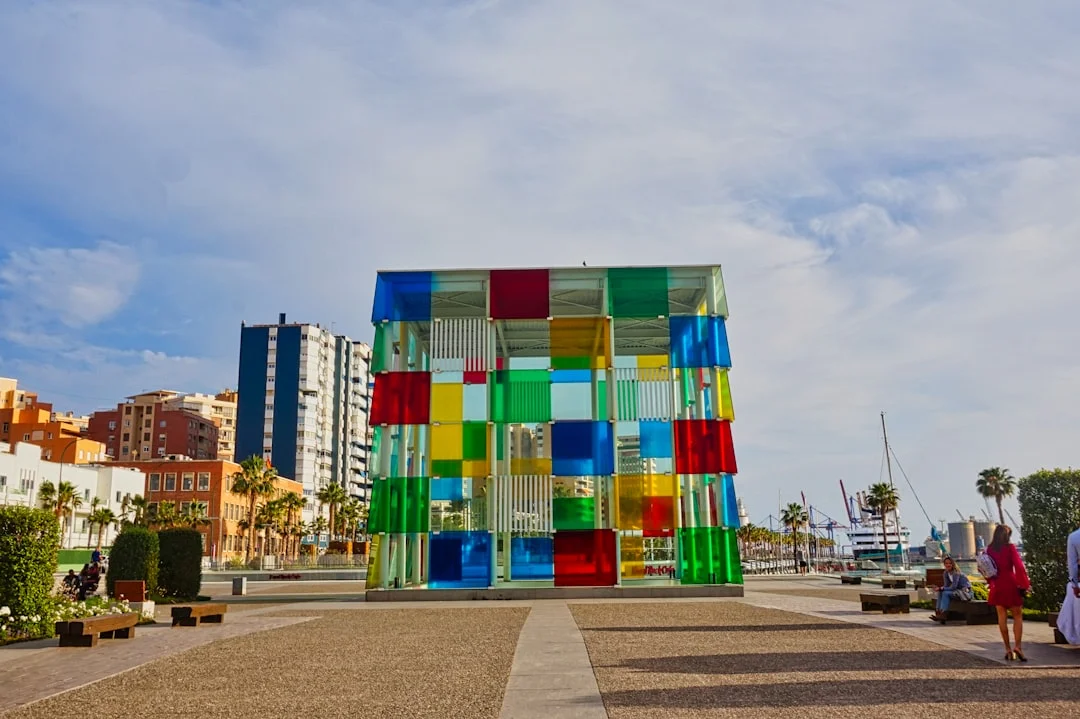
    • Centre Pompidou Málaga: Located at the Muelle Uno, its iconic colorful glass cube hosts cutting-edge modern art.
    • The CAC (Contemporary Art Center): Perfect for visitors looking to discover bold, innovative works by international and local contemporary artists.

    Exploring Beyond the Capital

    If you want to venture outside Málaga capital, the surrounding towns of the province host their own summer events. Coastal towns often organize night markets along their ports, while mountain villages hold traditional summer festivals that offer a cooler breeze and authentic local gastronomy.

    We hope this guide helps you connect with the local community, discover inspiring art, and make the most of these long, warm Mediterranean evenings. There is a quiet magic in watching the city transition from the sleepy afternoon heat to the bustling, joyful energy of a summer night, and we hope you find your own favorite corner of Málaga to enjoy it.

  • Megalithic Markings in Malaga’s Picasso Gardens

    Megalithic Markings in Malaga’s Picasso Gardens

    Prehistoric Secrets in a Modern Park

    For most locals and visitors, the Jardines de Picasso (Picasso Gardens) in Malaga are a pleasant place to seek shade under massive ficus trees or enjoy a quiet stroll. Located along the busy Avenida de Andalucía, this green lung seems firmly rooted in the 20th century. However, a closer look at the large ornamental stones scattered throughout the park reveals a mystery dating back more than four millennia.

    According to pioneering local archaeologist and researcher Juan Manuel Muñoz Gambero, several of these massive rocks feature intentional incisions known as “Megalithic Linear Writing.” These prehistoric markings, estimated to be around 4,500 years old, offer a fascinating glimpse into the spiritual and symbolic world of Malaga’s earliest inhabitants.

    The Origin of the Stones: Cerro de la Tortuga

    To understand how these ancient markings ended up in a modern urban park, we have to look to Cerro de la Tortuga (Turtle Hill), an archaeological site located near the fields of Malaga’s university campus in Teatinos.

    As detailed in a recent report by La Opinión de Málaga, these stones were relocated to the Picasso Gardens during urban development works in the late 1970s. Instead of being left in their original archaeological context, several large limestone blocks from the Cerro de la Tortuga necropolis and sanctuary were used as decorative elements in the newly designed park.

    Cerro de la Tortuga was a highly sacred site for consecutive ancient cultures, serving first as a prehistoric ceremonial center and later as a Phoenician-Punic sanctuary dedicated to the goddess Astarte. The stones moved to the gardens carry the physical imprint of this ancient devotion.

    Deciphering the “Megalithic Linear Writing”

    The markings on the stones are not random scratches or natural erosion. Instead, they consist of deliberate, organized patterns:

    • Parallel Grooves: Deeply carved lines running alongside each other.
    • Intersecting Grids: Mesh-like patterns that resemble primitive maps or celestial grids.
    • Shamanic Symbols: Stylized figures and abstract shapes often associated with prehistoric spiritual rituals.

    Muñoz Gambero, who has spent decades studying the prehistory of the Malaga coastline, categorizes these incisions as a form of proto-writing or symbolic communication used by Bronze Age communities. While not an alphabet in the modern sense, these markings likely served to mark territorial boundaries, record astronomical events, or invoke spiritual protection during shamanic rituals.

    How to Spot the Markings in Picasso Gardens

    If you want to embark on a mini-archaeological hunt in the center of Malaga, finding these stones is a rewarding self-guided activity, perfect for those who enjoy discovering Malaga’s hidden paths and local secrets:

    1. Enter the Gardens: Access the park from the main entrance on Avenida de Andalucía.
    2. Look for the Large Limestone Blocks: Focus on the rugged, light-colored limestone rocks used to border the garden pathways and flowerbeds, rather than the polished granite benches.
    3. Inspect the Surfaces: Look for deep, straight-line incisions that run contrary to the natural sedimentary veins of the stone. They are most visible under angled sunlight in the early morning or late afternoon.

    A Shared Heritage Beneath Our Feet

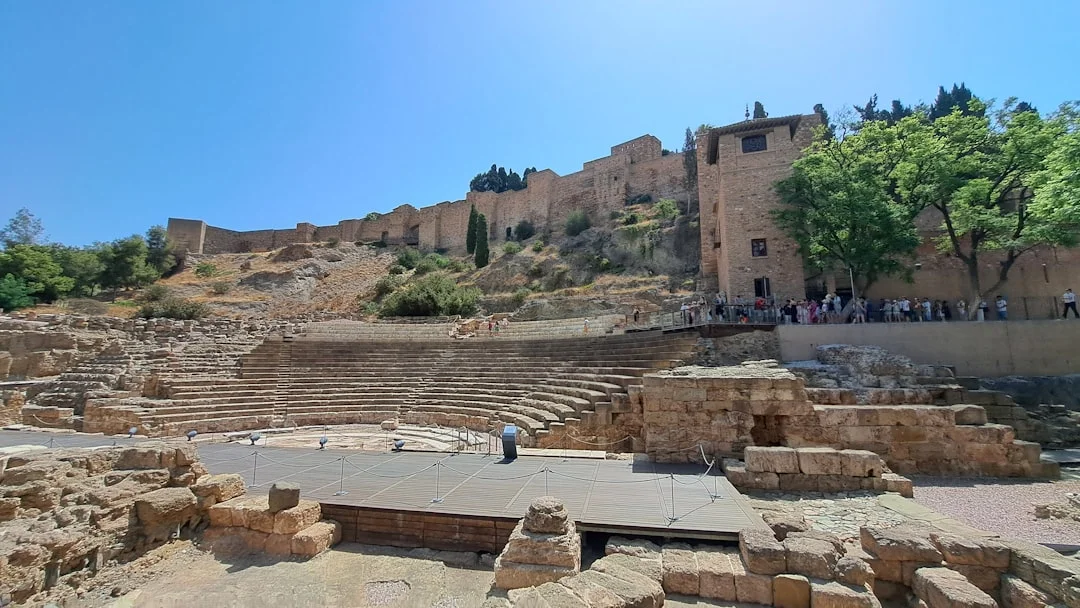
    While Malaga is rightly celebrated as a premium weekend destination for its Roman Theater, Moorish Alcazaba, and Phoenician ruins, these megalithic markings remind us that the city’s human story goes back much further. They connect us to a time when the hills surrounding the Guadalhorce valley were alive with the rituals of early communities trying to make sense of their world.

    Standing in the quiet shade of the Picasso Gardens, looking at lines carved by a human hand 4,500 years ago, is a humbling reminder of our shared past. It shows that history in Malaga isn’t just confined to museums—sometimes, it is hiding in plain sight, waiting for a curious eye to rediscover it.

  • Kostenlose Museen in Málaga: Die besten budgetfreundlichen Stopps im Sommer

    Kostenlose Museen in Málaga: Die besten budgetfreundlichen Stopps im Sommer

    Málaga ist weithin bekannt für seine erstklassigen Kunstgalerien, aber die Eintrittspreise für Museen können sich schnell summieren. Wenn Sie neu hierhergezogen sind, als Expat hier leben oder als Reisender die Stadt im Sommer 2026 mit kleinem Budget erkunden möchten, müssen Sie bei der Kultur keine Kompromisse eingehen. Neben den bekannten kostenpflichtigen Sehenswürdigkeiten bietet die Stadt mehrere bemerkenswerte, völlig kostenlose Kulturräume – darunter temporäre Ausstellungen und kostenfreie Museumsführungen in Málaga –, die es Ihnen ermöglichen, den Menschenmassen zu entgehen und direkt in das lokale Erbe einzutauchen.

    Laut einer von La Noción hervorgehobenen Sommerroute für Kultur offenbart der Weg abseits der ausgetretenen Pfade eine reichere und intimere Seite der Geschichte von Málaga. Wenn Sie es lieben, Orte abseits der Haupttouristenattraktionen zu erkunden, können Sie sich auch andere versteckte Museen und lokale Kulturpläne ansehen. Hier sind drei der besten kostenlosen Museen, die Sie auf Ihre Liste für die warme Jahreszeit setzen sollten.

    1. Museum Jorge Rando: Ein Zufluchtsort des Expressionismus

    Das im lebendigen Viertel El Molinillo gelegene Museum Jorge Rando ist Spaniens erstes und einziges Museum, das sich ausschließlich dem Expressionismus widmet. Dieser Ort ist zutiefst persönlich und konzentriert sich auf das Werk des in Málaga geborenen Künstlers Jorge Rando sowie auf wechselnde Sonderausstellungen nationaler und internationaler expressionistischer Künstler. Wer nach dem Kunstgenuss auch die kulinarische Seite der Stadt entdecken möchte, findet in unserem Malaga Food Guide die besten Restaurants der Stadt.

    • Das Erlebnis: Im Gegensatz zu den stark besuchten kommerziellen Galerien in der Innenstadt bietet dieses Museum eine intime, besinnliche Atmosphäre. Das Gebäude selbst verbindet auf harmonische Weise den Kreuzgang eines historischen Klosters mit modernem architektonischem Design.
    • Warum es besonders ist: Neben Gemälden und Skulpturen fungiert das Museum als lebendiges Kulturzentrum. Im Innenhof, in dem ein majestätischer Mandarinenbaum als Symbol für Wachstum und Kreativität steht, finden regelmäßig kostenlose Konzerte, Konferenzen und öffentliche Proben statt.
    • Kosten: Der Eintritt ist immer frei.

    2. Luftfahrtmuseum Málaga: Geschichte für die ganze Familie

    Wenn Sie mit der Familie reisen oder eine Leidenschaft für Transport und Geschichte haben, ist das Museo Aeronáutico de Málaga ein absolutes Muss. Direkt neben dem modernen Flughafen Málaga-Costa del Sol gelegen, ist dieses Museum im ursprünglichen Passagierterminal der Stadt aus dem Jahr 1948 untergebracht. Für noch mehr pädagogischen Spaß können Sie auch die Sommer-Familienworkshops der Museen in Málaga erkunden.

    • Das Erlebnis: Dieses Mitmach-Museum bietet eine nostalgische Reise durch die Geschichte der Luftfahrt an der Costa del Sol. Besucher können historische Flugzeuge besichtigen, in echte Cockpits klettern, mit alten Kommunikationsgeräten interagieren und sehen, wie der Flugverkehr diese Küstenregion in ein globales Tourismuszentrum verwandelt hat.
    • Warum es besonders ist: Es wird größtenteils von leidenschaftlichen Freiwilligen betrieben, von denen viele pensionierte Piloten und Luftfahrtingenieure sind. Ihr Wissen aus erster Hand verleiht den Exponaten eine unglaubliche Tiefe.
    • Kosten: Freier Eintritt (kostenlose Parkplätze sind in der Regel ebenfalls vor Ort vorhanden).

    3. Besucherzentrum des Römischen Theaters: Das antike Málaga enthüllt

    Um die tiefen Wurzeln der Stadt zu verstehen, begeben Sie sich in die Calle Alcazabilla im historischen Zentrum. Direkt neben den antiken Stufen des Römischen Theaters befindet sich das dazugehörige Centro de Interpretación (Besucherzentrum).

    • Das Erlebnis: Dieses elegante Besucherzentrum mit Glaswänden bietet eine unverzichtbare archäologische Einführung in das römische Málaga. Im Inneren können Sie geborgene Artefakte besichtigen, Lehrvideos ansehen und erfahren, wie die Stätte jahrhundertelang unter späteren Bauten verborgen blieb, bevor sie 1951 wiederentdeckt wurde.
    • Warum es besonders ist: Das Zentrum bietet eine spektakuläre, direkte visuelle Verbindung sowohl zum Römischen Theater selbst als auch zur maurischen Festung Alcazaba, die sich direkt dahinter erhebt. Es ist der perfekte Ausgangspunkt, bevor Sie die antiken Steintribünen betreten.
    • Kosten: Der Eintritt ist immer frei.

    Schnelle Tipps für Kultur mit kleinem Budget in Málaga

    • Kostenlose Stunden am Sonntag: Wenn Sie die größeren, kostenpflichtigen Museen besuchen möchten, planen Sie im Voraus. Große Institutionen wie das Picasso Museum Málaga, das Centre Pompidou und das Carmen Thyssen Museum bieten in den letzten Stunden des Sonntagnachmittags freien Eintritt.
    • Der Hitze trotzen: Der Besuch dieser Innenräume während der heißesten Nachmittagsstunden (zwischen 14:00 und 17:00 Uhr) ist eine hervorragende Möglichkeit, der intensiven Sommersonne zu entkommen und dennoch das Beste aus Ihrem Tag zu machen.

    Wir hoffe, dass dieser Leitfaden Sie dazu inspiriert, diesen Sommer etwas tiefer in die sonnenverwöhnten Straßen von Málaga einzutauchen. Es liegt ein stiller Zauber darin, die Geschichte einer Stadt im eigenen Tempo zu entdecken, fernab vom Stress der Warteschlangen und überfüllten Touristenzentren. Möge Ihr Sommer voller gemütlicher Spaziergänge, strahlender Nachmittage und zeitloser Geschichten sein, die unsere mediterrane Heimat so besonders machen.

  • Free Museums in Málaga: Best Budget Summer Stops

    Free Museums in Málaga: Best Budget Summer Stops

    Málaga is widely celebrated for its world-class art galleries, but the cost of museum admissions can quickly add up. If you are a new resident, an expat, or a traveler looking to explore the city on a budget this summer 2026, you do not need to compromise on culture. Beyond the famous paid ticket sites, the city offers several remarkable, entirely free cultural spaces—including temporary exhibitions and complimentary museum tours in Málaga—that let you bypass the crowds and dive straight into local heritage.

    According to a summer cultural itinerary highlighted by La Noción, stepping off the beaten path reveals a richer, more intimate side of Málaga’s history. If you love exploring beyond the main tourist spots, you can also check out other hidden museums and local cultural plans. Here are three of the best free museums to add to your warm-weather itinerary.

    1. Museum Jorge Rando: An Expressionist Sanctuary

    Located in the vibrant neighborhood of El Molinillo, the Museum Jorge Rando is Spain’s first and only museum dedicated entirely to Expressionism. This space is deeply personal, focusing on the work of Málaga-born artist Jorge Rando alongside rotating temporary exhibitions of national and international expressionist artists—making it the perfect cultural stop before heading out to discover the local culinary scene with our comprehensive Malaga food guide.

    • The Experience: Unlike the high-traffic commercial galleries downtown, this museum offers an intimate, reflective atmosphere. The building itself seamlessly combines a historic monastery cloister with modern architectural design.
    • Why It’s Special: Beyond the paintings and sculptures, the museum functions as a living cultural center. It regularly hosts free concerts, conferences, and open rehearsals in its central courtyard, where a majestic mandarin tree stands as a symbol of growth and creativity.
    • Cost: Always free admission.

    2. Málaga Aviation Museum: Family-Friendly History

    If you are traveling with family or have a passion for transport and history, the Museo Aeronáutico de Málaga is an absolute must-visit. Situated right next to the modern Málaga-Costa del Sol Airport, this museum is housed in the city’s original 1948 passenger terminal. For more educational fun, you can also explore the summer family workshops hosted by Málaga’s museums.

    • The Experience: This hands-on museum offers a nostalgic journey through the history of aviation on the Costa del Sol. Visitors can view historic aircraft, climb inside real cockpits, interact with vintage communication equipment, and see how air travel transformed this coastal region into a global tourist hub.
    • Why It’s Special: It is run largely by passionate volunteers, many of whom are retired pilots and aviation engineers. Their firsthand knowledge adds incredible depth to the exhibits.
    • Cost: Free admission (free parking is also typically available on-site).

    3. Roman Theatre Visitor Centre: Ancient Málaga Unveiled

    To understand the deep roots of the city, head to the Calle Alcazabilla in the historic center. Right next to the ancient steps of the Roman Theatre sits its Centro de Interpretación (Visitor Centre).

    • The Experience: This sleek, glass-walled visitor center provides an essential archaeological introduction to Roman Málaga. Inside, you can view recovered artifacts, watch educational videos, and learn how the site was lost for centuries under later constructions before being rediscovered in 1951.
    • Why It’s Special: The center offers a spectacular, direct visual connection to both the Roman Theatre itself and the Moorish Alcazaba fortress rising directly behind it. It is the perfect starting point before walking out onto the ancient stone stands.
    • Cost: Always free admission.

    Quick Tips for Budget Culture in Málaga

    • Sunday Free Hours: If you want to see the larger paid museums, plan ahead. Major institutions like the Picasso Museum Málaga, the Centre Pompidou, and the Carmen Thyssen Museum offer free entry during the last few hours of Sunday afternoons.
    • Beating the Heat: Visiting these indoor spaces during the peak afternoon hours (between 2:00 PM and 5:00 PM) is a highly effective way to escape the intense summer sun while still making the most of your day.

    We hope this guide inspires you to wander a little deeper into Málaga’s sun-drenched streets this summer. There is a quiet magic in discovering a city’s history at your own pace, away from the pressure of ticket lines and crowded tourist hubs. May your summer be filled with slow walks, bright afternoons, and the timeless stories that make our Mediterranean home so special.

  • Málaga Approves Astoria Site Cultural Hub Concession

    Málaga Approves Astoria Site Cultural Hub Concession

    The long-standing debate over one of the most controversial empty plots in Málaga’s historic center has finally reached a major milestone. In July 2026, Málaga’s local government—which continues to drive urban innovation as the city leads Andalusia in the modular housing hub sector—officially approved the concession of the central Astoria-Victoria plot in Plaza de la Merced to the Fundación Bancaria Unicaja.

    This decision, reported by Andalucía Información, marks the beginning of a definitive transformation for an area that has remained a municipal eyesore and a subject of intense local debate for years. For residents, expats, and visitors, this means the heart of Málaga is set to receive a world-class cultural space.

    A Prime Location Set for Transformation

    Located at the northeastern corner of Plaza de la Merced—just steps away from the birthplace of Pablo Picasso—the Astoria-Victoria plot has been vacant since the demolition of the old cinemas. Over the years, various proposals have come and gone, ranging from archaeological preservation sites to commercial developments, reflecting the constant evolution of a city that is currently also making headlines in the sporting world as Unicaja prepares for a historic BCL campaign.

    The approval of this concession to the Unicaja Foundation ensures that the site will be dedicated entirely to public, cultural, and artistic use. As one of the most prominent financial and cultural institutions in Andalusia, the Unicaja Foundation brings the resources and expertise required to execute a project of this scale.

    What to Expect from the New Cultural Hub

    While the detailed architectural blueprints and specific programming schedules are still being finalized, the core vision for the site is clear. The new development is designed to integrate seamlessly into the vibrant life of Plaza de la Merced:

    • Artistic and Exhibition Spaces: The building will host rotating art exhibitions, showcasing both local Andalusian talent and international collections.
    • Multipurpose Cultural Halls: Spaces designed for lectures, literary events, and educational workshops aimed at both locals and the growing international community.
    • Urban Integration: The design will respect the historic aesthetics of Plaza de la Merced, ensuring that the new building complements the surrounding architecture rather than overpowering it.
    • Archaeological Respect: Any development on the site will continue to safeguard and respect the historical remains found beneath the surface, bridging Málaga’s rich Phoenician and Roman past with its modern future.

    A Major Boost for Málaga’s Cultural Identity

    Málaga has spent the last two decades transforming itself from a traditional beach gateway into a renowned southern European cultural capital. This ongoing renaissance is also reflected in its booming tourism and hospitality sectors, with the province recently leading hotel investments in Andalusia. The addition of a major hub backed by the Unicaja Foundation right in Plaza de la Merced will further solidify this reputation.

    For the neighborhood, the project promises to revitalize the northern edge of the square, replacing temporary fences and construction hoardings with a lively architectural landmark. It bridges the gap between the bustling Calle Granada, the Picasso Museum, and the creative vibe of the nearby Lagunillas district.

    We look forward to watching this corner of Plaza de la Merced finally reclaim its place in the daily life of the city. It is reassuring to see a space with so much history being dedicated to art, community, and learning, ensuring that Málaga’s heart continues to beat with creativity for generations to come.

  • Kunstausstellungen in Málaga: 15 Ausstellungen, um der Hitze zu entkommen

    Kunstausstellungen in Málaga: 15 Ausstellungen, um der Hitze zu entkommen

    Während die Temperaturen im Juli an der Costa del Sol steigen, wird die Suche nach einem kühlen, klimatisierten Zufluchtsort sowohl für Einheimische als auch für Besucher zur Priorität. Glücklicherweise bietet Málagas Wandel zu einem bedeutenden europäischen Kulturzentrum den perfekten Zufluchtsort. In dieser Woche bietet das Kulturprogramm der Stadt eine beeindruckende Auswahl an aktuellen Kunst- und Historienausstellungen, die in den renommiertesten Museen und zeitgenössischen Räumen stattfinden.

    Ob Sie nun nach klassischen Meisterwerken, modernsten zeitgenössischen Installationen oder lokalen historischen Archiven suchen – hier ist ein kuratierter Führer zu 15 Ausstellungen, die Sie derzeit in Málaga besuchen können, um der Mittagshitze zu entkommen, mit Echtzeit-Updates von lokalen Kulturplattformen wie Hoy Málaga.

    Picasso und klassische Meister

    1. Picasso: Materie und Körper (Museo Picasso Málaga)

    Diese bedeutende Ausstellung konzentriert sich auf Pablo Picassos tiefe Beziehung zur Bildhauerei und zeigt, wie das in Málaga geborene Genie Materialien als lebendige Erweiterungen seiner kreativen Vision behandelte. Es ist eine seltene Gelegenheit, seine dreidimensionalen Werke neben seinen klassischen Leinwänden zu sehen.

    2. Die Dauerausstellung (Museo Picasso Málaga)

    Nehmen Sie sich beim Besuch der temporären Ausstellungen auch Zeit, die neu gestaltete Dauerausstellung zu erkunden, die Picassos stilistische Entwicklung von seiner frühen akademischen Ausbildung bis hin zu seinen revolutionären kubistischen Werken und Spätwerken nachzeichnet.

    3. Spanische Moderne & Licht (Museo Carmen Thyssen)

    Das im wunderschönen Palacio de Villalón untergebrachte Museo Carmen Thyssen zeigt derzeit eine temporäre Ausstellung, die sich auf spanische Maler des späten 19. Jahrhunderts und ihre Faszination für das mediterrane Licht konzentriert. Es ist eine atemberaubende visuelle Reise durch andalusische Landschaften und Traditionen.

    4. Picassos Kindheit und frühe Jahre (Museo Casa Natal)

    Treten Sie ein in das tatsächliche Geburtshaus von Picasso an der Plaza de la Merced. Die aktuelle Ausstellung des Museums zeigt persönliche Gegenstände, frühe Zeichnungen und Familienerinnerungen, die die prägenden Jahre des Künstlers prägten, bevor er nach Barcelona und Paris zog.

    Zeitgenössische & Avantgarde-Kunst

    5. Ort-Raum-Zeit (Centre Pompidou Málaga)

    Unter dem ikonischen Glaskubus am Hafen erforscht die semi-permanente Ausstellung des Centre Pompidou Málaga, wie moderne Künstler unsere physische Umgebung konzeptualisieren. Erwarten Sie anregende Skulpturen, Multimedia-Installationen und moderne Gemälde aus der Mitte des 20. Jahrhunderts.

    6. Neuzugänge (CAC Málaga)

    Das Zentrum für zeitgenössische Kunst (CAC Málaga) ist eine feste Größe im Viertel Soho. In dieser Woche präsentiert die Galerie ihre neuesten Erwerbungen mit ausdrucksstarker Street-Art, großformatigen abstrakten Gemälden und experimentellen Videoinstallationen von spanischen und internationalen Künstlern.

    7. Lokale Talente im CAC La Coracha

    An den Hängen des Gibralfaro-Hügels gelegen, konzentriert sich dieser Nebenraum des CAC auf aufstrebende Sterne der andalusischen Kunstszene. Es ist der beste Ort, um zu entdecken, was die jüngsten Kreativen der Region in diesem Jahr schaffen.

    8. Alternative Narrative (Colección del Museo Ruso)

    Untergebracht in der prächtigen alten Tabakfabrik (Tabacalera), zeigt dieser Raum derzeit Ausstellungen konzeptueller Kunst und historische Retrospektiven, die traditionelle europäische Kunstnarrative infrage stellen.

    Fotografie, Geschichte und lokale Kultur

    9. Retro-Futurismus & Pop-Kultur (La Térmica)

    Dieses Kulturzentrum im westlichen Stadtteil von Málaga zeigt eine lebendige Fotoausstellung, die Jugend-Subkulturen und Pop-Ikonografie beleuchtet. Sie ist all jenen sehr zu empfehlen, die sich für die Sozialgeschichte der Mitte bis zum Ende des 20. Jahrhunderts interessieren.

    10. Málagas goldenes Zeitalter (Museo de Málaga)

    Die Abteilung für bildende Künste des Museums im majestätischen Palacio de la Aduana zeigt eine temporäre Sonderausstellung über die bürgerlichen Familien des 19. Jahrhunderts, die Málagas industrielle Revolution und die ersten Kunstsammlungen finanzierten.

    11. Phönizische und römische Archäologie (Museo de Málaga)

    Entfliehen Sie im Obergeschoss in die kühlen, sanft beleuchteten archäologischen Säle. Die aktuelle temporäre Ausstellung beleuchtet jüngste städtische Ausgrabungen in Málaga und zeigt wunderschön erhaltene römische Glaswaren und phönizische Sarkophage. Viele dieser historischen Themen knüpfen auch an die interaktiven Sommer-Familienworkshops an, die Málagas Museen in dieser Saison veranstalten.

    12. Revello de Toro: Die Kunst des Porträts (Museo Revello de Toro)

    Dieses intime Museum im historischen Zentrum ist dem berühmten Porträtmaler Félix Revello de Toro aus Málaga gewidmet und zeigt seine unglaubliche Fähigkeit, menschliche Emotionen einzufangen, insbesondere in seinen gefeierten Frauenporträts.

    13. Málaga aus der Luft: Historische Fotografie (Archivo Municipal)

    Für eine Dosis Lokalgeschichte zeigt das Stadtarchiv (Archivo Municipal) an der Alameda Principal eine Sammlung von Luftaufnahmen von Málaga, die im Laufe des 20. Jahrhunderts aufgenommen wurden. Sie bieten einen faszinierenden Einblick in die Entwicklung des Hafen- und des historischen Zentrums.

    14. Expressionismus und Spiritualität (Museo Jorge Rando)

    Spaniens erstes dem Expressionismus gewidmete Museum zeigt derzeit einen kraftvollen Dialog zwischen Jorge Randos rohen, emotionalen Gemälden und den Werken von Gastbildhauern. Der ruhige Innenhof im Inneren ist eines der bestgehüteten Geheimnisse der Stadt.

    15. Unabhängige Kunst & Ton (La Casa Amarilla)

    Für ein intimeres, alternatives Erlebnis zeigt diese unabhängige Galerie im Stadtzentrum wechselnde Ausstellungen lokaler Resident-Künstler. Der Schwerpunkt liegt in dieser Woche auf zeitgenössischer Keramik und illustrativer Druckgrafik.

    Praktische Tipps für Ihren Kulturausflug

    • Der Mittagshitze trotzen: Die heißesten Stunden des Tages liegen in der Regel zwischen 14:00 und 18:00 Uhr. Wenn Sie Ihre Museumsbesuche in diese Zeit legen, ist das eine hervorragende Möglichkeit, sich abzukühlen, ohne wertvolle Zeit für Besichtigungen zu verlieren.
    • Freier Eintritt: Viele städtische Museen in Málaga bieten am Sonntagnachmittag freien Eintritt an. Stellen Sie sich zu diesen Zeiten jedoch auf einen größeren Besucherandrang ein.
    • Wochenendplanung: Wenn Sie Ihre Museumsbesuche mit anderen kulturellen Veranstaltungen verbinden möchten, werfen Sie einen Blick auf die wöchentlichen Empfehlungen im Wochenendführer von Hoy Málaga oder entdecken Sie spezielle Wochenendaktivitäten für Kinder in Málaga, wenn Sie mit der Familie reisen.

    Wir hoffen, dass dieser Führer Ihnen hilft, sich in Málagas reicher Kulturlandschaft zurechtzufinden und gleichzeitig in diesem Sommer einen kühlen Kopf zu bewahren. Es liegt ein stiller Zauber darin, von den hellen, geschäftigen Straßen der Stadt in den ruhigen, besinnlichen Raum einer Galerie zu treten. Genießen Sie die Kunst, nehmen Sie sich Zeit und lassen Sie sich von der Kreativität Málagas inspirieren.