Category: Events

  • Debatte um das Auditorio de Málaga: Kultur vs. kommerzielle Nutzung

    Debatte um das Auditorio de Málaga: Kultur vs. kommerzielle Nutzung

    Während Málaga seinen Ruf als bedeutendes Kulturzentrum im südeuropäischen Raum festigt – und sich gleichzeitig durch technologische Meilensteine wie ein neues KI-Tool zur Virusanalyse an der UMA als Innovationsstandort profiliert –, ist eine hitzige Debatte über die Gestaltung und Verwaltung des mit Spannung erwarteten Auditorio de Málaga entbrannt. Lokale Kreative, Musiker und Stadtplaner erheben ihre Stimme, um sicherzustellen, dass der Veranstaltungsort ausschließlich erstklassigen musikalischen und künstlerischen Darbietungen vorbehalten bleibt, anstatt sich zu einer kommerzialisierten Eventfläche für Unternehmen zu entwickeln.

    Der Kern der Debatte: Kultur oder Kommerz?

    Die Diskussion verschärfte sich nach jüngsten Äußerungen des Bürgermeisters von Málaga, Francisco de la Torre. Laut einem Bericht von Cadena SER haben lokale Künstler und Stadtplaner tiefe Besorgnis über mögliche Änderungen am Verwaltungsmodell des Projekts geäußert. Diese Sorgen werden durch administrative Konflikte weiter angeheizt, die zeigen, dass das Kulturdezernat von Málaga für die Nutzung des neuen Auditorio bezahlen muss, was die wachsenden Spannungen zwischen öffentlicher Kultur und kommerzieller Verwaltung verdeutlicht.

    Der Bürgermeister schlug vor, flexible Mehrzweck-Verwaltungssysteme zu prüfen. Während dieser Ansatz den Veranstaltungsort finanziell unabhängiger machen könnte, indem dort Firmenkongresse, Messen und große kommerzielle Veranstaltungen stattfinden, argumentieren Kritiker, dass dies den ursprünglichen Zweck des Auditorio zu verwässern droht: eine kompromisslose, akustisch perfekte Heimat für klassische Musik, Oper und darstellende Kunst auf höchstem Niveau zu bieten.

    Warum beim akustischen Design keine Kompromisse eingegangen werden dürfen

    Sowohl für ausländische Kulturliebhaber als auch für einheimische Musikbegeisterte ist die technische Gestaltung des Auditorio de Málaga von größter Bedeutung. Experten für Akustik und Architektur weisen darauf hin, dass ein echter Konzertsaal eine hochspezialisierte Geometrie und spezielle Materialien benötigt, um unverstärkten Klang perfekt zu projizieren.

    • Akustische Integrität: Mehrzweckarenen, die für Messen oder Popkonzerte konzipiert sind, setzen stark auf elektronische Verstärkung, was für Symphonieorchester und Opern ungeeignet ist.
    • Terminkonflikte: Wenn der Veranstaltungsort häufig für lukrative Firmenveranstaltungen gebucht wird, könnten lokale Kulturinstitutionen – wie das Philharmonische Orchester von Málaga – Schwierigkeiten haben, ausreichende Proben- und Aufführungstermine zu erhalten.
    • Internationales Prestige: Um weltweit führende Orchester und Opernkompanien anzuziehen, muss der Veranstaltungsort strengen internationalen Standards des akustischen Designs entsprechen – etwas, das eine gewöhnliche Mehrzweckhalle nicht ohne Weiteres leisten kann.

    Der Appell zur Bewahrung der künstlerischen Berufung Málagas

    Die Befürworter eines rein kulturellen Veranstaltungsortes argumentieren, dass Málaga bereits über Räumlichkeiten verfügt, die für kommerzielle Treffen geeignet sind, wie das FYCMA (Messe- und Kongresszentrum von Málaga). Das neue Auditorio, so argumentieren sie, sollte die eklatante Lücke der Stadt in der spezialisierten Musikinfrastruktur schließen.

    Stadtplaner und lokale Kulturschaffende fordern den Stadtrat auf, ein Verwaltungsmodell festzulegen, das die künstlerische Integrität in den Vordergrund stellt. Diese Debatte entfaltet sich parallel zu anderen großen städtebaulichen Herausforderungen der Stadt, wie dem Rückschlag bei der Umgestaltung der Strandpromenade, bei dem für das Hotelgrundstück La Térmica keine Angebote eingingen. Kritiker warnen, dass die Priorisierung kurzfristiger kommerzieller Rentabilität dem langfristigen kulturellen Erbe Málagas und seiner Attraktivität für den internationalen Kulturtourismus dauerhaft schaden könnte.

    Da Málaga weiter wächst und sich entwickelt, bleibt es eine komplexe Herausforderung, das richtige Gleichgewicht zwischen wirtschaftlicher Tragfähigkeit und reinem künstlerischen Ausdruck zu finden. Wir hoffen, dass die Führung der Stadt und ihre leidenschaftliche kreative Gemeinschaft einen gemeinsamen Weg in die Zukunft finden – einen Weg, der Málagas reiche kulturelle Ambitionen würdigt und gleichzeitig eine Weltklasse-Bühne schafft, auf die wir alle stolz sein können.
  • Málaga Auditorio Debate: Culture vs. Commercial Use

    Málaga Auditorio Debate: Culture vs. Commercial Use

    As Málaga cements its reputation as a major southern European cultural hub—alongside its growing status in technological innovation, recently highlighted by a revolutionary AI tool for virus analysis developed at UMA—a significant debate has surfaced regarding the design and management of the highly anticipated Málaga Auditorio. Local creatives, musicians, and urban planners are raising their voices to ensure the venue remains strictly dedicated to world-class musical and artistic performances rather than shifting toward a commercialized corporate space.

    The Core of the Debate: Culture or Commerce?

    The discussion intensified following recent statements by Málaga Mayor Francisco de la Torre. According to a report by Cadena SER, local artists and urban planners have expressed deep concern over potential changes to the project’s management model. These concerns are further fueled by administrative clashes revealing that the Malaga Culture department must pay to use the new Auditorio, highlighting the growing tension between public culture and commercial management.

    The mayor suggested exploring flexible, multi-use management systems. While this approach could make the venue more financially self-sustaining by hosting corporate conventions, trade shows, and large-scale commercial events, critics argue it risks diluting the auditorio’s original purpose: providing an uncompromising, acoustically perfect home for classical music, opera, and high-performance arts.

    Why Acoustic Design Cannot Be Compromised

    For foreign culture enthusiasts and local music lovers alike, the technical design of the Málaga Auditorio is paramount. Experts in acoustics and architecture point out that a true concert hall requires highly specialized geometry and materials to project unamplified sound perfectly.

    • Acoustic Integrity: Multi-use arenas designed for trade fairs or pop concerts rely heavily on electronic amplification, which is unsuitable for symphonic orchestras and opera.
    • Scheduling Conflicts: If the venue is frequently booked for lucrative corporate events, local cultural institutions—such as the Málaga Philharmonic Orchestra—may struggle to secure adequate rehearsal and performance dates.
    • International Prestige: To attract premier global orchestras and opera companies, the venue must meet strict international standards of acoustic design, something a generic multi-purpose hall cannot easily achieve.

    The Call to Preserve Málaga’s Artistic Vocation

    Those advocating for a strictly cultural venue argue that Málaga already possesses spaces suited for commercial gatherings, such as the FYCMA (Trade Fairs and Congress Center of Málaga). The new auditorio, they argue, should fill the city’s glaring gap in specialized musical infrastructure.

    Urban planners and local cultural figures are calling on the city council to lock in a management model that prioritizes artistic integrity. This debate unfolds alongside other major urban planning challenges in the city, such as the beachfront transformation setback where the La Térmica hotel plot received no bids. Critics warn that prioritizing short-term commercial profitability could permanently damage Málaga’s long-term cultural legacy and its appeal to international cultural tourism.

    As Málaga continues to grow and evolve, finding the right balance between economic viability and pure artistic expression remains a complex challenge. We hope the city’s leaders and its passionate creative community can find a shared path forward—one that honors Málaga’s rich cultural ambitions while creating a world-class stage we can all be proud of.

  • RCR Arquitectes to Design Málaga Astoria Cultural Center

    RCR Arquitectes to Design Málaga Astoria Cultural Center

    Málaga’s historic center is about to undergo one of its most significant architectural transformations in recent memory. The vacant Astoria-Victoria plot, located adjacent to the iconic Plaza de la Merced, finally has a definitive future.

    As announced in late July 2026 and reported by El Confidencial, the prestigious, Pritzker Prize-winning studio RCR Arquitectes has been selected by the Fundación Unicaja to design a world-class cultural and social center on this historic ground.

    This decision marks a major milestone for Málaga, resolving years of urban planning debates with a design from one of the most revered architectural teams in the world.

    A New Vision for Plaza de la Merced

    The former Astoria and Victoria cinemas once stood as cultural hubs for the city, but after their demolition, the site remained an empty lot subject to various archaeological digs and administrative debates. Now, the project led by Rafael Aranda, Carme Pigem, and Ramón Vilalta (the founders of RCR Arquitectes) aims to breathe new life into the square.

    According to details shared by Cadena SER, the new cultural center will seamlessly integrate:

    • Cultural Exhibition Spaces: Hosting world-class art, photography, and historical collections.
    • Educational Facilities: Classrooms and workshops dedicated to community learning and artistic development.
    • Sustainability Hubs: Built with cutting-edge ecological standards, reflecting RCR’s signature environmental awareness.
    • Social Commitment Areas: Spaces dedicated to community integration, civic engagement, and local non-profit initiatives.

    Who is RCR Arquitectes?

    Based in Olot, Catalonia, RCR Arquitectes is renowned for their deeply poetic approach to architecture. Winners of the prestigious Pritzker Architecture Prize in 2017, the trio is famous for creating buildings that maintain a profound dialogue with their natural and urban surroundings.

    Their work often utilizes raw materials like weathering steel (Corten), glass, and stone, blending structural strength with light and transparency. Notable projects include the Soulages Museum in Rodez (France), the Sant Antoni-Joan Oliver Library in Barcelona, and the Tossols-Basil Athletics Stadium in Olot. Bringing this level of architectural prestige to Málaga further solidifies the city’s position as a leading European cultural capital, complementing other major modern milestones like the Zaha Hadid luxury tower.

    Resolving a Decades-Long Urban Debate

    For nearly two decades, the Astoria plot has been the subject of intense debate among local politicians, urban planners, and residents. Proposals have ranged from rebuilding the cinema to creating open public plazas or commercial spaces.

    By partnering with Fundación Unicaja, the city secures a project that balances public utility with world-class design. Because the site sits directly opposite the birthplace of Pablo Picasso and adjacent to the Roman Theater and Alcazaba, the design must respect the deep layers of history beneath its foundation. RCR Arquitectes’ proven track record of integrating new structures into sensitive historical landscapes makes them the ideal choice for this complex challenge.

    What Lies Ahead

    While specific design blueprints and construction timelines will be unveiled in the coming months, the selection of RCR Arquitectes has already generated immense excitement across Andalusia. It signals a move away from generic urban development and toward high-concept, sustainable architecture that respects the local fabric while looking boldly toward the future.

    As we watch this corner of Plaza de la Merced evolve, there is a shared sense of hope that this new space will become a welcoming living room for the city—a place where history, art, and community meet under the warm Málaga sun.

  • Neue Stiftung will den Bau der Kathedrale von Málaga vollenden

    Neue Stiftung will den Bau der Kathedrale von Málaga vollenden

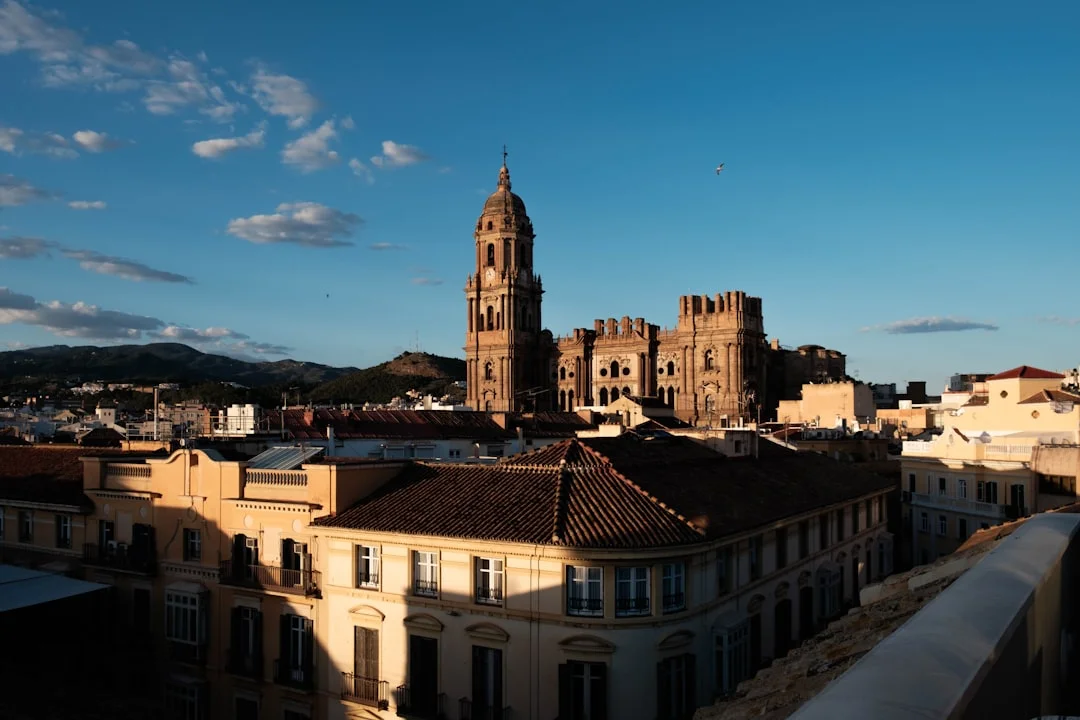
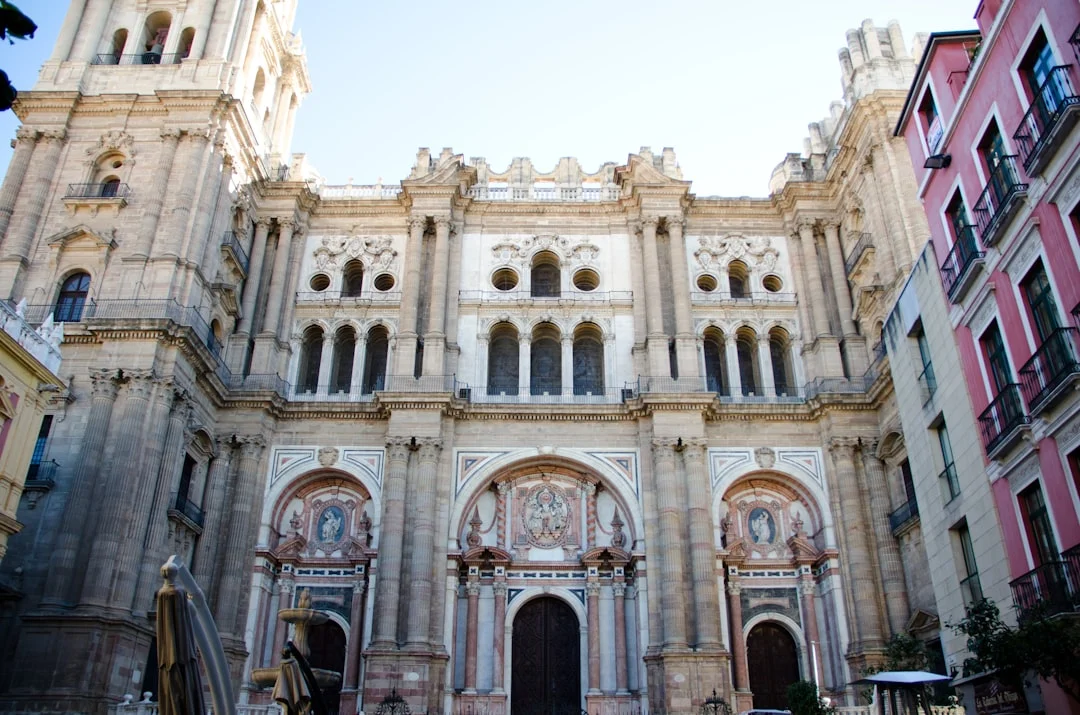
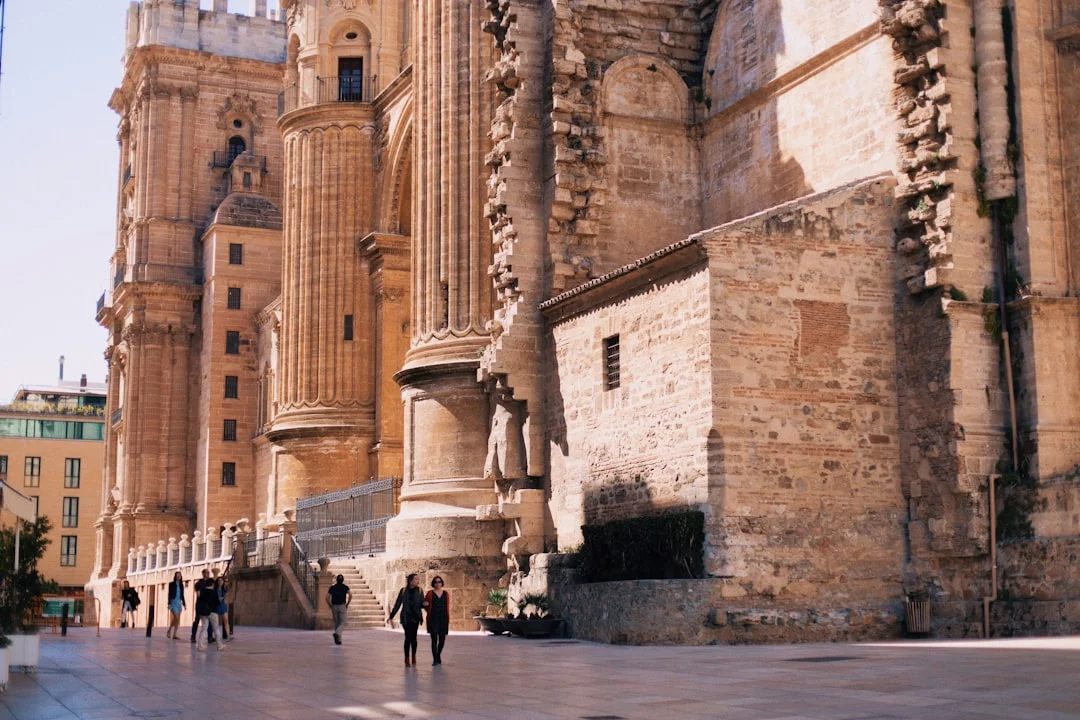
    Seit fast sechs Jahrhunderten wird die Skyline von Málaga von einer wunderschönen, wenn auch ungleichen Silhouette geprägt. Die Santa Iglesia Catedral Basílica de la Encarnación ist im Volksmund als ‘La Manquita’ (die Einarmige) bekannt, da ihr Südturm nie fertiggestellt wurde.

    Dieser historische Status quo könnte jedoch vor einer historischen Wende stehen. Wie Diario Sur im Juli 2026 berichtete, organisiert sich eine Gruppe lokaler Kollektive und führender Persönlichkeiten des öffentlichen Lebens, um eine brandneue Stiftung zu gründen. Ihre Hauptmission? Die Zivilgesellschaft zu mobilisieren, die notwendigen privaten Mittel zu beschaffen und schließlich den Bau von Málagas berühmtestem Wahrzeichen zu vollenden.

    Hier ist ein Blick darauf, warum die Kathedrale unvollendet blieb, was diese neue Bewegung vorschlägt und welche leidenschaftliche Debatte sie sowohl unter Einheimischen als auch unter Expats ausgelöst hat.

    Warum blieb die Kathedrale von Málaga unvollendet?

    Der Bau der Kathedrale begann 1528 auf dem Gelände einer ehemaligen Moschee. In den folgenden zweieinhalb Jahrhunderten entwickelte sich das Gebäude zu einer prächtigen Mischung aus Gotik, Renaissance und Barock.

    Gegen Ende des 18. Jahrhunderts schritten die Arbeiten am zweiten (südlichen) Turm voran. Doch im Jahr 1782 kamen die Bauarbeiten abrupt zum Stillstand.

    Es gibt zwei Haupterklärungen dafür, warum das Geld ausging:
    * Die populäre Legende: Die lokale Überlieferung besagt, dass das für die Fertigstellung des Turms vorgesehene Budget in die USA geschickt wurde, um den amerikanischen Unabhängigkeitskrieg gegen die Briten zu finanzieren.
    * Die historische Realität: Die meisten Historiker verweisen auf eine lokalere Ursache. Die Mittel wurden umgeleitet, um dringende öffentliche Arbeiten in der Region zu finanzieren, insbesondere den Bau des Camino de Antequera, einer lebenswichtigen Verkehrsverbindung zwischen Málaga und dem Landesinneren Andalusiens.

    Was auch immer der genaue Grund war, die Arbeiten wurden eingestellt, sodass der Südturm als Stumpf zurückblieb und die Hauptfassade unvollständig war. Im Laufe der Jahrhunderte wurde aus einer einst vorübergehenden Verzögerung das prägende Merkmal der Kathedrale.

    Die Initiative von 2026: Ein Vorstoß aus der Bürgerschaft

    Seit Generationen ist die Fertigstellung der Kathedrale ein wiederkehrendes Thema in den politischen und kulturellen Kreisen von Málaga. Was den aktuellen Vorstoß unterscheidet, ist sein Ansatz, der direkt aus der Bürgerschaft kommt.

    Jüngsten Berichten zufolge will die künftige Stiftung den politischen Stillstand überwinden, indem sie die Öffentlichkeit und die Wirtschaft direkt einbezieht. Durch die Gründung einer strukturierten Stiftung hoffen die Organisatoren:
    1. Privates Kapital beschaffen: Spenden von lokalen Unternehmen, internationalen Gönnern und Bürgern gewinnen, die die ursprüngliche architektonische Vision verwirklicht sehen möchten.
    2. Den öffentlichen Dialog fördern: Debatten, Ausstellungen und Bildungsforen veranstalten, um die architektonischen Pläne und die Vorteile einer Fertigstellung des Bauwerks zu erläutern.
    3. Mit den Behörden zusammenarbeiten: Mit dem Bistum von Málaga, der Regionalregierung (Junta de Andalucía) und dem Stadtrat zusammenarbeiten, um sicherzustellen, dass künftige Bauarbeiten die historische Integrität des Denkmals respektieren.

    Die große Debatte: Bauen oder nicht bauen?

    Der Vorschlag hat auf Anhieb eine leidenschaftliche Debatte in der ganzen Stadt entfacht. Für viele ist „La Manquita“ nicht nur ein Gebäude, sondern Identität.

    Die Argumente für eine Fertigstellung

    Befürworter des Projekts argumentieren, dass die Fertigstellung der Kathedrale eine Frage der historischen Gerechtigkeit und des architektonischen Stolzes ist. Sie weisen auf Folgendes hin:
    * Die ursprüngliche Vision: Die Kathedrale war mit zwei Türmen geplant. Ihre Fertigstellung würde den von den Renaissance-Architekten entworfenen Gesamtplan verwirklichen.
    * Struktureller Schutz: Eine einheitliche Fertigstellung des Dachs und der Türme könnte einen besseren langfristigen Schutz vor Feuchtigkeit und Wasserschäden bieten, unter denen die Kathedrale seit Jahrzehnten leidet.
    * Ein globales Zeichen: Die Fertigstellung einer bedeutenden historischen Kathedrale im 21. Jahrhundert würde Málaga ins weltweite architektonische Rampenlicht rücken, ähnlich wie die laufenden Arbeiten an der Sagrada Família in Barcelona.

    Die Argumente für den Erhalt des Ist-Zustands

    Auf der anderen Seite der Debatte glauben viele Einwohner und Denkmalschützer, dass die Kathedrale genau so bleiben sollte, wie sie ist:
    * Die Identität von „La Manquita“: Der unvollendete Turm macht die Kathedrale einzigartig. Ohne ihren fehlenden Arm wäre sie einfach nur eine weitere große Kathedrale und würde den besonderen Charme verlieren, den Einheimische und Touristen lieben.
    * Ein Denkmal der Geschichte: Der unvollendete Zustand ist ein physisches Zeugnis der wirtschaftlichen Realitäten und historischen Veränderungen Málagas im 18. Jahrhundert.
    * Prioritäten: Gegner argumentieren, dass Spendenbemühungen und öffentliche Aufmerksamkeit besser in den Erhalt der bereits verfallenden historischen Stätten Málagas fließen sollten, anstatt neue Strukturen zu errichten.

    Die Kathedrale von Málaga heute besuchen

    Wenn Sie in Málaga leben oder die Stadt besuchen, ist die Kathedrale ein absolutes Muss. Selbst in ihrem „einarmigen“ Zustand ist sie ein atemberaubendes Denkmal.

    • Das Innere: Im Inneren erwarten Sie emporragende Decken, ein beeindruckendes Chorgestühl aus dem 17. Jahrhundert, das von Pedro de Mena geschnitzt wurde, und wunderschöne Buntglasfenster.
    • Die Dachführung (Las Cubiertas): Für eine wirklich einzigartige Perspektive können Sie eine geführte Tour über die gemauerten Gewölbedächer der Kathedrale buchen. Der Aufstieg über die 200 Stufen des Nordturms belohnt Sie mit einigen der schönsten 360-Grad-Aussichten auf den Hafen, die Alcazaba und das historische Zentrum.

    Ob die neue Stiftung ihr ehrgeiziges Ziel erreicht oder „La Manquita“ ihre berühmte Silhouette für immer behält – die Debatte selbst zeigt, wie sehr den Menschen in Málaga der Schutz des historischen Erbes der Stadt am Herzen liegt. Städte sind lebendige Organismen, die ständig das Gewicht ihrer Vergangenheit mit den Ambitionen ihrer Zukunft in Einklang bringen müssen. Während wir dieses neue Kapitel miterleben, werden wir daran erinnert, dass die Geschichte in Málaga niemals wirklich abgeschlossen ist.

  • New Foundation Aims to Complete Malaga Cathedral

    New Foundation Aims to Complete Malaga Cathedral

    For nearly six centuries, the skyline of Málaga has been defined by a beautiful, albeit lopsided, silhouette. The Santa Iglesia Catedral Basílica de la Encarnación is famously known as ‘La Manquita’ (The One-Armed Lady) because its south tower was never built.

    However, this historic status quo might be on the verge of a historic shift. As reported by Diario Sur in July 2026, a group of local collectives and civic leaders is organizing to establish a brand-new foundation. Their primary mission? To mobilize civil society, raise the necessary private funds, and finally complete the construction of Málaga’s most famous landmark.

    Here is a look at why the cathedral remains unfinished, what this new movement proposes, and the passionate debate it has sparked among locals and expats alike.

    Why Was Malaga Cathedral Left Unfinished?

    Construction on the cathedral began in 1528 on the site of a former mosque. Over the next two and a half centuries, the building evolved into a magnificent blend of Gothic, Renaissance, and Baroque architectural styles.

    By the late 18th century, work was progressing on the second (south) tower. However, in 1782, construction ground to a halt.

    There are two main explanations for why the money ran out:
    * The Popular Legend: Local lore insists that the budget allocated for the completion of the tower was sent to the United States to help fund the American Revolutionary War against the British.
    * The Historical Reality: Most historians point to a more local cause. The funds were diverted to pay for urgent public works closer to home, specifically the construction of the Camino de Antequera, a vital transport route connecting Málaga to the interior of Andalusia.

    Whatever the exact reason, the work stopped, leaving the south tower as a stump and the main facade incomplete. Over the centuries, what was once a temporary delay became the cathedral’s defining characteristic.

    The 2026 Initiative: A Citizen-Led Push

    For generations, completing the cathedral has been a recurring talking point in Málaga’s political and cultural circles. What makes the current push different is its grassroots, citizen-led approach.

    According to recent reports, the upcoming foundation aims to bypass political gridlock by directly involving the public and the business community. By creating a structured foundation, the organizers hope to:
    1. Raise Private Capital: Attract donations from local businesses, international patrons, and citizens who want to see the original architectural vision realized.
    2. Promote Public Dialogue: Host debates, exhibitions, and educational forums to explain the architectural plans and the benefits of completing the structure.
    3. Collaborate with Authorities: Work alongside the Bishopric of Málaga, the regional government (Junta de Andalucía), and the City Council to ensure any future construction respects the historical integrity of the monument.

    The Great Debate: To Build or Not to Build?

    The proposal has instantly reignited a passionate debate across the city. For many, “La Manquita” is not just a building; it is an identity.

    The Case for Completing It

    Proponents of the project argue that finishing the cathedral is a matter of historical justice and architectural pride. They point out that:
    * The Original Vision: The cathedral was designed to have two towers. Completing it would fulfill the master plan laid out by the Renaissance architects.
    * Structural Protection: Finishing the roof and towers in a cohesive manner could provide better long-term protection against humidity and water damage, which have plagued the cathedral for decades.
    * A Global Statement: Completing a major historic cathedral in the 21st century would put Málaga in the global architectural spotlight, much like the ongoing works at Barcelona’s Sagrada Família.

    The Case for Leaving It Alone

    On the other side of the debate, many residents and heritage purists believe the cathedral should remain exactly as it is:
    * The Identity of “La Manquita”: The unfinished tower is what makes the cathedral unique. Without its missing arm, it would simply be another grand cathedral, losing the quirky charm that locals and tourists love.
    * A Monument to History: The unfinished state is a physical record of Málaga’s 18th-century economic realities and historical shifts.
    * Priorities: Opponents argue that fundraising efforts and public attention would be better spent on preserving Málaga’s existing, deteriorating heritage sites rather than building new structures.

    Visiting Malaga Cathedral Today

    If you are living in or visiting Málaga, the cathedral remains an absolute must-visit. Even in its “one-armed” state, it is a breathtaking monument.

    • The Interior: Inside, you will find soaring ceilings, stunning 17th-century choir stalls carved by Pedro de Mena, and beautiful stained-glass windows.
    • The Roof Tour (Las Cubiertas): For a truly unique perspective, you can book a guided tour of the cathedral’s vaulted brick roofs. Climbing the 200 steps of the northern tower rewards you with some of the finest 360-degree views of the port, the Alcazaba, and the historic center.

    Whether the new foundation succeeds in its ambitious goal or “La Manquita” keeps her famous silhouette forever, the conversation itself shows how deeply the people of Málaga care about protecting the city’s historic heritage. Cities are living things, constantly balancing the weight of their past with the ambitions of their future. As we watch this new chapter unfold, it reminds us that history in Málaga is never truly finished.

  • Juanjo Fuentes Exhibition: Free Art in Málaga Center

    Juanjo Fuentes Exhibition: Free Art in Málaga Center

    If you are looking for excellent free things to do in Malaga in July 2026, perhaps while visiting the city as the Málaga hotel sector booms with luxury openings, there is a brand-new cultural escape waiting for you right in the heart of the city. The Salas Mingorance, located within the Municipal Archive (Archivo Municipal), is currently hosting a brilliant solo exhibition by the renowned artist Juanjo Fuentes.

    This free exhibition offers a refreshing, air-conditioned sanctuary from the midday heat while showcasing a stunning dialogue between traditional craftsmanship and contemporary digital art.

    The Fusion of Porcelain and Digital Collage

    Juanjo Fuentes is celebrated for his bold aesthetic, and this latest showcase does not disappoint. The exhibition seamlessly blends two seemingly opposite mediums: delicate, classical porcelain pieces and vibrant, cutting-edge digital collages.

    According to a feature by La Opinión de Málaga, the collection invites viewers into a colorful, surreal world where historical iconography meets modern pop culture. The meticulous detail in the porcelain figures contrasts beautifully with the layered, thought-provoking narratives of the digital collages lining the walls. It is an exhibition that feels both nostalgic and intensely forward-looking.

    Why It’s the Perfect Midday Escape

    During the peak of summer, exploring Malaga’s outdoor sights between 12:00 and 17:00 can be exhausting. Taking a break inside one of the city’s air-conditioned museums and galleries is a favorite local secret.

    • Cool Environment: The Salas Mingorance are fully air-conditioned, making it an ideal spot to lower your body temperature while enjoying high-quality local art.
    • Central Location: Situated right on the Alameda Principal, it is just a short walk from Calle Larios, the port, and the main historic monuments.
    • Quick & Inspiring: You can easily enjoy the entire collection in 30 to 45 minutes, making it a perfect addition to a day of sightseeing or shopping.

    Practical Information & Opening Hours

    Planning your visit is straightforward. The exhibition is entirely free to enter and will remain open to the public until September 27, 2026.

    Salas Mingorance Malaga Opening Hours:

    • Monday to Friday: 10:00 to 13:00 and 18:00 to 21:00
    • Saturdays, Sundays, and Holidays: 10:00 to 13:00
    • Address: Archivo Municipal de Málaga, Alameda Principal, 23, 29001 Málaga
    • Admission: Free

    Whether you are a long-time resident looking for fresh local talent or a traveler seeking a quiet, inspiring moment away from the crowds, Juanjo Fuentes’ exhibition is highly recommended. It is a vivid reminder of Malaga’s thriving, accessible contemporary art scene.

    We hope this quiet corner of the Alameda brings you as much inspiration and cool relief as it does to us. There is always something beautiful waiting to be discovered just behind the heavy stone doors of our city’s historic archives.

  • Málaga and UMA Partner to Protect City Heritage

    Málaga and UMA Partner to Protect City Heritage

    As Málaga continues its rapid evolution into a global tech and tourism hub, favored by an enviable climate where even extreme polar air masses spare the Costa del Sol, a pressing question hangs over its cobblestone streets: how do we preserve the city’s authentic soul?

    While high-tech offices, modern holiday rentals, and ambitious new developments like the recently approved 29-story Zaha Hadid El Bulto tower reshape the urban landscape, a vital rescue mission is quietly underway. This month, local institutions and historic family-run businesses are stepping up to ensure that Málaga’s unique heritage isn’t lost to gentrification.

    A New Alliance for Málaga’s Historic Heritage

    In a significant step toward safeguarding the city’s identity, the Málaga City Council (via its Gerencia de Urbanismo) and the University of Málaga (UMA) signed a formal collaboration agreement on July 23, 2026. As reported by Europa Press, this partnership establishes a dedicated framework for research, documentation, and the strategic protection of the city’s historical assets.

    Rather than viewing heritage as static museum pieces, the alliance aims to integrate historical preservation into modern urban planning, especially as new developments like the Zaha Hadid luxury tower reshape the city’s skyline. Academic experts and city officials will work hand-in-hand to identify vulnerable structures, document local history, and create policies that keep Málaga’s architectural and cultural legacy intact for future generations.

    The Living Heritage: Traditional Eateries Under Pressure

    While protecting buildings is crucial, the true heartbeat of Málaga lies in its living heritage—the traditional, family-run establishments that have fed neighborhoods for decades. In the city center, these authentic spaces are facing unprecedented pressure from rising rents and changing consumer habits, leading to a shifting culinary landscape where iconic spots are constantly reinvented, as seen with the new restaurant taking over the former La Alvaroteca venue.

    Classic spots serve as vital social anchors. A prime example of this resistance is the story of traditional venues like those profiled by Málaga Hoy. Consider the legacy of the historic restaurant in the city center founded back in 1971 by former Málaga CF player José Portalés. For over half a century, places like this have served as community living rooms, offering affordable, home-cooked Andalusian classics to locals, workers, and curious travelers alike.

    These eateries are more than just business ventures; they are repositories of local memory. When a historic tavern closes to make way for a generic franchise, the city loses a piece of its oral history, its culinary traditions, and its neighborhood cohesion.

    How to Experience and Support Authentic Málaga

    For visitors and residents who want to help keep Málaga’s soul alive, the solution is simple: vote with your wallet. Supporting authentic local spots is the most effective way to ensure they survive.

    • Step off the Main Drags: Skip the global fast-food chains and seek out the narrow side streets of the historic center. Look for places with hand-written menu boards and bustling local crowds.
    • Order the Classics: Try traditional Malagueño dishes like ensaladilla rusa, boquerones fritos, porra antequerana, or a simple, perfectly poured caña of Victoria beer.
    • Value the Experience: Accept that traditional service might be loud, fast-paced, and entirely in Spanish. Embrace the lively atmosphere—it is a core part of the local dining culture.

    Looking Forward

    As Málaga navigates its golden era of growth, finding a balance between progress and preservation is the defining challenge of our time. The new partnership between the city and the university is a hopeful sign that institutional protection is catching up to the community’s needs. Ultimately, however, the survival of Málaga’s unique character relies on the choices we make every day at the dinner table.

    We hope that as the city grows, we can continue to share a table in the very places that made us fall in love with Málaga in the first place. Let us cherish and protect these corners of warmth and history.

  • Malaga and UMA Partner to Protect Ancient Heritage Sites

    Malaga and UMA Partner to Protect Ancient Heritage Sites

    Málaga is a city defined by its layers of history. From its Phoenician foundation as Malaka to its Roman and Moorish eras, the urban landscape sits atop thousands of years of human civilization. In a major step toward preserving this legacy—much like recent plans to build a medieval ceramics center over ancient ruins in the city center—the Málaga Town Hall—via the Gerencia de Urbanismo—and the University of Málaga (UMA) have signed a formal collaboration agreement to protect and study the city’s most critical archaeological sites.

    As reported by Europa Press in July 2026, this partnership establishes a structured framework for scientific research, archaeological excavations, and the structural preservation of key historical landmarks.

    The Key Sites in Focus

    While the city is increasingly recognized for modern technological milestones, such as the AI robotics research being developed at the University of Málaga, this agreement specifically targets three of Málaga’s most valuable historical assets, each representing a distinct era of the city’s evolution.

    Cerro del Villar: The Phoenician Cradle

    Located near the mouth of the Guadalhorce River, Cerro del Villar is one of the most important Phoenician archaeological sites in the western Mediterranean. Settled in the 8th century BC, this ancient urban center provides invaluable insights into early Mediterranean trade, domestic life, and urban planning. The new collaboration aims to boost ongoing excavations and ensure the preservation of its highly vulnerable clay and mudbrick structures.

    Cerro de la Tortuga: An Ancient Sanctuary

    Overlooking the city, Cerro de la Tortuga holds deep spiritual and historical significance. It served as an Iberian-Roman sanctuary and settlement. Research here helps historians understand the transition period when indigenous Iberian cultures integrated with Roman customs and religious practices.

    The Alcazaba: Structural Preservation

    As Málaga’s most iconic landmark, the Alcazaba fortress requires constant care. Built during the Moorish period over earlier Roman fortifications, this palace-fortress faces ongoing conservation challenges. The partnership will bring UMA’s academic expertise to assist municipal teams with structural monitoring and advanced archaeological analysis, as detailed by La Opinión de Málaga.

    What the Partnership Entails

    Rather than relying on sporadic projects, this agreement establishes a continuous pipeline of academic and municipal cooperation. Key aspects of the alliance include:

    • Joint Research and Excavations: UMA students and faculty will work alongside municipal archaeologists, turning these heritage sites into active learning laboratories.
    • Advanced Conservation Technology: The university will apply modern geological, chemical, and digital imaging techniques to analyze and protect fragile ruins.
    • Public Dissemination: Both institutions are committed to sharing their findings with the public through exhibitions, publications, and educational programs, ensuring that Málaga’s history remains accessible to everyone.

    Why This Matters for Málaga

    For residents and expats, this collaboration is a reminder that Málaga is far more than just a modern coastal destination. By actively investing in the preservation of sites like Cerro del Villar, the city is securing its cultural identity. These efforts not only enrich our understanding of the past but also pave the way for sustainable, heritage-focused tourism that respects and honors the ancient communities that first built this vibrant port city.

    As we look to the future, seeing our local institutions come together to safeguard these fragile links to our past brings a sense of pride and hope. It reminds us that while Málaga continues to grow and modernize, its foundation remains deeply rooted in a rich, shared human history that deserves to be protected for generations to come.

  • Málaga to Build Medieval Ceramics Center Over Ruins

    Málaga to Build Medieval Ceramics Center Over Ruins

    Málaga’s historic center is a living museum, where a simple walk down a cobblestone alleyway can quickly turn into a journey through centuries of human history. Beneath the modern tapas bars and vibrant plazas lie layers of Phoenician, Roman, and Moorish civilizations. While exploring on foot is ideal, those driving through the wider metropolitan area should stay alert, as Malaga is home to one of Spain’s most active speed cameras.

    Now, a new cultural project is set to bring one of these hidden layers directly to the surface. Málaga’s Urban Planning department (Gerencia de Urbanismo) is promoting a dedicated cultural space showcasing medieval ceramics, built directly over the excavated ruins of an ancient medieval suburb (arrabal).

    Unearthing Calle Chinchilla

    The project will be located on Calle Chinchilla, a quiet street tucked away in the heart of the historic center. For years, this pocket of the city has kept its secrets buried. However, recent urban planning evaluations have paved the way for a specialized center that integrates modern architecture with in-situ archaeological preservation.

    According to reports from Boletín Bien, the local government has approved the necessary planning details (Estudio de Detalle) to move forward with this project. The initiative aims to protect, study, and display the archaeological remains discovered during prior excavations on the plot, turning what would have been a standard residential development into a public-facing cultural asset—a move that aligns with the city’s broader efforts to protect local neighborhoods and limit new tourist apartments on residential land.

    The Story of Málaga’s Medieval Arrabal

    During the period of Muslim rule (Al-Andalus), Málaga was a bustling port city protected by formidable defensive walls. As the population grew, vibrant suburbs—known as arrabales—developed just outside the main gates.

    These suburbs were hubs of daily life, commerce, and industry. The excavations at Calle Chinchilla have revealed:

    • Domestic structures: Foundations of homes, courtyards, and alleyways that show how ordinary citizens lived.
    • Industrial activity: Evidence of kilns and workshops, highlighting Málaga’s historical role as a center for ceramic production.
    • The Transition Era: Artifacts that document the delicate transition period between Moorish rule and the Christian conquest in the late 15th century.

    By building the ceramics center directly over these ruins, visitors will be able to look down into the excavations, bridging the gap between the modern city street and the medieval ground floor.

    What to Expect from the New Cultural Space

    While still in the development and design phase, the vision for the Calle Chinchilla center is highly practical and educational. Unlike traditional museums where artifacts are stripped from their context and placed behind glass cases miles away, this center will emphasize in-situ conservation.

    Visitors can expect to see beautifully preserved pottery fragments, household utensils, and architectural remnants right where they were uncovered. Explanatory panels and digital reconstructions will help illustrate how clay was sourced, shaped, fired, and used in medieval Málaga, offering an intimate look at the daily lives of the artisans who shaped the city’s identity.

    A Boost for Cultural Tourism

    For expats, slow travelers, and history enthusiasts, this project represents a welcome shift. While Málaga has successfully rebranded itself over the last two decades as a city of world-class art museums (such as the Picasso, the Pompidou, and the famous Carmen Thyssen Museum), there is a growing appetite for heritage-based tourism that highlights local history.

    The Calle Chinchilla center will offer a quieter, more reflective alternative to the crowded main museums, providing a hyper-local look at the neighborhood’s roots.

    As the project progresses through its final administrative and construction phases, it stands as a testament to Málaga’s commitment to preserving its complex, multicultural identity. It reminds us that progress does not have to come at the expense of the past; instead, the two can live side-by-side, offering future generations a window into the hands that built this city.

    There is a quiet beauty in knowing that the very clay shaped by potters hundreds of years ago will soon have a permanent home on the very soil where it was fired. We look forward to watching this space transform, bringing Málaga’s rich medieval history back into the light where it belongs.

  • Carmen Thyssen Malaga Opens Free on Thursday Nights

    Carmen Thyssen Malaga Opens Free on Thursday Nights

    When summer temperatures in Malaga climb, outdoor sightseeing during the day becomes a challenge. Fortunately, the city’s vibrant cultural scene is adapting to the climate by shifting its activities to the cooler evening hours. For locals, expats, and visitors looking for a perfect post-sunset plan, the Carmen Thyssen Museum Malaga has introduced an ideal solution.

    Under the initiative ‘Noches Coanfi en el Thyssen’, the museum is opening its doors completely free of charge during select Thursday nights this summer. It is a fantastic opportunity to enjoy world-class art without the daytime heat or the usual ticket price, especially for visitors navigating the city’s changing accommodation landscape now that Malaga has banned new tourist apartments on residential land.

    Key Dates and Times for 2026

    To plan your visit, keep these specific dates and times in mind:

    • When: Every Thursday night in July 2026, as well as the first two Thursdays of August (specifically August 6 and August 13, 2026).
    • Hours: The free-entry period runs from 20:00 to 23:00 (8:00 PM to 11:00 PM).
    • Cost: Completely free; no advance booking is required to access the galleries during these hours.

    According to the local events roundup by Diario Sur, this initiative is one of the standout free cultural plans available in the province this summer, offering a refreshing alternative to traditional nightlife.

    What Can You See During the Free Hours?

    This is not a scaled-back visit. Late-night guests have access to the museum’s most significant spaces, making it a comprehensive cultural experience:

    1. The Permanent Collection: Housed within the beautiful 16th-century Palacio de Villalón, the collection features an incredible survey of 19th-century Spanish and Andalusian painting, showcasing works by master artists like Joaquín Sorolla, Francisco de Zurbarán, and Julio Romero de Torres.
    2. The Archaeological Site: Located beneath the palace, this underground space reveals Roman remains dating back to the 1st to 5th centuries AD, including the fascinating underground Roman villa and fish-salting basins.
    3. Temporary Exhibitions: Visitors can also explore three temporary exhibitions currently running at the museum, including the highly anticipated ‘Archipiélago’ exhibition, which explores contemporary artistic dialogues.

    Practical Tips for Your Visit

    • Arrive Early but Expect a Queue: Because this is a free event in the heart of the historic center, expect a brief queue outside the palace doors. Arriving shortly before 20:00 is highly recommended.
    • Combine Art with Tapas: The museum is located on Calle Compañía, just steps away from Plaza de la Constitución. It is the perfect starting point for a late-night tapas run once the galleries close at 23:00.
    • Dress Comfortably: While the museum interior is perfectly air-conditioned (a welcome relief from the summer humidity), the streets of Malaga will still be warm, so light clothing and comfortable walking shoes are key.

    Taking advantage of these late-night openings is one of the best ways to experience Malaga like a local. There is something uniquely peaceful about wandering through quiet, air-conditioned galleries while the bustling city outside slowly winds down from the heat of the day. We hope this initiative brings a touch of fresh air and inspiration to your summer evenings in our beautiful city.