Category: Events

  • Malaga Culture Dept Must Pay to Use New Auditorio

    Malaga Culture Dept Must Pay to Use New Auditorio

    Málaga has spent the last two decades successfully rebranding itself from a beach gateway into a vibrant cultural capital, celebrated for its premium gastronomy and culture. However, a surprising internal decision has highlighted a growing tension at the heart of the city’s strategy: the clash between local cultural development and highly lucrative business tourism.

    According to a report by Diario Sur, the municipal company Promálaga, which is set to manage the highly anticipated Auditorio de Málaga, plans to prioritize high-yield congresses and corporate events.

    As a direct result of this business-first model, Málaga’s own Culture Department will be required to pay a rental fee every time it wants to stage an opera, a classical concert, or any public cultural event at the venue.

    The Price of Culture in a Business Hub

    The decision has raised eyebrows across the city’s cultural sectors. The Auditorio de Málaga has long been championed as the missing piece in the city’s cultural puzzle—a state-of-the-art space designed to host large-scale symphonic music and operas that existing venues, like the historic Teatro Cervantes, simply cannot accommodate.

    However, under the current management plan, the venue is being treated primarily as a commercial asset. To keep the facility financially self-sustaining, Promálaga intends to fill its calendar with international congresses, trade shows, and corporate gatherings. While these events bring high-spending business tourists to the city, they leave fewer open dates—and higher price tags—for local cultural programming.

    If the Culture Department has to pay standard or even slightly subsidized rental fees out of its own budget to use the municipal space, it raises several critical questions:

    • Budget Strains: Will the cost of renting the venue eat into the actual artistic budgets for operas and concerts?
    • Ticket Prices: Will locals have to pay higher ticket prices to offset the internal fees?
    • Availability: Will cultural events be relegated to the off-season to make way for peak-season corporate conventions?

    A Long-Standing Tension

    This internal administrative hurdle is a physical manifestation of a debate that has been brewing in Málaga for years. The city has done an incredible job attracting museums, tech companies, and digital nomads. Yet, many residents and local artists worry that the soul of the city is being priced out in favor of corporate interests.

    While business tourism undoubtedly boosts the local economy, hotels, and restaurants, the Auditorio was originally envisioned as a landmark for the people of Málaga. Having the city’s own cultural representatives pay a municipal company to access a publicly funded space feels, to many, like a step too far toward corporatization.

    Finding a Sustainable Balance

    Promálaga’s perspective is rooted in financial pragmatism. Running a world-class auditorium is incredibly expensive, and relying solely on public subsidies can drain municipal coffers. By hosting profitable corporate events, the venue can theoretically offset its operational costs.

    However, cultural advocates argue that the primary return on investment for a public auditorium should not be measured solely in corporate euros, but in social and cultural enrichment.

    As the plans for the Auditorio move forward, local cultural leaders are hoping for a compromise—such as a guaranteed quota of free or highly discounted days reserved exclusively for public programming, ensuring that opera and classical music remain accessible to everyone in Málaga.

    As Málaga continues to evolve at lightning speed, finding the sweet spot between economic ambition and community identity is one of its greatest challenges. We can only hope that the city’s decision-makers remember that a city’s true wealth isn’t just found in its balance sheets, but in the music, art, and shared experiences that bring its streets and theaters to life.

  • 15 Kunstausstellungen, die Sie heute in Málaga entdecken können

    15 Kunstausstellungen, die Sie heute in Málaga entdecken können

    Málaga hat sein altes Image, nur ein sonniges Tor zur Costa del Sol zu sein, offiziell abgelegt. Heute präsentiert sich die Stadt stolz als Kulturhauptstadt Südspaniens. Ob Sie nun als neu zugezogener Einwohner Fuß fassen möchten oder als Reisender einen anspruchsvollen Nachmittag verbringen wollen – vielleicht auch, um der extremen Hitze von bis zu 46 °C in Málaga zu entkommen – das künstlerische Angebot der Stadt ist überwältigend.

    An jedem beliebigen Tag können Sie erstklassige Galerien, unabhängige Werkstätten und experimentelle Räume betreten. Laut den aktuellen Kulturkalendern auf Hoy Málaga gibt es derzeit mindestens 15 unglaubliche Sommer-Kunstausstellungen und Räume zu entdecken.

    Hier ist Ihr kuratierter Leitfaden, um sich heute in den besten Kunsträumen von Málaga zurechtzufinden.

    Die internationalen Schwergewichte

    1. Museo Picasso Málaga: Die lokale Legende

    Man kann nicht über Kunst in Málaga sprechen, ohne mit dem berühmtesten Sohn der Stadt zu beginnen. Die im wunderschönen Palacio de Buenavista untergebrachte Sammlung des Museums zeigt Picassos sich entwickelnde Stile, vom Klassizismus bis zum Kubismus. Es ist ein tief persönlicher Blick auf seine Beziehung zu seiner Heimatstadt.

    2. Centre Pompidou Málaga: Moderne unter dem Kubus

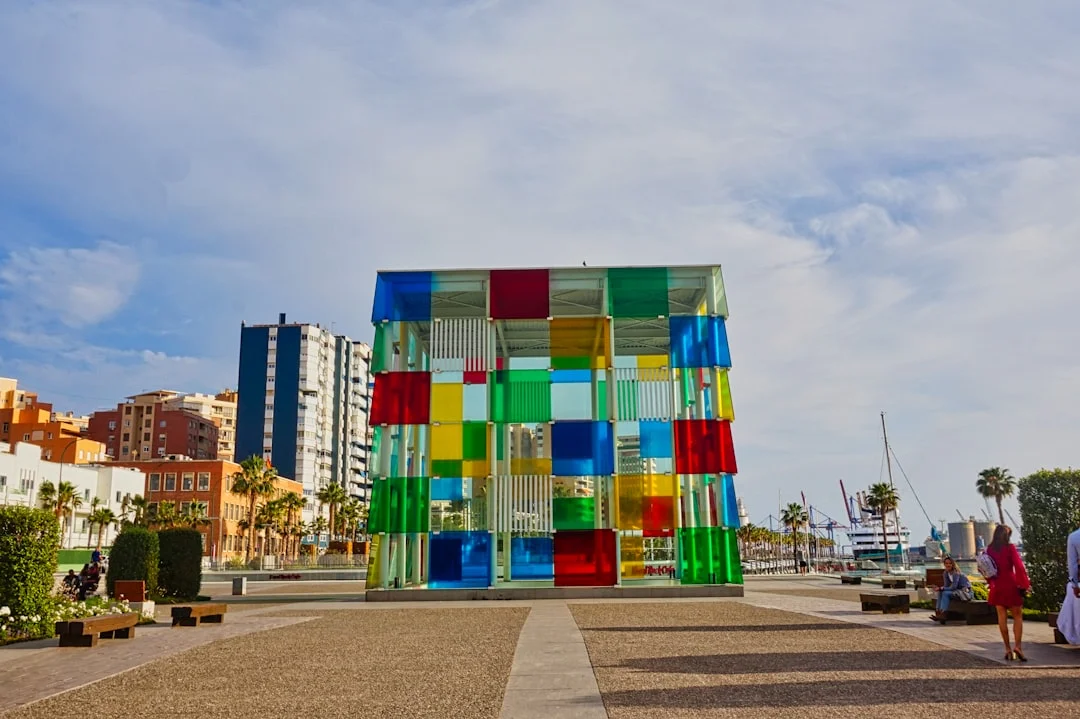
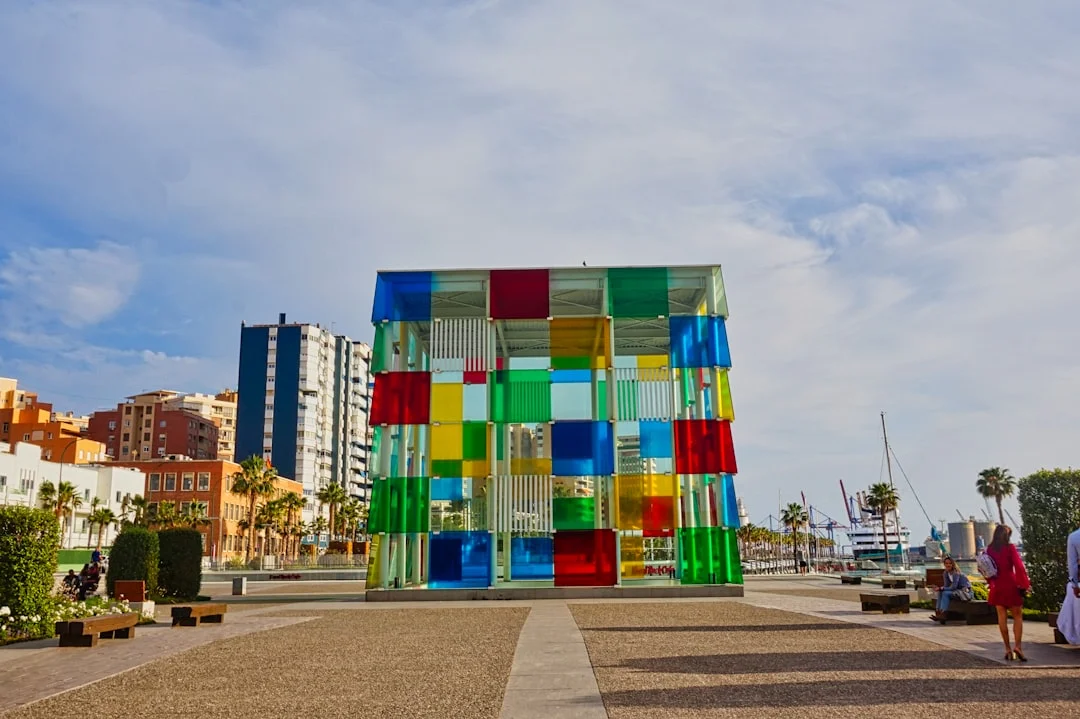
    Unter dem ikonischen Glaskubus im Muelle Uno gelegen, bietet die Málager Außenstelle des Pariser Kunstgiganten eine außergewöhnliche Reise durch die Kunst des 20. und 21. Jahrhunderts. Die aktuelle semi-permanente Ausstellung erforscht Themen wie Identität, Industrialisierung und moderne Architektur durch beeindruckende Multimedia-Installationen.

    3. Museo Carmen Thyssen: Spanische Meisterwerke des 19. Jahrhunderts

    Untergebracht im Palacio de Villalón aus dem 16. Jahrhundert, beherbergt dieses Museum eine außergewöhnliche Sammlung andalusischer und spanischer romantischer Malerei. Es ist der perfekte Ort, um das Licht, die Folklore und die Landschaften Südspaniens durch historische Pinselstriche zu verstehen.

    4. Colección del Museo Ruso: Unbeugsame Kunst

    Dieser im historischen Tabacalera-Gebäude untergebrachte Raum präsentiert weiterhin atemberaubende Wechselausstellungen. Mit seinem Fokus auf klassische und zeitgenössische slawische Kunst, Avantgarde-Bewegungen und historische Retrospektiven bleibt er einer der einzigartigsten Räume der Stadt.

    Zeitgenössische & alternative Zentren

    5. CAC Málaga: Wegweisende Gegenwartskunst

    Das Centro de Arte Contemporáneo (CAC) am Rande des Viertels Soho ist ein Muss für Liebhaber von Street-Art, Fotografie und Bildhauerei. Es zeigt regelmäßig Einzelausstellungen von international renommierten modernen Künstlern sowie lokalen spanischen Talenten.

    6. La Térmica: Avantgarde und Experimentelles

    Etwas außerhalb des Stadtzentrums gelegen, wurde dieses ehemalige Industriegebäude in ein florierendes Kulturzentrum verwandelt. La Térmica beherbergt alles von zeitgenössischen Fotografie-Ausstellungen über Grafikdesign-Präsentationen bis hin zu offenen Ateliers von Artists-in-Residence.

    7. CAC Málaga – La Coracha: Kunst am Berghang

    Direkt unterhalb des Castillo de Gibralfaro gelegen, widmet sich diese Außenstelle des CAC-Hauptmuseums in erster Linie der Förderung aufstrebender lokaler Künstler. Die historische Backsteinarchitektur bildet einen wunderschönen Kontrast zu der modernen, oft experimentellen Kunst im Inneren.

    8. MUPAM (Museo del Patrimonio Municipal)

    Am Fuße der Alcazaba gelegen, schlägt das städtische Denkmalmuseum (MUPAM) die Brücke zwischen Málagas Geschichte und seinen zeitgenössischen Schöpfern. In seinen Sälen für Wechselausstellungen werden häufig lokale Künstler gewürdigt, die die visuelle Identität der Stadt geprägt haben.

    Historische & institutionelle Galerien

    9. Museo de Málaga: Schöne Künste im Zollpalast

    Der Palacio de la Aduana beherbergt die archäologischen Schätze der Stadt neben einer beeindruckenden Kunstsammlung. In den oberen Stockwerken sind atemberaubender spanischer Realismus des 19. Jahrhunderts und Werke der frühen Moderne zu sehen, die oft übersehen werden, aber absolut lohnenswert sind.

    10. Museo Casa Natal de Picasso: Wo alles begann

    Das an der Plaza de la Merced gelegene Geburtshaus Picassos aus dem Jahr 1881 bietet mehr als nur Erinnerungsstücke. Es zeigt wechselnde Sonderausstellungen seiner grafischen Arbeiten, Keramiken und Werke seiner Zeitgenossen.

    11. Ateneo de Málaga: Bürgerkunst im Herzen der Stadt

    An der historischen Plaza de la Constitución ist das Ateneo ein wichtiger gesellschaftlicher Raum. Seine Ausstellungsräume zeigen häufig anregende Fotografie, politische Kunst und zeitgenössische Installationen regionaler Kunstschaffender.

    12. Sociedad Económica de Amigos del País

    Ebenfalls an der Plaza de la Constitución gelegen, veranstaltet diese historische Institution aus dem 18. Jahrhundert Ausstellungen klassischer und zeitgenössischer Malerei in einem wunderbar stimmungsvollen Saal mit hohen Decken.

    Soho & unabhängige Räume

    13. La Casa Amarilla: Das Herz der lokalen Szene

    Wenn Sie sehen möchten, wo sich Málagas aktive Künstler tatsächlich treffen, sollten Sie La Casa Amarilla im Viertel Soho besuchen. Teils Galerie, teils Werkstatt, ermöglicht dieser unabhängige Raum den Kauf von originaler, erschwinglicher Kunst direkt von den Schöpfern.

    14. Galería Isabel Hurley: Hochkarätige zeitgenössische Kunst

    Für einen tiefen Einblick in den kommerziellen zeitgenössischen Kunstmarkt präsentiert diese Galerie avantgardistische nationale und internationale Künstler. Die Ausstellungen hier sprengen oft Grenzen mit Konzeptkunst, Videoinstallationen und experimenteller Bildhauerei.

    15. Archivo Municipal: Geschichte und Fotografie

    Das Stadtarchiv an der Alameda Principal öffnet regelmäßig seinen Innenhof und seine Ausstellungshallen für die Öffentlichkeit. Es ist ein fantastischer Ort, um historische Fotografie-Ausstellungen zu sehen, die Málagas Wandel im Laufe der Jahrzehnte dokumentieren.

    Praktische Tipps für Ihre Kunst-Tour

    • Öffnungszeiten prüfen: Viele kleinere Galerien und städtische Räume sind montags geschlossen. Große Museen wie das Picasso und Pompidou sind täglich geöffnet.
    • Sonntagsrabatte: Mehrere große Museen bieten am Sonntagnachmittag freien Eintritt (meist in den letzten beiden Öffnungsstunden).
    • Street-Art in Soho: Beschränken Sie Ihre Kunstbetrachtung nicht nur auf Innenräume. Das Viertel Soho selbst ist eine Freiluftgalerie mit riesigen Wandgemälden weltberühmter Künstler wie Obey und D*Face.

    Wir hoffen, dass dieser Leitfaden Sie dazu inspiriert, abseits der ausgetretenen Pfade zu wandeln und sich in den Farben, Texturen und Ideen zu verlieren, die unsere Stadt heute prägen. Málagas Schönheit liegt nicht nur in der warmen Meeresbrise, sondern auch im lebendigen, kreativen Geist der Menschen, die hier zu Hause sind. Viel Spaß beim Entdecken!

  • 15 Art Exhibitions to Discover Today in Málaga

    15 Art Exhibitions to Discover Today in Málaga

    Málaga has officially shed its old reputation as just a sunny gateway to the Costa del Sol. Today, it stands proud as the cultural capital of Southern Spain. Whether you are a newly arrived resident finding your feet or a traveler seeking a refined afternoon indoors to escape the extreme heat of up to 46°C, the city’s artistic offering is staggering.

    On any given day, you can step into world-class galleries, independent workshops, and experimental spaces. According to the active cultural listings on Hoy Málaga, there are at least 15 incredible summer art exhibitions and spaces to discover right now.

    Here is your curated guide to navigating Málaga’s best art spaces today.

    The International Heavyweights

    1. Museo Picasso Málaga: The Local Legend

    You cannot talk about art in Málaga without starting with its most famous son. Located in the beautiful Palacio de Buenavista, the museum’s collection showcases Picasso’s evolving styles, from classicism to cubism. It is a deeply personal look at his relationship with his hometown.

    2. Centre Pompidou Málaga: Modernity Under the Cube

    Situated beneath the iconic glass cube at Muelle Uno, the Málaga branch of the Parisian giant offers an exceptional journey through 20th and 21st-century art. The current semi-permanent exhibition explores themes of identity, industrialization, and modern architecture through striking multimedia installations.

    3. Museo Carmen Thyssen: 19th-Century Spanish Masterpieces

    Housed in the 16th-century Palacio de Villalón, this museum holds an extraordinary collection of Andalusian and Spanish romantic paintings. It is the perfect place to understand the light, folklore, and landscapes of Southern Spain through historical brushstrokes.

    4. Colección del Museo Ruso: Resilient Art

    Located in the historic Tabacalera building, this space continues to present breathtaking temporary exhibitions. Focusing on classic and contemporary Slavic art, avant-garde movements, and historical retrospectives, it remains one of the city’s most unique spaces.

    Contemporary & Alternative Hubs

    5. CAC Málaga: Cutting-Edge Contemporary

    The Centro de Arte Contemporáneo (CAC), located on the edge of the Soho district, is a must-visit for lovers of street art, photography, and sculpture. It regularly hosts solo exhibitions by internationally acclaimed modern artists alongside local Spanish talent.

    6. La Térmica: Avant-Garde and Experimental

    Slightly outside the city center, this former industrial space has been converted into a thriving cultural powerhouse. La Térmica hosts everything from contemporary photography exhibitions to graphic design showcases and artist-in-residence open studios.

    7. CAC Málaga – La Coracha: Art on the Hillside

    Nestled just below the Gibralfaro Castle, this annex of the main CAC museum is dedicated primarily to promoting emerging local artists. The historic brick architecture contrasts beautifully with the modern, often experimental art inside.

    8. MUPAM (Museo del Patrimonio Municipal)

    Located at the foot of the Alcazaba, the Municipal Heritage Museum bridges the gap between Málaga’s history and its contemporary creators. Its temporary halls frequently highlight local artists who have shaped the city’s visual identity.

    Historic & Institutional Galleries

    9. Museo de Málaga: Fine Arts at the Customs Palace

    The Palacio de la Aduana houses the city’s archaeological treasures alongside an impressive fine arts collection. The top floors feature stunning 19th-century Spanish realism and early modern works that are often overlooked but deeply rewarding.

    10. Museo Casa Natal de Picasso: Where It All Began

    Located in Plaza de la Merced, the house where Picasso was born in 1881 offers more than just memorabilia. It hosts rotating temporary exhibitions of his graphic works, ceramics, and pieces by his contemporaries.

    11. Ateneo de Málaga: Civic Art in the Heart of Town

    In the historic Plaza de la Constitución, the Ateneo is a vital civic space. Its exhibition rooms frequently showcase thought-provoking photography, political art, and contemporary installations by regional creators.

    12. Sociedad Económica de Amigos del País

    Also situated in Plaza de la Constitución, this historic 18th-century institution hosts classical and contemporary painting exhibitions in a wonderfully atmospheric, high-ceilinged hall.

    Soho & Independent Spaces

    13. La Casa Amarilla: The Heart of the Local Scene

    If you want to see where Málaga’s working artists actually hang out, head to La Casa Amarilla in the Soho district. Part gallery, part workshop, this independent space allows you to buy original, affordable art directly from the creators.

    14. Galería Isabel Hurley: High-End Contemporary Art

    For a deep dive into the commercial contemporary art market, this gallery showcases avant-garde national and international artists. The exhibitions here often push boundaries with conceptual art, video installations, and experimental sculpture.

    15. Archivo Municipal: History and Photography

    The Municipal Archive, located on Alameda Principal, regularly opens its courtyard and exhibition halls to the public. It is a fantastic spot to catch historical photography exhibitions documenting Málaga’s transformation over the decades.

    Practical Tips for Your Art Crawl

    • Check the Hours: Many smaller galleries and municipal spaces close on Mondays. Major museums like the Picasso and Pompidou remain open daily.
    • Sunday Discounts: Several major museums offer free entry on Sunday afternoons (usually during the last two hours of operation).
    • Soho Street Art: Don’t limit your art viewing to the indoors. The Soho neighborhood itself is an open-air gallery, featuring massive murals by world-famous artists like Obey and D*Face.

    We hope this guide inspires you to step off the beaten path and lose yourself in the colors, textures, and ideas shaping our city today. Málaga’s beauty lies not just in its warm sea breeze, but in the vibrant creative spirit of the people who call it home. Happy exploring!

  • Jubriques heiliges Kreuz: Getarnt als Kleiderständer

    Jubriques heiliges Kreuz: Getarnt als Kleiderständer

    Eingebettet im Herzen des Valle del Genal in der rauen Serranía de Ronda ist das weiße Dorf Jubrique für seine steilen, maurischen Gassen, Kastanienwälder und die ruhige Bergatmosphäre bekannt. Während Besucher hier Zuflucht vor den sommerlichen Temperaturen suchen und die Provinz an anderen Orten neue öffentliche Trinkbrunnen gegen die Hitze installiert, verbirgt sich hinter der friedlichen Fassade von Jubrique eine faszinierende Geschichte von lokalem Widerstand und Einfallsreichtum. Eines der fesselndsten Geheimnisse des Dorfes dreht sich um ein heiliges Gemeinde-Kreuz, das die Zerstörung überlebte, indem es sich direkt vor aller Augen versteckte – getarnt als ganz gewöhnlicher Kleiderständer aus Holz.

    Für Reisende, die einen Wochenendausflug abseits der ausgetretenen Pfade von Málaga aus suchen, bietet Jubrique nicht nur eine atemberaubende Naturlandschaft, sondern auch einen tiefen Einblick in den widerstandsfähigen Geist der andalusischen Bergdörfer.

    Die geniale Tarnung von Jubriques heiligem Kreuz

    In historischen Zeiten religiöser und sozialer Konflikte in Spanien, insbesondere während der turbulenten 1930er Jahre, waren religiöse Kunstwerke und Reliquien im ganzen Land von weit verbreiteter Zerstörung bedroht. In vielen Orten gingen wertvolle Gemeindeschätze für immer verloren. Die Einwohner von Jubrique waren jedoch entschlossen, ihr Erbe zu schützen.

    Während die Provinz heute für ihre großen öffentlichen Glaubensbekundungen gefeiert wird, wie etwa Málagas historische Oster-Traditionen, mussten die Berggemeinden in Zeiten des Konflikts ihre Frömmigkeit im Geheimen schützen. Anstatt ihr heiliges Prozessionskreuz zu vergraben oder aus dem Dorf zu schmuggeln – riskante Aktionen, die leicht hätten auffliegen können –, dachten sich die Einheimischen eine geniale, einfache Lösung aus. Sie brachten einfache Holzhaken an den Armen des Kreuzes an und verwandelten das heilige Objekt so in einen gewöhnlichen, alltäglichen Kleiderständer (perchero).

    Laut historischen Berichten, die von Málaga Hoy ausführlich beschrieben werden, stand das getarnte Kreuz jahrelang in einem örtlichen Haus. Besucher und Behörden gingen regelmäßig daran vorbei, völlig ahnungslos, dass der Kleiderständer, an dem schwere Wolljacken und Hüte hingen, in Wirklichkeit eine verehrte Gemeinde-Reliquie war. Dieser einfache Akt des kollektiven Schweigens und der cleveren Anpassung rettete das Kreuz vor der Zerstörung.

    Entdeckungstour in Jubrique: Ein Dorf wie aus der Zeit gefallen

    Heute ist Jubrique nach wie vor eines der authentischsten Dörfer in der Serranía de Ronda. Neben seinen historischen Anekdoten ist der Ort ein Paradies für Wanderer, Geschichtsinteressierte und Liebhaber des Slow Travel.

    Die Kirche San Francisco de Asís

    Um den Kontext des religiösen Erbes des Dorfes zu verstehen, ist ein Besuch der Iglesia de San Francisco de Asís unerlässlich. Diese im 16. Jahrhundert auf den Grundmauern einer alten Moschee errichtete Kirche ist das architektonische Herzstück des Ortes und besticht durch ihren markanten, achteckigen Glockenturm aus Backstein.

    Das maurische Stadtbild

    Der Straßenverlauf von Jubrique ist ein Erbe seiner Al-Andalus-Vergangenheit. Ein Spaziergang durch das Dorf führt durch ein Labyrinth aus engen, gewundenen und unglaublich steilen Gassen, die von weiß getünchten Häusern mit leuchtend blauen Blumentöpfen gesäumt sind. Zu den wichtigsten Sehenswürdigkeiten gehören das traditionelle öffentliche Waschhaus (lavadero público) und die örtlichen Aussichtspunkte, die einen Panoramablick auf das umliegende Tal bieten.

    Gastronomie und die Kastanienkultur

    Das Genal-Tal ist berühmt für seine Kastanienwälder. Wenn Sie das Tal in den Herbstmonaten besuchen, werden Sie erleben, wie sich die Landschaft während des sogenannten Kupferfrühlings (primavera de cobre) in leuchtende Gelb- und Kupfertöne verwandelt. Die örtlichen Tavernen servieren traditionelle Gerichte mit Kastanien, Wild und lokal produzierten Bergweinen.

    So kommen Sie von Málaga nach Jubrique

    Jubrique liegt etwa 120 Kilometer von der Stadt Málaga entfernt.

    • Mit dem Auto: Die Fahrt dauert etwa 2 Stunden. Die landschaftlich reizvollste Route führt über Estepona, hinauf über den Gebirgspass Peñas Blancas, bevor es hinab ins Genal-Tal geht. Die Straßen sind kurvenreich und eng, bieten aber einige der spektakulärsten Bergaussichten der Provinz.
    • Reisetipp: Verbinden Sie Ihren Besuch mit Zwischenstopps im benachbarten Genalguacil – dem berühmten „Museumsdorf“, das für seine Kunstinstallationen unter freiem Himmel bekannt ist – oder in der historischen Stadt Ronda.

    Diese ruhigen Bergdörfer erinnern uns daran, dass Geschichte nicht nur in Lehrbüchern geschrieben oder in großen Metropolmuseen bewahrt wird. Manchmal werden die tiefgründigsten Geschichten über das Überleben und den Zusammenhalt einer Gemeinschaft in den stillen Ecken eines weißen Dorfes lebendig gehalten, direkt vor aller Augen an einem einfachen Holzhaken verborgen – ganz ähnlich wie die prähistorischen Markierungen, die in Málagas Picasso-Gärten verborgen sind.

  • Jubrique’s Sacred Cross Hidden as a Coat Rack

    Jubrique’s Sacred Cross Hidden as a Coat Rack

    Nestled in the heart of the Valle del Genal within the rugged Serranía de Ronda, the whitewashed village of Jubrique is known for its steep Moorish streets, chestnut forests, and tranquil mountain atmosphere. While the wider province adapts to rising temperatures with modern measures, such as when Málaga installs new public fountains to fight the heat, this quiet mountain enclave offers a timeless refuge. However, beneath its peaceful exterior lies a fascinating history of local resistance and ingenuity. One of the village’s most captivating secrets involves a sacred parish cross that survived destruction by hiding in plain sight—disguised as a common wooden coat rack.

    For travelers seeking an off-the-beaten-path weekend trip from Málaga, Jubrique offers not just stunning natural scenery, but a deep dive into the resilient spirit of Andalusia’s mountain communities.

    The Ingenious Disguise of Jubrique’s Sacred Cross

    During historical periods of religious and social conflict in Spain, particularly during the turbulent 1930s, religious art and relics across the country faced widespread destruction. In many towns, valuable parish treasures were lost forever. However, the residents of Jubrique were determined to protect their heritage.

    While the province is celebrated today for its grand public displays of faith, such as Malaga’s historic Easter traditions, mountain communities during times of conflict had to protect their devotion in secret. Instead of burying their sacred processional cross or smuggling it out of the village—risky moves that could have easily been detected—local residents devised a brilliant, low-tech solution. They added simple wooden pegs to the arms of the cross, transforming the sacred object into an ordinary, everyday coat rack (perchero).

    According to historical accounts detailed by Málaga Hoy, the disguised cross sat in a local home for years. Visitors and authorities walked past it regularly, completely unaware that the coat rack holding up heavy wool jackets and hats was actually a revered parish relic. This simple act of collective silence and clever adaptation saved the cross from being destroyed.

    Exploring Jubrique: A Village Frozen in Time

    Today, Jubrique remains one of the most authentic villages in the Serranía de Ronda. Beyond its historical anecdotes, the town is a paradise for hikers, history enthusiasts, and slow-travel advocates.

    The Church of San Francisco de Asís

    To understand the context of the village’s religious heritage, a visit to the Iglesia de San Francisco de Asís is essential. Built on the site of an old mosque, this 16th-century church stands as the architectural centerpiece of the town, featuring a distinctive octagonal brick bell tower.

    The Moorish Urban Layout

    Jubrique’s street plan is a legacy of its Al-Andalus past. Walking through the village involves navigating a labyrinth of narrow, winding, and incredibly steep streets lined with whitewashed houses adorned with bright blue flowerpots. Key spots to look out for include the traditional public washing laundry (lavadero público) and the local viewpoints offering panoramic vistas of the surrounding valley.

    Gastronomy and the Chestnut Culture

    The Genal Valley is famous for its chestnut forests. If you visit during the autumn months, you will see the landscape turn vibrant shades of yellow and copper during the primavera de cobre (copper spring). Local taverns serve traditional dishes featuring chestnuts, wild game, and locally produced mountain wines.

    How to Get to Jubrique from Málaga

    Jubrique is located approximately 120 kilometers from Málaga city.

    • By Car: The drive takes about 2 hours. The most scenic route goes via Estepona, climbing up the mountain pass of Peñas Blancas before descending into the Genal Valley. The roads are winding and narrow, but they offer some of the most spectacular mountain views in the province.
    • Travel Tip: Combine your visit with stops in neighboring Genalguacil—the famous “museum-village” known for its open-air art installations—or the historic town of Ronda.

    These quiet mountain villages remind us that history isn’t just written in textbooks or preserved in grand metropolitan museums. Sometimes, the most profound stories of survival and community solidarity are kept alive in the quiet corners of a white village, hidden in plain sight on a simple wooden peg—much like the prehistoric markings hidden in Malaga’s Picasso Gardens.

  • MIMMA Malaga Launches Daily Summer Music Workshops

    MIMMA Malaga Launches Daily Summer Music Workshops

    As the July and August temperatures soar in Málaga, finding engaging, air-conditioned indoor activities for the family becomes a top priority. While the beaches and chiringuitos are perfect for the morning and late evening, finding the best family-friendly activities in Málaga during the midday sun requires a cooler strategy.

    Fortunately, alongside the city’s vibrant summer art exhibitions, the Museo Interactivo de la Música Málaga (MIMMA) has launched a fantastic solution to keep children entertained, educated, and cool this summer.

    Hands-On Music for the Whole Family

    Unlike traditional museums where the golden rule is “do not touch,” MIMMA is famous for its interactive philosophy. The museum features several “Se ruego tocar” (Please play) rooms, where visitors of all ages are actively encouraged to try out different musical instruments, making it a fantastic experience to combine with the many vibrant art exhibitions to discover today in Málaga.

    For the summer 2026 season, the museum has stepped up its programming to offer specialized, educational guided visits designed specifically for families. According to a report by Andalucía Información, these interactive sessions are designed to stimulate children’s curiosity and creativity through direct contact with music.

    Summer 2026 Schedule & Details

    To accommodate both locals and the influx of summer tourists, MIMMA has structured its special summer programming to be highly accessible:

    • July 2026: The interactive family visits are held every weekend.
    • August 2026: The program expands to every single day, offering a reliable daily escape from the afternoon heat.
    • What to expect: Guided tours led by museum educators who adapt the experience to the ages of the participating children. Families will explore the history of music, learn how different instruments produce sound, and get to play them firsthand.

    Why MIMMA is a Summer Lifesaver for Parents

    Located in the heart of the historic center on Calle Beatas, MIMMA is housed in the beautiful 18th-century Palacio de las Conde de las Navas. It is easily reachable on foot from major central landmarks like Calle Larios or the Plaza de la Merced.

    Beyond the educational value, it offers a highly sensory experience. Children can experiment with string, wind, and percussion instruments, discovering how rhythm and melody work in a low-pressure, fun environment. It is an excellent way to break up a day of sightseeing without hearing the dreaded “I’m bored,” making it one of the top indoor family plans in Málaga.

    Practical Information for Your Visit

    • Location: Calle Beatas, 15, 29008 Málaga.
    • Best time to visit: Mid-afternoon, when the outdoor temperatures peak and you need a couple of hours of air-conditioned comfort.
    • Booking: While you can often buy tickets at the door, booking online in advance is highly recommended during the peak months of July and August to secure your spot for the daily workshops.

    Taking a break from the sun doesn’t mean the holiday fun has to stop. Sharing a moment of musical discovery with your kids might just be the unexpected highlight of your summer in Málaga. We hope this cool sanctuary brings some harmony and joy to your family’s warm summer days.

  • Málaga Invests €2.6M in San Miguel Cemetery Restoration

    Málaga Invests €2.6M in San Miguel Cemetery Restoration

    Málaga is taking a major step toward preserving its rich 19th-century heritage. This cultural preservation comes at a time when the city is more accessible than ever to international visitors, with direct flights from Malaga Airport now reaching a record 163 cities. As part of these efforts, the Málaga City Council has officially awarded the contract for the restoration and recovery of the historic Cementerio de San Miguel (San Miguel Cemetery) with a budget of €2.65 million.

    As reported by Europa Press in July 2026, this ambitious project aims to safeguard one of the city’s most significant cultural landmarks while improving its integration into the surrounding urban landscape.

    The ‘Conecta_Málaga’ Initiative

    This restoration is a key component of ‘Conecta_Málaga’, a broader municipal strategic plan designed to revitalize urban spaces of high historical and heritage value. By investing in San Miguel, the city aims to balance modern urban growth with the careful conservation of its past.

    The planned works will focus on several critical areas:
    * Structural Conservation: Repairing and stabilizing historic pantheons, walls, and architectural elements showing signs of deterioration.
    * Improved Accessibility: Creating barrier-free pathways to ensure the site is easily accessible to all residents and visitors.
    * Landscaping and Lighting: Enhancing the green spaces and installing subtle, respectful lighting to highlight the cemetery’s unique neoclassical features.

    A Neoclassical Jewel Off the Beaten Path

    For travelers and history enthusiasts looking to explore Málaga beyond its famous beaches and busy downtown museums, or those seeking unique plans in Málaga, the San Miguel Cemetery is an extraordinary open-air museum.

    Opened in the early 19th century, it serves as the final resting place for many of the prominent figures who shaped Málaga’s golden industrial age, including members of the Larios, Heredia, and Loring families.

    Key Highlights of San Miguel:

    • Neoclassical Pantheons: The cemetery features stunning mausoleums designed by some of the most renowned architects of the 19th century, showcasing exquisite marble work, classical columns, and ironwork.
    • Cultural Symbolism: Every corner tells a story of Málaga’s bourgeois past, reflecting the artistic and social trends of the Romantic era.
    • Tranquil Atmosphere: Located in the El Ejido/Segalerva neighborhood, it offers a peaceful, reflective environment far removed from the typical tourist crowds.

    Enhancing Málaga’s Cultural Tourism

    This €2.65 million investment is expected to elevate San Miguel’s profile as a key cultural destination. In recent years, cemetery tourism (or “taphophilia”) has grown in popularity across Europe, with travelers seeking out historic burial grounds for their architectural, artistic, and historical significance.

    By restoring the physical integrity of the site and improving visitor infrastructure, Málaga is ensuring that future generations can appreciate this unique monument. Whether you are interested in local history, neoclassical sculpture, or simply finding a quiet space to reflect, the revitalized San Miguel Cemetery will undoubtedly become an even more compelling stop on any cultural itinerary through the city.

    Preserving sites like San Miguel reminds us that a city’s identity is shaped as much by its history as by its future. We look forward to seeing this beautiful space restored to its full architectural glory, keeping the stories of those who built modern Málaga alive for years to come.

  • Malaga Weekend Guide: Yellow Sound and Free Cinema

    Malaga Weekend Guide: Yellow Sound and Free Cinema

    Mid-July Weekend Vibes in Malaga

    With the mid-summer heat in full swing—especially as the latest Málaga heatwave triggers an orange alert on the Costa del Sol—finding the perfect balance between fun, culture, and staying cool is the ultimate goal. For the weekend of July 18–19, 2026, Malaga has lined up an excellent mix of budget-friendly and family-oriented activities.

    Whether you are an international resident settling into the city or a visitor looking to experience Malaga like a local, this weekend offers a fantastic lineup. According to the latest listings on Diario Sur’s local agenda, you can look forward to live indie music, retro treasure hunting, and free outdoor entertainment.

    1. Yellow Sound Festival: Indie Vibes and Live Music

    If you love live music and a relaxed, creative atmosphere, the Yellow Sound Festival is the place to be this weekend. Designed as a celebration of local talent and indie culture, this gathering brings together musicians, artists, and food lovers.

    • What to expect: A curated lineup of local indie bands, acoustic sets, and singer-songwriters.
    • The Vibe: Casual, open-air, and highly social—perfect for meeting fellow expats and locals alike.
    • Food & Drink: Local food trucks will be on-site serving up craft beers and street food options, making it easy to spend the entire evening enjoying the tunes.

    2. Free Outdoor Cinema and Video Games for Families

    Summer nights in Malaga are made for being outdoors. To help families make the most of the cooler evening air, several districts across the city are hosting free outdoor cinema screenings and interactive video game zones.

    Open-Air Cinema

    Forget crowded indoor theaters. This weekend, grab a beach chair or a blanket and head to one of Malaga’s designated public squares or beachside spots. The city’s summer cinema program is screening family-friendly films (often dubbed in Spanish, which is a great way to practice your language skills!).

    Retro Gaming Zones

    Alongside the movie screenings, dedicated family zones are featuring classic video games. Kids can try their hand at retro consoles, while parents can indulge in a bit of nostalgia with games from the 80s and 90s. It’s a wonderful, cost-free way to keep the little ones entertained after the sun goes down.

    3. The Monthly Collectors’ Fair: Retro Treasures

    For those who love the thrill of the hunt, the latest edition of Malaga’s monthly Feria de Coleccionismo (Collectors’ Fair) is happening this weekend.

    This is a haven for lovers of nostalgia, vintage aesthetics, and unique memorabilia. Vendors from across the province gather to showcase:
    * Vintage toys and action figures from past decades.
    * Vinyl records, cassettes, and retro video games (including classic Nintendo, Sega, and PlayStation titles).
    * Comic books, trading cards, and cinema posters.

    Even if you aren’t looking to buy, wandering through the stalls is like taking a stroll down memory lane. It is also an excellent opportunity to chat with passionate local collectors and discover a different side of Malaga’s cultural community. If you enjoy this kind of local atmosphere, you might also want to explore our guide to Málaga’s weekend markets and art shows.

    Quick Tips for Enjoying the Weekend

    • Beat the Heat: Most outdoor activities, including the cinema and festival stages, start later in the evening (usually after 20:30 or 21:00) when the temperature drops. During the hotter daytime hours, a great alternative is to seek sanctuary in one of the city’s air-conditioned galleries—check out these 15 Malaga art exhibitions to see today.
    • Hydrate and Protect: If you are heading to daytime events like the collectors’ fair, keep a bottle of water handy and wear sun protection.
    • Public Transport: Malaga’s bus network and metro are highly efficient. Consider using them to avoid the hassle of summer parking in the city center.

    We hope this weekend brings you plenty of laughter, great music, and maybe a vintage treasure or two. Malaga has a wonderful way of making everyone feel at home, and we hope these local plans help you connect even deeper with our beautiful city. Have a wonderful weekend!

  • Museen in Málaga: 15 Kunstausstellungen, die Sie heute sehen sollten

    Museen in Málaga: 15 Kunstausstellungen, die Sie heute sehen sollten

    Wenn die Temperaturen im Juli in Málaga in die Höhe schnellen, ist der Strand nicht Ihre einzige Zuflucht. Tatsächlich hat die rasante Verwandlung der Stadt in eine der führenden Kulturmetropolen Europas den ultimativen Sommer-Rückzugsort hervorgebracht: erstklassige, hervorragend klimatisierte Museen. Wenn Sie Ihre Reiseroute planen, finden Sie auch Inspiration in unserem Málaga-Wochenendführer für Märkte und Kunstausstellungen.

    Von Picassos revolutionärem Pinselstrich bis hin zu modernsten zeitgenössischen Installationen bietet Málagas Indoor-Kunstszene einen kühlen Zufluchtsort für Geist und Körper. Egal, ob Sie ein engagierter Kunsthistoriker sind oder einfach nur der Mittagssonne entfliehen möchten, hier sind 15 außergewöhnliche Ausstellungen und Sammlungen, die Sie heute in Málaga besuchen können, wie vom lokalen Kunst-Tracker Hoy Málaga hervorgehoben.

    Picassos Erbe in seiner Geburtsstadt

    1. Pablo Picasso: Structures of Invention (Museo Picasso Málaga)

    Diese Hauptausstellung im beeindruckenden Palacio de Buenavista bietet einen tiefen Einblick in das Schaffen des Künstlers, der die Kunst des 20. Jahrhunderts neu definiert hat. Sie zeigt eine außergewöhnliche Auswahl an Gemälden, Skulpturen und Keramiken aus seiner gesamten Karriere und veranschaulicht, wie er die Regeln der Darstellung immer wieder brach und neu erfand. Ebenso zukunftsorientiert wie Picassos Werke zeigt sich heute auch der lokale Sport, wo die neuesten Málaga CF Transfer-News zu Pellicers Kader für 2026/27 für Gesprächsstoff in der Stadt sorgen.

    2. Picassos frühe Jahre & Grafiken (Museo Casa Natal)

    Treten Sie direkt in das Geburtshaus von Picasso an der Plaza de la Merced ein. Heute zeigt das Museum nicht nur persönliche Erinnerungsstücke der Familie, sondern auch sorgfältig kuratierte temporäre Galerien, die sich auf seine frühen akademischen Arbeiten, Zeichnungen und die grafischen Meisterwerke konzentrieren, die seine Jugend prägten.

    Zeitgenössische & Avantgardistische Räume

    3. Place-Space-Time (Centre Pompidou Málaga)

    Die semi-permanente Ausstellung des Centre Pompidou, erkennbar an dem riesigen Glaskubus am Hafen, lädt Besucher dazu ein, moderne und zeitgenössische Meisterwerke zu entdecken. Es ist eine brillante, zum Nachdenken anregende Reise durch die Konzepte von Raum, Zeit und menschlicher Identität.

    4. Temporäre zeitgenössische Fotografie (Centre Pompidou Málaga)

    Zusätzlich zu seiner Hauptsammlung zeigt das Pompidou in seinen unteren Galerien regelmäßig temporäre Fotografie- und Multimedia-Ausstellungen. Diese kleineren, fokussierten Präsentationen bieten einen erfrischenden Blick auf aktuelle globale Perspektiven.

    5. Internationale zeitgenössische Kunst (CAC Málaga)

    Das Centro de Arte Contemporáneo (CAC) im Viertel Soho ist ein Zentrum für wegweisende Kunst. In seiner Haupthalle werden großformatige Gemälde, Skulpturen und Videokunst von einigen der gewagtesten internationalen Künstler der Gegenwart gezeigt.

    6. Aufstrebende andalusische Talente (CAC La Coracha)

    Nur einen kurzen Spaziergang hinauf in Richtung Gibralfaro beleuchtet der Nebenstandort des CAC in La Coracha lokale und regionale andalusische Künstler. Es ist the perfekte Ort, um frische, experimentelle Stimmen zu entdecken, die die südspanische Kunstszene prägen.

    Klassische Meisterwerke & Spanischer Realismus

    7. Spanische Landschaften des 19. Jahrhunderts (Museo Carmen Thyssen)

    Das Museo Carmen Thyssen, das in einem wunderschönen Palast aus dem 16. Jahrhundert untergebracht ist, beherbergt eine der besten Sammlungen spanischer und andalusischer Costumbrismo-Malerei. Heute können Sie hier durch romantische Landschaften und lebendige Darstellungen des traditionellen spanischen Lebens wandern.

    8. Modernistische Dialoge (Sonderausstellung im Museo Carmen Thyssen)

    Die temporären Galerien des Thyssen-Museums zeigen derzeit einen kuratierten Dialog zwischen spanischen Modernisten des frühen 20. Jahrhunderts und ihren europäischen Zeitgenossen und beleuchten den kreativen Austausch, der über die Pyrenäen hinweg stattfand.

    9. Revello de Toro: Die Kunst der Porträtmalerei (Museo Revello de Toro)

    Versteckt im historischen Wohnhaus des Werkstattmeisters Pedro de Mena feiert dieses Museum das Leben und Werk des in Málaga geborenen Porträtmalers Félix Revello de Toro. Seine feinen, ausdrucksstarken Frauenporträts und intimen Familienszenen sind tief bewegend.

    Historische & Eklektische Sammlungen

    10. Sammlung der Schönen Künste (Museo de Málaga)

    Die Abteilung für Schöne Künste des Provinzmuseums ist im monumentalen Palacio de la Aduana untergebracht und zeigt Meisterwerke aus dem 19. und 20. Jahrhundert, darunter Werke von Muñoz Degrain, Enrique Simonet und Bernardo Ferrándiz.

    11. Archäologische Schätze (Museo de Málaga)

    Begeben Sie sich in den oberen Etagen des Palacio de la Aduana auf eine Reise durch die phönizische, römische und maurische Vergangenheit Málagas. Die kühlen, gedimmten Galerien zeigen unglaubliche Artefakte, die die antike Geschichte dieser Hafenstadt am Mittelmeer erzählen, die eng mit dem 3.000 Jahre alten phönizischen Erbe der Stadt verbunden ist.

    12. Sakrale Kunst & Barocke Meisterwerke (Kathedralmuseum von Málaga)

    Im Inneren der hoch aufragenden Kathedrale (liebevoll La Manquita genannt) zeigt das Kathedralmuseum hervorragende Beispiele religiöser Malerei, Bildhauerei und Goldschmiedekunst aus der Renaissance und dem Barock.

    Expressionismus, Geschichte & Fotografie

    13. Neo-Expressionismus & Spirituelle Kunst (Museo Jorge Rando)

    Als erstes Museum Spaniens, das sich ausschließlich dem Expressionismus widmet, zeigt dieser Raum die intensiven, emotionalen Werke von Jorge Rando neben wechselnden Ausstellungen internationaler expressionistischer Künstler. Es ist ein ruhiger, kontemplativer Ort, der zum Verweilen einlädt.

    14. Kulturelles Gedächtnis & Fotografie (La Térmica)

    Etwas westlich des Stadtzentrums gelegen, bietet dieses lebendige Kulturzentrum hervorragende temporäre Fotografie-Ausstellungen. Von Ikonen der Popkultur aus der Mitte des Jahrhunderts bis hin zur Dokumentarfotografie sind die Galerien hier den kurzen Ausflug immer wert.

    15. Thematische Sammlungen (Colección del Museo Ruso)

    In dem historischen Tabacalera-Gebäude präsentiert dieser Raum weiterhin sorgfältig kuratierte thematische Ausstellungen, die sich auf historisch bedeutende Kunstbewegungen konzentrieren, mit unglaublichen Werken des Realismus, des Konstruktivismus und des frühen Avantgarde-Designs.

    Praktische Tipps für Ihren Kulturtag

    • Die Hitze umgehen: Die heißesten Stunden des Tages liegen normalerweise zwischen 14:00 und 18:00 Uhr. Planen Sie Ihre Museumsbesuche in dieser Zeit, um die Zeit in klimatisierten Räumen optimal zu nutzen.
    • Kombitickets: Viele Museen bieten Kombi-Tickets an (wie das Picasso-Museum + Casa Natal), mit denen Sie Geld sparen können.
    • Kostenloser Sonntag: Viele der besten Museen in Málaga bieten in den letzten Stunden des Sonntagnachmittags freien Eintritt. Wenn Sie mit kleinem Budget reisen, können Sie Ihre Besuche so planen, dass Sie die besten kostenlosen Museen in Málaga nutzen, um das Beste aus Ihrer Reise zu machen.
    • Auf dem Laufenden bleiben: Ausstellungspläne, Sonderschließungen und neue Galerieeröffnungen können sich ändern. Um in Echtzeit zu sehen, was heute stattfindet, konsultieren Sie den Live-Kulturführer auf Hoy Málaga.

    Sich ein paar Stunden Zeit zu nehmen, um zur Ruhe zu kommen und in diese stillen, kühlen Räume einzutauchen, ist eines der größten Vergnügen eines Sommers in Málaga. Wir hoffen, dass diese Ausstellungen Ihnen Inspiration, einen Moment der Ruhe und eine tiefere Verbindung zu dem kreativen Geist bringen, der unsere wunderschöne Stadt auszeichnet.

  • Malaga Museums: 15 Art Exhibitions to See Today

    Malaga Museums: 15 Art Exhibitions to See Today

    When July temperatures soar in Malaga, the beach isn’t your only refuge. In fact, the city’s rapid transformation into one of Europe’s premier cultural capitals has provided the ultimate summer escape: world-class, beautifully air-conditioned museums. If you are planning your itinerary, you can also find inspiration in our Málaga weekend guide to markets and art shows.

    From Picasso’s revolutionary brushstrokes to cutting-edge contemporary installations, Malaga’s indoor art scene offers a cool sanctuary for your mind and body. Whether you are a dedicated art historian or simply looking to escape the midday sun, here are 15 exceptional exhibitions and collections you can visit in Malaga today, as highlighted by local arts tracker Hoy Málaga.

    Picasso’s Legacy in His Birthplace

    1. Pablo Picasso: Structures of Invention (Museo Picasso Málaga)

    Located in the stunning Palacio de Buenavista, this core exhibition offers a deep dive into the artist who redefined 20th-century art. It features an exceptional selection of paintings, sculptures, and ceramics spanning his entire career, showing how he constantly broke and remade the rules of representation. Meanwhile, sports enthusiasts visiting the city can also catch up on local football updates, such as the latest Málaga CF transfer news regarding Pellicer’s squad design for 2026/27.

    2. Picasso’s Early Years & Graphics (Museo Casa Natal)

    Step directly into the house where Picasso was born in Plaza de la Merced. Today, the museum showcases not only intimate family memorabilia but also highly curated temporary galleries focusing on his early academic works, drawings, and the graphic masterpieces that shaped his youth.

    Contemporary & Avant-Garde Spaces

    3. Place-Space-Time (Centre Pompidou Málaga)

    Recognizable by the giant glass cube on the port, the Centre Pompidou’s semi-permanent exhibition invites visitors to explore modern and contemporary masterpieces. It is a brilliant, thought-provoking journey through the concepts of space, time, and human identity.

    4. Temporary Contemporary Photography (Centre Pompidou Málaga)

    In addition to its main collection, the Pompidou regularly hosts temporary photography and multimedia exhibitions in its lower galleries. These smaller, focused showcases offer a refreshing look at current global perspectives.

    5. International Contemporary Art (CAC Málaga)

    Located in the Soho district, the Centro de Arte Contemporáneo (CAC) is a powerhouse for cutting-edge art. Its main hall features large-scale paintings, sculptures, and video art from some of the most daring international artists working today.

    6. Emerging Andalusian Talents (CAC La Coracha)

    Just a short walk up towards the Gibralfaro, CAC’s sister space at La Coracha highlights local and regional Andalusian artists. It is the perfect place to discover fresh, experimental voices shaping the southern Spanish art scene.

    Classic Masterpieces & Spanish Realism

    7. 19th-Century Spanish Landscapes (Museo Carmen Thyssen)

    The Carmen Thyssen Museum, housed in a gorgeous 16th-century palace, holds one of the finest collections of Spanish and Andalusian costumbrista paintings. Today, you can wander through romantic landscapes and vivid depictions of traditional Spanish life.

    8. Modernist Dialogues (Museo Carmen Thyssen Temporary Exhibition)

    The Thyssen’s temporary galleries currently feature a curated dialogue between early 20th-century Spanish modernists and their European contemporaries, highlighting the creative exchange that flowed across the Pyrenees.

    9. Revello de Toro: The Art of Portraiture (Museo Revello de Toro)

    Tucked away in the historic home of workshop master Pedro de Mena, this museum celebrates the life and work of Malaga-born portraitist Félix Revello de Toro. His delicate, expressive portraits of women and intimate family scenes are deeply moving.

    Historical & Eclectic Collections

    10. Fine Arts Collection (Museo de Málaga)

    Housed in the monumental Palacio de la Aduana, the Fine Arts section of the provincial museum features masterworks from the 19th and 20th centuries, including pieces by Muñoz Degrain, Enrique Simonet, and Bernardo Ferrándiz.

    11. Archaeological Treasures (Museo de Málaga)

    On the upper floors of the Palacio de la Aduana, take a journey through Malaga’s Phoenician, Roman, and Moorish past. The cool, dimly lit galleries display incredible artifacts that tell the ancient story of this Mediterranean port, which is closely tied to the city’s 3,000-year-old Phoenician legacy.

    12. Sacred Art & Baroque Masterpieces (Malaga Cathedral Museum)

    Inside the towering cathedral (affectionately known as La Manquita), the cathedral museum displays brilliant examples of religious painting, sculpture, and goldwork from the Renaissance and Baroque eras.

    Expressionism, History & Photography

    13. Neo-Expressionism & Spiritual Art (Museo Jorge Rando)

    As Spain’s first museum dedicated entirely to Expressionism, this space showcases the intense, emotional works of Jorge Rando alongside rotating exhibitions of international expressionist artists. It is a quiet, contemplative space that rewards slow viewing.

    14. Cultural Memory & Photography (La Térmica)

    Located slightly west of the city center, this vibrant cultural hub offers excellent temporary photography exhibitions. From mid-century pop culture icons to documentary photography, the galleries here are always worth the short trip.

    15. Thematic Collections (Colección del Museo Ruso)

    Located in the historic Tabacalera building, this space continues to present highly curated thematic exhibitions focusing on historically significant art movements, featuring incredible works of realism, constructivism, and early avant-garde design.

    Practical Tips for Your Cultural Day Out

    • Beat the Peak: The hottest hours of the day are usually between 2:00 PM and 6:00 PM. Plan your museum visits during these hours to maximize your time in the air conditioning.
    • Combined Tickets: Many museums offer combined passes (like the Picasso Museum + Casa Natal) which can save you money.
    • Free Sunday Hours: Many of Malaga’s top museums offer free admission during the last few hours of Sunday afternoons. If you are exploring on a budget, you can plan your visits around the best free museums in Málaga to make the most of your trip.
    • Stay Updated: Exhibition schedules, special closures, and new gallery openings can change. To see what is happening in real-time today, consult the live cultural guide on Hoy Málaga.

    Taking a few hours to slow down and immerse yourself in these quiet, cool spaces is one of the greatest pleasures of a Malaga summer. We hope these exhibitions bring you inspiration, a moment of calm, and a deeper connection to the creative spirit that defines our beautiful city.