Category: Events

  • Jenseits von Picasso: Málaga festigt seinen Status als Spaniens Museums-Maßstab

    Jenseits von Picasso: Málaga festigt seinen Status als Spaniens Museums-Maßstab

    Wenn Sie in Málaga leben, kennen Sie bereits das übliche Programm, wenn Besuch in die Stadt kommt: ein Spaziergang über die Calle Larios, Tapas im El Pimpi und die obligatorische Pilgerfahrt zum Picasso-Museum. Vielleicht fügen Sie noch das Centre Pompidou oder das Carmen Thyssen hinzu, wenn ein zusätzlicher Nachmittag zur Verfügung steht. Aber was passiert, wenn Sie die Hauptroute schon ein Dutzend Mal absolviert haben?

    Es stellt sich heraus, dass wir in einer der kulturell dichtesten Städte Europas leben. Wie nationale Reisepublikationen anmerken, verfügt Spanien landesweit über mehr als 1.500 Kulturzentren, wobei Málaga und Madrid beständig als die Standard-Maßstäbe für die Museumsdichte pro Kopf herausragen. Die Stadt hat nicht nur ein paar namhafte Franchise-Unternehmen eingekauft; sie hat ein ganzes Ökosystem kultiviert.

    Wenn Sie bereit sind, etwas tiefer in die Kunst und Geschichte Málagas – der frisch gekürten europäischen Hauptstadt für flexible Unterkünfte – einzutauchen, finden Sie hier die verborgenen Schätze, die beweisen, dass die Museumsszene unserer Stadt weit über die großen Drei hinausgeht.

    Das direkt vor unseren Augen verborgene Schwergewicht: Museo de Málaga

    Es ist fast schon kriminell, das Museo de Málaga als “verborgenen Schatz” zu bezeichnen, wenn man bedenkt, dass es den kolossalen Palacio de la Aduana direkt neben der Alcazaba einnimmt. Dennoch wird es von Expats und Touristen gleichermaßen bemerkenswert wenig besucht.

    Diese Institution vereint die Sammlungen der Schönen Künste und der Archäologie der Stadt. Auf einer Etage können Sie zwischen phönizischen Artefakten, römischen Mosaiken und maurischer Keramik flanieren und anschließend ein Stockwerk höher eine unglaubliche Sammlung spanischer Malerei des 19. Jahrhunderts bewundern.
    * Praktischer Tipp: Der Eintritt ist für EU-Bürger völlig kostenlos (und kostet für alle anderen nur 1,50 €). Es ist der perfekte Ort, um der Mittagshitze für ein oder zwei Stunden zu entfliehen.

    Das exzentrische Meisterwerk: Museo del Vidrio y Cristal

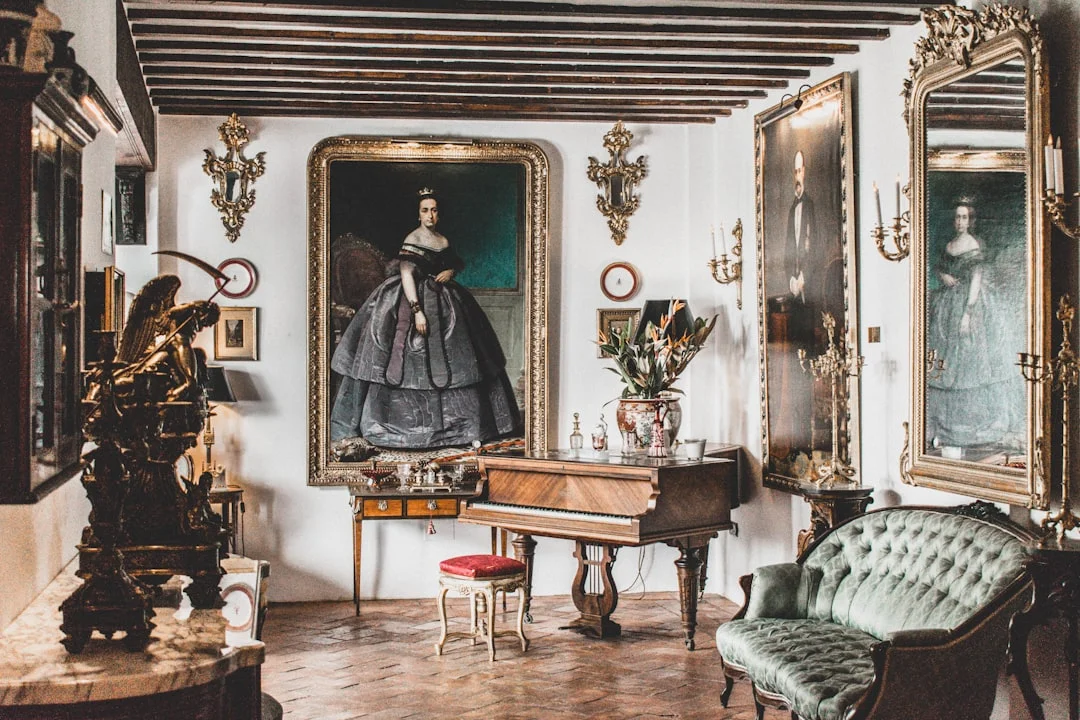
    Das Glas- und Kristallmuseum befindet sich in einem wunderschön restaurierten Haus aus dem 18. Jahrhundert im Viertel San Felipe Neri und ist der Gegenentwurf zur sterilen, weißwandigen modernen Galerie.

    Die Privatsammlung reicht von altägyptischem Glas bis hin zu Lalique-Stücken aus dem 20. Jahrhundert, aber der eigentliche Anziehungspunkt ist die Art der Präsentation. Die Stücke sind in Räume integriert, die mit epochengerechten Antiquitäten, Gemälden und Teppichen eingerichtet sind.
    * Praktischer Tipp: Die Besuche finden im Rahmen von Führungen statt (meist auch auf Englisch verfügbar). Die Führer sind unglaublich leidenschaftlich und machen die Geschichte der Glasherstellung überraschend fesselnd.

    Der stilvolle Kontrast: Museo Automovilístico y de la Moda

    Untergebracht in der atemberaubenden Tabacalera (der alten Tabakfabrik) im Viertel Huelin, klingt dieses Museum auf dem Papier wie eine seltsame Mischung: Oldtimer und Haute Couture. In Wirklichkeit ist es eine Meisterklasse der Designgeschichte.

    Die Sammlung kombiniert tadellos restaurierte Oldtimer (denken Sie an Bugatti, Rolls-Royce und Ferrari) mit zeitgenössischer High Fashion aus denselben Epochen (Chanel, Dior, Givenchy). Sie erzählt die Geschichte der ästhetischen Entwicklung des 20. Jahrhunderts auf eine Weise, die selbst diejenigen anspricht, die sich weder für Motoren noch für Rocklängen interessieren.

    Das intime Porträt: Museo Revello de Toro

    Versteckt in einer engen Straße in der Nähe der Kathedrale, widmet sich dieses kleine Museum Félix Revello de Toro, einem gefeierten lokalen Künstler, der für seine einfühlsamen, realistischen Porträts, insbesondere von Frauen, bekannt ist.

    Das Gebäude selbst ist ein Stück Geschichte – es war das Wohnhaus und die Werkstatt von Pedro de Mena, einem berühmten Bildhauer aus dem 17. Jahrhundert. Es bietet eine ruhige, kontemplative Atmosphäre, die sich meilenweit entfernt von den belebten Terrassen anfühlt, die nur einen Häuserblock weiter liegen.

    Die Museumsszene wie ein Einheimischer erkunden

    Wenn Sie das Beste aus Málagas kulturellem Angebot machen möchten, ohne ein Vermögen auszugeben, sollten Sie einige praktische Strategien im Hinterkopf behalten:

    • Sonntagnachmittage: Fast alle großen Museen in Málaga bieten an Sonntagnachmittagen (meist nach 16:00 oder 17:00 Uhr) freien Eintritt. Es kann voll werden, also kommen Sie etwas früher.
    • Teilen Sie sich Ihre Zeit ein: Bei fast 40 Museen in der Stadt sollten Sie nicht versuchen, alles in einem Monat zu sehen. Betrachten Sie sie als Zufluchtsorte an Regentagen oder als ruhige Ausflugsziele, wenn die Sommersonne zu intensiv wird.
    • Achten Sie auf Sonderausstellungen: Auch die kleineren Museen wechseln ihre temporären Ausstellungen häufig. Ihnen auf den sozialen Medien zu folgen, ist der beste Weg, um eine Pop-up-Ausstellung zu besuchen, bevor sie wieder verschwindet.

    In einer Stadt zu leben, die sich ständig neu erfindet, ist ein Privileg. Manchmal ist der beste Weg, Málaga zu schätzen, nicht der Blick auf das Mittelmeer, sondern das Verlassen der belebten Straßen, um in die ruhigen, kuratierten Säle einzutreten, die unsere gemeinsame Geschichte bewahren. Ob Sie nun eine römische Statue oder ein perfekt erhaltenes Vintage-Kostüm von Chanel bewundern, es gibt direkt vor unserer Haustür immer etwas Neues zu entdecken.

  • Beyond Picasso: Málaga Cementing its Status as Spain’s Museum Benchmark

    Beyond Picasso: Málaga Cementing its Status as Spain’s Museum Benchmark

    If you live in Málaga, you already know the drill when visitors come to town: a stroll down Calle Larios, tapas at El Pimpi, and the mandatory pilgrimage to the Picasso Museum. Maybe you throw in the Centre Pompidou or the Carmen Thyssen if they have an extra afternoon. But what happens when you’ve done the main circuit a dozen times?

    It turns out we are living in one of the most culturally dense cities in Europe. As noted by national travel publications, Spain boasts over 1,500 cultural centers nationwide, with Málaga and Madrid consistently standing out as the default benchmarks for museum density per capita. The city didn’t just buy a few big-name franchises; it cultivated an ecosystem.

    If you are ready to dig a little deeper into Málaga’s art and history while making the most of its status as Europe’s capital of flexible accommodation, here are the hidden gems that prove our city’s museum scene goes far beyond the big three.

    The Heavyweight Hidden in Plain Sight: Museo de Málaga

    It is almost criminal to call the Museo de Málaga a “hidden gem” given that it occupies the colossal Palacio de la Aduana right next to the Alcazaba, but it remains remarkably under-visited by expats and tourists alike—making it an ideal indoor refuge, especially with the heavy rains and storms forecasted for the area this week.

    This institution merges the city’s Fine Arts and Archaeological collections. You can walk through Phoenician artifacts, Roman mosaics, and Moorish ceramics on one floor, and then head upstairs to see an incredible collection of 19th-century Spanish painting.
    * Practical tip: Entry is completely free for EU citizens (and only €1.50 for everyone else). It is the perfect place to escape the midday heat for an hour or two.

    The Quirky Masterpiece: Museo del Vidrio y Cristal

    Located in a beautifully restored 18th-century house in the San Felipe Neri neighborhood, the Glass and Crystal Museum is the antithesis of the sterile, white-walled modern gallery.

    The private collection spans from ancient Egyptian glass to 20th-century Lalique pieces, but the real draw is how it is displayed. The pieces are integrated into rooms furnished with period-appropriate antiques, paintings, and rugs.
    * Practical tip: Visits are guided (usually available in English). The guides are incredibly passionate, making the history of glassmaking surprisingly gripping.

    The Stylish Contrast: Museo Automovilístico y de la Moda

    Housed in the stunning Tabacalera (the old tobacco factory) in the Huelin neighborhood, this museum sounds like a strange mashup on paper: vintage cars and haute couture. In reality, it is a masterclass in design history.

    The collection pairs impeccably restored classic cars (think Bugatti, Rolls-Royce, and Ferrari) with contemporary high fashion from the same eras (Chanel, Dior, Givenchy). It tells the story of 20th-century aesthetic evolution in a way that appeals even to those who care nothing about engines or hemlines.

    The Intimate Portrait: Museo Revello de Toro

    Tucked away in a narrow street near the Cathedral, this small museum is dedicated to Félix Revello de Toro, a celebrated local artist known for his sensitive, realistic portraits, particularly of women.

    The building itself is a piece of history—it was the home and workshop of Pedro de Mena, a famous 17th-century sculptor. It offers a quiet, contemplative atmosphere that feels miles away from the bustling terraces just a block over.

    Navigating the Museum Scene Like a Local

    If you are looking to make the most of Málaga’s cultural offerings without spending a fortune, keep a few practical strategies in mind:

    • Sunday Afternoons: Almost all major museums in Málaga offer free entry on Sunday afternoons (usually after 4:00 PM or 5:00 PM). It can get crowded, so arrive a bit early.
    • Pace Yourself: With nearly 40 museums in the city, don’t try to see everything in a month. Treat them as rainy-day retreats or quiet escapes when the summer sun gets too intense.
    • Check for Temporary Exhibitions: Even the smaller museums rotate their temporary exhibits frequently. Following them on social media is the best way to catch a pop-up show before it leaves.

    Living in a city that constantly reinvents itself is a privilege. Sometimes, the best way to appreciate Málaga isn’t by looking at the Mediterranean, but by stepping off the busy streets and into the quiet, curated halls that hold our shared history. Whether you are marveling at a Roman statue or a perfectly preserved vintage Chanel suit, there is always something new to discover right in our own backyard.

  • Long Weekend Guide: Gastronomy, Festivals, and the Return of the AVE

    Long Weekend Guide: Gastronomy, Festivals, and the Return of the AVE

    The May long weekend—affectionately known as the puente—is finally here, and Malaga is buzzing with anticipation. With the arrival of warmer spring temperatures and longer days, both locals and visitors are looking to make the most of the holiday. Whether you are craving local delicacies, eager to catch some live music, or simply planning a quick getaway, this weekend has plenty to offer.

    The AVE is Back on Track

    First and foremost, there is excellent news for anyone traveling to or from the Costa del Sol. As of April 30, 2026, the high-speed rail (AVE) services connecting Malaga with Madrid and other major Spanish hubs have returned to normal operation, providing a welcome transport boost despite the recent news that the province will not be receiving the new high-capacity commuter trains.

    If you have family coming down to visit or you are planning to receive friends from the capital, the resumption of the full timetable is a massive relief. It means smoother journeys, fewer delays, and more flexibility for those last-minute weekend plans, especially if your guests want to discover why Málaga is now considered Spain’s museum benchmark. The Maria Zambrano station is expected to be busy, so if you are traveling, arriving with a little extra time to spare is always a smart move.

    Gastronomic Delights Across the Province

    A long weekend in Malaga is incomplete without diving into the local food scene. This May, various towns across the province are hosting gastronomy routes that celebrate regional produce.

    From traditional tapas trails in the historic center to specialized local produce markets in the Axarquía and Guadalhorce valleys, there is a route for every palate. Many restaurants are featuring special seasonal menus highlighting fresh seafood, local cheeses, and regional wines. If you are looking to map out your culinary weekend, you can find a great roundup of local food events and recommendations in Diario Sur’s lifestyle and plans section.

    Top Foodie Tips for the Weekend:

    • Book in advance: With the influx of visitors, popular local chiringuitos and tapas bars will fill up quickly.
    • Venture inland: While the coastal spots are fantastic, the inland white villages (pueblos blancos) often host smaller, more authentic food fairs during the puente.
    • Try the seasonal catch: Ask for the catch of the day or seasonal specials, which are always a highlight during the Andalusian spring.

    Live Music and Local Fiestas

    Beyond the food, the 2026 spring festival season is officially kicking off. The long weekend brings a variety of cultural events, outdoor gigs, and local fiestas to the province.

    While the massive summer festivals are still a few weeks away, May offers a more intimate music scene. Expect to find live flamenco in the city’s peñas, indie bands playing in local venues, and open-air concerts in public squares. Additionally, several municipalities are celebrating their own traditional spring fairs, complete with music, dancing, and family-friendly activities. Keeping an eye on local news outlets like Diario Sur is a great way to catch any last-minute additions to the weekend’s entertainment roster.

    Whether you are a local resident who knows the city’s rhythms by heart or a visitor experiencing the magic of spring in Andalusia for the first time, we hope this long weekend gives you a chance to unwind, taste something new, and enjoy the vibrant energy of our province. Have a wonderful puente, and take the time to soak in the beauty of Malaga at your own pace.

  • Weekend Family Escapes in Malaga: Nature Parks, Food Trucks, and City Magic

    Weekend Family Escapes in Malaga: Nature Parks, Food Trucks, and City Magic

    Finding the perfect weekend plan that keeps both kids and adults happy can sometimes feel like a magic trick in itself. Fortunately, as we head into the first weekend of May 2026, Malaga is brimming with diverse options that cater to every family’s pace. Whether your crew is craving fresh air and outdoor adventure or the captivating lights of a city theater, this weekend’s lineup has something special in store, even if getting there involves navigating a rail network that recently missed out on the new high-capacity commuter trains.

    Outdoor Adventures: Ziplines and BBQ by the River

    If your family loves to disconnect and spend time in nature, there is a fantastic local nature park just a short drive from the bustling city center that checks all the boxes for a perfect day out. Nestled in a lush green setting, this park is designed with active families in mind.

    What to Expect at the Park

    • River Access: Perfect for a refreshing splash or simply skipping stones along the banks.
    • Ziplines and Play Areas: The park features safe, well-maintained ziplines that offer a gentle thrill for younger kids, alongside expansive wooden play structures and games.
    • The Food Truck Experience: Forget packing a complicated picnic. A popular onsite food truck serves up fantastic grilled meats and BBQ classics. It is an ideal spot for parents to relax with a cold drink while keeping an eye on the kids playing nearby.

    Arriving early is highly recommended, as the picnic tables and shaded spots near the river tend to fill up quickly on sunny weekend mornings.

    Urban Magic: Theater and Musicals in the City Center

    If you prefer to stay closer to town, Malaga’s city center is hosting a vibrant array of family-friendly cultural events this weekend. The local theaters and cultural spaces have curated programs specifically designed to capture the imaginations of children of all ages.

    From interactive magic shows that will leave the little ones wide-eyed to colorful, high-energy musicals, the city is buzzing with creative energy. These indoor events are perfect for the mid-afternoon when you might want to escape the peak sunshine. To see the full schedule of performances, venues, and secure your tickets, Diario Sur’s local plans guide provides an excellent, up-to-date overview of everything happening in the city.

    Practical Tips for a Smooth Weekend

    To make the most of your family escape, keep a few simple tips in mind:
    * Dress in layers: Malaga mornings in the spring can be crisp, especially near the river, but the afternoons warm up beautifully.
    * Book in advance: City center musicals and magic shows often sell out, so grab your tickets online before the weekend begins.
    * Stay flexible: Sometimes the best moments happen when you let the kids dictate the pace, whether that means an extra hour at the zipline or grabbing an unexpected ice cream after a show.

    Weekends are a precious opportunity to step away from the daily routine and reconnect with the people who matter most. Whether you end up cheering at a magic show or sharing a plate of grilled food under the trees, the best part of the weekend is simply enjoying the time spent together.

  • Bibliotheksprojekt San Agustín wegen Kostenüberschreitungen erneut gestoppt

    Bibliotheksprojekt San Agustín wegen Kostenüberschreitungen erneut gestoppt

    Der ins Stocken geratene Traum von Málagas großer Bibliothek

    Jeder, der durch das historische Zentrum von Málaga spaziert, hat wahrscheinlich schon die markante Fassade des ehemaligen Klosters San Agustín bewundert. Nur einen Steinwurf vom Picasso-Museum entfernt, ist dieses architektonische Juwel Gegenstand eines ehrgeizigen Umbaus. Das Ziel? Die Schaffung einer hochmodernen öffentlichen Bibliothek, die als wichtiges kulturelles Zentrum für die Stadt dienen soll. Solche positiven Nachrichten aus der Kulturlandschaft sind derzeit eine willkommene Aufmunterung für viele Einheimische, die sportlich die verletzungsbedingte Krise und den Rückfall des Málaga CF aus den Play-off-Rängen verkraften müssen.

    Wenn Sie sich jedoch gefragt haben, warum das Gebäude von San Agustín weiterhin geschlossen und von Baugerüsten umgeben ist, lautet die Antwort, wie so oft in der Welt der Denkmalrestaurierung: finanzielle Hürden.

    Warum ist das Gebäude von San Agustín geschlossen?

    Das mit Spannung erwartete Bibliotheksprojekt San Agustín ist auf ein weiteres großes Hindernis gestoßen. Die Bauarbeiten wurden offiziell eingestellt, wodurch sich die historische Stätte in einem Zustand der Ungewissheit befindet.

    Der Hauptgrund für diesen plötzlichen Stopp sind massive Kostenüberschreitungen, die vor Ort als sobrecostes bezeichnet werden. Die Renovierung eines jahrhundertealten Klosters im Herzen einer alten Stadt ist bekanntermaßen unberechenbar. Sobald der erste Spatenstich erfolgt ist, treten oft Komplikationen auf – von unerwartetem strukturellem Verfall bis hin zur Entdeckung archäologischer Überreste. Diese Überraschungen erfordern spezialisierte Eingriffe, die unweigerlich die Kosten für Arbeitskräfte und Materialien in die Höhe treiben.

    Laut aktuellen Berichten der Diario Sur haben die finanziellen Diskrepanzen zwischen dem ursprünglichen Vertrag und den tatsächlichen Kosten, die für einen sicheren Abschluss des Projekts erforderlich sind, die Bauunternehmen gezwungen, die Arbeit niederzulegen. Bis sich das Kulturministerium und die Baufirmen auf ein aktualisiertes Budget einigen können, wird es auf der Baustelle ruhig bleiben.

    Was die neue öffentliche Bibliothek für Málaga bedeutet

    Die Verzögerung ist ein schwerer Rückschlag für die kulturelle Infrastruktur der Stadt. Die geplante öffentliche Staatsbibliothek im Zentrum von Málaga sollte weit mehr sein als nur ein Aufbewahrungsort für Bücher. Der Masterplan umfasste:

    • Moderne Lernbereiche: Ausgestattet mit Highspeed-Internet und Ruhezonen für Studenten und Remote-Arbeiter.
    • Kulturelle Ausstellungsbereiche: Räumlichkeiten, die lokaler Kunst, historischen Archiven und Gemeinschaftsveranstaltungen gewidmet sind.
    • Denkmalschutz: Eine sorgfältige Restaurierung der ursprünglichen Kreuzgänge und des Innenhofs des Klosters, die erstmals seit Jahrzehnten wieder für die Öffentlichkeit zugänglich gemacht werden sollen.

    Sowohl für Expats als auch für Einheimische versprach diese Einrichtung einen ruhigen, leicht zugänglichen Zufluchtsort im pulsierenden Herzen der Stadt.

    Eine Chronologie der Frustration

    Der Weg zum Umbau des Klosters San Agustín war lang und kurvenreich.

    „Die Restaurierung des historischen Herzens von Málaga erfordert Geduld, aber die ständigen Verzögerungen bei San Agustín stellen den öffentlichen Optimismus auf eine harte Probe.“

    Das Projekt hat im Laufe der Jahre zahlreiche Unterbrechungen und Neustarts erlebt. Jedes Mal, wenn ein Gerüst aufgebaut wird, keimt neue Hoffnung auf, dass die Stadt endlich ihre Zentralbibliothek bekommt. Doch administrative Hürden und Finanzierungsstreitigkeiten bremsen die Dynamik immer wieder aus. Während wir uns auf das Jahr 2026 zubewegen, bleibt die Frage offen, ob die aktuelle Finanzierungslücke schnell geschlossen werden kann oder ob das Projekt eine völlig neue öffentliche Ausschreibung erfordert – ein Prozess, der die Eröffnung um weitere Jahre verzögern könnte.

    Auch wenn der gegenwärtige Stillstand enttäuschend ist, bleibt die Vision für das Gebäude von San Agustín eine der aufregendsten kulturellen Perspektiven in Málaga. Es fällt schwer, beim Vorbeigehen an der stillen Baustelle keinen Anflug von Traurigkeit zu verspüren, in dem Wissen, welch lebendiger Gemeinschaftsraum im Inneren darauf wartet, geboren zu werden. Dennoch haben Städte, die so alt sind wie unsere, die Eigenschaft, solche bürokratischen Verzögerungen zu überdauern. Wir können nur hoffen, dass die Behörden und Baufirmen bald eine gemeinsame Basis finden, damit sich die Türen dieses prächtigen Gebäudes endlich öffnen können und uns allen, die Málaga ihr Zuhause nennen, einen ruhigen, inspirierenden Zufluchtsort bieten.

  • San Agustín Library Project Halted Once Again Over Costs

    San Agustín Library Project Halted Once Again Over Costs

    The Stalled Dream of Málaga’s Grand Library

    Anyone strolling through Málaga’s historic center has likely admired the striking facade of the former Convent of San Agustín. Located just a stone’s throw from the Picasso Museum, this architectural gem has been the subject of an ambitious transformation. The goal? To create a state-of-the-art public library that would serve as a major cultural hub for the city, offering a welcome piece of positive news for locals who might be disappointed by Málaga CF’s recent injury woes and drop from the play-off spots.

    However, if you have found yourself wondering why the San Agustín building remains closed and surrounded by scaffolding, the answer is a familiar one in the world of heritage restorations: financial roadblocks.

    Why is the San Agustín Building Closed?

    The highly anticipated San Agustín library project has hit yet another major obstacle. Construction works have been officially paralyzed, leaving the historic site in a state of limbo.

    The primary cause for this sudden halt is a severe case of budget overruns, known locally as sobrecostes. Renovating a centuries-old convent in the heart of an ancient city is notoriously unpredictable. Complexities often arise once ground is broken, from unexpected structural decay to the discovery of archaeological remains. These surprises require specialized interventions, which inevitably drive up the cost of labor and materials.

    According to recent coverage by Diario Sur, the financial discrepancies between the initial contract and the actual costs required to safely complete the project have forced contractors to down tools. Until the Ministry of Culture and the construction firms can agree on an updated budget, the site will remain quiet.

    What the New Public Library Means for Málaga

    The delay is a significant blow to the city’s cultural infrastructure. The proposed public state library in the Málaga center was designed to be much more than a repository for books. The master plan included:

    • Modern Study Spaces: Equipped with high-speed internet and quiet zones for students and remote workers.
    • Cultural Exhibition Areas: Spaces dedicated to local art, historical archives, and community events.
    • Heritage Preservation: A careful restoration of the convent’s original cloisters and courtyard, opening them up to the public for the first time in decades.

    For expats and locals alike, this facility promised a tranquil, accessible refuge in the bustling heart of the city.

    A Timeline of Frustration

    The journey to convert the San Agustín convent has been a long and winding road.

    “Restoring Málaga’s historic heart requires patience, but the continuous delays at San Agustín test the limits of public optimism.”

    The project has seen multiple stops and starts over the years. Each time scaffolding goes up, there is a renewed sense of hope that the city will finally get its central library. Yet, administrative hurdles and funding disputes repeatedly stall the momentum. As we navigate through 2026, the question remains whether the current financial gap can be bridged quickly, or if the project will require a completely new public tender—a process that could delay the opening for several more years.

    While the current paralysis is disappointing, the vision for the San Agustín building remains one of the most exciting cultural prospects in Málaga. It is hard not to feel a twinge of sadness walking past the silent construction site, knowing the vibrant community space that is waiting to be born inside. Still, cities as ancient as ours have a way of outlasting these bureaucratic delays. We can only hope that the authorities and contractors find common ground soon, so that the doors of this magnificent building can finally open, offering a quiet, inspiring sanctuary for all of us who call Málaga home.

  • Als Robert De Niro in der Kathedrale von Málaga predigte

    Als Robert De Niro in der Kathedrale von Málaga predigte

    Málaga ist auf der Kinoleinwand kein Unbekannter, aber einige Filmmomente hinterlassen einen bleibenden Eindruck in der lokalen Geschichte der Stadt. Wenn Sie jemals die Kathedrale von Málaga – liebevoll La Manquita genannt – betreten haben, wissen Sie bereits, dass sie eine stille Ehrfurcht gebietet. Aber vor Jahren wurde genau diese Ehrfurcht von keinem Geringeren als dem Hollywood-Schwergewicht Robert De Niro auf Film gebannt.

    Ganz gleich, ob Sie ein in der Stadt lebender Filmliebhaber sind oder ein Einheimischer, der nach einer tollen Anekdote für seine Gäste sucht: Die Geschichte, wie unsere Kathedrale als peruanische Basilika aus dem 18. Jahrhundert diente, ist ein faszinierendes Stück der Filmgeschichte Málagas.

    Hollywood kommt nach Andalusien

    Als die Produktion von Die Brücke von San Luis Rey in Málaga Einzug hielt, brachte sie eine ganz besondere Energie in das historische Zentrum. Der Film, der auf Thornton Wilders mit dem Pulitzer-Preis ausgezeichneten Roman basiert, benötigte Drehorte, die überzeugend das Lima (Peru) der Kolonialzeit darstellen konnten. Málaga mit seinem reichen architektonischen Erbe und den gut erhaltenen historischen Stätten passte perfekt in dieses Profil.

    Die riesige Produktion verbrachte acht Wochen mit Dreharbeiten in und um die Stadt. Es war nicht nur ein kurzer Zwischenstopp; die Crew tauchte tief in die lokale Kulisse ein und nutzte historische Ecken, um die Erzählung aus dem 18. Jahrhundert zum Leben zu erwecken. Neben De Niro brachte die Besetzung mit gefeierten Schauspielern wie Kathy Bates und Harvey Keitel eine Welle von Star-Power an die Costa del Sol.

    De Niro auf der Kanzel

    Die denkwürdigste lokale Anekdote aus dieser Produktion dreht sich um die Catedral de la Encarnación. Im Film spielt Robert De Niro den imposanten Erzbischof von Lima.

    Um die Würde seiner Rolle einzufangen, wählte der Regisseur die atemberaubende Holzkanzel der Kathedrale als Schauplatz für eine Schlüsselszene. In kunstvolle historische Kirchengewänder gekleidet, hielt De Niro eine Predigt von genau dem Ort aus, an dem der lokale Klerus seit Jahrhunderten steht. Die Erhabenheit des Innenraums der Kathedrale mit ihren hoch aufragenden korinthischen Säulen und den aufwendigen Holzarbeiten bot eine atemberaubende, authentische Kulisse, die kein Filmstudio nachbilden konnte.

    Wie kürzlich von La Opinión de Málaga hervorgehoben wurde, blickt die Kathedrale auf eine lange, stolze Geschichte als cineastische Leinwand zurück und hat im Laufe der Jahrzehnte Legenden von David Niven bis De Niro beherbergt.

    Ein Detail für Ihren nächsten Besuch

    Wenn Sie das nächste Mal durch das historische Zentrum schlendern und beschließen, der Kathedrale einen Besuch abzustatten, behalten Sie diese kleine Anekdote im Hinterkopf.

    Worauf Sie achten sollten:

    • Die Kanzel: Suchen Sie die aufwendig geschnitzten Holzkanzeln in der Nähe des Hauptaltars. Stellen Sie sich die filmische Beleuchtung und eine hundertköpfige Crew vor, die ganz still wurde, als De Niro seinen Text sprach.
    • Der Chor: Beachten Sie das umliegende Chorgestühl aus Mahagoni (geschnitzt von Pedro de Mena). Die Handwerkskunst in diesem Bereich machte es zu einem natürlichen cineastischen Mittelpunkt.
    • Die Atmosphäre: Nehmen Sie sich einen Moment Zeit, um zu würdigen, wie die natürliche Akustik des Gebäudes eine einzelne Stimme verstärkt – eine Eigenschaft, die die Tonabteilung während der Dreharbeiten zweifellos zu schätzen wusste.

    Es ist immer wieder erdend, sich daran zu erinnern, dass die Denkmäler, an denen wir jeden Tag auf dem Weg zu einem Kaffee oder bei unseren Erledigungen vorbeigehen, bereits tausend Leben gelebt haben. Sie sind Kultstätten, historische Wahrzeichen und manchmal auch die dramatische Kulisse für die Hollywood-Prominenz. Unsere Stadt durch die Linse des Kinos zu betrachten, verleiht dem alltäglichen Zauber des Lebens in Málaga nur eine weitere wunderbare Facette.

  • When Robert De Niro Preached in Málaga’s Cathedral

    When Robert De Niro Preached in Málaga’s Cathedral

    Málaga is no stranger to the silver screen, but some cinematic moments leave a lasting imprint on the city’s local lore. If you’ve ever stepped inside the Málaga Cathedral—affectionately known as La Manquita—you already know it commands a quiet reverence. But years ago, that same reverence was captured on film by none other than Hollywood heavyweight Robert De Niro.

    Whether you are a film buff living in the city or a local looking for a great anecdote to share with visiting friends, the story of how our cathedral doubled as an 18th-century Peruvian basilica is a fascinating piece of Málaga’s cinematic history.

    Hollywood Comes to Andalucía

    When the production of The Bridge of San Luis Rey descended upon Málaga, it brought a unique energy to the historic center. The film, based on Thornton Wilder’s Pulitzer Prize-winning novel, required locations that could convincingly stand in for colonial-era Lima, Peru. Málaga, with its rich architectural heritage and preserved historical sites, fit the bill perfectly.

    The massive production spent eight weeks filming in and around the city. It wasn’t just a quick stopover; the crew integrated deeply into the local landscape, utilizing historic corners to bring the 18th-century narrative to life. Alongside De Niro, the cast brought a wave of star power to the Costa del Sol, featuring celebrated actors like Kathy Bates and Harvey Keitel.

    De Niro at the Pulpit

    The most memorable local anecdote from this production revolves around the Cathedral of the Incarnation. In the film, Robert De Niro plays the imposing Archbishop of Lima.

    To capture the gravitas of his role, the director chose the Cathedral’s stunning wooden pulpit as the setting for a pivotal scene. Dressed in ornate historical religious vestments, De Niro delivered a sermon from the very spot where local clergy have stood for centuries. The grandeur of the cathedral’s interior, with its towering Corinthian columns and intricate woodwork, provided a breathtaking, authentic backdrop that no soundstage could replicate.

    As recently highlighted by La Opinión de Málaga, the Cathedral has a long, proud history of serving as a cinematic canvas, hosting legends ranging from David Niven to De Niro over the decades.

    A Detail for Your Next Visit

    Next time you take a stroll through the historic center and decide to pop into the Cathedral, keep this bit of trivia in your back pocket.

    What to Look For:

    • The Pulpit: Locate the intricately carved wooden pulpits near the main altar. Imagine the cinematic lighting and a crew of hundreds hushed as De Niro delivered his lines.
    • The Choir: Notice the surrounding mahogany choir stalls (carved by Pedro de Mena). The craftsmanship in this area made it a naturally cinematic focal point.
    • The Atmosphere: Take a moment to appreciate how the building’s natural acoustics amplify a single voice—a feature the sound department undoubtedly appreciated during filming.

    It is always grounding to remember that the monuments we walk past every day on our way to grab a coffee or run errands have lived a thousand lives. They are places of worship, historical landmarks, and sometimes, the dramatic backdrop for Hollywood royalty. Seeing our city through the lens of cinema just adds one more layer to the everyday magic of living in Málaga.

  • Culture Fix: 11 Art Exhibitions to Explore in Malaga This Weekend

    Culture Fix: 11 Art Exhibitions to Explore in Malaga This Weekend

    Malaga isn’t just about beaches and espetos anymore. Over the last decade, the city’s museum and gallery scene has evolved into a massive draw for both locals and the international community. Whether you are looking to dodge a sudden spring shower, shake off the frustration of Unicaja’s recent high-scoring stumble against Valencia Basket, or just need a break from the midday sun, ducking into a gallery is always a solid, practical plan.

    As we move through late April 2026, the city is buzzing with visual arts. According to a recent cultural roundup by Hoy Málaga, there are currently 11 different active exhibitions highlighted across the city. This gives you a ready-made cultural itinerary, blending major institutional heavy-hitters with intimate, local gallery spaces.

    The Heavy Hitters

    If you want to hit the major institutions—perhaps taking a break from exploring historical hiking routes and Moorish villages—these five museums are currently hosting temporary exhibitions alongside their permanent collections:

    • Museo Picasso Málaga: Always a must-visit, the temporary exhibition wing currently offers fresh perspectives on 20th-century avant-garde movements.
    • Carmen Thyssen Museum: Beyond their stunning permanent collection of Andalusian costumbrismo, their temporary spaces right now are hosting compelling dialogues between classical and modern Spanish art.
    • Centre Pompidou Málaga: The colorful glass cube down at Muelle Uno continues to rotate its impressive contemporary installations, making it a great stop before a port-side lunch.
    • CAC Málaga (Contemporary Art Center): Located in the Soho district, the CAC is free to enter and consistently pushes boundaries with large-scale international contemporary works.
    • Collection of the Russian Museum: Housed in the old tobacco factory, this venue has successfully pivoted to showcasing fascinating alternative collections from private European archives.

    Local Galleries and Hidden Gems

    Sometimes the best art is found slightly off the beaten path. These six venues complete the 11-exhibition roster and offer a quieter, deeply engaging experience:

    • La Térmica: Malaga’s premier cultural hub is famous for its striking pop-culture, fashion, and photography exhibitions.
    • MUPAM (Museo del Patrimonio Municipal): Located near the Alcazaba, this is a fantastic spot to understand the historical and artistic evolution of Malaga itself.
    • Ateneo de Málaga: A cornerstone of local culture, frequently hosting works by emerging local painters and sculptors.
    • Salas de la Diputación (MAD): Often tucked away in administrative buildings, these spaces punch above their weight with curated regional art.
    • Sala de Exposiciones del Rectorado (UMA): The University of Malaga consistently curates thought-provoking, research-based art right in the city center.
    • Centro Cultural Fundación Unicaja: Set in a beautifully restored historic building, offering a mix of classical archives and contemporary pieces.

    Practical Tips for Your Weekend

    Before you head out, keep a few logistical details in mind. Most major museums offer a few hours of free entry on Sunday afternoons, which is fantastic for the budget but means you should expect longer queues. If you prefer a quiet, contemplative experience, Saturday mornings right at opening time are usually your best bet. Also, remember that while most galleries are open through the weekend, almost all of them close their doors on Mondays.

    Art has a unique way of slowing us down, pulling us out of our daily routines, and making us look at our everyday surroundings with fresh eyes. Whether you decide to spend a full Saturday ambitiously museum-hopping, or you just pop into one small gallery before grabbing your morning coffee, I hope these spaces bring a little extra inspiration and quiet joy to your weekend.

  • Familien-Wochenend-Guide: Magie, Theater und Musicals für Kinder in Málaga

    Familien-Wochenend-Guide: Magie, Theater und Musicals für Kinder in Málaga

    Wege zu finden, um Kinder an den Wochenenden zu unterhalten, ist eine universelle Herausforderung für Eltern. Für Expat-Familien, die sich in eine neue Routine einleben, kann das Wissen, wo man suchen muss, den entscheidenden Unterschied machen. Glücklicherweise ist Málagas Kulturszene bemerkenswert einladend für jüngeres Publikum. Im Frühjahr 2026 sind die Theater und Kulturräume der Stadt voll mit Wochenendprogrammen, die speziell für Kinder konzipiert wurden.

    Ob Ihre Kleinen von Fingerfertigkeit fasziniert sind, gerne bei Musicals mitsingen oder interaktives Geschichtenerzählen genießen – es gibt an diesem Wochenende zahlreiche Familienpläne an der gesamten Costa del Sol.

    Die Magie des Live-Theaters für Kinder

    Málaga hat eine starke Tradition im Kindertheater, das oft für den späten Samstagnachmittag oder den Sonntagmorgen angesetzt ist. An diesem Wochenende veranstalten mehrere lokale Veranstaltungsorte Aufführungen, die sich an verschiedene Altersgruppen richten.

    • Teatro Echegaray: Dieser Veranstaltungsort im historischen Zentrum ist berühmt für sein Kinderprogramm am Sonntagmorgen. Die Shows hier reichen von Puppentheater für Kleinkinder bis hin zu aufwendigeren Stücken für ältere Kinder. Die visuelle Natur dieser Aufführungen macht sie sehr zugänglich, selbst wenn Ihr Kind noch Spanisch lernt.
    • Teatro Cánovas: Dieser Raum ist fast ausschließlich dem Jugend- und Familientheater gewidmet. Das Wochenendprogramm umfasst häufig zeitgenössischen Tanz für Kinder, moderne Adaptionen klassischer Märchen und interaktive sensorische Shows, die für Babys und Kleinkinder konzipiert sind.

    Musikalische Vormittage und interaktive Shows

    Wenn Ihre Familie viel Energie und Publikumsbeteiligung bevorzugt, sind Musicals und Zaubershows hervorragende Optionen.

    • La Cochera Cabaret: Dieser alternative Veranstaltungsort im westlichen Teil der Stadt bietet an Wochenendvormittagen häufig familienfreundliche Zaubershows und musikalische Komödien an. Die Zauberer hier setzen oft auf visuelle Komik und physischen Humor, der Sprachbarrieren überwindet und sowohl Kindern als auch Erwachsenen ein herzhaftes Lachen garantiert.
    • Auditorio Municipal: Für größere Familienmusicals – oft mit bekannten Figuren aus beliebten Animationsfilmen – veranstalten die größeren Auditorien in Málaga und den umliegenden Städten wie Torremolinos oder Benalmádena häufig Tourneeproduktionen.

    Planung Ihres Wochenendes

    Wenn Sie planen, was Sie an diesem Wochenende mit Kindern in Málaga unternehmen können, ist es wichtig, die lokalen Veranstaltungskalender im Auge zu behalten. Theaterpläne können sich ändern, und besondere Pop-up-Events tauchen häufig im Kalender auf.

    Eine sehr empfehlenswerte lokale Ressource, um auf dem Laufenden zu bleiben, ist die Freizeit- und Veranstaltungsrubrik der Diario Sur. Dort werden regelmäßig kuratierte Listen mit Wochenendaktivitäten veröffentlicht, was es erleichtert, genaue Vorstellungszeiten, Details zum Veranstaltungsort und die Ticketverfügbarkeit für die aktuelle Woche zu finden.

    Kurze Tipps für Expat-Eltern

    1. Passen Sie sich den Zeiten an: Kindershows in Spanien beginnen sonntags oft um 11:00 oder 12:00 Uhr. Dies ist der perfekte Auftakt für ein gemeinsames Familienmittagessen auf einer nahegelegenen Terrasse.
    2. Sprache ist nicht immer eine Barriere: Scheuen Sie sich nicht vor spanischem Theater. Zaubershows, Musicals und Clown-Aufführungen sind sehr visuell. Sie sind zudem eine fantastische und entspannte Möglichkeit für Kinder, die lokale Sprache aufzunehmen.
    3. Im Voraus buchen: Beliebte Veranstaltungsorte wie das Teatro Echegaray sind für ihre Vorstellungen am Sonntagmorgen oft schon bis Freitag ausverkauft. Es ist immer am besten, Tickets ein paar Tage im Voraus online zu kaufen.

    Es braucht Zeit, seinen Rhythmus in einer neuen Stadt zu finden, aber ein gemeinsamer Sonntagmorgen in einem lokalen Theater ist eine wunderbare Möglichkeit, sich geerdet und mit der Gemeinschaft verbunden zu fühlen. Hoffentlich bringen diese Wochenendvorschläge etwas zusätzliche Freude, Entdeckungen und Lachen in den Alltag Ihrer Familie.