Tag: lang:en

  • Málaga Bus Fares 2026: Single Tickets Up, Passes Stay Cheap

    Málaga Bus Fares 2026: Single Tickets Up, Passes Stay Cheap

    Navigating a new city’s public transport system can sometimes feel like solving a puzzle. For residents, expats, and visitors in Málaga, understanding the local bus network just became slightly more important. The local transport authority, EMT (Empresa Malagueña de Transportes), has adjusted its pricing structure for 2026. The single bus ticket has seen a slight increase, now costing €1.50.

    While a fare hike might initially sound like bad news, there is a silver lining: this is the perfect opportunity to rethink how you pay for your daily commute. The strategic adjustment is designed to incentivize the use of multi-journey passes—which have entirely maintained their previous prices.

    Here is a comprehensive breakdown of what the bus costs in Málaga in 2026, how to pay, and the most economical ways to get around.

    The Single Ticket Increase

    As detailed in a recent breakdown by Málaga Hoy, the standard single ticket (billete sencillo) has gone up by 10 cents, moving from €1.40 to €1.50.

    If you are just hopping on the bus for a quick, one-off trip, this is the fare you will pay. You can purchase this ticket directly from the driver when boarding. It is important to note that if you are paying in cash, drivers typically do not accept bills larger than €5 to ensure they have enough change. Alternatively, all EMT buses are equipped with contactless payment terminals, allowing you to tap your physical debit/credit card or use your smartphone’s digital wallet (Apple Pay, Google Wallet) for a seamless transaction.

    Why the Bonobús is Your Best Investment

    For anyone planning to use the bus more than a handful of times, paying €1.50 per ride quickly adds up. The recent pricing strategy actively encourages passengers to switch to multi-trip cards, commonly referred to as the bonobús or tarjeta transbordo.

    The standard 10-trip card remains unaffected by the price hike. This makes it an incredibly cost-effective choice.

    • Where to buy: You can purchase and recharge these cards at most local tobacco shops (estancos) and newspaper kiosks throughout the city. There is a small initial deposit for the physical card itself (usually around €1.90).
    • The perks: Not only does each ride cost significantly less than the single ticket rate, but the tarjeta transbordo also allows for free transfers between different bus lines within a one-hour window.

    Monthly Passes for Regular Commuters

    If you live in Málaga and commute daily, the monthly passes are where the real savings happen. The EMT offers several tailored options that have kept their competitive pricing:

    • Tarjeta Mensual (Standard Monthly Pass): Offers unlimited travel across the EMT network for 30 days.
    • Tarjeta Estudiante: A heavily discounted monthly pass for students enrolled in local institutions.
    • Tarjeta Jubilado: Special subsidized rates for retirees and pensioners.

    These passes require a bit more setup—often needing a quick visit to the main EMT customer service office at the Alameda Principal to register with your ID or NIE—but the long-term payoff is undeniable.

    How to Pay for the Bus in Málaga: A Quick Summary

    To answer the frequent question of how to pay for the bus in Málaga, here are your current options:

    1. Cash: Accepted on board for single tickets (€1.50), but exact change or small bills (up to €5) are required.
    2. Contactless Bank Card: Tap your Visa or Mastercard directly on the reader when you board.
    3. Multi-journey Card (Bonobús): Tap your pre-loaded EMT card on the reader.
    4. EMT App: The official EMT app allows for virtual card top-ups and ticket purchases, making it a handy tool for tech-savvy commuters.

    Looking Ahead

    The 10-cent increase on the single ticket aligns Málaga with the broader European trend of pushing urban mobility toward sustainable, frequent usage models. By keeping the multi-journey and monthly passes at their previous rates, the city is rewarding those who choose public transport as their primary way of getting around.

    At the end of the day, adjusting to a new fare structure is just part of the rhythm of city life. Whether you are catching the number 11 down to El Palo for a weekend plate of espetos, or commuting to the TechPark on the PTA line, Málaga’s buses remain a clean, reliable, and highly affordable way to navigate our beautiful streets. We hope this guide helps you travel smarter, saving those extra euros for a well-deserved coffee in the historic center.


  • Airplanes and Superheroes at the Aeronautical Museum

    Airplanes and Superheroes at the Aeronautical Museum

    If you are looking for an off-the-beaten-path family activity that goes beyond the usual beach days or city center strolls, the Malaga Aeronautical Museum (Aeromuseo) offers a fantastic alternative. Located right next to the Malaga Airport—and budget-friendly to reach thanks to the cheap Malaga bus passes available in 2026—this hidden gem provides a fascinating dive into local aviation history and frequently hosts creative community events that keep locals and expats coming back.

    A Journey Through Aviation History

    Situated at Plaza Pierre Georges Latécoère, right beside the General Aviation building and just a stone’s throw from the San Miguel factory, the Aeromuseo is a delight for visitors of all ages. The museum is housed in the original 1948 passenger terminal, allowing you to step back in time the moment you walk through the doors.

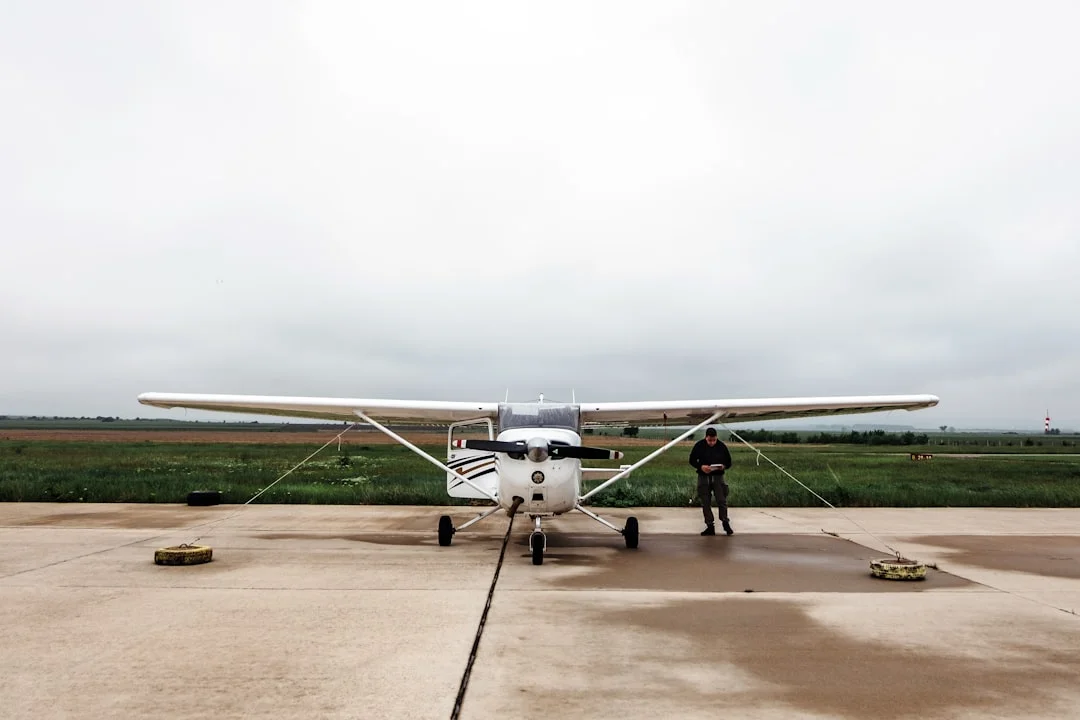
    Visitors can explore a collection of vintage airplanes, historical aviation equipment, and interactive exhibits. Unlike many traditional museums, the Aeromuseo encourages a hands-on experience. Kids (and adults) can climb aboard historic aircraft, sit in the pilot’s seat of a real airliner, and get a feel for what air travel was like decades ago.

    Special Events: Superheroes and Solidarity

    Beyond its permanent exhibits, the museum is known for organizing engaging weekend events that bring the community together. A perfect example of this is their themed solidarity days. As highlighted by Málaga Hoy, the museum has historically hosted special weekend events combining vintage airplanes with superhero-themed activities and a blood donation drive.

    During these special editions, the grounds fill with volunteers dressed as popular superheroes, creating a fun and welcoming environment for children. While the kids are entertained by their favorite comic book characters and aviation history, adults have the opportunity to participate in a blood donation drive, making it a weekend plan that is both entertaining and deeply beneficial to the local community.

    Planning Your Visit

    Whether you catch one of their special superhero days or visit on a regular weekend, the museum is highly accessible and family-friendly.

    • Location: Plaza Pierre Georges Latécoère, next to the General Aviation terminal at Malaga Airport.
    • Getting there: It is easily reachable by car with free parking typically available on-site. You can also take the local Cercanías train (C1 line) to the airport station, though a short walk or taxi ride is required to reach the museum entrance.
    • Admission: Entry to the Aeromuseo is traditionally free, though donations are always welcome to help maintain the historic aircraft.

    Finding activities that cater to both young children and adults can sometimes be a challenge, but the Aeromuseo strikes a wonderful balance. It offers a relaxed environment where kids can let their imaginations take flight, while parents can appreciate the rich history of Costa del Sol’s aviation development.

    Spending a few hours exploring old cockpits and learning about the pioneers of flight is a wonderful way to connect with a different side of the city. We hope this gives you a fresh idea for your next weekend outing, bringing a little extra discovery and joy to your family’s time in Malaga.

  • Weekend Weather Warning: Heavy Rain for Málaga Coast

    Weekend Weather Warning: Heavy Rain for Málaga Coast

    If you were planning to lay out your towel and soak up the early May sunshine this weekend, you might want to rethink your itinerary. A significant weather shift is making its way across the province of Málaga, bringing dark clouds and heavy showers to our typically sun-drenched coast.

    While a rainy weekend might seem like an inconvenience for beachgoers, it is a crucial and celebrated event for a region that has been grappling with severe water shortages, highlighting the importance of sustainable initiatives like the conversion of a ruined cortijo in Montes de Málaga into an eco-retreat.

    The Forecast: What to Expect

    According to the European meteorological model utilized by Spain’s state weather agency, a substantial weather front is sweeping through southern Spain. Based on AEMET’s forecast for widespread rain, the downpours are expected to begin late this Friday night and continue steadily throughout Saturday.

    Meteorologists predict that the coastal extremes will see the most significant precipitation, with accumulations potentially reaching between 20 and 25 liters per square meter. For a province accustomed to long dry spells, this volume of water over a 24-hour period is substantial.

    Most Affected Areas

    The rain will not fall evenly across the province. The latest meteorological updates for May 2026 indicate that the heaviest rainfall will target two primary zones:

    • Costa del Sol Occidental: Western expat and tourism hotspots, particularly Marbella and Estepona, are directly in the path of the heaviest showers.
    • The Axarquía Region: To the east of Málaga city, towns like Vélez-Málaga and the inland areas surrounding La Viñuela are expected to receive a thorough soaking.

    A Blessing for the Reservoirs

    It is easy to feel frustrated when weekend plans are washed out, but this rainfall is fundamentally good news. Málaga, much like the rest of Andalusia and the broader Mediterranean basin, is on the frontline of global climate shifts. Prolonged droughts have placed immense strain on local agriculture, ecosystems, and municipal water supplies.

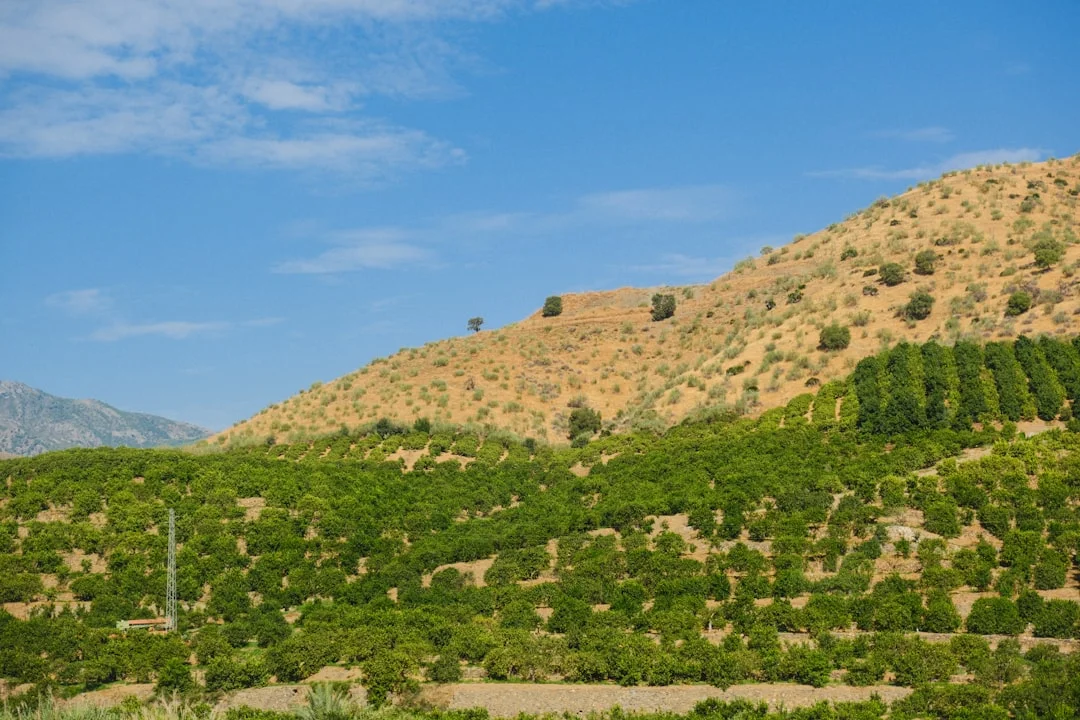
    The Axarquía region, in particular, has faced critical challenges. The La Viñuela reservoir—the largest in the province—has seen its capacity dwindle to alarming levels in recent years, threatening the livelihoods of local subtropical fruit farmers who rely on it for their mango and avocado crops. An influx of 20 to 25 liters per square meter provides a vital, albeit partial, replenishment to these parched reserves. Every drop that falls this weekend helps secure the region’s water supply for the upcoming peak summer months.

    Making the Most of a Rainy Weekend

    Just because the beach is off the table doesn’t mean your weekend is ruined. Málaga thrives rain or shine. Here are a few ways to pivot your plans:

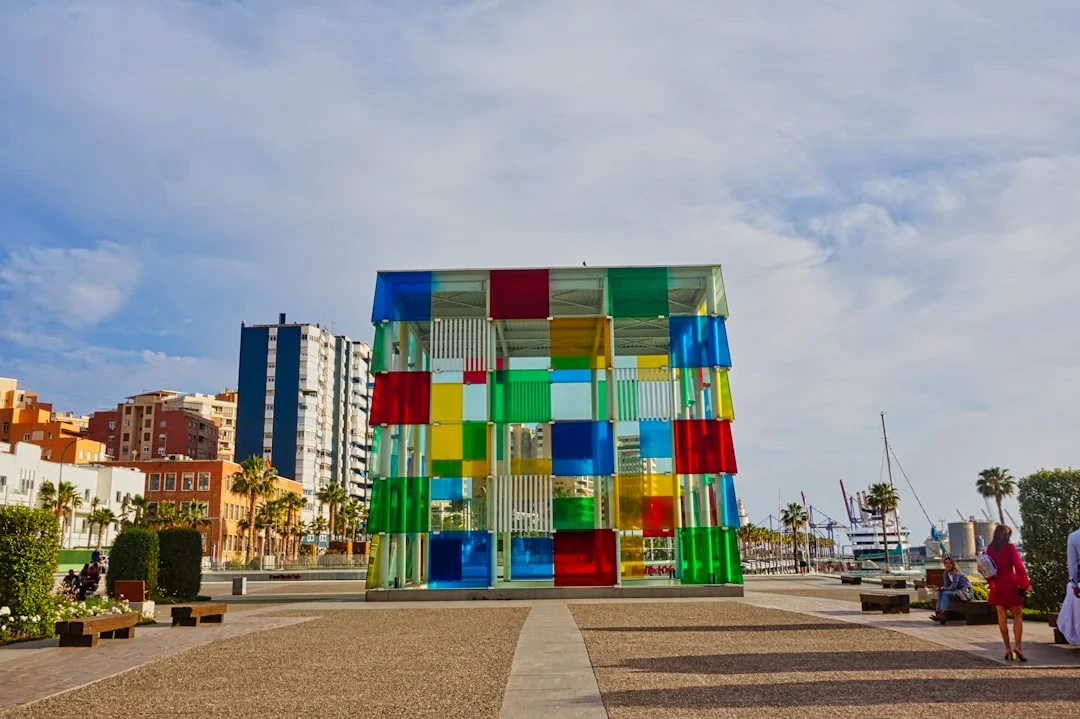
    • Museum Hopping: Málaga city boasts over 30 museums. Take refuge in the Picasso Museum, the Centre Pompidou, or the Carmen Thyssen Museum.
    • Culinary Comforts: Swap the beachside chiringuito for a cozy inland venta. It is the perfect weather to enjoy a hearty plate of plato de los montes or warm churros with thick hot chocolate.
    • Retail Therapy: Indoor shopping centers like La Cañada in Marbella or Plaza Mayor offer a great escape from the showers.

    As we watch the rain wash over the streets from behind our windows, it is a gentle reminder of nature’s delicate balance. While we all love the endless sunny days that make the Costa del Sol so famous, these rainy weekends are exactly what keep our beautiful province vibrant, green, and thriving. Let’s welcome the showers with a bit of gratitude, knowing the sun will undoubtedly return soon enough.

  • Beyond Picasso: Málaga’s New Independent Art Gallery

    Beyond Picasso: Málaga’s New Independent Art Gallery

    When you think of art in Málaga, the mind immediately jumps to the heavyweights. The Picasso Museum, the Centre Pompidou, and the Carmen Thyssen have undoubtedly put our coastal city on the global cultural map. But step away from the long queues and the grand institutional facades, and you will find something else quietly thriving: a grassroots, independent art scene.

    Recently, the city welcomed a refreshing addition to this creative undercurrent. Serving as a perfect cultural refuge from the heavy rain forecasted across the coast, a brand new space has opened its doors with a mission that feels both ambitious and deeply necessary, introducing a new concept of contemporary art galleries in Malaga.

    “Collective, Open, and Honest”

    For many, walking into a contemporary art gallery can feel intimidating. The pristine white walls, the hushed silence, and the complex artist statements often create a barrier between the artwork and the observer. This new project aims to shatter that glass ceiling.

    According to an interview in Málaga Hoy, the space operates under a philosophy that is strictly “collective, open, and honest.” Instead of treating art as a luxury commodity meant only for the elite, the goal is to weave it seamlessly into the fabric of everyday life. It is a place where you are encouraged to linger, ask questions, and interact with the pieces without feeling out of place.

    For those of us living here—whether you are a long-time local or an international resident looking to plug into the real heartbeat of the city—this approach is exactly what we need. It transforms the act of viewing art from a passive, formal event into an active, community-driven experience.

    Driven by Local Roots and Global Vision

    Behind this initiative is an artist with deep local roots who recognized a unique window of opportunity. Málaga is currently experiencing a fascinating transition. It is no longer just a holiday destination or a retirement haven; it is a dynamic European hub attracting remote workers, tech innovators, and creatives from around the globe.

    This influx of diverse perspectives makes the city a fertile ground for independent art in Malaga. The gallery’s founder saw this potential and decided to create a platform that not only showcases emerging talent but also fosters a dialogue between the artists and the community. It is a testament to the belief that Málaga’s cultural identity is not just rooted in its past, but is actively being written right now.

    Exploring the Independent Scene

    If you are on the hunt for cultural events in Malaga today, looking beyond the major museums is highly rewarding. Independent spaces like this one offer a much more intimate look at what contemporary creators are thinking, feeling, and producing.

    When planning your weekend, consider swapping one of the traditional tourist stops for a visit to the city’s smaller creative spaces. Here is how you can make the most of it:

    • Check for Openings: Keep an eye out for new exhibitions in Malaga through local community boards or social media. Gallery openings are fantastic places to meet like-minded people.
    • Talk to the Curators: The beauty of an “open and honest” gallery is the accessibility of its staff. Ask them about the artists; they are usually thrilled to share the stories behind the canvas.
    • Support Local: Even if you are not in the market to buy a large installation, purchasing small prints, attending workshops, or simply spreading the word helps keep these independent spaces alive.

    Watching Málaga evolve from a sunny transit point into a culturally rich, multi-layered city is a privilege. Projects that prioritize community, accessibility, and honest expression over pure commercial gain remind us of why we love living here. They give the city its soul. As we continue to navigate the changes in our adopted home, stepping into these small, passionate spaces feels like finding an anchor—a place where creativity meets everyday life, and everyone is invited to the conversation.

  • Airplanes and Superheroes at the Aeronautical Museum

    Airplanes and Superheroes at the Aeronautical Museum

    Malaga is famous for its sun-drenched beaches and vibrant historic center, but if you are looking for a weekend plan that steps off the beaten path—particularly when heavy rain is expected across the coast—the city has plenty of surprises. For families and expats seeking a unique activity, the Malaga Aeronautical Museum (Aeromuseo) offers a fantastic escape right next to the airport.

    If you are searching for things to do with kids in Malaga this weekend, this interactive museum provides a perfect blend of education, local history, and community fun.

    A Hidden Gem by the Runway

    Located at Plaza Pierre Georges Latécoère, the museum sits conveniently next to the General Aviation building and just a stone’s throw from the iconic San Miguel factory. Unlike the bustling city center, this area offers a spacious, relaxed environment where visitors can take their time exploring the fascinating world of flight.

    The Aeromuseo is home to an impressive collection of vintage airplanes, historical aviation equipment, and interactive exhibits. Children and adults alike can marvel at the evolution of air travel, step inside historic cabins, and learn about Malaga’s crucial role in the development of Spanish aviation.

    Superheroes and Community Spirit

    What makes the Aeromuseo truly special is its commitment to engaging the local community through creative, family-friendly initiatives.

    According to Málaga Hoy, the museum is known for hosting special action-packed weekend events that pair its vintage airplanes with superhero-themed activities and vital blood donation drives. These unique days out offer children the magical experience of seeing their favorite caped crusaders walking among historic aircraft, while simultaneously encouraging adults to participate in a life-saving cause.

    Whether you catch one of these special themed Saturdays or visit on a regular weekend, the museum’s welcoming atmosphere makes it a standout destination for families looking to break their usual routine.

    Practical Information for Your Visit

    Planning your trip to the Aeromuseo is straightforward. Here are a few tips to make the most of your day:

    • Location: Plaza Pierre Georges Latécoère, next to the Malaga Airport General Aviation terminal.
    • Tickets: Aeromuseo Malaga tickets are generally free, making it an incredibly accessible weekend plan. However, leaving a small donation helps support the maintenance of these beautiful historical aircraft.
    • Getting There: The museum is easily accessible by car, with free parking typically available on-site. You can also reach it via local bus routes or the commuter train (Cercanías), followed by a short walk.
    • Facilities: The outdoor areas are spacious, so bringing sunscreen and a hat is recommended during the warmer months.

    Finding new and engaging ways to spend the weekend can sometimes feel like a challenge, but places like the Aeromuseo remind us of the rich, diverse experiences our city has to offer. We hope this little detour into Malaga’s aviation history brings your family a memorable weekend full of discovery, imagination, and fun.

  • Airplanes and Superheroes at Malaga Aeronautical Museum

    Airplanes and Superheroes at Malaga Aeronautical Museum

    If you are looking for a weekend plan that breaks away from the usual beach trips or crowded city center strolls, Malaga has a hidden gem waiting right by the runway. Much like discovering the city’s new independent art galleries, the Malaga Aeronautical Museum (Aeromuseo) offers an off-the-beaten-path experience that is perfect for families, aviation enthusiasts, and anyone curious about the history of travel on the Costa del Sol.

    A Journey Through Aviation History

    Located at Plaza Pierre Georges Latécoère, just next to the General Aviation building and the iconic San Miguel factory, the museum is remarkably easy to reach but often overlooked by casual visitors. It sits on the grounds of the original Malaga airport terminal, providing a truly authentic backdrop for the exhibits.

    Inside and out, the museum houses an impressive collection of vintage airplanes, old control tower equipment, and historical aviation artifacts. It is a hands-on environment where children and adults alike can get up close to the aircraft that once connected Malaga to the rest of the world.

    What to Expect During Your Visit

    When you plan a trip to the Aeromuseo, you can look forward to several unique experiences:

    • Interactive Exhibits: Unlike many traditional museums, visitors can actually step inside some of the historic aircraft cockpits and passenger cabins.
    • Historical Context: Learn how the airport evolved from a small landing strip into one of Spain’s busiest international hubs.
    • Open Spaces: The outdoor display area gives kids plenty of room to safely explore the planes under the Malaga sun.

    Superheroes and Community Spirit

    Beyond its permanent collection, the museum is known for hosting engaging community events that make a weekend visit even more special.

    “The Aeromuseo isn’t just about preserving the past; it’s about bringing the community together in the present.”

    For instance, the museum regularly collaborates with local organizations for themed family days. According to Málaga Hoy, the venue has historically hosted special Saturday events that combine the magic of flight with superhero-themed activities. These specific community days often feature volunteers dressed as superheroes to entertain the kids, operating alongside a mobile blood donation drive. It is a wonderful way to keep children engaged while supporting a vital local cause.

    While the superhero blood donation drives are specially scheduled events, the museum itself remains a fantastic weekend destination year-round. It provides a relaxed environment where expat families and locals can mingle, learn, and enjoy a few hours away from the typical tourist trails.

    Practical Information for Your Visit

    Before heading out, here are a few practical tips to make the most of your weekend plan:

    • Getting There: The museum is easily accessible by car, with parking available nearby. You can also take the local Cercanías train to the airport station, though a short walk or taxi ride is required to reach the exact plaza.
    • Facilities: The proximity to the San Miguel factory and surrounding commercial areas means you can easily combine the museum visit with lunch at a nearby local restaurant.
    • Admission: Check the museum’s official channels for current opening hours, as they can occasionally vary depending on private events or volunteer availability.

    Finding new ways to spend a weekend in Malaga is one of the joys of living here. Places like the Aeronautical Museum remind us that there are always quiet corners of the city waiting to be explored. Whether you are climbing into a vintage cockpit with your kids or simply enjoying the history of how this beautiful coastal city opened up to the world, I hope this little detour brings your family a relaxed and memorable afternoon.

  • Why Malaga Cathedral ‘La Manquita’ is Under Scaffolding

    Why Malaga Cathedral ‘La Manquita’ is Under Scaffolding

    If you have taken a stroll through Malaga’s historic center recently, you have likely found yourself in the picturesque Plaza del Obispo, looking up at our beloved cathedral. You might have also noticed a rather large addition to the view: a massive network of metal.

    If you are wondering about the Malaga cathedral scaffolding and what it means for your visit, do not worry. You aren’t just looking at a standard construction site; you are witnessing a historic milestone for the city’s most iconic monument.

    The Story of ‘La Manquita’

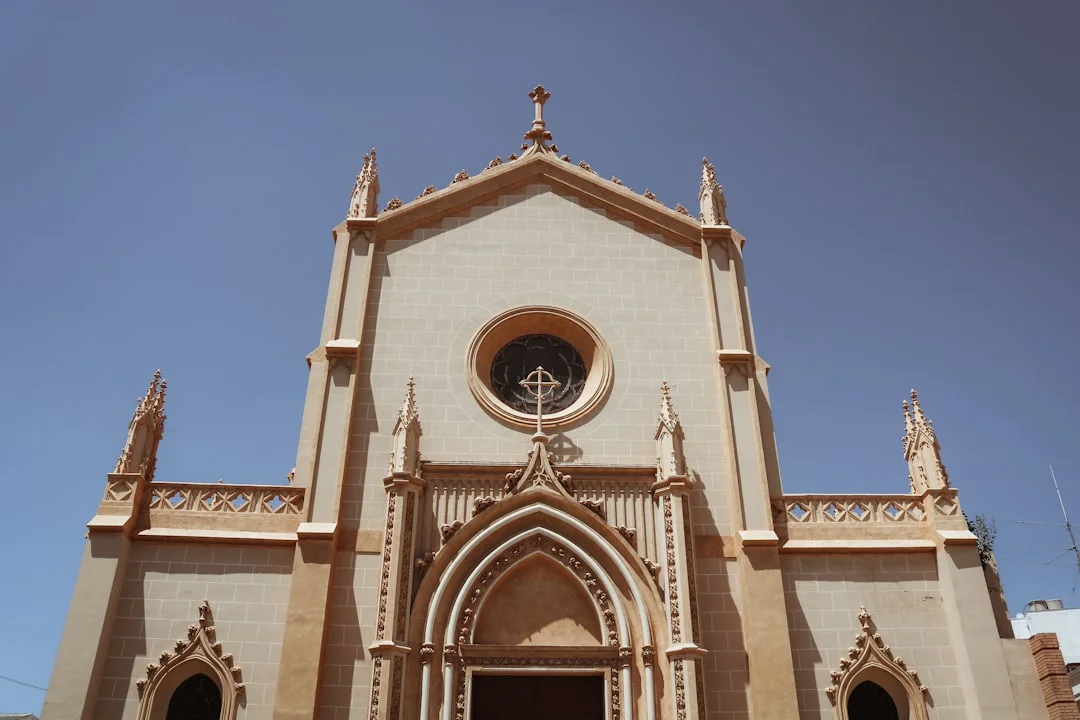
    To understand the current works, you need to know a bit about the building itself. Officially named the Santa Iglesia Catedral Basílica de la Encarnación, locals affectionately call it La Manquita (The One-Armed Lady).

    Construction began in the 16th century on the site of a former mosque and continued for over two hundred years. However, funding ran dry in the late 18th century, leaving the south tower famously unbuilt. But the missing tower wasn’t the only thing left incomplete. The main facade’s pediment (the triangular upper part of the front of the building) was never finished, and the roof was left with structural vulnerabilities that have caused severe water damage over the centuries.

    What is Happening Now?

    For decades, locals and historians have debated how to protect and complete the cathedral. Now, action is finally being taken. The current project tackles two massive goals:

    1. Completing the Main Facade

    The scaffolding you see from Plaza del Obispo is there for a reason. Works have officially begun to construct the pediment that will crown the main facade. This architectural element was part of the original design but was left untouched for centuries. Once finished, the cathedral will present a unified, complete face to the square, exactly as its master builders intended hundreds of years ago.

    2. The Historic Roof Rehabilitation

    Perhaps even more critical than the facade is the ongoing la manquita construccion tejado (roof construction). The cathedral has suffered from chronic leaks that threatened the priceless artwork and structural integrity of the interior.

    The good news? The project is moving along beautifully. According to a recent May 2026 report from La Opinión de Málaga, the roof rehabilitation has already passed the halfway mark. The installation of the new protective structure and tiles is advancing right on schedule, ensuring the interior will finally be safe from the heavy winter rains.

    What This Means for Your Visit

    If you are tracking the obras catedral Malaga (Malaga cathedral works) to plan your trip, here is the practical breakdown:

    • The Cathedral remains open: You can still go inside and marvel at the stunning choir stalls, the soaring vaulted ceilings, and the intricate chapels.
    • Tours are ongoing: Guided tours, including the highly recommended rooftop tours (which offer a fascinating close-up view of the construction and the city skyline), are still operating, though routes may be slightly adjusted for safety.
    • Photography: Yes, the scaffolding alters the classic photo from the plaza. However, it also provides a unique, once-in-a-lifetime snapshot of the cathedral in transition.

    Seeing a beloved monument covered in scaffolding might initially feel like a slight bummer when you are hunting for that perfect vacation photo. Yet, there is something deeply special about watching a city actively care for its history. You aren’t just seeing a building under repair; you are seeing Malaga breathe new life into its greatest treasure, ensuring that La Manquita stands proud and protected for centuries to come.

  • AgriTech in Action: GPS-Equipped Beehives Foil Local Robbery

    AgriTech in Action: GPS-Equipped Beehives Foil Local Robbery

    Málaga is increasingly famous for its bustling Málaga TechPark, attracting global technology giants and digital nomads alike. However, some of the most fascinating technological innovations are happening far from the city’s sleek office buildings. In the rural heartlands of Andalusia, traditional farming is meeting modern surveillance in a highly effective way.

    The Buzz Around GPS Tracking

    Agricultural theft has long been a persistent headache for rural workers in southern Spain, where the contrast between the rise of new contemporary art galleries in Málaga and the gritty reality of the countryside remains stark. Everything from avocados and olives to heavy machinery is frequently targeted by opportunistic thieves. Recently, local beekeepers decided to take matters into their own hands by integrating a surprisingly simple piece of AgriTech: GPS trackers hidden deep inside their beehives.

    This strategy recently paid off in spectacular fashion. When a cluster of hives was stolen from a rural property in the Málaga province, situated not far from popular inland family spots like the water park in Alhaurín el Grande, the hidden devices immediately activated. The real-time location data allowed local authorities to track the stolen property directly to a clandestine location. Not only did the police recover the pilfered bees, but the tracking data also led them to a larger cache of stolen agricultural goods, effectively dealing a heavy blow to a local theft ring.

    AgriTech Beyond the City Limits

    This clever use of technology highlights a broader trend across Andalusia. Innovation is no longer confined to urban centers; it is actively reshaping how rural communities protect their livelihoods and optimize their yields. From soil moisture sensors that carefully manage water use during droughts to drones monitoring crop health across vast estates, the agricultural sector is rapidly digitizing.

    The timing of these grassroots tech solutions aligns with a wider regional push to support rural municipalities and their unique economies. Just recently, during a May 2026 visit to Alhaurín el Grande by regional officials, the ongoing commitment to bolstering Andalusia’s inland towns was a central theme. Empowering local farmers with technological tools is a crucial part of ensuring these historic agricultural communities remain viable, competitive, and safe from exploitation.

    A Sweet Victory for Tradition

    The successful recovery of the stolen hives is more than just a quirky news story; it is a testament to the adaptability and resilience of local producers. Beekeeping is an ancient craft, deeply tied to the rhythms of nature and the rich biodiversity of the Andalusian landscape. By embracing modern tracking technology, these farmers are ensuring that their age-old traditions can survive the very modern challenges of the 21st century.

    It is deeply reassuring to see the people who put food on our tables—and honey in our tea—finding clever ways to protect their hard work. As Málaga continues to grow as a recognized European tech hub, it is wonderful to know that this spirit of innovation is also blossoming out in the countryside, keeping our rural heritage safe for generations to come.

  • Airplanes and Superheroes at the Aeronautical Museum

    Airplanes and Superheroes at the Aeronautical Museum

    If you are looking for a weekend activity that steps away from the usual beach trips or crowded city center tours, Malaga has a hidden gem waiting just a few minutes from the runway. The Malaga Aeronautical Museum (Aeromuseo) offers an off-the-beaten-path experience that is perfect for families, aviation enthusiasts, and anyone looking to dive into the local history of travel.

    A Journey Through Aviation History

    Located at Plaza Pierre Georges Latécoère, the Aeromuseo sits right next to the General Aviation building and the recognizable San Miguel factory. It is incredibly easy to reach, yet it remains one of the city’s best-kept secrets.

    The museum grounds are home to a fascinating collection of vintage airplanes, old control tower equipment, and interactive exhibits that trace the evolution of aviation in the region. Unlike many traditional museums where everything is kept strictly behind glass, the Aeromuseo allows visitors to get up close to the aircraft. You can walk around historic planes, peek into cockpits, and get a real sense of what air travel looked like decades ago.

    What to Expect During Your Visit

    Whether you are an expat looking to entertain the kids or a local wanting to explore a different side of Malaga, the museum delivers a robust experience:
    * Vintage Aircraft: Explore beautifully preserved planes from different eras, parked right on the tarmac.
    * Interactive Displays: Learn about the mechanics of flight, navigation systems, and the history of the Malaga Airport itself.
    * Open Spaces: The outdoor layout makes it an ideal spot for children to burn off some energy while learning something new.

    Community Events and Superhero Saturdays

    While the museum is a fantastic permanent attraction, it truly comes alive during its special community days. The Aeromuseo frequently partners with local organizations to host themed weekends that go beyond standard exhibitions.

    For example, the museum has historically organized special open days that combine family fun with a good cause. As highlighted by Málaga Hoy, past events have featured superhero-themed activities to entertain the little ones, running alongside a community blood donation drive. These initiatives not only bring the space to life with costumes and excitement but also serve a vital role in supporting local healthcare services.

    If you are planning a visit, it is always worth checking the museum’s official channels to see if your weekend aligns with one of these special community days. Even on a regular Saturday, the sight of massive vintage planes is usually enough to feel like a superhero adventure for younger visitors.

    Planning Your Trip

    Getting to the Aeromuseo is straightforward. If you are driving, there is usually ample parking nearby, thanks to its location slightly removed from the main passenger terminals. It is a fantastic morning or early afternoon activity, leaving you plenty of time to grab lunch in the nearby Churriana neighborhood or head back toward the coast.

    Finding activities that engage the whole family while offering a slice of local history can sometimes be a challenge. Places like the Aeromuseo remind us that Malaga is full of quiet surprises, waiting just around the corner from the places we see every day. Hopefully, a morning spent wandering among vintage wings and propellers will inspire a bit of wonder and give you a memorable weekend away from the usual routine.

  • Unicaja Fans Mourn Basketball Legend Piculín Ortiz

    Unicaja Fans Mourn Basketball Legend Piculín Ortiz

    A Sad Day for the Basketball World

    Anyone following Unicaja basketball news today has likely felt a collective pause. The sports community in Málaga and beyond is mourning the loss of a true giant of the game. José ‘Piculín’ Ortiz, a historic figure in international basketball and a beloved former player for Unicaja Malaga, has sadly passed away early this May 2026.

    Ortiz lost his life following a courageous battle with cancer, a Jose Piculin Ortiz death cause that has brought an outpouring of sympathy from fans and sports institutions worldwide. While his passing marks a somber moment, his monumental contributions to the sport give us endless reasons to celebrate his legacy, an enduring influence remembered fondly by his former Spanish clubs as Unicaja Málaga continues to make a serious impact in the ACB.

    The Pioneer of Puerto Rican Basketball

    For newcomers to the rich history of Spanish and international hoops, José ‘Piculín’ Ortiz was nothing short of a trailblazer. Standing at 6 feet 11 inches, he brought a rare combination of physical dominance and graceful skill to the court—a memorable chapter in Spanish sports, even as the country recently dominated headlines with environmental news such as the massive Málaga wastewater spill caused by heavy rain.

    His list of achievements reads like a basketball fairy tale:

    • Olympic Legend: He represented his native Puerto Rico as a four-time Olympian, carrying the flag for Caribbean basketball on the global stage.
    • NBA Trailblazer: He broke barriers by becoming the very first Puerto Rican to play in the NBA, suiting up for the Utah Jazz and paving the way for future generations.
    • European Star: Across the Atlantic, he became a household name in the prestigious Spanish ACB league.

    Piculin Ortiz Unicaja Malaga: A Spanish Journey

    Ortiz’s European adventure deeply connected him to Spain. He didn’t just play; he left an indelible mark on the country’s top-tier teams. As noted by El Diario, his impressive Spanish resume included stints at towering clubs like Real Madrid, FC Barcelona, and our very own Unicaja.

    When Piculín Ortiz wore the green and purple of Unicaja Malaga, he brought an international flair and a veteran’s poise to the Costa del Sol. Fans who packed the local arenas remember his commanding presence in the paint and his unwavering dedication to the team’s success. He helped elevate the competitive spirit of a club that was steadily building its reputation as a powerhouse in Spanish basketball.

    Tributes from the ACB

    The impact of his passing has resonated deeply across the league. The ACB officially expressed its heartfelt condolences, honoring a player who helped elevate the standard of the competition during his tenure.

    “A true pioneer who graced our courts with talent and passion. The Spanish basketball family will never forget him.”

    Former teammates, rival clubs, and fans have flooded social media with memories of his iconic hook shots, his leadership, and his warm personality off the court.

    Remembering a Giant

    It is always difficult to say goodbye to the athletes who gave us so many thrilling Sunday afternoons. Yet, as we reflect on the incredible journey of José ‘Piculín’ Ortiz, there is a profound sense of gratitude. He showed us that sports can bridge continents—from the vibrant courts of Puerto Rico to the passionate arenas of Málaga. His legacy will undoubtedly continue to inspire young players practicing their shots on local courts, dreaming of one day reaching his towering heights. Rest in peace, Piculín.