Tag: lang:en

  • Málaga Metro PTA Extension: Tech Park Traffic Solution?

    Málaga Metro PTA Extension: Tech Park Traffic Solution?

    For thousands of tech professionals and expatriates working in Málaga—many of whom are drawn to the city’s rich weekend agenda of local festivals and art exhibitions—the daily commute to the Málaga TechPark (PTA) is a chronic pain point. While the park itself is a thriving hub of innovation, the infrastructure connecting it to the city center has historically struggled to keep pace with its rapid growth. Now, an old infrastructure dream is back on the table: extending the Málaga Metro directly to the PTA and the neighboring district of Campanillas.

    The Commuter’s Bottleneck: Analyzing the PTA Traffic

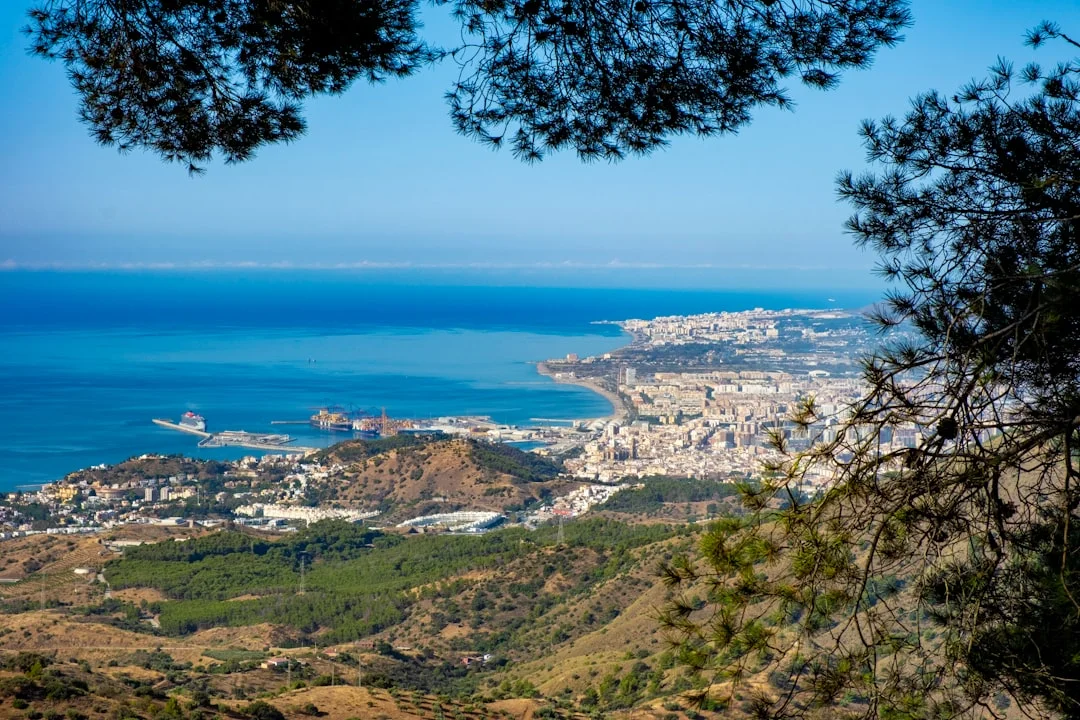
    Currently, the Málaga TechPark hosts hundreds of companies and tens of thousands of daily workers. The geographical layout of the park, situated on the western outskirts of the city, creates a massive daily influx of private vehicles, adding to the province’s broader traffic challenges that have prompted infrastructure projects like the recent road safety improvements on the eastern coast.

    Data consistently points to severe congestion during peak morning and late afternoon hours. The reliance on private cars is not merely a preference but a necessity for many, given the limitations of the current public transit routes. Although bus lines and dedicated shuttles exist, they often get caught in the very same traffic jams they are meant to bypass. For international tech workers relocating to Málaga, figuring out how to commute to Málaga TechPark is often the first logistical hurdle they face.

    A Renewed Political Commitment in 2026

    The conversation around extending the metro network has recently gained fresh momentum. In early May 2026, the local PSOE candidate for Málaga formalized a written commitment to bring the metro line to both the PTA and the Campanillas neighborhood.

    As reported by La Opinión de Málaga, this pledge is part of a broader infrastructure and social package for the district. Beyond the rail extension, the political commitment includes the construction of a much-needed new health center for Campanillas and the structural channeling of the local river to prevent historical flooding issues.

    This written promise directly targets one of the most persistent complaints of the international and local working community. A direct metro line would fundamentally alter the logistics of the city, shifting thousands of daily journeys from asphalt to rail.

    Evaluating the Impact: Metro vs. Asphalt

    From an analytical standpoint, integrating the PTA into the Málaga Metro network offers several quantifiable benefits:

    • Predictable Commute Times: Unlike buses that share congested roads, a light rail system operates on dedicated tracks, ensuring reliable arrival times.
    • Emissions Reduction: Shifting a significant percentage of the workforce to electric public transit aligns with broader European sustainability targets.
    • Real Estate Shifts: Improved connectivity typically spurs localized economic growth. Upgrading the “transporte Campanillas Málaga” equation from a negative to a positive could revitalize the housing market in the immediate vicinity, offering tech workers viable living options closer to work but still connected to the city center.

    However, infrastructure projects of this magnitude require substantial capital, multi-governmental cooperation, and years of execution. While the written commitment is a crucial first step in the administrative process, the timeline from a 2026 political pledge to an operational train line will require persistent public pressure and budgetary allocation.

    Current Alternatives: How to Commute to Málaga TechPark Today

    Until the tracks are laid and the trains are running, workers must navigate the existing transport ecosystem. If you are currently planning your commute, here are the most viable options:

    • Public Bus (Line 25): The primary EMT bus route connecting the city center to the PTA. It is cost-effective but subject to peak-hour traffic.
    • Corporate Shuttles: Many larger tech firms in the park operate private bus services for their employees.
    • Carpooling: A highly recommended strategy. Sharing rides reduces the number of vehicles at the park’s entrance roundabouts.
    • Cycling and E-Scooters: For those living in closer districts like Teatinos or Campanillas, dedicated mobility lanes are slowly improving, though navigating larger intersections requires caution.

    The promise of a metro line to the PTA represents more than just a transit upgrade; it is a vital step toward maturing Málaga’s infrastructure to match its status as a premier European tech hub. While political pledges must be met with analytical scrutiny and patience, the renewed focus on this project offers a tangible beacon of progress. It is our collective hope that these blueprints soon translate into real-world tracks, granting thousands of workers the gift of time, safety, and a much smoother start to their day.
  • Frigiliana: One of Spain’s Top Getaway Villages for 2026

    Frigiliana: One of Spain’s Top Getaway Villages for 2026

    Perched like a pearl against the rugged canvas of the Sierras de Tejeda, Almijara y Alhama Natural Park, Frigiliana has long whispered its secrets to those willing to venture beyond the bustling coastline of Málaga. With its labyrinthine streets, whitewashed facades adorned with vibrant bougainvillea, and sweeping views of the Mediterranean, it is a place where time seems to slow down, offering a serene retreat after enjoying Málaga’s lively weekend agenda of local festivals and art exhibitions. Now, its quiet allure is capturing the attention of travelers worldwide, cementing its status as a premium rural destination.

    According to a recent report by La Opinión de Málaga, the renowned vacation rental search engine Holidu has officially ranked Frigiliana as one of the most searched-for Spanish villages for a getaway in 2026. This recognition highlights a growing desire among modern travelers to seek out authentic, off-the-beaten-path experiences that prioritize culture, heritage, and slow travel over crowded tourist hotspots.

    The Allure of the Barribarto

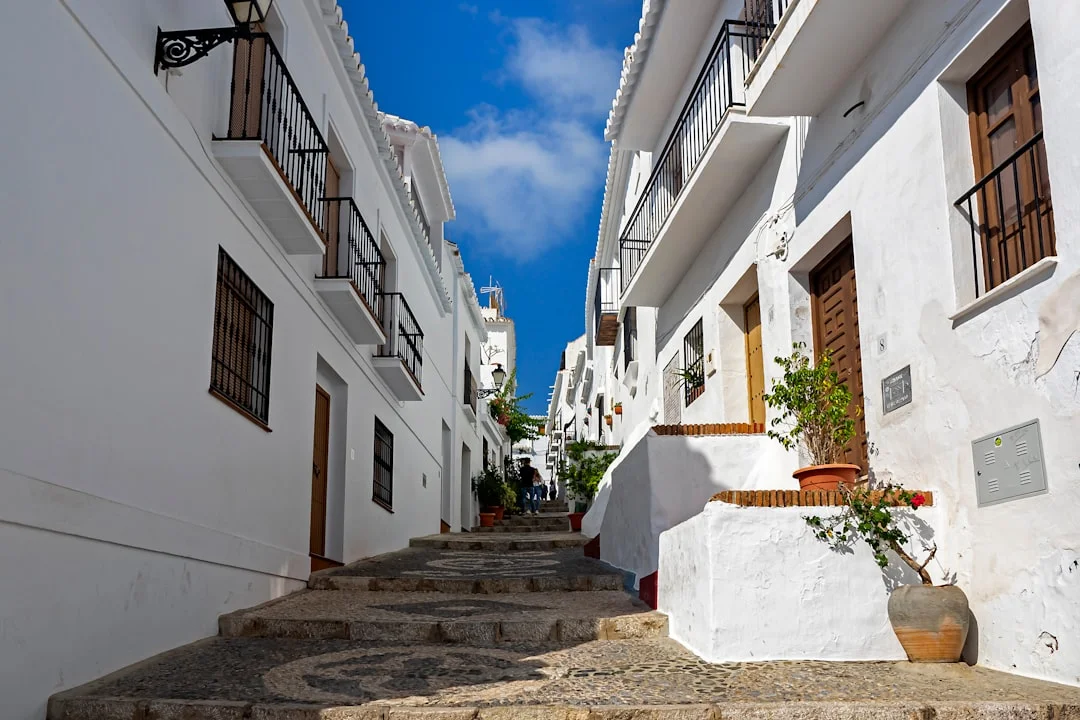
    To understand why Frigiliana has captivated the imaginations of so many for 2026, one must wander through the Barribarto, the village’s historic upper quarter. Recognized as one of the best-preserved Moorish historic centers in all of Spain, this neighborhood is a masterclass in Mudéjar architecture.

    Steep flights of stairs and narrow, winding cobblestone alleys create a mesmerizing geometric maze. Each corner reveals a new visual delight: a brightly painted door, a hidden courtyard, or a ceramic mosaic detailing the village’s rich, albeit tumultuous, history. It is this profound sense of preserved authenticity that Holidu’s data points to—a destination that does not merely display its history, but breathes it.

    A Haven for Local Craftsmanship

    Beyond its architectural splendor, Frigiliana is celebrated as a sanctuary for artisans. The village’s commitment to preserving traditional crafts is a significant factor in its rising popularity. Visitors exploring the town will find a treasure trove of artisanal boutiques offering goods crafted with techniques passed down through generations.

    • Esparto Grass Weaving: Local artisans continue to work with esparto, weaving beautiful baskets, rugs, and decorative pieces that add a rustic, tactile charm to any home.
    • Hand-Painted Ceramics: Colorful, intricate ceramics line the shelves of small shops, reflecting the vibrant Andalusian spirit.
    • Textiles and Leather Goods: High-quality, handmade leather items and woven textiles offer a tangible connection to the region’s mercantile past.

    Supporting these local artisans not only provides travelers with unique keepsakes but also ensures the survival of these invaluable cultural practices.

    A Taste of Tradition: The Gastronomy of Frigiliana

    No getaway is complete without immersing oneself in the local flavors, and Frigiliana’s culinary offerings are as rich and layered as its history. The village is perhaps most famous for its miel de caña (sugar cane honey). Frigiliana is home to the only active sugar cane honey factory in Europe, El Ingenio Nuestra Señora del Carmen. This dark, molasses-like syrup is a staple in local kitchens, famously drizzled over fried eggplant (berenjenas fritas con miel de caña) to create a perfect harmony of savory and sweet.

    Travelers in 2026 can also look forward to indulging in other traditional delicacies:

    • Choto al Ajillo: A robust and flavorful dish of tender kid goat cooked slowly with garlic, almonds, and local wine.
    • Migas: A hearty, comforting dish made from toasted breadcrumbs, garlic, and olive oil, often served with melon, chorizo, or sardines.
    • Local Muscatel Wines: The surrounding hillsides are terraced with vineyards producing sweet, aromatic Moscatel wines, perfect for sipping as the sun sets over the valley.

    Planning Your 2026 Escape

    For those based in or visiting Málaga, Frigiliana represents the quintessential day trip. Located just under an hour’s drive from the capital, it offers an immediate and profound shift in pace. It serves as a perfect tranquil counterpoint to the region’s more bustling events, such as the vibrant weekend food festivals found further down the coast. Whether you are navigating the steep streets to reach the ruins of the Castillo de Lizar, dining on a terrace with panoramic views of the Axarquía region, or simply listening to the gentle splash of a village fountain, Frigiliana delivers an unpretentious, soul-nourishing experience.

    There is a quiet magic in stepping away from the predictable paths and finding yourself in a place that still measures time by the ringing of church bells and the slow drip of cane honey. Frigiliana is not just a destination on a map or a high-ranking name on a travel list; it is a gentle reminder of the enduring beauty of slow living, waiting patiently for you to wander its sunlit streets.

  • Weekend Getaway: Gastronomy & MotoGP 2026 in Jerez

    Weekend Getaway: Gastronomy & MotoGP 2026 in Jerez

    For expats and locals living in Málaga, the short two-hour drive to Jerez de la Frontera is a beloved annual tradition. With the 2026 Spanish MotoGP Grand Prix currently taking over the city, thousands of motorsport enthusiasts are flocking to the legendary Circuito de Jerez-Ángel Nieto, navigating regional roads that are steadily improving thanks to projects such as the recent safety upgrades along the eastern coast’s N-340.

    While the roaring engines and electric atmosphere of the race are the main draw, navigating a massive regional event can sometimes feel overwhelming. However, by knowing exactly where to retreat for a fantastic meal, you can easily turn a hectic race weekend into an unforgettable Andalusian culinary getaway.

    The Drive: Málaga to Jerez

    Getting to Jerez from Málaga is a breeze. The most scenic route takes you along the coast toward Marbella before cutting inland via the A-381 highway. This road winds through the breathtaking Los Alcornocales Natural Park, making the journey itself a highlight of the trip.

    Where to Eat Near the Circuit

    When race day hunger strikes, you do not have to settle for standard stadium fast food. The outskirts of Jerez are famous for their ventas—traditional roadside inns that serve hearty, authentic Andalusian fare.

    According to the regional gastronomy guides at Gurmé Cádiz, some of the best culinary experiences can be found just a few kilometers from the track. These local establishments are perfect for escaping the trackside frenzy, offering a relaxed environment to discuss the day’s qualifiers and races over excellent local food.

    Must-Try Local Dishes

    When settling down at a local venta or neighborhood bar near the circuit, keep an eye out for these regional specialties:
    * Carrillada Ibérica: Slow-cooked pork cheeks that melt in your mouth, usually served with homemade fries.
    * Rabo de Toro: A rich and savory bull’s tail stew, deeply rooted in the area’s culture.
    * Ajo Caliente: A traditional countryside dish made from mashed tomatoes, garlic, peppers, and rustic bread.
    * Sherry Wines: You cannot visit Jerez without sampling its world-famous wines. Pair your tapas with a crisp Fino or a complex Oloroso.

    Navigating the Race Weekend Chaos

    Attending the 2026 MotoGP requires a bit of strategy, especially when it comes to dining.

    1. Book in Advance: If a restaurant takes reservations, secure your table early. The influx of visitors means popular spots fill up fast.
    2. Adjust Your Schedule: Spanish dining times are already late, but during MotoGP, kitchens often adapt to the crowds. Take advantage of an early lunch (around 1:30 PM) to beat the primary rush of fans leaving the morning sessions.
    3. Head to the Center for Dinner: While the ventas near the circuit are ideal for daytime eating, the historic center of Jerez comes alive at night. The Plaza del Arenal and surrounding streets offer fantastic tapas bars where fans gather to celebrate the day’s events.

    Whether you are a die-hard racing fan cheering from the grandstands or simply tagging along for the incredible tapas, a weekend in Jerez is always time well spent. There is something truly special about sharing a bustling dining room with people from all over the world, united by the thrill of the race and the comfort of a good meal. Safe travels from Málaga, and enjoy the ride!

  • Foreign Tourists Spend Record €1.7 Billion in Andalusia

    Foreign Tourists Spend Record €1.7 Billion in Andalusia

    A Spring Like No Other

    The spring of 2026 is officially rewriting the record books for the Andalusian tourism sector. While the region has always been a premier destination for international travelers, the latest figures paint a picture of unprecedented economic impact. According to data released by the National Statistics Institute (INE), foreign tourists spent a staggering €1,703 million in Andalusia in just the month of March.

    This influx of capital highlights a significant shift in traveler behavior: visitors are not only arriving in greater numbers during the shoulder season, but they are also spending more per capita.

    The Numbers Behind the Boom

    Breaking down the €1.7 billion figure reveals a healthy diversification in how tourists are spending their money. Beyond the traditional pillars of accommodation and flights, a substantial portion of this revenue is flowing directly into local gastronomy, retail, and experiential tourism.

    As noted in recent coverage by Diario Sur, the economic footprint of these international visitors is transforming the Costa del Sol. The data suggests that the average daily expenditure per tourist has seen a sharp increase, driven by a growing demand for premium services, high-end dining, and boutique accommodations.

    What This Means for Málaga and the Costa del Sol

    For Málaga, this record-breaking spring acts as a powerful economic engine. The immediate benefits are highly visible:

    • Job Creation: The hospitality and service sectors have ramped up hiring much earlier in the year than historically typical, extending contracts well beyond the traditional summer peak.
    • Infrastructure Investment: Increased revenue streams provide local municipalities with the capital needed to improve public transport, beach maintenance, and cultural facilities.
    • Foreign Investment: The thriving tourism sector continues to act as a billboard for real estate and business investment. Many who visit eventually look to purchase secondary homes or establish businesses, further fueling the local economy.

    The Double-Edged Sword of Popularity

    However, this analytical look at the region’s success must also acknowledge the complex realities of rapid growth. A question frequently asked by both locals and expats is: Is Málaga getting more expensive?

    The short answer is yes. The same economic tide that lifts local businesses also applies upward pressure on the cost of living. The high demand for short-term holiday rentals continues to impact the long-term housing market, making real estate more competitive. Furthermore, the general pricing of everyday services in central tourist hubs often adjusts to match the higher purchasing power of international visitors.

    Looking Ahead to Summer 2026

    If March is any indicator, the summer of 2026 will test the capacity and resilience of Andalusia’s tourism infrastructure. The focus for local authorities and businesses is rapidly shifting from simply attracting tourists to managing the volume sustainably. Emphasizing quality over quantity, promoting inland destinations to disperse the crowds, and investing in sustainable practices are becoming critical strategies for the region’s long-term health.

    As we watch our beautiful region evolve, it is clear that Andalusia’s charm is more magnetic than ever. We hope that as we continue to welcome the world to our shores, we can collectively find the balance between celebrating this incredible economic prosperity and preserving the authentic local soul that makes Málaga so deeply special.

  • New Culinary Chapter for Málaga’s Palacio Solecio

    New Culinary Chapter for Málaga’s Palacio Solecio

    Málaga’s culinary scene is constantly evolving, but few venues capture the city’s blend of history and modernity quite like the Hotel Palacio Solecio. Nestled in the heart of the historic center, this restored 18th-century Andalusian palace is shifting gears. If you love fantastic food but prefer to skip the white-tablecloth formality, this is a change worth noting.

    A Shift to Market-Driven Dining

    Historically, dining in a luxury hotel meant bracing yourself for a rigid, multi-course haute cuisine experience. Palacio Solecio is breaking that mold. The hotel’s restaurant is taking a decidedly more relaxed approach, focusing heavily on what truly matters: the ingredients.

    The new menu is built around a “market-to-table” philosophy. Instead of overly complex foams and gels, the kitchen is letting high-quality, local produce shine. By sourcing directly from Málaga’s rich agricultural surroundings and coastal waters, the culinary team ensures that every dish reflects the authentic flavors of the region.

    Leading this exciting new chapter is a talented local Málaga chef who understands the city’s gastronomic roots. As highlighted by regional news outlet Diario Sur, this transition marks a significant commitment to local talent and sustainable, market-fresh cooking. The goal is simple: offer a dining experience that feels accessible and informal, yet uncompromising on quality.

    The Upcoming Launch: May 15, 2026

    If you are in Málaga this week, you have a chance to be among the first to experience this culinary pivot. The hotel is hosting a special gastronomic presentation event on May 15, 2026. This launch will showcase the new informal menu, giving attendees a firsthand look at the chef’s vision for the space.

    It is an excellent opportunity to taste the new signature dishes, mingle with other food enthusiasts, and enjoy the breathtaking architecture of the palace’s inner courtyard. Whether you are a local resident or a visitor exploring the city, the launch promises to be a highlight of Málaga’s spring culinary calendar.

    Why International Foodies Should Care

    Málaga has become a magnet for international travelers who travel specifically to eat well. However, many visitors express a desire for high-end food in a more relaxed environment. You want to taste the best Iberian pork, the freshest Mediterranean seafood, and the most vibrant seasonal vegetables, but you want to do it in a setting where you can laugh loudly and share plates with friends.

    Palacio Solecio’s new direction hits this sweet spot perfectly. It strips away the pretension often associated with hotel dining while maintaining the spectacular ambiance of an 18th-century palace. You get the stunning arches, the elegant lighting, and the impeccable service, but with a menu that feels welcoming and deeply connected to the streets of Málaga outside its doors.

    It is always a joy to see a historic institution adapt to the times while staying true to its local roots. Food is ultimately about connection—to the land, to the culture, and to the people we share the table with. This new chapter at Palacio Solecio feels like an invitation to pull up a chair, relax, and simply enjoy the incredible bounty that Málaga has to offer. We hope to see you there, sharing a plate and a story in one of the city’s most beautiful courtyards.

  • A-7 Jam Highlights Costa del Sol’s Mobility Challenges

    A-7 Jam Highlights Costa del Sol’s Mobility Challenges

    The A-7 Chokepoint: A Wake-Up Call for Commuters

    Anyone who regularly commutes along the Costa del Sol knows that the A-7 highway is the region’s main artery. But when that artery gets blocked, the entire coastline feels the pain. Recently, a major multi-vehicle pileup in Torremolinos brought traffic to a grinding halt, creating a massive 12-kilometer tailback for drivers heading towards Málaga city from Benalmádena and Torremolinos. During such gridlocks, many commuters turn to the railway network as an alternative, which is fortunately running smoothly again now that the C1 commuter line has recovered from its own morning delays.

    According to reports from La Opinión de Málaga, the early May 2026 incident involved seven cars and one truck. While emergency services worked to clear the wreckage, thousands of commuters were left stranded in their vehicles during the morning rush.

    This incident is a stark reminder of the extreme vulnerability of the Costa del Sol’s road infrastructure. With a growing population of expats, remote workers, and locals relying on this single stretch of tarmac—whether for daily commutes or heading out to enjoy Malaga’s top foodie events and red tuna season—understanding your mobility options is no longer just convenient—it is essential.

    Alternative Routes and Transit Options

    When the A-7 turns into a parking lot, knowing how to navigate around the chaos can save your morning. If you are considering the toll highway to bypass the gridlock, make sure to check the AP-7 summer toll prices first. Here are the most effective alternatives for commuting between the western Costa del Sol and Málaga city.

    1. The Cercanías Train (Line C-1)

    The absolute best way to bypass Costa del Sol traffic jams is the commuter train. The C-1 line runs every 20 minutes and connects Fuengirola, Benalmádena, and Torremolinos directly to Málaga’s Maria Zambrano station, the city center (Centro Alameda), and the airport.
    * Pros: Immune to highway traffic, affordable, and environmentally friendly.
    * Cons: Can be crowded during peak hours and summer months.

    2. The N-340 Coastal Road

    If you must drive, the old N-340 road (which runs closer to the sea through the coastal towns) can serve as an escape route.
    * Pros: Offers a moving alternative when the A-7 is completely blocked.
    * Cons: Riddled with roundabouts, traffic lights, and lower speed limits. It is a slow drive, but it beats sitting completely still.

    3. The AP-7 Toll Highway

    Depending on where you are traveling from, jumping onto the AP-7 toll road can help you bypass certain congested sections before it merges back with the A-7 near Benalmádena.
    * Pros: Generally much lighter traffic and faster moving.
    * Cons: Toll fees apply, and the merge point can still back up if an accident occurs closer to Málaga city.

    Driving in Málaga: Tips for Commuters

    To minimize your chances of getting caught in the next major gridlock, consider these practical driving tips:

    • Always check navigation apps: Make it a habit to check Waze or Google Maps before putting the car in gear, even if you know the route by heart. These apps provide real-time updates on A-7 traffic in Málaga today and can automatically route you away from sudden accidents.
    • Shift your schedule: If your work allows, avoiding the peak rush hours (7:30 AM – 9:00 AM and 5:00 PM – 6:30 PM) drastically reduces your risk of sitting in a jam.
    • Carpooling: Reducing the number of vehicles on the road helps alleviate overall congestion. Coordinate with colleagues or neighbors heading in the same direction.

    Living on the Costa del Sol offers an incredible quality of life, but the growing pains of its infrastructure are something we all must navigate together. Embracing public transport when possible and staying informed about road conditions can make our daily journeys just a little bit smoother. Stay safe out there on the roads, and remember that a little patience goes a long way when the unexpected happens.

  • Málaga TechPark: Free VIP Parking for Top Carpoolers

    Málaga TechPark: Free VIP Parking for Top Carpoolers

    The daily commute to the Parque Tecnológico de Andalucía (PTA), now known as Málaga TechPark, has long been a logistical bottleneck. With thousands of tech professionals, digital nomads, and support staff converging on the Campanillas district every morning, traffic congestion is a measurable drain on productivity and local air quality. To address this structural inefficiency, park management has deployed a new, data-driven incentive program designed to optimize vehicle utilization rates.

    Gamifying the Commute: The VIP Parking Incentive

    Finding a parking spot at the PTA during peak hours is a competitive endeavor. Leveraging this scarcity, Málaga TechPark has introduced a high-value operational reward for sustainable behavior.

    According to recent reporting by La Opinión de Málaga, the park management will now reward the eight most active drivers on its official mobility app with a free, reserved parking space for an entire month. This initiative transforms a highly coveted asset—guaranteed, frictionless parking—into a direct incentive for carpooling. By analyzing user data through the app, the administration can accurately track which drivers are consistently sharing their routes and maximizing passenger capacity per vehicle.

    Corporate Accountability Through Data

    The strategy extends beyond individual user incentives by integrating corporate-level gamification. As detailed by Málaga Valley, the TechPark administration will publish a monthly ranking of companies based on their employees’ participation in the carpooling program.

    This public metric serves multiple analytical purposes:
    * Benchmarking: It provides clear data on which enterprises are actively contributing to traffic reduction.
    * CSR Alignment: Companies can utilize these metrics to bolster their Corporate Social Responsibility (CSR) and environmental, social, and governance (ESG) reporting.
    * Peer Pressure: A transparent leaderboard inherently drives competitive participation among the park’s resident tech firms, encouraging internal HR departments to promote the app.

    Environmental and Operational Efficiency

    The underlying mathematics of the initiative are straightforward. If the top eight drivers consistently transport three to four passengers who would have otherwise driven single-occupancy vehicles, the immediate micro-impact is a reduction of up to 32 cars from the daily queue. Scaled across the hundreds of drivers the program aims to activate, the cumulative effect on traffic flow at the Campanillas roundabouts could be statistically significant.

    Fewer idling engines translate directly to lower localized carbon emissions, aligning the tech park with broader municipal sustainability targets. Furthermore, reducing the volume of single-occupancy vehicles alleviates the strain on the park’s internal infrastructure, minimizing the time employees spend circling for parking and maximizing productive operational hours.

    Looking Forward

    We all know the frustration of watching the clock tick while stuck in a morning gridlock, mentally calculating the emails piling up before we’ve even reached the desk. This new initiative feels like a practical, community-driven step toward reclaiming our mornings. By simply sharing a ride, we can help clear the roads, clean the air, and perhaps even make a few new connections along the way. Here’s hoping this clever approach turns our daily commute from a solitary chore into a shared, sustainable solution.

  • Jerez Weekend Getaway: Gastronomy & MotoGP 2026

    Jerez Weekend Getaway: Gastronomy & MotoGP 2026

    The roar of the engines, the smell of burning rubber, and the undeniable energy of thousands of motorsport fans—the Spanish MotoGP Grand Prix 2026 is currently bringing the Circuito de Jerez-Ángel Nieto to life. For expats and locals living in Málaga—many of whom are already embracing smart commuting initiatives like the TechPark’s carpool rewards—this massive regional event is a highly popular weekend road trip, sitting just a manageable two-hour drive away.

    However, navigating a Grand Prix weekend can be overwhelming. The crowds are massive, the traffic can be heavy, and finding a good place to eat near the circuit might seem like a daunting task. Fortunately, with a bit of planning, you can easily turn a chaotic racing weekend into a fantastic Andalusian culinary getaway.

    The Drive from Málaga

    Getting to Jerez from Málaga, perhaps after grabbing a bite at the new tapas spot Don Chicharrón, is a straightforward and scenic journey. You generally have two great options:

    • The Coastal/Inland Route (A-381): Heading down the AP-7 towards Gibraltar and cutting up through Los Barrios via the A-381. This route takes you through the stunning Alcornocales Natural Park.
    • The Inland Route (A-35X / A-384): Driving inland through the Guadalhorce Valley towards Campillos and across the rolling plains of the Cádiz province.

    Both routes take roughly two to two-and-a-half hours depending on traffic. During the MotoGP weekend, expect heavy congestion as you approach Jerez, especially near the exits for the circuit.

    Where to Eat Near the Circuit

    While the circuit itself offers standard event food, venturing just a few kilometers away will reward you with some of the best traditional food in the province. Local roadside restaurants, known as ventas, are the lifeblood of Jerez’s outskirts.

    According to the local culinary experts at Gurmé Cádiz, navigating the food scene during race weekend requires seeking out these authentic spots where locals actually eat.

    Top Local Recommendations

    • Venta Esteban: Located very close to the circuit, this is a legendary institution in Jerez. It is famous for its berza jerezana (a hearty local stew), fried fish, and incredibly efficient service even when packed to the brim with racing fans.
    • Venta El Albero: Another staple for those looking to escape the immediate circuit madness. Known for its excellent grilled meats and traditional tapas, it offers a cozy atmosphere that contrasts perfectly with the high-octane energy of the track.
    • Mesón La Cueva: Situated near the airport and the circuit, this spot is housed in a unique, cave-like building. It’s renowned for high-quality jamón ibérico, local cheeses, and an extensive wine list.

    Exploring Jerez Center: Tabancos and Tapas

    If you decide to head into the city center of Jerez after the day’s qualifiers or races, you are in for a treat. Jerez is the birthplace of sherry wine, and the best way to experience it is by visiting a tabanco—a traditional tavern where wine is served directly from the barrel.

    Order a glass of dry Fino or Oloroso and pair it with simple but spectacular tapas like chicharrones (pressed pork belly), cured meats, or local payoyo cheese. The atmosphere in the center during the MotoGP is electric, with motorcycles lining the streets and fans from all over the world mingling in the squares.

    Survival Tips for the 2026 Race Weekend

    1. Book Tables in Advance: If a restaurant takes reservations, make one. The best ventas fill up weeks in advance for the MotoGP weekend.
    2. Eat Off-Peak: If you can’t get a reservation, try having lunch before 1:30 PM or after 4:00 PM to avoid the massive rush of fans leaving the morning sessions.
    3. Patience is Key: Embrace the slow, relaxed pace of Andalusian dining, even when the environment around you is moving at 300 km/h.

    At the end of the day, a weekend trip from Málaga to Jerez is about more than just the race. It is about sharing a crowded table with friends, tasting the rich, complex history of Andalusia in a simple glass of sherry, and feeling the shared pulse of a diverse crowd brought together by a common passion. Safe travels on the road, and may you enjoy every lap on the track and every bite on your plate.

  • Weekend Getaway: Gastronomy & MotoGP 2026 in Jerez

    Weekend Getaway: Gastronomy & MotoGP 2026 in Jerez

    From Málaga to the Mecca of Motorcycling

    Just a two-hour drive from the Costa del Sol, the city of Jerez de la Frontera transforms into the undisputed capital of global motorsport. The Spanish Grand Prix MotoGP 2026 is currently taking place, bringing thousands of racing enthusiasts to the iconic Circuito de Jerez-Ángel Nieto. For expats and locals living in Málaga, it is one of the most popular and accessible weekend road trips of the year. Many fans even choose to share the journey to the track, echoing the region’s growing focus on shared mobility—much like the new VIP parking incentives for carpoolers at Málaga TechPark.

    However, navigating a massive event like the MotoGP can be overwhelming. Between the roar of the engines and the sea of fans, finding a good place to eat might seem like an impossible task. But with a little planning, you can turn a chaotic race weekend into a fantastic Andalusian culinary getaway, much like taking a weekend escape to an inland medieval village known for its authentic gastronomy.

    Refueling: Where to Eat Near the Circuit

    While the food stalls at the track serve their purpose, the real flavor of the Cádiz province lies just a short drive away. Jerez is famous for its sherry wine, flamenco, and incredible local cuisine.

    The Magic of the Jerez ‘Ventas’

    If you want to eat well near the circuit without venturing all the way into the city center, the local ventas (traditional roadside inns) are your best bet. These establishments are institutions in Andalusia, known for generous portions, rustic charm, and excellent value.

    • Venta Esteban: A legendary spot that gets incredibly busy during race weekend, but for good reason. Their berza jerezana (a hearty local stew) and fried fish are spectacular.
    • Venta El Pollo: Located conveniently for those coming to and from the track, this is a no-frills, high-reward option. Expect fantastic grilled meats and ice-cold beer.

    For a comprehensive look at the area’s culinary map, local gastronomy platforms like Gurmé Cádiz by La Voz Digital have been highlighting the best authentic bars and restaurants to visit near the racing venue during the 2026 Grand Prix.

    Exploring the Tabancos in the City Center

    If you decide to head into Jerez after the day’s races conclude, you must visit a tabanco. These traditional sherry taverns pour wine straight from the barrel and serve simple, high-quality tapas.

    • Tabanco El Pasaje: The oldest in Jerez. Pair a glass of dry fino or oloroso with some local cured meats, payoyo cheese, and perhaps catch an impromptu flamenco performance.
    • Tabanco San Pablo: Famous for its traditional potato salad (ensaladilla) and slow-cooked meatballs. It is an authentic slice of local life away from the tourist traps.

    Practical Tips for the Road Trip

    If you are making the drive from Málaga this weekend, keep a few things in mind:
    1. Book Ahead: Restaurants, especially the famous ventas, will be packed. Call ahead to secure a table or be prepared to wait with a drink in hand.
    2. Patience on the Road: The A-381 and surrounding access roads to the circuit experience heavy traffic. Leave early and enjoy the scenic drive through the Alcornocales Natural Park.
    3. Stay Hydrated: May in Andalusia can already bring summer-like temperatures.

    Hitting the road for a weekend of high-speed racing and slow-cooked food is one of those experiences that makes living in southern Spain so special. While some might prefer a quiet family getaway to disconnect in nature, there is a unique joy in joining the pilgrimage of motorsport fans, sharing a table full of tapas, and soaking in the electric atmosphere of the region. Drive safe, eat well, and enjoy the ride.

  • 10 Art Exhibitions to Explore in Málaga Today

    10 Art Exhibitions to Explore in Málaga Today

    Málaga has quietly transformed into one of Europe’s most dynamic museum hubs. If you are looking for a sophisticated afternoon plan—or simply a brilliant way to escape the midday sun—the city’s cultural agenda is packed with world-class art and a fascinating history that continues to surface, much like the ancient Roman necropolis recently unearthed during the local metro works.

    From contemporary installations to historical retrospectives, there is a wealth of visual art waiting behind the doors of our local institutions. If you want to keep your finger on the pulse of the city’s daily offerings, checking the Hoy Málaga cultural agenda is a great habit, as it is updated daily with both free and ticketed museum events across the city.

    Here are 10 art exhibitions and thematic collections you can explore in Málaga right now in May 2026. After taking in the local art scene, you can complete your day by discovering the city’s traditional “pescaíto frito” neighborhoods.

    1. Centre Pompidou Málaga: Modern Utopias

    The iconic colorful glass cube at Muelle Uno is currently housing its latest multi-year thematic exhibition. Focusing on the intersection of modern art and societal ideals, the collection features striking works from the 20th and 21st centuries. It is an excellent starting point for anyone interested in contemporary European art.

    2. Museo Picasso Málaga: The Master’s Evolution

    Beyond its renowned permanent collection, the Picasso Museum frequently highlights specific eras of the artist’s life. Currently on display are curated selections of his mid-century ceramics and intimate sketches, offering a closer look at how Picasso constantly reinvented his medium.

    3. Carmen Thyssen Museum: Andalusian Landscapes

    Step into the 19th century at the Palacio de Villalón. The current core exhibition focuses heavily on romantic Andalusian landscapes and costumbrist scenes. It is a beautiful, nostalgic look at the region’s history, capturing the light and life of southern Spain before the modern era.

    4. CAC Málaga: Southern Perspectives

    The Contemporary Art Center (CAC) in the Soho district is known for its bold, rotating exhibitions. Currently, the spotlight is on emerging voices in the Spanish contemporary scene, featuring large-scale installations and multimedia works that challenge the status quo. Admission here is notably always free.

    5. Colección del Museo Ruso: The Avant-Garde Spirit

    Housed in the old Tabacalera building, this space continues to host fascinating rotating exhibitions. The current displays delve into early 20th-century avant-garde movements, showcasing bold geometric forms and revolutionary artistic concepts that shaped modern visual culture.

    6. Museo de Málaga: The Roots of Malaca

    Located in the stunning Palacio de la Aduana, this massive institution combines fine arts with archaeology. If you want a deep dive into the region’s past, the current archaeological displays highlighting the Roman and Moorish roots of Málaga are breathtakingly curated and completely free for EU citizens.

    7. Museo Jorge Rando: Neo-Expressionist Visions

    As the only museum in Spain dedicated to Neo-Expressionism, the Jorge Rando Museum is a hidden gem. The current exhibition features powerful, emotionally charged works that explore the human condition. The serene courtyard is also a perfect spot to reflect after viewing the intense artwork.

    8. La Térmica: Pop Culture Photography

    This vibrant cultural center on the western side of the city is famous for its striking temporary photographic exhibitions. Currently, La Térmica is hosting a retrospective on iconic pop culture photography, featuring behind-the-scenes glimpses of music and film legends from the late 20th century.

    9. Museo Automovilístico y de la Moda: Haute Couture & High Speed

    Also located in the Tabacalera complex, this unique dual-exhibition pairs vintage luxury automobiles with haute couture fashion from the same eras. It is a masterclass in industrial and textile design, currently highlighting the roaring twenties and the sleek lines of mid-century modernism.

    10. Museo Revello de Toro: The Female Form

    Tucked away in the historic center near the Cathedral, this intimate museum is dedicated to the renowned local portrait artist Félix Revello de Toro. The current layout beautifully emphasizes his masterful depictions of the female form, capturing incredible detail and emotion in a quiet, historic setting.

    Wandering through Málaga’s bustling streets, it is easy to get caught up in the tapas, the beaches, and the endless sunshine. But taking a quiet hour or two to stand before a striking piece of art offers a completely different kind of nourishment. Whether you are a local rediscovering your city’s cultural depth or a visitor taking in the sights for the first time, we hope you find a moment of true inspiration in one of these galleries today.