Tag: lang:en

  • Beach Alert: Swimming Temporarily Prohibited at Los Álamos

    Beach Alert: Swimming Temporarily Prohibited at Los Álamos

    The sun-drenched coastline of Torremolinos is a sanctuary for many, where the rhythmic lull of the Mediterranean Sea meets the vibrant energy of local chiringuitos. Among its most celebrated stretches is Los Álamos, a beloved destination for both discerning locals and international visitors seeking the perfect blend of relaxation and lively beach club culture. However, a sudden shift in the maritime routine has prompted authorities to issue a temporary pause on ocean dips.

    A Temporary Pause on Swimming

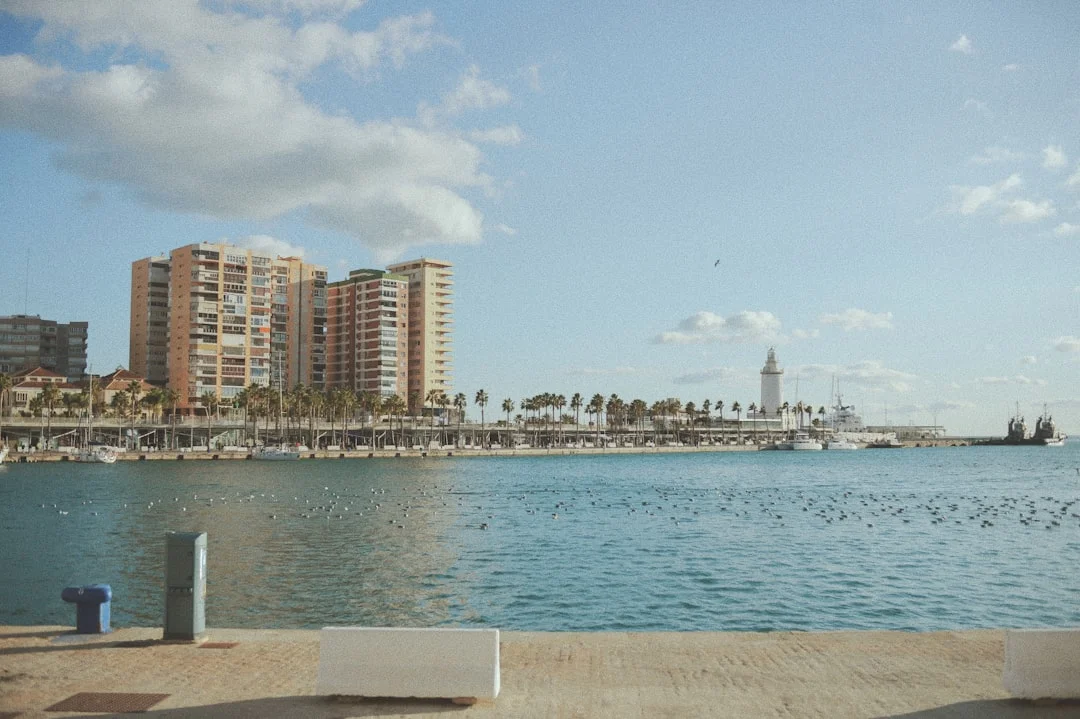
    As of early May 2026, local health and maritime authorities have raised the red flag at Los Álamos beach, instituting a temporary prohibition on bathing. While the golden sands remain open for sunbathers and the expansive promenade continues to welcome strollers, entering the water is strictly forbidden until further notice.

    According to updates from Diario Sur, the measure was taken as a precautionary step following routine water quality inspections. The meticulous monitoring of our coastal waters ensures that public safety remains paramount, even if it means momentarily interrupting our cherished seaside routines.

    Why is Swimming Prohibited at Los Álamos?

    The primary concern driving this temporary ban revolves around Los Álamos beach water quality. Coastal authorities conduct rigorous, regular testing to measure various environmental and health indicators. When these metrics deviate from the strict safety parameters—often due to sudden shifts in currents, unexpected marine runoff, or localized ecological imbalances—a temporary swimming ban is enacted.

    This swift protocol is a testament to the region’s commitment to public health. The prohibition will remain in effect until subsequent water analyses confirm that the Mediterranean waters off Los Álamos have returned to their customary pristine state.

    Are Other Málaga Beaches Safe to Swim Today?

    For those wondering if their coastal getaway is entirely compromised, there is reassuring news. The current bathing restriction is highly localized to the Los Álamos sector. The vast majority of the Costa del Sol’s extensive shoreline remains unaffected. Neighboring beaches in Torremolinos, such as La Carihuela and Playamar, as well as the broader stretches of Málaga city’s beaches, continue to boast excellent water quality and are perfectly safe for swimming today.

    Enjoying Los Álamos Beyond the Water

    While the waves are temporarily off-limits, the allure of Los Álamos extends far beyond its waters. The beach is renowned for its sophisticated leisure offerings. Visitors can still recline on luxurious Balinese beds, savor exquisite Mediterranean gastronomy at the renowned beach clubs, and enjoy the ambient music that defines the area’s chic atmosphere. A leisurely stroll along the expansive promenade offers sweeping views of the sea, providing a serene backdrop for an afternoon coffee or an evening cocktail.

    Nature has its rhythms, and occasionally, it requires a brief moment to restore its delicate balance. We remain hopeful that the gentle waters of Los Álamos will soon welcome swimmers back to their embrace. Until then, the vibrant spirit of the beach continues to shine brightly on the shore, inviting us to appreciate the coastal beauty from the warmth of the sand.

  • Andalusian Government Honors Unicaja Basketball & Athletes

    Andalusian Government Honors Unicaja Basketball & Athletes

    Moving to Malaga is about more than just enjoying the endless sunshine, beautiful beaches (though it’s always wise to check for temporary swimming alerts at spots like Los Álamos), and incredible tapas. To truly understand the soul of this province, you have to look at its sports culture. Sports are the heartbeat of Malaga, offering a fast track for expats and newcomers who want to integrate and feel like true locals.

    Recently, the Andalusian government highlighted the region’s sporting excellence by awarding some of Malaga’s most beloved teams and athletes. From the roaring crowds of the basketball arena, a community still mourning the passing of Unicaja legend ‘Piculín’ Ortiz, to the inspiring waves of the Mediterranean, local talent is getting the recognition it deserves.

    Unicaja Malaga: The Pride of the City

    If you want to experience the passion of Malaga firsthand, attending an Unicaja basketball game at the Palacio de Deportes José María Martín Carpena is an absolute must. The energy is electric, and the fans (known as La Marea Verde or The Green Tide) are incredibly welcoming to newcomers.

    Unicaja has long been a powerhouse in Spanish basketball. The team recently faced off against Girona in a thrilling matchday 21 of the Liga Endesa, showcasing the high-level competition that fans get to enjoy week after week. In recognition of their outstanding trajectory and contribution to regional sports, the Andalusian government awarded Unicaja with prestigious sporting honors.

    For those looking to dive deeper into the team’s journey and follow their progress in the Liga Endesa, you can keep up with the latest Unicaja Malaga news to stay in the loop. Knowing the players and recent scores is the perfect icebreaker at any local café!

    CAB Estepona: Growing the Game

    Unicaja wasn’t the only basketball institution to receive praise. The government also honored CAB Estepona for their impressive sporting achievements. This recognition highlights the depth of basketball culture in the Malaga province. CAB Estepona has been instrumental in promoting grassroots sports and elevating women’s basketball, proving that the love for the game extends far beyond the capital city and deep into the Costa del Sol.

    Sarah Almagro: Riding the Wave of Inspiration

    Beyond the basketball courts, Malaga is home to some truly extraordinary individual athletes. Among those honored by the Andalusian government is local para-surfing champion Sarah Almagro.

    Sarah’s story is one of profound resilience and determination. After losing her hands and feet to a severe illness, she didn’t just adapt to her new reality—她 conquered it. Taking to the waves, she became a formidable force in para-surfing, bringing home medals and inspiring everyone in the community. Being named among the region’s top athletes is a well-deserved accolade for a young woman who embodies the true spirit of sportsmanship and courage. Her achievements remind us that Malaga’s sporting greatness is as diverse as its landscape.

    Why Local Sports Matter for Expats

    Engaging with local sports provides several massive benefits for anyone making Malaga their new home:

    • Instant Community: Wearing a green Unicaja scarf instantly makes you part of a massive, passionate family.
    • Language Practice: There is no better place to learn expressive Spanish (and perhaps some colorful local slang) than in the stands of a live game.
    • Cultural Connection: Celebrating the triumphs of local heroes like Sarah Almagro helps you connect emotionally with the triumphs and values of the Andalusian people.

    Whether you are a lifelong basketball fan or someone just looking for a way to connect with your new neighbors, sports in Malaga offer an open door. Cheering alongside thousands of passionate locals in the arena or celebrating the inspiring triumphs of athletes like Sarah reminds us that we are all part of one vibrant, welcoming community. Here is to many more victories, shared moments, and the unifying power of local sports.

  • Calle Granada Crowned Malaga’s Top Foodie Street

    Calle Granada Crowned Malaga’s Top Foodie Street

    If you ask a local where to go for a stylish stroll, they might point you toward the grand, marble-paved Calle Larios. But if you ask them where to eat to explore Malaga’s authentic local gastronomy, they will undoubtedly send you winding down Calle Granada.

    Recently, this iconic, serpentine street was officially recognized for what Malagueños have known for decades. According to a recent feature in La Opinión de Málaga, a top lifestyle magazine has crowned Calle Granada as the absolute best street to eat in the entire province.

    Praised for its deep “gastronomic profile,” Calle Granada offers an authentic, flavorful alternative to the polished retail chains of nearby streets. It is a haven for expats and visitors who want to dodge the dreaded tourist traps and dive headfirst into the real, unpretentious flavors of Andalusia.

    Why Calle Granada?

    Running from the edge of Plaza de la Constitución all the way up to Plaza de la Merced, Calle Granada is the culinary artery of the historic center. The street is packed shoulder-to-shoulder with traditional taverns, bustling bodegas, and modern tapas bars.

    The beauty of Calle Granada is its accessibility. You rarely need a reservation months in advance. You just need a bit of patience, a willingness to squeeze into a spot at a crowded bar, and a healthy appetite.

    Local Dishes You Need to Try

    If you are wandering down Calle Granada for the first time, the chalkboards and menus can be overwhelming. Here are the standout local specialties that earned the street its top foodie title:

    1. Fritura Malagueña

    Forget heavy, greasy battered fish. Fritura Malagueña is a delicate local art form. It is a mixed platter of regional seafood—anchovies (boquerones), baby squid (puntillitas), red mullet, and whatever else came fresh off the boat that morning—lightly dusted in coarse flour and flash-fried in clean, hot olive oil. The result is a crispy, light bite that tastes exactly like the Mediterranean Sea.

    2. Porra Antequerana

    While the rest of Spain slurps gazpacho, Malaga scoops up porra antequerana. Originating from the nearby town of Antequera, this cold tomato soup is significantly thicker and richer than gazpacho, thanks to a generous amount of bread blended with tomatoes, garlic, and olive oil. It is typically served topped with diced Iberian ham and a hard-boiled egg. It is the ultimate cooling dish on a warm Malaga afternoon.

    3. Ensaladilla Rusa

    Every tapas bar in Spain has its own version of Russian potato salad, but the spots along Calle Granada take it incredibly seriously. Expect perfectly boiled potatoes, high-quality tuna or prawns, and a rich, creamy homemade mayonnaise. It is the perfect, comforting sidekick to an ice-cold beer.

    4. Local Sweet Wines

    No culinary tour of this street is complete without a small glass of local wine. Step into one of the historic bodegas, lean against an old wine barrel, and order a sweet Moscatel or a Pajarete. These fortified wines have been produced in the region for centuries and pair beautifully with salty tapas like cured cheeses, olives, or fried almonds.

    How to Eat Like a Local

    To make the most of your Calle Granada experience, adopt the local rhythm. Don’t sit down at one restaurant for a heavy three-course meal. Instead, go de tapeo. Have one drink and one tapa at a bar, then move on to the next place down the street. Stand at the bar counter if the tables are full—it is often where the fastest service and liveliest conversations happen anyway.

    Food is the universal language of this city, and Calle Granada is its loudest, most joyful conversation. Whether you are a newly arrived expat trying to find your footing or a curious traveler looking for an honest meal, pulling up a stool at a bustling bar here feels like coming home. Grab a skewer, order a glass of local wine, and enjoy the beautiful, delicious chaos of eating in Malaga.

  • United Airlines Resumes Malaga-New York Flights

    United Airlines Resumes Malaga-New York Flights

    The transatlantic bridge between the Costa del Sol and the United States is officially open once again. As of today, United Airlines has successfully resumed its direct flight connecting Malaga-Costa del Sol Airport (AGP) with New York/Newark (EWR) for the 2026 season.

    This route’s return marks a significant milestone for international connectivity, kicking off with an exceptionally high occupancy rate that underscores the growing demand for seamless travel between southern Spain and North America. As one of the biggest stories in Malaga airport news 2026, this development is a clear indicator of the region’s rising global profile.

    A Vital Link for the 2026 Season

    The resumption of the daily direct flight is more than just a seasonal convenience; it is a strategic asset for the region. Travelers no longer need to navigate exhausting layovers in Madrid, Paris, or London. Instead, they can step on a plane in the morning and find themselves exploring Manhattan by the afternoon.

    Key highlights of the resumed service include:
    * Daily Operations: Providing maximum flexibility for both business and leisure travelers.
    * High Occupancy: Early reports indicate nearly full cabins, reflecting strong market confidence and pent-up demand for direct flights Malaga to New York.
    * Premium Cabin Options: Catering to a demographic that values comfort and efficiency on transatlantic journeys.

    Fueling the Digital Nomad and Tech Boom

    Malaga has rapidly evolved into a premier destination for digital nomads and international tech professionals. With major multinational corporations establishing hubs in the city, the necessity for efficient, direct travel to the United States has never been higher.

    For remote workers and tech executives, the growing United Airlines Malaga presence is a game-changer. It bridges the gap between the vibrant lifestyle of the Mediterranean and the economic powerhouse of the US East Coast. This direct connection drastically reduces travel fatigue and operational downtime, making Malaga an even more attractive base for North American expats, investors, and digital entrepreneurs.

    Elevating High-Value Tourism

    Beyond corporate travel, the direct New York-Malaga route is a cornerstone of the region’s strategy to attract high-value tourism. American visitors historically stay longer and spend more per capita than many other demographics. By removing the friction of connecting flights, the Costa del Sol becomes a highly accessible luxury destination.

    From the world-class golf courses of Marbella to the rich cultural tapestry of Malaga’s historic center—home to the Picasso Museum and the Alcazaba—US tourists can now access Andalusia’s treasures with unprecedented ease. The influx of North American visitors is expected to provide a substantial economic boost to local hospitality, gastronomy, and retail sectors throughout the current season.

    Looking Ahead

    The robust start to this year’s flight schedule suggests that the route could see even further expansion in the coming years. If the high occupancy rates hold steady, it sends a clear signal to the aviation industry that the Costa del Sol is a lucrative market capable of sustaining major long-haul networks.

    Seeing these massive aircraft touch down on our local runways is always a thrilling reminder of how connected our world has become. For those of us living and working in Malaga, it brings a genuine sense of pride to know our sunny corner of the world is just a single flight away from the bustling streets of New York. Whether you are welcoming family from across the Atlantic or planning your own American adventure, we hope this renewed connection brings exciting new opportunities, shared memories, and safe travels to everyone taking to the skies this season.

  • Málaga Drought Exhibition: Living with Less Water

    Málaga Drought Exhibition: Living with Less Water

    Málaga is famous for its endless sunshine, warm Mediterranean breeze, and vibrant lifestyle. However, for those of us who have made this beautiful province our home—especially newcomers from wetter climates—there is a structural reality we must all understand and respect: water scarcity.

    To shed light on this pressing issue, the ASA collective is hosting a compelling traveling exhibition to mark its 40th anniversary. The core message of the event is as clear as it is urgent: “Drought will return to Málaga: we must not lower our guard.” According to recent coverage by La Opinión de Málaga, the initiative aims to shift our mindset from temporary panic during dry spells to a permanent culture of conservation.

    A Cyclical Reality, Not a Temporary Crisis

    When moving to the Costa del Sol, it is easy to assume that a dry winter is just an anomaly. The truth is that Andalusia’s climate has always been characterized by cyclical droughts. Historically, periods of abundant rainfall are followed by years of severe dry spells. The ASA exhibition brilliantly illustrates this historical context, showing that water shortages are woven into the very fabric of the region’s environmental history.

    For many international residents, understanding the reality of the drought situation in Andalusia is a crucial step in integrating into the local community. The exhibition serves as an educational tool, explaining where our water comes from, how the reservoirs function, and why every drop counts, even when it happens to rain for a few days.

    Navigating Water Restrictions in Málaga in 2026

    As we progress through 2026, water management remains a top priority for local authorities. Discussions around water restrictions in Málaga for 2026 are a common part of daily life. These measures are not meant to punish residents but to ensure that the region’s limited resources can sustain both the local population and the vital agricultural sector.

    The ASA exhibition emphasizes that relying solely on municipal restrictions is not enough. True resilience comes from collective, everyday action. It challenges us to ask ourselves: Are we only saving water because we are told to, or are we adopting a genuinely sustainable lifestyle?

    Practical Steps for Everyday Conservation

    The beauty of the ASA collective’s showcase is that it doesn’t just present the problem; it empowers visitors with practical solutions. Adapting to life in Málaga means integrating water-saving habits into our daily routines:

    • Rethink your garden: If you have outdoor space, opt for native, drought-resistant plants rather than thirsty lawns. Mediterranean landscaping is both beautiful and environmentally appropriate.
    • Mind the tap: It sounds basic, but turning off the tap while brushing your teeth, shaving, or washing dishes saves thousands of liters a year.
    • Upgrade your fixtures: Installing aerators on faucets and low-flow showerheads is an inexpensive way to drastically reduce water consumption without sacrificing comfort.
    • Harvest rainwater: Even though rain is scarce, capturing it when it does fall can provide a valuable resource for watering plants.

    A Shared Responsibility

    Visiting the ASA exhibition in Málaga is highly recommended for anyone looking to deepen their understanding of their adopted home. It is a stark reminder that while technology and infrastructure like desalination plants play a role, the foundation of water security is human behavior.

    Living in Málaga is an incredible privilege, but it comes with the responsibility of caring for its delicate ecosystem. Embracing a water-conscious lifestyle isn’t just about weathering the current dry season; it’s about ensuring that this vibrant region remains livable and beautiful for generations to come. By learning from the past and adjusting our daily habits, we can face the cyclical nature of droughts not with fear, but with preparation and deep respect for the natural world.

  • Hrider Launches Tool to Combat Workplace Burnout

    Hrider Launches Tool to Combat Workplace Burnout

    The Evolution of Málaga’s Tech Ecosystem

    Málaga has rapidly established itself as a premier technology hub in Southern Europe. While headlines frequently highlight the arrival of multinational giants, the foundation of this ecosystem relies equally on the innovation generated by local startups. The city’s concentration of digital nomads and remote workers presents unique challenges and opportunities, particularly concerning workplace well-being and productivity.

    Addressing the Burnout Epidemic

    Workplace burnout, stress, and anxiety are critical metrics that modern businesses must track. The shift toward remote and hybrid work models has blurred the boundaries between professional and personal life, leading to increased psychosocial risks. For companies operating in Málaga’s competitive tech sector, which continues to attract global professionals thanks to renewed direct flight connections to New York, retaining talent requires more than competitive salaries; it demands proactive management of employee mental health.

    Hrider’s Data-Driven Solution

    Recognizing this market need, Málaga-based software startup Hrider has developed a specialized tool designed to evaluate and mitigate psychosocial risks in the workplace. The new service provides HR departments and team leaders with quantifiable data regarding employee stress levels, anxiety, and overall burnout.

    According to recent coverage by La Opinión de Málaga, this launch aligns directly with shifting regulatory frameworks. The tool specifically assists companies in complying with the newly approved government draft law concerning occupational risk prevention.

    Key Features of the Evaluation Tool

    The platform approaches mental well-being as a measurable metric, offering several core functionalities:

    • Psychosocial Risk Assessment: Standardized surveys that quantify stress and burnout indicators across different departments.
    • Regulatory Compliance Tracking: Automated reporting features designed to meet the requirements of the new occupational risk prevention legislation.
    • Actionable Analytics: Dashboards that translate raw survey data into strategic insights, allowing management to identify high-risk teams before critical burnout occurs.
    • Remote Workforce Integration: Specific modules tailored to assess the unique stressors faced by remote workers and digital nomads.

    The Intersection of Legislation and Technology

    The recent government draft law mandates a more rigorous approach to occupational risk prevention, specifically expanding the definition of workplace hazards to include mental health and psychosocial factors. Hrider’s proactive launch demonstrates how local tech entities are anticipating regulatory shifts and providing scalable solutions. By digitizing the risk assessment process, companies can transition from reactive crisis management to predictive employee care.

    For Málaga’s extensive network of remote workers, this represents a significant shift. When companies utilize data to monitor bandwidth and workload effectively, the structural causes of burnout—such as chronic overwork and lack of role clarity—can be addressed systematically.

    Behind every data point and compliance metric is a person trying to balance their career with their well-being. It is encouraging to see local companies building tools that recognize our shared humanity, ensuring that the future of work in Málaga remains not just productive, but genuinely sustainable for everyone involved.

  • Traffic Alert: Major Delays on MA-20 Towards Torremolinos

    Traffic Alert: Major Delays on MA-20 Towards Torremolinos

    Commuting along the Costa del Sol usually offers scenic views, but the region’s main arteries can occasionally become major bottlenecks, adding to the daily stress that a new burnout-prevention tool developed by a local startup is helping to combat. Recently, drivers heading west from Málaga experienced severe disruptions due to a significant traffic incident on one of the city’s primary ring roads.

    The Incident on the MA-20

    A multiple-vehicle accident involving six cars occurred on the MA-20, creating substantial delays for motorists traveling towards Torremolinos and the western Costa del Sol. The collision took place at kilometer 6, right near the busy exit for the Santa Bárbara industrial estate.

    According to Diario Sur, the pile-up resulted in several kilometers of heavy traffic jams. Because the MA-20 serves as a crucial link for locals, expats, and digital nomads commuting between Málaga city, the airport, and coastal municipalities, the disruption had a wide-reaching impact on daily travel routines.

    Impact on Commuters and Travelers

    For those living and working around Málaga, the MA-20 is a daily necessity. When an accident of this scale occurs, it doesn’t just affect standard commuters; it also impacts those trying to catch flights at Málaga-Costa del Sol Airport or attend business meetings in neighboring towns like Benalmádena and Fuengirola.

    During such incidents, traffic can quickly back up into the city center and spill over onto alternative routes. Drivers caught in the aftermath reported standstill conditions, turning short trips into extended delays.

    Navigating Traffic on the Costa del Sol

    When major delays hit the MA-20, having a backup plan is essential. Here are a few tips for navigating unexpected road closures and heavy traffic in the area:

    • Check Real-Time Apps: Always consult navigation apps like Google Maps or Waze before starting your journey, especially if you are heading to the airport or have time-sensitive appointments.
    • Know Your Alternatives: Depending on your exact destination, the MA-21 (the old N-340) or the AP-7 toll road might offer a clearer, albeit sometimes longer or paid, route around the congestion.
    • Allow Extra Time: The coastal roads are heavily trafficked year-round. Adding an extra 20 to 30 minutes to your planned travel time is a safe buffer for unforeseen bottlenecks.

    Navigating the bustling roads of Málaga is part of the rhythm of life on the coast. While sudden delays and fender benders can be frustrating, staying informed and patient makes all the difference. We hope everyone involved in the recent incident is safe, and we wish all our readers smooth, stress-free journeys on their daily commutes.

  • Hablandis International Camp Returns to La Cala del Moral

    Hablandis International Camp Returns to La Cala del Moral

    With May already underway, parents across Málaga are looking at the calendar and doing the familiar mental math that precedes the long summer holidays. Balancing work schedules with ensuring the kids have an enriching, fun-filled break is an annual challenge, especially for expat families who might not have a local support network of grandparents nearby. Fortunately, the options for summer camps in Málaga for 2026 are shaping up nicely, and one notable return is the Hablandis International Camp.

    Confirmed for the 2026 summer season, this camp takes place in the relaxed coastal town of La Cala del Moral, offering a peaceful escape from the stress of major traffic delays on the MA-20 towards Torremolinos. It offers a structured yet highly engaging environment where children can make new friends, spend time outdoors, and pick up new skills along the way.

    Why Choose La Cala del Moral?

    If you live in Málaga city—a growing business hub where local startups are launching new tools to combat workplace burnout—or the eastern suburbs, La Cala del Moral is an incredibly convenient location. Situated just past El Palo and Rincón de la Victoria, it is easily accessible by car or the regular intercity buses.

    Choosing a camp slightly outside the bustling city center often means more space, less traffic during drop-off and pick-up, and a generally calmer environment for the kids. Plus, the proximity to the coast gives the area a distinct, breezy summer holiday feel that children love, though it is always wise to stay informed about local beach conditions, like the recent swimming prohibition at Los Álamos.

    A Focus on Fun and Learning

    One of the main draws of the Hablandis camp La Cala del Moral is its dual focus. The organizers understand that after a long academic year, children need a genuine break. However, keeping their minds active is equally important.

    According to local family guide La Diversiva, the camp is specifically designed to provide a space where children can thoroughly enjoy their holidays while organically learning. Instead of rigid classroom setups, the methodology leans heavily into play-based education.

    What to Expect in the 2026 Edition

    While every week at camp brings something new, the core activities typically include:

    • Language Immersion: As an international camp, it naturally attracts a mix of local Spanish children and expats. This creates a fantastic, organic environment for an English summer camp for kids in Málaga, where language exchange happens naturally on the playground.
    • Creative Workshops: Arts, crafts, and hands-on projects that encourage children to use their imagination and work collaboratively.
    • Outdoor Activities: Taking advantage of the beautiful coastal weather with games, sports, and team-building exercises in the fresh air.
    • Social Development: A strong emphasis on building friendships, respect, and communication among campers from diverse backgrounds.

    Planning Your Summer

    When looking into summer camps in Málaga for 2026, it is always highly recommended to book early. Spots in popular international camps fill up quickly once May arrives, as parents finalize their July and August work arrangements.

    Before booking, consider your daily commute and how the camp hours align with your family’s routine. The short drive to La Cala del Moral can easily be incorporated into a morning routine, perhaps even followed by a quick coffee by the beach before heading to the office or opening the laptop.

    As parents, finding that sweet spot between reliable childcare and an experience our kids will genuinely treasure is always a relief. Knowing they are in a safe, dynamic environment where they can grow, laugh, and learn makes the summer juggle much easier to handle. Here is to a smooth, well-planned, and sunny summer ahead for all our local families.

  • José Carlos García Unveils Michelin Summer Menu in Marbella

    José Carlos García Unveils Michelin Summer Menu in Marbella

    With the 2026 spring and summer season officially underway, the Costa del Sol is gearing up for its busiest and most vibrant time of the year. Beyond outdoor excursions like enjoying spectacular falconry and high-altitude views at Valle de las Águilas, for locals, expats, and visitors alike, the shift in weather means one thing: an updated culinary landscape. If you are looking to elevate your dining plans this season, Málaga-born chef José Carlos García has just refreshed his menu at the exclusive Kimpton Los Monteros in Marbella, offering a compelling reason to book a table.

    A Fresh Take on Haute Cuisine

    José Carlos García is no stranger to the highest echelons of Spanish gastronomy. Best known for his eponymous Michelin-starred restaurant in Málaga’s Muelle Uno, the chef has steadily expanded his influence along the coast. His outpost at the Kimpton Los Monteros brings his signature precision to Marbella, tailored specifically for the relaxed yet refined atmosphere of the luxury resort.

    This season’s new menu is described by the chef’s team as a “more open and expressive” version of his traditional haute cuisine. What does that mean for your plate? Expect a deliberate move away from heavy, overly complex winter dishes toward lighter, produce-driven creations. The focus remains strictly on high-quality, local Andalusian ingredients—particularly seafood from the Alboran Sea, a pristine catch celebrated by the coast’s legendary seafood purists, and fresh produce from the Guadalhorce Valley—but presented with a newfound playfulness suited for warm summer evenings.

    Dining at Kimpton Los Monteros

    The venue itself is a significant part of the experience. The Kimpton Los Monteros, a recently revitalized icon of Marbella’s hospitality scene, provides a stunning backdrop for García’s culinary vision. The gastronomic restaurant within the hotel pairs the chef’s meticulous dishes with an extensive wine list and impeccable service, making it a standout destination for 2026.

    As highlighted in Elle’s 2026 Marbella gastronomic guide, the competition for the best dining experiences on the coast is fierce this year. However, García’s ability to balance Michelin-level technique with the approachable, sun-drenched flavors of the Mediterranean ensures this renewed menu remains a top recommendation for anyone seeking a memorable meal.

    What to Expect

    While the exact tasting menu shifts depending on daily market availability, diners can look forward to:

    • Local Catch: Expertly prepared seasonal fish and shellfish, highlighting the natural salinity and sweetness of local waters.
    • Vibrant Produce: Dishes that hero tomatoes, citrus, and fresh herbs, cutting through the heat of the Marbella summer.
    • Expressive Plating: A visual feast that matches the vibrant energy of the Costa del Sol, stepping away from rigid fine-dining norms toward something more fluid and engaging.

    Practical Advice for Diners

    If you plan to experience José Carlos García’s new summer menu, booking well in advance is essential. Marbella’s high season draws food enthusiasts from across the globe, and tables at premium venues like the Kimpton Los Monteros fill up weeks ahead of time. Dress codes typically lean toward smart-casual—think elegant but comfortable enough to enjoy a multi-course tasting menu on a warm evening.

    Whether you are celebrating a milestone or simply want to treat yourself to some of the finest cooking the province has to offer—perhaps as a refined contrast to Málaga’s bustling tapas scene—sitting down to a meal crafted by one of Málaga’s true culinary ambassadors is always time well spent. We hope this upcoming summer brings you fantastic food, long evenings, and great company around the table.

  • Puerto de la Torre Real Estate Boom: Opportunity or Misstep

    Puerto de la Torre Real Estate Boom: Opportunity or Misstep

    Málaga’s historic center has long been the darling of expats, digital nomads, and international investors. However, as the core becomes increasingly saturated and prices soar, the gaze of new arrivals has naturally drifted outward. One district currently experiencing a dramatic transformation is Puerto de la Torre. Historically a quiet, residential enclave on the northwestern edge of the city, it is now the epicenter of a fierce real estate boom. But with rapid growth comes growing pains, and the neighborhood’s urban planning is under intense scrutiny.

    The Shift to the Suburbs

    For years, Puerto de la Torre was known for its spacious villas, traditional Andalusian houses, and a strong sense of local community. It offered a breather from the bustling coast while remaining just a 15-minute drive from Málaga’s center. Today, families and remote workers are drawn to the area in search of larger properties, private outdoor spaces, and a quieter lifestyle.

    This migration has sparked a surge in new developments. Sleek residential complexes and modern townhouses are springing up, fundamentally altering the district’s architectural and demographic landscape. While this brings new energy and investment to the area, it has also triggered a wave of gentrification that is pushing housing prices to unprecedented highs.

    The Cost of Rapid Expansion

    The speed of this real estate boom has left many local experts and long-time residents deeply concerned. The primary issue is not the arrival of new neighbors, but rather the sheer volume of construction outpacing the development of essential public infrastructure.

    Roads that once handled moderate local traffic are now frequently congested. Public transport links, while functional, have not scaled to meet the demands of a rapidly growing population. Furthermore, essential services such as schools, healthcare facilities, and green spaces are feeling the strain of the sudden demographic shift.

    According to recent local reports discussing whether Málaga’s urban planning is an act of imprudence, critics argue that the aggressive expansion in peripheral districts like Puerto de la Torre lacks a sustainable, long-term vision. The rush to build residential units often takes precedence over creating cohesive, well-supported communities.

    What Prospective Buyers Should Consider

    If you are a digital nomad or a family looking to buy property or settle in Puerto de la Torre, it is crucial to approach the market with a clear understanding of the current dynamics:

    • Evaluate the Commute: While the district is geographically close to the center, increased traffic can significantly lengthen your commute during peak hours. Test the route during different times of the day.
    • Check Local Amenities: Ensure that the specific area you are looking at has adequate access to supermarkets, pharmacies, and schools. Do not assume that new residential developments automatically include new commercial or public services.
    • Anticipate Future Construction: A quiet plot today might be a bustling construction site tomorrow. Review the city’s local urban plans (PGOU) to understand what is slated for development in your immediate vicinity.
    • Engage with the Community: The best way to understand the reality of a neighborhood is to speak with those who already live there. Long-time residents can provide invaluable insights into how the area is changing.

    Looking Ahead

    The evolution of Puerto de la Torre is a microcosm of the broader challenges facing Málaga today. Balancing economic growth and international appeal with the preservation of local identity and livability is no easy task.

    As we watch our beloved city expand and adapt, one can only hope that future developments will prioritize the well-being of all residents—both old and new. Málaga has always been a city of welcoming arms and resilient spirit. With mindful planning and a commitment to sustainable growth, there is every reason to believe that neighborhoods like Puerto de la Torre can find their equilibrium, remaining wonderful places to call home for generations to come.