Tag: lang:en

  • Málaga Museum Guide: The City’s Best Art and Culture

    Málaga Museum Guide: The City’s Best Art and Culture

    For decades, Málaga was primarily known as the gateway to the sunny beaches of the Costa del Sol, a region set to elevate its upscale hospitality appeal with several luxury hotel openings slated for 2027. Today, the city has successfully repositioned itself as one of Europe’s premier cultural destinations. This shift is the result of a deliberate, decades-long strategy to invest in world-class museums, restore historic neighborhoods, and foster a thriving contemporary art scene.

    National media outlets like El País Cultura frequently highlight Málaga’s growing influence in theater, dance, literature, and visual arts, placing it on par with major European capitals.

    The Pillars of Málaga’s Museum Scene

    If you are planning a cultural itinerary in 2026, these are the essential museums that define the city’s artistic identity:

    1. Museo Picasso Málaga

    As the birthplace of Pablo Picasso, Málaga honors its most famous son with a spectacular collection housed in the Palacio de Buenavista. The museum offers an intimate look at the artist’s life and evolution, showcasing over 200 works that span his entire career, while regularly hosting acclaimed temporary showcases such as the vibrant Joana Vasconcelos exhibition.

    2. Centre Pompidou Málaga

    Recognizable by its iconic, multi-colored glass cube designed by Daniel Buren, this branch of the Parisian landmark sits at the heart of Muelle Uno. It features an impressive permanent collection of 20th and 21st-century art, along with rotating temporary exhibitions that challenge and inspire.

    3. Museo Carmen Thyssen Málaga

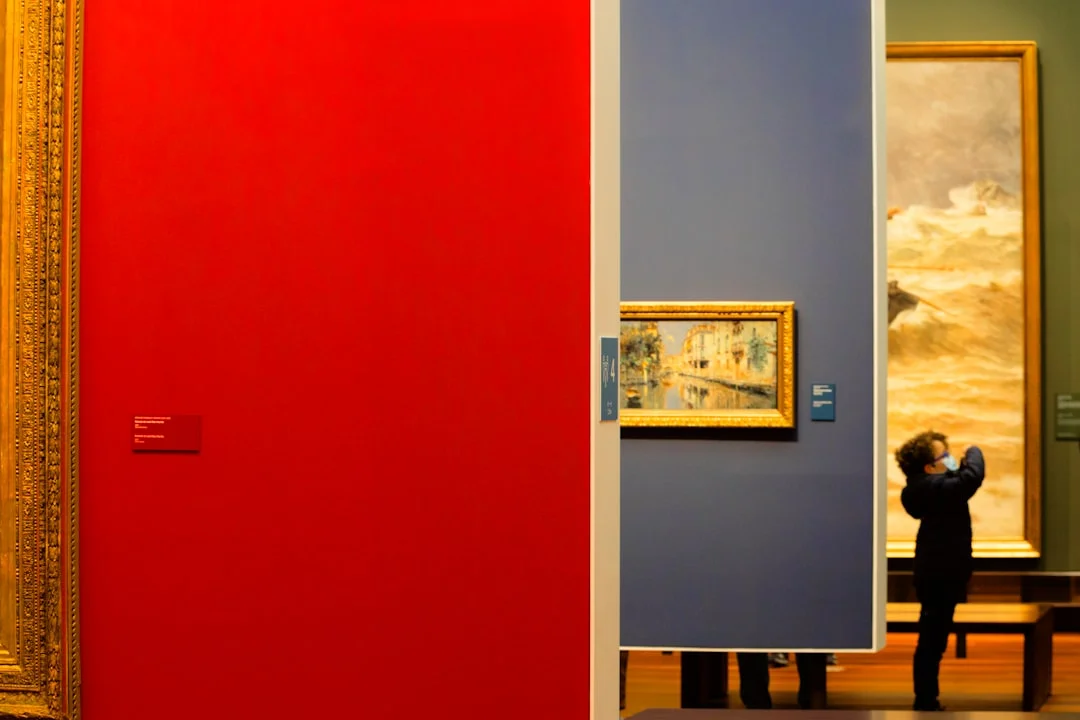
    Located in the 16th-century Palacio de Villalón, this museum houses an extraordinary collection of 19th-century Spanish painting, with a particular emphasis on Andalusian landscapes and costumbrismo. It provides a beautiful visual journey through Spain’s romantic and realist artistic traditions.

    4. Colección del Museo Ruso

    Housed in the striking Tabacalera building (a former tobacco factory), this space hosts deep, thematic exhibitions showcasing Russian art, from historical icons to Soviet realism and avant-garde masterpieces. It is also an incredibly active community hub, frequently organizing activities like their popular free Saturday family workshops.

    Luxury and Art: A Growing Synergy

    The rise of Málaga as an art capital has attracted high-profile investments that cater to culturally-minded travelers. A prime example is the recent opening of the luxury hotel ME Málaga, which has quickly established itself as a new icon of urban luxury on the Costa del Sol.

    These high-end establishments do not just offer accommodation; they actively integrate themselves into the local art scene. By hosting private gallery viewings, showcasing local artists in their lobbies, and collaborating with nearby cultural institutions, they are helping to create an exclusive circuit of cultural tourism that appeals to international collectors and art enthusiasts alike.

    Navigating the Local Gallery Circuit

    Beyond the major institutions, Málaga’s creative heartbeat is found in its independent galleries and alternative art spaces.

    • Soho Art District: Known as the “Neighborhood of the Arts,” Soho is a vibrant creative hub. Here, you will find striking street art by international figures like Obey and D*Face, alongside small galleries, independent theaters, and artisan workshops.
    • CAC Málaga (Centro de Arte Contemporáneo): Located on the edge of Soho, the CAC remains a pioneer in showcasing cutting-edge contemporary art, offering free entry to its permanent and temporary exhibitions.

    Practical Tips for Your Cultural Visit

    • Combined Tickets: Many museums offer discounted rates or free entry during specific hours (typically late Sunday afternoon). Check individual websites before visiting.
    • Walking Tours: Málaga’s historic center is highly pedestrianized, making it incredibly easy to walk from the Picasso Museum to the Roman Theatre and up to the Alcazaba within a single afternoon.
    • Plan Ahead: For major exhibitions during the busy summer months of 2026, booking tickets online in advance is highly recommended to avoid long queues.

    We hope this guide inspires you to look beyond the beaches and dive deep into the rich artistic tapestry that Málaga has woven. The city’s transformation is a beautiful reminder of how culture can revitalize a community, bringing people together from all corners of the world to share in the universal language of art.

  • PerretxiCo Opens in Málaga as El Carnicero Turns 33

    PerretxiCo Opens in Málaga as El Carnicero Turns 33

    Málaga’s gastronomic landscape is starting the summer of 2026 with a brilliant mix of fresh national concepts and beautifully restored local classics. As the province celebrates its designation as the European Capital of Gastronomic Culture, the latest updates from the local food scene offer excellent reasons to book a table this month.

    From the heart of the city center, renowned for its vibrant art and museum scene, to the quiet streets of Cancelada in Estepona, here is what is fresh and exciting in Málaga’s culinary world.

    PerretxiCo: Award-Winning Basque Pintxos Arrive in Málaga

    Lovers of northern Spanish gastronomy have a major opening to look forward to in Málaga city. Alongside other notable developments in the area, such as the arrival of BYD in Málaga amid rising EV charger demand, the highly regarded Basque tavern chain PerretxiCo is preparing to open its ninth national location in the heart of the city in the coming weeks.

    Founded by chef Josean Merino in Vitoria-Gasteiz, PerretxiCo has built a stellar reputation for its “honest, high-quality Basque tavern” concept. The brand is famous for its award-winning pintxos, creative tapas, and a casual, welcoming dining atmosphere that bridges the gap between traditional Basque flavors and modern culinary techniques.

    According to a recent feature on Telecinco, the brand’s rapid expansion is rooted in its commitment to authentic, down-to-earth hospitality. Diners in Málaga can expect a menu packed with Basque classics, including their famous potato tortilla, Txangurro (spider crab) croquettes, and creative seasonal pintxos designed to be paired with a cold glass of Txakoli wine or local craft beer.

    For foodies in Málaga, this opening brings a slice of San Sebastián and Vitoria’s world-famous tavern culture directly to our doorstep.

    El Carnicero 1993: A Costa del Sol Classic Reinvents Itself

    Meanwhile, further down the coast in Estepona, one of the region’s most beloved steakhouses is celebrating a major milestone. El Carnicero 1993, located in the quiet neighborhood of Cancelada, has officially completed a comprehensive renovation of its facilities to mark its 33rd anniversary on the Costa del Sol.

    Established in 1993, El Carnicero has been a reliable sanctuary for meat lovers, expats, and visiting tourists for over three decades. To celebrate this landmark year, the restaurant has undergone a complete aesthetic and functional redesign to offer an elevated dining experience while preserving the rustic charm its loyal patrons love.

    As reported by ABC Gurmé, this renovation kicks off an exciting new chapter for the establishment. The updated venue blends contemporary design with cozy, traditional steakhouse elements, providing the perfect backdrop for their signature premium cuts of beef, slow-cooked meats, and extensive wine cellar.

    If you have not visited El Carnicero in a while, this summer is the perfect time to rediscover their exceptional service and beautifully charred steaks on their renovated garden terrace.

    Why Málaga’s Dining Scene Keeps Winning

    The simultaneous arrival of a trendy northern import like PerretxiCo, the launch of immersive concepts like Destino, and the thoughtful reinvention of a 33-year-old local institution like El Carnicero highlights the incredible diversity of the Málaga province. It shows that our culinary identity is not just about preserving the past or chasing the latest trends—it is about doing both with passion and quality.

    We hope these new and renewed spaces bring people together over great food, laughter, and shared stories. As the summer season kicks off, we look forward to seeing you out there supporting our local chefs, waiters, and restaurateurs who make living in Málaga such a delicious adventure.

  • Málaga’s Pedestrian Revolution: Walkable Paradise

    Málaga’s Pedestrian Revolution: Walkable Paradise

    Reclaiming the Streets: Málaga’s Urban Metamorphosis

    To walk through the historic heart of Málaga today is to experience a city designed for the human senses. The polished cream marble of Calle Marqués de Larios reflects the warm Andalusian sun, while the gentle murmur of conversation and clinking glasses replaces the aggressive hum of traffic. For the modern traveler or the newly arrived expat, this seamless walkability feels entirely natural—almost inevitable.

    Yet, this pedestrian paradise is the result of a deliberate, hard-fought urban revolution. Half a century ago, Málaga was a vastly different place. It was primarily an industrial, car-centric transit hub—a grey gateway that tourists hurried through on their way to the beach resorts of the Costa del Sol.

    The story of how Málaga reclaimed its streets from the automobile is one of the most successful urban transformations in Southern Europe.

    The Catalyst: The Transformation of Calle Larios

    For decades, Calle Larios was not a peaceful promenade, but a noisy, congested artery choked with cars, delivery vans, and exhaust fumes. The historic center was decaying, with many residents moving to the suburbs to escape the noise and pollution.

    The turning point came in 2002. Under a bold municipal plan, the city council decided to completely pedestrianize Calle Larios and the surrounding historic grid. At the time, the decision was met with fierce skepticism. Local shopkeepers feared that banning cars would destroy their businesses, predicting a commercial ghost town.

    The reality proved to be quite the opposite. Almost overnight, Calle Larios became the city’s living room. Foot traffic surged, prestigious international brands rushed to secure storefronts, and local cafés spilled out onto the newly paved marble. The success of Calle Larios proved a fundamental urbanist truth: people attract people, and foot traffic is the lifeblood of retail.

    Expanding the Pedestrian Footprint

    Following the triumph of Calle Larios, Málaga did not rest on its laurels. Over the next two decades, the city embarked on a continuous campaign to expand its walkable zones.

    • The Historic Center: Gradually, the entire medieval grid—including Plaza de la Constitución, Calle Granada, and Calle San Agustín—was closed to private vehicles.
    • The Waterfront (Muelle Uno): Opened in 2011, the transformation of the old commercial port into a vibrant waterfront promenade seamlessly connected the historic center with the Mediterranean Sea.
    • Soho (The Art District): Once a neglected neighborhood, Soho was revitalized through street art initiatives and pedestrian-first street designs, turning it into a trendy cultural hub.
    • Recent Milestones: More recently, major projects on Calle Carretería and Calle Álamos have further pushed the boundaries of the pedestrian zone, creating green corridors that encourage slow, mindful exploration.

    As noted in a recent analysis by La Opinión de Málaga, this ongoing pedestrian attraction has redefined the city’s identity, making walkability its primary competitive advantage in attracting global talent and tourism.

    Why Málaga’s Walkability Draws the World

    For the growing community of expats and remote workers choosing Málaga, the city’s walkability is often the deciding factor. It fosters a lifestyle where daily errands are run on foot, children can play safely in public plazas, and the commute is a scenic stroll under palm trees.

    1. The “Paseo” Culture

    In Spain, walking is not just a way to get from point A to point B; it is a social ritual. The paseo—the evening stroll—is deeply embedded in the local lifestyle. Málaga’s pedestrianized streets provide the perfect stage for this daily tradition, allowing generations to mingle, chat, and enjoy the Mediterranean evening air.

    Of course, during major holidays, these same historic lanes transform into bustling parade routes, making a practical Semana Santa survival guide essential for navigating the massive crowds and temporary street dynamics during the city’s busiest week.

    2. Economic Vitality

    Rather than killing commerce, pedestrianization has supercharged it. The ease of wandering from shop to shop without the barrier of traffic has turned the historic center into one of Spain’s most successful open-air shopping districts.

    3. Environmental and Physical Well-being

    Fewer cars mean cleaner air and quieter streets. The reduction in urban noise pollution has had a profound impact on the mental well-being of residents, making the city feel remarkably calm despite its vibrant energy.

    Looking Ahead

    Málaga’s journey from a car-clogged port to a walkable paradise is a testament to the power of visionary urban planning. It reminds us that cities are at their best when they are built for people, not machines. As Málaga continues to grow and evolve, preserving this human scale will remain key to its enduring charm and unmatched quality of life.

    As we look to the future, there is a quiet comfort in knowing that the simple act of walking—of moving through a city at our own natural pace—remains the greatest luxury Málaga has to offer. It is a gentle reminder that sometimes, the best way to move forward is simply to step out onto the marble streets and let the city lead the way.

  • Málaga-Madrid AVE Delays: 30 Speed Restrictions Active

    Málaga-Madrid AVE Delays: 30 Speed Restrictions Active

    Travel Advisory: High-Speed Rail Maintenance Affects Málaga-Madrid Corridor

    Passengers traveling between Málaga María Zambrano and Madrid Atocha—including those heading to the province for exclusive culinary events like the bluefin tuna ronqueo at La Zambra in Mijas—should prepare for potential travel time adjustments. The high-speed railway line (AVE) is currently operating with up to 30 active speed-restriction points along the track. These restrictions, put in place due to essential maintenance and structural upgrades, are impacting the punctuality of several daily services.

    For expats, business professionals, and tourists who rely on this vital 2.5-hour connection, understanding the scope of these delays is key to planning ahead—especially considering recent efforts to boost Malaga-Madrid high-speed train capacity to meet growing demand.

    Why Are There Speed Restrictions?

    The high-speed corridor connecting Andalusia to central Spain is one of the busiest in the country. To maintain long-term safety and structural integrity, Adif (the railway infrastructure administrator) must periodically implement localized speed limits.

    According to reports tracked by Diario SUR, these 30 specific points require trains to decelerate significantly below their standard 300 km/h cruising speed. These measures are necessary to facilitate:
    * Track stabilization: Addressing wear and tear on high-speed ballast and concrete sleepers.
    * Structural reinforcements: Ensuring tunnels and viaducts along the rugged terrain of Malaga and Cordoba provinces remain secure.
    * System upgrades: Preparing the infrastructure for future capacity increases and signaling modernization.

    What This Means for Your Journey

    While the AVE remains the most efficient way to travel between the capital and the Costa del Sol, passengers should adjust their expectations regarding exact arrival times.

    1. Minor Cumulative Delays: While a single speed restriction might only add a minute or two, 30 cumulative points can add up to noticeable delays on a single journey.
    2. Missed Connections: If you have a tight connection at Madrid Atocha (such as a flight from Adolfo Suárez Madrid-Barajas Airport or another train to northern Spain), consider booking an earlier departure to allow for a safety buffer.
    3. Renfe’s Commitment Policy: Keep in mind that Renfe has specific compensation policies for delays. Depending on the ticket type and the length of the delay, you may be entitled to a partial or full refund of your ticket price.

    Practical Tips for Travelers in 2026

    To navigate these temporary track issues smoothly, we recommend the following steps before you head to María Zambrano station:

    • Check Real-Time Status: Use the Renfe app or website to monitor your train’s status before departure.
    • Arrive Early: Security checks at Málaga María Zambrano can get busy, especially during peak commuter hours. Arrive at least 30 minutes before departure.
    • Flexible Booking: If your schedule is rigid, opt for tickets that allow free changes or cancellations in case maintenance schedules shift.

    As infrastructure teams work diligently to restore the tracks to peak performance, taking a proactive approach to your travel plans will ensure your journey remains stress-free.

    We hope these track improvements are completed swiftly so that everyone traveling between our beautiful coastal city and the capital can once again enjoy the seamless, lightning-fast journeys we have come to love. Safe travels, and may your next trip to or from Málaga be smooth and on time.

  • Málaga Russian Museum Hosts Free Saturday Family Workshops

    Málaga Russian Museum Hosts Free Saturday Family Workshops

    A Creative Saturday Plan for Families in Málaga

    Finding engaging, educational, and budget-friendly activities for children can sometimes be a challenge, especially for international families settling into life on the Costa del Sol. As highlighted in our Málaga weekend guide to family plans, this June 2026, the Colección del Museo Ruso (Russian Museum) in Málaga is offering an ideal solution with the return of its popular “Sábados en Familia” (Saturdays for Families) program.

    Throughout the entire month of June 2026, the museum invites families to dive into the world of art through a series of completely free, hands-on cultural workshops. For those planning a trip to the region, this cultural event coincides with key local developments in sustainable mobility, such as how BYD is establishing its presence in Málaga as EV charger demand surges.

    What is “Sábados en Familia”?

    The “Sábados en Familia” initiative is designed to bridge the gap between young minds and contemporary art. Rather than a traditional, quiet museum visit, these sessions are highly interactive.

    • Target Age: Children aged 5 to 12 years old.
    • Accompaniment: Children must be accompanied by at least one adult.
    • Format: Each session is divided into two parts: a dynamic, guided exploration of the museum’s current exhibitions, followed by a practical, hands-on artistic workshop where kids can create their own masterpieces.

    According to the event details published by La Diversiva, these workshops aim to make art accessible, fun, and thought-provoking for the little ones, allowing them to experiment with different materials, colors, and concepts.

    Why This is Great for Expat Families

    Málaga has grown into a vibrant hub for international families. While the beaches and playgrounds are fantastic, finding indoor cultural activities that stimulate creativity is a great way to balance weekend leisure. For those looking to combine culture with nature, you can also check out the summer kids’ theater tours at Málaga’s botanical garden this season.

    Because art is a universal language, these workshops offer a wonderful space for children of all backgrounds to interact. It is an excellent opportunity for expat kids to practice their Spanish in a relaxed, creative environment, make new local friends, and develop an early appreciation for museum spaces.

    Practical Information for June 2026

    If you are planning to join, here are the key details you need to know:

    • Where: Colección del Museo Ruso, located in the historic Tabacalera building (Avenida de Sor Teresa Prat, 15, Málaga).
    • When: Every Saturday morning in June 2026.
    • Price: Completely free of charge (both the museum entry for the activity and the materials are included).
    • Language: The activities are conducted in Spanish, but the visual and practical nature of the workshops makes them highly inclusive for children who are still learning the language.

    How to Participate

    While the workshops are free, capacity is limited to ensure a high-quality experience for every child. It is highly recommended to check the museum’s official booking guidelines or arrive early to secure your family’s spot.

    Exploring the Tabacalera District

    Choosing to spend your Saturday morning at the Russian Museum also opens up other great options for the day. The museum is located in the Tabacalera building, which also houses the Museo del Automóvil y la Moda (Automobile and Fashion Museum). This historic venue is highly popular, recently hosting the Masterchef Celebrity Legends production in the Tabacalera gardens.

    After the workshop, you can enjoy a family walk in the nearby Parque del Oeste, known for its beautiful lake, playgrounds, and resident ducks and emus—a perfect way to round off a memorable Saturday in Málaga.

    We hope these creative Saturdays bring plenty of laughter, color, and shared moments to your family’s weekend routine. Watching children discover the joy of self-expression through art is one of the simplest pleasures, and we are lucky to live in a city that opens its cultural doors so warmly to the next generation.

  • Unicaja to Open Tech Hub in Málaga TechPark by 2027

    Unicaja to Open Tech Hub in Málaga TechPark by 2027

    Málaga’s reputation as the premier technology ecosystem of Southern Europe has secured another major milestone. Unicaja, the leading financial institution in the region, has announced the creation of a major technology hub within the Andalusia Technology Park (PTA), officially known as Málaga TechPark.

    According to details published by La Opinión de Málaga, the banking group will establish this innovation center in an iconic building within the park. The facility is scheduled to become fully operational in the first quarter of 2027.

    Focus on Generative AI and Advanced Data Science

    The upcoming hub is designed to house up to 200 highly specialized professionals. Rather than focusing on traditional IT support, the center will target high-value digital disciplines that are currently transforming the global banking sector—a spirit of renewal that is also being felt in the sports world with the ongoing Unicaja Malaga rebuild.

    Key areas of operation will include:
    * Generative Artificial Intelligence (GenAI): Developing proprietary models to improve customer service, automate risk assessment, and streamline internal workflows.
    * Data Science & Big Analytics: Leveraging massive financial datasets to build predictive models and personalized banking experiences.
    * Fintech Innovation: Designing next-generation digital products to keep pace with agile neobanks and changing consumer habits.
    * Cybersecurity: Strengthening the infrastructure of one of Spain’s critical financial entities.

    Strengthening Málaga’s Tech Ecosystem

    This move by Unicaja is a strategic play to attract and retain top-tier international and local talent. By placing the hub in Málaga TechPark—whose highly regarded innovation ecosystem continues to attract international interest—the bank positions itself alongside global giants like Google, Vodafone, and Bernardo de Galvez’s defense hub, fostering a collaborative environment for research and development.

    For digital nomads, software engineers, and data scientists already residing in or planning to relocate to the Costa del Sol, this project represents a significant expansion of the local job market. It offers high-level, stable employment opportunities within a traditional institution that is rapidly modernizing.

    As Málaga continues to balance its rapid technological ascent with its historic Mediterranean identity, projects like Unicaja’s tech hub prove that the city’s economic transformation is built on solid, long-term foundations. We look forward to seeing how these new spaces will not only drive financial innovation but also create sustainable, high-skilled opportunities for the local community.

  • Malaga Ibis Hotel Fire: New Closures Amid Smoldering

    Malaga Ibis Hotel Fire: New Closures Amid Smoldering

    Ten days after a major fire broke out at the central Ibis Hotel in Málaga, emergency services continue to battle the aftermath. While the main blaze was controlled, structural elements deep within the building continue to smolder, prompting municipal authorities to introduce new safety measures and street closures in the heart of the city.

    For residents, commuters, and visitors navigating the areas near the Guadalmedina riverbed, these ongoing operations mean temporary disruptions and a visible emergency presence, even as nearby transit improves following the recent reopening of Armengual de la Mota after the Málaga Metro works.

    Why the Fire Continues to Smolder

    Extinguishing a large-scale fire in modern commercial buildings often presents unique engineering challenges. In the case of the Ibis Hotel, located on Calle Pasillo de Guimbarda, firefighters have encountered difficulties reaching the core of the smoldering pockets.

    The issue lies within the building’s insulation and structural cladding. Certain construction materials, designed to seal the building from the elements, are now trapping heat and embers. Because these layers are highly insulated and difficult to access with standard water hoses, firefighters must carefully dismantle parts of the structure to fully douse the hot spots. This slow, methodical process prevents sudden flare-ups but prolongs the presence of smoke and emergency vehicles in the area.

    New Safety Closures: Pasillo de Guimbarda

    To ensure public safety while structural assessments and dampening operations continue, the Málaga City Council has implemented new traffic and pedestrian restrictions.

    According to reports from local news outlet Málaga Hoy, the most significant new measure is the complete closure of the pedestrian tunnel in the Pasillo de Guimbarda.

    Key Areas Affected:

    • Pasillo de Guimbarda Pedestrian Tunnel: Closed to all foot traffic until further notice due to potential falling debris and smoke accumulation.
    • Guadalmedina Riverbed Paths: Pedestrians are advised to avoid the immediate riverbed pathways directly adjacent to the hotel structure.
    • Local Traffic Diversions: Minor traffic restrictions remain in place on the streets surrounding the hotel to allow continuous access for emergency vehicles and heavy machinery.

    What This Means for Locals and Visitors

    If you live, work, or commute in central Málaga, particularly near the riverbed or the Armengual de la Mota neighborhood, keep the following in mind:

    1. Expect Minor Delays: Pedestrian detours are active. Plan for an extra 5 to 10 minutes if your usual walking route takes you through the Pasillo de Guimbarda tunnel.
    2. Slight Smoke Odor: Depending on wind direction, a faint smell of smoke may still drift across the riverbed. Residents with respiratory conditions are advised to keep windows closed if they live in the immediate vicinity.
    3. Respect Barriers: Local police have cordoned off the high-risk zones. Do not attempt to bypass the safety barriers, even if no active work is visible at that exact moment.

    As municipal technicians and firefighters work hand-in-hand to secure the building, the priority remains the safety of everyone in the neighborhood. We hope to see this central hub fully secured and returned to normal soon, allowing local businesses and residents to reclaim their quiet streets.

  • Málaga Launches European Capital of Gastronomic Culture

    Málaga Launches European Capital of Gastronomic Culture

    Málaga has officially taken center stage on the global culinary map. Even as the city navigates recent local disruptions, such as the closures following the Malaga Ibis Hotel fire, the city council has formally inaugurated the program for the European Capital of Gastronomic Culture 2026-2027, marking the start of a landmark year aimed at celebrating, preserving, and sharing the region’s rich culinary identity.

    For locals, expats, and visiting food lovers, this designation means the coming months will be packed with exclusive food festivals, professional tastings, cultural exhibitions, and unique dining experiences. It is also the perfect excuse to explore the province’s diverse culinary map, from top-tier establishments to the best cheap eats along the A-7 highway.

    A Celebration of Heritage and Innovation

    According to the official launch report by Europa Press, the initiative is designed to highlight both Málaga’s deeply rooted culinary traditions and its rapidly growing reputation for modern culinary innovation.

    The program aims to accomplish several key goals:
    * Preserving Traditional Heritage: Honoring classic coastal and mountain dishes, from the iconic beachside espeto de sardinas (skewered sardines) to the hearty stews of the inland Axarquía and Ronda regions.
    * Promoting Local Producers: Giving center stage to high-quality regional products under the Sabor a Málaga brand, including local olive oils, Muscatel wines, goat cheeses, and subtropical fruits.
    * Fostering Innovation: Showcasing the creative talent of Málaga’s Michelin-starred chefs and avant-garde kitchens that are redefining Andalusian cuisine.
    * Attracting High-Quality Tourism: Shifting the focus from standard sun-and-sand tourism to high-value cultural and gastronomic travel.

    What to Expect in 2026 and 2027

    This capital status is not just a symbolic title; it translates into a concrete agenda of public and private events. Over the course of the 2026-2027 cycle, residents and visitors can look forward to:

    1. Public Gastronomic Festivals

    Major plazas and cultural spaces across Málaga will host open-air food markets, live showcooking demonstrations by renowned chefs, and street food festivals celebrating both local and international flavors.

    2. Wine and Olive Oil Tastings

    Specialized workshops will guide participants through the complex profiles of Málaga’s sweet and dry wines, as well as the exceptional extra virgin olive oils (EVOOs) produced in the province.

    3. Cultural Collaborations

    Expect to see unique pairings of food with Málaga’s thriving art scene. Local museums, theatres, and historical sites will host cross-disciplinary events where history, art, and gastronomy merge.

    Strengthening Málaga’s Global Brand

    This initiative is a strategic move to solidify Málaga’s position in the international restaurant and hospitality sectors. By championing sustainability, zero-mile (kilómetro cero) sourcing, and culinary education, Málaga is positioning itself as a forward-thinking culinary hub that respects its environment while pushing creative boundaries.

    Whether you are a lifelong resident or a newly arrived expat, there has never been a more exciting time to explore the dining scene here. From humble tavern bars to high-end dining rooms, the entire province is ready to show the world what makes Andalusian hospitality so incredibly special.

    As we look forward to the many shared meals, lively food markets, and inspiring culinary discoveries ahead, we hope this special year brings people together around the table. Food has a unique way of crossing cultures and creating community, and we cannot wait to see Málaga shine on this well-deserved European stage.

  • Málaga CF Playoff Ticket Chaos Sparks Fan Outrage

    Málaga CF Playoff Ticket Chaos Sparks Fan Outrage

    The Race for La Rosaleda: Excitement Marred by Administrative Failures

    Football fever in Málaga has reached an absolute peak as Málaga CF prepares to face UD Las Palmas in the first round of the promotion playoffs on June 10, 2026. The match at La Rosaleda stadium promises an electric atmosphere, but the journey to secure a seat has turned into a nightmare for thousands of loyal supporters and visiting football enthusiasts.

    What should have been a celebration of the club’s promotion push has instead sparked widespread outrage. Technical glitches, endless queues, and a sudden wave of illegal ticket resales have left many genuine fans locked out of the stadium, a stark contrast to the celebratory atmosphere surrounding the city’s other major news as Málaga launches its initiative as the European Capital of Gastronomic Culture.

    Website Crashes and Strict ID Rules

    When tickets officially went on sale, the club’s online ticketing platform quickly buckled under the unprecedented demand. Fans trying to purchase Málaga CF vs Las Palmas tickets 2026 were met with frozen screens, payment errors, and sudden system crashes.

    For those who opted to buy tickets in person at the La Rosaleda ticket office, the situation was barely any better. The club implemented strict security measures, requiring official National ID (DNI/NIE) numbers for all companion tickets to prevent scalping. While intended to keep tickets in the hands of real fans, the slow verification process resulted in massive queues wrapping around the stadium, leaving fans waiting for hours in the June heat.

    According to a critical perspective published by Málaga Hoy, the club’s lack of preparation and poor administrative handling has severely let down a fanbase that has stood by the team through its toughest seasons.

    The Rise of Illegal Resales

    Perhaps the biggest source of anger is the immediate appearance of playoff tickets on secondary marketplace websites and social media platforms. Some season ticket holders (abonados) have chosen to exploit the high demand by listing their seats at highly inflated prices.

    This practice is not just controversial; it is strictly illegal. Under Article 27 of Málaga CF’s internal regulations, the transfer of season tickets or promotional tickets for commercial gain is completely prohibited.

    As reported by Málaga Hoy, the club has officially condemned these illegal practices and warned that any season ticket holder caught reselling their seats faces immediate cancellation of their membership and potential legal action.

    La Rosaleda Ticket Resale Rules: What You Need to Know

    If you are looking to buy Málaga CF playoff tickets, it is vital to understand the risks of using unofficial channels:

    • ID Matching: The club has warned that security staff may perform random identity checks at the gates. If the name on the ticket does not match your ID, or if the ticket was flagged as resold, you will be denied entry.
    • No Official Secondary Market: Málaga CF does not recognize or partner with resale platforms like Viagogo, StubHub, or Milanuncios.
    • Sanctions for Members: Season ticket holders participating in resales risk losing their membership permanently.

    How to Safely Buy Málaga CF Playoff Tickets

    For foreign residents and tourists currently in Málaga who want to experience this historic playoff match, the best advice is to stick strictly to official channels:

    1. Official Website: Keep monitoring the official Málaga CF ticketing portal. Occasionally, unsold club or sponsor allocations are released back into the system close to matchday.
    2. Physical Ticket Office: If you are in the city, visit the La Rosaleda ticket office directly to check for any last-minute availability, keeping in mind you must bring valid identification.

    Avoid purchasing from individuals outside the stadium or on social media platforms, as many of these offers are fraudulent or duplicate PDFs that will not grant you access past the turnstiles.

    Despite the frustration surrounding the ticketing process, the passion of the Malaguista family remains unbroken. We hope that the administrative lessons are learned quickly so that the focus can return to where it belongs: supporting the team on the pitch and pushing Málaga CF back toward the top tier of Spanish football.

  • Málaga Tech Magnet: Google and Meta Talent Returns Home

    Málaga Tech Magnet: Google and Meta Talent Returns Home

    Málaga’s transition from a sun-and-beach holiday destination to Southern Europe’s premier technology hub is no longer just a marketing narrative—it is a measurable economic reality. For over a decade, Spain’s southern coast suffered from a severe brain drain, exporting its brightest minds to northern European capitals. Today, that flow is reversing. High-profile tech professionals are actively leaving established tech epicenters like Dublin, London, and Silicon Valley to relocate to the Costa del Sol.

    This shift is exemplified by the stories of local professionals returning home after years climbing the corporate ladders of global tech giants, eager to dive back into the city’s vibrant lifestyle and local passions, even when facing community frustrations like the recent Málaga CF playoff ticket chaos.

    The Reverse Brain Drain: From Dublin to the Costa del Sol

    During the economic recessions of the past decades, leaving Spain was often the only viable path for high-achieving STEM graduates. However, the rapid expansion of Málaga’s tech ecosystem has created a highly competitive local job market capable of attracting top-tier talent back home.

    A clear case of this phenomenon was recently highlighted by Diario SUR, which detailed the journey of Ana and María, twin sisters from Málaga who built successful international careers at Google and Meta. After years of working abroad in highly competitive environments, both have managed to return to their home province, leveraging remote work models and the physical presence of multinational tech offices in the region.

    This dynamic highlights two major trends driving the Málaga tech boom:
    1. The Rise of Remote and Hybrid Work: Major corporations like Meta allow key personnel to work remotely from high-amenity regions.
    2. Physical Corporate Footprints: Google’s landmark Safety Engineering Center (GSEC) in Málaga has cemented the city’s status as a cybersecurity capital, drawing physical talent to its local offices.

    Why Tech Giants and Professionals Choose Málaga

    Several structural factors have aligned to make Málaga a formidable competitor against traditional European tech hubs:

    1. Infrastructure and Connectivity

    Málaga-Costa del Sol Airport (AGP) offers direct flights to major European capital cities and transatlantic routes. This connectivity allows remote workers and executives to maintain seamless physical touchpoints with headquarters in London, Dublin, or New York.

    2. Málaga TechPark (PTA)

    Hosting over 600 companies and generating thousands of specialized jobs, the Málaga TechPark acts as a critical anchor for the region. It provides an immediate network of peers, local startups, and multinational R&D centers.

    3. Cost of Living vs. Quality of Life

    While local housing pressures remain a challenge, the overall quality of life—defined by 300 days of sunshine, high-speed rail connections (AVE), and a rich cultural scene—continues to outweigh the high-tax, high-cost environments of Northern Europe.

    The Local Impact of the Tech Boom

    The return of highly experienced professionals from companies like Google and Meta does more than just boost local consumption. These individuals bring back invaluable institutional knowledge, product management methodologies, and global networking capabilities. As they reintegrate into the local ecosystem, they often transition into mentoring local startups, teaching at the University of Málaga, or stepping into leadership roles within regional tech firms.

    However, this rapid growth requires careful management. The influx of high-earning digital professionals has put pressure on the local real estate market, a challenge that city planners and developers must address to ensure the city remains livable for all its residents.

    As we look toward the future, Málaga’s trajectory suggests that the city is no longer merely an alternative lifestyle choice for remote workers. It has matured into a self-sustaining tech ecosystem where professionals do not have to compromise between a world-class career and an exceptional quality of life. We hope this momentum continues to build bridges, creating a sustainable, inclusive economy that offers the next generation of local talent the choice to grow, innovate, and thrive right here at home.