Tag: lang:en

  • Málaga Beach Lifeguard Strike Extended to November

    Málaga Beach Lifeguard Strike Extended to November

    As the summer of 2026 reaches its peak, visitors arriving via the recently upgraded Málaga Airport and flocking to the city’s sun-drenched shores are being urged to exercise extra caution. The city’s beach lifeguards, who have been on strike since May 9, 2026, have officially announced the extension of their industrial action through November 1, 2026.

    This extension means that for the entirety of the high season and the shoulder months of autumn, safety coverage on Málaga’s popular urban beaches will remain significantly reduced, even as the city continues to adapt its visitor infrastructure with new rules allowing last-minute applications for Málaga tourist rentals.

    Why Are Málaga’s Lifeguards on Strike?

    The labor dispute centers on disagreements between the lifeguard workforce and the private contractor managing the service, UTE SGG-Atlantic. The strikers argue that the company is failing to comply with the municipal tender specifications and breaching key elements of its service agreement with the city.

    As reported by La Opinión de Málaga, union representative Emiliano Cortés publicly called on the Málaga City Council (Ayuntamiento) to intervene. The workers demand that local authorities hold the contractor accountable for non-compliance, arguing that the current situation compromises both labor rights and public safety on the coastline.

    Because the contract is publicly funded, the striking workers believe the town hall has a direct responsibility to step in and resolve the deadlock.

    Is It Safe to Swim in Málaga Right Now?

    Yes, but beachgoers must adapt to a different safety environment.

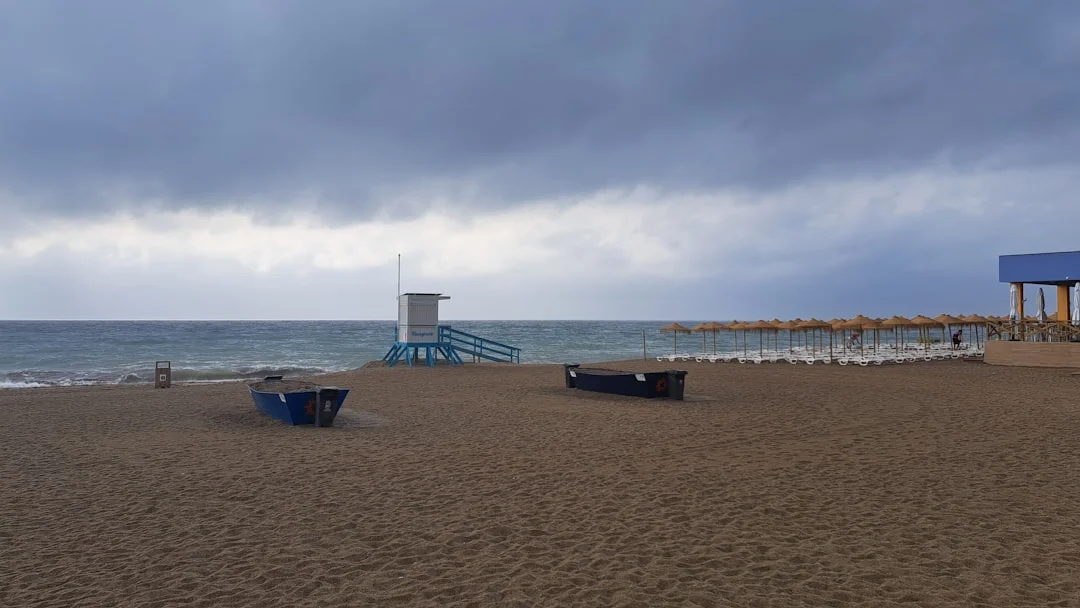
    Under Spanish labor law, essential services must maintain “minimum services” (servicios mínimos) even during a strike. This means you will still see lifeguards and active watchtowers on major beaches like La Malagueta, La Misericordia, and El Palo. However, the presence is far sparser than usual.

    With fewer lifeguards on duty, response times in an emergency may be longer, and some secondary watchtowers may remain empty. Visitors should not take the usual level of surveillance for granted this summer.

    Essential Safety Guidelines for Visitors

    With reduced professional supervision, personal responsibility becomes the primary line of defense. If you are planning to enjoy the Mediterranean waters in Málaga during the 2026 season, keep these vital safety tips in mind:

    • Heed the Flags Strictly: The beach flags are your most reliable guide.
    • Green: Safe for swimming.
    • Yellow: Caution (swim close to the shore, expect waves or currents).
    • Red: Strictly forbidden to enter the water. Given the strike, local authorities may raise red or yellow flags more readily if surveillance is low.
    • Swim Near Active Stations: If you choose to swim, position yourself directly in front of an occupied lifeguard chair or tower. Avoid isolated stretches of sand.
    • Supervise Children Closely: Never leave children unattended near the water, even for a moment. Without a full complement of lifeguards, immediate parental supervision is non-negotiable.
    • Avoid Night Swimming: Swimming after dark is always risky, but particularly so now, as there is absolutely no emergency coverage on the sand during off-hours.
    • Know the Emergency Number: In the event of an emergency, dial 112 immediately. This is the free, pan-European emergency number, and operators can assist in multiple languages.

    A Broader Trend in Coastal Tourism

    The situation in Málaga reflects a growing challenge faced by popular coastal destinations worldwide. As municipalities increasingly outsource services to private contractors—amid wider regional discussions like the debate over Málaga’s beachfront development—friction between labor unions, private operators, and local governments is becoming more common. Balancing fair working conditions for frontline safety staff with the demands of millions of summer tourists remains a complex puzzle for modern holiday destinations.

    While we hope for a swift and fair resolution that ensures the well-being of Málaga’s dedicated lifeguards, our primary wish is for everyone to enjoy our beautiful coastline safely. By staying informed, respecting the sea, and looking out for one another, we can ensure that this summer remains memorable for all the right reasons.
  • Telefónica and Amper to Upgrade Málaga Airport Tech

    Telefónica and Amper to Upgrade Málaga Airport Tech

    As Malaga-Costa del Sol Airport (AGP) continues to process record-breaking passenger volumes, its underlying infrastructure is receiving a critical technological overhaul. Spanish telecommunications giant Telefónica and technology group Amper have secured a contract to modernize the airport’s critical communication networks.

    This joint initiative focuses on reinforcing security, reliability, and real-time operational coordination. With the airport serving as the primary gateway for international tourists—who may also be impacted by local disruptions like the extended Málaga beach lifeguard strike—and a growing community of digital nomads in southern Spain, the upgrade is a vital step in preventing flight delays and managing high-capacity air traffic.

    Modernizing Critical Airport Infrastructure

    In aviation, critical communications govern everything from ground handling coordination to emergency response systems. The current modernization project aims to replace legacy systems with highly secure, redundant digital networks designed to prevent communication failures.

    According to details published by La Opinión de Málaga, the joint venture between Telefónica and Amper will deploy advanced radio communication technologies. These systems ensure that security personnel, air traffic control assistants, and ground crews can communicate instantly and without interference, even during peak travel windows.

    Key Objectives of the Tech Upgrade

    • Enhanced Security: Secure channels prevent unauthorized interception and ensure data integrity across airport operations.
    • High Availability and Redundancy: The network is engineered to maintain 100% uptime, mitigating risks of system outages that can cascade into flight delays.
    • Interoperability: Seamless integration between different operational units—including baggage handling, refueling, cabin cleaning, and emergency services.

    Addressing High Passenger Volumes in 2026

    Malaga Airport is on track to set new historical passenger records in 2026. The rapid influx of travelers demands faster turnaround times for aircraft on the tarmac. When communication networks lag, ground operations slow down, leading to a domino effect of delayed departures and arrivals.

    By leveraging Telefónica’s robust network infrastructure and Amper’s specialized engineering in critical systems, the airport is positioning itself to handle this increased load. The integration of modern digital protocols allows for precise telemetry and automated alerts, enabling ground teams to respond to operational bottlenecks before they impact travelers.

    Long-Term Benefits for Málaga’s Economy

    An efficient airport is directly linked to the economic health of the Costa del Sol. As Málaga positions itself as a leading European hub for technology companies and remote workers, its logistics and transport infrastructure must match these digital expectations.

    This technological upgrade ensures that Málaga-Costa del Sol Airport remains a highly reliable node in European aviation. For passengers, this means fewer administrative delays, smoother transfers, and a safer environment from arrival to departure.

    As our skies grow busier and our travel networks more complex, these invisible technological upgrades form the silent backbone of our journeys. It is reassuring to see Málaga investing in the quiet efficiency that keeps us safely connected to the world, ensuring that every departure is as seamless as the welcome we receive on arrival.

  • Marbella Wins Platinum Broom for Smart Waste Management

    Marbella Wins Platinum Broom for Smart Waste Management

    For residents and investors on the Costa del Sol, cleanliness is not just a basic public service—it is a cornerstone of the region’s luxury appeal. In a major milestone for its municipal infrastructure, Marbella has been awarded the prestigious Platinum Broom (Escoba de Platino) for its highly efficient, data-driven urban cleaning model.

    Presented by the technical environmental association Ategrus, the award recognizes cities that make outstanding strides in waste management, recycling, and urban cleanliness. Marbella’s latest achievement highlights a successful transition toward becoming a fully integrated smart city.

    Data-Driven Efficiency on the Streets of Marbella

    Marbella’s award-winning strategy is built on real-time data analysis, end-to-end traceability, and fleet tracking. By digitizing its entire waste management network, the city has moved away from traditional, fixed-route cleaning schedules toward a dynamic, demand-based system.

    According to details shared by La Noción, the updated system integrates several key technological advancements:

    • Real-Time Fleet Tracking: Every municipal cleaning vehicle is equipped with GPS and telemetry systems, allowing coordinators to monitor routes, optimize fuel consumption, and respond immediately to high-traffic areas.
    • Sensor-Enabled Containers: Smart sensors inside public bins track fill levels, ensuring collection trucks are only dispatched when necessary. This drastically reduces unnecessary traffic and emissions in residential neighborhoods.
    • Traceability and Accountability: Every step of the waste disposal cycle is recorded, providing the local council with hard data to continuously refine cleaning operations.

    Why Cleanliness Matters for Marbella’s Premium Appeal

    Maintaining pristine public spaces is vital for Marbella’s local economy. As a global hub for luxury tourism and high-end real estate, the visual appeal of areas like the Golden Mile, Puerto Banús, and the historic old town directly impacts property values and visitor satisfaction, especially at a time when Marbella’s premium tourism sector is reaching record-breaking profitability.

    By leveraging smart technology, the city ensures that even during peak summer months—when the local population swells with international visitors—the streets remain clean, quiet, and welcoming. The reduction in carbon emissions from optimized truck routes also aligns with the growing demand for sustainable luxury travel.

    As Marbella continues to grow, these smart infrastructure upgrades prove that sustainability and luxury can go hand in hand. This commitment to world-class standards is also reflected in the region’s private sector, with major developments like Marbella’s new luxury sports hub, El Lago Club, enhancing the area’s premium lifestyle offerings. We hope this recognition serves as a stepping stone for even more green initiatives, keeping our beautiful coastal home pristine and vibrant for generations to come.

  • Málaga Housing Gap: Record Prices vs Social Rent Demand

    Málaga Housing Gap: Record Prices vs Social Rent Demand

    Málaga’s rise as a premier European technology, cultural, and lifestyle hub has brought undeniable economic energy to the Costa del Sol. However, this rapid ascent has also accelerated a profound division in the local property market. As of mid-2026, Málaga is experiencing two vastly different real estate realities: a booming free market reaching unprecedented price heights, and an increasingly competitive struggle for affordable housing among local residents.

    The Free Market: Prices Climb to Historic Highs

    For those looking to buy property, the market has never been tighter. According to recent data published by idealista, the average price of used housing in Málaga reached €3,784 per square meter in June 2026. This represents a significant 9.4% year-on-year increase, cementing the city’s status as one of Spain’s most expensive provincial capitals.

    This upward trajectory is fueled by a combination of high international demand, a growing community of digital nomads, and a persistent shortage of newly built residential units. To address these supply challenges and rising costs, the region is increasingly turning to innovative construction methods, with Málaga emerging as a key hub for modular housing. Meanwhile, the luxury sector is also experiencing a parallel surge. High-end developments across the province continue to command premium rates, attracting affluent buyers who view the region as a safe and highly desirable haven, as highlighted by Economía Digital.

    The Social Housing Crisis: 6,100 Applicants for 91 Flats

    While investors and high-income earners navigate the open market, local workers and younger generations face a much steeper climb. The intensity of this demand is clearly visible in the public sector’s latest housing initiative.

    In July 2026, the Málaga City Council published the provisional applicant list for a public lottery to allocate 91 subsidized social housing units (VPO) in the University area (Teatinos). The development offers modern rentals with monthly prices capped at a highly competitive €512 per month.

    The response from the public has been overwhelming. As reported by La Opinión de Málaga, a total of 6,181 applicants successfully registered on the provisional list to compete for just 91 available homes. This means that only about 1.4% of the applicants will secure a lease, leaving over 6,000 residents to continue their search in a highly inflated private rental market.

    Navigating the Málaga Market: What Lies Ahead?

    This growing disparity presents unique challenges for both locals and newcomers trying to establish roots in the city:

    • For Buyers: Finding properties under the €3,000/m² mark within the city limits is becoming increasingly difficult. Many buyers are expanding their search to metropolitan suburbs like Alhaurín de la Torre, Cártama, or Rincón de la Victoria.
    • For Renters: The private rental market remains highly competitive. The massive demand for the University-area VPO units underscores the critical shortage of long-term rentals priced under €800 per month.
    • For the City: Balancing economic growth with social cohesion remains Málaga’s most pressing challenge. Local authorities are under pressure to accelerate the construction of public housing and introduce policies that protect local communities from displacement.

    As Málaga continues to evolve, finding a sustainable balance between its global appeal and local livability will be essential to preserving the unique character and warmth that made the city so beloved in the first place. We remain hopeful that creative urban planning and continued public-private collaboration will help bridge this gap, ensuring that Málaga remains a welcoming home for everyone.

  • Malaga Deploys AI to Predict Jellyfish Influxes

    Malaga Deploys AI to Predict Jellyfish Influxes

    High-Tech Protection on the Costa del Sol

    Nothing disrupts a perfect summer day on the Costa del Sol quite like an unexpected swarm of jellyfish (medusas). For years, beachgoers, expats—who are increasingly navigating Málaga’s widening housing gap and soaring rental prices—and tourists have relied on visual sightings or delayed reports to decide where to swim. However, a pioneering initiative from the University of Málaga (UMA) is shifting the strategy from reactive to predictive.

    The Oceanaria project, developed by the acclaimed Edanya research group at UMA, uses cutting-edge artificial intelligence and advanced mathematical algorithms to forecast jellyfish movements along the Málaga coastline in real time.

    The Science Behind Oceanaria: Mathematical Modeling

    Historically, predicting jellyfish drift was an incredibly complex task. Coastal currents, wind directions, water temperature, and bathymetry (the study of underwater depth) create a highly volatile marine environment. Traditional simulation models often took hours or even days to process, making them useless for daily beach planning.

    According to reports by La Opinión de Málaga, Oceanaria solves this computational bottleneck. Supported by the Junta de Andalucía, the Edanya research group has designed algorithms capable of calculating complex submarine currents and simulating jellyfish drift in just a matter of minutes.

    Key Features of the AI Model:

    • Rapid Computation: What used to take hours of supercomputing is now processed in near real-time.
    • Multivariable Analysis: The system integrates wind patterns, tidal changes, water temperature, and local coastal topography.
    • High Spatial Resolution: It provides localized forecasts, allowing authorities and beachgoers to know which specific coves or beaches are at risk.

    How to Check for Jellyfish on Malaga Beaches

    As reported by El Diario Pyme, this predictive AI acts as an early warning system. The goal is to integrate these rapid forecasts into public platforms and mobile applications, giving locals and tourists a reliable tool to plan their beach days.

    If you are heading to the beach in Málaga today, here is how you can stay informed:

    1. Local Beach Apps: Keep an eye on local municipal apps like Infomedusa, which are increasingly incorporating high-tech predictive data to update beach flags and hazard levels.
    2. Real-time Monitoring: Look for the physical color-coded flags on the beach. A yellow or red flag accompanied by a specific jellyfish warning flag indicates high concentration.
    3. Oceanaria’s Public Integration: As the UMA project continues to roll out its daily forecasting models, local civil protection teams use these models to preemptively deploy cleanup boats and alert lifeguards before the jellyfish reach the shore.

    A Data-Driven Approach to Coastal Tourism

    For Málaga, a city rapidly transforming into a major European tech hub, the Oceanaria project is a natural evolution. By combining marine biology, fluid dynamics, and machine learning, the province is protecting both its citizens and its massive tourism sector. With the region currently securing record-breaking hotel investment in Málaga, safeguarding the coastline is more critical than ever for maintaining its premium appeal.

    Jellyfish influxes are not just a minor nuisance; they represent a safety hazard for children and sensitive individuals, and they carry a significant economic impact for beachside businesses (chiringuitos). Having a reliable, AI-driven forecast allows local businesses and municipal services to manage resources efficiently, ensuring that Málaga’s coast remains safe, welcoming, and at the forefront of technological innovation.

    As we find new ways to co-exist with the natural cycles of our oceans, technology like Oceanaria reminds us of the power of human ingenuity. By understanding the sea’s movements rather than trying to fight them, we can protect our shores while preserving the delicate marine ecosystems that make the Costa del Sol so special. Here’s to safer, smarter, and more peaceful days under the Andalusian sun.

  • Málaga Tapas Secrets: Hidden Food Routes Locals Love

    Málaga Tapas Secrets: Hidden Food Routes Locals Love

    While Málaga’s global reputation as a cultural and tech hub continues to soar, its culinary landscape remains deeply rooted in tradition. Beyond the bright lights of Calle Larios and the busy terraces of Plaza de la Merced lies a parallel food universe. This is where locals stand shoulder-to-shoulder at wooden bars, ordering by a nod of the head, and enjoying dishes that have tasted the same for generations.

    To truly understand Málaga, you have to eat like a Malagueño, ideally enjoying fresh seafood along a coastline where Málaga now uses AI to predict jellyfish influxes. Here is your blueprint to the hidden food routes, neighborhood secrets, and unwritten rules of the city’s authentic food scene.

    Route 1: The Backstreet Taverns of Centro Histórico

    It is easy to get lost in the tourist-oriented menus of the historic center, but a few steps down the narrower alleys reveal historic institutions untouched by passing trends, where one can quietly appreciate the local culture or reflect on Concha Badía Fraga’s insights on overcoming the fear of poetry.

    La Recova: The Ultimate Andalusian Breakfast

    Just off the beaten path near the Iglesia de San Juan, La Recova offers a morning experience like no other. Part antique shop, part traditional café, this tiny spot serves a breakfast that defines simplicity.
    * The Order: Ask for the desayuno tradicional. You will receive a large piece of toasted rustic bread alongside a cardboard egg carton filled with different spreads: homemade marmalades, lard (manteca colorá), spiced tomato, and fresh olive oil. Pair it with a classic Málaga coffee.

    Antigua Casa de Guardia: Standing Room Only

    Founded in 1840, this is Málaga’s oldest winery and tavern. Located on the edge of Alameda Principal, it features a long, dark wood bar where bartenders write your tab in chalk directly on the counter.
    * The Order: Squeeze into the crowd and point to one of the massive wooden barrels. The Pajarete (a sweet, dark local wine) or Seco Trasanejo are local favorites. Accompany your glass with a simple plate of fresh mussels or local olives.

    Route 2: Huelin and Cruz de Humilladero (The Working-Class Feast)

    To experience the true heart of Málaga’s seafood culture without the premium prices of the center, head west to the traditional neighborhoods of Huelin and Cruz de Humilladero.

    Mercado de Huelin vs. Mercado de Atarazanas

    While the central Atarazanas Market is a visual masterpiece, the Mercado de Huelin is where local families actually do their weekly shopping. The seafood section here is loud, chaotic, and incredibly fresh.
    * The Local Secret: Look for the small fry-shops (freidurías) inside or immediately adjacent to the market. Here, you can buy a paper cone (cartucho) of perfectly fried boquerones (anchovies) or calamaritos (baby squid) to eat on the go.

    Marisquería Huelin

    For a sit-down meal, skip the harbor front and find this neighborhood favorite. It operates on a simple premise: ultra-fresh seafood, rapid service, and exceptionally fair prices. Order the conchas finas (large local clams served raw with pepper and lemon) and a plate of grilled red prawns.

    Route 3: The Eastern Coastline (Pedregalejo to El Palo)

    Every guide tells you to eat espetos (sardine skewers grilled over open olive-wood fires on the beach). But where you eat them matters.

    Local Tip: The further east you walk along the promenade from Pedregalejo toward El Palo, the lower the prices drop and the more local the crowd becomes.
    

    El Palo: The Fisherman’s Stronghold

    While Pedregalejo has become trendy and bohemian, El Palo maintains its gritty, authentic fishing-village charm.
    * Chiringuito El Tintero: Famous for its unique “auction-style” service. Waiters run out of the kitchen carrying hot plates of fish, shouting what they have. If you want it, you flag them down. At the end of the meal, the waiter counts the plates on your table to calculate the bill.
    * Chiringuito Rompeolas: If you prefer a quieter, highly traditional experience, this spot offers some of the best-value espetos de sardinas on the coast, grilled by master espeteros right on the sand.

    The Málaga Coffee Dictionary

    Ordering coffee in Málaga is an art form. In the 1950s, the owner of the historic Café Central invented a unique scale to avoid wasting coffee during post-war shortages. Locals still use these precise terms today:

    • Solo: 100% coffee, no milk.
    • Largo: 80% coffee, 20% milk.
    • Semi-Solo: 70% coffee, 30% milk.
    • Mitad: 50% coffee, 50% milk (the most common choice).
    • Sombra: 30% coffee, 70% milk.
    • Nube: 10% coffee, 90% milk (literally a “cloud” of coffee in hot milk).
    • No me lo ponga: “Don’t give me any” (a humorous nod to the bottom of the original scale).

    Essential Tapas Etiquette for Travelers

    To blend in seamlessly with the locals, keep these unwritten rules in mind:

    1. The Bar is King: Dining at a table often comes with a small service surcharge and a more formal pace. Eating standing up at the bar is where the energy is, and it makes it easier to chat with the staff.
    2. Don’t Order Everything at Once: Tapas are meant to be ordered in rounds. Start with two or three dishes, see what you like, and then order more. This ensures your food always arrives hot.
    3. Share Everything: Tapas culture is inherently social. Dishes are placed in the middle of the table for everyone to share.
    4. Follow the Crowd: If a bar looks packed, noisy, and slightly chaotic, that is a sign of high-quality, fast-moving fresh food. Don’t be intimidated; squeeze in and find a spot.

    Sharing a meal in Málaga is about far more than just sustenance; it is a daily celebration of community, history, and the simple pleasures of the Mediterranean. We hope this guide encourages you to step off the familiar paths, try something new, and experience the warm hospitality that defines our city’s neighborhoods.

  • Malaga CF La Liga Return Sparks Season Ticket Frenzy

    Malaga CF La Liga Return Sparks Season Ticket Frenzy

    The football fever in Málaga has reached a boiling point. Following a thrilling promotion, Malaga CF is officially back in Spain’s top tier, La Liga (Primera División), for the 2026/2027 season. For the local community, long-time supporters, and the growing community of expats living on the Costa del Sol, securing a seat at the iconic La Rosaleda stadium—and celebrating pre-match excitement along the hidden tapas routes that locals love—has become the absolute priority of the summer.

    This return to the elite of Spanish football brings massive structural changes, a surge in ticket demands, and a highly anticipated calendar that has everyone talking, reflecting the city’s broader economic boom as Malaga secures the lion’s share of regional tourism investments.

    Over 12,000 Season Tickets Snapped Up in Days

    The response from the fans has been nothing short of historic. In just the first few days of the summer 2026 campaign, the club has already processed more than 12,000 season tickets. According to local reporting by Diario Sur on the Malaga CF ticket campaign, both renewals and new sign-ups are moving at an unprecedented pace.

    For expats and newcomers to the province, getting a season ticket (abono) is the most cost-effective and exciting way to guarantee entry to high-profile matches against giants like Real Madrid, FC Barcelona, and Atlético de Madrid. The club’s digital portal and the physical offices at La Rosaleda, which is set to enhance its facilities with prioritized LED lighting upgrades, have seen non-stop traffic as fans rush to secure their spot before the general public sale limits availability.

    Doubled Salaries to Ensure La Liga Competitiveness

    Transitioning from the lower divisions to La Liga requires more than just passion—it demands financial muscle. To ensure the team can compete with the best and avoid immediate relegation, Malaga CF is significantly boosting its sporting budget.

    As reported by Diario Sur regarding player contracts, the squad’s players are set to double their salaries upon promotion. This contract clause was designed to reward the promotion heroes while keeping the core squad motivated and competitive. The financial step-up also allows the club’s sporting management to target high-caliber summer signings to reinforce key positions before the transfer window closes, with a particular focus on exploring international transfer opportunities.

    The Opening Match and the Atlético de Madrid Puzzle

    While fans are eagerly studying the potential La Liga schedule for the 2026/2027 campaign, the exact date of the opening fixtures remains subject to international football schedules.

    There is a strong possibility of an opening clash against Atlético de Madrid, a fixture that would easily sell out La Rosaleda. However, global tournaments—such as the expanded FIFA Club World Cup and international calendars—are complicating domestic scheduling. As detailed by La Opinión de Málaga, these global tournaments could delay the return of certain international players, potentially forcing La Liga to adjust or postpone the opening match against Atlético to ensure fair competition.

    How to Get Tickets for La Rosaleda

    If you are living in Málaga or planning a visit during the 2026/2027 season, here is what you need to know about experiencing a match day:

    • Season Tickets (Abonos): The priority is given to existing members (abonados), followed by those on the waiting list. If any seats remain, they will be opened to the general public. Keep an eye on the official Malaga CF portal for real-time availability.
    • Single-Match Tickets: For casual visitors, individual tickets go on sale online and at the stadium box office (taquillas) roughly one to two weeks before each home match. Expect premium pricing for ‘Category A’ games against top-tier clubs.
    • The Match Day Experience: La Rosaleda is located in the Martiricos neighborhood, just a short walk from the historic center. The pre-match atmosphere along the Guadalmedina riverbed is filled with food trucks, music, and thousands of fans dressed in blue and white.

    There is a unique magic in watching a city fall back in love with its football club. After some incredibly tough years in the lower divisions, the energy around Martiricos is a beautiful reminder of how sport unites people of all backgrounds, nationalities, and ages. We hope to see you in the stands of La Rosaleda this season, sharing in the chants, the sunshine, and the joy of top-flight Spanish football.

  • Malaga Secures 79% of Andalusia’s €553M Hotel Investment

    Malaga Secures 79% of Andalusia’s €553M Hotel Investment

    The landscape of southern Spain’s hospitality sector is undergoing a profound transformation. Long celebrated for its sun-drenched coastlines and accessible charm, Malaga has rapidly pivoted toward the premium market. This shift from a traditional holiday retreat to a high-end global destination is no longer just a visible trend on the streets—where enthusiasm is peaking as Malaga CF’s return to La Liga sparks a season ticket frenzy—it is backed by unprecedented financial data.

    In the first half of 2026, Andalusia reached a historic milestone, securing a record-breaking €553 million in hotel investments. Strikingly, Malaga province did not merely participate in this boom; it completely dominated it, capturing an astonishing 79% of the total regional investment, fueled by the premium appeal of key destinations like Marbella, which recently won the Platinum Broom for its smart waste management.

    A Golden Era for Malaga’s Hospitality Sector

    According to recent market data published by Moncloa, the first six months of 2026 have cemented Malaga’s status as the undisputed engine of Andalusian tourism real estate. The massive influx of capital has resulted in the acquisition, development, and upgrading of premium properties across the province.

    This wave of investment has added over 1,300 hotel rooms to Malaga’s inventory, with a clear focus on upscale, four-star, and five-star establishments. The scale of these transactions reflects a strategic repositioning by international funds and luxury hotel brands who view Malaga as one of the most lucrative and resilient markets in the Mediterranean. This real estate dynamism also coincides with Malaga’s broader development as a leading modular housing hub, showcasing the region’s overall construction and architectural innovation.

    The Shift to High-End and Luxury Tourism

    For years, Malaga city and the wider Costa del Sol have been working to attract high-net-worth travelers. The current investment surge is the culmination of those efforts. The capital injection is driving a physical transformation of the region’s hotel portfolio, shifting away from mass-tourism models toward boutique experiences, wellness retreats, and international luxury flagships.

    As detailed in a comprehensive report by Colliers, highlighted by La Opinión de Málaga, these transactions represent a mix of high-profile hotel sales, major renovations, and new brand entries. Investors are prioritizing quality over sheer volume, recognizing that modern travelers are willing to pay a premium for personalized service, architectural excellence, and prime locations.

    This influx of premium rooms is distributed across key hotspots. While Malaga city continues to attract urban luxury lifestyle brands, classic destinations along the coast—such as Marbella, Estepona, and Benalmádena—are seeing existing properties undergo massive upgrades to meet five-star standards.

    Why Investors are Choosing Malaga

    Several factors explain why Malaga has managed to monopolize nearly four-fifths of Andalusia’s hotel investment portfolio in 2026:

    • Year-Round Appeal: Malaga has successfully mitigated seasonality. With its robust cultural offerings, world-class museums, and a growing culinary scene, the province attracts visitors 12 months a year.
    • The Tech and Corporate Boom: The rise of Malaga as a southern European technology hub has brought an influx of business travelers, digital nomads, and corporate events, driving up mid-week and off-season occupancy rates.
    • Unrivaled Connectivity: Malaga-Costa del Sol Airport continues to expand its international reach, offering direct connections to major global hubs, making the region effortlessly accessible for premium travelers.

    Looking Ahead

    The historic figures from the first half of 2026 suggest that Malaga’s tourism evolution is still accelerating. As these newly funded projects open their doors over the coming months and years, the local tourism ecosystem will continue to elevate.

    As we watch our beautiful province grow, there is a shared hope that this wave of premium investment will bring balanced prosperity. By focusing on quality, sustainability, and authentic experiences, Malaga is not just growing larger—it is growing finer, ensuring that both visitors and locals can enjoy a vibrant, world-class destination for generations to come.

  • Malaga Food Guide: Where to Eat in the City Today

    Malaga Food Guide: Where to Eat in the City Today

    Málaga’s culinary scene is currently experiencing a spectacular golden age. No longer just a gateway to the Costa del Sol, the city—which recently captured 79% of Andalusia’s hotel investment—has firmly established itself as a heavyweight gastronomic destination. Today, the local food landscape is a beautiful, sometimes chaotic collision of century-old taverns, beachside grilling traditions, and cutting-edge culinary innovation.

    Whether you are looking for a €3 plate of fresh sardines cooked over olive wood or a multi-course tasting menu, this practical guide will show you exactly where and what to eat in Málaga right now.

    The Unmissable Classics

    To understand Málaga’s food culture, you must start with the basics. These are the dishes and dining styles that define the local identity. To truly dive deep into these traditions, it helps to know a few surprising facts about Málaga’s food scene, from its unique coffee culture to the strict rules of beachside dining.

    Espetos de Sardinas

    An espeto is more than just food; it is a cultural ritual. Fresh sardines are skewered on bamboo canes and roasted over open olive-wood fires built inside old fishing boats on the sand.
    * Where to eat them: Head east of the city center to the traditional fishing neighborhoods of Pedregalejo or El Palo. Chiringuitos like Chiringuito El Cabra or Chiringuito El Tintero (famous for its auction-style service) offer the most authentic atmosphere.
    * Pro tip: Local wisdom says the best months to eat sardines are those without an “r” in their Spanish names (May, June, July, August)—making mid-summer the absolute peak season for plump, flavorful espetos.

    Ensalada Malagueña

    Perfect for hot summer days, this local salad combines boiled potatoes, oranges, finely sliced spring onions, salted cod (bacalao), and Aloreña olives, all generously dressed with local extra virgin olive oil. It is a brilliant sweet-and-savory combination that showcases the region’s agricultural roots.

    Historic Tapas Bars in the Historic Center

    Navigating the historic center can be overwhelming with so many tourist-oriented spots, but these historic gems continue to deliver outstanding quality.

    Antigua Casa de Guardia

    Founded in 1840, this is Málaga’s oldest wine tavern. The floor is covered in sawdust, the walls are lined with dusty antique barrels, and the bartenders still write your tab in chalk directly on the wooden bar.
    * What to order: Ask for a glass of Seco Trastras or the sweet Pajarete. Pair it with a simple plate of local mussels, prawns, or cured cheese.

    Cortijo de Pepe

    Located just off Plaza de la Merced, this tavern has remained remarkably unchanged for decades. It is the perfect place to experience a traditional, no-frills Andalusian tapas bar.
    * What to order: Try the cojonudos (grilled chorizo on bread topped with a fried quail egg), grilled octopus, or their slow-roasted pork loin (lomo de orza).

    Las Merchanas

    If you want to experience Málaga’s unique cultural atmosphere, step into this tavern dedicated entirely to Semana Santa (Holy Week). The walls are packed with religious iconography, processional banners, and photos. Despite the heavy theme, the tapas are excellent, cheap, and served quickly.
    * What to order: Croquetas de la casa and the flamenquín (pork loin rolled with ham and cheese, then breaded and fried).

    The Modern Gastronomic Wave

    Málaga’s dining scene has evolved rapidly over the last few years, with local chefs elevating traditional Andalusian flavors into modern masterpieces.

    La Cosmopolita

    Chef Dani Carnero is a pioneer of Málaga’s modern culinary renaissance. At La Cosmopolita, there is no fixed menu; instead, the offerings change daily based on what Carnero finds at the local market. It is a favorite hangout for visiting chefs and serious food lovers.
    * What to order: If available, do not miss the ensaladilla rusa topped with warm fried eggs, or any of their slow-braised stews.

    Kaleja

    For a truly special dining experience, Dani Carnero’s Michelin-starred Kaleja focuses on cocina de candela—cooking over slow embers. Located in the Jewish Quarter, it offers a deeply emotional tasting menu that revives old, forgotten Andalusian recipes using modern techniques.

    The Food Markets: Atarazanas

    No food trip to Málaga is complete without a visit to the Mercado Central de Atarazanas. Housed in a stunning 19th-century iron building incorporating a 14th-century Moorish gate, this market is the beating heart of the city’s food scene.

    While the market stalls sell spectacular fresh fish, colorful local produce, and cured meats, the real draw for lunch is the small cluster of tapas bars located right inside the market.

    Grab a high-top table or squeeze in at the bar at Bar Mercado Atarazanas. Order a cold draft beer (caña) and point to whatever looks freshest in the display case: deep-fried baby squid (puntillitas), grilled razor clams (navajas), or local red prawns. It is also one of the best spots to sample an authentic, perfectly crispy fritura malagueña alongside the locals.

    Food has always been the ultimate way we connect here in Málaga. Sitting around a table with friends, sharing a plate of fresh seafood as the warm Mediterranean breeze rolls in, is a simple reminder of what truly matters. We hope this guide helps you find your own favorite corner of our city’s incredible, ever-evolving culinary map. ¡Buen provecho!

  • Free Museums in Málaga: Best Budget Summer Stops

    Free Museums in Málaga: Best Budget Summer Stops

    Málaga is widely celebrated for its world-class art galleries, but the cost of museum admissions can quickly add up. If you are a new resident, an expat, or a traveler looking to explore the city on a budget this summer 2026, you do not need to compromise on culture. Beyond the famous paid ticket sites, the city offers several remarkable, entirely free cultural spaces—including temporary exhibitions and complimentary museum tours in Málaga—that let you bypass the crowds and dive straight into local heritage.

    According to a summer cultural itinerary highlighted by La Noción, stepping off the beaten path reveals a richer, more intimate side of Málaga’s history. If you love exploring beyond the main tourist spots, you can also check out other hidden museums and local cultural plans. Here are three of the best free museums to add to your warm-weather itinerary.

    1. Museum Jorge Rando: An Expressionist Sanctuary

    Located in the vibrant neighborhood of El Molinillo, the Museum Jorge Rando is Spain’s first and only museum dedicated entirely to Expressionism. This space is deeply personal, focusing on the work of Málaga-born artist Jorge Rando alongside rotating temporary exhibitions of national and international expressionist artists—making it the perfect cultural stop before heading out to discover the local culinary scene with our comprehensive Malaga food guide.

    • The Experience: Unlike the high-traffic commercial galleries downtown, this museum offers an intimate, reflective atmosphere. The building itself seamlessly combines a historic monastery cloister with modern architectural design.
    • Why It’s Special: Beyond the paintings and sculptures, the museum functions as a living cultural center. It regularly hosts free concerts, conferences, and open rehearsals in its central courtyard, where a majestic mandarin tree stands as a symbol of growth and creativity.
    • Cost: Always free admission.

    2. Málaga Aviation Museum: Family-Friendly History

    If you are traveling with family or have a passion for transport and history, the Museo Aeronáutico de Málaga is an absolute must-visit. Situated right next to the modern Málaga-Costa del Sol Airport, this museum is housed in the city’s original 1948 passenger terminal. For more educational fun, you can also explore the summer family workshops hosted by Málaga’s museums.

    • The Experience: This hands-on museum offers a nostalgic journey through the history of aviation on the Costa del Sol. Visitors can view historic aircraft, climb inside real cockpits, interact with vintage communication equipment, and see how air travel transformed this coastal region into a global tourist hub.
    • Why It’s Special: It is run largely by passionate volunteers, many of whom are retired pilots and aviation engineers. Their firsthand knowledge adds incredible depth to the exhibits.
    • Cost: Free admission (free parking is also typically available on-site).

    3. Roman Theatre Visitor Centre: Ancient Málaga Unveiled

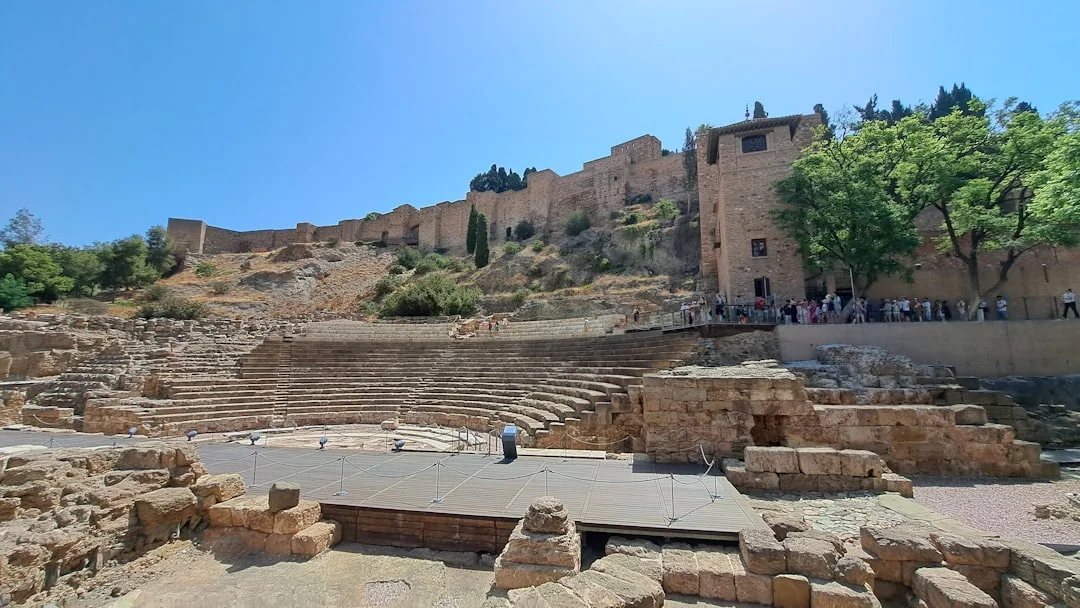
    To understand the deep roots of the city, head to the Calle Alcazabilla in the historic center. Right next to the ancient steps of the Roman Theatre sits its Centro de Interpretación (Visitor Centre).

    • The Experience: This sleek, glass-walled visitor center provides an essential archaeological introduction to Roman Málaga. Inside, you can view recovered artifacts, watch educational videos, and learn how the site was lost for centuries under later constructions before being rediscovered in 1951.
    • Why It’s Special: The center offers a spectacular, direct visual connection to both the Roman Theatre itself and the Moorish Alcazaba fortress rising directly behind it. It is the perfect starting point before walking out onto the ancient stone stands.
    • Cost: Always free admission.

    Quick Tips for Budget Culture in Málaga

    • Sunday Free Hours: If you want to see the larger paid museums, plan ahead. Major institutions like the Picasso Museum Málaga, the Centre Pompidou, and the Carmen Thyssen Museum offer free entry during the last few hours of Sunday afternoons.
    • Beating the Heat: Visiting these indoor spaces during the peak afternoon hours (between 2:00 PM and 5:00 PM) is a highly effective way to escape the intense summer sun while still making the most of your day.

    We hope this guide inspires you to wander a little deeper into Málaga’s sun-drenched streets this summer. There is a quiet magic in discovering a city’s history at your own pace, away from the pressure of ticket lines and crowded tourist hubs. May your summer be filled with slow walks, bright afternoons, and the timeless stories that make our Mediterranean home so special.