Tag: lang:en

  • Malaga CF Calls for Unity After Back-to-Back Defeats Complicate Promotion

    Malaga CF Calls for Unity After Back-to-Back Defeats Complicate Promotion

    The Heartbeat of the City: Malaga CF’s Promotion Push

    For anyone who has spent more than a few days in this sun-drenched coastal capital, one thing becomes abundantly clear: football is far more than just a game here. The iconic blue and white stripes of Malaga CF are woven into the very fabric of the local culture. Whether you are a lifelong local or a newly arrived expat looking for the best Malaga CF news English coverage, the passion emanating from La Rosaleda stadium is undeniably infectious.

    However, the road to footballing glory is rarely a straight line. As we step into May 2026, the club finds itself at a critical crossroads, needing the city’s support now more than ever—even if it means braving the heavy rains expected in Malaga this week—to secure a coveted promotion back to the First Division.

    A Tough End to April

    The end of April brought a harsh reality check to the team’s soaring ambitions. Following a stellar run that had fans dreaming of top-tier football, recent Malaga CF results have thrown a wrench into the works. The team suffered two consecutive, stinging defeats against direct promotion rivals, UD Almería and CD Castellón, with the latter marking their first home loss in seven months.

    These were not just regular matches; they were high-stakes, six-point affairs that directly impacted the top of the table. As noted in a recent analysis of this steep April struggle by Málaga Hoy, these dropped points have significantly tightened the race, making the upcoming fixtures absolute must-win scenarios. The Malaga CF standings have taken a hit, turning what looked like a comfortable cushion into a nail-biting sprint to the finish line.

    The Club’s Call for Unity

    In response to the mounting pressure, the club’s leadership has issued a passionate rallying cry. They know that La Rosaleda is an impenetrable fortress when the fans are in full voice, and negativity in the stands can quickly translate to nervousness on the pitch.

    According to Málaga Hoy’s coverage of the club’s official statement, the message is unequivocal: now is not the time for division or pointing fingers. The team desperately needs the unwavering support of its “Jugador Número 12” (the 12th man) to navigate this critical final stretch. The club is urging fan groups, local businesses, and the international expat community to paint the city blue and white, showing the players that the entire province stands firmly behind them.

    Will Malaga CF Get Promoted?

    This is the question echoing through every tapas bar, coworking space, and beach chiringuito: Will Malaga CF get promoted?

    The short answer is that destiny is still largely in their own hands, but the margin for error has evaporated. The promotion system is notoriously grueling, requiring not just tactical brilliance but immense psychological resilience. The back-to-back losses to Almería and Castellón have complicated the automatic promotion spots, meaning the team might have to navigate the treacherous waters of the playoffs if they cannot secure maximum points in May.

    For newcomers to Spanish football, the playoffs are a dramatic, high-stakes mini-tournament where form often goes out the window, and pure willpower takes over. This is exactly why the club’s call for unity is so timely. A united, roaring fanbase can intimidate visiting teams and provide that extra burst of energy when players’ legs grow heavy in the 85th minute.

    Looking Ahead to a Critical May

    May 2026 will undoubtedly define the club’s immediate future. The upcoming fixtures will test the squad’s depth, the manager’s tactical acumen, and the fans’ loyalty. It is a time for belief.

    Whether you’re a lifelong malaguista who remembers the glorious Champions League nights, or an expat who just bought your very first scarf outside the stadium, there is something profoundly beautiful about a city coming together for a common cause. Let’s pack the stands, lose our voices, and hope that by the end of this month, we’re all celebrating a triumphant return to where this historic club belongs.

  • Málaga Crowned European Capital of Flexible Accommodation at Vitur Summit 2026

    Málaga Crowned European Capital of Flexible Accommodation at Vitur Summit 2026

    Málaga has long been celebrated for its sun-drenched coastline and vibrant cultural tapestry—a deep-rooted sense of community that is palpable even when the city’s football club calls for unity amid recent promotion struggles—but a quieter, more structural revolution is currently unfolding within its streets. The city is rapidly evolving into a premier destination for global professionals, and with this shift comes a pressing need for modern living solutions. Enter the era of ‘flexible accommodation’—a concept that is taking center stage as Málaga hosts the highly anticipated Vitur Summit 2026.

    The Vitur Summit 2026: A Defining Moment

    As industry leaders, investors, and urban planners gather in the city, the Vitur Summit 2026 serves as a focal point for the future of housing and hospitality. According to recent reports surrounding the Vitur Summit 2026, Málaga is effectively being crowned the European capital of flexible accommodation. This summit highlights a significant transition from traditional hotel stays and long-term residential leases to a more adaptable, hybrid model tailored for modern mobility.

    Decoding Flexible Accommodation

    What exactly is flexible accommodation? In essence, it bridges the gap between a brief holiday rental and a permanent residence. It encompasses serviced apartments, co-living spaces, and mid-term rentals designed for those who need a home for a few months rather than a few years.

    This model is particularly critical for the growing community of expatriates and remote workers. When searching for digital nomad accommodation in Málaga, professionals are increasingly looking for turnkey solutions: fully furnished spaces with high-speed internet, community amenities, and flexible lease terms that align with their transient lifestyles.

    The data supporting this shift is striking. Currently, 63% of real estate investment dedicated to short-term and flexible stays is being channeled directly into urban destinations. Investors are recognizing that cities like Málaga are no longer just seasonal holiday spots; they are year-round hubs for international talent.

    Andalusia’s Expanding Footprint

    The ripple effects of this investment trend are being felt across the region. The short term rental market in Andalusia is maturing rapidly, moving away from purely leisure-focused properties toward sophisticated, professionally managed living spaces.

    In fact, Andalusia now accounts for 15% of all flexible accommodation projects in urban centers across the nation. This significant market share underscores the region’s appeal, driven by a combination of exceptional quality of life, favorable climate, and a burgeoning technological ecosystem. Málaga, acting as the epicenter of this Andalusian boom, is paving the way for how Southern Europe accommodates the modern workforce.

    Balancing Growth and Community

    While the proliferation of flexible living spaces offers undeniable economic benefits and modernizes the city’s housing stock, it also invites a nuanced conversation about community integration. The challenge lies in ensuring that the influx of digital nomads and the subsequent transformation of real estate do not alienate local residents.

    Flexible accommodation actually offers a potential solution to this friction. By concentrating transient populations in purpose-built or specifically managed mid-term buildings, cities can alleviate some of the pressure on the traditional, long-term housing market that locals rely upon. It creates a dedicated infrastructure for temporary residents, allowing them to contribute to the local economy without directly competing for standard residential leases.

    As we look toward the future, the discussions taking place at the Vitur Summit 2026 will undoubtedly shape the urban landscape of Málaga for years to come. The goal is a symbiotic environment where innovation in housing meets the authentic charm of the city.

    It is a fascinating time to live in and observe Málaga. As the city gracefully adapts to its new role on the global stage, one can only hope that this evolution continues to be guided by a spirit of inclusivity and balance. Whether you are arriving for a three-month project or have called these sunlit streets home for decades, the true heart of Málaga remains its unparalleled ability to welcome everyone.

  • Beyond Picasso: Málaga Cementing its Status as Spain’s Museum Benchmark

    Beyond Picasso: Málaga Cementing its Status as Spain’s Museum Benchmark

    If you live in Málaga, you already know the drill when visitors come to town: a stroll down Calle Larios, tapas at El Pimpi, and the mandatory pilgrimage to the Picasso Museum. Maybe you throw in the Centre Pompidou or the Carmen Thyssen if they have an extra afternoon. But what happens when you’ve done the main circuit a dozen times?

    It turns out we are living in one of the most culturally dense cities in Europe. As noted by national travel publications, Spain boasts over 1,500 cultural centers nationwide, with Málaga and Madrid consistently standing out as the default benchmarks for museum density per capita. The city didn’t just buy a few big-name franchises; it cultivated an ecosystem.

    If you are ready to dig a little deeper into Málaga’s art and history while making the most of its status as Europe’s capital of flexible accommodation, here are the hidden gems that prove our city’s museum scene goes far beyond the big three.

    The Heavyweight Hidden in Plain Sight: Museo de Málaga

    It is almost criminal to call the Museo de Málaga a “hidden gem” given that it occupies the colossal Palacio de la Aduana right next to the Alcazaba, but it remains remarkably under-visited by expats and tourists alike—making it an ideal indoor refuge, especially with the heavy rains and storms forecasted for the area this week.

    This institution merges the city’s Fine Arts and Archaeological collections. You can walk through Phoenician artifacts, Roman mosaics, and Moorish ceramics on one floor, and then head upstairs to see an incredible collection of 19th-century Spanish painting.
    * Practical tip: Entry is completely free for EU citizens (and only €1.50 for everyone else). It is the perfect place to escape the midday heat for an hour or two.

    The Quirky Masterpiece: Museo del Vidrio y Cristal

    Located in a beautifully restored 18th-century house in the San Felipe Neri neighborhood, the Glass and Crystal Museum is the antithesis of the sterile, white-walled modern gallery.

    The private collection spans from ancient Egyptian glass to 20th-century Lalique pieces, but the real draw is how it is displayed. The pieces are integrated into rooms furnished with period-appropriate antiques, paintings, and rugs.
    * Practical tip: Visits are guided (usually available in English). The guides are incredibly passionate, making the history of glassmaking surprisingly gripping.

    The Stylish Contrast: Museo Automovilístico y de la Moda

    Housed in the stunning Tabacalera (the old tobacco factory) in the Huelin neighborhood, this museum sounds like a strange mashup on paper: vintage cars and haute couture. In reality, it is a masterclass in design history.

    The collection pairs impeccably restored classic cars (think Bugatti, Rolls-Royce, and Ferrari) with contemporary high fashion from the same eras (Chanel, Dior, Givenchy). It tells the story of 20th-century aesthetic evolution in a way that appeals even to those who care nothing about engines or hemlines.

    The Intimate Portrait: Museo Revello de Toro

    Tucked away in a narrow street near the Cathedral, this small museum is dedicated to Félix Revello de Toro, a celebrated local artist known for his sensitive, realistic portraits, particularly of women.

    The building itself is a piece of history—it was the home and workshop of Pedro de Mena, a famous 17th-century sculptor. It offers a quiet, contemplative atmosphere that feels miles away from the bustling terraces just a block over.

    Navigating the Museum Scene Like a Local

    If you are looking to make the most of Málaga’s cultural offerings without spending a fortune, keep a few practical strategies in mind:

    • Sunday Afternoons: Almost all major museums in Málaga offer free entry on Sunday afternoons (usually after 4:00 PM or 5:00 PM). It can get crowded, so arrive a bit early.
    • Pace Yourself: With nearly 40 museums in the city, don’t try to see everything in a month. Treat them as rainy-day retreats or quiet escapes when the summer sun gets too intense.
    • Check for Temporary Exhibitions: Even the smaller museums rotate their temporary exhibits frequently. Following them on social media is the best way to catch a pop-up show before it leaves.

    Living in a city that constantly reinvents itself is a privilege. Sometimes, the best way to appreciate Málaga isn’t by looking at the Mediterranean, but by stepping off the busy streets and into the quiet, curated halls that hold our shared history. Whether you are marveling at a Roman statue or a perfectly preserved vintage Chanel suit, there is always something new to discover right in our own backyard.

  • Malaga Misses Out on High-Capacity ‘Mega-Cercanías’ Trains

    Malaga Misses Out on High-Capacity ‘Mega-Cercanías’ Trains

    The C1 Cercanías line is the undisputed backbone of public transport on the Costa del Sol. Connecting central Malaga with the international airport, Torremolinos, Benalmádena, and Fuengirola, it is a daily lifeline for residents, digital nomads, and millions of tourists. However, as ridership continues to swell in 2026, commuters hoping for larger trains to ease the crush will have to wait indefinitely.

    The Spanish government previously confirmed that Renfe’s new fleet of high-capacity commuter trains—dubbed “mega-Cercanías”—will bypass the province of Malaga. Instead, these desperately needed upgrades are being directed to networks in Madrid and Catalonia.

    The Core Issue: Infrastructure Limitations

    The decision to exclude Malaga from the new high-capacity train rollout comes down to simple geometry. According to detailed coverage by Málaga Hoy, the primary obstacle is a severe lack of space at the current stations along the C1 and C2 lines.

    The new mega-Cercanías trains are significantly longer than the current rolling stock. To safely accommodate them, station platforms would need to be substantially extended. Unfortunately, many of the stations along the Costa del Sol were built in constrained urban environments or underground, making platform extensions either prohibitively expensive or physically impossible without major, disruptive civil engineering projects.

    A Growing Bottleneck for Commuters

    For anyone who regularly rides the C1 during peak hours or the height of summer, the lack of capacity is a familiar frustration. The route is notoriously crowded. With Malaga’s booming popularity as a tech hub and premier travel destination, the passenger volume routinely pushes the existing trains to their absolute limits.

    • Airport Transfers: Travelers with luggage often struggle to board during rush hours.
    • Daily Commutes: Locals and expats commuting between the coastal towns and the city center face standing-room-only conditions.
    • Event Surges: During major local festivals, key local sporting events, holidays, or peak summer weekends, the system struggles to absorb the spike in users.

    While the frequency of the trains (running every 20 minutes) is generally reliable, the sheer volume of bodies requires either more frequent trains—which pushes up against the limits of the single-track sections of the line—or larger trains, which the stations cannot currently handle.

    What Comes Next?

    If high-capacity trains are off the table for the foreseeable future, regional planners and transit authorities must look for alternative solutions to relieve the pressure on the Costa del Sol’s rail network. Upgrading the signaling systems to allow for slightly tighter intervals between trains, or eventually tackling the monumental task of double-tracking the entire line, remain topics of intense local debate.

    Living and working in Malaga means adapting to its growing pains. We all know the feeling of squeezing onto a packed C1 carriage on a sweltering July afternoon, hoping the air conditioning holds up. While it is disappointing that the mega-trains won’t be gliding into Centro Alameda anytime soon, the resilience of our community always shines through. We hope that continued dialogue between local authorities and national transport bodies will eventually pave the way for the modern, spacious transit system this beautiful stretch of the coast deserves.

  • Long Weekend Guide: Gastronomy, Festivals, and the Return of the AVE

    Long Weekend Guide: Gastronomy, Festivals, and the Return of the AVE

    The May long weekend—affectionately known as the puente—is finally here, and Malaga is buzzing with anticipation. With the arrival of warmer spring temperatures and longer days, both locals and visitors are looking to make the most of the holiday. Whether you are craving local delicacies, eager to catch some live music, or simply planning a quick getaway, this weekend has plenty to offer.

    The AVE is Back on Track

    First and foremost, there is excellent news for anyone traveling to or from the Costa del Sol. As of April 30, 2026, the high-speed rail (AVE) services connecting Malaga with Madrid and other major Spanish hubs have returned to normal operation, providing a welcome transport boost despite the recent news that the province will not be receiving the new high-capacity commuter trains.

    If you have family coming down to visit or you are planning to receive friends from the capital, the resumption of the full timetable is a massive relief. It means smoother journeys, fewer delays, and more flexibility for those last-minute weekend plans, especially if your guests want to discover why Málaga is now considered Spain’s museum benchmark. The Maria Zambrano station is expected to be busy, so if you are traveling, arriving with a little extra time to spare is always a smart move.

    Gastronomic Delights Across the Province

    A long weekend in Malaga is incomplete without diving into the local food scene. This May, various towns across the province are hosting gastronomy routes that celebrate regional produce.

    From traditional tapas trails in the historic center to specialized local produce markets in the Axarquía and Guadalhorce valleys, there is a route for every palate. Many restaurants are featuring special seasonal menus highlighting fresh seafood, local cheeses, and regional wines. If you are looking to map out your culinary weekend, you can find a great roundup of local food events and recommendations in Diario Sur’s lifestyle and plans section.

    Top Foodie Tips for the Weekend:

    • Book in advance: With the influx of visitors, popular local chiringuitos and tapas bars will fill up quickly.
    • Venture inland: While the coastal spots are fantastic, the inland white villages (pueblos blancos) often host smaller, more authentic food fairs during the puente.
    • Try the seasonal catch: Ask for the catch of the day or seasonal specials, which are always a highlight during the Andalusian spring.

    Live Music and Local Fiestas

    Beyond the food, the 2026 spring festival season is officially kicking off. The long weekend brings a variety of cultural events, outdoor gigs, and local fiestas to the province.

    While the massive summer festivals are still a few weeks away, May offers a more intimate music scene. Expect to find live flamenco in the city’s peñas, indie bands playing in local venues, and open-air concerts in public squares. Additionally, several municipalities are celebrating their own traditional spring fairs, complete with music, dancing, and family-friendly activities. Keeping an eye on local news outlets like Diario Sur is a great way to catch any last-minute additions to the weekend’s entertainment roster.

    Whether you are a local resident who knows the city’s rhythms by heart or a visitor experiencing the magic of spring in Andalusia for the first time, we hope this long weekend gives you a chance to unwind, taste something new, and enjoy the vibrant energy of our province. Have a wonderful puente, and take the time to soak in the beauty of Malaga at your own pace.

  • Weekend Family Escapes in Malaga: Nature Parks, Food Trucks, and City Magic

    Weekend Family Escapes in Malaga: Nature Parks, Food Trucks, and City Magic

    Finding the perfect weekend plan that keeps both kids and adults happy can sometimes feel like a magic trick in itself. Fortunately, as we head into the first weekend of May 2026, Malaga is brimming with diverse options that cater to every family’s pace. Whether your crew is craving fresh air and outdoor adventure or the captivating lights of a city theater, this weekend’s lineup has something special in store, even if getting there involves navigating a rail network that recently missed out on the new high-capacity commuter trains.

    Outdoor Adventures: Ziplines and BBQ by the River

    If your family loves to disconnect and spend time in nature, there is a fantastic local nature park just a short drive from the bustling city center that checks all the boxes for a perfect day out. Nestled in a lush green setting, this park is designed with active families in mind.

    What to Expect at the Park

    • River Access: Perfect for a refreshing splash or simply skipping stones along the banks.
    • Ziplines and Play Areas: The park features safe, well-maintained ziplines that offer a gentle thrill for younger kids, alongside expansive wooden play structures and games.
    • The Food Truck Experience: Forget packing a complicated picnic. A popular onsite food truck serves up fantastic grilled meats and BBQ classics. It is an ideal spot for parents to relax with a cold drink while keeping an eye on the kids playing nearby.

    Arriving early is highly recommended, as the picnic tables and shaded spots near the river tend to fill up quickly on sunny weekend mornings.

    Urban Magic: Theater and Musicals in the City Center

    If you prefer to stay closer to town, Malaga’s city center is hosting a vibrant array of family-friendly cultural events this weekend. The local theaters and cultural spaces have curated programs specifically designed to capture the imaginations of children of all ages.

    From interactive magic shows that will leave the little ones wide-eyed to colorful, high-energy musicals, the city is buzzing with creative energy. These indoor events are perfect for the mid-afternoon when you might want to escape the peak sunshine. To see the full schedule of performances, venues, and secure your tickets, Diario Sur’s local plans guide provides an excellent, up-to-date overview of everything happening in the city.

    Practical Tips for a Smooth Weekend

    To make the most of your family escape, keep a few simple tips in mind:
    * Dress in layers: Malaga mornings in the spring can be crisp, especially near the river, but the afternoons warm up beautifully.
    * Book in advance: City center musicals and magic shows often sell out, so grab your tickets online before the weekend begins.
    * Stay flexible: Sometimes the best moments happen when you let the kids dictate the pace, whether that means an extra hour at the zipline or grabbing an unexpected ice cream after a show.

    Weekends are a precious opportunity to step away from the daily routine and reconnect with the people who matter most. Whether you end up cheering at a magic show or sharing a plate of grilled food under the trees, the best part of the weekend is simply enjoying the time spent together.

  • Second Light Earthquake Hits Malaga Province in Three Days

    Second Light Earthquake Hits Malaga Province in Three Days

    Understanding the Recent Tremors in Malaga

    For international residents and visitors unaccustomed to seismic activity, feeling the ground shift—even slightly—can be an unsettling experience. Recently, the Malaga province experienced its second noticeable tremor in just three days. While the word “earthquake” often triggers alarm, these minor geological adjustments, much like the region’s occasional dramatic weather shifts, are a normal, expected part of living in southern Spain.

    The Latest Seismic Data

    According to data collected by the National Geographic Institute (IGN) and highlighted in recent local reports, a light tremor was recorded on a Sunday with its epicenter located in the municipality of Genalguacil, nestled in the Serranía de Ronda.

    This event marked the second time the earth moved noticeably in the province since the preceding Friday. Both events were classified as minor.

    Key takeaways from the recent activity include:
    * Epicenter: The most recent tremor was centered in Genalguacil, a mountainous inland village.
    * Frequency: Two light quakes within a 72-hour window.
    * Impact: No structural damage or injuries were reported. The tremors were merely felt by residents in the immediate and surrounding areas.

    Is Malaga an Earthquake Zone?

    A common question among newcomers is whether Malaga is an active earthquake zone. The short answer is yes, but with an important caveat: the vast majority of these quakes are micro-seismic and completely imperceptible to humans.

    Southern Spain sits near the complex tectonic boundary where the Eurasian and African plates converge. This continuous, slow-motion collision naturally generates seismic energy. Instead of building up into massive, destructive forces, this energy is frequently released through small, harmless tremors like the ones recorded in Genalguacil. In analytical terms, these light quakes act as a natural pressure release valve for the earth’s crust.

    How to Respond to Light Tremors

    If you happen to feel a light tremor while living or vacationing in Malaga, the most important action is to remain calm.

    • Stay indoors: If you are inside, stay there. Drop, cover, and hold on if the shaking becomes vigorous, though this is exceedingly rare for the region.
    • Wait it out: Minor tremors typically last only a few seconds.
    • Check official sources: The IGN provides real-time seismic data if you want to verify what you just felt.

    Living in such a dynamic, beautiful region means occasionally being reminded that the earth beneath our feet is active and alive. It is completely natural to feel a brief moment of surprise when the ground rumbles. However, knowing that these minor shifts are simply the natural geology of the Iberian Peninsula at work makes it much easier to take a deep breath, appreciate the solid ground we stand on, and go right back to enjoying our daily lives in Malaga.

  • Smart City Security: Malaga Police Deploy AI ‘Digital Twin’ for Patrols

    Smart City Security: Malaga Police Deploy AI ‘Digital Twin’ for Patrols

    Malaga is widely recognized as southern Europe’s premier technology hub. This reputation is no longer confined to the corporate parks of Málaga TechPark; it is actively reshaping the city’s civic infrastructure. The latest development addresses a fundamental metric of urban quality of life: public safety.

    To proactively manage urban security, local authorities have deployed a ‘digital twin’ of the city. This virtual replica acts as a dynamic, real-time simulation environment. It aggregates massive datasets, cross-referencing geographic layouts, social dynamics, and historical security incident logs to create a comprehensive overview of the urban landscape.

    Algorithmic Patrol Optimization

    Rather than relying solely on reactive dispatch protocols, the local police now utilize this artificial intelligence infrastructure to dictate patrol logistics. According to a recent report by La Opinión de Málaga, the AI system continuously analyzes integrated city data to define the most effective patrol routes.

    The deployment of this system introduces several operational upgrades to law enforcement:

    • Predictive Hotspot Mapping: The AI identifies micro-locations with a high statistical probability of incidents before they occur, allowing for preventative police presence.
    • Dynamic Resource Allocation: Units are deployed based on real-time variables, including crowd density, traffic patterns, and ongoing civic events.
    • Route Efficiency: Navigation paths are algorithmically generated to minimize response times and maximize visibility in high-risk zones.

    Is Malaga Safe? The Data-Driven Answer

    For prospective residents, digital nomads, and visitors, the question of safety is paramount. Historically, Malaga has maintained a notably low crime rate compared to other major European coastal cities. The integration of smart city technology is designed to ensure this metric remains stable, even as the local population and tourist numbers surge.

    By shifting from a reactive policing model to a proactive, AI-driven strategy, the city maximizes its law enforcement resources. The digital twin does not replace human officers; rather, it equips them with precise, actionable intelligence. This structural shift deters opportunistic crime and accelerates emergency response times across all districts.

    Technology often feels abstract, but its most profound applications are those that quietly improve our daily lives. Knowing that the streets we walk are monitored and protected by forward-thinking systems brings a distinct peace of mind. As Malaga continues to grow rapidly, it is reassuring to see the city leveraging its technological prowess not just for economic gain, but to ensure that every neighborhood remains a safe, welcoming place to call home.

  • Spring Hikes: Crystal Pools, Waterfalls, and the Cerro de la Tortuga

    Spring Hikes: Crystal Pools, Waterfalls, and the Cerro de la Tortuga

    With spring weather in full swing across the Costa del Sol, it is incredibly easy to default to lazy beach days. But while the Mediterranean is undoubtedly one of our greatest assets, the comfortable spring temperatures offer a fleeting window of opportunity. It is that perfect sweet spot of the year—warm enough for shorts, yet cool enough to tackle a steep incline without melting.

    If you are ready to trade the promenade for the pines, it is time to explore the province’s rugged interior. As highlighted in a feature by Málaga Hoy, our diverse terrain proves time and again that Málaga is much more than just a beach destination. Here are two distinct ways to experience the local wilderness this season.

    The Inland Oasis: Crystal Pools and Waterfalls

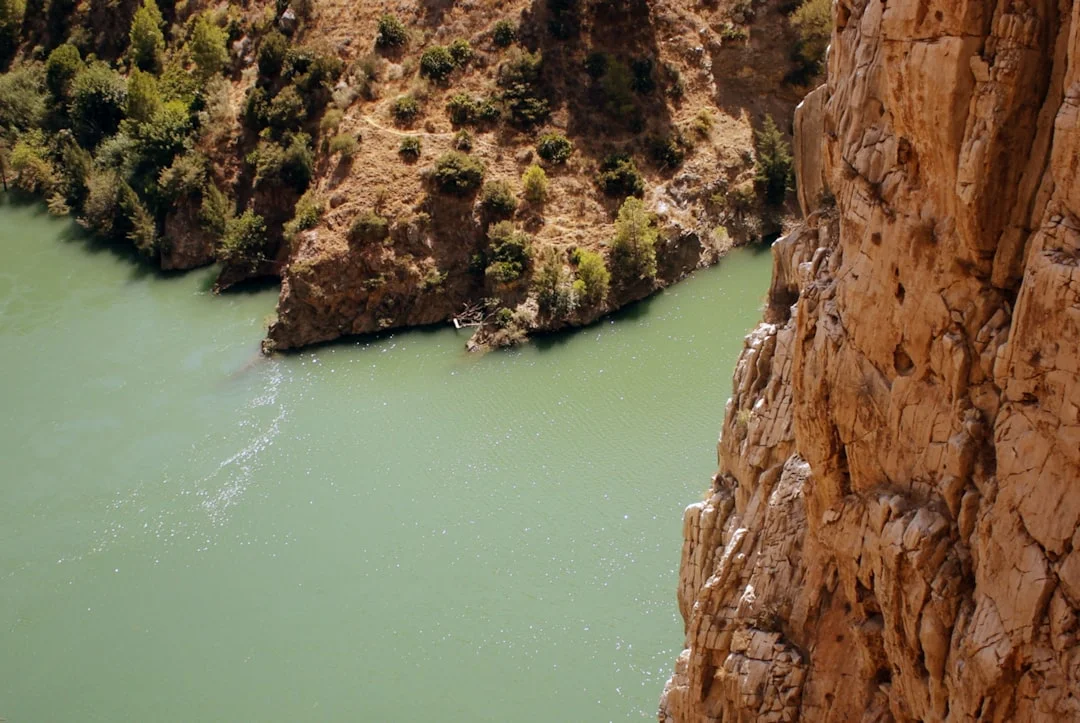
    When you think of fine sand, you naturally think of the coast. However, one of Málaga’s best-kept inland secrets flips that expectation on its head. Hidden away in the province’s lush river valleys are routes that feel miles away from civilization, characterized by stunning pozas (crystal-clear natural pools) and cascading waterfalls.

    These trails are a haven for those looking to truly disconnect. The routes wind through dense vegetation, offering ample shade and surprisingly crisp, clean air. As you navigate the rocky paths, you will occasionally come across riverbanks lined with unexpectedly fine sand—a perfect spot to sit, unpack a sandwich, and listen to the rush of the water.

    Because these river routes rely heavily on winter and early spring rainfall—the same showers that might otherwise send you looking for indoor family plans—right now is the absolute best time to visit. The waterfalls are actively flowing, the pools are full, and the surrounding flora is vibrant. Just remember that the water in these pozas comes straight from the mountains; a quick dip will be refreshingly, shockingly cold.

    Cerro de la Tortuga: Ancient History Within City Limits

    You do not always need a full tank of gas and a whole day to get a good hike in. For a quicker trip that doesn’t require leaving the city, the ascent to Cerro de la Tortuga is an unbeatable option.

    Located in the western part of Málaga, this accessible hike takes you up to a modest but rewarding altitude of 175 meters. The trail is straightforward, making it an excellent choice for a brisk weekend morning or a late afternoon workout. As you climb, the urban noise fades, replaced by the crunch of gravel and the scent of Mediterranean scrubland herbs.

    The real reward waits at the summit. The Cerro de la Tortuga is not just a viewpoint; it is an archaeological site. The ruins here offer a tangible connection to the ancient civilizations that once looked out over the exact same bay. Standing among the historic remnants with panoramic views of the city skyline and the Alboran Sea is a stark, beautiful reminder of Málaga’s deep historical roots.

    Practical Tips for the Trails

    Before you head out, keep a few practicalities in mind:
    * Footwear matters: Even on shorter hikes like Cerro de la Tortuga, the loose gravel can be slippery. Swap the casual sneakers for proper trail shoes with good grip.
    * Hydration is key: Inland routes can get surprisingly humid, and exposed hillsides heat up quickly as the sun rises. Carry more water than you think you will need.
    * Leave no trace: Our local ecosystems are fragile. Pack out all your trash, including organic waste like fruit peels, and stick to the marked paths to protect the native flora.

    There is something profoundly grounding about lacing up a pair of dusty boots and stepping off the pavement. Whether you are chasing the roar of a hidden waterfall or standing quietly among ancient stones above the city, these trails remind us of the incredible natural diversity right in our backyard. We hope you find a moment of peace out there on the paths this spring, returning to the city with tired legs and a clear mind.

  • Málaga CF Drops Out of Play-Off Spots Amidst Injury Woes

    Málaga CF Drops Out of Play-Off Spots Amidst Injury Woes

    A Rollercoaster Week for Los Boquerones

    If you’ve spent any time in Málaga, you know that football is practically a religion here. Expats and locals alike flock to La Rosaleda stadium, united by the blue and white colors of Málaga CF. However, this past week has tested the nerves of the fanbase, delivering a blow to the team’s promotion aspirations. Following a dramatic defeat and a flurry of medical updates, the squad finds itself navigating one of the most challenging stretches of the 2026 season.

    Heartbreak Against Castellón: The Latest Málaga CF Results

    The push for promotion hit a major roadblock this past weekend. In a match that had fans on the edge of their seats, Málaga CF suffered a painful 2-3 defeat against Castellón. The match was an emotional rollercoaster, culminating in a devastating last-minute goal from the visitors that silenced the home crowd.

    This result has immediate consequences for the league standings. According to La Opinión de Málaga, the defeat means Málaga CF has officially fallen out of the coveted play-off spots. For newcomers to Spanish football, the play-offs are crucial: finishing between third and sixth place is the golden ticket to fight for promotion to the higher division. Dropping out of this zone adds immense pressure to the upcoming fixtures.

    Málaga CF Injuries: A Revolving Door in the Medical Room

    Adding to the sting of the recent loss is a complicated injury situation. The physical toll of the season is showing, and the coaching staff is being forced to constantly shuffle their starting lineup.

    The Good News: Larrubia Returns

    Fans searching for a positive Larrubia injury update finally have reason to smile. The talented attacker has received the medical green light and is back in the squad. His creativity and vision on the pitch were sorely missed during his absence, and his return injects a much-needed spark into the team’s offensive game plan.

    The Setback: Dorrio Sidelined

    Unfortunately, as one key player returns, another takes his place in the treatment room. The club has confirmed that Dorrio has suffered a muscle injury, ruling him out of immediate action. As reported by La Opinión de Málaga, this loss is a significant blow to the team’s depth, especially on the flanks where his pace has been a vital asset.

    Looking Ahead: Dani Lorenzo

    There is a glimmer of hope on the horizon regarding the broader Málaga CF injuries list. Midfielder Dani Lorenzo is progressing well in his recovery and is widely expected to be the next player to rejoin the group. His imminent return could provide the necessary stability in the center of the park as the team prepares for the final, decisive stretch of the campaign.

    Keeping the Faith Alive

    While dropping out of the Málaga CF play off zone is undoubtedly a setback, the season is far from over. The margins in this league are razor-thin, and a single victory can instantly change the landscape. The team has shown resilience before, and the passionate backing of the international and local fanbase—bolstered by supporters traveling via the recently reopened Madrid-Malaga AVE—will be more important than ever.

    As fans, experiencing the highs and lows of a football season is part of the journey that connects us to our adopted city. The heartbreak of a last-minute loss and the anxiety of injury updates only make the eventual triumphs sweeter. Let’s keep our scarves raised and our voices loud; the fight for promotion is still alive, and La Rosaleda is ready to roar again.