Tag: lang:en

  • Heatwaves and Inflation Dampen Costa del Sol Tourism

    Heatwaves and Inflation Dampen Costa del Sol Tourism

    A Changing Summer Landscape in Málaga

    The sun-drenched beaches of the Costa del Sol have long been the quintessential summer sanctuary for both international travelers and domestic holidaymakers. However, as the peak of the 2026 summer season progresses, a subtle yet significant shift is occurring. The traditional influx of Spanish domestic tourists is facing a double headwind: persistent, intense heatwaves and the unrelenting pressure of inflation.

    For local business owners, hoteliers, and expatriates residing in the province of Málaga, understanding these shifting dynamics is essential. The domestic market, which has historically acted as a reliable stabilizer for the local economy, is beginning to rethink its summer travel patterns.

    The Dual Challenge: Rising Temperatures and Soaring Costs

    According to a detailed analysis by La Opinión de Málaga, the combination of extreme heat and inflation is actively threatening what was expected to be a record-breaking high season for the province’s hospitality sector.

    For many Spanish families, the dream of a classic Mediterranean getaway is being challenged by economic reality. Finding affordable accommodation, or hoteles baratos en la Costa del Sol, has become an uphill battle in summer 2026. As hotel rates, dining costs, and travel expenses continue to climb, domestic budgets are being stretched to their limits.

    Simultaneously, the physical discomfort of the intense ola de calor (heatwave) affecting Málaga’s tourism experience is prompting a behavioral shift. With temperatures routinely soaring to unprecedented heights, a growing segment of national travelers is opting for cooler, greener destinations in northern Spain—such as Asturias, Cantabria, or Galicia—or seeking more budget-friendly international alternatives.

    Impact on Hotel Occupancy in Málaga

    The hotel sector along the coast has sounded the alarm as domestic bookings show signs of cooling down. While international tourism remains robust, the dip in domestic demand is impacting overall ocupación hotelera in Málaga.

    • Stretched Budgets: Inflation has forced domestic tourists to shorten their stays or reduce their daily spending on dining and leisure.
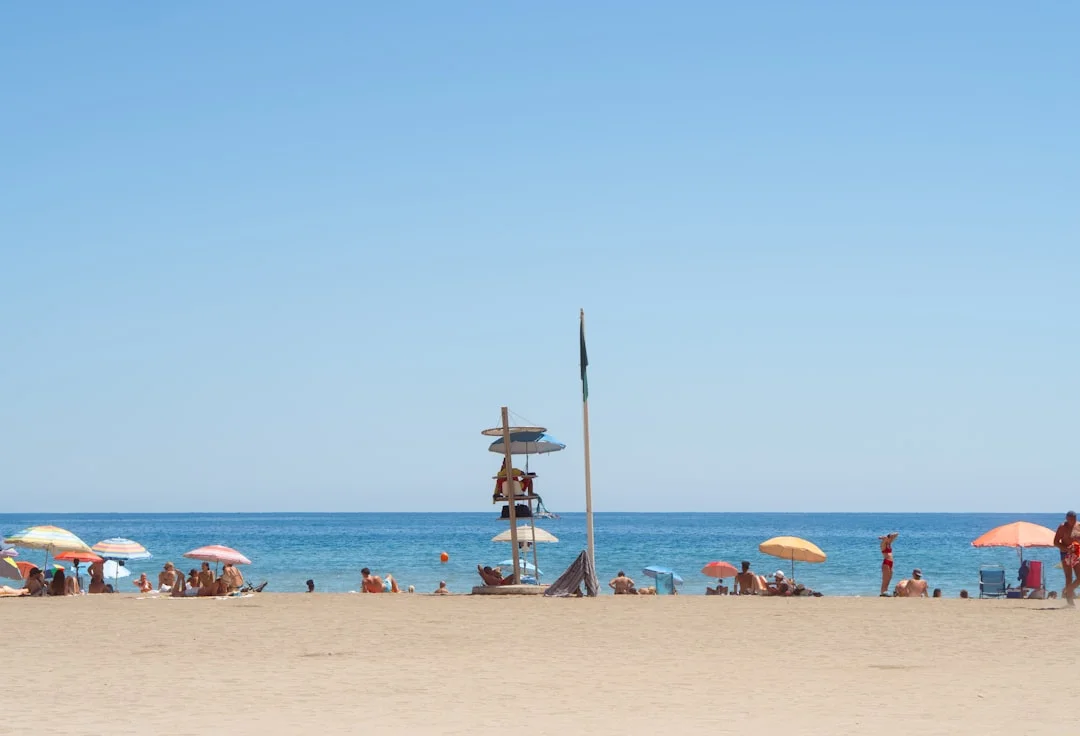
    • Climate Adaptation: The intense summer heat is reshaping daily routines, pushing activities to the late evening and leaving beaches quieter during peak afternoon hours.
    • Alternative Destinations: The search for milder climates has turned northern Spain into a highly competitive rival for summer bookings.

    For the local hospitality industry, this serves as a wake-up call. Relying solely on high-volume summer tourism may no longer be a viable long-term strategy if climate patterns and economic pressures continue on this trajectory.

    What This Means for Residents and Local Businesses

    For expats and long-term residents in Málaga, this shift brings both challenges and minor silver linings. While a slight cooling of domestic demand might ease the overcrowding of popular beaches and restaurants, the underlying economic pressure affects everyone. Local businesses that rely heavily on Spanish visitors during July and August are having to adapt their offerings, introducing more competitive pricing, mid-week promotions, and experiences tailored to cooler hours of the day.

    At the same time, this transition highlights the growing importance of sustainable tourism. Adapting infrastructure to combat extreme heat—such as increasing urban canopy cover, optimizing water usage, and designing shaded public spaces—is becoming an urgent priority for municipalities across the Costa del Sol.

    As we navigate this intensely warm summer of 2026, it is clear that the relationship between travelers and our beautiful coastline is evolving. While the challenges of climate change and economic inflation are undeniable, they also present an opportunity for Málaga to reinvent itself. By focusing on quality, sustainability, and year-round cultural experiences, the Costa del Sol can continue to be a welcoming home and destination for generations to come, balancing the needs of those who visit with the wellbeing of those who stay.
  • Unicaja Recalls Yannick Nzosa to Boost Interior Defense

    Unicaja Recalls Yannick Nzosa to Boost Interior Defense

    A Major Boost for the Green and Purple Paint

    For expats and newcomers discovering the vibrant lifestyle of the Costa del Sol, Málaga offers far more than just sunny beaches and incredible cuisine. The city is also home to one of Spain’s most passionate sporting communities, centered around Unicaja Málaga—one of the heavyweight contenders in the Liga Endesa (ACB) and European basketball, currently generating plenty of excitement with its latest training updates and roster shifts.

    As the club prepares for an ambitious 2026/2027 season, management has made a strategic move to rebuild and fortify their squad. Unicaja has officially recalled 22-year-old, 2.08-meter Congolese center Yannick Nzosa to reinforce their interior game.

    Nzosa, a highly promising talent who originally developed in Unicaja’s youth academy, is returning to the Carpena after spending recent seasons on loan to gain valuable competitive experience. According to reports from Marca, the decision to bring Nzosa back is designed to inject size, athleticism, and defensive intensity directly into the team’s frontcourt.

    Restructuring the Roster for the 2026/2027 Campaign

    The decision to recall the young center comes at a time of significant roster restructuring. Unicaja recently saw the departure of center Aleksander Balcerowski, who moved to Barcelona as a free agent. This departure left a gap in the team’s rotation, making Nzosa’s return both timely and essential.

    As detailed by Cadena SER, Nzosa’s loan spells were crucial for his development, allowing him to log heavy minutes and adapt to the physical demands of top-tier Spanish basketball. Now, with more maturity and refined defensive instincts, he is ready to take on a prominent role under the bright lights of the Palacio de Deportes José María Martín Carpena.

    Local sports analysts are highly optimistic about his return. As highlighted by La Opinión de Málaga, Nzosa’s shot-blocking ability and lateral quickness will give the coaching staff a dynamic defensive anchor, capable of matching up against the league’s most physical offensive threats.

    Why You Should Experience a Unicaja Game

    If you have recently moved to Málaga, attending a Unicaja basketball game is one of the best ways to integrate into the local culture—and a fantastic indoor option to beat the peak summer heat. The atmosphere inside the Martín Carpena arena is electric, family-friendly, and deeply welcoming.

    • The Atmosphere: Unlike the tense environments sometimes found in football stadiums, ACB basketball games in Málaga are celebrated as festive family events.
    • The Community: It is a wonderful place to meet locals, practice your Spanish, and share in the collective pride of the city.
    • The Quality: You will be watching elite European basketball, featuring tactical battles, high-flying dunks, and intense defensive plays from talents like Nzosa.

    With the 2026/2027 season shaping up to be a thrilling journey, keeping an eye on Unicaja’s campaign is highly recommended. Seeing a homegrown talent like Nzosa return to fight for the green and purple colors adds a beautiful chapter to the club’s ongoing story.

    We hope this upcoming season brings endless excitement to the hardwood and further connects our international community with the beating heart of Málaga’s sports culture. Let’s get ready to cheer on the team at the Carpena!

  • New Foundation Aims to Complete Malaga Cathedral

    New Foundation Aims to Complete Malaga Cathedral

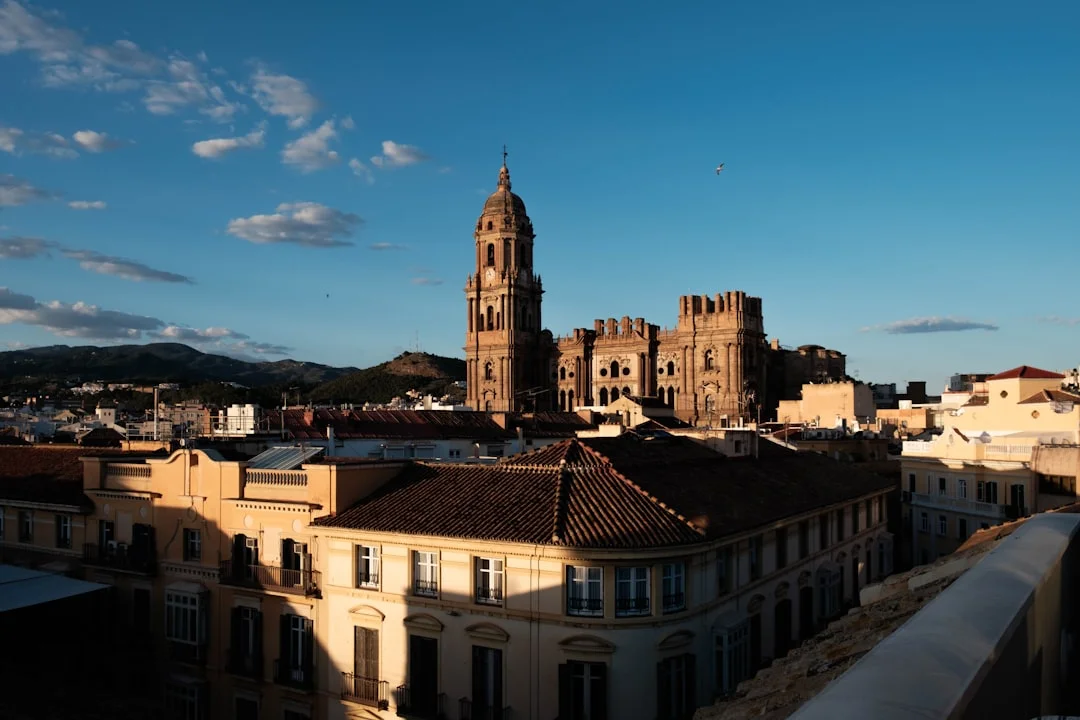
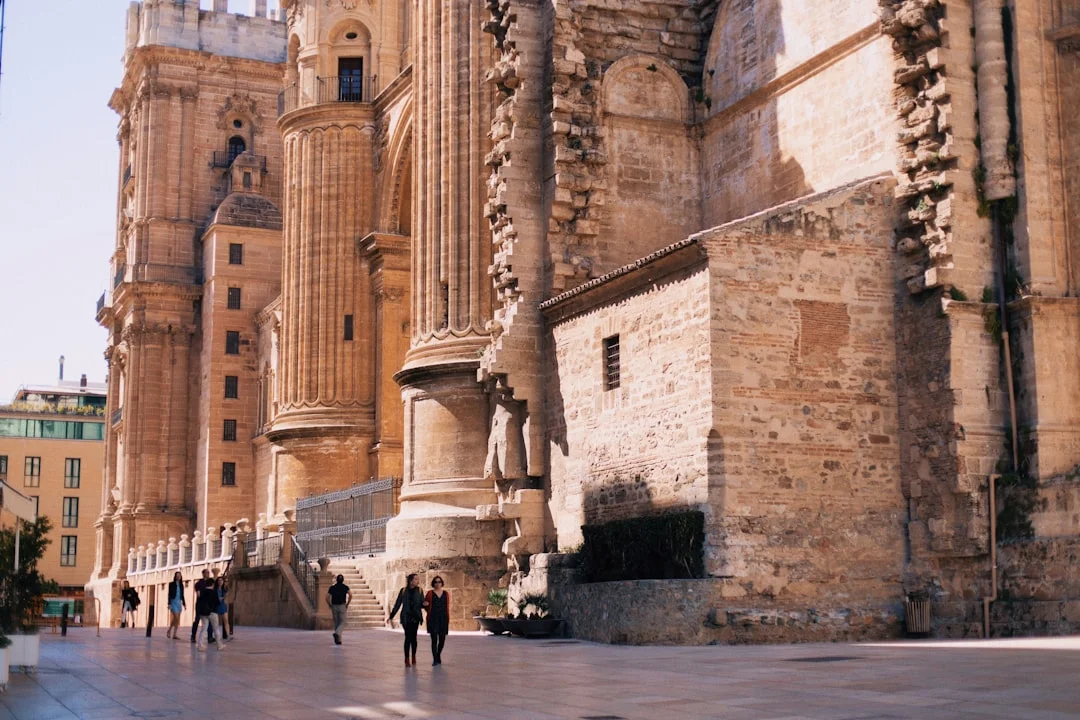
    For nearly six centuries, the skyline of Málaga has been defined by a beautiful, albeit lopsided, silhouette. The Santa Iglesia Catedral Basílica de la Encarnación is famously known as ‘La Manquita’ (The One-Armed Lady) because its south tower was never built.

    However, this historic status quo might be on the verge of a historic shift. As reported by Diario Sur in July 2026, a group of local collectives and civic leaders is organizing to establish a brand-new foundation. Their primary mission? To mobilize civil society, raise the necessary private funds, and finally complete the construction of Málaga’s most famous landmark.

    Here is a look at why the cathedral remains unfinished, what this new movement proposes, and the passionate debate it has sparked among locals and expats alike.

    Why Was Malaga Cathedral Left Unfinished?

    Construction on the cathedral began in 1528 on the site of a former mosque. Over the next two and a half centuries, the building evolved into a magnificent blend of Gothic, Renaissance, and Baroque architectural styles.

    By the late 18th century, work was progressing on the second (south) tower. However, in 1782, construction ground to a halt.

    There are two main explanations for why the money ran out:
    * The Popular Legend: Local lore insists that the budget allocated for the completion of the tower was sent to the United States to help fund the American Revolutionary War against the British.
    * The Historical Reality: Most historians point to a more local cause. The funds were diverted to pay for urgent public works closer to home, specifically the construction of the Camino de Antequera, a vital transport route connecting Málaga to the interior of Andalusia.

    Whatever the exact reason, the work stopped, leaving the south tower as a stump and the main facade incomplete. Over the centuries, what was once a temporary delay became the cathedral’s defining characteristic.

    The 2026 Initiative: A Citizen-Led Push

    For generations, completing the cathedral has been a recurring talking point in Málaga’s political and cultural circles. What makes the current push different is its grassroots, citizen-led approach.

    According to recent reports, the upcoming foundation aims to bypass political gridlock by directly involving the public and the business community. By creating a structured foundation, the organizers hope to:
    1. Raise Private Capital: Attract donations from local businesses, international patrons, and citizens who want to see the original architectural vision realized.
    2. Promote Public Dialogue: Host debates, exhibitions, and educational forums to explain the architectural plans and the benefits of completing the structure.
    3. Collaborate with Authorities: Work alongside the Bishopric of Málaga, the regional government (Junta de Andalucía), and the City Council to ensure any future construction respects the historical integrity of the monument.

    The Great Debate: To Build or Not to Build?

    The proposal has instantly reignited a passionate debate across the city. For many, “La Manquita” is not just a building; it is an identity.

    The Case for Completing It

    Proponents of the project argue that finishing the cathedral is a matter of historical justice and architectural pride. They point out that:
    * The Original Vision: The cathedral was designed to have two towers. Completing it would fulfill the master plan laid out by the Renaissance architects.
    * Structural Protection: Finishing the roof and towers in a cohesive manner could provide better long-term protection against humidity and water damage, which have plagued the cathedral for decades.
    * A Global Statement: Completing a major historic cathedral in the 21st century would put Málaga in the global architectural spotlight, much like the ongoing works at Barcelona’s Sagrada Família.

    The Case for Leaving It Alone

    On the other side of the debate, many residents and heritage purists believe the cathedral should remain exactly as it is:
    * The Identity of “La Manquita”: The unfinished tower is what makes the cathedral unique. Without its missing arm, it would simply be another grand cathedral, losing the quirky charm that locals and tourists love.
    * A Monument to History: The unfinished state is a physical record of Málaga’s 18th-century economic realities and historical shifts.
    * Priorities: Opponents argue that fundraising efforts and public attention would be better spent on preserving Málaga’s existing, deteriorating heritage sites rather than building new structures.

    Visiting Malaga Cathedral Today

    If you are living in or visiting Málaga, the cathedral remains an absolute must-visit. Even in its “one-armed” state, it is a breathtaking monument.

    • The Interior: Inside, you will find soaring ceilings, stunning 17th-century choir stalls carved by Pedro de Mena, and beautiful stained-glass windows.
    • The Roof Tour (Las Cubiertas): For a truly unique perspective, you can book a guided tour of the cathedral’s vaulted brick roofs. Climbing the 200 steps of the northern tower rewards you with some of the finest 360-degree views of the port, the Alcazaba, and the historic center.

    Whether the new foundation succeeds in its ambitious goal or “La Manquita” keeps her famous silhouette forever, the conversation itself shows how deeply the people of Málaga care about protecting the city’s historic heritage. Cities are living things, constantly balancing the weight of their past with the ambitions of their future. As we watch this new chapter unfold, it reminds us that history in Málaga is never truly finished.

  • Málaga Records Biggest Business Boom Since 2006

    Málaga Records Biggest Business Boom Since 2006

    Málaga’s Unprecedented Entrepreneurial Surge

    Málaga has officially solidified its position as the economic powerhouse of southern Spain. According to recent data published by Diario Sur in July 2026, the province has registered its highest rate of business creation since 2006, shattering previous records and establishing a new historic peak for active companies.

    This economic surge highlights a resilient local market where new business creation is significantly outpacing company dissolutions, making Málaga one of Spain’s most attractive hubs for foreign investment, digital nomads, and international entrepreneurs.

    The Numbers Behind the Boom

    The current business expansion is the most significant the province has seen in two decades. Key highlights from the latest economic reports include:

    • Historic Highs: The total number of active, operating businesses in Málaga has reached an all-time high, surpassing pre-pandemic levels and the previous peak of the mid-2000s property boom.
    • Creation vs. Dissolution: While economic uncertainty has impacted other regions, Málaga’s rate of new company registrations continues to comfortably outstrip liquidations.
    • Broad-Based Growth: While the technology sector (centered around Malaga TechPark) continues to draw global headlines, growth is also highly visible in professional services, logistics, real estate and proptech, and high-value tourism.

    This sustained growth confirms that Málaga is no longer just a holiday destination, but a highly competitive European business capital.

    Why Investors and Expats Are Choosing Málaga in 2026

    The influx of capital and talent into the Costa del Sol is driven by a combination of strategic advantages that appeal directly to international professionals and companies:

    1. A Thriving Tech and Innovation Ecosystem

    Málaga has successfully positioned itself as the “Silicon Valley of Southern Spain.” The presence of multinational tech giants, innovative academic research centers, and a highly active startup ecosystem provides a fertile environment for B2B services, software development, and digital innovation.

    2. High Quality of Life and Infrastructure

    For digital nomads and remote teams, Málaga offers an unparalleled lifestyle. The city combines 300 days of sunshine with top-tier international schools, high-speed fiber-optic connectivity, and direct flights to major European and global destinations via Málaga-Costa del Sol Airport.

    3. Favorable Local Policies

    Local and regional administrations have actively worked to reduce bureaucratic red tape for new businesses. Initiatives aimed at attracting foreign direct investment (FDI) and supporting the implementation of Spain’s Startup Law have streamlined the process of setting up a company in the region.

    Key Considerations for Starting a Company in Málaga

    If you are looking to tap into this economic momentum and establish a business in Málaga, keep these essential steps in mind:

    1. Obtain a NIE (Número de Identidad de Extranjero): This is the fundamental identification number required for any legal or financial transaction in Spain.
    2. Choose Your Legal Structure: Most foreign entrepreneurs opt for a Sociedad Limitada (S.L.) due to its limited liability and flexible capital requirements.
    3. Register the Company Name: You must request a certificate of unique name (Certificado de Denominación Social) from the Central Mercantile Registry.
    4. Open a Spanish Bank Account: Deposit the minimum share capital (which can now be as low as €1 under recent business creation reforms).
    5. Secure Local Legal Counsel: Navigating tax obligations and local municipal licensing is significantly smoother with a trusted local gestor or corporate lawyer.

    As we watch Málaga transform from a coastal retreat into a bustling, forward-thinking metropolis, it is hard not to feel optimistic about the region’s future. This record-breaking business boom is a testament to the hard work of local entrepreneurs and the welcoming spirit of a city that continues to reinvent itself. Whether you are launching a startup, moving a remote team, or investing in local projects, there has rarely been a more promising time to build your future here in Málaga.

  • Málaga Hotel Sector Booms with Luxury Openings

    Málaga Hotel Sector Booms with Luxury Openings

    A New Era of Hospitality in the Capital of the Costa del Sol

    Málaga has undergone a profound metamorphosis over the last decade, transitioning from a mere transit hub for beach-bound tourists to one of Europe’s most coveted cultural and technological capitals, fueled by the city’s biggest business boom since 2006. In this summer of 2026, nowhere is this evolution more tangible than in the city’s rapidly transforming hotel sector.

    The days of Málaga lacking premium accommodation options are long gone. Today, the city is experiencing an unprecedented boom in high-end lodging, driven by a sophisticated blend of international luxury brands and meticulously restored local boutique properties.

    The Rise of Ultra-Luxury and Boutique Heritage

    The defining trend of Málaga’s current hotel landscape is the rehabilitation of historic, architectural gems. Developers are no longer building massive, generic complexes; instead, they are looking inward at the historic center’s palatial residences, former convents, and mid-century landmarks.

    These properties are being reimagined as intimate boutique hotels that tell a story. Guests in 2026 are seeking more than just a place to sleep; they demand a sense of place, often discovering the fascinating history and cultural secrets buried within their walls. From hand-painted Andalusian tiles and exposed 18th-century brickwork to minimalist Scandinavian interiors that contrast beautifully with baroque facades, the design language of Málaga’s new hotels is one of curated elegance.

    The Rooftop Revolution: Social Hubs of the City

    One cannot discuss Málaga’s modern hotels without pointing to the sky. The “terraza” culture has become a cornerstone of the local hospitality experience. Almost every major hotel opening in recent years has prioritized its rooftop space, transforming these elevated platforms into vibrant social hubs.

    These rooftops offer panoramic views of the Alcazaba, the cathedral (affectionately known as La Manquita), and the shimmering Mediterranean port. Equipped with infinity pools, lush Mediterranean greenery, and craft cocktail bars, they serve as meeting grounds where international guests and stylish locals mingle under the warm Andalusian sun.

    Sustainability and Conscious Luxury

    As the city adapts to the realities of climate change and shifting travel preferences in 2026, sustainability has moved from a marketing buzzword to a fundamental operational pillar. Málaga’s newest hotels are leading the charge with innovative eco-friendly practices.

    From geothermal heating systems and plastic-free environments to partnerships with local organic farms in the Guadalhorce Valley, the focus is on reducing the ecological footprint while enhancing the guest experience. This commitment to “slow luxury” resonates deeply with the modern traveler who values environmental stewardship as much as comfort.

    As we watch Málaga grow and welcome the world, there is a quiet hope that this hospitality boom continues to respect the soul of the city. Balancing growth with local life is key, especially as the city implements new regulations, such as the recent moratorium on new tourist rentals and hotels on residential land. The most successful hotels are those that act as bridges to the local community, celebrating Malagueño heritage while offering a sophisticated window to the future. We look forward to seeing how these beautiful spaces continue to shape the vibrant tapestry of our beloved city.

  • Juanjo Fuentes Exhibition: Free Art in Málaga Center

    Juanjo Fuentes Exhibition: Free Art in Málaga Center

    If you are looking for excellent free things to do in Malaga in July 2026, perhaps while visiting the city as the Málaga hotel sector booms with luxury openings, there is a brand-new cultural escape waiting for you right in the heart of the city. The Salas Mingorance, located within the Municipal Archive (Archivo Municipal), is currently hosting a brilliant solo exhibition by the renowned artist Juanjo Fuentes.

    This free exhibition offers a refreshing, air-conditioned sanctuary from the midday heat while showcasing a stunning dialogue between traditional craftsmanship and contemporary digital art.

    The Fusion of Porcelain and Digital Collage

    Juanjo Fuentes is celebrated for his bold aesthetic, and this latest showcase does not disappoint. The exhibition seamlessly blends two seemingly opposite mediums: delicate, classical porcelain pieces and vibrant, cutting-edge digital collages.

    According to a feature by La Opinión de Málaga, the collection invites viewers into a colorful, surreal world where historical iconography meets modern pop culture. The meticulous detail in the porcelain figures contrasts beautifully with the layered, thought-provoking narratives of the digital collages lining the walls. It is an exhibition that feels both nostalgic and intensely forward-looking.

    Why It’s the Perfect Midday Escape

    During the peak of summer, exploring Malaga’s outdoor sights between 12:00 and 17:00 can be exhausting. Taking a break inside one of the city’s air-conditioned museums and galleries is a favorite local secret.

    • Cool Environment: The Salas Mingorance are fully air-conditioned, making it an ideal spot to lower your body temperature while enjoying high-quality local art.
    • Central Location: Situated right on the Alameda Principal, it is just a short walk from Calle Larios, the port, and the main historic monuments.
    • Quick & Inspiring: You can easily enjoy the entire collection in 30 to 45 minutes, making it a perfect addition to a day of sightseeing or shopping.

    Practical Information & Opening Hours

    Planning your visit is straightforward. The exhibition is entirely free to enter and will remain open to the public until September 27, 2026.

    Salas Mingorance Malaga Opening Hours:

    • Monday to Friday: 10:00 to 13:00 and 18:00 to 21:00
    • Saturdays, Sundays, and Holidays: 10:00 to 13:00
    • Address: Archivo Municipal de Málaga, Alameda Principal, 23, 29001 Málaga
    • Admission: Free

    Whether you are a long-time resident looking for fresh local talent or a traveler seeking a quiet, inspiring moment away from the crowds, Juanjo Fuentes’ exhibition is highly recommended. It is a vivid reminder of Malaga’s thriving, accessible contemporary art scene.

    We hope this quiet corner of the Alameda brings you as much inspiration and cool relief as it does to us. There is always something beautiful waiting to be discovered just behind the heavy stone doors of our city’s historic archives.

  • Malaga Weather: Polar Air Mass Spares Costa del Sol

    Malaga Weather: Polar Air Mass Spares Costa del Sol

    A Summer Reprieve on the Costa del Sol

    As July 2026 draws to a close, a highly unusual meteorological event has taken mainland Spain by surprise. A sweeping polar air mass is moving across the Iberian Peninsula, bringing a sudden, unseasonal drop in temperatures, brisk winds, and rain to northern and central regions. For travelers and expats who have flocked to the south for the classic Spanish summer—especially those already aware of how heatwaves and inflation are dampening Costa del Sol tourism—this news might initially spark concern.

    However, Malaga and the wider Costa del Sol remain blissfully insulated. Coming closely on the heels of a period where extreme heatwaves and terral winds subsided, the Malaga coastline continues to bask in its signature golden warmth while the rest of the country prepares for a temporary autumn-like chill.

    Malaga’s Microclimate: The Natural Shield

    The secret behind Malaga’s resistance to these sudden cold snaps lies in its extraordinary geography. Nestled between a dramatic mountain barrier—the Serranía de Ronda and the Sierra de Mijas—and the gentle expanse of the Mediterranean Sea, the city benefits from a unique microclimate.

    These mountains act as a physical shield, blocking the cold northern winds from descending onto the coast. At the same time, the Mediterranean Sea acts as a massive thermal regulator, absorbing heat during the day and radiating it gently, keeping coastal temperatures remarkably stable.

    According to meteorological reports analyzed by Diario Sur, while inland Spain feels the sharp bite of this polar front, Malaga’s local temperatures are projected to comfortably remain between 24ºC and 25ºC, with daytime highs reaching even warmer peaks under clear skies.

    Where Else is the Summer Saved?

    Malaga is not alone in its sunny defiance. The protective influence of the Mediterranean coast extends to several other southern and eastern maritime cities. If you are traveling along the coast, you can expect stable, warm summer conditions to persist in:

    • Almería: Benefiting from its desert-adjacent climate and coastal protection.
    • Alicante: Maintaining its classic Costa Blanca warmth.
    • Murcia: Shielded by surrounding topography, keeping the cold at bay.

    For anyone currently holidaying or living in these areas, the message is clear: there is absolutely no need to pack away your swimwear or cancel your outdoor plans.

    Business as Usual on the Coast

    For local businesses, beach clubs, and chiringuitos, the preservation of Malaga’s warm weather is welcome news. Late July is prime holiday season, and the promise of uninterrupted sunshine means that the vibrant outdoor lifestyle of the province continues without a pause. Visitors can still enjoy fresh espetos (sardine skewers) by the shore, swim in the temperate sea, and dine under the stars without needing heavy winter layers.

    While the northern provinces navigate this unexpected meteorological twist, the Costa del Sol stands firm as a sanctuary of light and warmth. It is a gentle reminder of why this corner of Andalusia remains one of Europe’s most beloved coastal escapes, year after year.

    We hope this brings peace of mind to everyone currently enjoying or planning a trip to our beautiful coast. Nature has a beautiful way of protecting this little pocket of the world, and we hope you get to spend these coming days soaking up the sun, feeling the sea breeze, and enjoying the timeless warmth of Malaga.

  • Málaga and UMA Partner to Protect City Heritage

    Málaga and UMA Partner to Protect City Heritage

    As Málaga continues its rapid evolution into a global tech and tourism hub, favored by an enviable climate where even extreme polar air masses spare the Costa del Sol, a pressing question hangs over its cobblestone streets: how do we preserve the city’s authentic soul?

    While high-tech offices, modern holiday rentals, and ambitious new developments like the recently approved 29-story Zaha Hadid El Bulto tower reshape the urban landscape, a vital rescue mission is quietly underway. This month, local institutions and historic family-run businesses are stepping up to ensure that Málaga’s unique heritage isn’t lost to gentrification.

    A New Alliance for Málaga’s Historic Heritage

    In a significant step toward safeguarding the city’s identity, the Málaga City Council (via its Gerencia de Urbanismo) and the University of Málaga (UMA) signed a formal collaboration agreement on July 23, 2026. As reported by Europa Press, this partnership establishes a dedicated framework for research, documentation, and the strategic protection of the city’s historical assets.

    Rather than viewing heritage as static museum pieces, the alliance aims to integrate historical preservation into modern urban planning, especially as new developments like the Zaha Hadid luxury tower reshape the city’s skyline. Academic experts and city officials will work hand-in-hand to identify vulnerable structures, document local history, and create policies that keep Málaga’s architectural and cultural legacy intact for future generations.

    The Living Heritage: Traditional Eateries Under Pressure

    While protecting buildings is crucial, the true heartbeat of Málaga lies in its living heritage—the traditional, family-run establishments that have fed neighborhoods for decades. In the city center, these authentic spaces are facing unprecedented pressure from rising rents and changing consumer habits, leading to a shifting culinary landscape where iconic spots are constantly reinvented, as seen with the new restaurant taking over the former La Alvaroteca venue.

    Classic spots serve as vital social anchors. A prime example of this resistance is the story of traditional venues like those profiled by Málaga Hoy. Consider the legacy of the historic restaurant in the city center founded back in 1971 by former Málaga CF player José Portalés. For over half a century, places like this have served as community living rooms, offering affordable, home-cooked Andalusian classics to locals, workers, and curious travelers alike.

    These eateries are more than just business ventures; they are repositories of local memory. When a historic tavern closes to make way for a generic franchise, the city loses a piece of its oral history, its culinary traditions, and its neighborhood cohesion.

    How to Experience and Support Authentic Málaga

    For visitors and residents who want to help keep Málaga’s soul alive, the solution is simple: vote with your wallet. Supporting authentic local spots is the most effective way to ensure they survive.

    • Step off the Main Drags: Skip the global fast-food chains and seek out the narrow side streets of the historic center. Look for places with hand-written menu boards and bustling local crowds.
    • Order the Classics: Try traditional Malagueño dishes like ensaladilla rusa, boquerones fritos, porra antequerana, or a simple, perfectly poured caña of Victoria beer.
    • Value the Experience: Accept that traditional service might be loud, fast-paced, and entirely in Spanish. Embrace the lively atmosphere—it is a core part of the local dining culture.

    Looking Forward

    As Málaga navigates its golden era of growth, finding a balance between progress and preservation is the defining challenge of our time. The new partnership between the city and the university is a hopeful sign that institutional protection is catching up to the community’s needs. Ultimately, however, the survival of Málaga’s unique character relies on the choices we make every day at the dinner table.

    We hope that as the city grows, we can continue to share a table in the very places that made us fall in love with Málaga in the first place. Let us cherish and protect these corners of warmth and history.

  • Where to Eat Traditional Food in Malaga Center

    Where to Eat Traditional Food in Malaga Center

    As Malaga continues to grow as a global hub for tourism and remote work, drawing newcomers who must first navigate the correct NIE and Padrón paperwork order, the historic center has seen a rapid rise in international franchises, trendy brunch spots, and minimalist cafes. Yet, tucked away between the crowded, thoroughly modernized streets, a handful of traditional culinary bastions still stand. These are the places where the recipes remain unchanged, the service is warm and unpretentious, and the soul of Malaga is served on a plate.

    For travelers and newly arrived residents seeking the real Malaga, finding these spots is more than just a culinary quest—it is a way to support the local community and preserve the city’s living history.

    The Legacy of Mesón Portalés: A 55-Year-Old Institution

    One of the finest examples of this local resistance is Mesón Portalés. Founded in 1971 by José Portalés Úbeda, a former professional football player for Málaga CF, this establishment has been a cornerstone of the local dining scene for generations.

    About a decade after its opening, the restaurant passed into the hands of the Ramos family. Rather than chasing modern culinary trends, they made a conscious decision to preserve the authentic flavors of Malaga’s traditional home cooking. Located right in the heart of the historic center, stepping into Mesón Portalés feels like stepping back in time.

    Here, you won’t find avocado toasts or truffle-infused foam. Instead, the kitchen specializes in robust, comforting classics:
    * Albóndigas en salsa de almendras: Tender meatballs simmered in a rich, traditional almond sauce.
    * Plato de los Montes: A hearty mountain dish featuring chorizo, pork loin (lomo en manteca), fried potatoes, and a fried egg.
    * Ajoblanco: The classic cold almond and garlic soup, served with sweet Malaga grapes.

    According to a feature on local heritage dining by Málaga Hoy, places like Mesón Portalés are vital to maintaining the cultural identity of the city center amidst rapid gentrification.

    Other Traditional Temples You Cannot Miss

    If you want to experience the authentic tapas culture of Malaga, add these historic spots to your list:

    1. Antigua Casa de Guardia (Founded in 1840)

    As Malaga’s oldest tavern, this legendary spot on the Alameda Principal is a must-visit. There are no chairs; customers lean against the long wooden bar while bartenders pour local sweet wines directly from massive wooden barrels. Your tab is still written in chalk directly on the counter. Pair a glass of Seco Trastras or Pedro Ximénez with a simple plate of local mussels or peel-and-eat prawns.

    2. Cortijo de Pepe (Founded in 1971)

    Located near Plaza de la Merced, Cortijo de Pepe offers a rustic, tavern-like atmosphere. The ground floor features a bustling bar where you can enjoy traditional tapas like pimientos de Padrón, grilled octopus, and skewered meats (pinchitos). If you prefer a sit-down meal, the upstairs dining room offers a cozy retreat with a menu dominated by wood-fired meats and classic stews.

    3. La Campana

    If you are craving traditional Malaga-style fried fish in the center, La Campana is the place to go. It is loud, crowded, and incredibly charming. Order a cold beer or a glass of local white wine alongside a plate of crispy boquerones (anchovies), calamares, or adobo (marinated fish).

    How to Spot an Authentic Malaga Tapas Bar

    With so many venues designed to look “traditional” for tourists, it can be hard to separate the authentic from the imitation. Keep these practical tips in mind:
    * The Menu: Authentic spots usually have simple, printed menus (often only in Spanish) or handwritten blackboards. If there are glossy photos of the food next to every item, proceed with caution.
    * The Crowds: Look for bars where the patrons are speaking Spanish, especially older locals who have been coming to the same spot for decades.
    * The Setup: Traditional bars often feature metal counters, barrels used as tables, and a fast-paced, no-nonsense service style where the waiters memorize your order without writing it down.

    Preserving the Soul of the City

    Every time we choose a family-run tavern over a global fast-food chain, we help keep Malaga’s unique identity alive. These traditional kitchens do more than just feed us; they connect us to the families, history, and flavors that made Malaga the warm, welcoming city we fell in love with in the first place. We hope that as the city continues to evolve, these culinary sanctuaries remain firmly rooted, serving up comfort and tradition for decades to come.

  • Malaga Heatwave Ends: Terral Wind and Alerts Subside

    Malaga Heatwave Ends: Terral Wind and Alerts Subside

    A Welcome Break from the Summer Heat

    For anyone who has spent the last few days in Malaga, the atmosphere has been nothing short of oppressive. A combination of the scorching ‘terral’ wind, a dense blanket of Saharan dust (calima), and relentless high temperatures had residents and tourists alike seeking refuge in air-conditioned spaces.

    Fortunately, relief has arrived. The State Meteorological Agency (Aemet) has officially deactivated the yellow weather alerts for the province, signaling an end to this particularly intense July 2026 heatwave.

    What Made This Heatwave So Intense?

    Malaga summers are notoriously warm, but two distinct meteorological phenomena made the past week exceptionally difficult to handle:

    1. The Terral Wind: This is a local land wind that blows from the interior of the peninsula towards the coast. As the air descends from the surrounding mountains, it compresses and heats up rapidly, acting like a giant hair dryer blowing across the city.
    2. The Calima: This phenomenon occurs when strong winds over the Sahara Desert kick up fine dust particles, carrying them across the Mediterranean. It creates a hazy, orange-tinted sky, reduces visibility, and leaves a thin layer of dust on everything.

    During the peak of this meteorological episode, the heat reached stifling levels. According to official meteorological data, temperatures soared to a blistering 38.1°C in Vélez-Málaga, while Malaga city and the wider Guadalhorce Valley also experienced near-record highs.

    Returning to Normal Summer Temperatures

    As reported by La Opinión de Málaga on July 25, 2026, the intense heatwave is officially drawing to a close. Weather experts confirm that the atmospheric pressure is shifting, allowing cooler maritime breezes to replace the hot terral currents.

    Over the coming days, temperatures across the Costa del Sol are expected to stabilize around the traditional summer average of 30°C to 32°C. While still warm, this drop of several degrees—combined with the clearing of the dusty calima—will make outdoor activities, beach trips, and evening strolls infinitely more comfortable.

    What to Expect in the Coming Days:

    • Clearer Skies: The suspended dust is dispersing, bringing back Malaga’s signature deep blue skies.
    • Cooler Nights: Minimum nighttime temperatures will drop back into a more comfortable range, making it easier to sleep without running the air conditioning constantly.
    • Gentler Sea Breezes: The return of the virazón (sea breeze) will help cool down the coastal areas naturally.

    Making the Most of the Cooler Weather

    With the yellow alerts lifted, it is the perfect time to step back outside and enjoy everything Malaga has to offer. Whether you are a local resident or visiting the Costa del Sol on vacation, here are a few ways to celebrate the return of normal summer weather:

    • Visit the Beaches: The sea temperature may actually feel slightly cooler and more refreshing now that the hot winds have subsided.
    • Al Fresco Dining: Enjoy an evening meal on a terrace or try some fresh espetos (sardine skewers) at a local chiringuito without the stifling heat.
    • Explore the Historic Center: Take a stroll up to the Gibralfaro Castle or wander through the Alcazaba in the late afternoon, a task that was nearly impossible during the peak of the terral.

    A Breath of Fresh Air

    Living on the Costa del Sol means embracing the sunshine, but it also means respecting the power of the local microclimates. As the dust settles and the cool sea breeze returns to our streets, there is a shared sense of gratitude across the city. We can finally open our windows, breathe in the fresh Mediterranean air, and look forward to enjoying the rest of this beautiful summer at a much more comfortable pace.