Tag: lang:en

  • Udon Opens New Restaurant in Vialia Málaga

    Udon Opens New Restaurant in Vialia Málaga

    Málaga’s culinary landscape continues to diversify, especially for those transit travelers, expats, and locals passing through the city’s main transport hub. Joining the ranks of the hottest dining spots on the Costa del Sol, Udon Asian Food has officially opened its doors inside the busy Vialia Málaga shopping center, located right next to the María Zambrano train station.

    This new opening marks a significant step for the noodle chain, representing its second establishment in Málaga capital and its seventh across the Andalusia region. According to reports by La Opinión de Málaga, the venue boasts a modern aesthetic designed to offer a comfortable, quick, and high-quality dining experience.

    Modern Design and Ample Seating

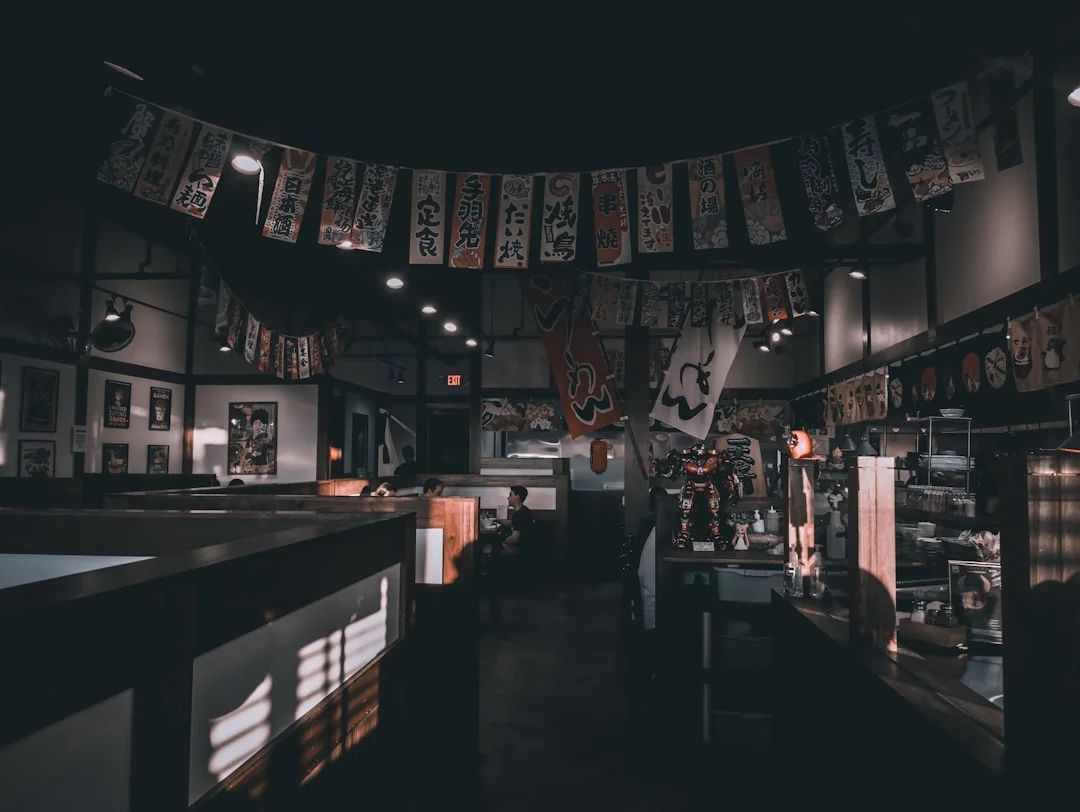
    For those searching for the best restaurants in Vialia Málaga María Zambrano, this new spot offers a great balance of speed and quality. The restaurant covers 240 square meters and has been designed with Udon’s latest sleek, warm, and sustainable interior concept, aligning with the city’s broader tourism boom as Málaga fights its five-star deficit with new luxury hotels.

    Key features of the new venue include:
    * Capacity for 110 diners, making it easy to find a table even during peak travel hours, adding to the culinary appeal of a city that recently saw seven Málaga restaurants named among Spain’s top 100 under €100.
    * Strategic location inside the Vialia shopping complex, perfect for a quick bite before boarding an AVE train or after arriving in the city.
    * Sleek, minimalist design featuring natural wood and warm lighting to create a relaxing oasis amid the hustle and bustle of the station.

    What is on the Menu?

    Udon has built its reputation on health-conscious, Asian-inspired dishes, specializing in traditional Japanese noodles (udon and soba) alongside a variety of tapas, ramen, and rice dishes. As detailed by Revista Centros Comerciales, the chain focuses on using quality ingredients, sustainable sourcing, and offering plenty of options for vegetarians and vegans.

    Whether you are looking for a comforting bowl of hot ramen on a rainy day, a fresh plate of chicken gyoza, or a quick teriyaki chicken rice bowl before your journey, the menu is built to serve diners efficiently without compromising on fresh flavor.

    A Welcome Addition to María Zambrano

    Having quality sit-down options at the train station is a massive plus for anyone living in or visiting Málaga. Vialia has steadily improved its food court and restaurant offerings over the years, and Udon’s arrival adds a reliable, healthy Asian-dining option that was previously missing from the immediate station area. This opening comes amid a broader culinary boom in the city, which also features trendy new coastal openings like Fomo in Pedregalejo.

    Next time you find yourself with an hour to spare before your train, or if you are simply looking for a hassle-free lunch with easy parking in the area, this new spot is well worth a visit.

    We hope this new opening makes your journeys through Málaga just a little bit tastier. Safe travels, and enjoy your noodles!

  • Malaga Economy 2026: GDP to Lead Andalusian Growth

    Malaga Economy 2026: GDP to Lead Andalusian Growth

    Malaga’s Economic Landscape in 2026

    For foreign investors, expats, and business owners who have chosen the Costa del Sol as their base, Malaga’s economic narrative in 2026 is one of maturity and resilience. After several years of explosive post-pandemic recovery, the local economy is entering a phase of healthy moderation. However, even as the pace of growth stabilizes, Malaga continues to outpace both the regional and national averages, solidifying its position as the undisputed economic engine of Andalusia—a dynamism that extends to its vibrant cultural and sports scene, where we see Unicaja basketball stars shining in the FIBA Windows.

    This shift from rapid acceleration to steady, sustainable growth presents a highly favorable environment for long-term planning, corporate investment, and talent acquisition.

    Unicaja’s GDP Forecast: A Sustainable 2.4% Growth

    According to the latest macroeconomic analysis released by Unicaja’s research department in late June 2026, Malaga’s GDP is projected to grow by 2.4% for the year 2026.

    While this figure represents a slight deceleration compared to the bumper growth rates of previous years, it remains remarkably strong in the current European economic climate. More importantly, as reported by La Opinión de Málaga, Malaga is set to lead economic growth across the entire Andalusian region.

    Why 2.4% Growth is Good News for Businesses

    • Inflation Control: Moderating growth typically aligns with more predictable operating costs and stabilized consumer pricing.
    • Labor Market Stability: Rather than the erratic hiring spikes of previous years, the current job market is focusing on high-quality, long-term employment.
    • Sustainable Real Estate: A steadier economic pace helps prevent aggressive market overheating, allowing for more calculated commercial and residential real estate investments.

    Marca Málaga IX: Talent and Innovation as Economic Pillars

    The ongoing strength of the province is not merely a result of its tourism sector. The diversification of Malaga’s economy into technology, innovation, and professional services has created a highly resilient ecosystem.

    This structural strength was a central theme at the recent ‘Marca Málaga IX’ forum held on June 25, 2026. As detailed in the coverage of the Marca Málaga forum, business leaders and policymakers gathered to discuss how Málaga solidifies its status as a premier economic hub and its unique capacity to attract international talent and capital.

    Key takeaways from the forum highlight why Malaga remains a magnet for global professionals:

    1. The “Quality of Life” Premium: Malaga successfully leverages its climate and infrastructure to attract high-earning remote workers and executive talent, which in turn boosts local consumption and high-end services.
    2. Public-Private Collaboration: The local government and private sector continue to work hand-in-hand to streamline bureaucracy for foreign businesses setting up operations in Málaga TechPark and the city center.
    3. Educational and Tech Hubs: Ongoing investments in bilingual education, international schools, and specialized tech academies ensure a steady pipeline of skilled workers ready for multinational companies.

    What This Means for Foreign Investors and Expats

    If you are running a business, managing a startup, or looking to invest capital in Malaga in 2026, this period of economic moderation should be viewed as an opportunity to consolidate and scale.

    Commercial Real Estate & Office Space

    With major multinationals continuing to establish European hubs here, demand for high-quality office spaces remains strong. The moderation in GDP growth suggests that while prices will remain firm, the frantic bidding wars of the past few years are giving way to more structured, negotiable lease and purchase terms.

    Talent Acquisition

    The inflow of international professionals, combined with local graduates, means the talent pool is richer than ever. Businesses looking to hire bilingual staff in fields like software development, digital marketing, and financial services will find a highly motivated workforce eager to build long-term careers in the south of Spain.

    Consumer Spending

    While local households are managing their budgets carefully in line with broader European trends, the steady influx of affluent expats and high-spending tourists ensures that premium retail, gastronomy, and leisure sectors continue to thrive.

    Looking Ahead

    Malaga’s transition in 2026 is a natural step in its evolution from a top-tier holiday destination into a sophisticated, year-round European business capital. By leading Andalusian growth even during a period of macroeconomic stabilization, the province proves that its appeal is built on solid structural foundations rather than temporary trends.

    As we navigate the second half of 2026, Malaga offers a rare combination of Mediterranean lifestyle and robust economic fundamentals. It remains one of the most exciting and secure places in Europe to live, work, and grow a business.

  • Malaga Ibis Hotel to Be Demolished After Persistent Fire

    Malaga Ibis Hotel to Be Demolished After Persistent Fire

    A Month of Smoldering Ruins

    The fire that broke out in late May 2026 at the Ibis Hotel, located in the heart of Malaga—a city currently in the spotlight as Malaga’s 2026 GDP is set to lead Andalusian growth—has turned into one of the most unusual firefighting challenges the city has faced in recent years. More than four weeks after the initial blaze was brought under control, firefighters are still actively deployed to the site.

    As detailed in local reports by ABC de Andalucía, recurring flare-ups deep within the building’s structural layers have kept emergency crews on constant alert. The combination of highly insulating modern building materials, collapsed internal ceilings, and trapped pockets of intense heat has created an incredibly persistent hazard.

    Mayor Confirms Demolition

    Faced with a building that is structurally compromised and a fire that refuses to be fully extinguished, Malaga’s Mayor, Francisco de la Torre, has officially confirmed that the building will be demolished, even as the city moves forward with major new architectural developments like the Zaha Hadid Tower in El Bulto.

    The decision comes after rigorous assessments by municipal technicians and structural engineers. Allowing the building to stand is no longer a viable option due to several critical factors:

    • Structural instability: The prolonged exposure to extreme heat has weakened the concrete and steel framework beyond repair.
    • Public safety risks: The threat of partial collapses onto the surrounding public roads remains high, keeping the immediate perimeter restricted.
    • Ongoing hazard: The difficulty of fully extinguishing the subterranean and wall-cavity smoldering while the structure remains standing makes physical dismantling necessary.

    A New Vision for Malaga’s Guadalmedina Axis

    While the loss of the hotel is a disruptive event for the local tourism sector, the demolition opens up a highly coveted plot of land in prime central Malaga. Located right near the Guadalmedina riverbed, this site is poised to become the canvas for a brand-new urban development.

    The mayor’s office has hinted that this clean slate will allow the city to integrate the plot into broader plans for the revitalization of the Guadalmedina area. Locals and property watchers are already speculating on whether the site will host a new state-of-the-art hotel, a mixed-use commercial space, or public green areas that align with Malaga’s ongoing green transition.

    Impact on the Neighborhood

    For residents and local business owners in the immediate vicinity, the demolition cannot come soon enough. The area has suffered from temporary street closures, ongoing smoke odor, and the constant presence of emergency vehicles.

    The upcoming demolition process will require careful planning to minimize disruption in an already congested part of the city. Traffic diversions and dust mitigation protocols will be essential as crews work to safely dismantle the multi-story structure.

    As Malaga continues its rapid evolution into a top-tier European hub, moments like these remind us of the resilience required to manage urban growth. While it is difficult to watch a familiar piece of the city skyline disappear under such circumstances, the coming transformation offers a chance to rebuild smarter, safer, and more beautifully. We look forward to seeing how this central space will be reimagined to serve the community in the years to come.

  • Costa del Sol’s Hottest Summer 2026 Restaurants

    Costa del Sol’s Hottest Summer 2026 Restaurants

    Summer 2026 has arrived, and with it, a wave of exciting culinary openings that are transforming the dining scene along the coast. Alongside the buzz surrounding Málaga’s hottest beach club openings, the Costa del Sol continues to solidify its reputation as Spain’s premier culinary playground.

    Whether you are a local resident keeping up with news like the demolition of the Malaga Ibis Hotel after a persistent fire, or visiting the coast for your summer holidays, these three new dining destinations in Fuengirola and Marbella deserve a prime spot on your seasonal itinerary.

    Sakanaya: High-End Sushi Meets Live-Coal Cooking in Fuengirola

    Fuengirola’s dining scene has taken a sophisticated leap forward with the opening of Sakanaya. This fresh concept daringly bridges the gap between traditional Japanese precision and the rustic warmth of Mediterranean live-coal cooking (cocina a las brasas), making it a stellar new addition for those exploring the Malaga sushi route.

    As reported by ABC Gurme, Sakanaya brings a unique sensory experience to the town. Instead of relying solely on cold raw fish, the kitchen integrates high-heat embers to gently sear, smoke, and elevate premium cuts of seafood and meat.

    • The Vibe: Sleek, intimate, and modern—perfect for a date night or a refined dinner with friends.
    • What to Order: Look out for their signature seared nigiris, which carry the unmistakable aroma of high-quality charcoal, alongside their exquisitely presented sashimi platters.

    Saltao: Peruvian-Mediterranean Fusion at El Lago Club Marbella

    Over in Marbella, the renowned hospitality group Azotea Grupo has unveiled its latest culinary venture, Saltao, located at the exclusive El Lago Club, Marbella’s new luxury sports hub in Greenlife Golf.

    According to Andalucía Económica, Saltao brings a vibrant menu deeply rooted in Peruvian gastronomy, playfully combined with local Mediterranean ingredients. It is a match made in heaven: the bright, citrusy acidity of Peruvian cebiches and tiraditos paired with the freshest catch from the Andalusian coast.

    Set against the tranquil backdrop of El Lago’s lush lake and golf course, Saltao offers a relaxed yet upscale atmosphere. It is an ideal spot for long summer lunches that seamlessly stretch into sunset cocktails.

    The Return of ‘Noches de Hayaca’ at Amàre Beach Marbella

    For those seeking a rooftop dining experience with a creative pedigree, the beloved summer pop-up Noches de Hayaca has officially returned to the rooftop of the Amàre Beach Hotel Marbella for the 2026 season.

    Led by the Michelin-starred chef Mauricio Giovanini, this seasonal culinary pop-up is a vibrant tribute to Latin American street food and home cooking, reimagined through a contemporary lens. As highlighted by Andalucía Económica, the menu showcases bold, tropical flavors, inventive cocktails, and stunning panoramic views of the Mediterranean Sea.

    It is more than just a dinner; the upbeat music, colorful presentation, and sea breeze make it one of the most festive and sensory-rich dining experiences in Marbella this summer.

    There is something incredibly special about the way the Costa del Sol comes alive when the sun goes down. Sharing a meal under the stars, tasting the creative efforts of passionate chefs, and enjoying the company of friends is what summer is truly about. We hope you find time to slow down, pull up a chair, and savor these wonderful new flavors of Malaga.

  • Terral Wind in Málaga: How to Survive the Summer Heat

    Terral Wind in Málaga: How to Survive the Summer Heat

    If you have recently moved to Málaga or are spending your first summer on the Costa del Sol, you might have heard locals talking about a mysterious, dramatic weather event called the Terral. This unique meteorological phenomenon can turn a pleasant summer day into what feels like standing directly in front of an open oven.

    Following a dusty spell of calima (Sahara dust), Málaga recently transitioned into a sharp terral event on Thursday, June 25, and Friday, June 26, 2026. With coastal temperatures spiking up to 35°C and morning temperatures in the capital starting above 24°C before the wind even fully arrived, understanding this wind is essential for anyone living or traveling here, especially when seeking a cool indoor escape at some of the Costa del Sol’s hottest restaurants this summer.

    Here is everything you need to know about Málaga’s most famous wind, how it changes the coastline, and how you can comfortably survive it.

    What Exactly is the Terral Wind?

    The terral is a land wind (primarily a warm poniente, or westerly wind) that originates inland. As this air mass travels toward the Mediterranean, it is forced to descend through the mountains surrounding the Guadalhorce Valley and Málaga city.

    As the air drops in altitude, it undergoes adiabatic compression—meaning it compresses and heats up rapidly while losing almost all of its moisture. By the time it reaches the coast, it is an incredibly dry, hot breeze that acts like a giant hair dryer.

    According to the local weather analysis on Tormentas y Rayos, this specific setup drastically alters the coastal microclimate within a matter of minutes, replacing the humid sea breeze with a scorching inland draft.

    The Two Sides of the Terral: ‘Cara y Cruz’

    As detailed by Diario Sur, the terral is famous for having two very distinct faces—a blessing and a curse.

    The Blessing (La Cara)

    • Zero Humidity: Málaga’s typical summer heat is highly humid, making you feel sticky and sweaty. The terral completely dries out the air. Your laundry will dry in minutes, and the air feels crisp rather than heavy.
    • Ice-Cold Sea Water: This is the most surprising effect for newcomers. You would expect a heatwave to warm up the sea, but the terral does the exact opposite. The strong offshore wind blows the warm surface water out to sea, forcing the icy, deep-sea water to rise to the shore (a process known as upwelling). Swimming during a terral day is incredibly refreshing—if you can brave the sudden drop in water temperature!

    The Curse (La Cruz)

    • Intense Heat: Temperatures quickly jump to 35°C or even 40°C in the city center and the Guadalhorce valley.
    • Sleepless Nights: Because the wind prevents the sea from cooling the land at night, temperatures can remain exceptionally high after dark.

    Practical Tips to Survive a Terral Day

    Living through your first terral can be intimidating, but locals have perfected the art of managing it over generations. Alongside staying updated on the general Málaga weather and heat trends, here are the golden rules to keep in mind:

    1. Seal Your Home Early
      Do not leave your windows open hoping for a breeze. The air outside is hotter than the air inside. Keep your windows, blinds, and shutters completely closed from early morning until the wind subsides in the evening. This traps the cooler nighttime air inside.

    2. Hydrate Constantly
      Because the air is incredibly dry, your sweat evaporates instantly. You might not realize how much moisture you are losing. Drink plenty of water and avoid heavy, salty meals.

    3. Be Smart About the Beach
      If you head to the beach to escape the heat, be prepared for a thermal shock. The water will be freezing cold, and the wind can blow sand and umbrellas around. Keep a close eye on your belongings and secure your beach umbrella tightly.

    4. Protect Your Pets and Plants
      The dry wind dehydrates plants rapidly; they may need extra watering in the evening. Keep pets indoors in cool, shaded areas, and never leave them in parked cars, even for a minute.

    Looking Ahead

    Fortunately, terral episodes in Málaga are usually brief, rarely lasting more than two or three days at a time before the cooler, humid levante (east wind) returns to restore balance. While the sudden blast of dry heat can be startling, it is simply part of the rich, dramatic climate that makes life on the Costa del Sol so unique. Stay cool, keep a cold bottle of water nearby, and enjoy the uniquely refreshing, icy dip in the sea while it lasts!

  • Málaga University AI Connects Cars and Traffic Lights

    Málaga University AI Connects Cars and Traffic Lights

    Málaga’s reputation as Southern Europe’s premier tech hub continues to reach new heights. Beyond hosting multinational tech giants, the city is actively pioneering the future of urban mobility. At the forefront of this movement are researchers at the University of Málaga (UMA), who are developing artificial intelligence systems designed to help connected and autonomous vehicles “talk” directly to city infrastructure.

    This innovative project focuses on Vehicle-to-Everything (V2X) communication, specifically targeting the interaction between cars and traffic lights to dramatically reduce urban traffic accidents and streamline congestion.

    Bridging the Gap Between Vehicles and Infrastructure

    As cities transition toward smarter ecosystems, the challenge is no longer just making cars autonomous, but ensuring they can safely navigate complex urban environments. The research team at UMA is addressing this by creating AI-driven protocols that allow real-time data exchange.

    Instead of relying solely on onboard sensors and cameras—which can have blind spots or fail in poor weather—connected vehicles will receive predictive data directly from the city’s traffic management systems.

    According to a recent report by Onda Cero Málaga, this technology aims to drastically improve road safety. By predicting traffic light cycles and analyzing real-time pedestrian movement, the AI can alert drivers—or override autonomous driving systems—to prevent collisions before they even have a chance to occur.

    How the AI Communication System Works

    The system relies on a combination of edge computing, 5G connectivity, and deep learning algorithms:

    • Predictive Traffic Light Cycles: The AI analyzes historical and real-time data to predict exactly when a traffic light will change, allowing vehicles to adjust their speed preemptively to avoid sudden braking.
    • V2V and V2I Integration: Vehicles share speed, direction, and braking status with each other (Vehicle-to-Vehicle) and with local traffic lights (Vehicle-to-Infrastructure).
    • Pedestrian Protection: By communicating with smart crosswalks, the system can warn oncoming connected vehicles if a pedestrian is starting to cross, even if they are hidden behind a parked delivery truck.

    This multi-layered network ensures that decision-making happens in milliseconds, which is critical for preventing high-speed or intersection collisions.

    A Boost for Málaga’s Tech Ecosystem

    This project solidifies Málaga’s standing as a living lab for smart city technologies. With the Málaga TechPark (PTA) hosting major research centers and global R&D offices, local academic research directly feeds into commercial applications. The university’s work on cooperative intelligent transport systems (C-ITS) is expected to attract further automotive and software testing to the province, offering local graduates world-class opportunities close to home.

    As we look toward the future of our streets, projects like this remind us that technology is at its best when it works quietly in the background to keep us safe. Walking down the historic streets of Málaga, it is inspiring to think that the very traffic lights we pass may soon be holding silent, lifesaving conversations with the cars driving by, making our shared spaces safer for everyone.

  • Málaga CF La Liga Return: Preseason Plans Underway

    Málaga CF La Liga Return: Preseason Plans Underway

    The Return of First-Division Football to the Costa del Sol

    The wait is finally over. In a thrilling, historic campaign, Málaga CF has sealed its return to La Liga (Primera División). For the thousands of football-loving expats, remote workers, and locals living across the province, this promotion marks the return of world-class sporting spectacles to the city. Soon, legendary clubs like Real Madrid, FC Barcelona, and Atlético de Madrid will once again step onto the pitch at La Rosaleda.

    However, there is no time to rest. The club’s sporting department is already working around the clock to draft the Málaga CF pretemporada 2026 (preseason) and prepare the squad for the grueling challenges of Spain’s top flight, while the city itself drives forward with technology, such as the project where Málaga University AI connects cars and traffic lights.

    A Historic Promotion Celebrated Across Andalucia

    The joy of Málaga’s promotion has reverberated far beyond the city limits. According to reports by local news outlet Diario SUR, the official celebrations and euphoria extended all the way to neighboring Almería, proving just how massive and passionate the club’s fan base remains.

    With the city still draped in blue and white, the focus has rapidly shifted to the offices of La Rosaleda. Reaching the Primera División is a dream come true, but staying there requires meticulous planning, smart financial management, and a highly competitive squad.

    Planning the Preseason: Málaga CF Pretemporada 2026

    As detailed by Diario Sur, the sporting director and coaching staff are finalizing the dates and locations for the summer training camp.

    Typically, the team will undergo initial medical examinations in early July 2026, followed by a rigorous training camp. The club often utilizes high-performance sports centers in the region—such as those in Benahavís or Estepona—to escape the mid-summer coastal heat while remaining close to home. Friendly matches are also being scheduled against domestic and international opponents to test the squad’s readiness.

    Key Dates: When Does the Season Start?

    For fans asking cuándo empieza la liga Málaga CF (when does Málaga CF’s league start?), the 2026/2027 La Liga season is expected to kick off in mid-August 2026. This gives the coaching staff roughly six weeks of intense preparation to integrate new players and build the tactical foundation needed to compete at the highest level.

    Squad Building: New Signings (Fichajes)

    The jump from the lower divisions to La Liga is famously steep. To ensure survival and stability, the club is actively scouting the transfer market.

    The strategy for fichajes Málaga CF primera división (Málaga CF first-division signings) will likely focus on a blend of experienced La Liga veterans and hungry, young talents. Maintaining the core group of players who fought so hard for promotion is vital, but adding top-tier quality in key areas—particularly in attack and central defense—is the sporting director’s top priority this summer.

    How to Get Tickets: Season Passes (Abonos)

    If you are living in Málaga or planning an extended stay, securing a season ticket (abonos Málaga CF 2026) is highly recommended. Demand is expected to reach historic highs, with thousands of locals and international residents eager to secure their seats at La Rosaleda.

    The club is expected to launch its official 2026/2027 season ticket campaign in the coming weeks. Existing season ticket holders will have a priority renewal window, after which any remaining seats will be opened to the general public and those on the official waiting list. Keep an eye on the official club portal to make sure you don’t miss out on seeing the world’s best players live in Málaga.

    There is a unique magic in the air when La Rosaleda is packed to the brim, singing in unison under the warm Andalusian sky. Football has a beautiful way of bringing diverse communities together, and this upcoming season promises to do just that. Whether you are a lifelong Malaguista or a newcomer experiencing the passion of Spanish football for the first time, we hope to see you in the stands, sharing the joy of this historic return.

  • Malaga Sushi Route: 11 Top Spots From 20 to 40 Euros

    Malaga Sushi Route: 11 Top Spots From 20 to 40 Euros

    Aquí tienes el artículo enriquecido con el enlace más relevante sobre el regreso del Málaga CF a La Liga y sus planes de pretemporada, redactado de forma totalmente natural:

    The culinary scene in Malaga has exploded over the last few years—with exciting new additions ranging from innovative fusion spots to the newly opened Basque tavern perretxiCo—and Japanese cuisine is no exception. While high-end Michelin-starred experiences certainly have their place, you don’t need to spend a fortune to enjoy exceptional raw fish, creative maki, and authentic nigiri.

    Thanks to Malaga’s coastal location, local chefs have access to world-class Mediterranean seafood, which they masterfully combine with traditional Japanese techniques. If you are looking for the perfect balance of quality, freshness, and affordability, this curated guide highlights 11 essential sushi spots across Malaga province where you can eat incredibly well for between €20 and €40 per person.

    The Best Sushi in Malaga for €20 to €40

    1. Kamura (Teatinos, Malaga City)

    Located in the vibrant student and residential district of Teatinos, Kamura has quickly earned a reputation for serving some of the most consistent and creative sushi in the city. Their menu features a great mix of classic nigiri and inventive Uramaki rolls that incorporate local ingredients.
    * Average price: €25–€35
    * Highlight: The flambéed salmon and truffle roll.

    2. Misuto (Pedregalejo, Malaga City)

    Misuto successfully bridges the gap between traditional Japanese cuisine and Mediterranean flavors. Located in the charming coastal neighborhood of Pedregalejo, it offers a relaxed yet sophisticated atmosphere. While it can skew more expensive if you order high-end sakes, sticking to their excellent combo platters keeps you firmly within the €35 budget.
    * Average price: €30–€40
    * Highlight: Butterfish nigiri with black truffle.

    3. Okami (Centro Histórico, Malaga City)

    For those seeking a more traditional, cozy Izakaya (Japanese pub) vibe right in the city center, Okami is a must-visit. According to local food reviews on Diario Sur, Okami stands out for its honest, no-frills approach to Japanese comfort food and highly competitive pricing.
    * Average price: €20–€30
    * Highlight: The classic tuna sashimi and their homemade gyoza.

    4. Ukiyo (Centro Histórico, Malaga City)

    Ukiyo brings a modern, urban aesthetic to the historic center. It is a fantastic spot for a casual dinner with friends. Their rolls are colorful, freshly prepared right in front of you, and packed with bold flavor combinations.
    * Average price: €25–€35
    * Highlight: The spicy tuna tartar roll.

    5. Sushisom (Vialia & Teatinos, Malaga City)

    If you have a massive appetite but still demand decent quality, Sushisom’s “infinity menu” (all-you-can-eat à la carte) is an unbeatable deal. Unlike traditional low-cost buffets, dishes here are ordered via a tablet and prepared fresh to order.
    * Average price: €15–€25 (excluding drinks)
    * Highlight: The tempura rolls and yakisoba.

    6. Shio (Fuengirola)

    Moving down the coast, Fuengirola is home to Shio, a minimalist gem loved by locals. The chef focuses heavily on the quality of the rice and the precision of the cut, resulting in sushi that rivals much more expensive establishments.
    * Average price: €30–€40
    * Highlight: The local white fish nigiri with citrus touches.

    7. Genki Sushi (Torremolinos)

    Genki Sushi is a cozy, family-run spot in Torremolinos that has built a loyal following. It’s unassuming from the outside, but the freshness of their fish—especially the salmon—is spectacular for the price point.
    * Average price: €20–€30
    * Highlight: The dragon roll with avocado and eel.

    8. Ryu (Benalmádena)

    Ryu offers an authentic Japanese dining experience with very friendly service. The presentation is beautiful, and they offer excellent lunch menus during the week that allow you to sample a wide variety of sushi for under €20.
    * Average price: €25–€35
    * Highlight: The mixed sushi and sashimi combo platter.

    9. Nimo Sushi (Teatinos, Malaga City)

    Another Teatinos favorite, Nimo Sushi is famous for its generous portions and creative fusion rolls. It’s a lively spot, so making a reservation on weekends is highly recommended.
    * Average price: €20–€30
    * Highlight: The crispy duck roll.

    10. Sake Izakaya (Centro Histórico, Malaga City)

    Tucked away in the narrow streets of the city center, Sake Izakaya combines great sushi with an impressive selection of Japanese beers and sakes. The dim lighting and warm wooden interior make it perfect for a date night.
    * Average price: €30–€40
    * Highlight: The flambéed foie gras and eel nigiri.

    11. Kosei Sushi (Rincón de la Victoria)

    For those exploring the eastern coast of Malaga, Kosei Sushi in Rincón de la Victoria is a phenomenal choice. They masterfully blend local Axarquía tropical fruits (like mango and avocado) with fresh local catches.
    * Average price: €25–€35
    * Highlight: The red prawn and avocado roll.

    Quick Tips for Eating Sushi in Malaga

    • Book Ahead: Many of these spots are small and highly popular among locals, especially on Friday and Saturday nights.
    • Try the Lunch Menus (Menú del Día): Many of these restaurants offer midday menus during weekdays that include starters, a main sushi combo, and a drink for €12 to €18.
    • Embrace the Fusion: Don’t hesitate to try rolls featuring local ingredients like Almadraba bluefin tuna, avocado from Axarquía, or local white fish.

    Whether you are a local resident or visiting the Costa del Sol, these eleven spots prove that you don’t have to spend a fortune to enjoy exceptional, fresh Japanese cuisine.

    We hope this guide helps you discover your next favorite dining spot in Malaga. There is something truly special about sharing a plate of beautifully crafted sushi with friends as the warm Mediterranean evening sets in. Buen provecho!

  • Marca Málaga IX: Málaga Solidifies Economic Hub Status

    Marca Málaga IX: Málaga Solidifies Economic Hub Status

    Málaga has officially outgrown its reputation as merely a gateway to the sunny beaches of the Costa del Sol. Today, the city stands as one of Spain’s most dynamic economic engines, driving innovation, attracting multinational corporations, and pulling in global talent at an unprecedented rate—a growth that is also reflected in its cosmopolitan dining scene, which now features everything from traditional tapas to excellent sushi spots in Malaga for under 40 euros.

    This shift was the central focus of the Marca Málaga IX forum, held on June 25, 2026. The event brought together regional political leaders, business executives, and economic analysts to dissect Málaga’s current trajectory and outline the strategy for its next phase of growth.

    According to coverage by La Opinión de Málaga, the discussions highlighted how the city has successfully consolidated its position as a primary innovation hub, while addressing the critical challenges that come with rapid expansion.

    The Realities of Málaga’s “New Era”

    For years, Málaga’s growth was discussed in terms of potential. In 2026, that potential has fully materialized. The city is no longer just competing on a national level; it is actively positioning itself against mid-sized European tech capitals like Lisbon, Munich, and Amsterdam.

    Several factors have driven this consolidation:

    • Tech Infrastructure: The expansion of Malaga TechPark (PTA) and the arrival of major research hubs from global giants like Google, Vodafone’s expanding R&D center, and Bernardo have created a robust ecosystem.
    • Talent Influx: A steady stream of international digital nomads, engineers, and entrepreneurs has relocated to the city, drawn by the quality of life, new remote-friendly initiatives like free high-speed Wi-Fi in public libraries, and the density of professional opportunities.
    • Public-Private Collaboration: Local administration and private enterprises have maintained a highly aligned strategy to streamline bureaucracy and facilitate foreign investment.

    During the forum, speakers emphasized that maintaining this momentum requires transitioning from a phase of rapid, sometimes chaotic growth to one of structured sustainability.

    Key Challenges: Sustainable Growth and Housing

    With rapid economic success comes pressure on local infrastructure. The Marca Málaga IX forum did not shy away from the growing pains currently facing the metropolitan area. Two primary challenges dominated the panel discussions:

    1. Housing and Real Estate Pressure

    The influx of high-earning expats and corporate offices has put immense pressure on Málaga’s real estate market. Panelists noted that for Málaga to remain competitive, it must rapidly expand its residential offering—particularly affordable and middle-tier housing—to prevent local talent from being priced out of the city center.

    2. Mobility and Infrastructure Connectivity

    As the working population grows, connecting the technological parks, the airport, the city center, and neighboring coastal towns (like Torremolinos, Benalmádena, and Fuengirola) is critical. Business leaders at the forum urged continued investment in public transit, sustainable mobility corridors, and smart-city logistics to keep the city moving efficiently.

    What This Means for Investors and Expats

    For foreign investors, venture capitalists, and highly skilled professionals looking at Southern Europe, Málaga presents a highly compelling business case:

    • A Mature Ecosystem: Málaga is past the “proof of concept” stage. The presence of established international schools, coworking networks, and bilingual business services makes setting up operations relatively seamless.
    • Diversified Economy: While tourism remains a vital economic pillar, the tech, renewable energy, and logistics sectors now provide a resilient buffer against seasonal economic shifts.
    • Active Talent Pipeline: The University of Málaga (UMA) continues to align its curriculum with the needs of the tech sector, ensuring a steady stream of local engineering and business graduates to complement incoming international talent.

    As we look toward the second half of 2026 and beyond, Málaga’s challenge is no longer about putting itself on the map—it is about managing the space it now occupies. Watching this beautiful coastal city evolve into a sophisticated, forward-thinking hub of innovation is incredibly inspiring. If the region can successfully balance its economic ambitions with the preservation of its high quality of life, Málaga’s future will remain incredibly bright for locals and newcomers alike.

  • Málaga’s Palacio de la Tinta to Become 5-Star Hotel

    Málaga’s Palacio de la Tinta to Become 5-Star Hotel

    Aquí tienes el contenido enriquecido con los enlaces estratégicos integrados de manera natural y fluida:

    A New Chapter for a Belle Époque Masterpiece

    Málaga’s architectural landscape is a tapestry woven from Phoenician, Roman, Moorish, and 19th-century industrial threads. Among its most elegant late-modernist treasures is the Palacio de la Tinta, an imposing landmark that has stood proudly near the eastern end of the Park of Málaga for over a century. Today, this historic monument is preparing for a grand renaissance, undergoing a meticulous transformation into a sophisticated five-star luxury hotel.

    This ambitious project represents more than just an addition to the city’s premium accommodation offerings; it is a masterclass in adaptive reuse, preserving the soul of Málaga’s golden railway era while catering to the discerning desires of the modern traveler.

    From Railway Headquarters to the “Palace of Ink”

    To appreciate the future of the Palacio de la Tinta, one must wander back to its origins in 1908. Designed by the renowned architect Julio Orueta, the building was commissioned as the central headquarters for the Compañía de Ferrocarriles Andaluces (Andalusian Railway Company).

    Orueta drew inspiration from French academic architecture, resulting in a building characterized by its clean Parisian-style lines, grand symmetrical facade, and large windows designed to flood the interior with Mediterranean light.

    But why the name Palacio de la Tinta (The Palace of Ink)?

    Local lore and historical accounts tell us that during its decades as a bustling administrative hub, the building housed hundreds of clerks managing the expansive Andalusian rail network. The sheer volume of ink consumed daily to write tickets, log manifests, and draft official correspondence was so immense that delivery carts carrying barrels of ink were a constant sight. The moniker stuck, cementing the building’s identity in the collective memory of Malagueños.

    The Metamorphosis: Redefining Heritage Hospitality

    The transformation of the Palacio de la Tinta into a five-star sanctuary is being executed with the utmost respect for its heritage status. This project is a prime example of how new 5-star hotels are rescuing the city’s heritage, ensuring that the structural integrity, iconic facade, and key historical elements inside are being carefully restored rather than replaced.

    Guests can expect a seamless blend of Belle Époque elegance and contemporary minimalist luxury:

    • Restored Grandeur: The original central courtyard, high ceilings, and majestic staircases are being brought back to their former glory, serving as the dramatic backdrop for the hotel’s public spaces.
    • Bespoke Accommodations: The former administrative offices are being reimagined into spacious, light-filled rooms and suites, offering panoramic views of the sea, the lush Málaga Park, and the nearby Alcazaba.
    • Gastronomic Excellence: In keeping with Málaga’s reputation as a rising culinary capital, the hotel is set to feature a signature restaurant showcasing Andalusian gastronomy with a modern twist.

    This trend of converting historic gems into design-forward hotels is sweeping across Spain. From the coastal south to northern hubs, developers are prioritizing architectural integrity and unique guest experiences, as seen in other recent high-profile openings like the green-inspired boutique properties featured on idealista.

    Málaga’s High-End Tourism Boom

    The evolution of the Palacio de la Tinta reflects Málaga’s booming hotel sector and its broader transformation from a transit gateway for the Costa del Sol into a premier cultural and luxury destination in its own right. Over the past decade, the city has successfully attracted cultural institutions, tech pioneers, and affluent travelers seeking authenticity alongside world-class services.

    By breathing new life into the Palacio de la Tinta, the city ensures that its historic fabric remains vibrant and functional. Rather than being left as a silent relic of the past, this architectural masterpiece will once again throw open its doors, inviting both global travelers and locals to step inside and experience the timeless allure of Málaga.

    As we watch these historic walls receive their final touches, there is a profound sense of optimism. It is reassuring to see that as Málaga strides confidently into the future, it does so without forgetting the elegance of its past. We look forward to seeing the lights of the Palacio de la Tinta shine bright once more, welcoming a new generation of storytellers to its historic halls.