Tag: lang:en

  • La Nueva Rosaleda: Málaga Stadium’s Multi-Use Overhaul

    La Nueva Rosaleda: Málaga Stadium’s Multi-Use Overhaul

    Málaga is taking another decisive step in its transformation into a top-tier European hub. The redevelopment project for La Nueva Rosaleda, detailed in recent plans reported by El Español, aims to re-imagine the historical home of Málaga CF as a vibrant, multi-purpose complex designed to function 365 days a year.

    Far beyond a simple sports venue upgrade, the project outlines a vision for a modern urban district incorporating commercial spaces, office facilities, a hotel, fitness centers, and major event infrastructure.

    A “Mini-City” Integrated into Málaga’s Fabric

    The proposal for La Nueva Rosaleda envisions the stadium operating as a micro-city integrated into the northern gateway of the urban center. Key components of the planned redevelopment include:

    • Hospitality & Business Hub: An on-site hotel and state-of-the-art office spaces aimed at attracting corporate events, tech firms, and business travelers.
    • Retail & Dining: Open-air commercial zones featuring flagship stores, local boutiques, and diverse culinary offerings to create foot traffic throughout the week.
    • Health & Wellness: A large-scale fitness and leisure center designed for both elite training and community use.

    By diversifying the stadium’s uses, public administrators and developers aim to secure continuous revenue streams and integrate the facility into the daily life of residents.

    Hosting Major Concerts and Global Events

    One of the central goals of La Nueva Rosaleda project is addressing Málaga’s shortage of large-capacity venues capable of hosting world-class music tours and major international gatherings.

    Equipped with modern acoustic architecture, flexible seating arrangements, and advanced logistics access, the upgraded venue will position Málaga as a key stop on international touring schedules alongside Madrid and Barcelona. This capability is expected to significantly boost international tourism during non-peak seasons.

    Economic and Real Estate Outlook

    The redevelopment comes at a time when the surrounding neighborhoods, such as Martiricos and La Goleta, are experiencing rapid modernization. The creation of a year-round economic driver north of the Guadalmedina river is expected to strengthen local property values, encourage infrastructure investment, and generate hundreds of direct and indirect jobs.

    For international investors and long-term residents, La Nueva Rosaleda signifies a broader shift in Málaga’s city planning—moving from seasonal tourism dependencies toward robust, year-round urban infrastructure.

    As our city continues to evolve at a breathtaking pace, projects like La Nueva Rosaleda remind us of the balance needed between honoring local heritage and building for the future. Watching our neighborhood stadium evolve into a venue that brings world-class music, enterprise, and community together gives us every reason to look forward to what Málaga will become in the years ahead.

  • How Healthcare Works in Málaga: Expat Guide

    How Healthcare Works in Málaga: Expat Guide

    Moving to the Sun Coast comes with plenty of perks, but figuring out a new medical system can feel daunting. Whether you are settling in Málaga central or along the surrounding coast—and planning your broader cost of living in Málaga—Spain’s medical framework is high quality, highly efficient, and relatively straightforward once you understand how public and private coverage fit together.

    Here is what you need to know about navigating doctors, insurance, and emergency services in Málaga.

    The Public System: Servicio Andaluz de Salud (SAS)

    In Andalusia, public medical coverage is managed by the Andalucian Health Service (SAS). If you qualify for public healthcare, primary care consultations at your assigned local clinic (centro de salud) have zero copays. Prescription medications are heavily subsidized—typically around 60% off retail cost for working residents, and entirely free for pensioners.

    Who Qualifies for SAS?

    • Employed or self-employed residents: Anyone legally working in Spain and contributing to Spanish Social Security.
    • EU Citizens: Retirees using the S1 form, or temporary visitors utilizing a valid European Health Insurance Card (EHIC).
    • Dependents: Spouses and children of registered taxpayers residing in Spain.

    How to Register for Public Care

    1. Empadronamiento: Register your address at Málaga’s municipal registry (ayuntamiento) to receive your padrón certificate.
    2. Social Security Number: Apply via the Social Security office (INSS) to confirm your entitlement to healthcare.
    3. Local Health Center: Bring your NIE, passport, padrón, and INSS document to your neighborhood centro de salud. Step-by-step paperwork walkthroughs are available on Andalucia365 for extra guidance.

    Once registered, you will be assigned a primary doctor (médico de cabecera) and issued a Andalusian health card (Tarjeta Sanitaria).

    Private Healthcare in Málaga

    Many expats choose private health insurance—either to fulfill visa requirements (such as the Non-Lucrative Visa or Digital Nomad Visa) or to skip wait times for specialists. Málaga boasts excellent private facilities, including major hospital groups like Quirónsalud and Vithas.

    What Does Private Insurance Cost?

    • Basic to standard plans: Expect to pay €50 to €150 per month per person depending on age and pre-existing conditions.
    • Comprehensive plans: Premium options with comprehensive dental coverage, zero copays, and full international travel coverage generally reach around €200 per month.

    Private care allows you to book appointments directly with specialists without needing a referral from a primary care physician, and many doctors in private clinics speak fluent English.

    Emergency Services in Málaga

    For urgent, life-threatening medical situations, dial 112. This central emergency dispatch operates free of charge across Spain and connects you with police, fire, and ambulance services. Dispatches are equipped with multilingual operators who speak English, Spanish, French, and German. You can check further regional communication contacts via the Cities Insider emergency directory.

    For urgent care that is non-life-threatening, you can visit the Urgencias department of your local public health center or nearest private clinic.

    Settling into a new country always involves a learning curve, but setting up your healthcare early brings real peace of mind. We hope this quick breakdown helps you settle smoothly into life under the Andalusian sun.

  • Axarquía Getaways: Frigiliana Festival & Noche en Vela

    Axarquía Getaways: Frigiliana Festival & Noche en Vela

    Summer’s Farewell in the Axarquía Region

    As August draws to its close, the hills and whitewashed villages of the Axarquía region east of Málaga come alive with two of the most enchanting cultural events on the local calendar. For residents, expats, and travelers looking to escape the coastal bustle, Saturday, August 29, 2026, presents an unparalleled opportunity to experience authentic Andalusian heritage, contemporary performing arts, and late-summer night magic.

    Whether you are drawn to the luminous charm of Vélez-Málaga’s annual Noche en Vela or the famous multicultural celebration in Frigiliana, this weekend offers a memorable journey through music, street theater, and ancient traditions.

    Vélez-Málaga’s Noche en Vela: 10 Zones of Late-Night Magic

    Tonight, August 29, 2026, the historic heart of Vélez-Málaga transforms into an open-air stage for La Noche en Vela. Running from 20:00 through 03:00, this night of nocturnal culture invites visitors to wander through softly illuminated plazas and historic monuments.

    As detailed in recent cultural guides from Diario SUR, the festivities span 10 designated activity zones across the city center.

    What to Expect Across the Activity Zones

    • Live Outdoor Music: Acoustic sets, flamenco, jazz fusion, and classical performances echoing off the centuries-old walls of churches and convents.
    • Circus Arts & Street Theater: Acrobatics, fire performers, and whimsical theatrical acts wandering through pedestrian plazas to delight audiences of all ages.
    • Open Heritage Sites: Historic landmarks, including medieval towers and museums, open their doors late into the night under gentle ambient lighting.
    • Contemporary Dance: Expressive performances hosted in charming courtyards and open-air venues.

    The gentle evening breeze and pedestrian-friendly routes make Vélez-Málaga an ideal stop for an enchanting evening walk before or after dinner.

    Frigiliana: Celebrating the Festival of Three Cultures

    A short drive further into the foothills of the Sierra de Tejeda, Almijara y Alhama brings you to Frigiliana—often celebrated as one of Spain’s prettiest villages. This weekend, the iconic white village celebrates its renowned Festival de las Tres Culturas (Festival of Three Cultures), honoring the historical coexistence of Christian, Muslim, and Jewish traditions in medieval Andalusia.

    Highlight for Visitors: The famous Ruta de la Tapa (Tapas Route) leads guests through winding, cobblestone alleys lit by thousands of candles, offering specially crafted small plates inspired by Sephardic, Arabic, and traditional Spanish cuisine.

    Essential Tips for Your Visit

    1. Park Early or Use Park-and-Ride: Frigiliana’s narrow streets are closed to traffic during the festival. Utilize designated parking areas at the entrance of the village and take advantage of shuttle buses.
    2. Wear Comfortable Footwear: The historic Barrio Alto features steep, cobbled steps. Comfortable walking shoes are essential for navigating the hillside village.
    3. Pace Your Evening: Combine a sunset stroll through Frigiliana’s artisanal market stalls with late-night performances in Vélez-Málaga for a complete Axarquía cultural tour.

    Crafting the Perfect Weekend Itinerary

    For those departing from Málaga capital or surrounding coastal towns, a late afternoon arrival allows you to enjoy the Golden Hour light against the Axarquía mountain backdrop.

    • 18:00 – Arrive in Frigiliana: Wander through the Moorish quarter, browse local crafts, and sample local sweet wines (Vino de Frigiliana) paired with honey-roasted almonds.
    • 20:30 – Dinner along the Tapas Route: Sample regional delicacies reflecting Jewish, Arab, and Christian culinary heritage.
    • 22:30 – Drive down to Vélez-Málaga: Head down the valley to experience Noche en Vela. Stroll through illuminated plazas, enjoy open-air circus arts, and catch midnight musical acts.

    As summer slowly softens into autumn, evenings like these remind us of the quiet beauty and vibrant cultural heartbeat that make living in Málaga so special. We hope you take time this weekend to linger under the illuminated skies of the Axarquía and create lasting memories along these ancient paths.

  • Guardia Civil Investigates €60k Crypto Scam in Málaga

    Guardia Civil Investigates €60k Crypto Scam in Málaga

    Police Uncover Multi-Province Cryptocurrency Fraud Network

    Spain’s Guardia Civil has placed three individuals under official judicial investigation for their alleged involvement in a €60,000 cryptocurrency investment fraud and subsequent money laundering scheme. The investigation, which spans Málaga, Madrid, and Barcelona, highlights the growing complexity of digital financial crimes targeting residents in southern Spain.

    According to reporting by La Opinión de Málaga, the operation began after a victim reported substantial financial losses linked to an online trading platform that promised high, guaranteed returns on digital asset investments.

    The Anatomy of the Investment Scam

    The fraudulent scheme relied on sophisticated psychological tactics and manipulated digital interfaces designed to deceive both novice and experienced investors.

    • Initial Contact: Victims were recruited through targeted social media campaigns and cold communications offering high-yield cryptocurrency portfolios.
    • Falsified Dashboards: After an initial modest deposit, victims were provided access to a fake client dashboard showing rapid, fictitious capital gains.
    • Escalation Tactics: Perpetrators pressured victims to deposit larger sums—up to tens of thousands of euros—to unlock allegedly higher tier returns or cover fake administrative fees.
    • Money Laundering Pipeline: Once deposited, funds were quickly funneled through a network of shell accounts and mule bank accounts operating across Málaga, Madrid, and Barcelona to obfuscate the paper trail.

    When the victim attempted to withdraw their funds, the platform operators demanded additional sums under the guise of fake tax liabilities and legal clearance fees before severing all communication.

    Vulnerability in Málaga’s Expanding Tech Hub

    As Málaga consolidates its position as a major European technology hub, attracting thousands of remote workers, foreign entrepreneurs, and digital nomads, the region has increasingly become a target for international cybercrime networks.

    Key Takeaway: The influx of foreign capital and high concentrations of tech-literate residents create a lucrative environment for malicious actors operating fake decentralized finance (DeFi) platforms and bogus brokerage firms.

    Financial fraud analysts note that scammers frequently exploit the regulatory ambiguity surrounding emerging digital assets, leveraging local banking rails to move illicit funds quickly before law enforcement can freeze assets.

    Red Flags and Protection Strategies

    To safeguard assets against unverified investment platforms, prospective investors should evaluate several critical indicators before transferring capital:

    1. Regulatory Registration: Always verify whether an investment firm or platform is registered with Spain’s National Securities Market Commission (CNMV) or equivalent European financial authorities.
    2. Guaranteed High Yields: Legitimate financial markets cannot guarantee fixed high returns without risk. Promises of zero-risk double-digit returns are nearly universally fraudulent.
    3. Unsolicited Advice via Messaging Apps: Reputable brokerages do not conduct client onboarding or asset management exclusively through encrypted messaging apps such as Telegram or WhatsApp.
    4. Pressure Tactics: Be wary of account managers urging immediate transfers under the threat of missing exclusive market windows.

    Moving Forward with Digital Security

    As financial tools become more sophisticated, maintaining digital safety requires constant awareness and healthy skepticism. Málaga’s vibrant community thrives on innovation and international connectivity, and protecting that environment means ensuring everyone stays informed about potential risks. Staying cautious with online investments helps keep our growing city a safe place to live, work, and invest.

  • Free Family Plans in Málaga: August 28–30, 2026

    Free Family Plans in Málaga: August 28–30, 2026

    Finding Free Family Fun in Málaga After the Fair

    As August draws to a close, Málaga shifts gears. Following the bustling energy of the annual August Fair (Feria de Málaga), the weekend of August 28–30, 2026, offers local residents and visitors a chance to enjoy the city at a more relaxed pace—whether that means relaxing by the sea or finding the best places to play padel in Málaga.

    Whether you are looking to entertain kids before the school year kicks off or simply want to explore the coastal capital without spending a fortune, Málaga provides plenty of low-cost and completely free outdoor, cultural, and seaside experiences.

    Top Free Activities for the Weekend of August 28–30, 2026

    1. Sunday Afternoon Free Museum Entry

    One of Málaga’s best-kept secrets for culture lovers on a budget is free museum entry on Sunday afternoons. Several major venues open their doors at no cost during the final hours of the week:

    • Centre Pompidou Málaga (Muelle Uno): Free entry on Sundays after 4:00 PM. Kids love the colorful glass cube and interactive exhibition spaces.
    • Museo Picasso Málaga: Free entry on Sundays during the final two hours of opening.
    • Carmen Thyssen Museum: Free entry on Sunday afternoons from 4:00 PM onwards (in addition to their free Thursday night entry during peak summer).
    • CAC Málaga (Contemporary Art Centre): Standard permanent collection visits remain free year-round.

    Tip: Arrive 15–20 minutes before free entry hours start, as queueing lines can form quickly during late summer weekends.

    2. Evening Strolls along Palmeral de las Sorpresas and Muelle Uno

    As temperatures cool down in the late afternoon, taking a family walk along Palmeral de las Sorpresas and Muelle Uno is a classic weekend plan. The wide, shaded promenade provides ample space for strollers, scooters, and young walkers.

    Kids can enjoy watching boats come into the harbor, playing at the waterfront playgrounds, or catching spontaneous street performances. You can also consult local event directories like AllEvents Málaga to spot open-air concerts or craft markets scheduled in public plazas this weekend.

    3. Park Exploration: Parque de Málaga & Jardines de Pedro Luis Alonso

    Directly adjacent to the historic center, Parque de Málaga offers one of Europe’s finest sub-tropical botanical gardens under a lush canopy of shade. It is an ideal spot to take refuge from the midday heat.

    Just next door, the Jardines de Pedro Luis Alonso feature terraced rose gardens, fountains, and quiet stone benches near the City Hall. Children can explore the winding paths while parents relax in the shade.

    4. Coastal Outings and Sunset Beaches

    The late August sea temperature in Málaga is at its warmest. If you want a full day outdoors without commercial beach club prices, consider these spots:

    • Playa de la Misericordia: Located in the western district, this wide urban beach features large play areas for kids directly on the sand and a scenic seaside promenade.
    • Peñón del Cuervo: A unique beach east of the city centered around an iconic limestone rock formation. It is a fantastic spot for late afternoon picnics and coastal photography.

    Practical Advice for Families Visiting Málaga This Weekend

    For families searching for detailed community event updates, curated municipal activities, and neighborhood workshops, platforms such as Hoy Málaga list updated local agendas tailored for children.

    Here are a few handy tips to make the most of your weekend:
    * Beat the Heat: Plan outdoor excursions for early morning (before 11:00 AM) or late afternoon (after 7:00 PM).
    * Public Transport: Use EMT urban buses to navigate between the city center and coastal beaches without the stress of parking.
    * Hydration & Sun Safety: High summer UV levels remain strong through late August, so pack refillable water bottles and sun protection.

    We hope this weekend brings your family restful moments, pleasant walks under the palm trees, and affordable memories in our sunny corner of Andalusia. As summer slowly winds down, taking time to enjoy Málaga’s public spaces reminds us how vibrant and accessible this city remains all year long.

  • How to Shop Malaga Food Markets Like a Local

    How to Shop Malaga Food Markets Like a Local

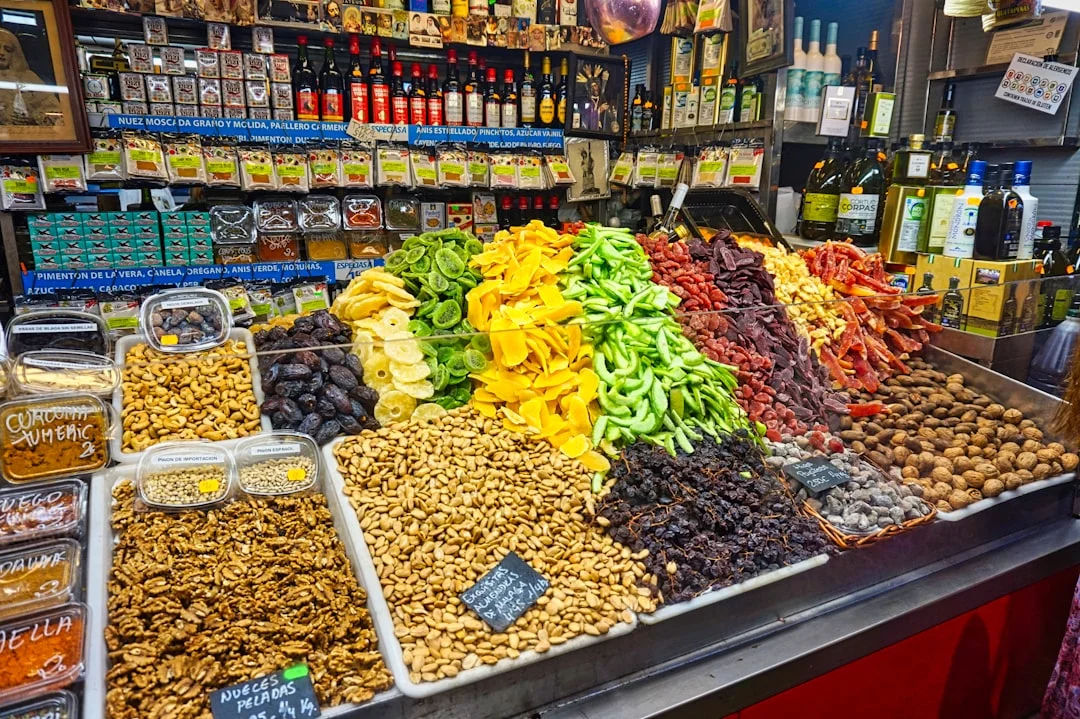
    Walking into a traditional municipal market in Malaga is the fastest way to get to the heart of Andalusian food culture. Far from being simple tourist stops, these buzzing hubs (mercados de abastos) are where neighborhood residents, seasoned home cooks, and local chefs gather daily to pick up seasonal produce, freshly caught seafood, and artisanal cured meats.

    Whether you are settling in Malaga long-term or just spending time exploring the city, learning how to navigate the market aisles with confidence changes how you eat and interact with the town. Here is a practical, step-by-step guide to shopping Malaga’s municipal markets like a true local.

    Mercado de Atarazanas: The Centerstage of Local Flavor

    The grand master of Malaga food shopping is the Mercado Central de Atarazanas. Located right in the historical center, the building itself is a spectacular piece of heritage. Its iconic marble entryway dates back to a 14th-century Moorish shipyard (atarazanas), while the main iron-framed market structure was constructed in 1879, complete with its famous stained-glass window depicting Malaga’s historical landmarks.

    Today, Atarazanas houses over 250 vibrant stalls divided into three main halls: produce, meat, and seafood.

    Essential Atarazanas Details:

    • Opening Hours: Monday to Saturday, from 8:00 AM to 2:30 PM (closed Sundays—if you need to buy groceries on weekends, check our guide on Sunday shopping in Málaga).
    • Getting There: It is easily accessible via the Alameda Principal metro station or major city bus stops along Alameda Principal. If you plan to drive into the historic center, consult our guide to parking in central Málaga to locate nearby public garages.
    • When to Go: For the widest selection of fresh fish, arrive before 10:30 AM. For a lively atmosphere and lunch at the market bars, show up around 12:30 PM.

    For more architectural background and stall layouts, check out detailed overviews like the Spanish Local Markets guide to Atarazanas and Oh My Good Guide.

    The Unwritten Rules of Market Etiquette

    Shopping at a market stall is a conversational experience. To fit right in, keep these rules of thumb in mind:

    1. Ask before you touch: Never pick up fruit, vegetables, or seafood directly with your hands unless paper bags and tongs are explicitly set out. Always point or ask the vendor: “¿Me pones un kilo de tomates, por favor?” (Could you give me a kilo of tomatoes, please?).
    2. Know how to order: Vendors handle the prep work for you. If you buy whole fish, they will scale, gut, and prepare it upon request. Just specify how you plan to cook it—for instance, “para freír” (for frying) or “para la plancha” (for grilling).
    3. Bring cash and small change: While almost all vendor counters accept card payments nowadays, having smaller coins and bills handy makes quick transactions smoother during busy morning rushes.
    4. Take a turn patiently: Look for queue numbers (el turno) on electronic tickets near popular fishmongers or butcher counters. If there isn’t a ticket machine, ask the crowd: “¿Quién es el último?” (Who is the last person in line?) so you know who you follow.

    From Market Stall to Tapas Plate

    One of the highlights of market shopping in Malaga is enjoying fresh seafood cooked right on the spot. In the fish section of Atarazanas, the atmosphere turns electric around midday as locals gather around counter-service bars.

    Spots like Bar Mercado Atarazanas allow visitors to taste hyper-fresh seafood cooked simply on a roaring grill or lightly battered and fried. You can order crisp boquerones (anchovies), grilled cuttlefish, and tender garlic prawns directly alongside the stalls where they were displayed hours earlier.

    Pair your seafood with a cold draft beer (caña) or a crisp glass of local white wine. To get an idea of the classic dishes you should sample while wandering through the stalls, consult this roundup of typical things to eat in Malaga.

    Beyond the Center: Neighborhood Markets

    While Atarazanas is the most famous, every major neighborhood in Malaga boasts its own cherished market that offers an authentic local experience:

    • Mercado de El Palo: Situated in the traditional fishing neighborhood to the east, El Palo market is an absolute gem for seafood lovers. Fishmongers here are particularly famous for their local boquerones, meticulously cleaned and prepared for frying at home.
    • Mercado de Salamanca: Located in the El Molinillo district, this neo-Mudejar landmark offers a quieter, deeply local shopping trip away from the central tourist flow.
    • Mercado de Huelin: Perfect if you are staying near the western coastline, offering fantastic olive counters, local cheeses, and abundant fresh catches.

    To discover more regional market locations and neighborhood itineraries, explore the curated insights on Spain on Foot and Roam Spain.

    There is something deeply grounding about starting your morning under the stained glass of a historic market, exchanging pleasantries with vendor families who have worked the same counter for generations. Shopping locally in Malaga is more than just checking off a grocery list—it is an invitation to slow down, eat seasonally, and feel part of the community fabric. We hope your next trip to the market brings a wonderful meal and a warm conversation.

  • Málaga CF Rescinds Contract of Left-Back Dani Sánchez

    Málaga CF Rescinds Contract of Left-Back Dani Sánchez

    End of an Era for a Dressing Room Leader

    In a significant roster shift late in the August 2026 transfer window—coinciding with a weekend full of free family plans in MálagaMálaga CF has officially terminated the contract of left-back Dani Sánchez. The announcement marks the departure of one of the club’s most passionate figures, who spent three seasons wearing the blue-and-white shirt and earned a special place in the hearts of local supporters at La Rosaleda.

    According to reports from La Opinión de Málaga, the contract rescission took place without a financial settlement, allowing the local defender to become a free agent immediately. Further details covered by El Español confirm that Sánchez is seeking new sporting challenges as the club finalizes its squad dynamics for the ongoing campaign.

    A Home-Grown Favorite and Emotional Anchor

    Dani Sánchez’s journey with Málaga CF goes beyond tactical stats and minutes on the pitch. Over his three seasons with the senior squad, the full-back served as a crucial emotional anchor during pivotal transitions for the club.

    Known for his tireless work rate along the left flank and his deep connection to the city’s football culture, Sánchez quickly became a dressing room leader. For international fans following Málaga CF’s rebuilding journey, players like Dani embody the authentic passion of Andalusian football—combining grit, pride, and total dedication to the badge.

    Roster Adjustments Ahead of Upcoming Matches

    As the club fine-tunes its squad ahead of upcoming fixtures in late 2026, the management has been working under tight financial controls to optimize positional depth. The mutual parting of ways opens up valuable registration flexibility for Málaga CF to reinforce key areas while giving Sánchez the freedom to sign with another club before the window closes.

    Key takeaways from the contract termination:
    * Status: Dani Sánchez is now a free agent.
    * Agreement: Terminated without financial settlement.
    * Legacy: 3 seasons as a primary dressing room leader and home-grown fan favorite.

    While goodbyes in modern football are rarely easy, the legacy Dani Sánchez leaves behind at La Rosaleda is defined by respect and absolute commitment. As the team moves forward into the current season, supporters across Málaga will undoubtedly wish one of their own the very best in his next chapter on the pitch.

  • Family Show ‘Imagilusión’ Brings Fairy Tales to Málaga

    Family Show ‘Imagilusión’ Brings Fairy Tales to Málaga

    Interactive Storytelling for All Ages

    Finding family-friendly activities in Málaga that captivate young children while keeping adults entertained can sometimes feel like a challenge, especially for international families navigating a new city. In Málaga, local stage productions frequently bridge the gap with visual, highly energetic shows that rely heavily on music, movement, and spectacle.

    One standout production designed for young audiences is Imagilusión, a family-focused theatrical performance that merges classic fairy tale narratives with illusion, dance, and live music. The production offers a vibrant entry point into Spanish family theater, making it an accessible option even for kids who are still developing their Spanish language skills—providing a lighthearted cultural alternative alongside major regional headlines like Málaga CF rescinding the contract of left-back Dani Sánchez.

    What to Expect From ‘Imagilusión’

    The core appeal of Imagilusión lies in its multi-sensory approach to storytelling. Rather than relying solely on spoken dialogue, the show blends several performance arts:

    • Magic Routines: Sleight of hand, visual illusions, and stage tricks bring an element of surprise that keeps younger children leaning forward in their seats.
    • Music and Dance: Choreographed numbers set the pace, giving classic fairy tale themes a lively rhythm.
    • Familiar Themes: Recognizable characters and classic narrative arcs make the story easy to follow for children of all backgrounds.
    • Audience Participation: Interactive moments encourage children to respond, sing along, or react to what unfolds on stage, making them active participants rather than passive observers.

    As detailed by local family event resource Sapos y Princesas, productions like Imagilusión are specifically crafted to foster imagination and introduce young children to the magic of live performing arts.

    Practical Tips for Expat Families Attending Stage Shows

    If you are planning to attend a family theatrical performance in Málaga, a few practical considerations can help ensure a smooth weekend outing:

    1. Language Accessibility

    While the dialogue is performed in Spanish, visually driven shows like Imagilusión—which heavily feature physical comedy, magic tricks, and musical numbers—are simple for non-native speakers to enjoy. It is a fantastic, low-pressure way to expose young children to hearing Spanish in a fun cultural setting.

    2. Choosing Venues and Arrival

    Málaga’s family theater circuit runs across several well-equipped venues, including city-center spots like Teatro Echegaray—often home to magic festivals and children’s performances—or local cultural centers. Arriving 20 to 30 minutes early is recommended, as family shows often have busy foyer areas where children can settle before the lights dim.

    3. Timing and Duration

    Most children’s stage shows in Spain run between 50 and 70 minutes with no intermission. This concise format prevents pre-schoolers and early-elementary children from losing focus. Showtimes typically align with local weekend routines—often scheduled around mid-morning or late afternoon.

    Making Culture Part of Weekend Family Life

    Introducing children to live theater builds curiosity, concentration, and a sense of community. Whether you live in the city center or along the wider Costa del Sol, keeping an eye on local theater schedules ensures you always have a creative alternative to screen time on a weekend afternoon.

    We hope this guide helps you navigate Málaga’s family cultural offerings with confidence. Watching children experience the simple wonder of live stage magic reminds us why local theater remains such a vital heart of community life in our city.

  • Málaga Housing Shortage: Rental Crisis Hits Students

    Málaga Housing Shortage: Rental Crisis Hits Students

    High Demand and Soaring Rental Costs Ahead of September

    With the 2026–2027 academic year set to begin in September, university students and incoming international workers are encountering one of the most competitive rental markets in Málaga’s recent history. Finding an affordable long-term apartment in the provincial capital has become exceptionally difficult, as listings vanish quickly and monthly prices remain near historic highs.

    According to a report by Cadena SER, university students face widespread frustration while attempting to secure accommodation before classes start. Many are forced to compromise on location, budget, or living conditions, while others struggle to find available rooms altogether. The squeeze affects both local youth relocating to the city for higher education and foreign expats moving to Málaga’s expanding technology and business sector.

    Reduced Yields Despite Sky-High Prices

    Paradoxically, steep property purchase prices have made Málaga capital one of the less profitable Spanish provincial capitals for residential landlords. Data covered by Vida Económica shows that gross rental yield in Málaga capital currently stands at 4.69%. This places the city 46th out of 52 Spanish provincial capitals in terms of rental profitability.

    Because property acquisition values have escalated rapidly, property owners see smaller percentage returns relative to initial purchase costs, even though monthly rent figures remain high for tenants. This financial dynamic encourages some owners to pivot toward short-term holiday lets or outright sales rather than traditional long-term residential leases, further constraining long-term housing supply.

    Real Estate Activity vs. Long-Term Supply

    Despite the long-term rental crunch, entrepreneurial activity in the construction and real estate sector remains energetic. Figures highlighted by Economía Capital show that Málaga led Andalusia in new company creations in July 2026, registering 653 new businesses. Over 32% of these new entities—210 firms—were founded within the construction and real estate sectors.

    While this influx of new companies demonstrates ongoing investment in the local real estate landscape, much of the current development focuses on new residential builds, commercial developments, or sales properties. Consequently, immediate relief for affordable residential rental stock remains limited.

    Practical Strategies for Searchers

    For students and expats searching for accommodations in late August 2026, taking a strategic approach can improve chances of securing housing:

    • Expand the search area: Look along public transit lines, such as Metro stops in Carretera de Cádiz or Teatinos, as well as suburban bus corridors.
    • Prepare documentation upfront: Keep proof of enrollment, employment contracts, or financial guarantees ready for immediate submission.
    • Leverage community networks: University notice boards, verified student groups, and local expat forums often list room openings before they hit public portals.

    Watching our city navigate these economic shift and housing pressures is challenging, especially for young people and newcomers eager to start a new chapter here. Málaga’s warmth and vitality continue to draw people from around the world, and we hope that ongoing dialogue and market adjustments will help make housing accessible and sustainable for everyone who calls this city home.

  • Malaga Tap Water Guide: Potability and Restrictions

    Malaga Tap Water Guide: Potability and Restrictions

    Whether you are moving to Malaga—and perhaps navigating the city’s growing rental housing crisis—staying for a season as a digital nomad, or visiting on vacation, one of the first practical questions that comes up is simple: Can you safely drink the tap water?

    The short answer is yes. However, understanding local mineral content, taste nuances, and seasonal municipal water restrictions will help you make the best choices for your household.

    Is Tap Water Safe to Drink in Malaga?

    Tap water in Malaga city and across the wider Costa del Sol is completely safe to drink and meets all health and sanitation standards set by the European Union and Spanish health authorities.

    The municipal water supply in Malaga city has been managed by EMASA (Empresa Municipal Aguas de Málaga) since 1986. If you are relocating to the region, learning about setting up utilities in Málaga will help you get your home account active. EMASA utilizes advanced treatment infrastructure—including reverse osmosis processes—to ensure high potability standards. According to quality assessments highlighted on TapWaterSafe, municipal water is continuously monitored for biological and chemical contaminants.

    On a global scale, Spain ranks among the top nations for drinking water access and sanitary quality. As noted in local living resources like Settlewell, Spain holds a strong position in global environmental health indexes, reflecting rigorous public water management.

    Understanding the Taste: Why Does It Taste Different?

    While tap water in Malaga is strictly safe, many newcomers notice a distinct taste compared to water in northern Europe or North America.

    • High Mineral Content: Water in southern Spain is considered “hard water.” It contains higher levels of minerals like calcium and magnesium, along with trace sodium. Depending on your neighborhood and the primary supply reservoir, mineral residue values often fall well below 110 mg/L, but the hardness remains noticeable.
    • Chlorine Sanitization: To ensure safe distribution through urban pipe networks, minor amounts of chlorine are used. While entirely harmless, the scent and flavor can be perceptible when drinking straight from the faucet.

    If you are sensitive to the taste of chlorine or hard minerals, simple solutions exist to make tap water much more palatable without relying on bottled water.

    Tap Filters vs. Bottled Water

    Buying single-use plastic bottles of water creates substantial plastic waste and can quickly become a hassle to carry home from the supermarket. Fortunately, tap water filtration is widely available and highly effective.

    As detailed by Love at First Adventure, filtering your water locally is both cost-effective and environmentally friendly.

    Popular Filtration Options:

    1. Faucet-Mounted Filters: Systems such as the EcoPro by TAPP Water attach directly to standard faucets. They effectively remove chlorine taste, microplastics, and heavy metals while keeping essential minerals intact.
    2. Filter Pitchers: Classic water jugs with activated carbon filters are widely available in Spanish supermarkets and electronics stores. Storing a filled pitcher in the fridge overnight significantly improves freshness and eliminates chlorine scent.
    3. Under-Sink RO Systems: Long-term residents buying property in Málaga often install compact reverse osmosis systems under the kitchen sink for purified drinking water on demand.

    Water Restrictions on the Costa del Sol

    Due to the Mediterranean climate, drought management is a regular part of life in Andalusia. Rainfall varies significantly from year to year, requiring regional authorities to implement water conservation measures during dry stretches.

    As outlined by Andalucia.com, drought protocols establish daily municipal supply limits. For instance, municipal caps in Malaga capital typically sit around 225 liters per inhabitant per day, while adjacent areas along the western Costa del Sol may operate under slightly different thresholds (such as 250 liters per inhabitant).

    How Drought Restrictions May Affect You

    • Private Gardens & Lawns: Watering lawns or private gardens with potable municipal water may be restricted or limited to specific hours.
    • Swimming Pools: Filling or topping off private pools with tap water is frequently restricted during high-alert drought phases.
    • Public Fountains & Cleaning: Cities often turn off decorative fountains and adjust municipal street-cleaning operations to use recycled water instead of drinking water.
    • Household Supply: Direct cuts to domestic tap water in major urban areas are rare, as municipal planners prioritize basic domestic hygiene and drinking needs over non-essential uses.

    Practical Water Conservation Tips

    Living in Malaga means being conscious of local water resources. Here are easy ways to contribute:

    • Keep a bottle of filtered water in your refrigerator so you don’t need to run the tap waiting for cold water.
    • Report any plumbing leaks or running toilets in your rental property to your landlord immediately.
    • Turn off the tap while brushing your teeth or scrubbing dishes.
    • Run washing machines and dishwashers only with full loads.

    By drinking tap water—filtered or straight from the faucet—and practicing mindful usage, you help protect the region’s beautiful environment while enjoying a comfortable lifestyle in Malaga. We hope this practical guide gives you peace of mind as you settle into daily life under the Andalusian sun.