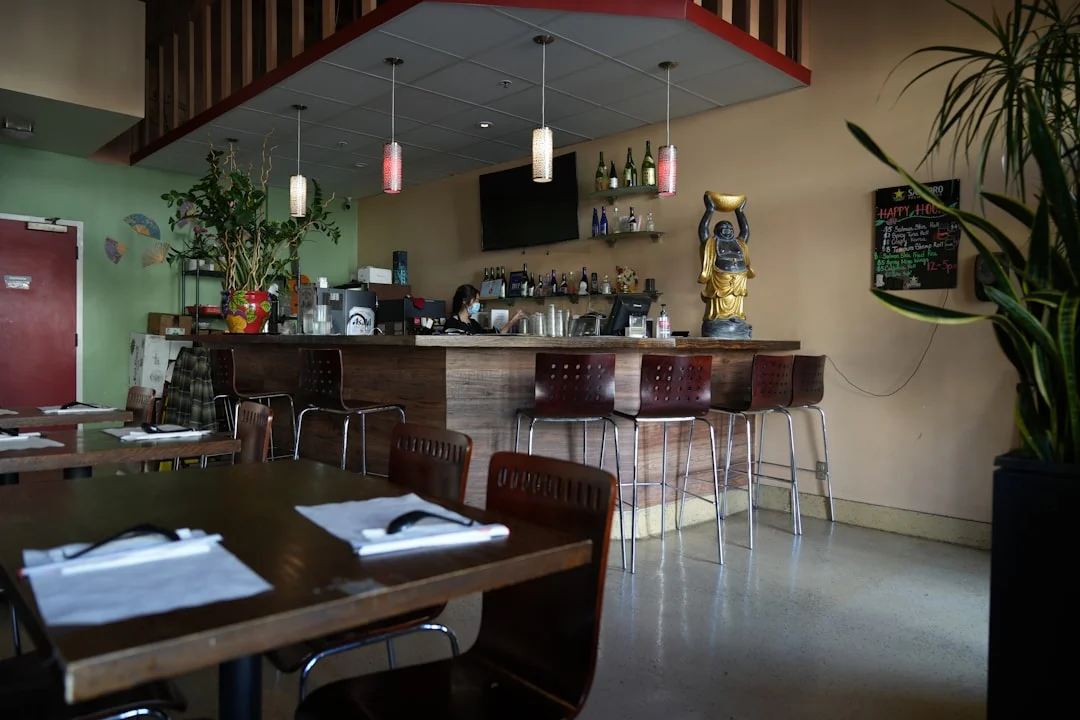
It is late February 2026, and if there is one thing that hasn’t slowed down in Málaga, it is the appetite for new dining experiences. The city’s gastronomic boom, fueled by exciting openings like artisan ravioli specialist Relleno, has evolved from a trend into a permanent state of being. We are seeing a shift away from stiff, individual tasting menus toward a warmer, more Andalusian concept: high-end sharing.
Tag: lang:en
-

Underground Anniversary: 67 Years Since the Discovery of the Nerja Cave
Sometimes the greatest treasures are found by accident. In the case of Málaga’s most famous geological monument, it wasn’t a team of archaeologists or geologists who broke ground, but a group of five local boys out looking for bats.
This year marks the 67th anniversary of that fateful night on January 12, 1959. While the official date passed earlier this year, the story remains a charming reminder of how much history lies just beneath our feet in the Axarquía region.
A Night to Remember
Sixty-seven years ago, five young friends from Maro—Francisco Navas, brothers Miguel and Manuel Muñoz, José Luis Barbero, and José Torres—headed towards a sinkhole known locally as “La Mina.” They had noticed bats exiting the hole and, driven by curiosity, decided to investigate.
After breaking through some stalactites that blocked a narrow passage, they dropped down into what is now known as the Sala de la Cascada (Waterfall Hall). Instead of just a bat nest, they found human skeletons and ceramic pottery. They had stumbled into a time capsule that had been sealed for thousands of years.
Earlier this year, the Subdelegate of the Government, Javier Salas, presided over a commemorative act to honor this discovery, noting the cave’s status as a driver of tourism and cultural identity for the province. According to La Noción, the event highlighted the cave’s enduring legacy nearly seven decades later.
Why Visit Now?
The Cueva de Nerja is one of the most visited monuments in Spain. In the height of summer, the queues can be long, and the coastal humidity can be intense even before you enter the caverns.
However, visiting in late winter or early spring (right now) offers a distinct advantage:
- Space to Breathe: You can admire the colossal central column in the Hall of the Cataclysm—the largest in the world—without being jostled by large tour groups.
- Temperature Stability: The cave maintains a relatively constant internal temperature. While it’s a refuge from the August heat, it also feels pleasantly distinct from the crisp winter air outside.
- The Museum: Don’t skip the Nerja Museum in the town center (Plaza de España) before or after your cave visit to see the artifacts the boys actually found.
Practical Information for 2026
If you haven’t been in a few years, the facilities have likely been upgraded since your last trip. The botanical gardens surrounding the entrance are now lush and well-maintained, offering a nice walk before your scheduled entry time.
- Location: Maro, roughly 50 minutes driving from Málaga city.
- Tickets: It is highly recommended to book online to secure your slot, even in the off-season.
- Footwear: Wear shoes with good grip. The floor is non-slip, but it is still a damp cave environment.
Whether you are a local who hasn’t visited since a school trip or a newcomer to the Costa del Sol, the 67th anniversary is a great excuse to head east. It is a humbling experience to stand in the dark and realize that, were it not for the curiosity of five teenagers, this underground cathedral might still be sleeping in silence.
We hope you take the time to explore this subterranean wonder while the season is still quiet. It’s a reminder that adventure is often just around the corner—or just down a small hole in the ground.
-

Tech Watch: Málaga Startups Secure Spots in National Top 100
For years, the narrative surrounding Málaga has shifted from “sun and sand” to “silicon and servers.” By early 2026, that narrative has solidified into hard data. The ecosystem is no longer just about attracting big corporate hubs like Google or Vodafone; it is about the organic growth of local innovation, seeing Málaga startups at the PTA shine in the national Top 100.
-

New Arrival: ‘Portofino’ Brings Sophisticated Italo-Mediterranean Cuisine to the Center
Málaga’s gastronomic evolution continues to gain momentum in 2026, matching the dynamism of local startups securing spots in the national top 100. While the historic center has long been saturated with fast-food pizza chains and tourist-focused trattorias, a new wave of restaurateurs is aiming for something more substantial. The latest arrival to join this movement is Portofino, a venue that officially opened its doors on January 10, bringing a refined Italo-Mediterranean concept to the heart of the city.
-

New Flavors in Málaga: Madrid’s ‘Relleno’ and the Rise of Young Chefs
Málaga’s gastronomic map continues to redraw itself, moving well beyond the traditional (though beloved) espetos and fried fish to incorporate sophisticated Italo-Mediterranean cuisine like Portofino. The city is currently experiencing a dual phenomenon: the arrival of successful, specialized concepts from Madrid, and the consolidation of a homegrown generation of chefs who are turning the local dining scene on its head.
-

Málaga Tech Sector Matures: New Startup Network and National Recognition
The technological landscape in Málaga is shifting from a phase of rapid expansion to one of structured consolidation. As of early 2026, the focus has moved beyond simply attracting foreign multinationals—often enticed by sophisticated city center additions like Portofino—to nurturing the indigenous ecosystem. Two recent developments highlight this maturity: the launch of a dedicated network for local innovators and the national recognition of Málaga-based startups.
-

The Village of 450 Residents Transforming into a Global Digital Nomad Hub
In the heart of the Genal Valley, where the roads curve endlessly through dense chestnut and cork oak forests, lies a village that shouldn’t, by traditional logic, be booming with tech talent. Benarrabá, a quintessential pueblo blanco with a population hovering around 450, has become an unlikely epicenter for the digital nomad movement in southern Spain, paralleling the broader maturation of Málaga’s tech sector.
-

Best Chiringuito 2025: ‘La Taberna del Puerto’ Takes the Crown
When you think of a chiringuito in Málaga, the image is almost always the same: sand between your toes, the sound of waves crashing nearby, and the smell of sardines roasting on an espeto boat. However, the winner of the Best Chiringuito 2025 award has turned that stereotype on its head, joining the wave of young chefs introducing new flavors to Málaga.
-

The Bridge of Gratitude: 125 Years Since the Gneisenau Shipwreck
If you have ever walked along the Guadalmedina riverbank in Málaga’s historic center, you have likely crossed the small, steel pedestrian bridge connecting the church of Santo Domingo with the Pasillo de Santa Isabel. Known locally as the Puente de los Alemanes (Bridge of the Germans), this structure is more than just a walkway; it is a monument to a tragic night and a city’s immense bravery.
With the recent 125th anniversary of the sinking of the SMS Gneisenau, we look back at the event that forever changed the relationship between Málaga and Germany.
The Storm of 1900
On the morning of December 16, 1900, a fierce storm battered the coast of Málaga. Anchored outside the port was the German frigate SMS Gneisenau, a training ship carrying 470 crew members. The captain, attempting to move the ship to the safety of the inner harbor, found the vessel overwhelmed by the wind and waves. The ship was driven onto the breakwater, where it sank within minutes.
What happened next defined the character of the city. Despite the perilous conditions, the people of Málaga did not hesitate. Fishermen and locals threw themselves into the raging sea to rescue the drowning German sailors. It is reported that many Malagueños lost their lives trying to save strangers that day.
In total, 41 German sailors perished, including the captain and the ship’s commander. However, thanks to the immediate intervention of the locals, hundreds were saved. The injured were taken into private homes and hospitals, cared for by a population that had little to give but gave everything they had.
A Title Earned: “Muy Hospitalaria”
News of the rescue reached the German Empress and the world. The act of selflessness was so profound that a Royal Decree issued on January 1, 1901, granted Málaga the title of “Muy Hospitalaria” (Very Hospitable), a motto that still adorns the city’s coat of arms today alongside “Muy Noble” and “Muy Leal.”
As highlighted in recent historical reflections by La Opinión de Málaga, the memory of this event remains vivid even 125 years later, serving as a testament to the city’s enduring spirit of solidarity.
The Gift of the Bridge
Seven years after the tragedy, in 1907, the great flood of the Guadalmedina river destroyed several of Málaga’s bridges. Upon hearing of the disaster, the German people and government remembered the kindness shown to their sailors.
A collection was organized in Germany to help the city that had helped them. The funds raised were used to construct the steel bridge we see today. It was gifted to the city in 1909 as a permanent symbol of gratitude—a thank you note forged in iron.
Remembering the Gneisenau Today
If you visit the English Cemetery in Málaga, you can find the grave where the German sailors were laid to rest. It remains a site of pilgrimage for the German community on the Costa del Sol.
The Puente de los Alemanes stands not just as a piece of infrastructure, but as a reminder that even in the face of tragedy, compassion can build bridges that last for centuries. It is a story we are proud to remember, honoring both those who were lost and those who risked everything to save them.
-

El Borge: The ‘Raisin Capital’ Hidden in Málaga’s Axarquía
While the Costa del Sol draws millions to its beaches, the real soul of Málaga often hides in the hills. Just a short drive inland lies the Axarquía region, a landscape of steep slopes and winding roads. Deep within this terrain sits El Borge, a small white village that feels worlds away from the bustle of the capital, sharing its quiet charm with other inland gems transforming into global digital nomad hubs.