The football fever in Málaga has reached a boiling point. Following a thrilling promotion, Malaga CF is officially back in Spain’s top tier, La Liga (Primera División), for the 2026/2027 season. For the local community, long-time supporters, and the growing community of expats living on the Costa del Sol, securing a seat at the iconic La Rosaleda stadium—and celebrating pre-match excitement along the hidden tapas routes that locals love—has become the absolute priority of the summer.
This return to the elite of Spanish football brings massive structural changes, a surge in ticket demands, and a highly anticipated calendar that has everyone talking, reflecting the city’s broader economic boom as Malaga secures the lion’s share of regional tourism investments.
Over 12,000 Season Tickets Snapped Up in Days
The response from the fans has been nothing short of historic. In just the first few days of the summer 2026 campaign, the club has already processed more than 12,000 season tickets. According to local reporting by Diario Sur on the Malaga CF ticket campaign, both renewals and new sign-ups are moving at an unprecedented pace.
For expats and newcomers to the province, getting a season ticket (abono) is the most cost-effective and exciting way to guarantee entry to high-profile matches against giants like Real Madrid, FC Barcelona, and Atlético de Madrid. The club’s digital portal and the physical offices at La Rosaleda, which is set to enhance its facilities with prioritized LED lighting upgrades, have seen non-stop traffic as fans rush to secure their spot before the general public sale limits availability.
Doubled Salaries to Ensure La Liga Competitiveness
Transitioning from the lower divisions to La Liga requires more than just passion—it demands financial muscle. To ensure the team can compete with the best and avoid immediate relegation, Malaga CF is significantly boosting its sporting budget.
As reported by Diario Sur regarding player contracts, the squad’s players are set to double their salaries upon promotion. This contract clause was designed to reward the promotion heroes while keeping the core squad motivated and competitive. The financial step-up also allows the club’s sporting management to target high-caliber summer signings to reinforce key positions before the transfer window closes, with a particular focus on exploring international transfer opportunities.
The Opening Match and the Atlético de Madrid Puzzle
While fans are eagerly studying the potential La Liga schedule for the 2026/2027 campaign, the exact date of the opening fixtures remains subject to international football schedules.
There is a strong possibility of an opening clash against Atlético de Madrid, a fixture that would easily sell out La Rosaleda. However, global tournaments—such as the expanded FIFA Club World Cup and international calendars—are complicating domestic scheduling. As detailed by La Opinión de Málaga, these global tournaments could delay the return of certain international players, potentially forcing La Liga to adjust or postpone the opening match against Atlético to ensure fair competition.
How to Get Tickets for La Rosaleda
If you are living in Málaga or planning a visit during the 2026/2027 season, here is what you need to know about experiencing a match day:
- Season Tickets (Abonos): The priority is given to existing members (abonados), followed by those on the waiting list. If any seats remain, they will be opened to the general public. Keep an eye on the official Malaga CF portal for real-time availability.
- Single-Match Tickets: For casual visitors, individual tickets go on sale online and at the stadium box office (taquillas) roughly one to two weeks before each home match. Expect premium pricing for ‘Category A’ games against top-tier clubs.
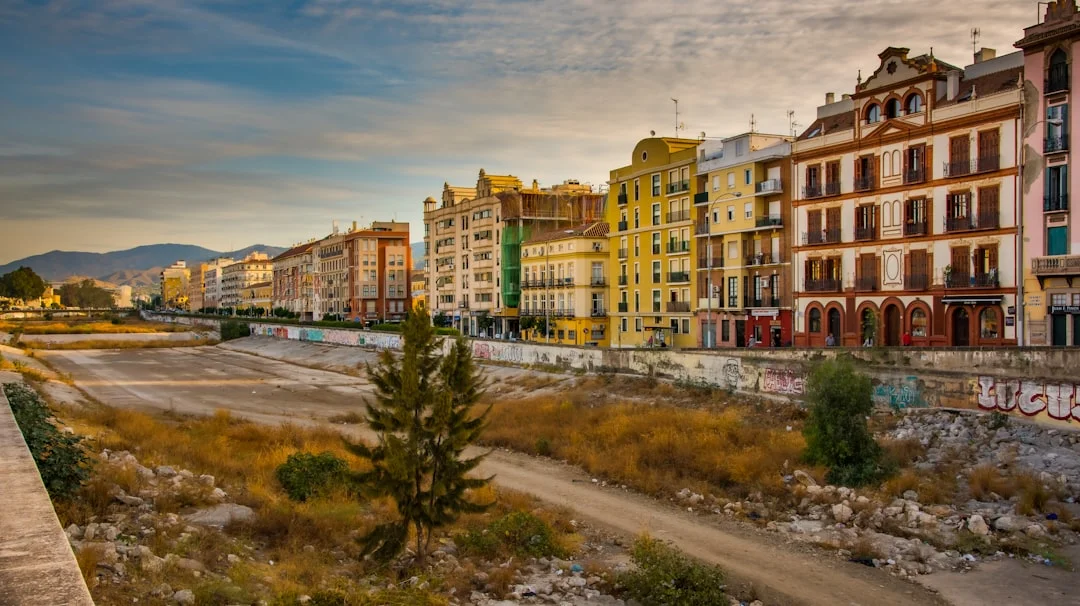
- The Match Day Experience: La Rosaleda is located in the Martiricos neighborhood, just a short walk from the historic center. The pre-match atmosphere along the Guadalmedina riverbed is filled with food trucks, music, and thousands of fans dressed in blue and white.
There is a unique magic in watching a city fall back in love with its football club. After some incredibly tough years in the lower divisions, the energy around Martiricos is a beautiful reminder of how sport unites people of all backgrounds, nationalities, and ages. We hope to see you in the stands of La Rosaleda this season, sharing in the chants, the sunshine, and the joy of top-flight Spanish football.