When you think of the “Best Restaurant in Málaga,” your mind probably wanders to the Michelin-starred establishments of Marbella, the sleek tasting menus in Málaga’s historic center, or perhaps a legendary seafood spot right on the Mediterranean. But the local culinary authorities have a completely different map in mind, as seen when they recently honored ‘La Bocaná’ with a major gastronomy award.
Tag: lang:en
-

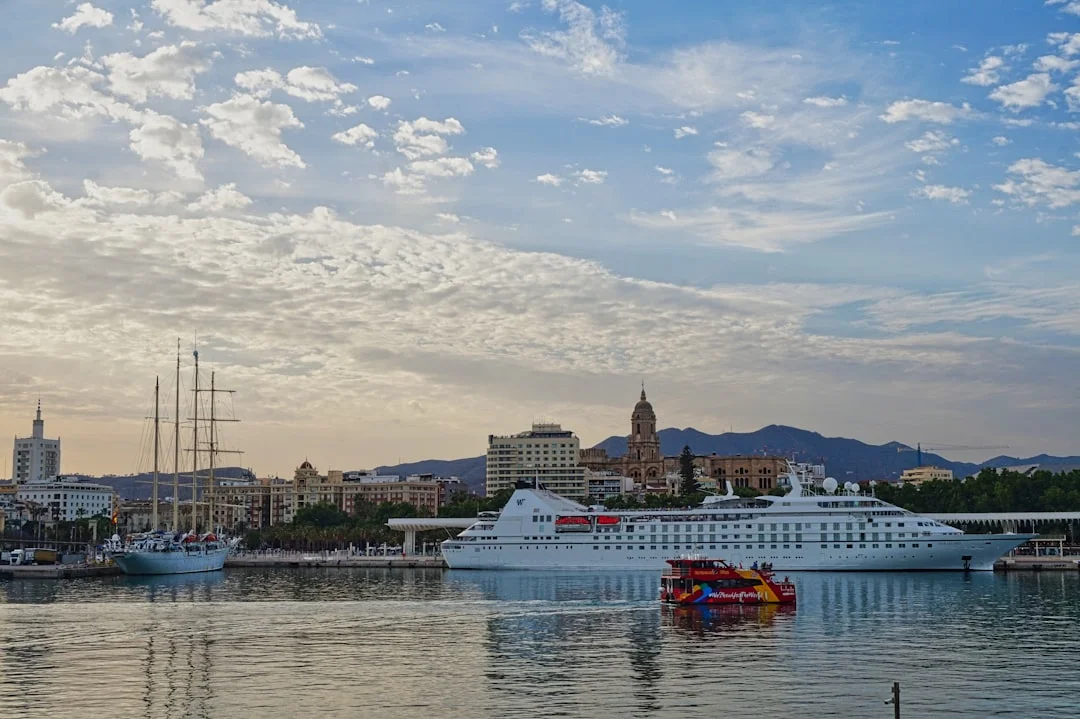
Málaga’s Horizon Elevated: The €200M Luxury Port Hotel
The sun-drenched coastline of Málaga has long captivated travelers, but its recent evolution tells a story of profound elevation. Once celebrated primarily as the gateway to the Costa del Sol, the city has gracefully matured into a world-class destination in its own right. As we navigate the vibrant developments of 2026, the city’s skyline is preparing to welcome a defining architectural jewel. A monumental €200 million investment, spearheaded by the strategic alliance of Hesperia and Al Alfia, is bringing a spectacular new luxury hotel to the Málaga Port area, signaling an era of unprecedented sophistication.
A Vision of Waterfront Elegance
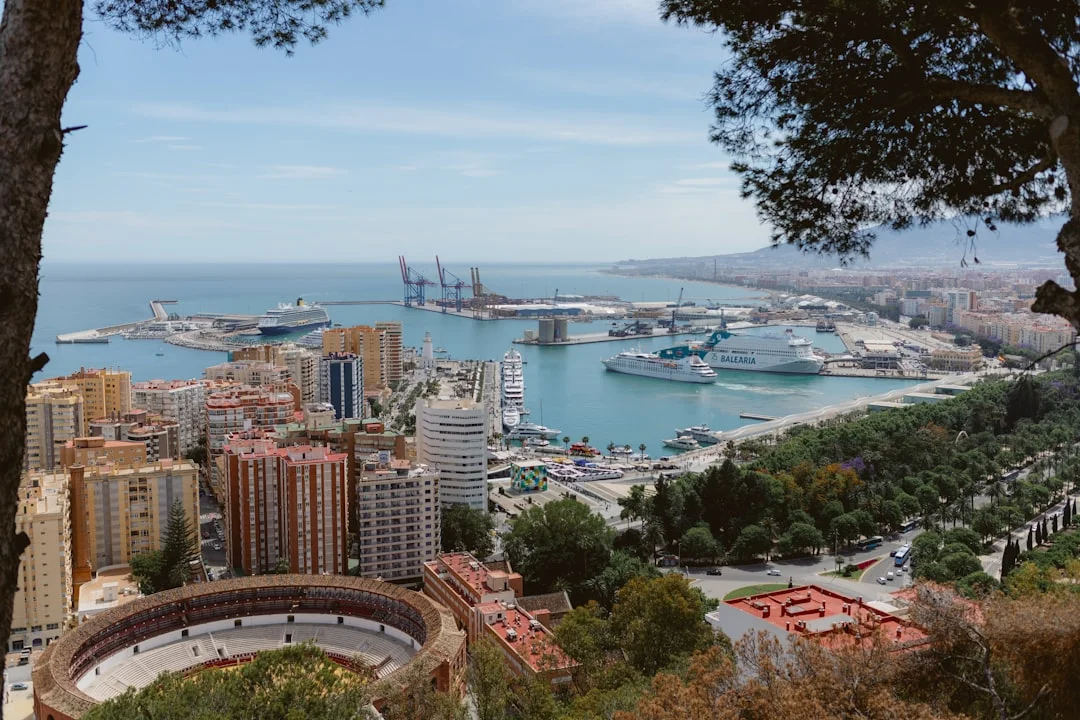
The Port of Málaga, with its sweeping promenades and gentle Mediterranean breezes, serves as the perfect canvas for this ambitious project. The new luxury hotel is not merely a place to rest; it is designed to be a landmark of contemporary elegance that seamlessly integrates with the maritime landscape.
Visitors and locals alike can anticipate a structure that pays homage to the city’s luminous atmosphere. The design philosophy centers on maximizing the azure vistas of the Alboran Sea while offering unparalleled comfort.
Key features of this highly anticipated 2026 development include:
- Panoramic Sanctuaries: Expansive suites featuring floor-to-ceiling windows, offering uninterrupted views of the Mediterranean and the historic Alcazaba.
- Haute Cuisine: A curated selection of high-end dining venues, poised to attract Michelin-starred talent and elevate Málaga’s already thriving culinary scene.
- Wellness and Serenity: State-of-the-art spa facilities blending modern wellness therapies with traditional Andalusian tranquility.
- Exclusive Moorings: Enhanced connectivity with the port’s marina, catering directly to the high-net-worth yachting community.
The Strategic Partnership Fueling the Ascent
The realization of this magnificent project is driven by the collaborative prowess of the Spanish hotel group Hesperia and the Qatari investment fund Al Alfia. Their combined vision underscores a resolute confidence in Málaga’s trajectory as a magnet for luxury tourism and international investment.
As reported by Economía Digital, the economic currents in the region have been increasingly favorable for high-end developments. This €200 million injection is a testament to the city’s robust economic health and its magnetic appeal to global capital. The partnership merges Hesperia’s deep-rooted expertise in European hospitality with Al Alfia’s formidable financial backing, creating a synergy that promises to set new standards for luxury accommodations in southern Europe.
Economic Ripples and Opportunities
Beyond the gleaming facades and plush interiors, the economic impact of this port hotel is substantial. The project is a catalyst for job creation, not only during its intricate construction phase but also in the long-term operational staffing, which will demand highly skilled hospitality professionals.
Furthermore, the influx of high-net-worth individuals expected to frequent the hotel will naturally stimulate the local economy. From bespoke tour operators and luxury retail boutiques along Calle Larios to the finest local vineyards, the ripple effect of this demographic shift presents lucrative opportunities for Málaga’s entrepreneurs.
Balancing Growth with Authentic Charm
As with any transformation of this magnitude, the rise of luxury tourism in Málaga invites thoughtful discourse. The influx of significant capital and the shifting demographic of visitors have sparked vital local conversations regarding gentrification and the preservation of the city’s soulful heritage.
It is a delicate dance between embracing modernity and honoring the past. The true success of the Hesperia and Al Alfia project will lie in its ability to exist harmoniously within the fabric of Málaga. By engaging with local artisans, sourcing regional materials, and respecting the cultural nuances of the port, the development can serve as a bridge rather than a barrier. The goal is a symbiotic relationship where luxury tourism sustains the local economy without diluting the warm, authentic spirit that makes Málaga so profoundly unique.
Watching the cranes pivot against the brilliant blue sky, it is impossible not to feel a sense of awe at how far our beloved city has come. Change is the only constant, and while the arrival of such opulence reshapes our waterfront, the heart of Málaga—its resilient people, its rich history, and its welcoming embrace—remains beautifully unchanged. As we look toward the horizon, we hold onto the hope that these new heights of prosperity will ultimately cast a warm, inclusive light on every corner of our vibrant community.
-

Urban Shift: The ‘Touristification’ of Pozos Dulces
Málaga’s historic center has long been a canvas of cultural evolution, but recent years have accelerated its metamorphosis from a quiet Andalusian enclave into a bustling international hotspot. At the epicenter of this transformation lies the Pozos Dulces area, a once-unassuming corner of the city that is currently undergoing a profound and rapid facelift.
For those who have walked the winding alleys of Málaga Centro over the past decade, the shifting landscape is palpable. The cobblestones still echo with history, yet the facades look increasingly polished, catering to a new wave of global wanderers. This urban shift, often colloquially termed ‘touristification,’ brings both renewed vitality and complex challenges to the historic core.
Pozos Dulces: A Microcosm of Urban Shift
Nestled in the heart of the city, Calle Pozos Dulces and its surrounding alleyways traditionally offered a quiet respite from the lively arteries of Calle Larios and Plaza de la Constitución. Historically characterized by residential blocks and small, family-run enterprises, the street is now the focal point of intense real estate interest.
The narrative of gentrification in the Malaga center is vividly playing out here. A stroll down Pozos Dulces today reveals a street in transition—scaffolding masking historic facades as interiors are gutted and reimagined for the modern traveler. This hyper-localized boom is not an isolated event but a reflection of broader trends reshaping the city, a phenomenon frequently documented by regional publications such as Diario Sur.
The New Arrivals: Hostels and Boutique Hospitality
The cornerstone of the Pozos Dulces transformation is the introduction of new accommodation concepts tailored to the modern visitor. The street is currently welcoming two new hostels and a highly anticipated boutique hotel, fundamentally altering the demographic flow of the neighborhood.
These new boutique hotels in Malaga are designed to blend historic charm with contemporary luxury. Investors are keen to preserve the traditional Andalusian courtyards and ornate balconies while outfitting the interiors with high-end amenities, rooftop terraces, and artisanal cafes. The two new hostels aim at a slightly different demographic—the digital nomads and upscale backpackers who seek experiential travel without sacrificing comfort and design.
While the architectural preservation is commendable, the influx of Pozos Dulces Malaga hotels signifies a clear pivot from residential use to transient hospitality. For every beautifully restored doorway, there is a lingering question about the displacement of long-term residents and the erosion of neighborhood cohesion.
The Double-Edged Sword of ‘Touristification’
The gentrification of the Malaga center is a deeply nuanced topic, particularly among the city’s growing expat community and its native malagueños. On one hand, the injection of capital into areas like Pozos Dulces revitalizes decaying infrastructure. Derelict buildings are saved from ruin, local businesses enjoy increased foot traffic, and the city’s global profile continues to rise.
On the other hand, the ‘touristification’ of traditional streets brings undeniable growing pains. The conversion of residential apartments into short-term rentals and boutique accommodations drives up property values, often pricing out the very locals who give the city its authentic soul. The daily rhythm of the neighborhood shifts from the quiet hum of community life to the constant turnover of rolling suitcases and guided tours.
This delicate balance is the defining challenge for Málaga in 2026. How does a city embrace its popularity while protecting the essence that made it popular in the first place?
Looking Ahead
As the dust settles on the construction in Pozos Dulces, the street will undoubtedly emerge more beautiful and vibrant than before. Yet, it serves as a poignant reminder of the fragility of urban ecosystems. The evolution of our beloved city is inevitable, but it requires mindful stewardship to ensure that progress does not erase heritage.
Walking through the historic center, one cannot help but feel a deep appreciation for the layers of history beneath our feet. As Málaga continues to grow and adapt, it is our shared hope that the city will find a harmonious path forward—one where the warmth of the traditional Andalusian spirit remains the beating heart of every newly polished street, welcoming visitors while fiercely protecting its home.
-

Málaga Tech Valley Boom: Indra’s €40M Avionics Center & IMEC’s Arrival
Málaga’s evolution from a coastal tourist destination to a premier European technology hub has crossed a critical threshold. The local ecosystem is no longer defined solely by agile startups and remote workers; it is actively securing large-scale industrial and technological investments from global heavyweights. Two massive developments in early 2026—Indra’s new avionics center and the confirmed arrival of IMEC—cement Málaga TechPark’s position as a foundational pillar of Southern Europe’s tech infrastructure.
Indra’s €40 Million Avionics Center
The defense and technology giant Indra has officially expanded its footprint in the region, shifting the local job market toward advanced engineering. Inaugurated in early 2026, the new advanced avionics center represents a strategic €40 million investment.
According to coverage by La Opinión de Málaga, this facility is designed to be a cornerstone for aerospace and defense technology development.
The data points surrounding this launch are highly significant for the local economy:
* Job Creation: The facility will employ 700 workers, specifically targeting highly skilled engineers, systems architects, and aerospace specialists.
* Sector Diversification: This moves Málaga beyond software development and IT support, firmly planting it in the hardware, defense, and aerospace sectors.
* Infrastructure: The center is equipped with state-of-the-art testing and simulation environments required for modern avionics.IMEC Microchip Innovation Hub
Parallel to Indra’s expansion, the ecosystem received another massive injection of institutional and corporate backing. The Interuniversity Microelectronics Centre (IMEC), a world-leading R&D and innovation hub in nanoelectronics and digital technologies, is setting up operations in the city.
As confirmed by the Málaga City Council, the new chip innovation center will be located within the Málaga TechPark (Parque Tecnológico de Andalucía). This strategic move aligns with broader European initiatives to increase domestic semiconductor production and research capabilities.
Impact on the Málaga TechPark
The establishment of the IMEC facility brings several analytical advantages:
1. Global R&D Integration: Málaga will now participate directly in the global semiconductor supply chain and research network.
2. Academic Synergy: The proximity to the University of Málaga (UMA) will likely foster specialized academic programs, directly feeding the talent pipeline required for microchip innovation.
3. Ecosystem Magnetism: Historically, the presence of apex research institutions like IMEC acts as a magnet for secondary suppliers, specialized contractors, and niche tech firms.What This Means for Tech Professionals
For the expatriate and local tech community, this dual expansion signals a maturing market. The narrative of “Málaga as a great place to work remotely” is evolving into “Málaga as a place to advance a high-level corporate tech career.”
The influx of €40 million from Indra and the strategic positioning of IMEC mean that the ceiling for professional growth in the city has been significantly raised. Professionals in hardware engineering, nanotechnology, and defense systems now have viable, long-term career trajectories right here on the Costa del Sol.
Watching this city evolve from a sunny coastal retreat into a heavy-hitting technological hub is genuinely inspiring. As these cutting-edge facilities open their doors, they don’t just bring economic growth; they bring a palpable sense of possibility, proving that Málaga’s brightest days are being engineered right here, right now.
-

Gastro News: The Arrival of ‘Relleno’ and Málaga’s Young Chef Revolution
Málaga’s culinary landscape is shifting gears, mirroring the rapid expansion of its booming tech valley. For years, the city’s dining scene was comfortably anchored by traditional chiringuitos and classic tapas bars. While those beloved institutions aren’t going anywhere, a fresh wave of culinary innovation has firmly established itself as we move through 2026. We are seeing a distinct pivot towards specialized, single-concept eateries and a formidable takeover by a new generation of local chefs who are rewriting the rules of Andalusian cuisine.
-

Unusual Incident at Malaga Airport: Irregular Boarding Attempt Intercepted
A Startling Discovery at Security
In what can only be described as a highly unusual event, security personnel at Malaga-Costa del Sol Airport recently intercepted a British family attempting to board a flight with a deceased relative. The incident, which occurred less than 24 hours ago, involved an EasyJet flight bound for the United Kingdom, adding to a recent string of bizarre local cases in the region, such as the money laundering scheme involving Pokémon cards.
While the situation sounds like the plot of a dark comedy or a viral internet rumor, it sheds light on the very real, often overwhelming complexities of international repatriation and the strict protocols that govern global aviation.
According to local reports, including coverage from regional outlets like La Opinión de Málaga, the family was stopped during routine security checks. Airport scanners and vigilant staff quickly realized that the passenger in question was not merely asleep or ill, but had passed away. Authorities immediately intervened, preventing the irregular boarding attempt and initiating the proper legal and medical protocols.
The Reality of International Repatriation
To understand how such an event could occur, it is essential to look at the broader context of international travel and the bureaucracy surrounding death abroad. When a loved one passes away in a foreign country, families are immediately thrust into a labyrinth of paperwork, legal requirements, and significant financial burdens.
Repatriating a body from Spain to the UK typically involves several strict requirements:
* Official Documentation: Securing a local death certificate, medical certificates, and consular authorization to transport the remains.
* Embalming Requirements: International aviation law mandates specific embalming procedures for the transport of human remains across borders.
* Specialized Transport: Bodies must be transported in zinc-lined coffins and handled by specialized freight services. They cannot be transported via standard passenger ticketing.
* High Costs: The repatriation process can cost several thousands of euros—a sudden and steep expense that many travelers are entirely unprepared for.Faced with these daunting hurdles, it is highly probable that the family involved in this incident was acting out of profound grief, desperation, or a severe misunderstanding of international aviation laws, rather than any malicious intent.
The Efficiency of Malaga Airport Security
This incident also serves as a testament to the rigorous security measures in place at Malaga Airport. As the primary international gateway to the Costa del Sol, the airport handles millions of passengers annually. Security personnel are trained to detect not only prohibited items and potential threats but also irregularities in passenger behavior and physical condition.
The interception of this irregular boarding attempt was handled discreetly and professionally. The swift action by the airport authorities ensured that the dignity of the deceased was maintained while upholding the strict safety and regulatory standards required by aviation authorities and airlines like EasyJet.
What Travelers Should Know
For frequent flyers, tourists, and expatriates living on the Costa del Sol, this unusual news story acts as a stark reminder of the importance of comprehensive travel insurance. Premium policies often include coverage for medical repatriation and the transport of remains, which can alleviate the immense financial and logistical stress placed on grieving families.
If ever faced with the tragic loss of a family member abroad, the first steps should always be to contact the local consulate or embassy. Additionally, engaging a reputable international funeral director can help navigate the complex legal landscape, ensuring that the journey home is handled legally and respectfully.
Ultimately, while this incident at Malaga Airport has captured attention for its bizarre nature, it is at its core a deeply human story. It reminds us of the profound grief that can cloud judgment, the lengths to which people will go to bring their loved ones home, and the vital, sometimes heartbreaking, role that airport authorities play in enforcing the boundaries of international travel.
-

Málaga’s Luxury Horizon: Exclusive Cruises and a New €200M Port Icon
Málaga has long been the gateway to the Costa del Sol, but in recent years, the city has aggressively pivoted to become the destination itself. As we move into the spring of 2026, two major developments confirm that the capital’s strategy is firmly focused on the high-end market: a record-breaking season for luxury cruising and a massive capital injection into the port’s hospitality infrastructure, perfectly complementing the vibrant gastronomic revolution currently being led by the city’s young chefs.
-

Innovation Hub: Three Málaga TechPark Startups Make Spain’s Top 100 List
While headlines in Málaga often focus on the arrival of multinational giants like Google, Vodafone, or Citi, the true health of a technology ecosystem is measured by its ability to generate homegrown innovation. In a significant validation of the local startup scene, three companies based in the Málaga TechPark (PTA) have been named among the top 100 startups in Spain for 2026.
National Recognition for Local Talent
The list, compiled annually by the Association of Science and Technology Parks of Spain (APTE), identifies the most promising emerging companies across the country’s innovation nodes. The inclusion of three Málaga-based ventures highlights the park’s continued evolution from a corporate office space into a dynamic incubator for deep tech and scalable business models.
According to El Español, this recognition places Málaga’s local talent alongside the heavyweights of Madrid and Barcelona, underscoring the decentralization of Spain’s technology sector.
The APTEnisa Standard
The selection process is part of the broader APTEnisa program, an initiative designed to support ideation and business acceleration within science and technology parks. To make the top 100, startups are evaluated on strictly analytical criteria:
- Innovation capacity: The technological distinctiveness of the product or service.
- Scalability: The potential for rapid growth and internationalization.
- Team: The expertise and cohesion of the founding members.
- Investment readiness: The attractiveness of the project to venture capital.
Being selected is not merely a badge of honor; it provides these companies with increased visibility among investors and potential partners within the APTE network, which encompasses parks across the entire Iberian peninsula.
Beyond the “Google Effect”
For years, the narrative surrounding Málaga’s tech boom has centered on the attraction of foreign direct investment. While the presence of international corporations is vital for job creation and infrastructure, a sustainable ecosystem requires a “bottom-up” flow of innovation.
The success of these three startups demonstrates that Málaga TechPark is functioning effectively as a launchpad. It suggests that the transfer of knowledge—often from the nearby University of Málaga into the private sector—is yielding commercially viable results. These companies typically operate in sectors ranging from agrotech and cybersecurity to artificial intelligence and health tech, diversifying the local economy beyond tourism and services.
Why This Matters for 2026
As we move further into 2026, the focus for Málaga’s administration and the PTA is shifting towards retention and scaling. Identifying top startups is the first step; the challenge remains keeping them in Málaga as they grow into scale-ups.
This national recognition serves as a signal to venture capital funds that the Costa del Sol offers high-value investment opportunities that go beyond real estate and hospitality. It reinforces the city’s status as a dual-engine economy: attractive to global titans and fertile for local pioneers.
It is heartening to see local entrepreneurs receiving the spotlight they deserve. While the skyline of Málaga changes with new towers, it is the quiet, diligent work happening inside the TechPark that will likely define the city’s economic resilience in the decades to come.
-

Málaga’s Semiconductor Future Caught in Political Crossfire
Málaga’s ascent as a Southern European technological hub has been fueled by a combination of private talent, lifestyle appeal, and strategic public infrastructure, highlighted by major upcoming hospital expansions. However, the ecosystem is currently facing a significant stress test, not from market forces, but from political friction between the central government and the regional Junta de Andalucía.
Recent warnings from government officials suggest that key strategic projects—specifically the burgeoning Semiconductor R&D initiatives at Málaga TechPark (PTA)—could be collateral damage in an ongoing battle over regional financing.
The Financing Standoff
The core of the issue lies in the negotiations regarding regional funding and debt relief. The central government has proposed a financing model that includes debt forgiveness (condonación de deuda) for autonomous communities. However, the political alignment of the Junta de Andalucía has led to resistance against this specific deal, creating a stalemate.
Javier Salas, the Subdelegate of the Government in Málaga, has issued a stark warning regarding the consequences of this deadlock. According to recent reports by Andalucía Información, Salas anticipates that if the regional administration refuses to engage with the proposed financing path, Málaga stands to lose critical fiscal capacity.
High Stakes for Málaga TechPark
For the tech community, the most alarming aspect of this dispute is the potential impact on the Semiconductor Center. Málaga has been positioning itself to play a vital role in the European Chips Act, aiming to reduce the continent’s reliance on Asian manufacturing and design.
The development of a Semiconductor Research and Development Center within the Málaga TechPark is a capital-intensive project requiring seamless cooperation between state and regional coffers. The warning indicates that without the liquidity provided by the proposed financing agreement, the Junta may lack the funds necessary to execute its portion of the investment, effectively stalling the project.
For international companies and digital nomads observing Málaga, this serves as a reminder that while the city’s private sector is robust, large-scale infrastructure often hangs by a political thread.
Beyond Chips: Culture and Public Services
The fallout extends beyond the tech sector. The dispute also jeopardizes a €20 million investment earmarked for the State Public Library in Málaga. This cultural infrastructure has been a long-pending demand for the city, intended to serve as a hub for knowledge and community engagement.
Furthermore, the Subdelegate warned of broader implications for public services, suggesting that the refusal of the financing deal could lead to a reduction in the hiring capacity for teachers and healthcare professionals—critical pillars for the quality of life that attracts remote workers to the Costa del Sol in the first place.
Analytical Outlook
The situation presents a classic case of federal-regional friction affecting local development. For stakeholders in Málaga’s tech ecosystem, the key takeaways are:
- Timeline Uncertainty: Projects reliant on public tender or mixed funding (like the Semiconductor Center) may face delays in Q2 and Q3 of 2026.
- Political Dependency: The “Golden Mile” of tech in Andalusia is not immune to partisan gridlock.
- Infrastructure Lag: While private offices open daily, public infrastructure (libraries, transport, specialized R&D centers) moves at the speed of political consensus.
As we move further into 2026, the resolution of this financing dispute will be a bellwether for Málaga’s ability to graduate from a “promising hub” to a mature technological capital.
It is easy to get lost in the numbers and the political rhetoric, but ultimately, these disputes impact real people—the researchers waiting for a lab, the students waiting for a library, and the citizens needing a doctor. We remain hopeful that the decision-makers will find a way to bridge the gap, ensuring that Málaga’s potential isn’t capped by administrative gridlock.
-

Fresh Pasta Fever: Artisan Ravioli Specialist ‘Relleno’ Arrives in Málaga
Málaga’s gastronomic evolution shows no signs of slowing down in 2026. The city, once primarily known for its traditional chiringuitos and fried fish, has transformed into a cosmopolitan food hub that attracts established brands from across Spain. The latest name to make the journey south from Madrid and join the newest culinary hotspots in Málaga is Relleno, a concept dedicated entirely to the art of stuffed pasta.