Tag: lang:en

  • Don Chicharrón: New Tapas Spot Opens in Málaga

    Don Chicharrón: New Tapas Spot Opens in Málaga

    As Málaga’s historic center continues to evolve, finding a spot that serves unapologetically traditional Andalusian comfort food can sometimes feel like searching for a needle in a haystack—not unlike discovering the city’s hidden trails and local routes. Amidst the wave of trendy brunch cafés and international franchises, a new culinary addition is making a strong case for the classics.

    Opened in July 2026, Don Chicharrón has officially set up shop at Calle Ollerías, 6, bringing a beloved southern Spanish delicacy back to the forefront of the local food scene.

    Reclaiming the Flavors of Andalusia

    The star of the show here is, without a doubt, the chicharrón ibérico. Unlike the crispy, deep-fried pork rinds often found in other parts of the world, traditional Andalusian chicharrones (specifically those from the Cádiz and Seville styles) are slow-cooked pork belly or shoulder, seasoned with garlic, oregano, salt, and lemon, then sliced thin and served cold or slightly warm. It is a melt-in-your-mouth experience that pairs beautifully with a cold beer or a glass of local dry sherry.

    By focusing on this classic product, Don Chicharrón aims to offer locals and visitors a direct, no-nonsense connection to the region’s gastronomic roots. According to a report by Gurmé Málaga, this new opening is part of a broader effort to revitalize the culinary variety of the city center, proving that traditional tapas still have a massive role to play in Málaga’s modern dining landscape.

    Giving Calle Ollerías a Tasty Boost

    Calle Ollerías, located just a short walk from the bustling Plaza de la Merced and Calle Carretería, has been undergoing its own quiet transformation over the last few years. The arrival of Don Chicharrón adds a much-needed layer of authentic neighborhood charm to the street.

    Rather than catering strictly to fast-paced tourism, the tavern invites patrons to slow down. The concept is simple: high-quality cured meats, cold beers, good wine, and a welcoming, unpretentious atmosphere. It is the kind of place where you can stop by for a quick bite before dinner, or linger over a few plates with friends as the evening cools down.

    What to Order

    While the menu keeps things focused and high-quality, here is what you should look out for:

    • Chicharrón Ibérico: Ordered by weight or by the plate, served with a squeeze of fresh lemon and a pinch of sea salt.
    • Local Charcuterie: A selection of cured meats and cheeses that highlight the best of Andalusian farming.
    • Cold Beer & Regional Wines: The perfect palate cleansers for the rich, savory flavors of the pork.

    If you find yourself wandering the northern edge of the historic quarter and want a taste of real Andalusia, Don Chicharrón is a highly recommended stop to add to your Málaga tapas route.

    As our city grows and changes, it is comforting to see new spaces dedicated to preserving the simple, honest flavors that define Andalusian hospitality. We hope this cozy spot on Calle Ollerías becomes a long-standing favorite for both locals reclaiming their neighborhood and travelers looking for a genuine taste of Málaga.
  • Málaga Housing Hits Record High Amid Major Urban Overhauls

    Málaga Housing Hits Record High Amid Major Urban Overhauls

    The Málaga Paradox: Rising Costs and Urban Evolution

    Málaga is experiencing a defining moment in its modern history. The city’s rapid transformation into a southern European technology and cultural hub has brought undeniable economic vitality. However, this success has triggered a severe housing affordability crisis, leading to unexpected trends like the rise of motorhomes as alternative housing. By mid-2026, the cost of living and buying property in the capital of the Costa del Sol has reached unprecedented levels, sparking intense debate about the city’s future social fabric.

    To counter the pressures of rapid growth and traffic congestion, the Málaga City Hall (Ayuntamiento) has launched a series of high-budget urban and mobility interventions. The goal is to modernize the city’s aging infrastructure, but these upgrades may further influence property dynamics in the surrounding areas.

    Property Prices Hit an All-Time High in June 2026

    The latest real estate data paints a stark picture for those looking to buy property in the province. According to a recent analysis by España es Voz, the average price of pre-owned housing in the province of Málaga reached a historic milestone in June 2026, climbing to €3,784 per square meter.

    This milestone solidifies Málaga’s position as one of Spain’s most expensive real estate markets, moving further away from national averages. The search term precio metro cuadrado Malaga 2026 has become a focal point for prospective buyers, investors, and locals alike.

    For those looking at comprar casa Malaga zonas caras, traditional premium districts like El Limonar, La Malagueta, and the historic center continue to command premium prices that are increasingly out of reach for average local earners. The demand is driven not just by local buyers, but by a steady influx of international buyers, digital nomads, and remote workers drawn to the city’s climate and lifestyle. This growth has also prompted local authorities to step up security, recently deploying additional police officers to manage summer safety.

    Tackling Traffic: The €27 Million Valle-Inclán Tunneling Project

    As the population grows, so does the strain on the city’s road networks. In response, the Ayuntamiento has announced a major infrastructure initiative: a €27 million project dedicated to the partial tunneling (soterramiento) of Avenida Valle-Inclán.

    These crucial obras Valle Inclan Malaga are designed to eliminate chronic traffic bottlenecks in one of the city’s main arterial routes. Key details of the project include:

    • Investment: €27 million allocated from municipal budgets.
    • Timeline: Construction works are projected to extend through to 2030.
    • Objective: To improve traffic flow, reduce noise pollution, and reconnect neighborhoods previously divided by heavy surface traffic.

    While the long-term benefits of this project are clear, residents in the northern and western districts face several years of construction-related disruptions as the city works toward its 2030 mobility goals.

    €30 Million for Neighborhood Regeneration: Focus on Lagunillas and Centro

    Simultaneously, the city is turning its attention to neighborhood rehabilitation. A €30 million fund has been earmarked to renovate several key neighborhoods in the Distrito Centro, including Lagunillas, Las Flores, and Cruz del Humilladero.

    The renovacion Lagunillas Malaga is particularly notable. Once a neglected enclave adjacent to the historic center, Lagunillas has slowly transformed into a vibrant, arts-focused neighborhood. The planned municipal investments aim to upgrade basic infrastructure, pave streets, and improve public lighting without stripping the area of its bohemian character.

    As part of this wider initiative, specific street-level projects are already getting underway. As reported in the local press regarding municipal updates on La Opinión de Málaga, the City Hall has allocated €450,000 specifically for the comprehensive renovation of Calle Cobertizo del Conde (for more details on this specific street project, see the official report on La Opinión de Málaga). This project will focus on creating more pedestrian-friendly spaces, upgrading underground utilities, and improving accessibility in a highly dense urban pocket.

    The Analytical View: What This Means for Málaga’s Future

    The juxtaposition of record-breaking housing prices and massive public spending on infrastructure highlights the delicate balance Málaga must strike.

    On one hand, upgrading public spaces, burying congested highways, and paving historic streets are necessary steps to keep the city liveable and modern. On the other hand, these public investments frequently lead to “urban appreciation.” When a neighborhood like Lagunillas or Cruz del Humilladero receives millions of euros in public upgrades, property values in those areas typically rise, potentially accelerating gentrification and pushing long-term residents further to the periphery.

    For investors, the combination of high demand and ongoing municipal improvements makes Málaga an attractive, low-risk bet. For locals, however, the challenge of finding affordable housing remains the most pressing issue of the decade.

    As Málaga navigates this period of unprecedented growth, we hope the city’s decision-makers remain mindful of the human element behind the statistics. A city is ultimately defined not just by its sleek new tunnels or rising property valuations, but by the families, workers, and communities that call its streets home. Finding a way to preserve that local soul while building a modern metropolis is the great challenge of our generation.

  • Costa Water Park Opens Across Costa del Sol Beaches

    Costa Water Park Opens Across Costa del Sol Beaches

    As the July temperatures climb on the Costa del Sol, finding fun ways to keep cool is a top priority for families and beachgoers. While many choose to beat the heat and explore Malaga’s air-conditioned art exhibitions, others prefer to dive straight into the action. Fortunately, the massive floating playgrounds of Costa Water Park are officially open for the 2026 summer season, offering an action-packed escape directly on the Mediterranean Sea.

    These floating obstacle courses are a familiar summer sight in Málaga province, transforming local beaches into giant marine adventure zones. While the region is currently experiencing a massive wave of modernization—with Málaga’s property market and urban landscape reaching record highs—the coast remains dedicated to pure leisure. Whether you want to test your balance on floating walkways, launch yourself from giant slides, or bounce on water-bound trampolines, these parks provide a fantastic day out for both kids and energetic adults.

    Where to Find the Floating Parks in 2026

    According to a recent report by La Opinión de Málaga, the floating parks are strategically anchored just off the shoreline in several of the coast’s most popular holiday destinations.

    You can find them up and running at the following key locations:

    • Fuengirola: Historically one of the main hubs for these attractions, with multiple parks set up along its expansive sandy beaches (including Los Boliches and Carvajal).
    • Benalmádena: Located just off the bustling beaches near the town’s main promenade.
    • Puerto Banús (Marbella): Perfect for those looking to combine a beach day with some high-energy fun near the famous marina.

    Each park is securely anchored a short swim from the shore, easily visible by its bright yellow and green inflatable structures.

    What to Expect: Slides, Trampolines, and Obstacles

    These are not just simple swimming platforms. Costa Water Park designs state-of-the-art, modular floating courses designed to test your agility—and inevitably splash you into the sea.

    Some of the highlights of the 2026 setups include:
    * Giant Inflatable Slides: Towering slides that launch you directly into the refreshing sea water.
    * Trampolines & Launch Pads: High-bounce zones where you can practice your jumps.
    * Balance Beams & Rope Bridges: Slippery walkways that require serious concentration (and guarantee plenty of laughs when you lose your footing).
    * Climbing Walls: Inflatable walls with handholds to challenge your upper body strength before you slide back down.

    Practical Information: Tickets and Safety

    Planning a visit is straightforward, as the parks operate on a walk-up basis right from the beach.

    • Pricing: You can purchase hourly passes (typically around €12 to €15 per hour) or full-day passes (usually around €25 to €30) directly from the ticket huts located on the sand in front of each park. If you are looking for a highly affordable inland alternative, you might also want to visit the newly opened €4 inflatable water park in Alhaurín el Grande, located just 30 minutes from the city.
    • Safety First: Safety is highly regulated. Every participant is required to wear a high-visibility life jacket, which is provided on-site and included in the ticket price. Additionally, professional, qualified lifeguards are stationed on the floating platforms at all times to monitor the crowds and assist anyone in need.
    • Age and Height Requirements: While these parks are highly family-friendly, children must be strong enough to swim out to the platform. Younger children generally need to be accompanied by an adult.

    Tips for Your Visit

    To make the most of your day on the water, keep these quick tips in mind:
    * Apply waterproof sunscreen before heading out; the reflection of the sun off the water can be intense.
    * Secure your swimwear. The slides and jumps are high-energy, so secure swimsuits are highly recommended.
    * Leave valuables on shore. Do not wear glasses, sunglasses, or expensive waterproof watches onto the course unless they are securely strapped to you, as the sea floor beneath the parks has claimed many lost items over the years.

    There is nothing quite like the simple joy of splashing around in the sea to make you feel like a kid again. If you are looking to round out your summer itinerary with more local activities, don’t miss our guide to the best weekend plans in Malaga. We hope this summer brings you plenty of laughter, cool sea breezes, and memorable moments with your loved ones on the sunny shores of Málaga.

  • UMA AI Research Cuts Smart City Energy by 50%

    UMA AI Research Cuts Smart City Energy by 50%

    A Breakthrough in Green AI

    Málaga is rapidly evolving beyond its reputation as a preferred destination for digital nomads and multinational offices. The city is establishing itself as a core producer of high-impact scientific research. Recently, this has included breakthroughs ranging from how UMA researchers shield EV chargers from cyberattacks to advancements in green computing. In a recent development announced in July 2026, researchers from the University of Málaga (UMA), in collaboration with Saitama University in Japan, successfully designed an artificial intelligence model tailored for Smart Cities that reduces data-processing energy consumption by over 50%.

    This milestone, reported by Europa Press, directly addresses one of the most pressing challenges of the digital age: the massive carbon footprint and high electricity costs associated with running complex AI algorithms.

    Halving the Energy Demands of Smart Cities

    As urban areas become smarter, they rely heavily on continuous data streams from IoT sensors, traffic cameras, and environmental monitoring systems. Processing this data in real-time requires substantial computational power, leading to high operational costs, significant carbon emissions, and severe pressure on local energy infrastructure, a challenge currently highlighted by power grid shortages stifling Málaga’s data center growth.

    The joint Spanish-Japanese research team focused on optimizing how neural networks process information. By refining data-routing protocols and computational efficiency, the team managed to slash the energy required to run these systems without sacrificing accuracy or processing speed.

    According to details published by La Opinión de Málaga, this green AI framework is designed to integrate seamlessly into existing smart city infrastructures. This means municipalities can implement the software to manage services like dynamic traffic control, waste management, and public lighting at a fraction of the previous energy cost.

    Key Benefits of the New AI Model:

    • Energy Reduction: Cuts electricity consumption by more than 50% during data-heavy processing phases.
    • Scalability: Built to integrate easily into existing municipal IoT frameworks.
    • Sustainability: Directly lowers the carbon footprint of municipal digital infrastructure.

    Agora Datalab: Driving Andalusia’s Data Economy

    This academic breakthrough aligns with Málaga’s broader strategy to lead the regional data economy. Parallel to this research, the Agora Datalab hub has consolidated its position as a primary engine for technology transfer in Andalusia.

    As highlighted by La Razón, Agora Datalab serves as a vital bridge between academic innovation and commercial application. The center focuses on transforming raw data science into practical, market-ready solutions for private enterprises and public administrations alike. By fostering collaboration between local researchers, global tech firms, and regional startups, the lab ensures that scientific milestones do not remain confined to academic papers but are actively deployed in real-world environments.

    Málaga’s Evolving Tech Identity

    The collaboration between UMA and Saitama University underscores a critical shift in Málaga’s economic profile. While the influx of international tech talent and remote workers has fueled real estate and service sectors, the long-term sustainability of the local tech ecosystem relies on local knowledge creation.

    This academic synergy also reflects deeper ties with Japanese innovation, building on other key international relationships such as the Málaga TechPark partnership with Kyoto Research Park.

    By pioneering solutions in “Green AI,” Málaga is positioning itself at the intersection of two major global trends: rapid digitalization and the urgent demand for environmental sustainability.

    As cities worldwide grapple with the dual challenges of modernization and climate change, the practical research emerging from Málaga offers a viable path forward. It is a quiet reminder that the most impactful technology is not just about computing faster, but computing smarter and more responsibly. There is a quiet confidence in seeing local minds collaborate across oceans to solve global problems, paving the way for a future where our digital progress does not come at the expense of our planet.

  • Ruined Cortijo in Montes de Málaga to Be Eco-Retreat

    Ruined Cortijo in Montes de Málaga to Be Eco-Retreat

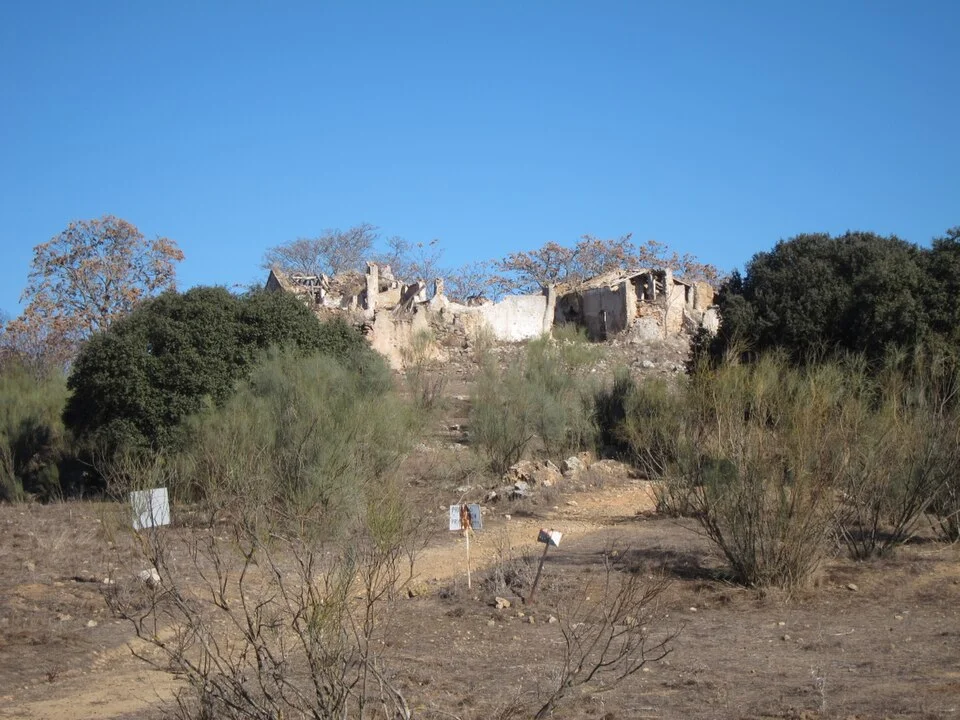
    Deep in the pine-scented hills of the Montes de Málaga, a piece of Andalusia’s rural heritage is preparing for a quiet renaissance. The ruined Cortijo Cerro Molina, a historic farmhouse long reclaimed by wild rosemary, olive trees, and Mediterranean scrub, has been granted a new lease on life.

    In a move that highlights Málaga’s shifting focus toward high-quality, sustainable inland tourism, the city’s Urbanism Commission has officially approved a comprehensive rehabilitation project. This initiative will transform the crumbling stone ruins into an exclusive, eco-friendly rural retreat, offering travelers a peaceful sanctuary just a short drive from the bustling coastal capital.

    Breathing Life into Cerro Molina

    For decades, the Cerro Molina estate stood as a silent witness to the region’s agricultural past. Once a bustling farmhouse central to local olive and wine production, the structure eventually fell into severe disrepair, leaving only its stone bones standing against the mountain breeze.

    According to planning details published by El Español, the approved plan focuses heavily on architectural preservation. Rather than replacing the historic structure with a modern build, the developers will meticulously reconstruct the original footprint. The goal is to retain the traditional Andalusian cortijo aesthetic—characterized by whitewashed thick stone walls, terracotta roof tiles, and central courtyards—while integrating modern, low-impact luxury.

    Key Features of the Restoration

    • Sustainable Architecture: Reclaiming original stone and using traditional lime mortars to minimize the carbon footprint.
    • Off-Grid Integration: Utilizing solar energy and advanced rainwater harvesting systems to ensure the retreat operates in harmony with the protected natural park.
    • Slow Travel Focus: Designed for minimal density, prioritizing quiet communal spaces, yoga decks, and stargazing platforms.

    The Allure of the Montes de Málaga

    For expats and seasoned travelers, the Montes de Málaga Natural Park has always been a beloved escape. Often referred to as the “lungs of Málaga,” this sprawling green expanse is famous for its winding cycling routes, dense Aleppo pine forests, and traditional ventas (roadside restaurants) serving the hearty, traditional plato de los montes.

    Despite its proximity to the city, the park has historically lacked boutique, high-end accommodation options. The rebirth of Cortijo Cerro Molina addresses this gap perfectly, offering an experience akin to discovering Málaga’s secret boutique hotels and historic patios. It offers a base for those who wish to spend their mornings hiking under the shade of pines and their afternoons enjoying the cultural offerings of Málaga’s historic center, located just 30 minutes away.

    A Growing Trend Toward Conscious Tourism

    This project is part of a broader, highly welcome trend across southern Spain. As coastal destinations face pressure from mass tourism, local authorities and conscious developers are turning their eyes inland, riding the wave of inland Málaga’s growing rural tourism boom. By converting historic, abandoned structures into boutique eco-hotels, the region successfully preserves its rural architectural heritage while generating sustainable economic activity in countryside communities.

    For those seeking a deeper, slower connection to the Andalusian landscape, the future opening of Cerro Molina represents a beautiful bridge between Málaga’s rustic past and its sustainable future.

    There is something profoundly comforting about knowing that a place once forgotten by time will soon welcome travelers again. As the old stone walls of Cerro Molina are carefully rebuilt, they remind us that with a bit of vision and respect for the land, even the most fragile ruins can find a beautiful path forward.

  • Málaga Heatwave: Orange Alert Hit Costa del Sol

    Málaga Heatwave: Orange Alert Hit Costa del Sol

    Málaga and the Costa del Sol experienced a severe spike in temperatures on Friday, July 17, 2026, as Spain’s State Meteorological Agency (Aemet) activated an orange weather warning for extreme heat. This intense spell follows warnings of a Sahara heatwave in Málaga that pushed temperatures across the province toward 40ºC.

    For tourists, expats, and locals alike, navigating the intense summer heat of southern Spain requires preparation and awareness. Beyond staying cool, ensuring your general security is also key, as detailed in recent updates on summer safety and police deployments in Málaga. Here is a breakdown of the areas affected, the timeline of the alert, and essential safety advice to help you cope with the ongoing summer conditions.

    The Scope of the Orange Alert

    According to the official warning reported by Málaga Hoy, the orange alert was active on Friday, July 17, 2026, from 13:00 to 20:59.

    An orange alert indicates a significant meteorological risk with temperatures capable of causing heat exhaustion or heat stroke if proper precautions are not taken. While many seek relief from the heat at the newly opened Costa Water Park across Costa del Sol beaches, staying safe remains a priority. The primary areas affected included:

    • Málaga Capital: The city center and coastal neighborhoods.
    • Western Costa del Sol: Popular coastal destinations including Marbella, Estepona, Fuengirola, Benalmádena, and Torremolinos.
    • Guadalhorce Valley: Inland towns such as Coín, Alhaurín de la Torre, and Cártama, which traditionally experience even higher temperatures due to their distance from the cooling sea breeze.

    During this window, temperatures in the Guadalhorce Valley and parts of the coast—including Estepona, where the municipality recently started work on its new velodrome and rugby field—surged close to or above 40°C (104°F), driven by the region’s infamous terral—a dry, hot inland wind that acts like a hairdryer blowing across the province.

    Understanding the Weather Warnings in Spain

    If you are visiting Málaga this summer, it is helpful to understand the color-coded warning system used by Aemet:

    • Yellow Alert (Risk): Temperatures are high, but normal for this time of year. Be cautious if you are planning outdoor activities.
    • Orange Alert (Important Risk): Temperatures pose a genuine danger to health. Outdoor activities during peak hours should be avoided.
    • Red Alert (Extreme Risk): Exceptional weather conditions that pose a severe threat to public safety. Extreme caution is required.

    Essential Heat Safety for Visitors

    If you are not accustomed to the Mediterranean summer, the combination of high temperatures and humidity can be overwhelming. Keep these vital safety tips in mind during any extreme heat event in Málaga:

    1. Avoid Peak Hours

    Do not schedule sightseeing, hiking, or beach trips between 12:00 and 18:00. This is when the sun’s radiation is strongest and temperatures peak. Instead, adopt the local lifestyle: run errands early in the morning or enjoy the cooler evening air after sunset.

    2. Stay Hydrated

    Drink plenty of water throughout the day, even if you do not feel thirsty. Avoid excessive alcohol, caffeine, and highly sugared drinks, as they can accelerate dehydration.

    3. Seek Air Conditioning and Shade

    If your holiday rental or hotel does not have air conditioning, spend the hottest hours of the day in air-conditioned public spaces such as museums, shopping centers, or local cafes. Keep the blinds and curtains closed at your accommodation to block out the direct sunlight.

    4. Protect Your Skin and Eyes

    Apply high-factor sunscreen (SPF 50+) regularly, wear a wide-brimmed hat, and use UV-blocking sunglasses. Light-colored, loose-fitting cotton clothing is highly recommended.

    5. Watch for Heat Exhaustion

    Learn to recognize the early signs of heat-related illness, which include heavy sweating, rapid pulse, dizziness, headache, nausea, and muscle cramps. If you or someone you are traveling with experiences these symptoms, move to a cool place immediately, drink water, and seek medical attention if symptoms persist.

    As we move through the rest of the 2026 summer season, staying informed is your best defense against the Andalusian heat. Keep an eye on local weather updates, look out for one another, and enjoy the beautiful Costa del Sol safely and responsibly.

  • Malaga Weekend Guide: Yellow Sound and Free Cinema

    Malaga Weekend Guide: Yellow Sound and Free Cinema

    Mid-July Weekend Vibes in Malaga

    With the mid-summer heat in full swing—especially as the latest Málaga heatwave triggers an orange alert on the Costa del Sol—finding the perfect balance between fun, culture, and staying cool is the ultimate goal. For the weekend of July 18–19, 2026, Malaga has lined up an excellent mix of budget-friendly and family-oriented activities.

    Whether you are an international resident settling into the city or a visitor looking to experience Malaga like a local, this weekend offers a fantastic lineup. According to the latest listings on Diario Sur’s local agenda, you can look forward to live indie music, retro treasure hunting, and free outdoor entertainment.

    1. Yellow Sound Festival: Indie Vibes and Live Music

    If you love live music and a relaxed, creative atmosphere, the Yellow Sound Festival is the place to be this weekend. Designed as a celebration of local talent and indie culture, this gathering brings together musicians, artists, and food lovers.

    • What to expect: A curated lineup of local indie bands, acoustic sets, and singer-songwriters.
    • The Vibe: Casual, open-air, and highly social—perfect for meeting fellow expats and locals alike.
    • Food & Drink: Local food trucks will be on-site serving up craft beers and street food options, making it easy to spend the entire evening enjoying the tunes.

    2. Free Outdoor Cinema and Video Games for Families

    Summer nights in Malaga are made for being outdoors. To help families make the most of the cooler evening air, several districts across the city are hosting free outdoor cinema screenings and interactive video game zones.

    Open-Air Cinema

    Forget crowded indoor theaters. This weekend, grab a beach chair or a blanket and head to one of Malaga’s designated public squares or beachside spots. The city’s summer cinema program is screening family-friendly films (often dubbed in Spanish, which is a great way to practice your language skills!).

    Retro Gaming Zones

    Alongside the movie screenings, dedicated family zones are featuring classic video games. Kids can try their hand at retro consoles, while parents can indulge in a bit of nostalgia with games from the 80s and 90s. It’s a wonderful, cost-free way to keep the little ones entertained after the sun goes down.

    3. The Monthly Collectors’ Fair: Retro Treasures

    For those who love the thrill of the hunt, the latest edition of Malaga’s monthly Feria de Coleccionismo (Collectors’ Fair) is happening this weekend.

    This is a haven for lovers of nostalgia, vintage aesthetics, and unique memorabilia. Vendors from across the province gather to showcase:
    * Vintage toys and action figures from past decades.
    * Vinyl records, cassettes, and retro video games (including classic Nintendo, Sega, and PlayStation titles).
    * Comic books, trading cards, and cinema posters.

    Even if you aren’t looking to buy, wandering through the stalls is like taking a stroll down memory lane. It is also an excellent opportunity to chat with passionate local collectors and discover a different side of Malaga’s cultural community. If you enjoy this kind of local atmosphere, you might also want to explore our guide to Málaga’s weekend markets and art shows.

    Quick Tips for Enjoying the Weekend

    • Beat the Heat: Most outdoor activities, including the cinema and festival stages, start later in the evening (usually after 20:30 or 21:00) when the temperature drops. During the hotter daytime hours, a great alternative is to seek sanctuary in one of the city’s air-conditioned galleries—check out these 15 Malaga art exhibitions to see today.
    • Hydrate and Protect: If you are heading to daytime events like the collectors’ fair, keep a bottle of water handy and wear sun protection.
    • Public Transport: Malaga’s bus network and metro are highly efficient. Consider using them to avoid the hassle of summer parking in the city center.

    We hope this weekend brings you plenty of laughter, great music, and maybe a vintage treasure or two. Malaga has a wonderful way of making everyone feel at home, and we hope these local plans help you connect even deeper with our beautiful city. Have a wonderful weekend!

  • Ignas Brazdeikis Signs with Unicaja Baloncesto

    Ignas Brazdeikis Signs with Unicaja Baloncesto

    Basketball in Málaga is far more than just a sport; it is a shared passion that unites locals and the city’s rapidly growing international community. Every weekend, the Martín Carpena Arena transforms into a green-and-purple cauldron of energy. Now, there is even more reason for local fans and Málaga’s vibrant Northern and Eastern European expat community to be excited, especially as Txus Vidorreta rebuilds Unicaja Malaga for the 2026 season.

    Unicaja Baloncesto has officially secured the signing of Lithuanian-Canadian international forward Ignas Brazdeikis. The 27-year-old, 2.01-meter-tall swingman arrives from EuroLeague regulars Zalgiris Kaunas, marking a massive statement of intent for the club’s upcoming campaign after a period of strategic patience in the transfer market.

    A High-Caliber Addition to the Perimeter

    Brazdeikis, known for his physical style of play, scoring versatility, and high basketball IQ, represents the second major reinforcement for head coach Txus Vidorreta’s ambitious new project. Having proven his pedigree at the highest levels of European basketball, his arrival is designed to give Unicaja a competitive edge both domestically in the Liga Endesa (ACB) and on the continental stage.

    According to reports by Mundo Deportivo, the club moved quickly to secure Brazdeikis to fortify their perimeter defense and add a dynamic offensive threat who can drive, shoot, and create mismatches.

    Born in Kaunas but raised in Canada, Brazdeikis brings a unique blend of North American grit—honed during his college years at Michigan and stints in the NBA with the New York Knicks, Orlando Magic, and Philadelphia 76ers—and European tactical discipline. His return to Zalgiris Kaunas solidified his reputation as one of the most reliable small forwards on the continent, making him a highly coveted asset in this summer transfer window, as highlighted by Europa Press.

    Perfect Fit for Málaga’s Expats and Basketball Fanatics

    For the thousands of Northern and Eastern European expats who have made the Costa del Sol their home, basketball is a familiar touchstone. Lithuania, in particular, treats basketball as a second religion. Having a star player of Brazdeikis’s caliber wearing the Unicaja colors is bound to draw even more international residents to the Martín Carpena.

    As detailed by La Opinión de Málaga, his tactical versatility allows him to slot seamlessly into Vidorreta’s fast-paced, high-intensity transition system. Fans can expect a player who fights for every rebound, drives fearlessly to the basket, and brings elite defensive intensity.

    Looking Ahead: The Debut and the Champions League

    Supporters won’t have to wait long to see the new-look squad in high-stakes action. Unicaja is scheduled to make its highly anticipated debut in the Basketball Champions League (BCL) on October 7, 2026.

    In a poetic twist of fate, their opening match will be against the Lithuanian side Juventus Utena. As reported by Marca, this matchup will serve as an immediate, high-intensity test for Brazdeikis against familiar foes from his home country, setting the stage for an explosive start to the season.

    Whether you are a lifelong Unicaja supporter or a newcomer to the province looking to experience the electric atmosphere of Spanish basketball, the 2026/2027 season promises to be unforgettable. Securing your season tickets early is highly recommended, as the “Carpena effect” is set to be stronger than ever.

    There is something truly magical about the way sport brings people together in Málaga. Sitting in the stands, surrounded by different languages but united by the same chant, reminds us of how welcoming this coastal home really is. We wish Ignas the warmest of welcomes to Andalucia, and we cannot wait to see him fight for the green and purple on the hardwood this October.

  • Málaga Luxury Hotels: New Openings and Trends in 2026

    Málaga Luxury Hotels: New Openings and Trends in 2026

    The Golden Age of Málaga’s Hospitality

    Over the past few years, Málaga has undergone a profound metamorphosis. Once considered merely the gateway to the Costa del Sol, the city has firmly established itself as a premier cultural and luxury destination in Southern Europe. This evolution is most vividly reflected in its hospitality sector. In 2026, the local hotel landscape is defined by a sophisticated blend of historic preservation, high design, and a decisive shift toward five-star luxury, backed by an unprecedented boom in hotel investments.

    For travelers seeking to experience the capital of the Costa del Sol today, the options have never been more elegant or diverse. From beachfront palaces to chic rooftops, discovering Málaga’s best hotels has become an experience in itself. Here is an insider’s look at what is happening with hotels in Málaga right now.

    The Rise of Five-Star Heritage Properties

    Historically, Málaga lacked the high-end hotel infrastructure found in neighboring Marbella. Today, that narrative has completely changed. The city’s historic center has become a canvas for meticulously restored palaces and landmark buildings transformed into ultra-luxury accommodations.

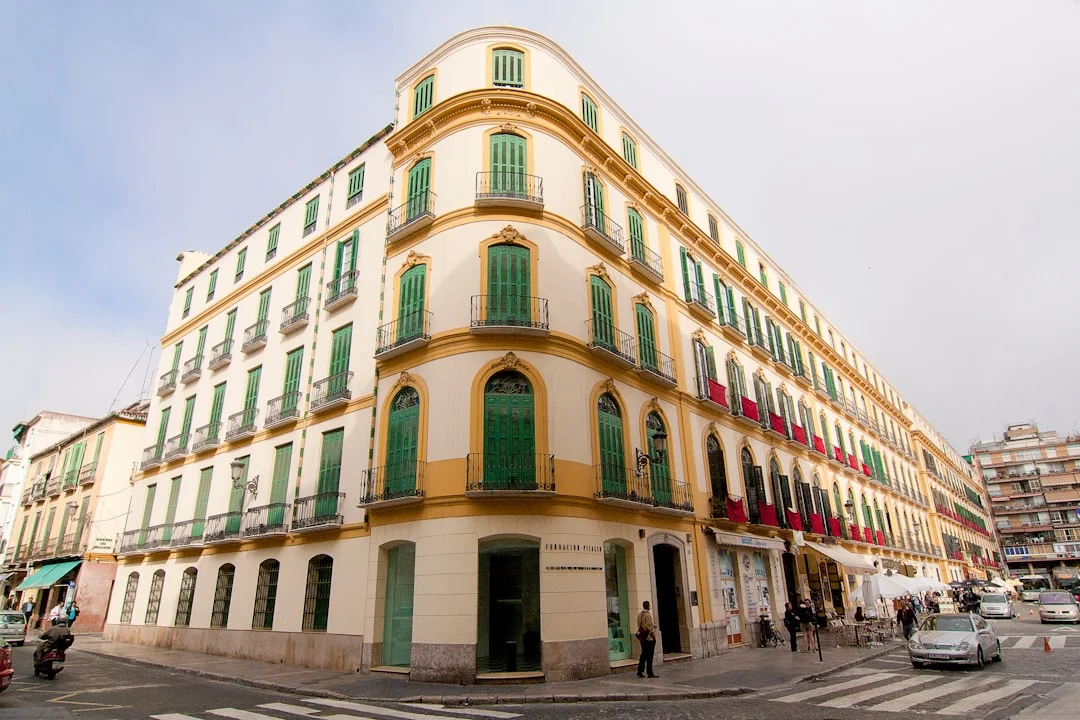
    Properties like Palacio Solecio, located in the vibrant Calle Granada, have set a new benchmark. Housed in an 18th-century Andalusian palace, it seamlessly marries original architectural details—such as its stunning central courtyard—with contemporary comforts. Similarly, the iconic Gran Hotel Miramar continues to reign as the grand dame of Málaga’s seafront, offering classic palatial luxury just steps from the Mediterranean.

    These establishments are not just places to sleep; they are cultural hubs that invite guests to step directly into the city’s rich history.

    Boutique Innovation in Soho and the Historic Center

    Beyond grand luxury, Málaga’s boutique hotel scene is thriving, particularly in neighborhoods like Soho (the art district) and the winding alleys of the Centro Histórico.

    • Soho’s Creative Vibe: Hotels in Soho cater to a design-conscious, creative crowd. These spaces often feature rooftop terraces with panoramic views of the port, minimalist aesthetics, and collaborations with local artists.
    • Historic Center Hideaways: Tucked away from the bustling main avenues, these establishments are perfect for those wanting to explore Málaga’s secret hotels and hidden patios, offering personalized service and a quiet sanctuary from the energetic streets.

    A key trend in 2026 is the integration of gastronomy within these boutique spaces. Many hotels now partner with renowned Andalusian chefs to offer curated culinary experiences right on-site, making the hotel restaurant a destination for locals and visitors alike.

    The Shift Toward Sustainable and Regulated Tourism

    As Málaga’s popularity grows, the city administration and hoteliers are increasingly prioritizing sustainability. In 2026, there is a clear movement toward high-quality hotel developments over unregulated holiday apartments. This shift aims to preserve the character of Málaga’s neighborhoods while ensuring that tourism contributes positively to the local economy.

    Newer hotel projects are designed with strict environmental standards, incorporating energy-efficient systems, locally sourced materials, and zero-plastic initiatives. By choosing to stay in these regulated, forward-thinking establishments, travelers play a direct role in supporting the sustainable future of the city.

    Choosing Your Perfect Málaga Base

    Depending on the purpose of your visit, different neighborhoods offer distinct hotel experiences:

    • For Culture Lovers: Stay in the Centro Histórico. You will be within walking distance of the Picasso Museum, the Roman Theater, and the Alcazaba.
    • For a Modern, Artistic Edge: Choose Soho. It is ideal for those who appreciate street art, trendy cafes, and proximity to the Malaga María Zambrano train station.
    • For Beachside Relaxation: Opt for La Malagueta or El Limonar, where grand villas and seafront hotels offer a quieter, resort-style atmosphere just a short walk from the center.

    As Málaga continues to write its next chapter, its hotels are doing far more than keeping pace—they are leading the way. They offer spaces where history is honored, design is celebrated, and hospitality is practiced with genuine Andalusian warmth. We hope your stay in our beautiful city brings you closer to its soul, leaving you with memories of warm Mediterranean breezes and golden afternoon light.

  • Agora Datalab: Málaga’s New Data Economy Hub

    Agora Datalab: Málaga’s New Data Economy Hub

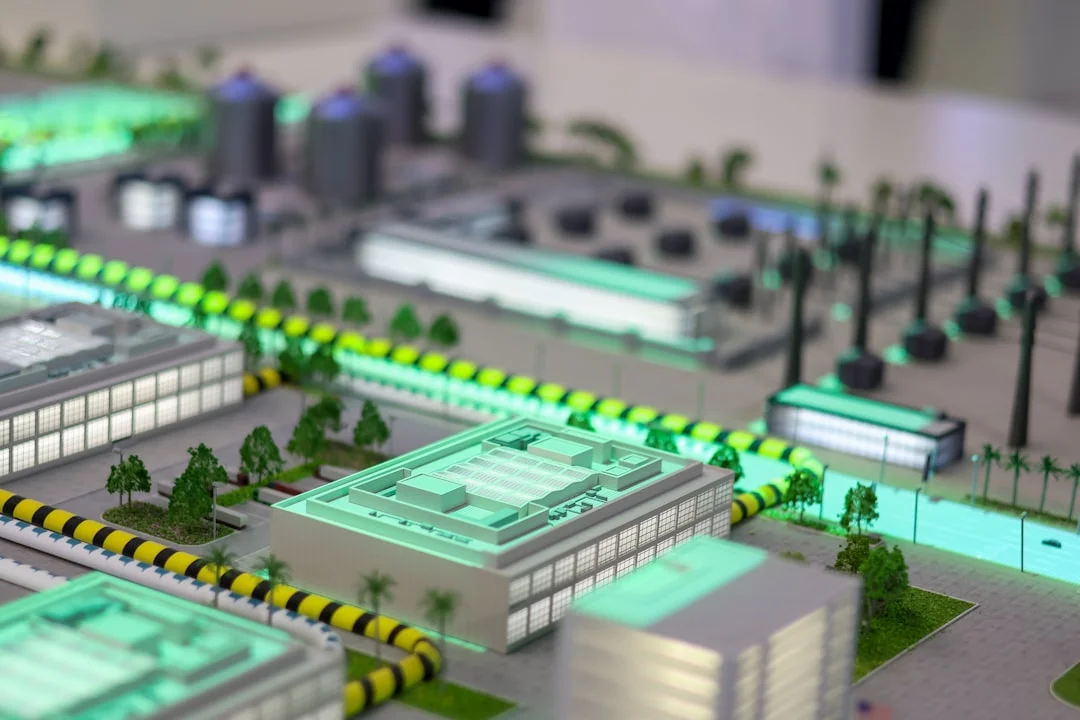
    Málaga’s transformation into the “Silicon Valley of Southern Europe” is no longer just a marketing slogan; it is a structural reality that is also reshaping its hospitality landscape with new luxury hotel openings and trends. At the heart of this evolution lies the ability to translate academic research into market-ready commercial applications. The consolidation of Agora Datalab at the University of Málaga (UMA) marks a pivotal step in this direction, positioning the city as the primary hub for the data economy in Andalusia.

    According to a recent report by La Razón, Agora Datalab has established itself as a critical transfer agent, funneling cutting-edge research in Big Data and Artificial Intelligence directly into the local and international business fabric.

    Bridging the Gap: From UMA to the Tech Hub

    Historically, European universities have faced challenges in commercializing academic research. Agora Datalab addresses this bottleneck directly. Operating as a specialized innovation center, it acts as a collaborative bridge between researchers at the University of Málaga—who are behind breakthroughs like AI research that cuts smart city energy by 50%—and the private sector.

    For Malaga tech hub startups and multinationals alike, this center offers direct access to proprietary algorithms, advanced data models, and highly specialized academic talent, helping companies innovate even as power grid shortages stifle Málaga’s data center growth. The flow of knowledge works both ways:

    • Technology Transfer: Academic breakthroughs in machine learning and predictive analytics are packaged into scalable solutions for enterprise use.
    • Real-World Sandbox: Companies provide real-world, anonymized datasets, allowing researchers to test models under actual market conditions.
    • Co-Development: Joint ventures and public-private partnerships accelerate the time-to-market for data-driven products.

    Powering Andalusia’s Data Economy

    Data has become the infrastructure of modern industry. Agora Datalab’s strategic focus on the data economy is designed to capture high-value investments in the region. By standardizing data processing, promoting ethical AI practices, and developing robust data governance frameworks, the center is setting the benchmark for regional innovation.

    The economic impact is measurable. By fostering synergies in Big Data, the lab helps local enterprises optimize supply chains, improve predictive maintenance in manufacturing, and personalize services in tourism—the region’s economic backbone, which is increasingly adopting sustainable tourism practices to attract high-value visitors. This focus on practical application ensures that Málaga remains competitive on a global scale.

    Opportunities for Tech Professionals and Startups

    For the growing community of digital nomads, software engineers, and entrepreneurs in Málaga, the consolidation of Agora Datalab opens up significant opportunities:

    1. High-Value Tech Jobs

    The demand for data scientists, data engineers, and AI specialists in Málaga is surging. Agora Datalab acts as an incubator for talent, aligning university curricula with the actual needs of the market. This direct pipeline is expected to fuel a new wave of data economy jobs in Málaga, offering local and international professionals roles in cutting-edge R&D projects.

    2. Resources for Startups

    Early-stage companies often lack the capital to invest in heavy R&D. Through Agora Datalab, startups can leverage state-of-the-art infrastructure and consult with leading data scientists, lowering the barrier to entry for AI-driven business models.

    3. Collaborative Ecosystem

    The lab organizes workshops, hackathons, and joint research initiatives, creating a physical and intellectual meeting ground where tech talent can network, share ideas, and spark new business ventures.

    A Sustainable Tech Future

    As Málaga continues to attract global tech giants, initiatives like Agora Datalab ensure that this growth is rooted in local talent and sustainable academic foundations. By turning data into a tangible regional asset, Málaga is securing its position not just as a beautiful place to work remotely, but as a genuine powerhouse of technological innovation.

    Watching our city evolve from a holiday destination into a leading technological hub is incredibly inspiring. As we look to the future, the integration of academic excellence with entrepreneurial drive through centers like Agora Datalab promises to build a more resilient, knowledge-based economy for everyone who calls Málaga home.