Tag: lang:en

  • Malaga’s Healthcare Paradox: Private Boom, Public Shortage

    Malaga’s Healthcare Paradox: Private Boom, Public Shortage

    Malaga is experiencing an unprecedented period of growth. As thousands of remote workers, expats, and retirees flock to the Costa del Sol, the city’s infrastructure is adapting rapidly. However, this growth has highlighted a stark contrast in the local healthcare system: a thriving, highly-resourced private sector operating alongside a public system struggling to fill critical primary care vacancies.

    For international residents and locals alike, navigating this dual system has become a central part of living in the province.

    The Private Sector Boom: Highest Capacity in Andalusia

    To accommodate the influx of new residents, Malaga’s private healthcare sector has expanded at a record pace. According to a recent analysis by Diario SUR, private health insurance registrations in Malaga have doubled over the past 15 years.

    This surge in demand has turned Malaga into the Andalusian province with the highest number of private doctors and hospital beds. For expats, private insurance is often a prerequisite for residency visas, which has further fueled this market. The private sector offers fast access to specialists, modern facilities, and English-speaking staff. However, this rapid growth has put pressure on the availability of medical professionals, drawing talent away from the public sector.

    The Public Crisis: 80% of Family Doctor Plazas Left Unfilled

    While the private sector flourishes, the Andalusian Public Health Service (SAS) is facing a critical bottleneck. The primary care system, which acts as the first line of defense for residents, is struggling to attract new doctors.

    In the latest residency allocation round, Malaga’s public health system failed to cover nearly 80% of its offered family medicine residency spots. As reported by Málaga Hoy, only 43 out of 203 family medicine positions were filled.

    Several factors contribute to this shortage:
    * High Cost of Living: Malaga’s housing market has become prohibitively expensive for young doctors on public sector residency salaries.
    * Workload and Burnout: Public primary care doctors face demanding schedules, often seeing dozens of patients a day with limited time per consultation.
    * Brain Drain: Many graduates opt for private practice or move to other European countries where salaries and working conditions are more competitive.

    Without a steady influx of family doctors, waiting times for routine appointments at local health centers (centros de salud) are expected to rise, pushing even more residents toward private alternatives.

    Tensions Rise: The Introduction of ‘Unidad Sócrates’

    The strain on the public system has not only led to longer wait times—which recently prompted thousands to march in Málaga to defend public healthcare—but has also increased friction between patients and healthcare staff. Frustration over delays and administrative hurdles has occasionally boiled over into verbal and physical aggression against medical workers.

    To combat this rising tension and protect staff, the Andalusian government has launched a specialized security initiative. As detailed by Málaga Hoy, the regional government is deploying the ‘Unidad Sócrates’, a dedicated security task force. This unit includes 186 new agents in the Malaga province, specifically trained to de-escalate conflicts, secure medical facilities, and ensure a safe working environment for doctors, nurses, and administrative staff.

    What This Means for Malaga Residents and Expats

    If you are living in or moving to Malaga, understanding this paradox is essential for managing your health coverage:

    1. Dual Coverage is Common: Many locals and expats maintain access to both systems. They use private insurance for fast-track specialist consultations and diagnostics, while relying on the public system (SAS) for emergency care, complex surgeries, and heavily subsidized prescriptions.
    2. Registering for Public Healthcare: If you contribute to the Spanish social security system, you are entitled to public healthcare. You must register at your local centro de salud to be assigned a GP (médico de cabecera), though you should expect potential delays for non-urgent appointments.
    3. Choosing Private Insurance: If opting for private care, look for policies with a wide network of hospitals in the Malaga province. Be aware that during peak seasons, even private clinics are experiencing longer wait times due to the sheer volume of patients.

    As Malaga continues to evolve into a global hub, addressing these systemic healthcare challenges remains a priority. We hope to see balanced solutions that support our dedicated public healthcare workers while maintaining the high standards of care that make our province such a desirable place to call home.

  • Aemet Activated Yellow Wind Alert for Málaga on Friday

    Aemet Activated Yellow Wind Alert for Málaga on Friday

    Residents and visitors across Málaga and the Costa del Sol had to adjust their weekend kickoff plans as Spain’s State Meteorological Agency, Aemet, activated a yellow weather warning for strong winds on Friday, June 12, 2026. This coastal warning added to a complex meteorological weekend, which also saw Aemet activate a yellow weather alert for high temperatures in inland parts of the province.

    The alert, which primarily targeted the coastal strip, brought challenging conditions to beaches, ports, and outdoor venues across the province.

    Strong Gusts and Coastal Agitation

    According to the forecast details published ahead of the event by Diario SUR, the yellow warning was triggered due to expected southeast winds reaching speeds of up to 70 km/h.

    Unlike the more common westerly (Poniente), easterly (Levante), or the intense terral winds in Málaga that regularly sweep through the region, southeasterly gusts can cause sudden choppy sea conditions and unexpected turbulence along the shoreline.

    The warning was particularly focused on:
    * Coastal Areas: From Manilva to Nerja, including Málaga city.
    * Maritime Activities: Marinas, commercial ports, and local fishing fleets were advised to secure moorings.
    * Beach Zones: Sunbeds, umbrellas, and chiringuito terraces required extra securing to prevent damage or injury.

    Impact on Outdoor and Beach Plans

    With summer energy building up, Friday afternoon is traditionally the prime time for locals and tourists to head to the beach or enjoy dinner on an outdoor terrace. However, the 70 km/h gusts forced many to relocate indoors.

    Safety Reminder: During yellow wind alerts on the coast, local authorities recommend staying away from breakwaters, piers, and beachfront boardwalks where sudden waves can sweep over pedestrian areas.

    For those navigating the city, high winds also present hazards from falling tree branches, loose debris from balconies, and unstable temporary structures. Fortunately, because the alert was issued in advance, local businesses and municipal services were able to take preventive measures.

    Looking Ahead: Returning to Calm

    Thankfully, these intense wind episodes on the Costa del Sol tend to blow through quickly. As we move further into the weekend, conditions are expected to stabilize, allowing everyone to safely return to the beaches and outdoor plazas that make Málaga so special.

    Whether you are a resident or just visiting, keeping an eye on local weather advisories ensures you can enjoy everything our beautiful coastline has to offer without any unwanted surprises. Stay safe, adapt your plans when nature calls for it, and enjoy the sunny days ahead.

  • Dekra Boosts Growth with Málaga TechPark Hub

    Dekra Boosts Growth with Málaga TechPark Hub

    Germany-based testing, inspection, and certification multinational Dekra has solidified its commitment to Spain, positioning its technology hub at Málaga TechPark (PTA) as a primary engine for its strategic growth.

    In its latest performance review presented in June 2026, the company outlined strong financial activity from the previous fiscal year and set ambitious targets for its Horizon 2030 strategic plan. According to data reported by La Opinión de Málaga, Dekra’s Málaga facilities are central to its global operations in connectivity, cybersecurity, and intelligent driving technologies.

    Driving Innovation from Málaga TechPark

    Dekra’s presence in the Parque Tecnológico de Andalucía (PTA) is not merely administrative; it is a highly specialized R&D core. The multinational has invested heavily in creating world-class testing environments in Málaga, focusing on three high-growth tech verticals:

    • Smart and Connected Vehicles: Testing V2X (Vehicle-to-Everything) communication and automated driving systems.
    • Cybersecurity: Evaluating consumer IoT devices, industrial systems, and automotive components against international security standards.
    • Global Connectivity: Testing wireless technologies (5G, Wi-Fi, Bluetooth) to ensure seamless integration across global markets.

    These capabilities make the Málaga hub one of Dekra’s most advanced testing sites globally, attracting international clients from the automotive, telecommunications, and consumer electronics industries.

    The Road to 2030: Revenue and Service Expansion

    With a clear horizon set for 2030, Dekra expects its Spanish division to experience a substantial increase in turnover and service diversification. The Málaga hub will absorb a significant portion of this growth.

    As digital transformation accelerates across traditional industries, the demand for third-party validation, safety testing, and cybersecurity certification is skyrocketing. By leveraging Malaga’s thriving technology ecosystem, Dekra aims to scale its workforce and expand its test laboratories to meet these demands.

    Opportunities for Tech Professionals and Expats

    For the growing community of international software engineers, cybersecurity experts, and digital nomads residing on the Costa del Sol, Dekra’s expansion signalizes a highly stable and mature job market.

    Unlike transient startups, established multinationals like Dekra offer long-term career paths, structured R&D environments, and the opportunity to work on cutting-edge global projects. The company regularly recruits for roles in:

    • Embedded software testing
    • Cybersecurity analysis and ethical hacking
    • Telecommunications engineering (5G/RF)
    • Project management and international business development

    This growth further cements Málaga’s reputation as a premier technological hub in Southern Europe, offering a unique combination of high-caliber professional opportunities and unparalleled quality of life.

    As Málaga continues to attract industrial giants and digital talent alike, the synergy between local infrastructure and global innovation becomes clearer every day. We look forward to seeing how these technological advancements shape the local economy, creating a brighter, more connected future for everyone who calls this vibrant coast their home.

  • Málaga Hotels Top €100 RevPAR Amid Tourist License Row

    Málaga Hotels Top €100 RevPAR Amid Tourist License Row

    Málaga’s transition from a quiet coastal gateway to a premier European urban destination is reaching its financial peak. During the first four months of 2026, the city’s hotel industry crossed a historic threshold, solidifying its position as one of Spain’s most lucrative markets for hospitality investors.

    Yet, this economic success comes at a cost. The rapid growth of visitor accommodation has reignited a fierce political debate regarding residential displacement, local cost of living, and the regulation of short-term holiday rentals.

    Record-Breaking Profitability in Early 2026

    For the first time, Málaga’s hotels have surpassed the symbolic barrier of €100 in RevPAR (Revenue Per Available Room) during the first quadrimester of the year. According to industry data published by Málaga Hoy, this milestone reflects not just rising room rates but sustained high occupancy levels even outside the traditional summer peak.

    Historically, the winter and early spring months served as a shoulder season. However, Málaga’s appeal to digital nomads, cultural tourists, and international business conferences has flattened the seasonality curve. Investors are seeing unprecedented returns, making the capital of the Costa del Sol a prime target for luxury hotel brands and boutique developments.

    The Political Backlash: The ‘Monopoly’ Accusation

    While hoteliers celebrate record margins, local neighborhood groups and opposition politicians are voicing deep concerns. The primary point of contention is the continued approval of tourist apartment licenses (viviendas de uso turístico or VUTs), which critics argue is hollowout the city’s historic center and residential neighborhoods.

    In June 2026, the debate escalated significantly in the local city council. As reported by La Opinión de Málaga, opposition leader Ruiz Araujo sharply criticized Mayor Francisco de la Torre, accusing the administration of treating the city like a “Monopoly board” after the municipal government approved a new batch of roughly twenty tourist apartment licenses.

    The opposition is demanding an immediate moratorium on new holiday rental permits. They argue that the current pace of approvals directly worsens Malaga’s housing crisis, undermining local access to long-term rental housing, driving up rental prices, and forcing long-term residents out of their own neighborhoods.

    The Balancing Act: Tourism vs. Liveability

    This tension highlights a structural challenge facing Málaga in 2026. The city must balance its lucrative tourism economy with the basic needs of its local population.

    • Economic Benefits: High RevPAR attracts high-spending visitors, boosts local commerce, creates hospitality jobs, and funds municipal infrastructure.
    • Social Costs: The proliferation of tourist rentals reduces the supply of long-term housing, driving up average rents to levels that are increasingly unaffordable for young locals and working-class families.

    As the city council debates stricter zoning laws and potential limits on holiday apartments, the hospitality sector is watching closely. Striking the right balance will determine whether Málaga remains a thriving, livable Mediterranean capital or becomes a victim of its own success.

    As we look to the future, we hope Málaga can find a path that honors both its visitors and its residents. The warmth, character, and soul of this city do not come from its modern hotel suites, but from the people who live, work, and build their lives in its neighborhoods every single day. Finding a sustainable equilibrium is the only way to keep that unique spirit alive.

  • Áurea Palacio de la Tinta Opens as Málaga’s 6th 5-Star

    Áurea Palacio de la Tinta Opens as Málaga’s 6th 5-Star

    A New Era of Elegance in La Malagueta

    Málaga has taken another monumental step in its evolution as a premier global destination. On June 12, 2026, the city officially inaugurated the Áurea Palacio de la Tinta, marking the opening of Málaga’s sixth five-star hotel. This landmark project, housed in one of the city’s most iconic twentieth-century buildings, represents a masterclass in architectural preservation and high-end hospitality, further boosting a market where Málaga hotels have topped €100 RevPAR amid a growing tourist license row.

    For years, Málaga was celebrated primarily as the gateway to the Costa del Sol. Today, it stands proudly on its own merits as a sophisticated cultural and luxury capital. The arrival of the Áurea Palacio de la Tinta solidifies this transformation, offering discerning travelers an exquisite blend of history, design, and personalized service.

    A Meticulous €55 Million Restoration

    The journey to bring this historic gem back to life has been both ambitious and deeply respectful. According to reports by Europa Press, the project required an investment of €55 million and nearly three years of meticulous restoration work.

    Originally built in 1908 by the French architect Julio Anaya, the building served as the headquarters for the Andalusian Railway Company (Compañía de los Ferrocarriles Andaluces). Locally, it became known as the Palacio de la Tinta (the Palace of Ink) due to the vast quantities of ink delivered daily to produce train tickets and manage railway administration.

    The architectural intervention has carefully preserved the building’s original Parisian-style facade, its grand central courtyard, and its imposing marble staircases. By blending these classical Edwardian and French-inspired elements with contemporary luxury, the hotel offers guests a rare sense of timelessness.

    The “Wow” Factor: A New Benchmark for Luxury

    The grand opening ceremony in June 2026 drew key figures from the tourism and political sectors. As detailed by COPE, the Andalusian Minister of Tourism expressed his sheer amazement during a tour of the premises, summarizing his reaction with a simple, spontaneous: “Wow.”

    This sentiment captures the essence of the property. It is not merely a place to sleep, but a sensory experience. The hotel features:

    • Elegant Rooms and Suites: Individually designed spaces that respect the high ceilings and large windows of the original palace, offering stunning views of the Mediterranean Sea and the surrounding cityscape.
    • A Sanctuary of Well-being: A state-of-the-art wellness area and spa designed to offer a peaceful retreat from the vibrant energy of the city.
    • Gastronomic Excellence: Culinary spaces that celebrate local Andalusian flavors reimagined through modern techniques.

    Consolidating Málaga’s Premium Tourism

    The addition of the Áurea Palacio de la Tinta brings Málaga’s five-star hotel inventory to six. This rapid expansion of premium accommodation is a direct response to the growing demand from affluent international travelers who seek authentic cultural experiences without compromising on comfort.

    As highlighted by Diario SUR, the city’s strategy of attracting high-value tourism is paying off. By focusing on rescuing historic heritage rather than constructing new, modern resorts, Málaga preserves its soul while elevating its international profile. The Palacio de la Tinta, located just steps from the beach of La Malagueta and a short stroll from the Picasso Museum and the Roman Theatre, perfectly bridges the gap between leisure and culture.

    For travelers planning their next stay and looking to explore the best hotels in Málaga, this new opening represents the pinnacle of premium hospitality. Whether you are visiting for a weekend cultural getaway or using the city as a base to explore the wider region, the Áurea Palacio de la Tinta promises an unforgettable immersion into the history and future of southern Spain.

    As we watch our beloved city evolve, it is heartening to see its historic architecture treated with such reverence. The Palacio de la Tinta has long been a silent witness to Málaga’s industrial and administrative past; today, it opens its doors to write a vibrant new chapter of hospitality, warmth, and timeless elegance. We hope your next walk through La Malagueta brings you past its majestic doors, where history and the sea breeze meet.

  • Málaga Violin Spider: What Expats and Hikers Need to Know

    Málaga Violin Spider: What Expats and Hikers Need to Know

    Málaga’s sun-drenched hills, rustic fincas, and dramatic mountain trails offer an idyllic backdrop for expats and outdoor enthusiasts. However, living in harmony with southern Spain’s breathtaking nature also means sharing the landscape with its native wildlife.

    In June 2026, local health officials and media outlets raised awareness about the araña violinista (violin spider) following severe bite incidents in the province. While there is no need for panic, understanding the habits of this reclusive arachnid is essential for anyone living in rural villas or hiking the Andalusian sierras. As the region grows and debates continue over how Málaga must be built to accommodate its residents, learning to safely coexist with the local wildlife is a vital part of adapting to life in southern Spain.

    Recent Incidents in Málaga

    While encounters remain rare, a recent report by Diario Sur highlighted the experiences of local residents who required urgent medical intervention after being bitten. The victims described severe localized reactions, with the venom causing deep, painful lesions that required specialized wound care and prolonged treatment.

    Medical specialists in Andalusía confirm that the violin spider (Loxosceles rufescens) is one of the most venomous species in the Mediterranean basin. Although it has coexisted with humans in southern Spain for millennia, the severity of these recent cases serves as a timely reminder for residents to exercise basic precautions.

    Identifying the Violin Spider

    The Mediterranean violin spider is relatively small and unassuming, making it easy to overlook:

    • Size: Typically measures between 7 to 15 mm (excluding the legs).
    • Color: Light brown to yellow-brown.
    • Key Feature: A distinctive dark, violin-shaped mark on its cephalothorax (the head-and-chest region). However, this mark can sometimes be faint or difficult to see with the naked eye.
    • Eyes: Unlike most spiders which have eight eyes, the violin spider has only six, arranged in three pairs.

    Behavior and Habitat: Where Do They Hide?

    It is important to understand that the violin spider is not aggressive. It does not hunt humans and will only bite as a last resort when trapped against skin—typically when someone puts on an old shoe, pulls on a dusty gardening glove, or rolls over in bed.

    True to its other common name, the “recluse spider,” it prefers dark, dry, and undisturbed environments. Common hiding spots include:

    • Indoors: Behind heavy furniture, inside dark closets, in unused shoes, and under cardboard boxes in garages or basements.
    • Outdoors: Underneath rocks, inside woodpiles, in dry stone walls, and around rustic outbuildings of country homes (fincas).

    Symptoms of a Violin Spider Bite

    A bite from a violin spider may initially go unnoticed, often feeling like a mild pinprick. However, its venom contains dermonecrotic agents that can cause a condition known as loxoscelism.

    Within a few hours, the following symptoms typically develop:

    1. Intense Pain and Redness: The bite area becomes swollen, red, and increasingly painful.
    2. The “Bullseye” Pattern: A central blister often forms, surrounded by a pale ring and a larger red halo.
    3. Necrosis: In severe cases, the tissue around the bite darkens and decays, forming a deep ulcer (or “hole” in the skin) that heals very slowly and may require surgical clearing.
    4. Systemic Symptoms: Though rare, some individuals may experience fever, chills, joint pain, or nausea.

    What to do if you are bitten: Wash the area immediately with soap and cold water, apply ice to reduce swelling, keep the affected limb elevated, and seek medical attention at the nearest Centro de Salud or hospital emergency room. If possible, safely capture or photograph the spider to help doctors confirm the species.

    Practical Safety Tips for Expats and Hikers

    You do not need to alter your outdoor lifestyle, but integrating a few simple habits into your daily routine can virtually eliminate the risk of a severe bite:

    • Shake Out Footwear: Always shake out hiking boots, gardening shoes, and work gloves before putting them on, especially if they have been left in a garage, utility room, or outdoor terrace.
    • Clear with Caution: Wear thick protective gloves when clearing woodpiles, moving stones, or cleaning out long-neglected storage sheds.
    • Seal Your Home: Ensure window screens are intact and seal gaps under doors leading to the outside to prevent spiders from wandering indoors during the hot summer months.
    • Mindful Hiking: When resting on trails, avoid sticking your hands blindly into rocky crevices or under decaying logs.

    Living in Málaga means enjoying the raw beauty of the Mediterranean landscape. By staying informed and practicing these simple, mindful habits, we can safely share this gorgeous corner of Andalusia with all of its native inhabitants, keeping our homes and outdoor adventures secure.

  • Architect Jose Segui: Malaga Must Be Built for Living

    Architect Jose Segui: Malaga Must Be Built for Living

    Malaga is undergoing one of the most rapid urban and economic transformations in its modern history. The influx of international tech companies, digital nomads, and real estate investors has turned the capital of the Costa del Sol into a global success story. However, this rapid growth has brought significant challenges, particularly regarding housing affordability and urban identity. Furthermore, as more newcomers and hikers venture into the surrounding countryside, awareness of local nature hazards—such as the violin spider in Málaga—has also become a key topic of interest for the growing expat community.

    Prominent local figures are urging caution. Among the most respected voices is the award-winning architect and urban planner José Seguí, who argues that Malaga must not lose its soul in the pursuit of modernization. For international residents and locals alike, his perspective offers a crucial framework for understanding where the city is heading.

    The Housing Crisis and the Pressure of Holiday Rentals

    At the heart of Malaga’s current challenges is a severe housing shortage, which has forced the market to adapt with trends like converting commercial spaces into residential units. The surge in tourist apartments (viviendas turísticas) has significantly reduced the long-term rental stock, driving prices to historic highs and pushing local families out of the city center.

    In a detailed analysis published by El Cierre Digital, José Seguí warned about the critical housing shortage and the intense pressure that holiday rentals exert on the Costa del Sol. Seguí emphasizes that while tourism is a vital economic engine, an unregulated market risks turning the historic center into a theme park devoid of actual neighborhood life.

    For Seguí, the solution does not lie in halting growth, but in managing it through strict, forward-thinking urban planning. He advocates for a balanced approach where residential zones are protected to ensure that those who work in Malaga can actually afford to live here.

    Balancing Foreign Investment with Local Livability

    Malaga’s ability to attract foreign capital is undeniable. High-end real estate and eco-friendly luxury developments on the Costa del Sol, alongside new hotel projects and office spaces, are rapidly reshaping the skyline. While Seguí acknowledges that foreign investment is vital for the city’s economic dynamism, he insists that urban planning must prioritize creating a city designed for residents to live in, not just visit.

    “A city that is not good for its own residents will eventually cease to be attractive to visitors.”

    This philosophy highlights a growing concern among urban planners: when a city prioritizes the consumer experience of the temporary visitor over the daily needs of the permanent resident, the social fabric begins to fray. Sustainable development requires that new investments contribute directly to public spaces, green areas, and affordable housing initiatives.

    The Need for Metropolitan Mobility

    As Malaga expands, it can no longer be viewed as an isolated municipality. The entire Costa del Sol is evolving into a single, interconnected metropolitan linear city. To support this growth, Seguí points out that infrastructure and mobility must be urgently modernized.

    Key areas of focus include:
    * Expanding Public Transport: Extending the Cercanías train line further along the coast and improving bus networks to connect outlying residential areas with the city center.
    * Reducing Car Dependency: Creating pedestrian-friendly corridors and expanding bicycle infrastructure to make daily commutes sustainable.
    * Metropolitan Coordination: Ensuring that neighboring municipalities work together on shared infrastructure projects rather than planning in isolation.

    Without these improvements, the physical distance between where people work and where they can afford to live will continue to create severe traffic congestion and lower the overall quality of life.

    Looking Ahead

    Malaga stands at a defining crossroads. The decisions made by policymakers, developers, and communities over the coming years will determine whether the city remains a vibrant, livable Mediterranean home or becomes a victim of its own success. By listening to seasoned experts like José Seguí, Malaga has the opportunity to pioneer a model of urban growth that welcomes the world while fiercely protecting the well-being of the people who keep the city alive every single day.

  • Málaga Weekend: Free Star Wars and Magic Family Plans

    Málaga Weekend: Free Star Wars and Magic Family Plans

    A Weekend of Magic and Adventure in Málaga

    Finding engaging, high-quality activities for children that also appeal to adults can be a challenge. Fortunately, Málaga’s cultural agenda this weekend offers a fantastic mix of illusion, charity, and sci-fi adventure. Whether you are a local family or an international resident looking to integrate into the community, these events provide a great opportunity to enjoy the city together. You can also discover more options in our comprehensive Málaga weekend guide for family plans.

    According to the local leisure updates on Diario Sur, this weekend of June 13–14, 2026, brings highly anticipated performances—similar to the theatrical highlights found in our guide to Málaga weekend events in Soho—and free interactive experiences designed to spark the imagination of younger audiences.

    The Jajejijojú Charity Festival: Magic at Teatro Echegaray

    One of the weekend’s highlights is the Jajejijojú Festival, a long-running charity event dedicated to bringing humor and magic to children. This year, the festival features a headline performance by the globally recognized, award-winning magician Luis Olmedo, drawing visitors to a city currently seeing major hospitality developments as Soho Boutique and Petit Palace begin their 9-hotel transfer.

    • When: Saturday, June 13, 2026
    • Where: Teatro Echegaray, Málaga Centro
    • What to expect: A family-friendly show blending close-up magic, comedy, and incredible illusions.

    Beyond the entertainment value, the Jajejijojú festival has a deep-rooted social mission. For years, it has raised funds to support hospitalized children, bringing laughter and joy to those who need it most. Watching Luis Olmedo live is a treat for all ages, as his world-class technique and warm stage presence make the impossible feel real.

    Free Star Wars Activities for Families

    For families who love galaxies far, far away, this weekend also features a series of free Star Wars-themed activities. These events are designed to let children immerse themselves in the universe of Jedi, droids, and stormtroopers without breaking the bank.

    These free gatherings typically include:

    • Costume Parades: Local fan associations dressing up as iconic characters, offering great photo opportunities for kids.
    • Light Saber Workshops: Safe, fun introductory sessions where children can learn the basic moves of a Jedi Knight.
    • Interactive Games & Crafts: Creative workshops where kids can build their own droids or paint their favorite characters.

    These activities are an excellent way for international families to mingle with local residents in a relaxed, festive atmosphere. For more family-friendly shopping and entertainment, don’t miss the local weekend markets featuring Playmobil and crafts.

    Tips for Enjoying the Weekend with Kids

    To make the most of your family plans in Málaga, keep these practical tips in mind:

    1. Arrive Early for Free Events: Free activities are highly popular and operate on a first-come, first-served basis. Arriving 15–20 minutes early ensures you get a good spot.
    2. Use Public Transport: Parking in central Málaga during the weekend can be busy. The local EMT bus network and the metro are convenient alternatives.
    3. Combine Plans with a Tapas Stop: Many plazas near Teatro Echegaray offer outdoor seating where you can enjoy a quick lunch while the kids play safely nearby.

    We hope these suggestions help you create wonderful memories with your loved ones this weekend. Málaga continues to prove that it is not just a beautiful place to visit, but a warm, vibrant community to live in and explore together.

  • Málaga CF Face Almería in La Liga Promotion Final

    Málaga CF Face Almería in La Liga Promotion Final

    The streets of Málaga are buzzing with an energy that hasn’t been felt in years. Málaga CF is officially on the brink of returning to the elite of Spanish football, La Liga Primera División. Following a heart-stopping 1-1 draw against UD Las Palmas at a packed La Rosaleda stadium, the Blue and Whites have secured their spot in the promotion playoff final.

    Now, only one obstacle remains: a high-stakes Andalusian derby against UD Almería. For locals and the city’s growing international community alike, this is a historic moment to unite under the banner of Malaguismo and witness sports history in the making.

    The Dramatic Path to the Final

    The semi-final second leg at La Rosaleda was nothing short of a cinematic thriller. Carrying a hard-fought advantage from the first leg, Málaga CF had to endure intense pressure from a resilient Las Palmas side.

    The defining moment of the night came when Joaquín Muñoz found the back of the net, scoring the crucial equalizer. The goal unleashed absolute pandemonium inside the stadium and across the surrounding Avenida de la Palmilla, where thousands of fans who couldn’t get tickets had gathered to support the team.

    As highlighted by Málaga Hoy, this squad has shown incredible resilience and humility throughout the season, winning over the hearts of the city with their grit and determination. This fighting spirit reflects the core of Málaga CF’s squad strategy, which has revitalized the club. They are now just 180 minutes away from completing an unforgettable fairy-tale journey back to the top tier.

    The Final Battle: An Andalusian Derby

    The ultimate obstacle between Málaga CF and Primera División is regional rival UD Almería. This final playoff round will be played over two legs (home and away), promising an atmosphere of unmatched intensity.

    According to analysis by Diario Sur, this matchup brings together two clubs with deep footballing traditions in Andalusia, meaning regional pride and a spot in Spain’s top flight are both on the line. Details on the exact kickoff times and ticketing procedures are being finalized, as reported by Málaga Hoy, with demand expected to break all previous records.

    How to Experience the Playoff Fever in Málaga

    If you are new to the city or visiting, there is no better way to integrate into local culture than experiencing the passion of Spanish football. Here is how you can get involved:

    • Watch it Live at La Rosaleda: Tickets for the home leg will be incredibly scarce and will likely sell out to club members (abonados) within hours. Keep a close eye on the official Málaga CF ticketing portal for any general sale announcements.
    • Join the Pre-Match Atmosphere: Even if you don’t have a ticket, head to the area around La Rosaleda Stadium (Avenida de la Palmilla) hours before kickoff. The fan welcome (recibimiento) for the team bus is a spectacular display of color, smoke, and chanting.
    • Find a Local Sports Bar: Bars across the city center, Teatinos, and along the beachfront in Pedregalejo will be packed with fans. Places like the plazas in the historic center or dedicated sports pubs will broadcast the matches live, offering an electric communal viewing experience.

    A Shared Dream for the Whole Province

    Football has a unique way of bringing people together, transcending language barriers and cultural backgrounds. Whether you have lived in Málaga for decades or just arrived last month, the collective hope of a city fighting to regain its place among Spain’s footballing giants is a beautiful thing to behold. Let’s wear our blue and white scarves with pride and enjoy what promises to be an unforgettable chapter in Málaga’s sporting history. ¡Vamos Málaga!

  • Málaga Culture: 5 Surprising Facts You Didn’t Know

    Málaga Culture: 5 Surprising Facts You Didn’t Know

    Málaga is widely celebrated for its sunny beaches, historic Alcazaba, and its transformation into a city of museums. However, beneath the polished surface of its popular tourist attractions lies a complex cultural identity shaped by millennia of history, grassroots art movements, and unique traditions.

    Beyond the sporting excitement of the upcoming Málaga CF promotion final against Almería, here are five surprising aspects of Málaga’s cultural landscape that most visitors—and even some locals—often overlook.

    1. Ancient Phoenician Ruins Hide Beneath Modern Museums

    Málaga is one of the oldest continuously inhabited cities in Europe, founded by the Phoenicians around 770 BC. While you can visit designated archaeological sites, ancient history is literally woven into the foundations of the city’s modern art museums.

    When construction began on the Museo Picasso Málaga in the Buenavista Palace, excavators uncovered Phoenician city walls, Roman towers, and Renaissance structures in the basement. Today, visitors to the museum can descend into the archaeological crypt to view these ancient stone foundations directly beneath the galleries housing Picasso’s 20th-century masterpieces.

    2. The Iconic Biznaga is a Handcrafted Illusion

    The biznaga is the undisputed cultural symbol of Málaga, depicted in local silver jewelry, posters, and even the main award at the annual Málaga Film Festival. Yet, many travelers do not realize that the biznaga is not a real flower.

    It is an intricate piece of traditional craftsmanship. Local artisans, known as biznageros, harvest wild thistle stems (nerdos) in late spring. After drying and trimming the stems, they meticulously insert individual, unopened jasmine buds into each tiny branch. When evening falls, the jasmine buds open simultaneously, creating a perfect, highly fragrant white sphere that looks like a single, exotic flower.

    3. Lagunillas: The Grassroots Counter-Culture to Soho

    While the trendy Soho district is famous for its massive murals curated by the MAUS (Málaga Arte Urbano Soho) project, the neighborhood of Lagunillas offers a completely different, organic street art experience.

    Located just behind the Cervantes Theatre, Lagunillas is a working-class neighborhood that has resisted rapid gentrification. Local artists and residents have covered the crumbling walls of vacant lots with vibrant, unsanctioned murals. These artworks depict neighborhood characters, local legends, and sharp social commentary. It represents the authentic, community-driven counterweight to the city’s commercialized art spaces.

    4. Spain’s Oldest Protestant Cemetery is a Cultural Hub

    Tucked away in the El Limonar district lies the English Cemetery (Cementerio Inglés), founded in 1831 by the British Consul William Mark. It is the oldest non-Catholic Christian cemetery established on mainland Spain.

    Before its creation, non-Catholics who died in Málaga had to be buried upright in the beach sand at night, at the mercy of the tide and scavengers. Today, the cemetery is not just a quiet historical site but an active cultural and botanical space. It hosts classical music concerts, historical tours, and literary events, serving as a peaceful bridge between Málaga’s maritime history and its modern community.

    5. The Pompidou Centre’s Historic First Outside France

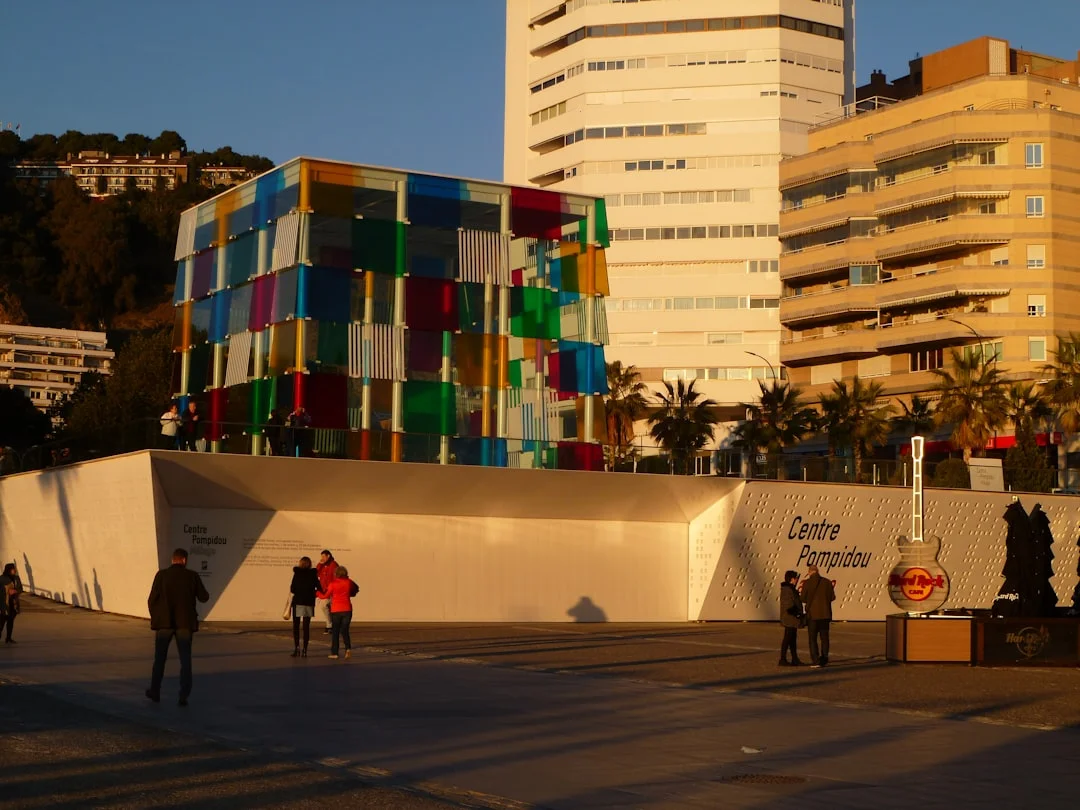
    The striking, multicolored glass cube (El Cubo) at Málaga’s port is a famous landmark, but its administrative significance is historic. The Centre Pompidou Málaga, opened in 2015, was the very first international branch of the prestigious Parisian institution outside of France.

    This partnership marked a major shift in how global art institutions collaborate with regional cities. What began as a temporary five-year experiment has become a permanent pillar of the city’s cultural identity, proving that Málaga could successfully host world-class contemporary art on a global scale.

    Understanding these deeper layers of Málaga’s heritage reveals a city that is much more than a sun-drenched holiday destination. It is a place where ancient foundations support modern ideas, and where community identity continues to thrive alongside global tourism. We hope this inspires you to look a little closer and explore the quieter, more profound corners of our city on your next walk.