Tag: lang:en

  • Malaga Traffic Warning: Critical Summer 2026 Dates

    Malaga Traffic Warning: Critical Summer 2026 Dates

    Summer in Málaga is synonymous with sun, sea, and vibrant coastal life. However, it also marks the beginning of one of Europe’s largest coordinated travel movements: Operación Paso del Estrecho (OPE). This annual transit sees millions of travelers crossing from various parts of Europe to North Africa, with Málaga serving as a pivotal hub.

    With the 2026 campaign officially underway as reported by La Opinión de Málaga, local authorities have issued key traffic warnings. To help you navigate the season smoothly, here are the critical summer dates you should avoid traveling on Málaga’s main roads and near the port area.

    Understanding Operación Paso del Estrecho (OPE) 2026

    Every year between mid-June and mid-September, hundreds of thousands of vehicles and millions of passengers travel from countries like France, Belgium, and Germany through Spain to reach ferry ports heading to Morocco, Algeria, and Tunisia.

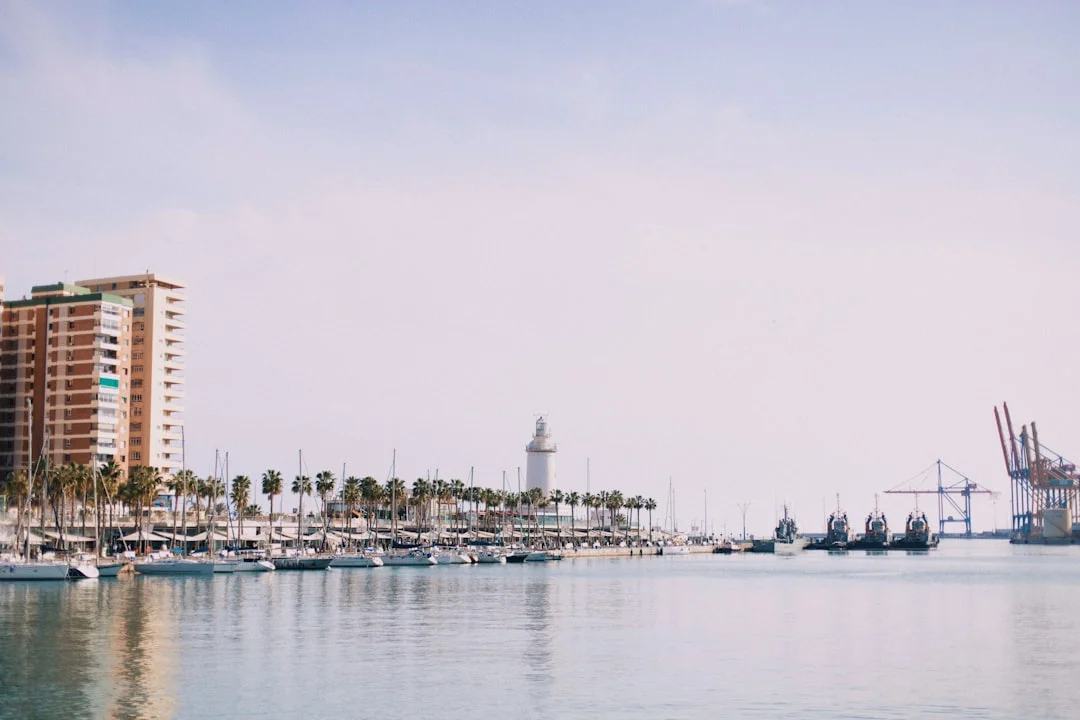
    Because Málaga is home to one of the primary ports participating in this crossing, the city’s infrastructure experiences a massive influx of vehicles. The main highways—particularly the A-7 and the MA-20—along with the access roads to the Port of Málaga, face exceptional pressure.

    The Critical Dates to Avoid

    To prevent gridlock and ensure safety, traffic authorities have identified high-intensity periods. These align with the traditional “summer shifts” when holidaymakers change over at the start and end of the months.

    If you want to avoid hours of standing traffic, try to keep off the roads on these specific dates:

    1. The Mid-Summer Peak: July 31 to August 3, 2026

    This four-day window represents the absolute peak of the departure phase. As July ends and August begins, a massive wave of travelers heads south. Local commuter traffic, tourists arriving for their August holidays, and OPE transit vehicles will converge simultaneously. Expect severe delays near the port entrance and on the eastern and western stretches of the A-7 highway.

    2. The Return Phase Bottleneck: August 28 to August 31, 2026

    As August draws to a close, the flow reverses. Hundreds of thousands of families begin their journey back to northern Europe. The final weekend of August is historically one of the most congested periods of the year on Spanish roads, and the access points around Málaga’s port and outbound highways will be heavily congested.

    Areas Most Affected by Congestion

    If you must travel on these dates, be prepared for heavy delays in the following zones:

    • The Port of Málaga Access Roads: The areas surrounding Plaza de la Marina, Paseo de los Curas, and Avenida de Manuel Agustín Heredia will experience bumper-to-bumper traffic.
    • The MA-20 and A-7 Highways: The bypasses around Málaga city, particularly the sections connecting the coastal towns (Torremolinos, Benalmádena, and Fuengirola) to the city center, will see significant slowdowns. This corridor is highly sensitive to congestion, often resulting in severe delays on the MA-20 heading towards Torremolinos.
    • A-45 (Autovía de Málaga): The main highway connecting Málaga to northern Andalusia and Madrid will also carry a heavy load of northbound and southbound travelers.

    Practical Tips for Locals and Visitors

    Navigating Málaga during these peak weekends doesn’t have to be stressful if you plan ahead. Here are a few practical recommendations:

    • Use Public Transport: Whenever possible, opt for the Cercanías C1 train line, which seamlessly connects Málaga airport, Torremolinos, Benalmádena, and Fuengirola without getting stuck in highway traffic.
    • Travel During Off-Peak Hours: If you must drive, try to travel during the early morning hours (before 7:00 AM) or late in the evening (after 10:00 PM) when the heat and traffic volume are lower.
    • Stay Updated: Keep an eye on real-time traffic updates provided by the Dirección General de Tráfico (DGT) or use GPS navigation apps that offer live rerouting.
    • Keep Essentials in the Car: If you are embarking on a road journey, always carry plenty of water, some snacks, and ensure your vehicle’s air conditioning is working perfectly.

    With a little bit of foresight and patience, we can all share the roads safely this summer. Málaga is a beautiful place to explore, and taking the time to plan your journeys around these busy windows ensures that your summer memories remain bright, relaxed, and stress-free.

  • Málaga Bus Line 25 Changes Route to Málaga TechPark

    Málaga Bus Line 25 Changes Route to Málaga TechPark

    A Faster Commute for Málaga’s Tech Talent

    Getting to the office just got a little easier for thousands of professionals in Málaga, offering a welcome alternative ahead of the critical Malaga traffic dates expected this summer. Starting today, Monday, June 15, 2026, the municipal transport company (EMT) has officially launched a new itinerary for Line 25, the primary public bus connection between the city center and the Andalucía Technology Park (Málaga TechPark) in Campanillas.

    As reported by Málaga Hoy, this overhaul is designed to tackle one of the most persistent pain points for the local tech community: transit times and reliability during peak commute hours.

    Key Updates to Line 25

    The restructuring is not just a minor tweak; it represents a significant boost in transit capacity and route efficiency:

    • Expanded Fleet: The EMT has increased the active fleet on this line to 15 buses. This boost in vehicles aims to drastically reduce wait times at stops.
    • Optimized Route: The new itinerary streamlines the path through Campanillas and the TechPark, avoiding previous bottlenecks to ensure a faster, more reliable journey.
    • Better Peak-Hour Support: The schedule adjustments target the critical morning and afternoon windows when thousands of developers, engineers, and digital nomads head to and from the tech hub.

    Connecting Local Infrastructure to Global Ambitions

    Over the last few years, Málaga has successfully positioned itself as Southern Europe’s premier tech hub. However, rapid growth brings infrastructure challenges, especially as Málaga has become Spain’s most demanding housing market. For international companies and remote workers who have relocated to the Costa del Sol, reliable public transport is a deciding factor in quality of life.

    By reinforcing Line 25, the city is addressing a vital link. Málaga TechPark hosts over 20,000 workers, many of whom prefer living in the vibrant city center and commuting daily. Improving this bus route helps bridge the gap between urban living and the suburban tech campus, while also supporting the city’s broader smart city vision and green mobility goals by encouraging workers to leave their cars at home.

    Practical Tips for Commuters

    If you are heading to the TechPark today, keep these quick tips in mind:

    1. Check the EMT App: Real-time tracking has been updated to reflect the new route and the increased frequency of the 15-bus fleet.
    2. Locate Your New Stop: Some stop locations within Campanillas and the park itself have been adjusted to streamline the flow of traffic.
    3. Combine with Metro: Many commuters find it efficient to take the Metro to El Perchel or Andalucía Tech and transfer to the EMT network.

    As Málaga continues to mature from a sunny holiday destination into a bustling international business hub, updates like these show a commitment to keeping the city moving. It is a reminder that a city’s success isn’t just measured by the multinational offices it attracts, but by how smoothly its people can move between their homes, their workplaces, and the places they love.

  • Soho Boutique and Petit Palace Begin 9-Hotel Transfer

    Soho Boutique and Petit Palace Begin 9-Hotel Transfer

    A New Era for Boutique Hospitality in Southern Spain

    The boutique hotel landscape in Southern Spain is undergoing a sophisticated transformation. Málaga’s very own Soho Boutique Hotels and Petit Palace have officially moved past their preliminary planning phases to initiate a major strategic integration. This alliance begins with the concrete transfer of nine select hotels located across Andalusia and the Valencian Community, marking a significant milestone for travelers seeking highly personalized, intimate lodging experiences.

    According to a report by Economía Digital, this operational shift is designed to optimize both management and commercialization strategies across their joint portfolio. By combining the local charm and coastal elegance of Soho Boutique with the sleek, urban character of Petit Palace, the partnership aims to redefine high-quality hospitality in some of Spain’s most vibrant destinations.

    Strengthening the Andalusian and Valencian Portfolios

    The core of this initial phase lies in the seamless transition of nine properties. These hotels, situated in prime locations across Andalusia—where local transit is also evolving, as seen with the recent changes to the Málaga bus line 25 route—and the Comunidad Valenciana, represent the first physical step in a deeper corporate union.

    For Málaga—the birthplace and heart of the Soho Boutique brand—this integration signals a strengthening of its local tourism ecosystem, further elevating the city’s reputation for hosting some of the best hotels in Southern Spain. Travelers can expect:

    • Enhanced Service Standards: Shared operational expertise means more refined guest services and modernized amenities.
    • Streamlined Booking & Loyalty: A more cohesive portfolio allows travelers to easily plan multi-city boutique itineraries across Spain.
    • Curated Local Experiences: Both brands share a commitment to reflecting the authentic culture, architecture, and spirit of their host cities.

    Synergy of Two Distinct Identities

    What makes this integration particularly compelling is how well the two brands complement each other. Soho Boutique Hotels has built a stellar reputation for capturing the warm, artistic essence of Málaga and the wider Andalusian coast. Their properties feel deeply connected to their neighborhoods, offering guests a stylish sanctuary.

    On the other hand, Petit Palace is celebrated for its historic, centrally located urban buildings equipped with contemporary design and family-friendly flexibility. Together, they form a formidable alliance capable of catering to modern digital nomads, leisure travelers, and families alike, without losing the intimate “boutique” feel that defines them.

    As the hospitality sector in Spain continues to evolve toward highly curated and experiential travel, consolidations like this ensure that local charm is backed by robust, efficient management.

    We look forward to seeing how these beautifully transformed spaces continue to welcome wanderers from near and far, offering them not just a place to sleep, but a memorable gateway into the heart of our beloved cities.

  • Joana Vasconcelos Exhibition Opens at Picasso Museum

    Joana Vasconcelos Exhibition Opens at Picasso Museum

    A Monumental Summer Highlight at Museo Picasso Málaga

    Málaga’s cultural landscape has taken a bold, colorful leap forward for the 2026 summer season. The Museo Picasso Málaga is currently hosting one of its most ambitious contemporary exhibitions to date: “Joana Vasconcelos. Transfiguración”.

    Known globally for her monumental, vibrant, and thought-provoking installations, the celebrated Portuguese artist Joana Vasconcelos brings her unique vision to the heart of the Costa del Sol. This exhibition stands as a major highlight of the city’s current cultural agenda, as noted in the weekend listings by DonPorque.

    The Art of Transforming the Everyday

    At the core of Vasconcelos’s practice is the recontextualization of domestic and everyday items. By scaling these objects to monumental proportions, she challenges viewers to reconsider the ordinary.

    Visitors to the exhibition can expect:
    * Monumental Sculptures: Large-scale works that interact dynamically with the historic architecture of the Palacio de Buenavista.
    * Textile and Ceramic Fusion: Intricate crochet patterns, traditional Portuguese ceramics, and industrial materials woven together.
    * Cultural Dialogue: A playful yet profound critique of consumerism, gender roles, and national identity.

    The dialogue between Picasso’s legacy and Vasconcelos’s contemporary, feminist-forward perspective adds a fascinating layer of depth to the museum’s galleries this summer.

    Visiting the Exhibition in 2026

    If you are planning to experience “Transfiguración” firsthand, here is what you need to know:

    • Location: Museo Picasso Málaga (Palacio de Buenavista, Calle San Agustín, 8).
    • Atmosphere: Immersive and highly visual—ideal for families, art enthusiasts, and casual visitors alike.
    • Tickets: It is highly recommended to book your tickets online in advance, as summer crowds in Málaga are expected to be significant.

    Whether you are a lifelong admirer of contemporary sculpture or simply looking for an inspiring way to spend an afternoon in the historic center, this exhibition offers a sensory journey unlike any other in Andalusia this year.

    Málaga continues to prove that it is far more than just a gateway to the beaches of Southern Europe. Seeing historic spaces transform through the eyes of living, visionary artists reminds us of the power of creativity to connect us all. We hope this spectacular exhibition leaves you feeling inspired and brings a fresh perspective to your travels through our beautiful city.

  • Malaga Students Design Low-Cost Hand Prosthetics

    Malaga Students Design Low-Cost Hand Prosthetics

    Malaga’s evolution into a prominent European technology hub relies heavily on its local talent pipeline. While multinational corporations continue to establish offices in the region, driven in part by the IMEC effect drawing foreign tech firms to Málaga TechPark, the University of Malaga (UMA) serves as a critical incubator for practical, high-impact research.

    In a clear demonstration of this academic capability, engineering students at UMA have successfully designed a functional, low-cost hand prosthetic. This project highlights the university’s growing emphasis on biomedical engineering and showcases how academic research can directly address real-world accessibility challenges.

    The Innovation: Accessible Biomedical Engineering

    Traditional upper-limb prosthetics often carry prohibitive price tags, ranging from thousands to tens of thousands of euros. This financial barrier restricts access for many individuals who require assistive devices, particularly in developing economies or underserved communities.

    To address this gap, the student team at UMA focused on creating an affordable, functional alternative. According to a report by Diario Sur, the design leverages modern manufacturing techniques to drastically lower production costs without sacrificing essential mechanical functionality.

    Key features of the UMA hand prosthetic include:

    • 3D-Printed Components: Utilizing durable, medical-grade plastics that can be manufactured on standard 3D printers, reducing production overhead.
    • Mechanical Simplicity: Optimizing the internal cable and joint systems to ensure reliability and ease of maintenance.
    • Adaptive Grip: Engineering the fingers to conform to various object shapes, allowing users to perform daily tasks like holding cups or gripping utensils.

    Driving Malaga’s Tech Ecosystem Forward

    This project is not an isolated academic exercise; it aligns closely with Malaga’s broader strategy to position itself as a digital and technological leader in Southern Europe. By fostering practical research in fields like biomedical engineering, UMA ensures that its graduates possess the highly specialized skills demanded by the expanding local tech sector.

    “Practical, student-led research bridges the gap between theoretical engineering and tangible social utility, demonstrating the immediate value of public university funding.”

    As tech parks in Malaga continue to expand, projects like this low-cost prosthetic illustrate how local ingenuity can solve global challenges. The integration of 3D printing, biomechanics, and cost-efficient design principles reflects the exact type of agile innovation that modern tech employers seek.

    We look forward to seeing how these young engineers continue to refine their designs, and we hope their work inspires further investment in local scientific research. It is incredibly heartening to see Malaga’s bright minds dedication to improving lives, proving that the future of technology in our city is not just smart, but deeply compassionate.

  • Málaga is Spain’s Most Demanding Housing Market

    Málaga is Spain’s Most Demanding Housing Market

    The housing landscape in Andalusia has reached a historic and challenging milestone. According to a newly released study by the real estate portal Idealista, featured in La Opinión de Málaga, Málaga has officially become the Spanish province that requires the highest percentage of household income to secure a home, surpassing traditional hotspots like Madrid, Barcelona, and San Sebastián in relative financial effort.

    For expats, long-term renters, and prospective buyers, this shift marks a critical turning point in the cost of living on the Costa del Sol, especially when paired with other public service pressures like Malaga’s healthcare paradox.

    The Numbers Behind the Effort Rate

    The “effort rate” measures the proportion of a household’s average income needed to cover housing costs. Financial advisors historically recommend keeping this figure below 30% to ensure financial stability. While this financial strain affects many, the city continues to foster affordable innovation in other sectors, recently seen when Malaga students designed low-cost hand prosthetics. However, Málaga’s current metrics paint a much more demanding picture:

    • Renting a Home: The effort rate required to rent a property in Málaga province has climbed to an unprecedented 49% of the average household income.
    • Purchasing a Home: Buying a property in the province now demands 43% of the average household income.
    • Málaga Capital: Interestingly, the city itself shows slightly lower, though still highly elevated, effort rates—hovering between 35% and 40%. This suggests that the intense pricing pressure is heavily driven by coastal luxury markets and highly sought-after municipalities across the wider province, such as Marbella, Benahavís, and Estepona.

    Why Málaga Leads the Country in Financial Demand

    Several macroeconomic and local factors have converged to place Málaga at the top of this national ranking:

    1. The Wage-to-Price Disconnect: While property prices and rental rates have surged due to international demand, local average salaries have not kept pace. This creates a high “effort rate” for residents who earn local wages.
    2. The Tech Hub Boom: The rapid expansion of Málaga as a southern European technology hub has attracted high-earning digital nomads and multinational executives, driving up premium rental prices.
    3. Chronic Supply Shortages: The construction of new residential developments has not been fast enough to match the massive influx of new residents moving to the province.

    What This Means for Residents and Expats

    For those planning to move to or relocate within the province, navigating this market requires strategic planning. Renters are increasingly looking toward inland municipalities or alternative coastal areas like Vélez-Málaga to find more balanced rates.

    For buyers, securing a mortgage now requires a more robust financial profile, as Spanish banks closely scrutinize debt-to-income ratios, especially when the local effort rate exceeds the recommended 30% threshold.

    As Málaga continues to grow and evolve, finding a sustainable balance between economic development and housing accessibility remains the region’s greatest challenge. While the market presents real hurdles, the warmth, culture, and community of this coastal province continue to make it a place many are determined to call home. We hope that local initiatives and market adjustments will soon bring some much-needed relief to families and newcomers alike.

  • Málaga March Draws Over 1,000 Against Childhood Cancer

    Málaga March Draws Over 1,000 Against Childhood Cancer

    A Community United for a Vital Cause

    On June 14, 2026, the streets of Málaga—a city recently highlighted as Spain’s most demanding housing market—filled with hope, solidarity, and determination. More than a thousand participants gathered to take part in the city’s second solidarity march dedicated to boosting research into childhood cancer.

    The event successfully brought together families, groups of friends, and local associations in a shared effort to support young patients and their loved ones. This collective action highlights the growing strength of Málaga’s civic and international community when rallying behind critical social causes.

    A Festive and Demanding Day

    The march was designed to be both a festive celebration of life and a firm demand for increased medical resources. These demands align with ongoing local concerns about the medical system, which have recently seen citizens march in Málaga to defend public healthcare. Participants of all ages—from toddlers in strollers to seniors—walked side-by-side, creating a vibrant sea of support.

    According to reports from Diario Sur, the event maintained an uplifting atmosphere throughout the morning, proving that serious advocacy can be paired with family-friendly community engagement. Music, smiles, and shared stories filled the route, transforming a challenging topic into a powerful demonstration of hope.

    Why Funding Childhood Cancer Research is Crucial

    While survival rates for childhood cancer have improved significantly over the past decades, it remains one of the leading causes of disease-related death among children. Funding dedicated research is essential because pediatric cancers differ biologically from adult cancers, requiring unique treatments and specialized therapeutic approaches—a challenge that is particularly relevant amid the ongoing paradox in Málaga’s healthcare system regarding resource allocation and public sector shortages.

    The funds raised during this second solidarity march will go directly toward clinical trials and research initiatives. These programs aim to develop less toxic, more effective treatments that not only save lives but also ensure a higher quality of life for survivors.

    Málaga’s Growing Spirit of Solidarity

    Málaga has rapidly evolved into a cosmopolitan hub, attracting residents from all over the globe. Events like today’s march show that this diverse population is deeply integrated and committed to local social welfare. Whether Spanish-born or part of the city’s thriving expat community, the people of Málaga continue to show that they care for one another.

    Participating in local charity events is also an excellent way for newcomers to connect with neighbors, practice their language skills, and contribute meaningfully to their adopted home.

    As we look to the future, the success of this second march serves as a beautiful reminder of what can be achieved when a community stands together. We can only hope that the energy felt on the streets of Málaga today translates into lasting breakthroughs for pediatric medicine, bringing us one step closer to a world where every child has the chance to grow up healthy and strong.

  • Espetos: Why Sardines Rule Málaga’s Summer Coast

    Espetos: Why Sardines Rule Málaga’s Summer Coast

    As summer arrives in Málaga, a familiar, mouth-watering aroma begins to drift across the beaches. The scent of burning olive wood mingled with sea salt can only mean one thing: espeto season is officially here.

    For locals, expats, and travelers alike, sitting at a beachside chiringuito (beach bar) with a plate of freshly roasted sardines is the ultimate summer ritual. But the espeto de sardinas is far more than just a cheap, tasty lunch. It is a cultural institution, a masterclass in minimalist cooking, and a key element of Málaga’s rich culinary landscape.

    Here is everything you need to know about why these humble skewered sardines rule Málaga’s summer gastronomy.

    The Art of the Espeto: Fire, Sand, and Cane

    The word espeto comes from the Spanish verb espetar, which means “to skewer.” While you can find various fish cooked this way—such as sea bream or squid—the undisputed king of the skewer is the sardine.

    The preparation is deceptively simple, yet it requires years of experience to perfect. The espetero (the master griller) carefully threads half a dozen fresh sardines onto a split cane stick (caña).

    There are three golden rules to a perfect espeto:
    1. The Bone Rule: The cane must pass through the back of the fish, just below the spine, so the fish does not fall into the fire when turned.
    2. The Fire Boat: Traditionally, the skewers are placed upright in the sand inside an old fishing boat filled with sand and burning olive wood embers.
    3. Wind Direction: The espetero must place the skewers downwind from the flames to ensure the fish cooks gently in the heat without burning or getting covered in soot.

    The result is a sardine with perfectly crispy, salty skin and incredibly juicy, smoky flesh.

    Why Summer is Peak Sardine Season

    There is an old saying in Málaga that you should only eat sardines in the months without an “R”—namely May, June, July, and August.

    There is sound science behind this tradition. During the warmer summer months, the water temperatures rise, leading to an abundance of plankton. The sardines feed heavily, increasing their body fat content. This extra fat is what makes summer sardines so exceptionally flavorful, tender, and juicy. Eating them in winter simply does not offer the same rich texture.

    A Nutritional Goldmine

    Beyond their incredible taste, sardines are highly praised for their exceptional cardiovascular health benefits. In a world of heavily processed food, the espeto remains one of the cleanest, healthiest options on any menu.

    • Rich in Omega-3: Sardines are packed with healthy fatty acids that help lower cholesterol and blood pressure.
    • High-Quality Protein: A single plate of espetos provides an excellent source of easily digestible protein.
    • Vitamins and Minerals: They are naturally rich in Vitamin D, B12, calcium (especially if you eat the soft bones, as many locals do), and selenium.

    Pairing a plate of espetos with a classic ensalada malagueña (a cold potato and orange salad) or a simple tomato salad makes for a perfectly balanced, heart-healthy Mediterranean meal.

    Where to Find the Best Espetos in Málaga

    While almost every chiringuito along the Costa del Sol serves espetos, some areas are legendary for their quality and tradition. According to regional culinary spotlights and cultural features on La Vanguardia, the eastern coast of the city holds some of the deepest gastronomic roots.

    1. El Palo and Pedregalejo

    These traditional fishing neighborhoods east of the city center are the spiritual home of the espeto. The beachside promenades here are lined with casual, family-run chiringuitos where you can eat incredibly fresh fish with your feet almost touching the sand. Prices here also tend to be highly competitive.

    2. La Malagueta

    If you want to stay close to the city center, the chiringuitos along La Malagueta beach serve excellent espetos. While slightly more tourist-oriented, the quality remains high, and the view of the harbor and the lighthouse makes for a stunning backdrop.

    3. Huelin and Misericordia

    On the western side of the city, the beaches of Huelin offer a more local, bustling atmosphere. The chiringuitos here serve massive quantities of espetos to hungry local families, especially during Sunday lunches.

    How to Eat an Espeto Like a Local

    If you want to blend in with the locals, put down your fork and knife.

    1. Use your fingers: Pick up the sardine by the head and tail.
    2. Eat from the back: Gently bite into the flesh along the spine. The meat should slide easily off the bone.
    3. Flip and repeat: Once one side is clean, flip the fish and eat the other side.
    4. Keep it simple: While some places offer lemon wedges, purists argue that high-quality, fresh sardines only need a sprinkle of coarse sea salt.
    5. The perfect pairing: Wash it down with a cold caña (draft beer) or a refreshing tinto de verano.

    There is something deeply grounding about sharing a plate of espetos by the sea. It connects us to centuries of maritime history, to the simple joy of open-fire cooking, and to the relaxed, sun-drenched pace of life that makes Málaga so special. We hope you find your own favorite beachside spot this summer, pull up a chair, and savor every single bite.

  • Vélez-Málaga Wins ‘Escoba de Platino’ Eco-Award

    Vélez-Málaga Wins ‘Escoba de Platino’ Eco-Award

    The Axarquía region, with its sun-drenched coastlines, rolling hills of avocado orchards, and vibrant international community, has long been a jewel of the province of Málaga. However, balancing its rapid appeal with environmental preservation—and initiatives like the cultural revival of Vélez-Málaga’s historic center—has always required forward-thinking solutions.

    In a landmark achievement for local sustainability, Vélez-Málaga has been awarded the prestigious ‘Escoba de Platino’ (Platinum Broom), Spain’s highest environmental accolade. Presented by the Technical Association for Waste Management and Environment (ATEGRUS), this award highlights the municipality’s dedication to revolutionary waste management and water efficiency.

    A Milestone for Axarquía’s Green Future

    For the large expat community and locals alike who call the Axarquía home, this recognition marks a significant shift toward a greener, more resilient future. The award specifically honors the city’s innovative initiative titled ‘Blue Infrastructure for Green Cities’.

    As reported by La Noción following the official presentation in June 2026, the project represents a major paradigm shift. Instead of treating urban waste management and water resources as separate challenges, Vélez-Málaga has successfully integrated them into a cohesive circular economy model.

    ‘Blue Infrastructure’ Meeting Local Needs

    At the heart of the award-winning project is the optimization of scarce resources. Axarquía has historically faced severe challenges with water scarcity, making water conservation a matter of survival rather than just policy.

    The ‘Blue Infrastructure for Green Cities’ project targets these challenges through several key pillars:

    • Smart Irrigation Systems: Utilizing recycled water and advanced sensor technology to minimize waste across public parks and gardens.
    • Circular Economy Integration: Transforming urban organic waste into high-quality compost to nourish local green spaces, reducing the reliance on chemical fertilizers.
    • Modernized Waste Management: Implementing smarter collection routes and updated infrastructure to reduce carbon emissions and improve urban cleanliness.

    By prioritizing these circular systems, Vélez-Málaga is setting a standard for other coastal municipalities across the Costa del Sol, proving that urban growth does not have to come at the expense of the natural environment.

    Why This Matters for the Community

    For residents, the benefits of the ‘Escoba de Platino’ extend far beyond a trophy on a town hall shelf. Improved waste management means cleaner streets, fewer pest issues, and more beautifully maintained public parks.

    Moreover, the focus on water efficiency directly protects the region’s delicate ecosystem. By reducing the municipal draw on local reservoirs, the project helps secure a more stable water supply for both agricultural and domestic use—a critical relief for a region where water security is always top of mind.

    This prestigious award serves as an encouraging reminder of what can be achieved when local government, modern technology, and community awareness align. As Vélez-Málaga continues to implement these green infrastructures, it paves a hopeful path forward, ensuring that the beautiful landscapes of the Axarquía remain vibrant, clean, and welcoming for generations to come.

  • Unicaja: Ibon Navarro Departs as Club Targets NBA Europe

    Unicaja: Ibon Navarro Departs as Club Targets NBA Europe

    Málaga’s basketball scene is processing a major shakeup. Unicaja Baloncesto, a team that has brought immense joy to the Martin Carpena arena in recent years, is undergoing a profound transition. The club has officially announced the departure of Ibon Navarro, the most decorated coach in Unicaja’s history, marking the end of a golden era.

    However, rather than entering a period of uncertainty, the club’s management has laid out a clear, ambitious roadmap. Even as Unicaja Baloncesto battles fatigue in the ACB Semifinals, the team is looking firmly toward the future, maintaining its sporting stability for the 2026/27 season while setting its sights on a massive international leap: the projected ‘NBA Europe’ in 2027.

    The End of a Golden Era: Why Ibon Navarro is Leaving

    The news of Ibon Navarro’s departure has sent shockwaves through the fanbase. Under his leadership, Unicaja experienced an unprecedented renaissance, capturing a historic 7 titles in just 4 seasons.

    According to reports from AZ Costa del Sol, Navarro chose to rescind his contract, bringing a sudden but deeply respected end to his tenure. He leaves behind a legacy of intense, high-tempo basketball that reunited the city of Málaga with its passion for the sport. The club and fans alike have bid a heartfelt farewell to a coach who fundamentally changed Unicaja’s modern trajectory.

    No Knee-Jerk Reactions: Staying in the BCL

    With the head coach departing, speculation immediately arose regarding Unicaja’s European path. However, club president Antonio Jesús López Nieto quickly shut down any rumors of chaotic transitions.

    As reported by La Opinión de Málaga, López Nieto confirmed that Unicaja will continue playing in the Basketball Champions League (BCL) without any debate. The club values the stability and competitive level of the BCL and refuses to make erratic lateral moves to other competitions like the EuroCup.

    “We are not going to make sudden course corrections,” López Nieto emphasized, a sentiment echoed in Merchán en Directo. The focus remains on sustainable growth and maintaining a winning culture.

    The Grand Objective: ‘NBA Europe’ in 2027

    The decision to stay in the BCL is highly strategic. Unicaja is saving its energy and resources for a much larger prize. The club’s ultimate mid-term goal is to secure a spot in the highly anticipated ‘NBA Europe’ league, which is projected to launch in 2027.

    This potential new league, backed by the NBA, represents the ultimate frontier for top-tier European clubs outside the traditional EuroLeague structure. As detailed by Málaga Hoy, Unicaja wants to ensure they are in the perfect institutional and sporting position to fight for an invitation when 2027 arrives.

    Squad Stability for the 2026/27 Season

    While a new head coach will need to be appointed to succeed Navarro, the club has done its homework regarding the roster. To ensure the transition is as smooth as possible, Unicaja has already secured the continuity of eight key players for the upcoming 2026/27 season.

    This solid core guarantees that the team’s identity, defensive grit, and locker-room chemistry will remain intact. Fans heading to the Carpena next season can expect the same fighting spirit that has defined the club over the last four years, even as a new tactical mastermind takes the reins.

    Change is never easy, especially when bidding farewell to a figure as beloved as Ibon Navarro. Yet, Unicaja’s front office has shown remarkable clarity. By securing the core squad, committing to the BCL, and keeping their eyes on the global prize of NBA Europe in 2027, the green-and-purple flag of Málaga basketball looks set to fly high for years to come. We look forward to seeing the Carpena roaring louder than ever this coming autumn.