Tag: lang:en

  • Beyond the Hype: 3D Innovation and Economic Resilience in Málaga’s PTA

    Beyond the Hype: 3D Innovation and Economic Resilience in Málaga’s PTA

    While the international press often focuses on Málaga as a haven for digital nomads seeking sunshine and lifestyle, the real economic story is unfolding a few kilometers inland. The Málaga TechPark (PTA) is shifting gears. We are moving past the initial phase of generic startup hype into a cycle of industrial consolidation, where tangible metrics and B2B integration are taking precedence over valuation buzzwords.

    The Productive Pillar of Andalusia

    The narrative surrounding Málaga’s technological growth has matured. It is no longer just about potential; it is about performance. The PTA has confirmed its status as a critical productive pillar for the Andalusian economy in the current cycle.

    According to recent economic analyses highlighted by La Opinión de Málaga, the province is extending its economic boom through 2025. This growth is not accidental but structural, driven largely by the density of high-value companies operating within the park. Unlike the volatility seen in purely consumer-facing app markets, the PTA’s strength lies in its diverse ecosystem of engineering, cybersecurity, and advanced manufacturing firms.

    The Rise of 3D Technology in B2B

    One of the most significant, yet under-discussed, trends within the park is the integration of 3D visualization technologies into traditional business workflows. This is not limited to video game development or entertainment.

    Industrial firms, architects, and real estate developers operating out of Málaga are increasingly turning to 3D design to bridge the gap between technical concepts and client understanding. The impact is measurable. Companies utilizing advanced 3D design services in Málaga are reporting an increase in client engagement of up to 25%.

    This spike in engagement is attributed to:

    • Immersive Prototyping: Reducing the time-to-market for physical products by allowing clients to interact with digital twins.
    • Visual Clarity: Complex B2B solutions are often difficult to sell via text or 2D diagrams. 3D rendering simplifies the value proposition.
    • Remote Sales Enablement: For Málaga-based companies selling globally, high-fidelity 3D assets allow for detailed product demonstrations without travel.

    Sustained Growth Despite Infrastructure Hurdles

    The trajectory of the PTA is upward, but it is not without friction. The rapid expansion has placed strain on local infrastructure. Mobility remains a primary concern for the workforce, as does the housing supply for the influx of talent required to sustain this growth.

    However, the resilience of the local economy is notable. Despite these logistical challenges, the demand for specialized services—particularly in the realm of 3D tech and digital transformation—continues to rise. The market is signaling that the value provided by Málaga’s tech sector outweighs the current infrastructural growing pains.

    Looking Ahead

    For entrepreneurs and investors, the signal is clear: the opportunity in Málaga is shifting from generalist digital services to specialized, high-tech B2B solutions. The integration of 3D technology is just one example of how the PTA is maturing from a tech hub into an industrial powerhouse.

    As we watch the cranes over the city and the traffic on the way to the park, it is easy to get caught up in the logistics of growth. But looking at the data, one can’t help but feel a sense of cautious optimism. Málaga is building something that feels less like a bubble and more like a foundation, and that is a promising sign for everyone who calls this place home.
  • Sustainable Tourism: The Private Sector Takes the Lead with October’s ‘Ágora’

    Sustainable Tourism: The Private Sector Takes the Lead with October’s ‘Ágora’

    For decades, the metric for success in the Costa del Sol was simple: numbers. More arrivals, more hotel nights, more flights. However, as the streets of Málaga fill to capacity and the debate over mass tourism enters the public sphere, the professional sector is quietly but firmly shifting the goalposts. The conversation is no longer just about volume; it is about value, coexistence, and longevity.

    This October, Málaga will host the second edition of the Ágora de Turismo Sostenible (Sustainable Tourism Agora), a pivotal event where the private sector aims to take the reins of a transformation that is as much about business strategy as it is about environmental responsibility.

    From Political Debate to Professional Strategy

    While headlines often focus on the political friction regarding housing and saturation, the tourism industry itself is organizing to find practical solutions. The consensus among professionals is that the “more is better” model has reached a ceiling. The new objective is to transform the Costa del Sol into a testing ground—a living laboratory—for a tourism model that respects both the visitor and the resident.

    The upcoming Ágora is not just another conference; it is a declaration of intent. Organized with the backing of key institutional players, the event seeks to gather companies that are ready to implement real changes rather than just discuss them. According to Turismo Costa del Sol, the forum is designed to be a meeting point for reflection and, crucially, for sharing success stories that prove sustainability is profitable.

    The ‘Ágora’ in October: A Call to Action

    The second edition of this forum is scheduled for October, a strategic time as the high season winds down and planning for the next year begins. The event focuses on four main pillars:

    • Environmental Impact: Reducing the carbon footprint of travel and hospitality.
    • Social Sustainability: Ensuring tourism improves, rather than degrades, the quality of life for locals.
    • Economic Viability: Proving that green practices lead to higher quality employment and better margins.
    • Cultural Preservation: Protecting the identity that attracts visitors in the first place.

    Turismo Costa del Sol has issued a direct invitation to provincial companies to join the forum. The goal is to move beyond the major hotel chains and involve the entire ecosystem—from transport providers to small tour operators—in the dialogue.

    Why the Private Sector is Leading

    Historically, regulations have driven change. However, in the current climate, market forces are the primary driver. Travelers, particularly from Northern Europe and North America, are increasingly demanding sustainable options. Businesses that fail to adapt risk obsolescence.

    Furthermore, there is a growing recognition that unchecked massification is bad for business. As noted in recent analysis by Diario Sur, the counterproductive effects of simply increasing visitor numbers without a strategy are becoming evident. The industry understands that to protect the “golden goose,” the destination must remain livable and authentic.

    The Costa del Sol as a Sustainability Lab

    The ambition is for Málaga and the wider Costa del Sol to become a global reference for this transition. The region has the infrastructure and the brand recognition to lead. By focusing on diversification—promoting the interior, cultural routes, and off-season travel—the sector hopes to spread the benefits of tourism more evenly throughout the year and the province.

    This shift also aims to improve the quality of employment within the sector. A move toward high-value tourism requires a more skilled workforce, theoretically leading to better contracts and stability for local workers, addressing one of the main criticisms of the current model.

    Looking Ahead

    As we approach October, the industry is bracing for honest conversations. The ‘Ágora’ represents a maturity in the sector—an acknowledgement that the beauty and vibrancy of Málaga are finite resources that must be managed with care.

    It is easy to be cynical about corporate buzzwords, but the energy behind this movement feels different. There is a genuine understanding that the future of Málaga depends on finding a balance. We remain hopeful that when the industry leaders gather this autumn, the outcome will be more than just a manifesto, but a roadmap to a city that welcomes the world without losing itself.

  • Sanctuaries of Style: The Best Hotels in Málaga Today

    Sanctuaries of Style: The Best Hotels in Málaga Today

    Málaga has quietly undergone a renaissance. Once viewed primarily as the gateway to the wider Costa del Sol, the city has blossomed into a sophisticated destination in its own right, teeming with museums, gastronomy, and a palpable zest for life. This cultural flowering has been matched by an equally impressive evolution in hospitality. The city’s hotel scene is no longer just about a place to sleep; it is about architecture, history, and the art of living well.

    Whether you seek the grandeur of a five-star resort by the sea or the intimate whisper of history in a restored palace, Málaga’s accommodation portfolio has matured beautifully. Here is a curated selection of the finest hotels in Málaga today, where comfort meets the distinct soul of Andalusia.

    The Grand Dame: Gran Hotel Miramar

    Standing proudly in the La Caleta area, the Gran Hotel Miramar is the undisputed jewel of Málaga’s luxury accommodations. This 5-star Grand Luxury establishment is housed in a building that is a piece of history itself. Designed by architect F. Guerrero Strachan in the 1920s, it was originally inaugurated by King Alfonso XIII.

    The architecture is a breathtaking eclectic blend of Arabic, Mediterranean, and modernist styles. After a meticulous restoration, it reopened to reclaim its throne facing the Mediterranean Sea. The rooms are spacious and bathed in light, often featuring classic decor that nods to the building’s aristocratic past.

    What truly sets the Miramar apart, however, is its sense of space. The lush gardens provide a serene escape from the city bustle, and the pool area feels like a resort miles away from urban life, despite being a short walk from the Centre Pompidou.

    The Historic Gem: Palacio Solecio

    Nestled deep within the labyrinthine streets of the Old Town (Casco Antiguo), Palacio Solecio offers a different kind of luxury—one that is intimate, tactile, and deeply rooted in the 18th century. Located on Calle Granada, just steps from the Picasso Museum, this boutique hotel is a masterclass in restoration.

    Upon entering, you are greeted by the original stone staircase and arches that whisper stories of Genoese merchants who once inhabited the area. The interior design is sophisticated, utilizing warm woods, velvets, and a lighting scheme that creates a cozy, almost mysterious atmosphere.

    It is the perfect choice for the traveler who wishes to be immersed in the heartbeat of the city. The on-site restaurant, Balausta, led by Michelin-starred chef José Carlos García, serves Andalusian cuisine that is as refined as the surroundings.

    The Modern Icon: Only YOU Hotel Málaga

    If the Miramar is the historic queen, Only YOU is the vibrant, cosmopolitan newcomer that has taken the city by storm. Situated at the strategic intersection where the Alameda Principal meets the iconic Calle Larios, this hotel occupies the majestic ‘La Equitativa’ building.

    The vibe here is decidedly cooler and more relaxed. The decor is Art Deco meets Mediterranean chic, with a lobby that encourages socializing. The rooms are designed with a fresh, nautical-inspired palette that feels incredibly current.

    However, the crowning glory is the rooftop terrace, Lola. Offering panoramic views of the port, the Cathedral (La Manquita), and the sprawling city, it has become one of the most coveted spots for a sunset cocktail. It encapsulates the new energy of Málaga: stylish, open, and endlessly welcoming.

    History Beneath Your Feet: Vincci Selección Posada del Patio

    For those who appreciate archaeology along with their room service, the Vincci Selección Posada del Patio is unique. Located on the edge of the historic center, this 5-star hotel was built over the remains of the city’s old Roman and Arabic walls.

    Rather than burying the past, the hotel has integrated it. Guests can walk over glass floors in the lobby and restaurant to view the ancient foundations beneath. The hotel itself is modern and avant-garde, offering a sharp contrast to the ruins below. The rooftop pool offers a quiet respite, and the location provides easy access to the less tourist-heavy, yet charming, neighborhoods surrounding the river Guadalmedina.

    The Classic View: AC Hotel Málaga Palacio

    It is impossible to discuss Málaga’s hotels without mentioning the AC Hotel Málaga Palacio. While its exterior reflects the architecture of the 1960s, its location is unbeatable, sitting directly between the Cathedral and the Paseo del Parque.

    For decades, its rooftop terrace has been the benchmark for views in the city. From here, you are eye-level with the cathedral bells and have a commanding view of the port entrance. It remains a reliable, high-standard option for business and leisure travelers alike who prioritize location above all else.

    A Note on Choosing Your Stay

    When selecting your haven in Málaga, consider what defines your ideal morning. Do you wish to wake up to the sound of the sea at the Miramar? Do you prefer stepping out directly onto the marble stones of Calle Larios from Only YOU? or do you crave the silence of a hidden alleyway at Palacio Solecio?

    Málaga is a city that welcomes you with open arms, regardless of where you lay your head. We hope this guide helps you find a space that not only offers rest but enhances your connection to this beautiful corner of the world. Safe travels and sweet dreams.

  • Picasso vs. Munch: A Clash of Titans Arriving in Malaga in 2026

    Picasso vs. Munch: A Clash of Titans Arriving in Malaga in 2026

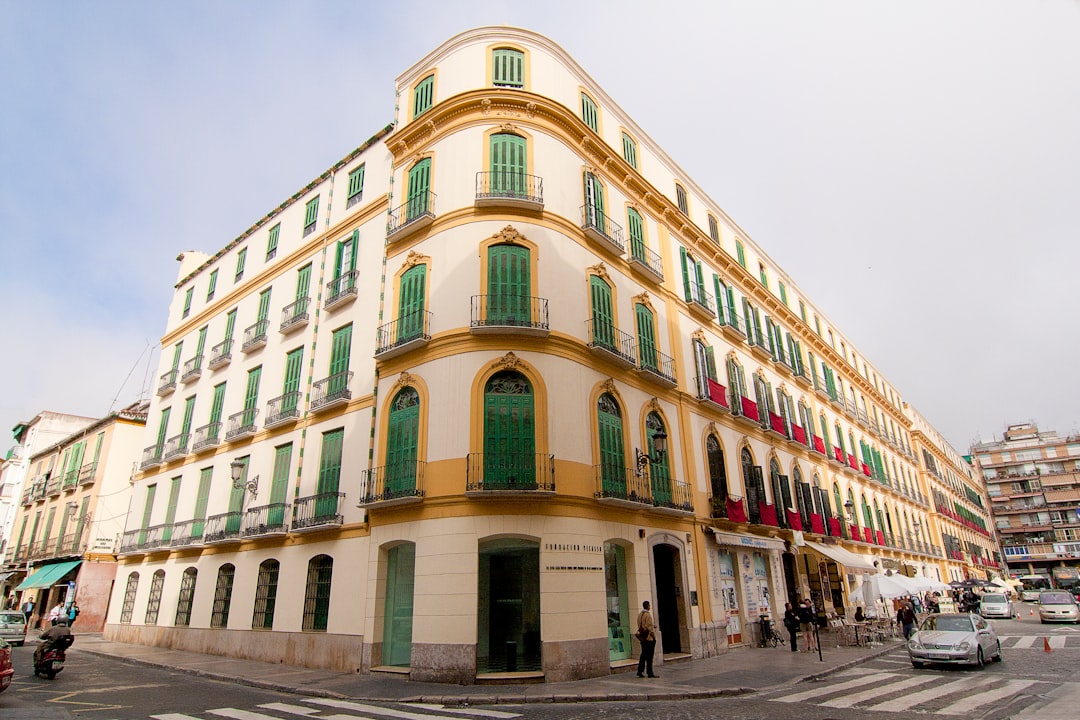
    For years, Malaga has been steadily shedding its reputation as merely a gateway to the Costa del Sol’s beaches. The city has reinvented itself as a genuine cultural hub, and if you needed proof of that ambition, the upcoming schedule for the Museo Picasso Málaga (MPM) delivers it in spades. In 2026, the museum is set to host one of its most significant exhibitions to date: a visual dialogue between two giants of modern art, Pablo Picasso and Edvard Munch.

    This isn’t just another rotation of the permanent collection. It is a curated confrontation of styles, anxieties, and genius that promises to be the cultural event of the year for our city.

    A Dialogue, Not a Duel

    While the headline might suggest a battle, the exhibition is designed as a conversation. For the first time in Malaga, the work of the local hero, Pablo Picasso, will be placed in direct correspondence with the Norwegian master of Expressionism, Edvard Munch.

    According to early details regarding the 2026 cultural calendar, the exhibition will feature more than one hundred works. This scale allows for a deep dive into how these two artists—though from different backgrounds and slightly different timelines—grappled with similar themes of human emotion, mortality, and the radical reshaping of painting in the 20th century.

    Picasso dismantled the form; Munch dismantled the psyche. Seeing them side-by-side offers a rare opportunity to understand the parallel tracks of modernism. It is a chance to see how the Scream of the north echoes against the fractured faces of the south.

    A Key Cultural Event for 2026

    The timing of this exhibition is no accident. It is positioned to be a cornerstone of the international art calendar. As noted in a recent analysis of upcoming trends by The Objective, this meeting of artistic minds is one of the definitive cultural keys for 2026.

    While the world looks at various anniversaries and new openings, Malaga is securing its spot by leveraging its most famous son in new, challenging contexts. It is not enough to simply show Picasso; the MPM is committed to showing Picasso in relation to the world.

    Consolidating Malaga as a Museum Capital

    For residents and frequent visitors, the transformation of the city center is palpable. The “mile of art” is not just a marketing slogan; it is a reality that drives the local economy and atmosphere. Hosting a collection of Munch’s works alongside Picasso’s is a logistical and curatorial feat that signals Malaga’s maturity as a museum capital.

    This exhibition moves the needle beyond tourism. It attracts scholars, art historians, and serious cultural travelers who might otherwise prioritize London, Paris, or New York. It reinforces the idea that you don’t need to leave the Mediterranean to experience world-class, high-stakes art exhibitions.

    Practical Expectations

    While specific dates and ticketing details are yet to be released, here is what we know and what you should prepare for:

    • Venue: Museo Picasso Málaga (Palacio de Buenavista).
    • Year: 2026.
    • Scope: Over 100 works.
    • Focus: A comparative analysis of Picasso and Munch.

    We recommend keeping an eye on the official museum channels as 2026 approaches. Given the magnitude of the names involved, advance booking will almost certainly be required.

    It is truly exciting to see our local museum aiming this high. Whether you are an art aficionado or just someone who appreciates the energy these events bring to the city streets, 2026 is shaping up to be a memorable year. We look forward to walking through those galleries and seeing how the silence of the Norwegian fjords meets the light of Malaga.

  • Málaga’s 2025 Vision: Tighter Rental Rules and Green Transport

    Málaga’s 2025 Vision: Tighter Rental Rules and Green Transport

    If you have walked through the historic center of Málaga recently, you have likely felt the buzz. It is undeniable—the city is thriving. But with popularity comes the inevitable question of livability. How does a city welcome the world without losing its soul (or its affordable housing)?

    We are currently witnessing a major pivot in Málaga’s urban strategy. The local and regional governments are moving away from the “anything goes” growth of the past decade toward a regulated, regenerative model. The focus is shifting to two critical pillars: controlling the explosion of tourist apartments and heavily investing in sustainable mobility.

    Here is what is happening on the ground and what it means for residents and visitors alike.

    The Crackdown on Tourist Apartments (VUTs)

    For years, the conversation around housing in Málaga has been dominated by the rise of Viviendas de Uso Turístico (VUTs)—essentially, short-term holiday rentals. While they have brought economic activity, they have also put immense pressure on the residential rental market.

    Now, the administration is tightening the screws. The Junta de Andalucía is rolling out a rigorous inspection plan for 2025 and 2026. The goal isn’t just to count listings but to actively detect and sanction illegal operations.

    According to reports from Diario de Almería, the regional government has signed agreements to reinforce the inspection of tourism activities. This involves checking that properties meet quality standards and, crucially, that they are legally registered. The message is clear: the era of unregulated growth is ending. By enforcing existing laws and introducing stricter oversight, the city hopes to return some housing stock to the long-term residential market.

    A €2.9 Million Boost for Public Transport

    While housing is one side of the coin, how we move around the city is the other. A livable city must be a mobile city, and Málaga is getting a significant financial injection to make that happen.

    The Ministry of Transport has allocated approximately 2.9 million euros to Málaga to subsidize public transport. This funding is part of a broader national initiative to keep public transit affordable and efficient.

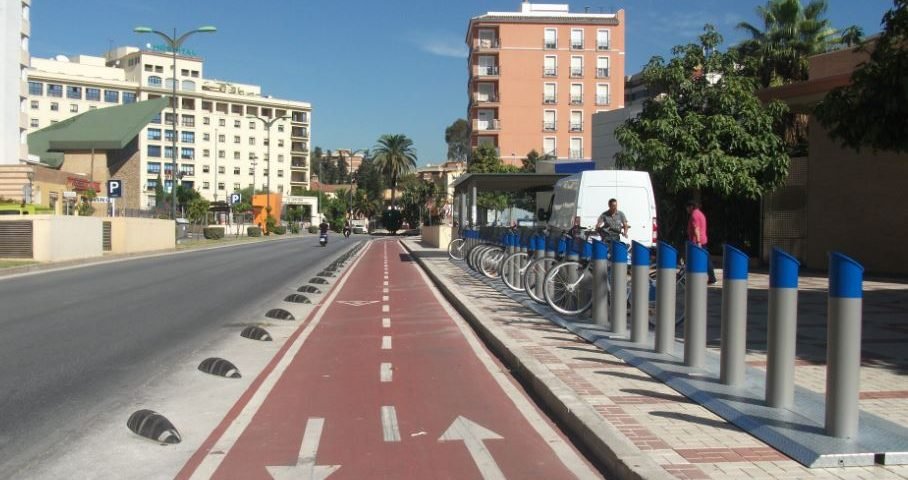
    As detailed by La Cerca, these funds are designed to support the reduction of fares for regular users and to modernize the fleet. But it is not just about buses. There is a specific emphasis on public bicycle lending systems (like our beloved Málaga Bici).

    The vision is a city where you don’t need a car to get to work or the beach. By subsidizing collective transport and incentivizing cycling, Málaga is trying to unclog its arteries and reduce the carbon footprint of its residents.

    Quality Over Quantity: The New Tourism Strategy

    This regulatory tightening pairs with a shift in marketing strategy. Málaga is no longer desperate for more tourists; it wants better tourism. The city is positioning itself as a premium gateway for high-value visitors, particularly strengthening ties with the Southern Cone (South America).

    This is a strategic move to attract visitors who stay longer, spend more, and engage more deeply with the local culture, rather than just passing through for a weekend bachelor party. As noted by El Cronista, the connection between Spain and the Southern Cone is projecting significant expansion by 2026, positioning Málaga as a key cultural and economic entry point.

    What This Means for You

    If you live here:
    Expect to see more rigorous checks on your neighbor’s Airbnb and potentially fewer lockboxes appearing on front doors. On the commute front, the continued subsidies for public transport mean that taking the bus or grabbing a public bike remains a cost-effective alternative to driving.

    If you are visiting:
    The accommodation landscape is professionalizing. You might find fewer “wild” listings, but the quality and legality of what remains should improve. The city is easier to navigate without a rental car, so consider using the bus or metro system to explore neighborhoods beyond the center.

    Change in a city as ancient and complex as Málaga never happens overnight. It is a slow, sometimes messy process of recalibration. But seeing the administration put money and legislation behind the ideas of sustainability and housing control gives us reason to be optimistic. We all want a Málaga that is welcoming to visitors but remains, first and foremost, a wonderful place to call home.

  • Gastro-Design: The New Era of Dining in Málaga’s Center

    Gastro-Design: The New Era of Dining in Málaga’s Center

    For a long time, eating in Málaga was a straightforward affair. You went for the espetos on the sand or the ensaladilla rusa in a noisy, tiled tavern. The food was honest, and the atmosphere was chaotic but charming. However, if you have walked through the city center recently, you have likely noticed a shift. The gastronomic boom that has been building over the last few years has entered a new phase: the era of Gastro-Design.

    It is no longer enough to serve excellent food. In the competitive landscape of 2025, the environment must be as curated as the wine list. We are seeing a wave of openings where interior design is not just decoration, but a fundamental ingredient of the menu.

    The Psychology of Space

    Why does the lighting over your table matter as much as the salt in your dish? According to design experts like those at Lago Interioriza, the union of gastronomy and interior design is essential for creating a complete sensory experience. The texture of the napkin, the acoustics of the room, and the color palette all prime your brain for how you perceive flavor.

    In Málaga, this trend is moving away from the industrial, unfinished look of the 2010s toward something warmer, more sophisticated, and distinctly Mediterranean. It is about creating spaces that invite you to stay, relax, and most importantly, share.

    Matiz: A New Standard for Sharing

    One of the most notable recent additions to the center is Restaurante Matiz. Located right in the heart of the city, Matiz encapsulates this new philosophy perfectly. It isn’t just a place to eat; it is a space designed for social interaction.

    The culinary concept focuses heavily on sharing—a tradition deeply rooted in Andalusian culture but elevated here with a modern twist. As reported by The Gourmet Journal, the restaurant offers a multisensory experience where the seasonal produce takes center stage, but the setting plays a crucial supporting role. The interior combines elegance with comfort, using lighting and layout to encourage conversation rather than isolation.

    When you sit down at Matiz, the architecture of the plate and the architecture of the room speak the same language. It is a prime example of how the city’s hospitality sector is maturing.

    Willie Orellana: The Cathedral’s “Must”

    While new openings grab headlines, the consolidation of this trend is best seen in established chefs who understand the assignment. Willie Orellana’s spot, Uvedoble Taberna, located just a stone’s throw from the Cathedral, remains a benchmark.

    Orellana successfully bridged the gap between the traditional tavern and the modern gastro-bar years ago, but it remains incredibly relevant today. It is frequently cited as a “must-visit,” with publications like Condé Nast Traveler highlighting it among the best stops in the city and province. The space is compact and sleek, forcing a level of intimacy that makes the dining experience feel exclusive yet bustling.

    Here, the design serves the function of the “tapa”: quick, high-quality, and social. It proves that good design doesn’t always mean massive dining halls; it means making the best use of the unique, often irregular spaces found in Málaga’s historic center.

    The Social Table

    What ties Matiz, Uvedoble, and other newcomers together is the concept of the “social table.” The post-2024 diner in Málaga isn’t looking for a stiff, white-tablecloth soliloquy. They want to pass plates across the table.

    Restaurateurs are responding by knocking down partitions and choosing furniture that facilitates eye contact. The menus are being written with “para compartir” (to share) as the default heading, not an afterthought. This requires interiors that can handle the noise of laughter and the clatter of cutlery without becoming deafening—a difficult balance that the best local designers are finally mastering.

    Looking Ahead

    As we watch these beautiful new spaces pop up around Calle Larios and the Cathedral, it is easy to get swept up in the glamour of velvet chairs and designer lamps. But at the end of the day, what matters most is that these places remain gathering spots for friends and families. We hope that amidst the aesthetic revolution, the laughter remains as loud and genuine as it always has been in Málaga, proving that while the walls may change, the soul of the city remains the same.

  • Málaga TechPark: A Hub for Vanguard Chips and Circular Economy

    Málaga TechPark: A Hub for Vanguard Chips and Circular Economy

    Málaga is rapidly moving beyond its reputation as a mere tourist destination or a sunny retreat for remote workers. The city is actively engineering a pivot toward deep technology and industrial sustainability. The epicenter of this transformation is the Málaga TechPark (formerly known as the PTA), which has recently secured two structural pillars for its future growth: a cutting-edge semiconductor innovation center by IMEC and a pioneering Circular Economy Academy.

    These developments mark a transition from general IT services to high-value research and development, positioning Málaga as a critical node in the European technological sovereignty map.

    The IMEC Arrival: Placing Málaga on the Semiconductor Map

    The most significant recent development for the local ecosystem is the agreement to establish a chip innovation center operated by IMEC (Interuniversity Microelectronics Centre). Based in Belgium, IMEC is widely regarded as the world-leading R&D hub for nanoelectronics and digital technologies. Their decision to expand into Málaga is not a trivial corporate relocation; it is a strategic alignment with the European Chips Act, which aims to double Europe’s global market share in semiconductors.

    According to reports regarding the agreement to establish the center, the facility will focus on advanced prototyping and research. This moves the region up the value chain. Instead of solely importing technology or managing software layers, Málaga will host the physical engineering of the next generation of microchips.

    Key Implications for the Region:

    • High-Specialization Jobs: The center requires highly specialized engineers, physicists, and material scientists, diversifying the local talent pool beyond software development.
    • Ecosystem Attraction: Semiconductor R&D often attracts a cluster of satellite suppliers and specialized logistics firms.
    • Strategic Autonomy: It contributes to reducing Europe’s dependency on Asian manufacturing for critical technology components.

    The Circular Economy Academy: Sustainability as a Skill

    Parallel to the hardware revolution, Málaga TechPark is addressing the environmental footprint of industrial growth. The park has launched a new academy dedicated to the Circular Economy. This initiative acknowledges that modern technological advancement cannot exist without a strategy for resource efficiency and waste reduction.

    As detailed by Residuos Profesional, this academy is designed to train professionals in sustainable practices specifically tailored for industrial and technological environments. The goal is to transform the linear “take-make-dispose” model into a regenerative one.

    The Academy’s Focus Areas:

    1. Industrial Symbiosis: Teaching companies how to use one factory’s waste as another’s raw material.
    2. Regulatory Compliance: Preparing local businesses for increasingly strict EU environmental regulations.
    3. Green Talent: Upskilling the workforce to handle green technologies, a sector seeing exponential demand.

    This educational push ensures that the growth of the TechPark remains sustainable, preventing the environmental degradation often associated with rapid industrial expansion.

    Impact on Talent and the “Silicon Valley” Narrative

    The convergence of these two initiatives—advanced microelectronics and sustainable economics—fundamentally alters the proposition for talent looking at Málaga.

    For years, the narrative has focused on quality of life: sun, culture, and lower costs of living compared to London or Berlin. While valid, that narrative attracts digital nomads and remote workers who may not be deeply integrated into the local industrial fabric.

    The arrival of IMEC and the focus on circular economics attracts a different demographic: structural talent. These are researchers, industrial engineers, and sustainability experts looking for long-term career development in facilities that exist in very few places globally. It creates a “sticky” ecosystem where talent remains because of the specific projects available, not just the lifestyle.

    The Road Ahead

    Málaga is currently navigating a delicate phase of maturation. The challenge lies in integrating these high-level international projects with the local university system and small-to-medium enterprises (SMEs). If successful, the TechPark will serve not just as an island of innovation, but as an engine that elevates the entire region’s economic complexity.

    Watching the cranes move and the new labs open at the TechPark, it is difficult not to feel a sense of cautious optimism. The city is betting on intelligence and sustainability, two currencies that will likely hold their value for decades to come. For the residents of Málaga, this hopefully translates into a city that offers not just a beautiful place to live, but a place to build a world-class career.

  • The Golden Age of Hospitality: Inside Málaga’s Hotel Revolution

    The Golden Age of Hospitality: Inside Málaga’s Hotel Revolution

    For decades, Málaga was often viewed through the lens of functionality—a gateway to the Costa del Sol, a place to land before heading to the resorts of Marbella or the caves of Nerja. However, those who walk the marble-paved streets of Calle Larios today know that the narrative has shifted irrevocably. The city is no longer a preamble to a holiday; it is the destination.

    At the heart of this transformation is a sweeping revolution in the hospitality sector. The hotel scene in Málaga is currently experiencing a renaissance, characterized by the arrival of international luxury brands, the meticulous restoration of architectural heritage, and a newfound confidence in the city’s ability to cater to the discerning traveler.

    The Rise of the Five-Star City

    Until relatively recently, true luxury accommodation in the city center was scarce. Today, the landscape is unrecognizable. The reopening of the Gran Hotel Miramar marked a turning point, signaling to the world that Málaga was ready to host high-end tourism. This palatial structure, facing the Mediterranean, set a standard that others are now racing to meet.

    Currently, we are witnessing a “boutique boom.” Investors and hoteliers are moving away from massive, impersonal structures in favor of properties that offer character and exclusivity. The arrival of brands like Only YOU and the architectural statement of the H10 Croma (designed by Rafael Moneo) have injected a cosmopolitan vibe into the city’s arteries.

    Preserving History through Hospitality

    Perhaps the most elegant aspect of this hotel boom is the preservation of history. Rather than demolishing the old to build the new, there is a strong trend toward rehabilitating 18th and 19th-century palaces.

    Walking through the historic center, you will notice scaffolding veiling beautiful, aging facades. Behind these screens, crumbling masonry is being stabilized and internal courtyards are being returned to their former glory. Hotels like the Palacio Solecio are prime examples of this synergy between conservation and commerce. These establishments allow guests to sleep within the history of the city, surrounded by original stone arches and restored artwork, while enjoying modern comforts.

    This trend is vital for Málaga. It ensures that as the city grows, it retains the Andalusian soul that makes it unique, rather than becoming a generic metropolis of glass and steel.

    The Rooftop Culture

    One cannot discuss the current state of Málaga’s hotels without mentioning the “terrazas.” The rooftop bar has graduated from a nice-to-have amenity to an absolute necessity. In a city blessed with over 300 days of sunshine, the roof is where life happens.

    Hotels are competing to offer the most stunning views of the Cathedral (La Manquita) and the Alcazaba. These spaces have democratized the hotel experience; you do not need to be a guest to enjoy a cocktail at sunset overlooking the port. This has integrated hotels into the local social fabric, making them meeting points for Malagueños and visitors alike.

    The Challenge of Demand

    With this elevation in quality comes a surge in demand. Occupancy rates in Málaga have been breaking records, often outperforming other major Spanish cities during peak seasons. For the traveler, this means that spontaneity is becoming a luxury of the past. Booking well in advance is now essential, particularly if you are seeking a room with a view or a specific boutique experience.

    Prices have naturally adjusted to reflect this new tier of quality. While Málaga remains competitive compared to Barcelona or Madrid, it is shedding its reputation as a budget destination. The value proposition has shifted from “cheap sun” to “cultural sophistication.”

    Looking Ahead

    As we look at the skyline, the cranes tell us that this story is far from over. Several high-profile projects are in the pipeline, including the conversion of the old Post Office building and further developments near the port area. The goal is clear: to cement Málaga’s status as a premier urban destination in southern Europe.

    For us locals, the hope is that this growth remains sustainable—that the hospitality sector continues to honor the city’s history and that the welcome remains as warm as it has always been.

    Whether you are planning a weekend getaway or a longer exploration of our coast, the options for your stay have never been more exciting, or more elegant. We hope you find a room that feels like a home, with a window that opens up to the vibrant life of our beloved city.

  • Málaga TechPark Internationalization: Kyoto Alliance and the New Startup Network

    Málaga TechPark Internationalization: Kyoto Alliance and the New Startup Network

    For years, the headline story regarding Málaga’s technological evolution has been about attraction. The arrival of Google, Vodafone, and Citi dominated the narrative, positioning the city as a burgeoning hub for multinational investment. However, 2024 and the outlook for 2025 mark a strategic pivot. The focus is shifting from importing corporate giants to exporting local innovation and solidifying the internal ecosystem.

    Recent developments at Málaga TechPark—specifically a strategic alliance with Kyoto and the launch of a unified startup network—suggest a maturing market that is looking outward for partnerships while looking inward for stability.

    The Japanese Connection: A Bridge to Kyoto

    Internationalization has moved beyond Europe and North America. In a significant move for cross-border innovation, Málaga TechPark has signed a collaboration agreement with the Kyoto Research Park (KRP) in Japan.

    This is not merely ceremonial. The alliance is designed to facilitate a “soft landing” for companies attempting to bridge the gap between Andalusia and Japan. For local startups, the Japanese market has historically been impenetrable due to cultural, linguistic, and regulatory barriers. This agreement establishes a formal corridor for:

    • Cross-Innovation: Shared research and development initiatives between companies residing in both parks.
    • Market Entry: Direct support for Málaga-based companies entering the Asian market and vice versa.
    • Talent Exchange: Mechanisms to share highly specialized technical knowledge.

    Kyoto Research Park is a heavyweight in the Asian tech scene, and this formal link elevates the status of Málaga’s proprietary technology, suggesting it is ready to compete in one of the world’s most demanding high-tech markets.

    Consolidating the Hub: The Málaga Startup Network

    While international bridges are being built, the Parque Tecnológico de Andalucía (PTA) has recognized a critical internal issue: fragmentation. A growing ecosystem can often become disjointed, with resources and opportunities siloed.

    To counter this, the park has launched the ‘Málaga Startup Network’. The objective is to unify the disparate elements of the local ecosystem under a single, cohesive umbrella. This initiative aims to:

    1. Centralize Visibility: create a definitive directory of active startups to attract investors who often struggle to navigate the local landscape.
    2. Streamline Resources: Ensure that mentorship, funding opportunities, and technical support are accessible to all members, not just those with the right connections.
    3. Foster Collaboration: Encourage local B2B relationships so that Málaga companies buy from and service one another.

    This move indicates an understanding that for the ecosystem to survive a potential cooling of global tech investment, the local fabric must be tightly woven and self-sustaining.

    Data-Driven Growth: The BIC Euronova Report

    The shift toward supporting local ventures is backed by hard data. BIC Euronova, the European Business and Innovation Centre based in the park, released its 2024 figures, which underscore the efficacy of incubation programs.

    • Jobs Created: 227 new high-value jobs were generated in 2024 through incubated companies.
    • Startups Accelerated: 130 companies passed through their acceleration programs.

    These numbers are significant because they represent organic growth. Unlike a multinational establishing an office and hiring 200 people in one go—a decision that can be reversed just as quickly—these 227 jobs represent a diversified, resilient employment base spread across over a hundred small entities. This reduces the city’s economic dependency on single large employers.

    National Recognition

    The quality of the projects emerging from the park is gaining validation beyond the region. Three startups born and bred within Málaga TechPark have recently broken into the ranking of the Top 100 Best Startups in Spain.

    While the specific ranking fluctuates, the presence of multiple Málaga representatives in a national top-tier list signals that the incubation strategies employed over the last few years are yielding competitive, scalable business models. It proves that Málaga is no longer just a place to work remotely for a foreign company, but a place where competitive technology is invented.

    Analysis: What This Means for 2025

    The combination of the Kyoto alliance and the internal restructuring of the Startup Network suggests that Málaga TechPark is entering a “Phase 2” of development.

    Phase 1 was about putting Málaga on the map and filling office space. Phase 2 is about increasing the value per square meter. By connecting local founders with Japanese innovation hubs and ensuring they have a unified support network at home, the TechPark is betting on the long-term viability of local IP (Intellectual Property).

    For entrepreneurs, this signals a good time to engage with the formal structures of the park. The resources are becoming more organized, and the pathways to international markets—specifically Asia—are being paved.

    As we watch these agreements take shape, it is encouraging to see our city not just waiting for the next big giant to arrive, but actively building ladders for our own neighbors to reach the global stage. It is a slow, complex process, but one that promises a more resilient future for Málaga.

  • Beyond the Lobby: Hidden Routes and Secrets of Málaga’s Hotels

    Beyond the Lobby: Hidden Routes and Secrets of Málaga’s Hotels

    Málaga is a city of layers. To the casual observer, it is a canvas of bright sunshine, bustling promenades, and the azure embrace of the Mediterranean. Yet, for those willing to look closer, there exists a second map of the city—one drawn not on paper, but in the stone passageways, hidden courtyards, and soaring terraces of its most historic hotels.

    Accommodation here is rarely just a place to sleep; often, it is a gateway to the city’s past and a vantage point for its future. We have curated a selection of hidden routes and local secrets found within the hospitality sector, inviting you to experience Málaga from the inside out.

    The Subterranean City: Vincci Selección Posada del Patio

    In the heart of the city, just a stone’s throw from the Guadalmedina riverbed, stands a modern structure that guards an ancient secret. The Vincci Selección Posada del Patio offers more than five-star luxury; it offers a literal route into history.

    During the construction of the hotel, workers unearthed exceptionally preserved remains of the city’s ancient walls. Rather than burying them, the hotel integrated them into its foundation. Guests can walk over glass floors revealing the stones below or take a private tour of the archaeological site beneath the hotel. Here, you can trace the outline of the Roman city and the subsequent Arab wall, a silent testament to the civilizations that have called this port home. It is a humbling experience to sip your morning coffee knowing that beneath your feet lies two thousand years of history.

    The Noble Past: Palacio Solecio

    Walking down the narrow, vibrant Calle Granada, it is easy to miss the entrance to Palacio Solecio. This 18th-century palace, once the home of the Genoese nobleman Félix Solesio, was a ruin for decades before being meticulously restored to its former glory.

    The secret here lies in the architecture. Step through the heavy wooden doors and you are transported away from the tapas-bar noise into a serene Andalusian courtyard. The restoration work is a masterclass in respecting heritage; the original stone arches and columns have been preserved, and the grand staircase whispers tales of the aristocracy that once glided up its steps. It serves as a perfect starting point for a “Bourbon Málaga” route, exploring the architectural shifts that occurred in the city during the late 1700s.

    The Watchtower: Parador de Gibralfaro

    While not hidden in the traditional sense, the Parador de Gibralfaro holds a perspective that many visitors miss by staying strictly in the historic center. Perched atop Mount Gibralfaro, adjacent to the castle, this hotel offers a retreat from the urban heat.

    The local secret here is the “blue hour.” While the crowds gather at the walls of the Alcazaba below, the terrace of the Parador offers a more dignified, quiet contemplation of the sunset. From this vantage point, you can see the geometry of the bullring, the expansive port, and the curvature of the coast stretching toward Torremolinos. It is a place of solitude and stone, where the breeze carries the scent of pine and sea salt, far removed from the clamor of the streets below.

    The English Legacy: Castillo de Santa Catalina

    Venturing east towards the El Limonar district—Málaga’s most exclusive residential area—one discovers the Castillo de Santa Catalina. This is not merely a hotel; it is a Neo-Mudéjar fortress built in 1932, sitting on the site of a 17th-century fortress.

    This hotel represents the “hidden route” of Málaga’s bourgeoisie era. The surrounding neighborhood is dotted with villas built by wealthy industrialists and British merchants who settled here in the 19th and early 20th centuries. A stay or a visit here connects you to the romantic, garden-city vision of Málaga. The hotel’s terrace provides arguably the most elegant view of the Bay of Málaga, framed by historic archways. It is a favorite spot for locals to celebrate momentous occasions, yet remains relatively undiscovered by the average tourist.

    The Literary Corner: AC Hotel Málaga Palacio

    To the untrained eye, the AC Hotel Málaga Palacio is a towering brutalist structure from the 1960s. However, it is an institution woven into the fabric of the city’s social life. Its rooftop is legendary, not just for the pool, but for the angle it provides of the Cathedral.

    From the rooftop terrace, one feels close enough to touch the “Manquita” (the one-armed lady), as the Cathedral is affectionately known due to its unfinished south tower. The secret route here is visual: looking down, you gain a bird’s-eye view of the Bishop’s Palace and the intricate layout of the streets that medieval maps struggled to capture. It is the best place to understand the density and intimacy of the city center.

    Tips for the Curious Traveler

    • Ask the Concierge: In Málaga, the concierge often holds the keys to more than just your room. Ask them for the “llaves de la ciudad” (keys to the city)—metaphorically speaking. They often know which private patios are open for viewing or where to find the best live flamenco that isn’t a tourist trap.
    • Off-Season Magic: To truly appreciate the silence of the courtyards and the whispers of the hallways, visit during the shoulder seasons (November or February). The light is softer, and the hotels reclaim their stately, quiet atmosphere.
    • The Breakfast Rule: Even if you aren’t a guest, many of these historic hotels offer breakfast or brunch to the public. It is an affordable luxury that grants you access to these architectural marvels without the cost of an overnight stay.

    We hope this guide serves as a lantern, illuminating the darker, quieter, and more beautiful corners of our city. Málaga is a place that rewards the curious, and often, the greatest discoveries are found simply by pushing open a heavy door and stepping inside.