Tag: lang:en

  • Three Málaga TechPark Startups Make Spain’s Top 100 List

    Three Málaga TechPark Startups Make Spain’s Top 100 List

    While headlines in Málaga often focus on the arrival of multinational giants like Google, Vodafone, or Citi, the true health of a technology ecosystem is measured by its ability to generate homegrown innovation. In a significant validation of the local startup scene, three companies based in the Málaga TechPark (PTA) have been named among the top 100 startups in Spain for 2026.

    National Recognition for Local Talent

    The list, compiled annually by the Association of Science and Technology Parks of Spain (APTE), identifies the most promising emerging companies across the country’s innovation nodes. The inclusion of three Málaga-based ventures highlights the park’s continued evolution from a corporate office space into a dynamic incubator for deep tech and scalable business models.

    According to El Español, this recognition places Málaga’s local talent alongside the heavyweights of Madrid and Barcelona, underscoring the decentralization of Spain’s technology sector.

    The APTEnisa Standard

    The selection process is part of the broader APTEnisa program, an initiative designed to support ideation and business acceleration within science and technology parks. To make the top 100, startups are evaluated on strictly analytical criteria:

    • Innovation capacity: The technological distinctiveness of the product or service.
    • Scalability: The potential for rapid growth and internationalization.
    • Team: The expertise and cohesion of the founding members.
    • Investment readiness: The attractiveness of the project to venture capital.

    Being selected is not merely a badge of honor; it provides these companies with increased visibility among investors and potential partners within the APTE network, which encompasses parks across the entire Iberian peninsula.

    Beyond the “Google Effect”

    For years, the narrative surrounding Málaga’s tech boom has centered on the attraction of foreign direct investment. While the presence of international corporations is vital for job creation and infrastructure, a sustainable ecosystem requires a “bottom-up” flow of innovation.

    The success of these three startups demonstrates that Málaga TechPark is functioning effectively as a launchpad. It suggests that the transfer of knowledge—often from the nearby University of Málaga into the private sector—is yielding commercially viable results. These companies typically operate in sectors ranging from agrotech and cybersecurity to artificial intelligence and health tech, diversifying the local economy beyond tourism and services.

    Why This Matters for 2026

    As we move further into 2026, the focus for Málaga’s administration and the PTA is shifting towards retention and scaling. Identifying top startups is the first step; the challenge remains keeping them in Málaga as they grow into scale-ups.

    This national recognition serves as a signal to venture capital funds that the Costa del Sol offers high-value investment opportunities that go beyond real estate and hospitality. It reinforces the city’s status as a dual-engine economy: attractive to global titans and fertile for local pioneers.

    It is heartening to see local entrepreneurs receiving the spotlight they deserve. While the skyline of Málaga changes with new towers, it is the quiet, diligent work happening inside the TechPark that will likely define the city’s economic resilience in the decades to come.

  • Málaga’s Semiconductor Future Caught in Political Crossfire

    Málaga’s Semiconductor Future Caught in Political Crossfire

    Málaga’s ascent as a Southern European technological hub has been fueled by a combination of private talent, lifestyle appeal, and strategic public infrastructure, highlighted by major upcoming hospital expansions. However, the ecosystem is currently facing a significant stress test, not from market forces, but from political friction between the central government and the regional Junta de Andalucía.

    Recent warnings from government officials suggest that key strategic projects—specifically the burgeoning Semiconductor R&D initiatives at Málaga TechPark (PTA)—could be collateral damage in an ongoing battle over regional financing.

    The Financing Standoff

    The core of the issue lies in the negotiations regarding regional funding and debt relief. The central government has proposed a financing model that includes debt forgiveness (condonación de deuda) for autonomous communities. However, the political alignment of the Junta de Andalucía has led to resistance against this specific deal, creating a stalemate.

    Javier Salas, the Subdelegate of the Government in Málaga, has issued a stark warning regarding the consequences of this deadlock. According to recent reports by Andalucía Información, Salas anticipates that if the regional administration refuses to engage with the proposed financing path, Málaga stands to lose critical fiscal capacity.

    High Stakes for Málaga TechPark

    For the tech community, the most alarming aspect of this dispute is the potential impact on the Semiconductor Center. Málaga has been positioning itself to play a vital role in the European Chips Act, aiming to reduce the continent’s reliance on Asian manufacturing and design.

    The development of a Semiconductor Research and Development Center within the Málaga TechPark is a capital-intensive project requiring seamless cooperation between state and regional coffers. The warning indicates that without the liquidity provided by the proposed financing agreement, the Junta may lack the funds necessary to execute its portion of the investment, effectively stalling the project.

    For international companies and digital nomads observing Málaga, this serves as a reminder that while the city’s private sector is robust, large-scale infrastructure often hangs by a political thread.

    Beyond Chips: Culture and Public Services

    The fallout extends beyond the tech sector. The dispute also jeopardizes a €20 million investment earmarked for the State Public Library in Málaga. This cultural infrastructure has been a long-pending demand for the city, intended to serve as a hub for knowledge and community engagement.

    Furthermore, the Subdelegate warned of broader implications for public services, suggesting that the refusal of the financing deal could lead to a reduction in the hiring capacity for teachers and healthcare professionals—critical pillars for the quality of life that attracts remote workers to the Costa del Sol in the first place.

    Analytical Outlook

    The situation presents a classic case of federal-regional friction affecting local development. For stakeholders in Málaga’s tech ecosystem, the key takeaways are:

    • Timeline Uncertainty: Projects reliant on public tender or mixed funding (like the Semiconductor Center) may face delays in Q2 and Q3 of 2026.
    • Political Dependency: The “Golden Mile” of tech in Andalusia is not immune to partisan gridlock.
    • Infrastructure Lag: While private offices open daily, public infrastructure (libraries, transport, specialized R&D centers) moves at the speed of political consensus.

    As we move further into 2026, the resolution of this financing dispute will be a bellwether for Málaga’s ability to graduate from a “promising hub” to a mature technological capital.

    It is easy to get lost in the numbers and the political rhetoric, but ultimately, these disputes impact real people—the researchers waiting for a lab, the students waiting for a library, and the citizens needing a doctor. We remain hopeful that the decision-makers will find a way to bridge the gap, ensuring that Málaga’s potential isn’t capped by administrative gridlock.

  • Artisan Ravioli Specialist Relleno Arrives in Málaga

    Artisan Ravioli Specialist Relleno Arrives in Málaga

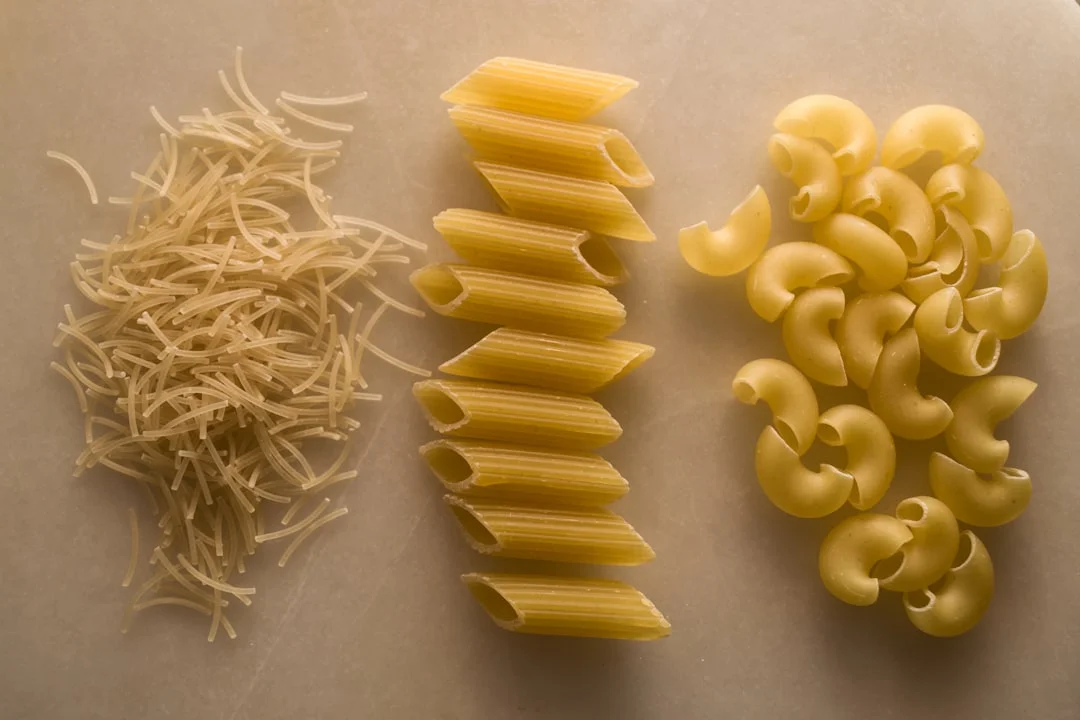
    Málaga’s gastronomic evolution shows no signs of slowing down in 2026. The city, once primarily known for its traditional chiringuitos and fried fish, has transformed into a cosmopolitan food hub that attracts established brands from across Spain. The latest name to make the journey south from Madrid and join the newest culinary hotspots in Málaga is Relleno, a concept dedicated entirely to the art of stuffed pasta.

  • Madrid’s Relleno Brings the Art of Ravioli to Málaga

    Madrid’s Relleno Brings the Art of Ravioli to Málaga

    Málaga’s culinary landscape has been shifting rapidly over the last few years, moving far beyond the traditional espetos and fried fish that put the city on the map. The influx of young chefs and innovative concepts has turned the capital of the Costa del Sol into a serious foodie destination. Adding to the exciting list of gastronomic openings for the 2025/2026 season is Relleno, the artisan ravioli specialist that has already conquered Madrid and has now set up shop in our coastal city.

  • Málaga CF Uses Big Data to Prevent Injuries

    Málaga CF Uses Big Data to Prevent Injuries

    While Málaga is rapidly establishing itself as a technological hub in southern Europe—often dubbed ‘Málaga Tech’—and expanding its lifestyle appeal with new gastronomic arrivals like Relleno, innovation isn’t restricted to the offices of the PTA (Andalusia Technology Park). It has made its way onto the pitch at La Rosaleda. Málaga CF is increasingly relying on advanced data analytics to gain a competitive edge, specifically focusing on physical preparation and injury prevention.

  • Why Castillo de Cártama Should Be Your Next Hike

    Why Castillo de Cártama Should Be Your Next Hike

    While the Alcazaba and Gibralfaro are the undisputed stars of Málaga’s historical skyline, they were never alone in their defense of the region. Just a short drive inland from where Relleno brings the art of ravioli to the coast, perched high above the Guadalhorce Valley, lies a rugged, ancient guardian that offers silence, solitude, and some of the best views in the province: the Castillo de Cártama.

  • Málaga’s Dining Scene: 2025 Hits & What to Eat in 2026

    Málaga’s Dining Scene: 2025 Hits & What to Eat in 2026

    As we settle into the rhythm of 2026, it is the perfect time to look at the data that defined our dining habits over the last twelve months. In the digital age, what we eat is often preceded by what we search for, and the digital footprint of Málaga’s foodies tells a fascinating story of shifting tastes, from tracking local culinary talents at national events to seeking out the newest gelato spots.

  • La Tía Juana Brings Tacos & Tequila to Plaza de Camas

    La Tía Juana Brings Tacos & Tequila to Plaza de Camas

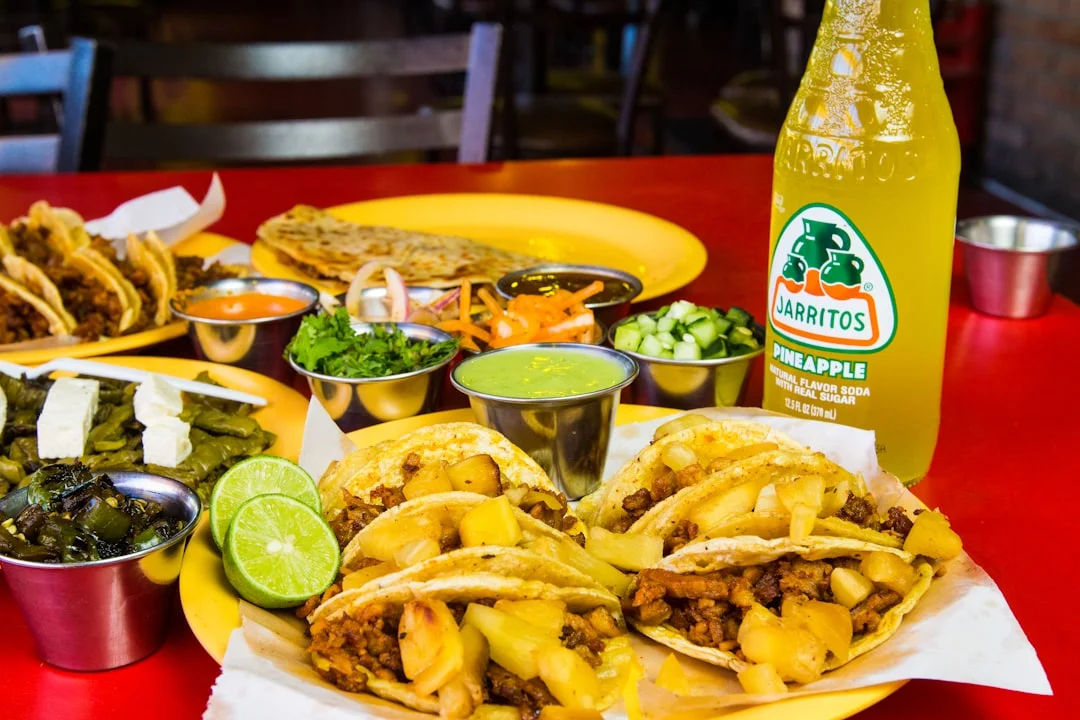
    If you have walked through Plaza de Camas recently, you might have noticed the area is getting busier. Once a quieter square tucked slightly away from the main hustle of Calle Larios, it is rapidly becoming a serious contender for dinner plans. The latest addition to this gastronomic map, joining recent local gastronomy award winners like La Bocaná, is La Tía Juana, a Mexican franchise that has set up shop right in the heart of the plaza.

  • COPD Drug Made in Málaga Could Treat Severe Asthma

    COPD Drug Made in Málaga Could Treat Severe Asthma

    While Málaga is globally renowned for its tourism and lifestyle, a quiet revolution is taking place in its laboratories and hospitals. The city is increasingly establishing itself as a hub for scientific research and medical innovation, with success stories ranging from Málaga TechPark companies reaching Spain’s top 100 to major clinical discoveries. A prime example of this shift is a recent international study led by scientists from Málaga, which has identified a potential breakthrough in the treatment of severe asthma using an existing medication.

  • 5 Dishes That Define Málaga’s Gastronomic Explosion

    5 Dishes That Define Málaga’s Gastronomic Explosion

    For decades, Málaga’s culinary reputation was inextricably linked to the chiringuito: plastic chairs, sand between your toes, and skewers of sardines (espetos) roasted over an open fire. While the espeto remains a sacred institution, the city has undergone a quiet but radical transformation, a shift clearly visible as Málaga’s top chefs take the stage at Madrid Fusión and new culinary hotspots emerge.