The Bigger Picture: Climate and the Costa del Sol
Water scarcity is no longer an abstract concept; it is a daily reality for many regions around the world. Here in southern Spain, the Costa del Sol drought update remains a frequent topic of conversation among international residents, homeowners, and local businesses alike—many of which are already navigating the pressures of a changing city center and the closure of historic shops like Confitería Aparicio. As we head toward the warmer months of 2026, understanding the current state of our water infrastructure is vital for everyone who calls this beautiful coastline home.
Latest Reservoir Status
Malaga province relies on a network of reservoirs to capture, store, and distribute rainfall. Tracking these levels gives us a clear picture of what the upcoming summer might look like. According to a late-April report by Diario Sur, water authorities have been closely monitoring the capacity of critical basins across the province to plan for the dry season.
La Viñuela and Guadalhorce
In the Axarquía region, La Viñuela has historically been the focal point of the region’s water struggles. While seasonal shifts bring varied weather patterns, the reservoir’s capacity continues to dictate agricultural and residential water use in the eastern part of the province. Similarly, the Guadalhorce system, which serves the capital and surrounding agricultural valleys, is under strict management to ensure the city of Malaga maintains a stable supply through the high-demand tourist season, reinforcing the growing awareness that drought is cyclical and we must learn to live with less water.
The Critical Role of La Concepción
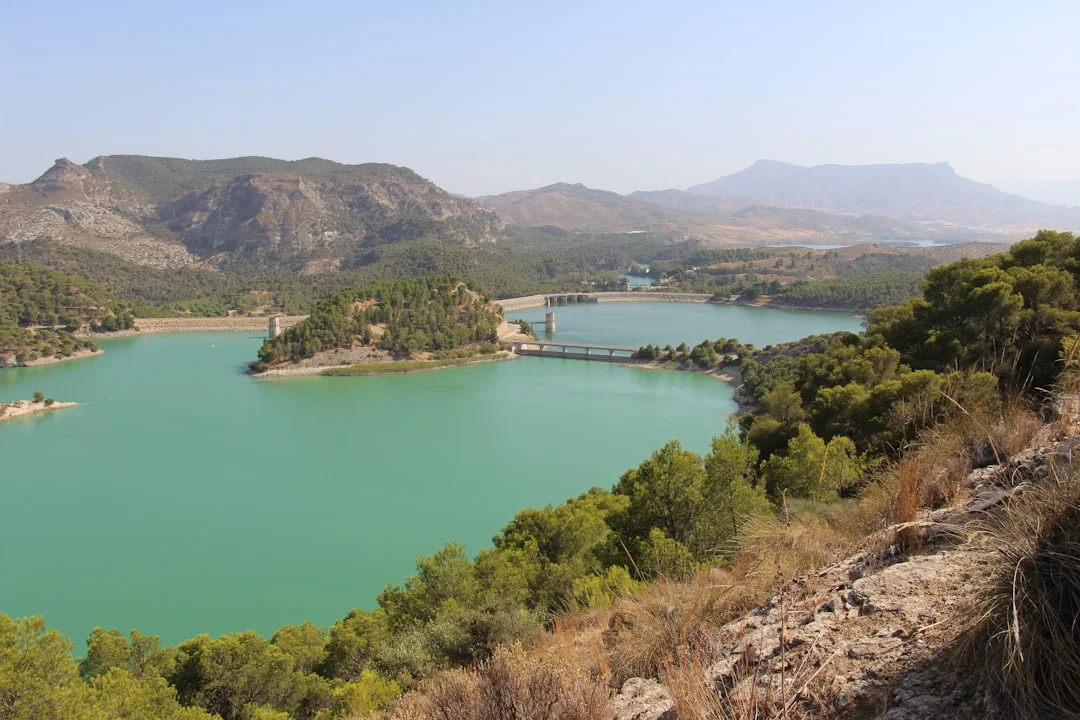
For residents on the western Costa del Sol—spanning from Torremolinos down to Estepona and Manilva—the La Concepción reservoir (fed by the Río Verde) is the beating heart of the water network. The Embalse de la Concepcion water levels are a fundamental metric for coastal water management. Because the western coast experiences a massive population surge during the summer, this relatively small but highly efficient reservoir must be managed with absolute precision. Desalination plants and recycled water initiatives are increasingly stepping in to supplement La Concepción, but the reservoir remains the primary lifeline for municipal water grids.
What to Expect: Malaga Water Restrictions 2026
With the current reservoir levels setting the stage, local municipalities are already outlining their drought management plans. The Malaga water restrictions 2026 framework is expected to build upon the conservation measures we have seen in recent years. Residents and property owners should be prepared for:
- Garden and Outdoor Limitations: Restrictions on using potable water for watering private lawns, washing cars, or hosing down patios and terraces.
- Swimming Pools: Stricter regulations regarding the filling and refilling of private swimming pools, with a strong push toward using non-potable or recycled water where permitted by municipal bylaws.
- Nighttime Pressure Reductions: In some municipalities, water pressure may be temporarily lowered during the early hours of the morning to minimize system leakage and conserve overall supply.
- Beach Facilities: Public beach showers and foot washes may remain disconnected to prevent unnecessary water waste during the peak beachgoing months.
Adapting to a Changing Environment
Living on the Costa del Sol means enjoying an incredible climate, but it also requires us to adapt to its natural limitations. The shift toward sustainable water use isn’t just a local mandate; it is part of a global movement to protect our most precious resource. Simple changes—like upgrading to water-efficient appliances, planting drought-resistant Mediterranean gardens, and being mindful of our daily consumption—can make a profound collective difference.
As we look toward the summer, there is a shared sense of community responsibility. While we always welcome the rain when it comes, we must continue to learn how to thrive with the water we have. By staying informed and acting mindfully, we can help ensure that this vibrant region remains welcoming, beautiful, and sustainable for generations to come.
Leave a Reply